
How Improper Yard Grading Causes Moisture
Improper yard grading causes moisture when the ground around a home does not move water away from the foundation. If the soil is flat, settled, or sloped toward the house, rainwater and roof runoff can collect near basement walls, crawl space walls, slab edges, exterior doors, and foundation planting beds.
Yard grading controls where surface water goes after rain. When the grade sends water away from the home, the foundation area can dry normally. When the grade sends water toward the home, soil beside the foundation can stay wet long enough to contribute to basement dampness, crawl space humidity, wall stains, seepage, and recurring moisture problems.
Improper grading does not mean the foundation itself is automatically failing. In many homes, the first issue is simply that water is being delivered to the wrong place. The problem becomes more serious when the same areas stay wet after ordinary rain or when outdoor moisture lines up with indoor symptoms.
What Improper Yard Grading Means
Yard grading is the shape and slope of the ground around the home. Proper grading should encourage water to move away from the foundation. Improper grading does the opposite. It allows water to sit beside the house, flow toward the foundation, or collect in low spots where the soil should be draining.
Improper grading can include ground that slopes toward the house, soil that is nearly flat near the foundation, settled backfill that forms a shallow trench, raised landscape beds that trap water, or hard surfaces that send runoff back toward the wall. The problem is not always obvious when the yard is dry. It often becomes visible only during or after rain.
Grading can also change over time. Soil settles, mulch beds are added, patios shift, walkways sink, and erosion removes soil from some areas while depositing it in others. A home that once drained well can develop foundation-area moisture later because the grade has slowly changed.
Because grading affects where water travels, it belongs in a broader plan for finding and preventing moisture problems throughout the home. A basement, crawl space, or lower wall may show symptoms indoors, but the cause can begin with the slope of the soil outside.
How Negative Slope Sends Water Toward the Foundation
Negative slope means the ground falls toward the house instead of away from it. During rain, water follows that downward path. Even a subtle slope can send runoff toward the foundation when rain is steady or repeated over several days.
This matters because water does not need to rush dramatically toward the house to create a moisture problem. A small amount of repeated runoff can keep the soil near the foundation wetter than the rest of the yard. Over time, that wet zone may become the area where basement dampness, crawl space humidity, or lower-wall moisture begins.
Negative slope often shows up as water flowing toward the foundation during rain, soil that stays wet along the wall, or puddles that form near the same corner of the house. It may also appear as mulch washing toward the foundation or water collecting where the lawn meets a walkway, patio, or driveway.
The basic principle is simple: water moves toward the low point. If the low point is beside the house, the foundation area receives water that should have drained away. For a deeper explanation of runoff behavior, see how surface water moves toward foundations.
Why Settled Soil Beside the Foundation Creates Moisture Problems
Soil beside a foundation is often disturbed during construction. After the foundation is built, soil is placed back around the walls. Over time, that backfilled soil can compact and settle. When it settles lower than the surrounding yard, it can create a shallow depression beside the house.
That depression can act like a trough. Rainwater, roof runoff, and irrigation water may collect there instead of moving away from the foundation. The homeowner may not notice the low area on a dry day, but after rain it may become visible as standing water, muddy soil, or a damp strip along the wall.
Settled soil is not the same as structural foundation settlement. In many cases, it is a surface drainage issue caused by soil compaction near the house. Still, it matters because the low area can hold water against the foundation and keep the surrounding soil wet.
These low areas can also worsen over time. Water that sits in the depression may soften the soil, and runoff may carry more soil away. As the low spot deepens, it can hold more water during future storms, making the moisture pattern more persistent.
How Improper Grading Causes Water to Pool After Rain
Improper grading causes water to pool after rain by placing the lowest point too close to the house. Instead of spreading into the yard or moving toward a drainage path, water collects beside the foundation where the soil is flat, settled, or sloped inward.
A yard can look normal during dry weather but reveal the real drainage pattern during storms. If water repeatedly sits along the same foundation wall, corner, patio edge, or planting bed, the grade may be holding water where it should be moving away.
Pooling becomes more likely when improper grading is combined with roof runoff. A downspout may release water near the house, and the poor grade may then keep that water from escaping. In that case, the downspout provides the water and the grade determines where the water stays.
For a broader diagnosis of pooling causes, see why water pools around houses after rain. In this article, the main point is that improper grading creates the shape that allows water to collect near the structure.
How Bad Grading Increases Basement Wall Moisture
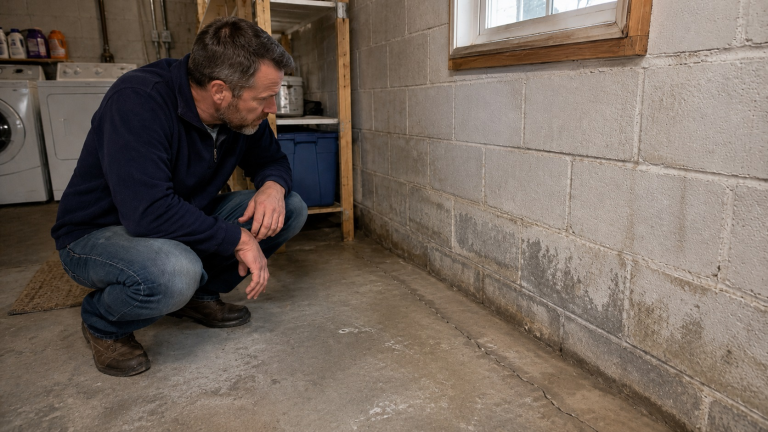
Bad grading can increase basement wall moisture because below-grade walls are surrounded by soil. When that soil stays wet after rain, the wall is exposed to more moisture for longer periods. If the wall has cracks, porous masonry, weak joints, deteriorated coatings, or other vulnerable areas, moisture may begin showing up inside.
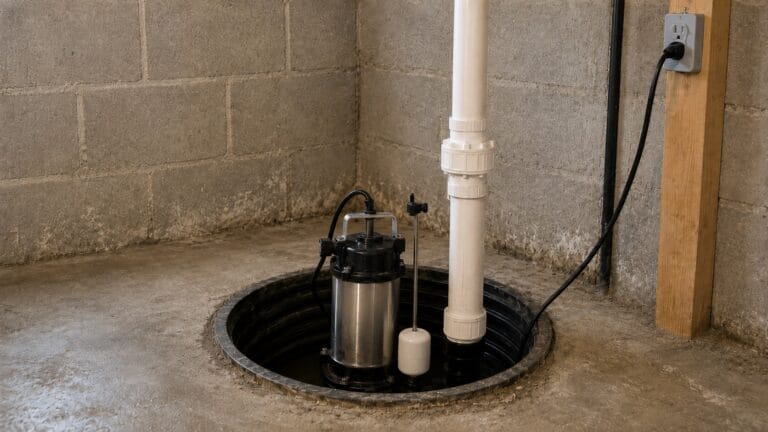
This does not mean improper grading is the only reason basement walls leak. Basement moisture can also involve hydrostatic pressure, foundation cracks, failed exterior waterproofing, clogged drainage systems, condensation, or sump pump issues. But grading is one of the first exterior conditions to check because it controls whether rainwater is being directed toward the wall in the first place.
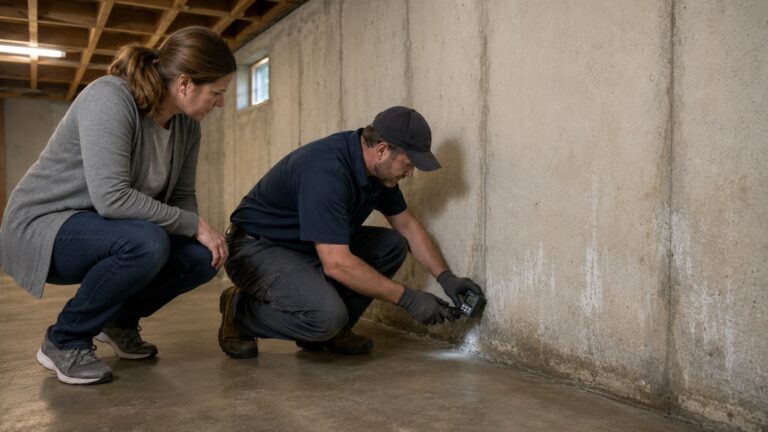
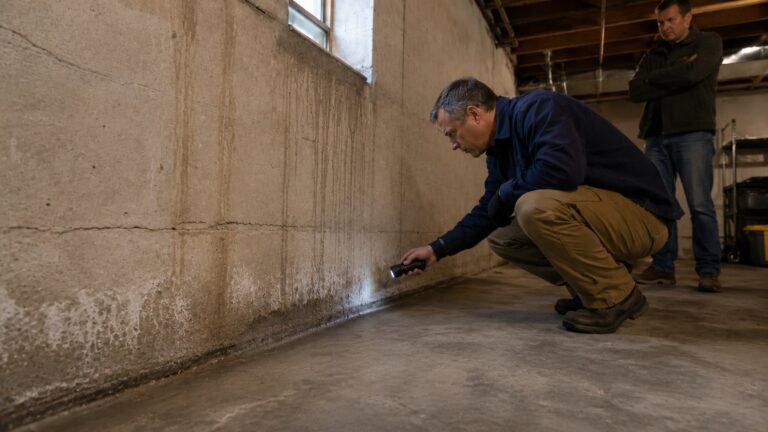
Common indoor signs include damp patches near the base of basement walls, musty odors after rain, peeling paint, white mineral residue, or recurring stains along the wall where water collects outside. These symptoms may be stronger on the side of the house where the grade slopes inward.
This connection is one reason improper grading supports the broader topic of why basement walls leak during rain. If rainwater is repeatedly guided toward below-grade walls, the basement may become damp even before an obvious leak appears.
How Grading Problems Affect Crawl Spaces and Slab Edges
Improper grading can cause moisture problems even in homes without basements because crawl spaces and slab foundations also depend on surface water moving away from the structure.
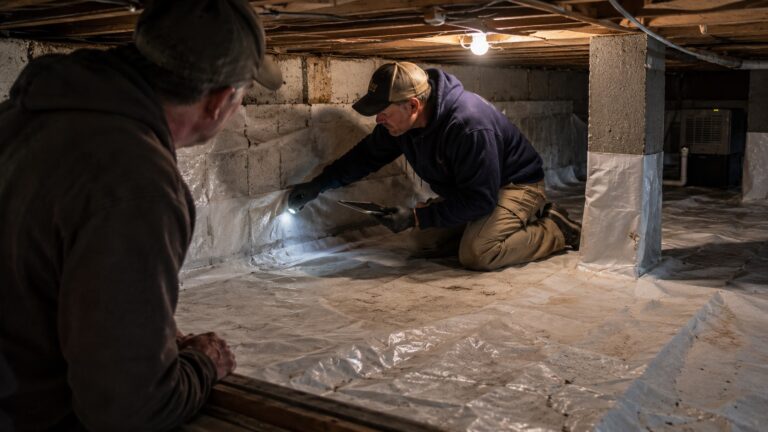
In a crawl space, bad grading can direct water toward perimeter walls, vents, access doors, and low exterior openings. Moisture may not appear as a visible stream of water at first. Instead, the crawl space may smell damp, wood framing may stay humid, insulation may feel wet, or the ground surface may remain muddy after rain.
For slab foundations, grading problems can affect the edges of the slab, garage transitions, exterior doors, patios, and wall-floor junctions. Water that repeatedly collects against slab edges may contribute to damp flooring, musty odors, swollen trim, or moisture near exterior walls.
The same drainage rule applies to all foundation types: water should move away from the building. Whether the home has a basement, crawl space, or slab, poor grading can keep the foundation perimeter wetter than it should be.
How Downspouts and Gutters Make Bad Grading Worse
Downspouts and gutters can make grading problems worse because they concentrate roof runoff. A roof collects a large amount of rainwater, and the gutter system sends that water into a small number of discharge points. If those discharge points empty onto soil that slopes back toward the house, water can return to the foundation even after leaving the downspout.
This is why a downspout extension does not always solve the problem by itself. If the extension ends in a low spot or releases water onto ground that slopes back toward the home, the water may still travel back to the foundation. The discharge point and the surrounding grade need to work together.
Overflowing gutters create a similar issue. When gutters spill over, water drops along the foundation line. If the grade below that drip line slopes inward or holds water, the overflow can create repeated wet soil beside the house. For gutter-specific warning signs, see signs your gutters are overflowing.
Clean gutters still need a safe discharge path. Roof water should exit where the surrounding grade carries it away from the foundation, not back toward it.
How Patios, Walkways, and Driveways Change Drainage Direction
Patios, walkways, and driveways can change drainage direction because they function like hard, artificial grades. Unlike soil, these surfaces shed water quickly. If they slope toward the house, they can send runoff directly to the foundation.
This often happens when concrete, asphalt, pavers, or stone surfaces settle over time. A patio that once drained away from the house may begin holding water near the wall. A walkway may create a narrow channel that carries water toward a foundation corner. A driveway may send runoff toward the garage, basement wall, or slab edge.
Hard surfaces can also trap water where they meet the foundation. If there is a gap between a walkway and the house, water may collect in that joint. If a patio slopes inward, water may sit against the foundation instead of flowing into the yard. These areas are easy to overlook because the water may disappear into a crack or seam rather than forming a large puddle.
When hardscaping changes drainage direction, the moisture problem may appear to come from the wall, floor, or slab edge. In reality, the water may be starting on the surface outside and being guided toward the structure by the slope of the patio, driveway, or walkway.
How Landscaping Can Hide or Worsen Grading Problems
Landscaping can make improper grading harder to see. Mulch, decorative stone, shrubs, edging, and raised planting beds may cover the soil line, hide low spots, or trap water beside the foundation.
Mulch beds are a common example. A thick layer of mulch may hide saturated soil underneath. Decorative rock can do the same thing. From the surface, the area may look neat and dry, but water may be sitting below the visible layer near the foundation wall.
Raised beds and edging can also worsen grading problems. If a planting bed is built higher than the surrounding yard or surrounded by a border, water may collect inside the bed. Instead of draining away from the house, runoff can be held in place against the foundation.
Irrigation adds another layer of risk. Sprinklers that hit the wall, drip lines placed too close to the foundation, or overwatered shrubs can keep the soil wet even when rainfall is not the only source. If the grade already slopes toward the house, irrigation can make that wet pattern more persistent.
Signs Improper Grading May Be Causing Moisture
Improper grading is most likely causing moisture when outdoor water movement and indoor symptoms line up. The clearest outdoor clue is water flowing toward the house during rain or collecting beside the foundation afterward.
A simple way to check is to watch the first 10 to 15 minutes of steady rain from a safe, dry location. Look for thin streams, mulch movement, or water paths that aim toward the foundation instead of away from it.
Other exterior signs include soil that stays wet along one wall, mulch washing toward the foundation, puddles forming near the same corner, water sitting against patios or walkways, and downspout discharge that returns toward the house instead of moving away.
Indoor symptoms may include musty basement odors after rain, damp crawl space air, lower-wall stains, peeling paint, white mineral residue on masonry, wet flooring near exterior walls, or humidity that rises after storms. These symptoms do not prove grading is the only cause, but they make the outside slope worth checking.
If you are still trying to identify whether the problem is visible drainage or a specific grading issue, compare these clues with the broader signs of poor drainage near foundations. If indoor moisture is already showing up after rain, also review signs water is entering from outside drainage.
Yard Grading Assumptions That Lead to Moisture Problems
The Yard Looks Flat, So Grading Is Not the Issue
Flat ground can still cause drainage problems. Water needs a clear path away from the house. If the soil is nearly level beside the foundation, water may sit there instead of draining away after rain.
Only Steep Slopes Cause Moisture Problems
A dramatic slope is not required. Even a subtle negative slope can send water toward the foundation during repeated rain. Small slope problems become more important when they occur near basement walls, crawl space openings, slab edges, or downspout discharge points.
Gutters Solve Grading Problems
Gutters help only if the water is discharged where the grade carries it away from the house. If downspouts release water onto ground that slopes back toward the foundation, the gutter system may still contribute to moisture.
Mulch Improves Drainage by Itself
Mulch can reduce splash and protect soil, but it does not fix bad grade. Thick mulch can also hide saturated soil or low areas that hold water beside the foundation.
Waterproofing Should Always Come Before Grading Corrections
Basement waterproofing can be necessary in some homes, but visible grading problems should not be ignored. If surface water is still being directed toward the foundation, waterproofing may be forced to manage water that should have been moved away outside. In more complex cases, grading may need to be considered alongside basement waterproofing and water intrusion control.
When Improper Grading Needs Professional Evaluation
Improper grading deserves closer evaluation when water repeatedly moves toward the house after ordinary rain, not just after an unusually heavy storm.
Professional evaluation becomes more important when the yard clearly slopes toward the house, soil has settled into a low strip beside the foundation, or water keeps pooling against basement walls, crawl space walls, slab edges, exterior doors, or garage transitions.
Hardscaping can also make grading more complicated. If patios, walkways, driveways, exterior steps, or porch slabs are sending water toward the house, the solution may involve more than adding soil. Changing drainage around hard surfaces can affect surrounding grades, door thresholds, siding clearances, and neighboring runoff paths.
Avoid piling soil, mulch, or stone high against siding, vents, weep holes, door thresholds, or wood trim just to create slope. Raising the surface too high can trap moisture against materials that were designed to stay above grade.
Indoor symptoms are another reason to take grading seriously. Musty basement odors after rain, crawl space dampness, lower-wall staining, seepage, damp flooring near exterior walls, or recurring humidity after storms may mean the grading issue is already affecting the home.
A drainage, landscaping, basement waterproofing, or foundation professional can help determine whether the issue is mostly surface grading or part of a larger water management problem. If grading is only one piece of the issue, the home may also need gutter corrections, downspout extensions, drainage improvements, or broader water redirection away from the foundation.
FAQs About Improper Yard Grading and Moisture
Can improper yard grading cause basement leaks?
Yes, improper yard grading can contribute to basement leaks by directing water toward below-grade walls. When the soil beside the foundation stays wet, moisture may find weak points such as cracks, porous masonry, joints, or deteriorated coatings. Grading is not the only possible cause of basement leaks, but it is one of the first exterior conditions to check.
How do I know if my yard slopes toward my house?
Watch how water moves during steady rain. If runoff flows toward the foundation, puddles form beside the house, mulch shifts toward the wall, or soil along the wall stays wet after surrounding areas dry, the yard may be sloping the wrong way. A nearly flat yard can also be a problem if water has no clear path away from the home.
Can soil settlement create grading problems?
Yes. Soil beside a foundation can settle over time, especially where it was backfilled during construction. When that soil drops lower than the surrounding yard, it can create a shallow trough that holds water near the foundation after rain.
Is regrading always enough to stop moisture problems?
No. Regrading may help when surface runoff is the main problem, but some homes also need gutter repairs, downspout changes, drainage improvements, waterproofing evaluation, or foundation repairs. Regrading is important, but it is not a guaranteed solution for every moisture issue.
Can bad grading cause crawl space moisture?
Yes. Bad grading can direct water toward crawl space perimeter walls, vents, access doors, and low exterior openings. This can raise humidity, keep the crawl space ground damp, wet insulation, or contribute to musty odors after rain.
Should grading be fixed before basement waterproofing?
Visible grading problems should usually be evaluated before relying only on interior waterproofing. If water is still being directed toward the foundation outside, interior systems may have to manage moisture that could have been reduced at the source. In many cases, exterior grading and basement waterproofing work best as part of the same water control strategy.
Can landscaping cause grading problems?
Yes. Raised beds, edging, thick mulch, decorative stone, shrubs, and irrigation can all affect grading near the house. Landscaping may hide low soil, trap runoff, or keep the foundation area wet longer than expected.
Key Takeaways
- Improper yard grading causes moisture by directing rainwater, roof runoff, or irrigation water toward the house instead of away from it.
- Negative slope can keep foundation soil wet even when the slope looks subtle during dry weather.
- Settled soil beside the foundation can create low areas that hold water after rain.
- Bad grading can contribute to basement dampness, crawl space humidity, slab-edge moisture, wall stains, seepage, and recurring musty odors.
- Downspouts, gutters, patios, walkways, driveways, and landscaping can all make grading problems worse.
- Regrading may help, but it is not always the only correction needed when moisture has already reached the home.
Bottom Line
Improper yard grading causes moisture by placing the low point too close to the home. If rainwater, roof runoff, or irrigation water repeatedly moves toward the foundation, the soil around basement walls, crawl spaces, slab edges, and exterior openings can stay wet long after the storm ends.
When indoor moisture appears after rain, the outside slope should be one of the first conditions checked. Correcting the water path may not solve every basement or foundation moisture problem, but it can reduce a common reason water keeps returning to the same vulnerable areas.
3 Comments
Comments are closed.