
What to Expect During Mold Remediation
During mold remediation, you should expect a controlled cleanup process: the company reviews the scope, protects unaffected areas, sets up containment when needed, removes or cleans affected materials, controls dust, addresses moisture conditions, and documents what was done. If you have never gone through it before, you may also wonder whether walls will be opened, whether equipment will run, whether you need to leave, and how you will know when the job is actually finished.
The exact process depends on the size of the mold problem, the materials affected, the moisture source, and the scope of work. A small isolated surface issue may be handled very differently from mold behind wet drywall, in attic sheathing, on crawl space framing, or under flooring after a long-term leak.
In general, professional mold remediation should follow a clear sequence. The company should review the work area, protect unaffected parts of the home, remove or clean affected materials as needed, control dust and debris, address moisture conditions, and document what was done. For a broader foundation on cleanup strategy, see this guide to removing mold permanently.
What Mold Remediation Is Supposed to Accomplish
Mold remediation is not supposed to be a mystery service where a company simply sprays a product and leaves. If you are still unsure whether the situation needs a contractor at all, start with this guide on when professional mold remediation is needed. The purpose is to remove or clean mold-affected materials, reduce contamination in the work area, prevent the work from spreading dust into clean spaces, and help the homeowner understand what caused the mold in the first place.
A good remediation project should answer several practical questions:
- Where is the mold growth?
- What materials are affected?
- Are those materials cleanable, or do they need to be removed?
- What moisture source caused or contributed to the problem?
- How will the work area be protected?
- What will be documented before and after the work?
- What repairs are still needed after remediation?
The most important point is that mold remediation should not ignore moisture. Mold grows because moisture is present. If the leak, condensation problem, basement seepage, crawl space dampness, roof issue, plumbing leak, or humidity problem remains active, mold can return after cleanup. That is why remediation should connect to fixing the moisture problem behind the mold.
Remediation also does not always mean full restoration. A company may remove mold-damaged drywall, clean framing, and leave the wall open for drying or rebuild. Unless rebuild is included in the scope, replacing drywall, painting, installing trim, repairing flooring, or fixing the original leak may be separate work.
Step 1: Scope Review, Inspection, and Moisture Check
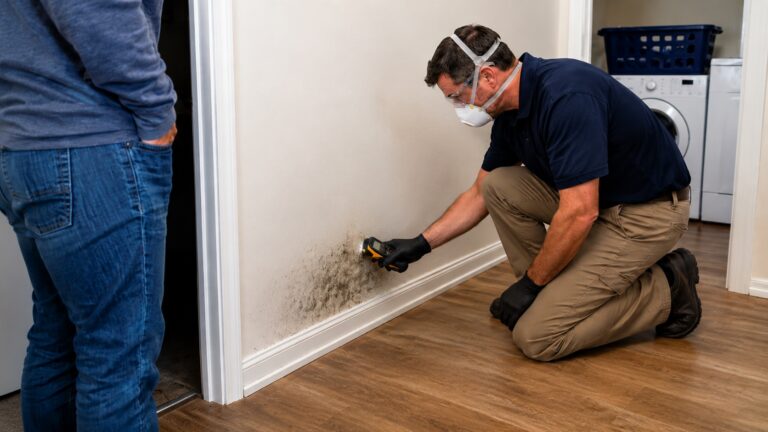
Before work begins, the company should review the scope of work with you. This is the time to confirm which areas are included, which materials may be removed, what rooms or pathways will be affected, and what is excluded from the project.
If you have not yet approved the job, this is also the point where you should make sure you understand the estimate. A clear scope is easier to compare than a vague promise to “treat mold.” If you are still reviewing estimates, it may help to understand how to compare mold remediation quotes before choosing a company.
The company may inspect again before starting
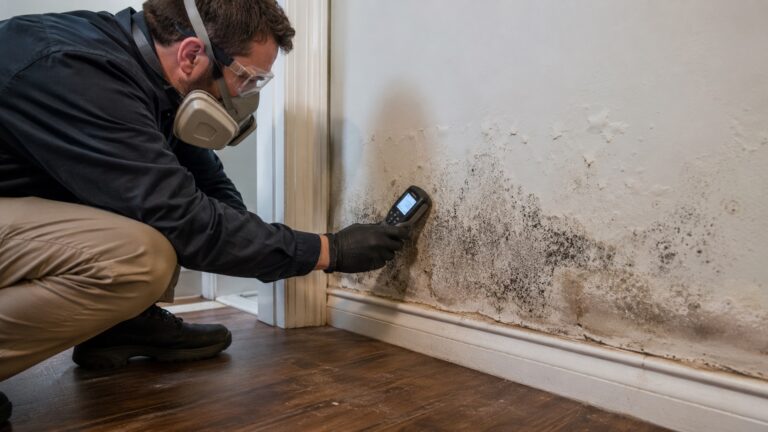
Even if an estimator already visited, the crew may inspect the area again before setup. They may confirm the affected materials, look for visible moisture, check access, review nearby belongings, and decide where equipment or containment should go.
This is normal. Mold remediation often depends on the condition of the materials on the day work begins. If the leak is still active, the drywall is wetter than expected, or more damage is visible than originally documented, the company may need to discuss a change before proceeding.
Moisture conditions should be discussed
Ask whether the area is dry enough for remediation or whether drying, leak repair, ventilation correction, or another repair must happen first. If the company finds damp framing, wet insulation, active seepage, or ongoing condensation, that issue may affect the order of work.
The remediation company may not perform every repair. A plumber, roofer, waterproofing contractor, HVAC contractor, or rebuild contractor may be needed. Still, the moisture issue should not be ignored. If you asked detailed questions before hiring a mold remediation company, the moisture-source plan should already be part of the conversation.
The work area and access should be clear
The company should explain where workers will enter, where equipment may be placed, which rooms may be off-limits, and whether furniture or belongings need to be moved. If the work is in a basement, attic, crawl space, bathroom, kitchen, or bedroom, access planning helps reduce confusion once the project starts.
This is also a good time to ask how long the area may be unavailable, whether pets should be kept away, and whether any odors, noise, or equipment should be expected. The answer may vary widely depending on the scope, but the company should be able to explain the plan for your home.
Step 2: Preparing the Work Area
After the scope is reviewed, the crew will usually prepare the work area. This may involve moving belongings, covering nearby surfaces, protecting flooring, setting up access paths, and identifying anything that should not be disturbed.
The setup should match the location. A bathroom wall project may require fixture and floor protection, while an attic, crawl space, basement, cabinet, or flooring project may require access planning, lighting, debris routes, or protection for nearby finishes.
Belongings may need to be moved or covered
If mold remediation is happening near furniture, storage bins, clothing, boxes, or personal items, the company may ask that belongings be moved before work begins. In some cases, the crew may move or cover items as part of the scope. In other cases, belongings may be excluded from the quote.
Ask what the company expects you to move and what they will handle. This is especially important in basements, crawl space access areas, closets, attics, garages, and storage rooms, where mold work often happens near personal belongings.
Floors and access routes may be protected
Workers may need to carry tools, equipment, plastic sheeting, bags, and removed materials through part of the home. A professional crew should think about how to protect clean areas while moving in and out of the work zone.
Depending on the project, this may include floor protection, planned debris routes, sealed bags, or separating the work path from normal living areas. The purpose is to keep the project organized and reduce the chance of spreading dust or debris.
Utilities, vents, and nearby systems may be considered
If the work is near electrical outlets, plumbing, HVAC vents, appliances, or mechanical equipment, the company may need to plan around those systems. They may also ask whether the HVAC system should be turned off temporarily in certain areas or whether vents near the work zone should be protected.
If active water, damaged wiring, or unsafe structural conditions are present, those hazards should be addressed before workers or occupants treat the area like a normal room.
This does not mean every project requires complex setup. It simply means the company should think through how the work area connects to the rest of the home before moldy materials are disturbed.
Step 3: Containment and Airflow Control
Containment is used to separate the mold work area from unaffected spaces. The level of containment depends on the project. A small surface cleanup may need only basic protection, while a larger job involving drywall removal, insulation removal, or dusty demolition may require plastic barriers, sealed openings, controlled access, and air filtration.
Containment can look dramatic, but its purpose is practical. It helps keep dust, debris, and disturbed particles from moving into clean areas of the home while remediation is happening.
Plastic barriers may be installed
For intrusive work, crews may use plastic sheeting to separate the work area from the rest of the home. Doorways, openings, vents, or hallways may be sealed or partially controlled depending on the setup.
The barrier should match the work. A small area may not need a major containment system, but a project that opens mold-damaged walls or removes insulation should not be treated like ordinary housecleaning.
Air filtration or negative air may be used
Some mold remediation projects use HEPA air filtration, air scrubbers, or negative air machines. These tools help control airborne dust and particles while work is being performed. They are more common on larger, more intrusive, or more sensitive projects.
Not every job requires this equipment. What matters is whether the contractor can explain why it is or is not needed for your specific project. If equipment is listed in the scope, ask what it is doing and how long it may run.
Access to the work zone may be limited
Once containment is set up, the company may ask you not to enter the work area. This is normal. The work zone may contain exposed materials, tools, plastic barriers, equipment, dust, or partially removed building materials.
Children and pets should usually be kept away from containment and equipment. If anyone in the home has respiratory concerns or other health sensitivities, discuss occupancy precautions with the contractor and a qualified healthcare professional when needed.
Step 4: Removing Mold-Damaged Materials When Needed
Some mold-affected materials can be cleaned. Others may need to be removed. The decision depends on the material, the amount of mold growth, the moisture history, and whether the material is damaged enough that cleaning would not be reliable.
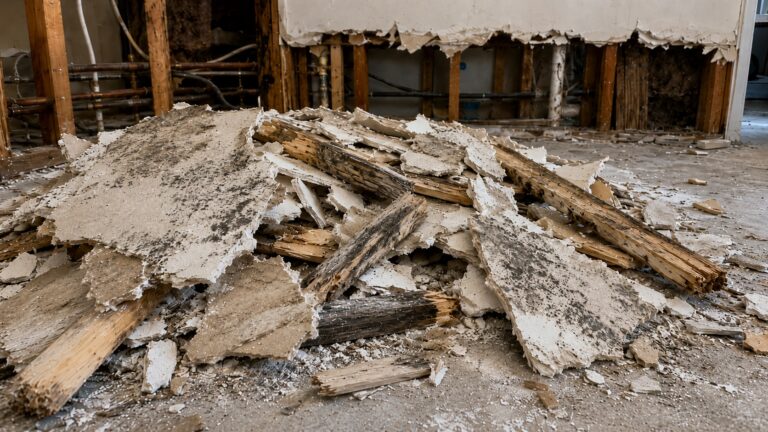
Porous or water-damaged materials such as drywall, insulation, carpet padding, ceiling materials, and deteriorated trim are more likely to be removed when contamination or moisture damage is significant. Hard surfaces, concrete, and some exposed wood may be cleaned depending on condition and scope.
The area may look worse before it looks better
During remediation, the work area may look more damaged than it did before. This can happen when crews remove drywall, baseboards, flooring, insulation, or cabinet materials to expose affected areas. That does not automatically mean something is going wrong.
Mold problems are often partly hidden. Once materials are opened, the company may find more damage, wet materials, or a larger affected area than expected. If that happens, they should document what they found and explain whether the scope needs to change.
Not every stain means a material must be removed
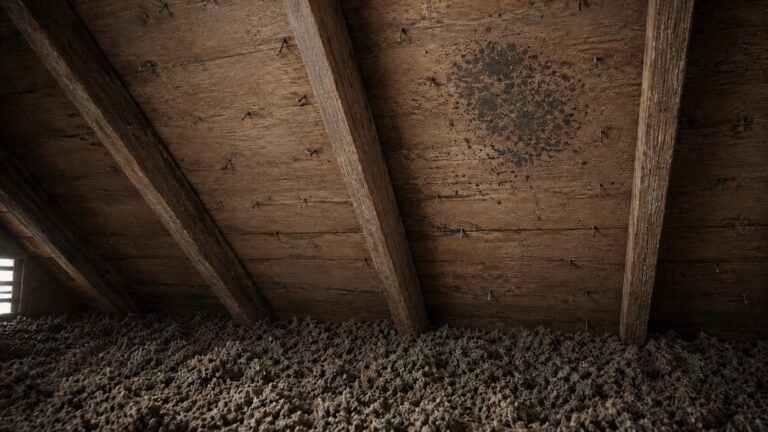
It is also important not to assume that every stain or discoloration means full demolition is needed. Some staining may remain on certain cleaned materials, especially structural wood, even after active growth and loose contamination have been addressed.
The company should be able to explain the difference between staining, active mold growth, moisture damage, and material failure. If removal is recommended, ask why the material cannot be cleaned or safely left in place.
Removed materials should be controlled
When mold-damaged materials are removed, they should be handled in a controlled way. Depending on the scope, debris may be bagged, sealed, carried through a planned route, and disposed of according to the company’s procedures.
Loose debris should not be casually dragged through clean rooms. If the project involves significant removal, ask how debris will leave the home and what cleaning will happen afterward.
Step 5: Cleaning Remaining Surfaces
After mold-damaged materials are removed when needed, the remaining surfaces should be cleaned according to the scope of work. This may include exposed framing, concrete, hard surfaces, sheathing, subfloor edges, or other materials that are staying in place.
The cleaning method depends on the material and the severity of the mold growth. A company may use HEPA vacuuming, wiping, sanding, brushing, surface cleaning, or other methods depending on the job. Antimicrobial products or sealers may be used in some projects, but they should not replace proper cleaning or moisture correction.
For general homeowner safety guidance, the EPA’s mold and moisture guidance also emphasizes moisture control, protective precautions, and avoiding cleanup methods that spread contamination.
Cleaning should match the material
Different materials behave differently. Smooth hard surfaces are not handled the same way as rough wood, drywall paper, insulation, carpet padding, or ceiling texture. A professional company should be able to explain why a material is being cleaned, removed, or left for another contractor.
This is one reason the written scope matters. If the quote only says “treat mold,” ask what that actually means. Treatment may not be the same as removal, cleaning, disposal, or final cleanup.
Some staining may remain after cleaning
Homeowners sometimes expect every dark mark to disappear after remediation. In some cases, stains remain on wood or other materials even after loose contamination and active growth have been addressed. Staining alone does not always mean the job failed.
Ask the company what the cleaned surface should look like when the work is complete. They should be able to explain the difference between remaining cosmetic staining, active growth, wet material, and damaged material that still needs repair.
Step 6: Managing Dust, Debris, and Disposal
Mold remediation can create dust and debris when affected materials are disturbed, so debris control should be part of the job. The scope should explain what is being removed, whether disposal is included, and how the work area will be cleaned before the project is considered complete.
Debris should not spread through clean areas
Ask how removed materials will leave the home. For larger jobs, debris may be bagged or sealed, access paths may be protected, and containment may remain in place until dusty work and cleanup are finished. Mold-damaged material should not be handled in a way that unnecessarily spreads dust into clean living spaces.
Final cleanup should be part of the process
After removal and cleaning, the work zone should be cleaned according to the scope. This may include removing debris, vacuuming, wiping surfaces, cleaning tools or equipment pathways, and checking the area before containment is removed.
If the company leaves behind loose dust, debris, or unclear conditions, ask for clarification before accepting the job as complete. A remediated area may still be unfinished if rebuild is excluded, but it should not be left messy or contaminated without explanation.
Step 7: Drying, Repairs, and Source Correction
Mold remediation and moisture correction are closely connected, but they are not always performed by the same company. If materials are still wet, drying may need to continue. If the leak is active, a plumber, roofer, waterproofing contractor, HVAC contractor, or other specialist may be needed.
This step is critical because mold can return if moisture returns. A company may clean the affected area properly, but if the wall leaks again, the basement stays damp, or condensation continues, the conditions that supported mold growth may come back.
Drying may need to happen before rebuild
If drywall, framing, flooring, or insulation was wet, the area may need to dry before repairs are completed. Dehumidifiers, air movers, or other drying equipment may be used depending on the situation. In some cases, the remediation company handles drying. In others, drying or repair is handled separately.
Do not rush rebuild over damp materials. Closing a wall, reinstalling trim, or replacing flooring before moisture is controlled can trap moisture and create another mold problem later.
The original source may require another contractor
Some mold sources are outside the remediation company’s trade. A roof leak may need a roofer. A pipe leak may need a plumber. Basement seepage may need drainage or waterproofing work. HVAC condensation may need an HVAC contractor. Exterior water intrusion may need siding, flashing, window, or door repair.
The remediation company should at least explain what they observed and what still needs attention. If the cause is unclear or recurring, review why mold keeps coming back after cleaning so you can avoid repeating the same cleanup without correcting the conditions behind it.
Step 8: Documentation and Completion Review
At the end of the project, the company should review what was done. The amount of documentation depends on the job size and the agreement, but larger projects should usually include more than a verbal “we finished.”
Documentation may include photos, moisture notes, a list of removed materials, cleaning steps, containment notes, completion summaries, and recommendations for repairs or follow-up. If insurance, resale, rentals, or future contractor work may be involved, these records can be especially useful.
Before final approval, ask three simple questions: what was removed, what was cleaned, and what still needs to be repaired or dried? Those answers help separate completed remediation from unfinished restoration work.
Review the work area before final approval
Before you consider the job complete, ask to review the work area or see photos if the area is difficult to access. The area may still be open, unfinished, or waiting for rebuild, but you should understand what was removed, what was cleaned, and what still needs to happen.
If you see new staining, debris, dampness, or areas that were not discussed, ask questions before final payment. Some conditions may be normal after remediation, but they should be explained.
Ask for records you may need later
Ask for before-and-after photos, invoices, completion notes, and moisture documentation when appropriate. These records may help with future repairs, resale questions, or insurance-related documentation. If a claim is involved, it can also help to understand how to document mold damage for insurance claims.
Understand what completion means
Completion does not always mean the room looks finished. If rebuild was excluded, the company may leave open walls, exposed framing, missing trim, or unfinished flooring after the affected materials are removed and the area is cleaned.
That can be normal, but it should not be a surprise. The quote should make clear whether remediation includes restoration or whether another contractor will handle repairs.
If the area is being left open for drying or rebuild, ask what condition it should be in before new drywall, flooring, trim, or cabinets are installed.
Can You Stay Home During Mold Remediation?
Whether you can stay home during mold remediation depends on the size of the project, the location of the work area, the materials being disturbed, the containment plan, the products used, and the sensitivity of the people living in the home.
For a small, contained project in a limited area, you may be able to stay in the home while avoiding the work zone. For larger projects involving demolition, strong odors, multiple rooms, bedrooms, HVAC pathways, or sensitive occupants, temporary relocation from part or all of the home may be recommended.
Ask what areas will be off-limits
Before the work begins, ask which rooms, hallways, bathrooms, basement areas, attic access points, or crawl space openings should be avoided. If containment is installed, do not enter the contained area unless the company tells you it is safe to do so.
Children and pets should be kept away from equipment, plastic barriers, exposed materials, debris, and work zones. If anyone in the home has asthma, allergies, immune concerns, or other health sensitivities, ask the remediation company about practical jobsite precautions and speak with a qualified healthcare professional for personal medical guidance.
Expect some noise, equipment, and disruption
Mold remediation may involve equipment noise, workers moving through the home, plastic barriers, sealed doors, covered floors, tools, vacuums, air filtration equipment, or drying equipment. The disruption may be minor or significant depending on the project.
Ask how long equipment may run, whether certain rooms will be unavailable, and whether the company needs access to electrical outlets, water, or exterior doors. Clear expectations make the project easier to live around.
What Mold Remediation Usually Does Not Include
One of the most common surprises is that mold remediation does not always include rebuilding the affected area. Many remediation projects focus on removing contaminated materials, cleaning remaining surfaces, controlling dust, and documenting the work. Restoration may be a separate phase.
Unless the quote says otherwise, mold remediation may not include:
- Replacing drywall
- Painting walls or ceilings
- Reinstalling trim or baseboards
- Repairing flooring
- Rebuilding cabinets
- Fixing plumbing leaks
- Repairing roof leaks
- Correcting basement seepage
- Improving drainage or waterproofing
- Repairing HVAC condensation problems
- Performing structural repairs
- Providing independent mold testing
- Handling insurance paperwork
These services may be offered by the same company, but they should be listed clearly in the scope. If they are not listed, assume they may be separate. This is also why the cheapest remediation quote is not always the cheapest total project. Before comparing totals, review what affects mold remediation cost.
What to Watch for After Mold Remediation
After mold remediation is complete, continue watching the area for signs that moisture is returning. Watch for musty odors, new stains, peeling paint, condensation, damp trim, soft drywall, wet flooring, basement seepage, roof leaks, plumbing leaks, or high indoor humidity. If any of these signs return, investigate the moisture source quickly instead of waiting for visible mold growth.
Do not rebuild over damp materials
If walls, flooring, framing, or insulation were wet, confirm that the area is dry enough before rebuilding. Closing a wall or reinstalling finishes over damp materials can trap moisture and create a new mold problem.
If drying, leak repair, waterproofing, ventilation correction, or another repair was recommended, complete that work before covering the area again.
Keep your documentation
Save photos, invoices, reports, moisture notes, warranties, and written recommendations. These records help if mold returns, if another contractor needs to understand the history, or if you need documentation for resale or insurance-related questions.
If something about the work seems incomplete, unclear, or very different from what was promised, ask the company for clarification. If the explanation does not make sense, it may help to review how to avoid mold remediation scams before approving additional work.
FAQ
How long does mold remediation take?
Mold remediation time depends on the size of the affected area, the materials involved, the amount of removal needed, containment setup, drying needs, and whether hidden damage is found. A small project may be much shorter than a basement, attic, crawl space, or multi-room remediation job.
Do you have to leave during mold remediation?
Not always. Some small, contained projects may allow occupants to remain in the home while avoiding the work area. Larger projects, dusty demolition, strong odors, sensitive occupants, or work near living spaces may require more caution or temporary relocation from the affected area.
Does mold remediation include removing drywall?
Sometimes. Drywall may need removal when it is mold-contaminated, water-damaged, soft, deteriorated, or affected behind the surface. Small surface issues on cleanable materials may not require drywall removal. The scope should explain what will be removed and why.
Does mold remediation include rebuilding?
Not always. Mold remediation often includes removal and cleaning, while rebuilding may be separate. Drywall replacement, painting, flooring repair, trim installation, cabinet repair, and other restoration work should be listed clearly if included.
Is mold remediation noisy or disruptive?
It can be. Depending on the project, you may hear tools, HEPA vacuums, air filtration equipment, fans, dehumidifiers, or workers removing materials. Containment barriers and limited room access may also disrupt normal use of the home.
Will the smell go away after mold remediation?
Musty odors often improve when mold-damaged materials are removed, affected surfaces are cleaned, and moisture sources are corrected. However, odor improvement depends on whether all affected materials and moisture conditions were addressed. A returning musty smell may indicate lingering moisture or a missed source.
Should mold be tested after remediation?
Post-remediation testing is not always required. It may be useful for larger projects, hidden contamination, disputed conditions, real estate transactions, insurance documentation, or sensitive occupants. In some cases, visual review, moisture confirmation, and documentation may be enough.
What should I do after mold remediation is finished?
Review the work area, save all documentation, complete any recommended source repairs, confirm the area is dry before rebuilding, and monitor for returning moisture. If new stains, odors, dampness, or condensation appear, investigate the source quickly.
Mold Remediation Checklist Before You Sign Off
- Mold remediation should be a controlled process, not just a spray treatment.
- The company should review the scope, affected materials, and moisture conditions before work begins.
- Containment and air control may be used when moldy materials are disturbed.
- Some materials can be cleaned, while others may need removal.
- Remediation and rebuild are often separate services.
- The moisture source must be corrected to reduce the chance of mold returning.
- Before final approval, confirm what was removed, what was cleaned, what still needs drying, and what repairs remain.
After Remediation, Move Into Repair and Prevention
Once remediation is complete, the next step is making sure the home is ready for repair and prevention. That means confirming what was removed or cleaned, saving documentation, correcting the moisture source, and avoiding rebuild over damp materials.
A remediated area may still look unfinished if rebuild is not included, but it should not be unclear. Before moving forward, make sure you know what still needs drying, repair, replacement, waterproofing, leak correction, or monitoring.
One Comment
Comments are closed.