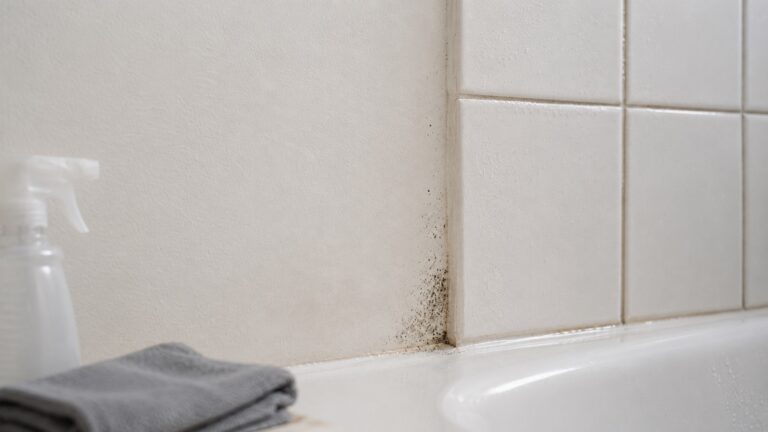
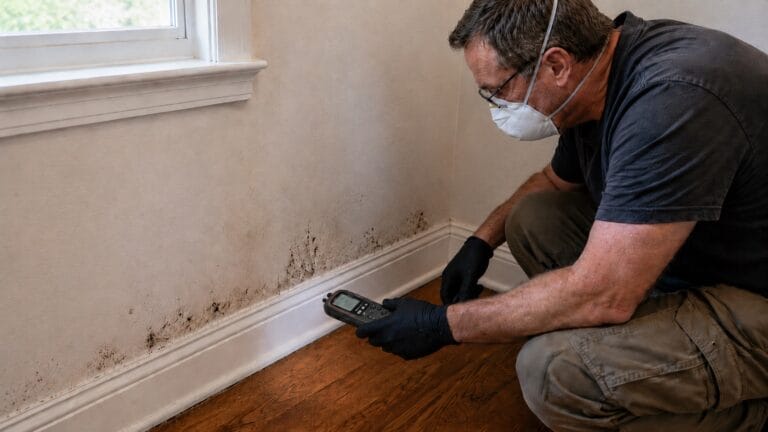
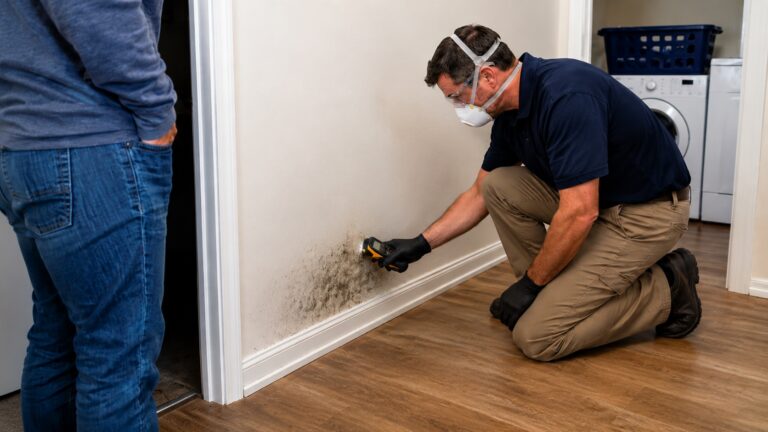
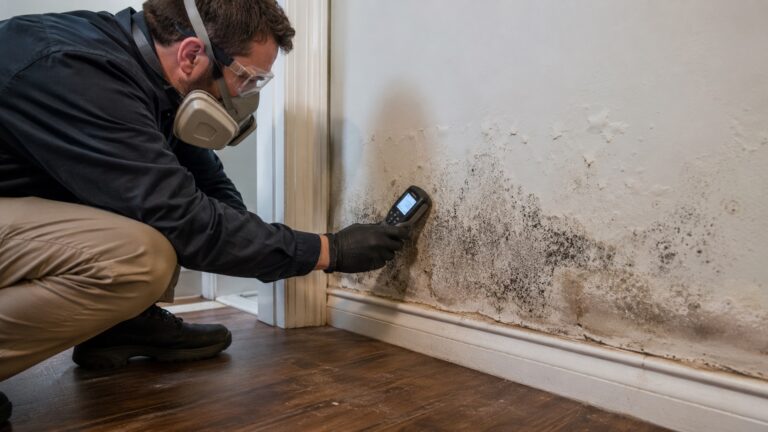
How to Compare Mold Remediation Quotes
Mold remediation quotes can be confusing because two companies may look at the same mold problem and recommend very different work. One quote may be short and inexpensive. Another may include containment, demolition, disposal, cleaning, air filtration, documentation, and testing language. A third may include some of those items but exclude rebuild, moisture repairs, or post-remediation verification.
The goal is not to automatically choose the cheapest quote or assume the most expensive quote is best. The goal is to compare what each company is actually offering. A good mold remediation quote should explain the affected area, the planned work, the materials involved, the containment approach, what is included, what is excluded, and how hidden conditions will be handled.
To compare quotes fairly, line them up by scope, affected areas, material removal, containment, moisture-source handling, documentation, exclusions, testing, and change-order terms before you compare the final price. For a broader understanding of the cleanup process itself, start with this guide to professional mold remediation.
Why Mold Remediation Quotes Can Be So Different
Mold remediation quotes vary because mold problems vary. A small area of surface mold on a cleanable material is very different from mold behind wet drywall, inside insulation, under flooring, on crawl space joists, or in an attic affected by roof leaks or poor ventilation. The more hidden, damp, porous, or widespread the problem is, the more detailed the scope may need to be.
Quotes also vary because companies may approach the same problem differently. One may price a limited treatment, while another includes containment, material removal, air filtration, detailed cleaning, and documentation. That is why comparing only the total dollar amount can be misleading.
A lower quote may be reasonable for a small, isolated problem, but incomplete for wet materials, repeated leaks, basement seepage, crawl space moisture, or hidden contamination. A higher quote may be justified if it includes necessary controls and documentation, but it should still be clear and specific.
The first question is not “Which quote is cheapest?” The first question is “Are these companies quoting the same job?”
Compare the Scope Before You Compare the Price
The scope of work is the foundation of the quote. It should explain where the work will happen, what will be removed or cleaned, what controls will be used, and what is excluded. Without that detail, you cannot compare quotes fairly.
Start by looking for the affected areas listed in each quote. Does the quote name the room, wall, ceiling, attic section, basement area, crawl space area, cabinet, flooring section, or other location? Does it describe the size of the affected area? Does it explain whether nearby materials are included or excluded?
Next, compare the actual tasks. A complete quote may include inspection, containment setup, removal of damaged materials, cleaning of remaining surfaces, debris disposal, air filtration, final cleanup, photos, and documentation. A limited quote may only say “treat mold” or “spray affected area.” Those are not the same scope.
As a quick test, try to answer four questions from each quote: What area is included? What materials are being removed or cleaned? How will the company protect clean areas? What is specifically excluded?
If you have not already prepared questions for contractors, review these questions to ask before hiring a mold remediation company. They can help you understand whether each quote is detailed enough before you sign.
Look for specific areas and materials
A useful quote should identify the materials involved. For example, does it include drywall, insulation, wood framing, baseboards, cabinets, carpet padding, subflooring, ceiling material, or attic sheathing? Does it say which materials will be cleaned and which will be removed?
This matters because material handling is one of the biggest reasons mold remediation quotes differ. Cleaning exposed framing is not the same as removing wet drywall. Treating a hard surface is not the same as removing moldy insulation. A quote that does not identify materials may be too vague to compare.
Check whether the scope matches the problem
The scope should match what is happening in the home. If the mold is small, dry, and limited to a cleanable surface, a modest scope may make sense. If the mold is connected to a long-term leak, damp drywall, musty odor, soft materials, recurring growth, or hidden moisture, a simple spray treatment may not be enough.
Compare each quote against the visible damage, moisture history, and likely hidden conditions. A quote that ignores the condition of the materials may be cheaper upfront but weaker long-term.
Ask for clarification before comparing totals
If one quote is detailed and another is vague, ask for a written clarification before comparing totals. The lower quote may leave out containment, disposal, documentation, or rebuild, while the higher quote may include work that is not actually necessary for your situation.
Simple side-by-side quote comparison
When quotes are hard to compare, make a simple side-by-side list with these columns: affected area, materials removed, materials cleaned, containment, moisture-source handling, documentation, testing, exclusions, change-order terms, rebuild, and total price.
Check Whether the Quote Addresses the Moisture Source
A mold remediation quote should not treat mold as a surface-only issue. Mold grows because moisture is present. If the quote removes or treats mold but says nothing about why the area became wet, damp, or humid, the cleanup may not solve the long-term problem.
Look for language about moisture inspection, leak history, humidity, drying, basement seepage, roof leaks, plumbing leaks, crawl space dampness, condensation, drainage problems, or ventilation issues. The remediation company may not perform every repair itself, but the quote should show that the moisture source was considered before cleaning, sealing, rebuilding, or calling the job complete.
This is especially important if mold returned after previous cleaning. In that case, the real problem may be an unresolved leak, trapped moisture, high humidity, or a hidden wet material. Before paying for another cleanup, make sure the quote connects remediation to finding and fixing the moisture problem behind the mold.
Does the quote include moisture readings or moisture evaluation?
Not every small surface mold cleanup needs a detailed moisture report, but quotes for larger or recurring mold problems should explain whether moisture conditions were checked. Wet drywall, damp wood, moist insulation, basement seepage, or hidden flooring moisture can affect the entire remediation plan.
If one company includes moisture readings and another does not, ask why. The company without readings may still have a reasonable approach for a simple job, but it should be able to explain how it knows the materials are dry enough for remediation or rebuild.
Does the quote say who fixes the water problem?
Some mold remediation companies also handle drying or minor source correction. Others only remove and clean affected materials. Plumbing repairs, roof repairs, waterproofing, HVAC repairs, drainage corrections, and structural repairs may require separate contractors.
The quote should make this clear. If the mold was caused by a leaking pipe, roof leak, basement seepage, or condensation problem, ask whether that source must be corrected before remediation starts, during the project, or before rebuild. A quote that promises lasting results without addressing moisture deserves more scrutiny.
Compare the Affected Areas Listed in Each Quote
Two quotes may differ because they do not cover the same area. One company may quote only the visible mold, while another includes nearby drywall, trim, insulation, flooring, or a hidden cavity because moisture may have traveled beyond the visible stain.
To compare fairly, list the room, wall, ceiling, floor, attic, crawl space, basement area, cabinet, or other location included in each quote. Then check whether the boundaries match.
Does the quote define the work area clearly?
A clear quote might say that remediation includes the lower section of one basement wall, the drywall behind a vanity, the attic sheathing above a bathroom, or the crawl space framing in a defined area. A vague quote might only say “mold treatment” or “affected area.”
Vague language makes it hard to know what will happen. It also creates room for disputes if the homeowner expected one area to be included and the company priced another.
Are hidden areas included or excluded?
Mold often appears where moisture collects, but the visible patch may not show the full boundary. Ask whether the quote includes investigation of hidden areas if needed. This may involve removing trim, opening a small section of drywall, inspecting behind cabinets, checking under flooring, or evaluating adjacent materials.
Not every job requires opening hidden areas. But if the mold pattern suggests a long-term leak or recurring moisture, the quote should explain how hidden conditions will be handled.
Does the quote explain what happens if more mold is found?
Hidden mold can change the scope. A company may quote the visible area first, then discover additional affected materials after opening a wall or removing flooring. That possibility should be handled through a clear change-order process, not surprise charges.
Ask whether the company will stop, photograph the condition, explain the added work, and get approval before continuing. This is one reason a detailed written quote is more useful than a broad verbal estimate.
Compare Containment and Airflow Controls
Containment protects clean areas while moldy materials are disturbed. Depending on the project, it may involve plastic barriers, sealed openings, controlled access, negative air machines, HEPA filtration, or protection for HVAC vents.
Containment does not need to be overbuilt for every tiny surface issue, but intrusive work should not be handled casually. If drywall, insulation, ceiling materials, flooring, or other mold-affected materials will be cut, removed, scraped, or disturbed, compare how each quote controls dust and air movement.
Is containment included in the quote?
Look for words such as containment, barriers, plastic sheeting, critical barriers, negative air, HEPA filtration, work zone isolation, or controlled access. If one quote includes containment and another does not, ask both companies to explain why.
The company that excludes containment may believe the job is small enough not to require it. That may be reasonable in some cases. But if the project involves demolition or a larger affected area, lack of containment may be a concern.
How will HVAC vents and clean rooms be protected?
Air movement can carry dust during remediation. If the work area is near HVAC returns, supply vents, hallways, bedrooms, or living areas, ask how the quote protects clean spaces. This may include temporarily covering vents, isolating the work area, or using filtration equipment.
A quote does not need to use complicated language, but it should show that the company has thought about cross-contamination. A one-line spray quote may not provide enough detail for a project where materials will be disturbed.
Does containment explain part of the price difference?
Containment takes time, materials, equipment, and setup, so it may explain part of a higher quote. Ask whether the added cost is paying for meaningful protection or simply vague technical language. A good company should be able to explain what controls are needed and why they fit your project.
Compare Removal, Cleaning, and Disposal Details
Material handling is one of the biggest reasons mold remediation quotes differ. One quote may include cleaning exposed surfaces only. Another may include removing drywall, insulation, carpet padding, trim, or damaged ceiling material. A third may include both removal and detailed cleaning after demolition.
To compare quotes fairly, look for three separate items: what will be removed, what will be cleaned, and how debris will be disposed of. If those details are missing, ask for clarification before choosing a contractor.
Which materials will be removed?
Ask whether each quote identifies the materials that will be removed. Porous or heavily damaged materials may need to be removed when they cannot be cleaned effectively. This can include drywall, insulation, carpet padding, ceiling materials, or deteriorated trim, depending on the situation.
A quote that includes removal may cost more than a treatment-only quote, but that difference may be justified if the materials are wet, contaminated, soft, or damaged. On the other hand, a quote that removes large areas should explain why that removal is necessary.
Which materials will be cleaned?
Some materials may be cleaned rather than removed when the condition allows it. This may include certain hard surfaces, exposed framing, concrete, or other cleanable materials. Ask whether the quote includes HEPA vacuuming, surface cleaning, wiping, sanding, or other cleaning steps when appropriate.
Be cautious if a quote uses vague phrases such as “treat affected area” without defining the treatment. Ask whether that means HEPA vacuuming, wiping, sanding, antimicrobial application, encapsulation, disposal, or final cleanup. Those are not interchangeable steps.
Is disposal included?
Disposal can be a separate part of remediation. If contaminated drywall, insulation, carpet, trim, or other debris will be removed, ask whether bagging, sealing, carrying, and disposal are included in the quote.
The company should also explain how debris will be moved through the home. Carrying loose materials through clean rooms without protection can create unnecessary dust and contamination concerns.
Is final cleanup included?
After removal, the work area should be cleaned. Ask whether the quote includes final cleanup of dust, debris, exposed surfaces, and the contained work area. If containment is used, ask what happens before the containment comes down.
This is also where process expectations matter. If you are unsure what a complete job usually involves, review this guide on what to expect during mold remediation so you can compare quotes more realistically.
Check Photos, Moisture Notes, and Completion Records
Documentation may not sound as important as removal or cleaning, but it can be valuable. Photos, moisture notes, written scopes, completion reports, and material records help show what was found and what was done. This matters for insurance, resale, landlord-tenant concerns, future repairs, or recurring mold problems.
Does the quote include photos?
Ask whether before-and-after photos are included. Photos are especially useful for hidden or hard-to-access areas such as crawl spaces, attics, wall cavities, cabinets, or behind finished materials.
Photos can show the original condition, the containment setup, removed materials, cleaned surfaces, and the final work area. They also help you understand work you may not be able to inspect closely yourself.
Does the quote include moisture documentation?
If the mold problem is connected to water damage, ask whether moisture readings or dry-condition notes are included. This is useful when drywall, framing, flooring, insulation, basement materials, or crawl space components were wet.
Moisture documentation is not always necessary for a small surface issue, but it can be important when mold is tied to hidden moisture or a recent leak. It helps confirm whether the area is ready for rebuild or whether more drying is needed.
Does the quote include a completion report?
A completion report may summarize the affected areas, work performed, materials removed, cleaning methods used, documentation gathered, and recommendations for remaining repairs. Not every small job needs a lengthy report, but larger projects should include some form of written record.
If insurance may be involved, documentation becomes even more important. You may also need separate photos and records before work begins, so it can help to review how to document mold damage for insurance claims.
Look Closely at Exclusions
Exclusions are just as important as included work. Many homeowners assume a mold remediation quote includes everything needed to restore the area, but remediation and repair are often separate. If exclusions are unclear, the final cost of the project may be higher than the quote suggests.
Before signing, ask the company to mark each major item as included, excluded, optional, or handled by another contractor. This simple step prevents many misunderstandings about rebuild, source repairs, testing, and disposal.
Is rebuild included or excluded?
Ask whether the quote includes replacing drywall, reinstalling trim, painting, repairing flooring, rebuilding cabinets, or restoring finishes after remediation. Many mold remediation companies remove contaminated materials and clean the area but do not perform full rebuild.
This is not necessarily a problem. It just needs to be clear. A cheaper remediation quote may not be cheaper overall if you still need to hire another contractor for repair and finishing work.
Are source repairs excluded?
Plumbing repairs, roof repairs, basement waterproofing, drainage improvements, HVAC repairs, and structural repairs may be outside the remediation company’s scope. The quote should state this clearly.
If source repairs are excluded, ask whether they must be completed before remediation, after remediation, or before rebuilding. Mold can return if the source problem continues.
Are testing, permits, or third-party inspections excluded?
Some quotes include testing or verification. Others list it as optional or exclude it entirely. Depending on the job, this may be fine, but you should know before comparing prices.
Also check whether permits, third-party inspections, disposal fees, equipment charges, or specialty access costs are excluded. A quote that looks lower may simply leave more items outside the price.
Compare Testing and Verification Language
Mold testing and post-remediation verification can be useful in some situations, but they are not automatically required for every project. The quote should clearly state whether testing is included, optional, recommended, or excluded.
Is testing included before remediation?
Pre-remediation testing may be helpful when the source is unclear, the visible evidence is limited, the problem is disputed, or documentation is needed. However, if there is obvious visible mold and a clear moisture problem, testing may not always be necessary before taking action. In this article, the main question is not whether testing is always needed, but whether each quote clearly explains testing as included, optional, or excluded.
Ask why testing is included or excluded. The answer should fit the situation, not sound like a scare tactic or a one-size-fits-all requirement.
Is post-remediation verification included?
Post-remediation verification may involve a visual inspection, moisture confirmation, documentation review, or testing. For larger, sensitive, insurance-related, or real estate-related jobs, this can be valuable.
If one quote includes verification and another does not, ask what completion means in each quote. One company may consider the job complete after cleaning. Another may include additional documentation or third-party review.
Who performs the verification?
Ask whether verification is performed by the remediation company or by an independent professional. Independent verification may be useful for larger projects, disputes, real estate transactions, or situations where the homeowner wants a separate opinion.
For small jobs, independent testing may not be necessary. The key is to understand what each quote promises and whether the verification method matches the seriousness of the project.
Watch for Change Order and Payment Terms
Mold remediation quotes should explain how hidden conditions and added work will be handled. Mold problems are often partly concealed behind drywall, trim, cabinets, flooring, insulation, or crawl space materials. A quote may be based on what is visible during the estimate, but the company should still explain what happens if the work area is larger than expected.
What happens if more mold is found?
Ask whether the company will stop and notify you before expanding the scope. A good change-order process should include photos, an explanation of the newly discovered condition, the added work required, and written approval before the price increases.
This does not mean hidden mold is automatically suspicious. Hidden damage is common when moisture has traveled behind finished materials. The issue is whether the contractor handles the discovery clearly or simply adds charges without explanation.
What happens if materials are still wet?
If the company discovers wet drywall, damp framing, soaked insulation, or hidden moisture, the remediation plan may need to change. Ask whether drying is included, whether another contractor is needed, and whether cleaning, sealing, or rebuilding should wait until the moisture source is corrected and affected materials are dry enough for the next step.
This question is especially important for mold caused by roof leaks, plumbing leaks, basement seepage, crawl space moisture, or repeated condensation. If the area stays wet, cleanup alone may not prevent mold from returning.
How are payments scheduled?
Payment terms should be clear before work begins. Ask how much is due upfront, whether progress payments are required, and when final payment is due. Also ask whether final payment is tied to completion of the written scope.
Be cautious if a company pressures you to pay in full before the job starts or refuses to put payment terms in writing. A reasonable deposit may be normal, but unclear payment expectations can create conflict later.
How to Choose Between a Lower and Higher Quote
Once you understand the scope, moisture evaluation, containment, material handling, documentation, exclusions, testing language, and change-order terms, you can compare the quotes more fairly. The best quote is not always the lowest or highest. The best quote is the one that clearly matches the actual mold problem. If you need help understanding why prices vary so much, compare the quote against the main factors that affect mold remediation cost.
When a lower quote may be reasonable
A lower quote may make sense when the mold is small, isolated, on a cleanable surface, not connected to active moisture, and does not require demolition or containment beyond basic protection. A simple job should not automatically be priced like a major remediation project.
However, the quote should still explain what is included. Even a small job should have a clear description of the affected area, cleaning method, and any exclusions.
When a higher quote may be justified
A higher quote may be justified when the project involves hidden mold, wet porous materials, demolition, containment, crawl space or attic access, extensive cleaning, debris disposal, air filtration, documentation, or post-remediation verification.
The higher quote should explain why those steps are necessary. Technical language alone is not enough. If the company cannot connect the scope to the actual conditions in your home, ask for clarification before approving the work.
When to ask for a revised quote
Ask for a revised quote if the estimate is vague, missing key exclusions, unclear about rebuild, unclear about moisture source correction, or inconsistent with what the contractor told you verbally. A written revision is better than relying on memory after the work begins.
If you are comparing companies as well as quotes, review this guide on how to choose a mold remediation company. A complete quote matters, but the company’s communication, professionalism, and willingness to explain the work matter too.
Red Flags in Mold Remediation Quotes
Some quote problems are easy to miss because the final price looks appealing or the company sounds confident. Slow down if you see quote language that is too vague, too aggressive, or disconnected from the actual moisture problem.
- One-line quote with no scope: “Mold treatment” does not tell you what will be cleaned, removed, contained, documented, or excluded.
- No mention of moisture: A quote that ignores leaks, damp materials, humidity, or water intrusion may not solve the cause.
- Spray-only or fog-only quote for a complex problem: Spraying does not remove wet drywall, moldy insulation, contaminated dust, or the moisture source.
- No containment language for intrusive work: If materials will be disturbed, the quote should explain how dust and debris will be controlled.
- No exclusions listed: Rebuild, source repairs, testing, disposal, and documentation should not be left ambiguous.
- No change-order process: Hidden damage should be handled with communication and approval, not surprise charges.
- Pressure to sign immediately: Urgency can be real, but pressure tactics are not a substitute for a clear scope.
- High price with vague justification: A costly quote should explain the work, not rely on fear or technical language alone.
If a quote feels vague, fear-based, or unusually pressured, learn how to avoid mold remediation scams before signing anything.
FAQ
Why are mold remediation quotes so different?
Mold remediation quotes differ because companies may be pricing different scopes. One quote may include only surface treatment, while another includes containment, demolition, material removal, disposal, cleaning, documentation, and verification. The affected area, material type, access difficulty, moisture source, and hidden damage risk can all change the price.
Should I choose the cheapest mold remediation quote?
Not automatically. A low quote may be fair for a small, isolated, cleanable mold problem, but risky if it leaves out containment, removal, disposal, moisture evaluation, documentation, or source correction needed for a larger issue.
What should be included in a mold remediation quote?
A useful quote should identify the affected areas, materials involved, removal or cleaning methods, containment plan when needed, disposal details, exclusions, documentation, and change-order terms. It should also state whether moisture evaluation, testing, rebuild, or source repairs are included, excluded, optional, or handled by another contractor.
Should containment be listed in the quote?
Containment should be listed when the project involves disturbing moldy materials, demolition, dust, or work near clean living areas. Small surface jobs may not need extensive containment, but the company should still explain how it will protect unaffected areas.
Is mold testing usually included in remediation quotes?
Sometimes testing is included, sometimes it is optional, and sometimes it is excluded. Testing may be useful for large, disputed, sensitive, insurance-related, or real estate-related projects. It is not always required when visible mold and a clear moisture source already justify remediation.
Does mold remediation include rebuilding drywall or flooring?
Not always. Many remediation quotes include removal and cleaning but exclude rebuild. Drywall replacement, painting, trim installation, flooring repair, cabinet repair, plumbing work, roof repair, or waterproofing may require separate contractors or separate pricing.
What should I do if a mold quote is vague?
Ask for a revised written scope. The quote should explain what areas are included, what materials are removed or cleaned, what controls are used, what is excluded, and what could change the price. If the company refuses to clarify, consider getting another estimate.
How many mold remediation quotes should I get?
For larger or more expensive projects, two or three quotes can help you compare scope, exclusions, and pricing. For a small urgent issue, you may move faster, but still ask for a clear written scope before approving work.
Mold Remediation Quote Comparison Checklist
- Compare scope first: Make sure each quote covers the same rooms, materials, hidden areas, and work boundaries before comparing price.
- Confirm moisture-source handling: Ask whether leaks, humidity, seepage, condensation, or damp materials must be corrected before cleaning, sealing, or rebuilding.
- Check material handling: Identify what will be removed, what will be cleaned, how debris will be handled, and what final cleanup includes.
- Review containment: If materials will be cut, removed, scraped, or disturbed, the quote should explain how clean areas and HVAC vents will be protected.
- Mark exclusions clearly: Ask whether rebuild, testing, source repairs, permits, disposal, and documentation are included, excluded, optional, or handled separately.
- Require written change orders: Hidden mold, wet materials, or expanded work should require photos, explanation, pricing, and approval before added charges.
- Choose the clearest matching quote: The best quote is the one that fits the actual mold problem, not automatically the cheapest or most expensive option.