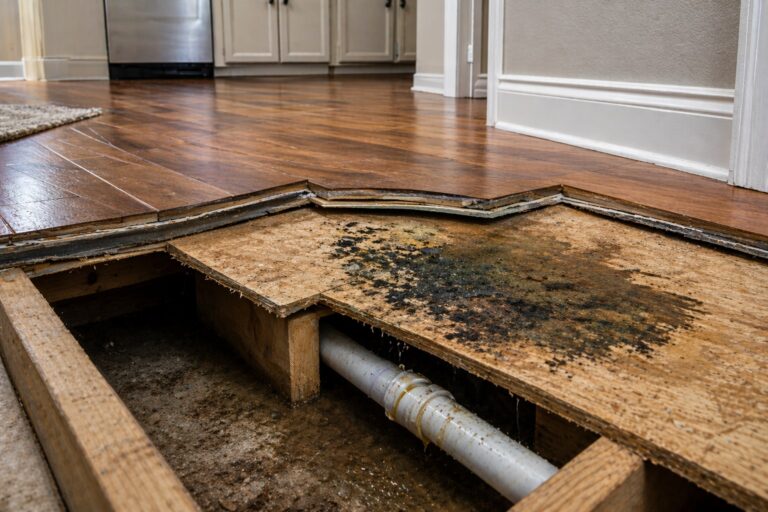
Why Mold Returns After Professional Cleaning
Mold returning after professional cleaning usually means one of three things: the original growth was not fully addressed, hidden material remained damp or contaminated, or the moisture source returned after the service. The area may have looked better for a while, but same-location mold, stains, or musty odor point to a problem that needs diagnosis, not just another cleaning.
Mold return after professional cleaning does not always mean the company did poor work. It does mean the conditions that allow mold to grow are still present or have returned. Professional cleaning can remove visible mold from accessible surfaces, but mold can come back if the moisture source, damp material, hidden contamination, poor ventilation, or high humidity remains unresolved.
This is why mold recurrence after a paid service should be treated as a diagnosis problem, not just a cleaning problem. The surface may have been cleaned correctly, but the home may still have a moisture issue, hidden material problem, or repair need that was outside the scope of the service. Understanding that difference is the key to figuring out why moisture problems keep returning after cleaning.
Why Mold Can Return Even After a Professional Cleans It
Mold grows when moisture, suitable material, and time come together. Professional cleaning can remove growth from the surface, but it cannot permanently change the conditions in the home unless the source of moisture is corrected. If a wall, cabinet, ceiling, basement, crawl space, attic, or bathroom stays damp, mold can return even after a good cleaning.
For example, a professional may clean mold from a bathroom ceiling, but if the exhaust fan is weak and shower moisture keeps condensing on the same surface, the mold can return. A company may clean visible mold from a basement wall, but if moisture continues entering through the foundation, the surface can become mold-prone again. A cabinet may be cleaned thoroughly, but a slow plumbing leak underneath can keep feeding new growth.
Cleaning removes what is present at the time of service. It does not automatically fix the moisture behavior that created the mold.
Mold return can be old growth, missed growth, or new growth
When mold appears again after professional cleaning, it may be one of three things. It may be old growth that was not fully removed from the surface or from a hidden area. It may be growth that remained inside porous or covered material. Or it may be completely new growth caused by moisture that returned after the cleaning was finished.
Those situations look similar to a homeowner because the result is the same: mold is visible again. But the cause matters. Missed mold may point to incomplete cleaning. Hidden mold may point to damaged material or inaccessible cavities. New mold may point to a leak, humidity, condensation, or ventilation issue that continued after the service.
This is why it is usually not enough to ask, “Why did the mold come back?” A better question is, “Did the cleaning miss mold, did hidden material remain damp, or did moisture return after the service?”
Professional cleaning does not replace moisture control
Even strong mold cleaning cannot overcome an active moisture problem. A treated surface can become moldy again if it keeps getting wet from plumbing leaks, roof leaks, window leaks, appliance leaks, condensation, basement seepage, crawl space moisture, or high indoor humidity.
That is why long-term mold control has to be connected to the building conditions around the mold. In many cases, the answer is not simply another cleaning visit. The answer may involve finding and preventing moisture problems throughout the home and then using a focused plan to prevent mold from returning once the moisture source is corrected.
Professional Cleaning Is Not Always the Same as Moisture Repair
One of the biggest reasons mold returns after professional cleaning is a misunderstanding about what the service included. Homeowners often use terms like cleaning, removal, treatment, and remediation interchangeably. In practice, those services can mean very different things.
A professional may be hired to clean visible mold from accessible surfaces. Another company may perform a broader remediation process that includes containment, removal of damaged material, cleaning, drying coordination, and documentation. A different trade may be needed to repair the actual source of moisture, such as a plumber, roofer, HVAC technician, basement waterproofing contractor, or water damage restoration company.
If the mold cleaner was only hired to clean the visible mold, the service may not have included leak repair, ventilation correction, drainage repair, drywall removal, insulation replacement, reconstruction, or long-term humidity control. In that case, mold can return even if the cleaning itself was performed properly.
Cleaning addresses the visible growth
Cleaning is usually focused on the mold that can be seen or reached. This may include scrubbing, wiping, HEPA vacuuming, surface treatment, or other cleaning methods depending on the material and the service provider. Cleaning can be helpful when mold is limited to accessible surfaces and the moisture source has been corrected.
However, cleaning has limits. It does not always address mold inside porous material, behind walls, under flooring, inside insulation, or behind trim. It also does not correct the reason the area became damp in the first place.
Remediation addresses a broader mold condition
Mold remediation is usually a broader process than simple surface cleaning. It may involve containment, removal of contaminated material, cleaning of affected surfaces, control of dust or spores during work, and coordination with drying or repair steps. The exact scope depends on the company, the building, and the affected materials.
Even remediation depends on moisture control. If the source of water is not fixed, mold can return after remediation too. The work may remove existing mold, but the building can create new mold if the same area continues to get wet.
Moisture repair may require a different specialist
A mold company may not be the right trade to fix every moisture source. Mold on a ceiling may require a roofer or plumber. Mold under a sink may require plumbing repair. Mold in a basement may require drainage or waterproofing work. Mold near an HVAC system may require HVAC service. Mold returning around a window may require exterior water intrusion repairs.
This does not mean the mold professional failed. It may mean the mold cleaning was only one part of the solution. If the moisture repair was never completed, mold may return because the home kept recreating the same damp conditions.
The Moisture Source Was Not Fixed
The most common reason mold returns after professional cleaning is that the moisture source was not fixed. Mold cleaning can remove growth from the affected surface, but it cannot stop water from reaching that surface again. If the area keeps getting wet, mold can return even after the surface was cleaned correctly.
This is especially common when mold was treated before the underlying leak, humidity issue, drainage problem, or ventilation failure was corrected. The cleaned material may look normal for a while, but the same moisture pattern eventually returns and supports new mold growth.
Bathroom moisture can bring mold back after cleaning
Bathrooms are one of the most common places where professional cleaning does not last. A company may clean mold from walls, ceilings, grout lines, trim, or cabinets, but the room may still have high humidity, poor exhaust ventilation, leaking fixtures, failed caulk, or repeated condensation.
If the bathroom stays damp after showers, mold can return on the same surfaces. This is not always a cleaning failure. It may be a moisture-control failure. The cleaned area was returned to a better condition, but the room continued to provide the moisture mold needs.
Basement and crawl space moisture can keep feeding mold
Basements and crawl spaces often need more than surface mold treatment. If moisture continues entering through foundation walls, floor cracks, poor drainage, exposed soil, damp framing, or humid air, mold can come back after cleaning.
This is why basement and crawl space mold can be difficult to solve with cleaning alone. The surface growth may be removed, but the surrounding environment may remain damp. If the moisture source is seasonal or rain-driven, the mold may not return until the next wet weather cycle.
Roof, plumbing, window, and appliance leaks can restart growth
Mold can also return after professional cleaning when a hidden or intermittent leak remains. A roof leak may only show up during heavy rain or wind-driven storms. A plumbing leak may only happen when a fixture is used. A refrigerator, dishwasher, washing machine, or water heater leak may only appear during certain cycles. A window leak may only occur during storms from a certain direction.
These intermittent sources can make the cleaning look successful at first. Then, after the next rain, shower, appliance cycle, or plumbing use, the cleaned material becomes damp again. When that pattern repeats, the issue is often connected to hidden moisture causing recurring mold rather than a simple surface-cleaning problem.
Hidden Mold or Damaged Material Was Left Behind
Professional cleaning may not reach mold that is hidden behind finished surfaces or inside damaged materials. A cleaned wall, ceiling, cabinet, or floor can look improved while damp or contaminated material remains behind it. If that hidden material stays wet, mold may return through stains, odor, or new surface growth.
This is most likely when the visible mold was connected to a leak, flood, roof problem, plumbing issue, appliance leak, or long-term humidity condition. Those events can affect more than the surface. Moisture can move behind drywall, under flooring, into insulation, behind baseboards, inside cabinets, or above ceiling materials.
Porous materials may not be restorable by surface cleaning
Some materials can be cleaned more reliably than others. Hard, nonporous surfaces are easier to clean than porous or absorbent materials. Drywall paper, insulation, carpet padding, ceiling tiles, particleboard cabinet bases, and some wood products can hold moisture or contamination below the visible surface.
If these materials are moldy, swollen, crumbling, soft, or deeply water-damaged, cleaning the exposed face may not be enough. The material may continue to hold moisture, support odor, or allow mold to return. In that situation, the issue is not simply that the cleaning was weak. The material itself may not have been a good candidate for surface cleaning.
Hidden cavities can remain damp after the visible mold is gone
Mold can return when moisture remains inside wall, floor, or ceiling cavities. A professional may clean the accessible side of a wall, but the back side of drywall, insulation, framing, or sheathing may still be damp. The same can happen under flooring, behind cabinets, above ceilings, or behind trim.
When hidden material is involved, visible cleaning can create a false sense of completion. The area looks better, but the hidden condition remains. This is why mold that returns with odor, soft material, staining, swelling, or repeated same-location growth may require a deeper inspection. Those warning signs are covered in more detail in signs recurring mold indicates hidden damage.
Staining and odor can come back before visible mold does
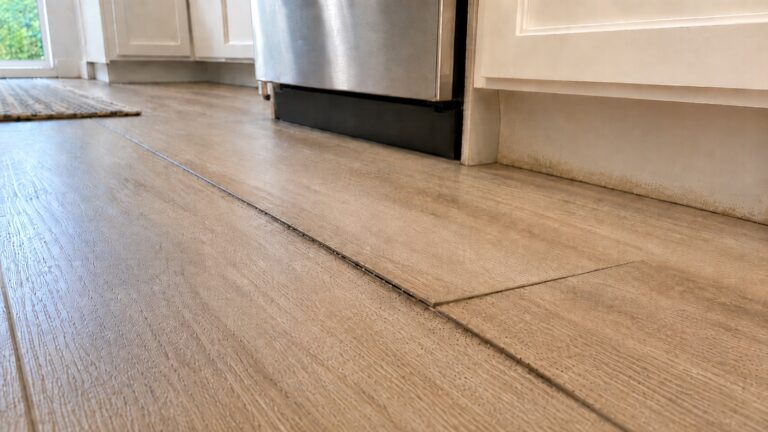
After professional cleaning, visible mold may not be the first sign that something was missed. A musty smell may return first. A stain may darken again. Paint may bubble. Trim may swell. A ceiling patch may discolor. These early signs can appear before obvious mold growth returns.
If the same area smells musty or stains again after cleaning, it may mean moisture is still affecting the material. The visible surface may have been cleaned, but the hidden moisture condition may still be active.
The Area Was Cleaned but Not Fully Dried
Mold can return after professional cleaning when the affected area was cleaned before it was dry enough to remain stable. Cleaning removes visible growth, but it does not automatically dry damp drywall, wood, insulation, cabinets, flooring, framing, or hidden cavities. If materials stay damp after the cleaning, mold can return even if the surface looked better at first.
This situation is common after leaks, floods, roof problems, appliance leaks, and bathroom moisture events. A professional may clean what is visible, but the surrounding materials may still contain moisture. If the area is closed, painted, or left without enough drying, the same surface can become mold-prone again.
Drying problems are not always obvious. A wall can feel dry on the front while the back side remains damp, and a floor, cabinet base, or ceiling can look clean while moisture remains in layers behind or beneath the visible surface.
When drying is the main issue, the mold recurrence pattern often overlaps with poor drying causing mold recurrence. In the professional-cleaning scenario, the key question is whether drying and moisture verification were included in the service or whether the cleaning was performed before the damaged materials were ready.
Cleaning should not be treated as drying
Cleaning and drying are different parts of the process. A surface can be cleaned while it is still damp. That may remove visible mold temporarily, but it does not remove the moisture condition that allowed the mold to grow.
This is especially important in porous or layered materials. Drywall, insulation, carpet padding, subfloors, cabinet bases, and ceiling materials may need more than a clean surface. If they remain damp, they can continue to support odor, staining, material breakdown, or new mold growth.
Ask whether moisture was checked before and after cleaning
If mold returns after a professional visit, ask whether the affected area was checked for moisture before cleaning and after the work was complete. A company may have cleaned visible growth but may not have been hired to perform moisture mapping, drying, leak detection, or reconstruction.
This question helps clarify the scope. If moisture was not checked, the cleaning may have improved the appearance without confirming whether the building material was dry enough to stay mold-free.
If moisture readings were taken, ask whether they were taken only on the surface or also around edges, seams, trim, flooring transitions, ceiling areas, or nearby materials where moisture may have traveled.
The Room Conditions Still Support Mold Growth
Mold can also return because the room conditions did not change. A cleaned surface can become mold-prone again if humidity, poor ventilation, limited airflow, or recurring condensation keeps the area damp.
This is especially common in bathrooms, basements, closets, laundry rooms, crawl-space-adjacent rooms, attic spaces, and poorly ventilated corners. The cleaning may remove existing mold, but the environment keeps recreating the same conditions.
High humidity can make mold return
High indoor humidity can keep surfaces damp enough for mold to return, especially on cooler walls, ceilings, corners, and areas with limited airflow. Bathrooms without effective exhaust, basements with damp air, closets packed tightly with stored items, and laundry areas with poor ventilation are common examples.
If mold returns without a clear leak, humidity and condensation should be considered. The professional may have cleaned the mold, but the room may still need ventilation improvements, humidity control, dehumidification, or changes in how moisture is managed.
Poor airflow can keep cleaned areas damp
Poor airflow allows moisture to linger. Mold may return behind furniture, inside closets, along baseboards, behind stored boxes, near exterior walls, or in corners where air movement is weak. Even after professional cleaning, these areas may remain mold-prone if air cannot circulate.
This is not always a sign that the cleaning was done incorrectly. It may mean the home’s airflow and moisture conditions still support growth after the surface has been cleaned.
Condensation can restart mold on cleaned surfaces
Condensation can make mold return after cleaning when warm, moist air meets cooler surfaces. This often happens on bathroom ceilings, window areas, exterior walls, basement walls, and poorly insulated spots. The surface may be cleaned professionally, but if condensation continues, new mold can grow on the cleaned area.
The timing can provide clues. If mold returns during cold weather, after showers, during humid seasons, or in rooms with poor ventilation, condensation may be part of the problem.
The Service Scope May Have Been Too Limited
Another common reason mold returns after professional cleaning is that the service scope was too narrow for the actual problem. A homeowner may expect a mold cleaning visit to solve everything, while the written scope may only include cleaning visible mold from accessible surfaces.
This does not automatically mean the company did anything wrong. It means the mold problem may have required more than the service that was performed. A cleaning-only job may not include leak repair, drying equipment, material removal, wall cavity inspection, humidity correction, ventilation work, waterproofing, roofing, plumbing, or reconstruction.
Read what the service actually included
If mold returns, review the invoice, estimate, warranty language, or written scope of work. Look for what was included and what was excluded. Did the company only clean visible mold? Did they remove damaged material? Did they dry the area? Did they identify the source? Did they recommend a plumber, roofer, HVAC technician, or waterproofing contractor?
This paperwork can help you understand whether the problem is a workmanship issue, a scope issue, or a separate moisture issue that still needs attention.
Cleaning-only work may not solve a building problem
A surface-cleaning service can be appropriate for limited mold on cleanable materials when the moisture source has already been corrected. It is less likely to be enough when the mold is tied to leaks, hidden cavities, porous material, basement seepage, crawl space moisture, roof leaks, or repeated condensation.
If the mold returns after cleaning, the next step is not automatically to repeat the same service. The next step is to determine whether the original job matched the actual problem.
Repeated service without diagnosis can waste money
Calling for repeated cleaning without finding the moisture source can lead to a cycle: mold appears, the surface is cleaned, the area looks better, and then the mold returns. Each cleaning may temporarily reduce visible growth, but the underlying condition remains.
If this pattern continues, it may be time to shift from cleaning to diagnosis. The home may need moisture source correction, hidden material inspection, drying verification, or repairs before another cleaning will last.
Signs the Professional Cleaning May Not Have Been Enough
When mold returns after professional cleaning, the visible mold is only one part of the story. The pattern of return can help you understand whether the cleaning missed something, whether the service scope was too limited, or whether a moisture source remained active after the work was complete.
The most important signs are repeated mold in the same location, musty odor after cleaning, stains that return, soft or swollen materials, and mold appearing around edges, seams, trim, or patch lines. These symptoms suggest the cleaned surface may not have been the full affected area.
Mold returns in the same spot
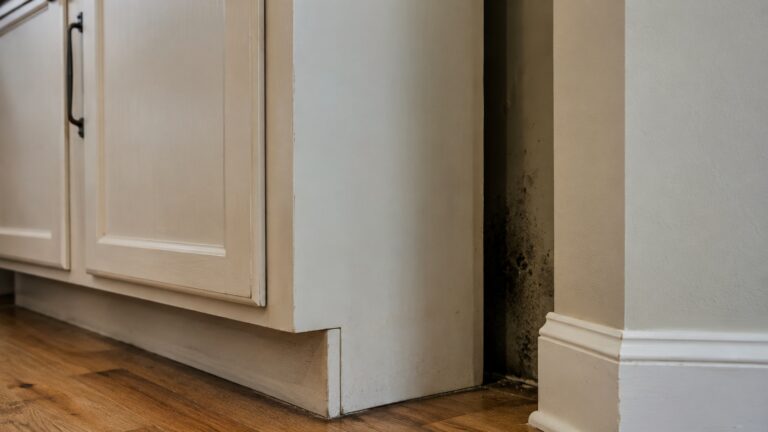
Mold that returns in the exact same place after professional cleaning often means that specific location still has a moisture condition. The source may be hidden behind the surface, under flooring, above a ceiling, or inside nearby materials.
This does not always prove the cleaning was incomplete. It may mean the area became wet again after the service. But same-location recurrence is one of the strongest clues that the problem needs moisture diagnosis, not just another surface cleaning.
Musty odor comes back
A musty odor that returns after cleaning may indicate damp material, hidden mold, or moisture that was not fully addressed. Odor can remain or return when mold-prone material exists behind drywall, inside cabinets, under flooring, behind baseboards, in insulation, or above ceilings.
If the area looks clean but still smells musty, the visible surface may not be the main problem. This is one of the situations where it helps to review signs mold was not fully removed, especially if odor, staining, or surface growth returned soon after service.
Stains, peeling, or soft materials appear after cleaning
Stains that return after cleaning, paint that bubbles, caulk that fails, trim that swells, or drywall that feels soft all suggest moisture is still affecting the material. These signs are more concerning than a small amount of surface discoloration because they show the material itself is changing.
If mold returns with softness, swelling, odor, or repeated staining, the issue may involve hidden material damage. A deeper symptom guide on signs recurring mold indicates hidden damage can help separate simple surface recurrence from warning signs that the affected material needs more investigation.
What to Do If Mold Returns After Professional Cleaning
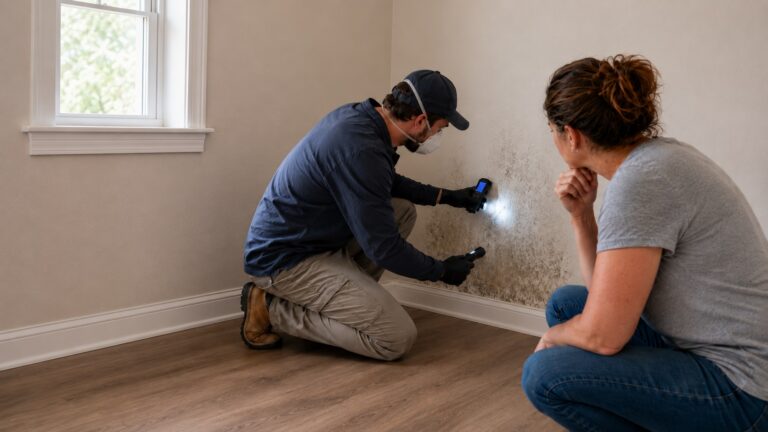
If mold returns after professional cleaning, avoid jumping straight to blame or repeating the same cleaning process without diagnosis. The better first step is to gather information: what was cleaned, what moisture source was identified, what was excluded, when the mold returned, and what conditions were present when it returned.
This approach helps you determine whether the issue is incomplete cleaning, hidden damage, poor drying, an active moisture source, a narrow service scope, or new mold growth after the service.
Review the written scope of work
Start with the estimate, invoice, report, or service agreement. Look for specific language about what the company agreed to do. Did they clean only visible mold? Did they remove damaged materials? Did they inspect hidden areas? Did they perform drying? Did they identify the moisture source? Did they recommend repairs by another trade?
The written scope matters because mold cleaning, mold remediation, water damage restoration, and moisture repair are not always the same service. The company may have completed the agreed cleaning but not the additional moisture correction needed to prevent recurrence.
Document when and where the mold returned
Take photos, note the date, and record the conditions around the recurrence. Did the mold return after rain, shower use, appliance operation, basement dampness, or a humid weather period? Did it come back in the same spot, around the edge of the cleaned area, along a seam, or in a nearby location?
Patterns are useful. Mold that returns after rain may point to roof, wall, window, basement, or crawl space moisture. Mold that returns after showers may point to bathroom ventilation or wall moisture. Mold that returns after appliance cycles may point to hidden leaks. Timing can help determine whether the mold is truly the same problem or new growth from a repeated moisture event.
Ask the company what was verified
If the company offers follow-up support, ask what was verified during the original visit. Useful questions include:
- Was the moisture source identified?
- Was the affected area checked for moisture?
- Were porous materials evaluated?
- Were hidden cavities suspected or inspected?
- Was any material removal recommended?
- Was drying included or excluded?
- Was follow-up inspection included in the service?
These questions help keep the conversation focused on facts rather than frustration. If the mold returned because moisture was outside the company’s scope, the next step may be a different type of repair rather than another cleaning.
Avoid covering the area again too soon
If mold returned after cleaning, avoid immediately painting, caulking, patching, or covering the surface. Covering the area before the moisture source is understood can hide evidence and trap dampness. In some cases, improper repairs can lead to mold return by sealing moisture inside materials that were not ready to be closed.
Wait until the source, material condition, and drying status are better understood. Cosmetic repair should come after moisture control, not before it.
If the area involves large mold growth, sewage, floodwater, electrical hazards, structural softness, or mold inside HVAC components, stop DIY inspection and bring in the appropriate professional before disturbing materials.
When to Call a Different Specialist
Sometimes the right next step is not another mold cleaner. If mold returns because the home still has a water source, the needed specialist may depend on where the moisture is coming from. Mold cleaning can remove growth, but a different trade may be needed to stop the conditions that allow it to return.
Call a plumber when mold returns near water lines or fixtures
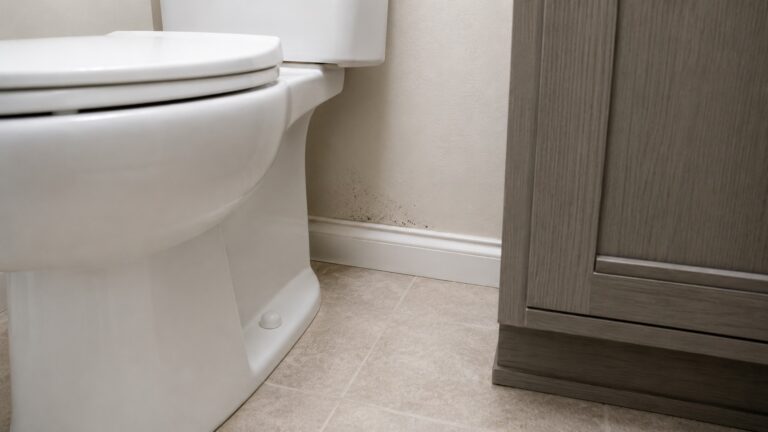
If mold comes back under sinks, behind toilets, near tubs, around showers, below bathrooms, near water heaters, or behind appliances with water connections, a plumber may be needed. Slow leaks can keep feeding mold even when the surface is cleaned repeatedly.
Call a roofer when mold returns after rain
If mold or odor returns after rain, especially near ceilings, attic areas, upper walls, chimneys, skylights, or rooflines, the source may be roof-related. A mold cleaner can address affected surfaces, but a roof leak must be corrected separately.
Call an HVAC professional when mold relates to condensation or airflow
If mold returns near HVAC equipment, ducts, drain lines, supply vents, or cold surfaces, an HVAC issue may be involved. Condensation, clogged drain lines, poor airflow, oversized equipment, or duct moisture can recreate mold conditions after cleaning.
Call a waterproofing or crawl space specialist when moisture comes from below
If mold returns in basements, crawl-space-adjacent rooms, lower walls, floor edges, or areas affected by ground moisture, the source may be drainage, vapor, foundation seepage, or crawl space moisture. Surface cleaning will not last if the building continues to bring moisture in from below.
Call a mold remediation professional when cleaning was too limited
If the original service was basic cleaning but the mold involves hidden cavities, porous materials, large areas, repeated recurrence, or damaged building materials, a more complete remediation evaluation may be needed. This is where a broader plan for how to remove mold permanently becomes more relevant than another surface treatment.
Frequently Asked Questions
Is it normal for mold to return after professional cleaning?
It is not the goal, but it can happen when moisture, humidity, hidden material, or an active source remains. Professional cleaning can remove visible mold, but the area can become moldy again if the same conditions return.
Does mold returning mean the company did a bad job?
Not always. Mold returning may mean the cleaning was incomplete, but it can also mean the service scope was limited, the moisture source was outside the company’s work, hidden material remained damp, or new moisture appeared after the cleaning.
Why does the musty smell come back after mold cleaning?
A musty smell can return when damp material remains hidden, when mold was not fully removed, or when moisture returns after the service. Odor is more concerning when it appears with staining, soft material, swollen trim, or mold in the same area.
Should I call the same company back if mold returns?
Often, yes. Start by reviewing the scope of work and asking whether follow-up inspection is included. The same company may be able to explain what was cleaned, what was excluded, whether moisture was verified, and whether another moisture source or trade is needed.
Do I need remediation instead of cleaning?
You may need remediation instead of basic cleaning if mold involves hidden cavities, damaged porous materials, repeated same-location growth, large areas, wet insulation, soft drywall, subfloor moisture, or an unresolved leak. Cleaning is more limited than a full remediation plan.
How soon after professional cleaning can mold come back?
Mold can reappear quickly if the material is still damp or an active leak continues. If it returns only after rain, showers, appliance use, or humid weather, the timing can help identify whether the recurrence is connected to a moisture trigger rather than the original cleaning alone.
What This Usually Means
- Mold returning after professional cleaning means the conditions that support mold are still present or have returned.
- Professional cleaning does not automatically fix leaks, humidity, condensation, damp materials, or hidden cavities.
- Mold recurrence does not always mean the company did poor work; the service scope may have been too limited for the real moisture problem.
- Musty odor, repeated stains, soft materials, and same-location growth suggest deeper investigation is needed.
- The next step is diagnosis: review the scope, document the recurrence, identify moisture triggers, and involve the right specialist if needed.