
Signs of Dryer Vent Moisture Damage Around Walls, Ceilings, and Laundry Areas
Dryer vent moisture damage can be easy to overlook because it does not always look like a dryer problem at first. A damp wall, peeling paint, musty odor, ceiling stain, or mold-like spot near the laundry area may seem like general humidity, a plumbing leak, or poor ventilation. But if the symptoms appear when the dryer runs, the dryer vent path should be checked.
A clothes dryer sends warm, moisture-filled exhaust outdoors through a vent duct. When that exhaust does not leave the home properly, moisture can collect around the dryer, inside walls, near ceiling runs, or around the exterior vent opening. The warning signs may begin as mild condensation or damp lint, then progress into stained drywall, soft materials, rust, odor, and recurring mold-like growth.
This article focuses on visible signs of dryer vent moisture damage. It does not replace a full vent inspection, but it can help you recognize when a dryer vent may be contributing to hidden moisture. If moisture seems to be coming from a wall, ceiling, laundry closet, or finished space, it may also help to understand how to find hidden moisture in different areas of your home.
Why Dryer Vent Moisture Damage Is Easy to Miss
Dryer vent moisture problems often develop slowly. The dryer may still work, the laundry room may only feel humid during cycles, and the wall behind the dryer may be hard to see. Because the symptoms are subtle at first, the vent may not seem connected to the damage.
The timing is one of the most important clues. If the laundry room feels damp only when the dryer runs, if a musty odor appears after dryer cycles, if condensation forms near the vent pipe, or if clothes take longer to dry, the vent may not be moving exhaust outdoors efficiently.
Dryer moisture damage can also appear away from the machine. A duct may run through a wall, ceiling, basement, crawl space, attic, closet, or finished chase before reaching the exterior. If moisture escapes or condenses along that hidden path, the visible damage may appear several feet away from the dryer.
Dryer moisture can look like other moisture problems
A dryer vent issue can resemble a plumbing leak, roof leak, HVAC condensation problem, or general humidity problem. A ceiling stain below a dryer vent run may look like a plumbing leak from above. Damp drywall behind the dryer may look like a washer hose issue. Mold-like spotting near a laundry closet may look like ordinary room humidity.
The pattern is the clue. Dryer vent moisture usually gets worse during or after dryer operation. Plumbing moisture often follows fixture or appliance water use. Roof and exterior leaks often follow rain. General humidity usually affects multiple areas, not only the dryer vent path.
Restricted airflow can show up before visible damage
Before wall or ceiling damage becomes obvious, the dryer may show airflow warning signs. Clothes may take longer to dry, the laundry room may feel warmer than usual, or the exterior vent may have weak airflow. These early signs matter because dryer exhaust carries moisture. If airflow is restricted, moisture can linger where it should not.
A home can have several moisture sources at once, so timing, location, and triggers matter when trying to find, fix, and prevent moisture problems throughout the home without misdiagnosing the source.
Damp Walls or Soft Drywall Behind the Dryer
A damp wall behind the dryer is one of the most direct signs of a dryer vent moisture problem. The moisture may come from a loose transition duct, a disconnected vent connection, condensation on the duct, or restricted airflow pushing humid exhaust into the laundry area.
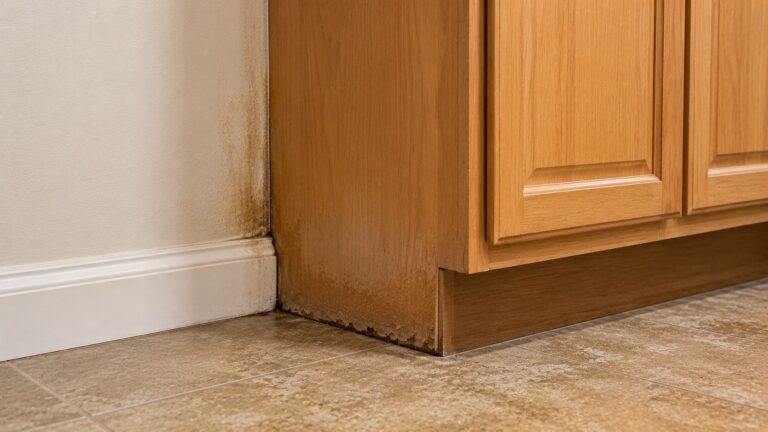
This area is easy to miss because the dryer blocks the view. By the time the wall is inspected, there may already be staining, dust stuck to damp paint, soft drywall, peeling paint, swollen baseboard, or a musty odor behind the machine.
What damp dryer-wall damage can look like
- Dark or yellowish stains behind or beside the dryer.
- Paint that bubbles, peels, or softens near the vent outlet.
- Drywall that feels damp, cool, soft, or uneven.
- Lint stuck to the wall because the surface is slightly moist.
- Swollen baseboard or trim near the dryer connection.
- Musty odor that is strongest behind the dryer.
- Moisture around the wall penetration where the duct exits the room.
These signs are more suspicious when they become worse after dryer cycles. If the wall feels normal before laundry but damp afterward, the dryer vent system may be leaking, blocked, or condensing nearby.
A simple first check is to compare the wall before and after one normal dryer cycle. If the surface becomes warmer, damper, mustier, or more lint-covered only after the dryer runs, the vent path deserves closer attention.
Why the wall behind the dryer is vulnerable
The wall behind the dryer is vulnerable because it sits close to the transition duct, clamps, wall outlet, and warm exhaust path. If the duct is loose, crushed, clogged, or poorly connected, moist air can escape before it reaches the exterior. Lint can then stick to damp surfaces and hide early staining.
This does not always mean the wall itself is the source of the problem. The wall may simply be where the moisture becomes visible. The actual issue may be a restricted duct, blocked exterior vent, disconnected hose, long vent run, or condensation inside the dryer duct. A separate guide on why dryer vents cause moisture problems can explain those causes in more detail.
When soft drywall behind the dryer is more serious
Soft drywall suggests that moisture has affected the material, not just the surface. If the drywall dents easily, crumbles, smells musty, or shows recurring mold-like spots, the moisture may have been present for more than one dryer cycle. The area should be inspected before it is painted, covered, or ignored.
Soft material is also more concerning when the dryer vent runs inside the wall. If the duct connection inside or behind the wall is leaking, moisture may be entering a hidden cavity. In that situation, visible dampness behind the dryer may be only part of the problem.
Condensation Around the Dryer Vent Pipe
Condensation on or around the dryer vent pipe is another warning sign of possible dryer vent moisture damage. Dryer exhaust is warm and moisture-heavy. If that exhaust slows down, leaks, or passes through a cold area, moisture can condense on the inside or outside of the duct.
A small amount of temporary surface condensation may appear in some conditions, especially where warm air meets a cold duct. Persistent condensation is more concerning. If the duct, hose, clamps, wall opening, or nearby drywall repeatedly feels damp after dryer cycles, the vent path should be checked.
What dryer vent condensation can look like
- Water droplets on a metal duct or flexible vent hose.
- Damp lint collecting around duct seams or clamps.
- Moisture around the wall opening where the dryer duct exits.
- Rust or corrosion on screws, clamps, or metal duct sections.
- Wet spots on the floor below the vent connection.
- Condensation on nearby walls, windows, or trim while the dryer runs.
Condensation near the dryer vent pipe is especially suspicious when it appears during dryer operation and fades afterward. That timing suggests the moisture is related to warm dryer exhaust rather than a constant plumbing or roof leak.
Condensation can also happen along hidden duct runs
Not all dryer vent condensation appears behind the dryer. If the duct runs through a cold basement, crawl space, attic, garage, ceiling cavity, or exterior wall, condensation may develop along the hidden path. The first visible sign may be a stain, odor, or soft spot several feet away from the dryer.
The duct path matters. Moisture symptoms may show up wherever warm exhaust slows, leaks, or meets cold surfaces, not just behind the dryer.
Peeling Paint, Stains, or Bubbling Near the Vent Path
Peeling paint, stains, and bubbling surfaces near a dryer vent path can indicate repeated moisture exposure. These symptoms often appear after the material has been damp more than once. The first sign may be a small stain around the wall outlet, then peeling paint, soft drywall, or discoloration along the duct route.
Dryer vent moisture may build slowly. Each cycle can add a little humidity or condensation until the wall or ceiling begins to show damage.
Wall stains near the dryer vent outlet
Stains around the vent outlet behind the dryer can appear when moist exhaust escapes at the wall connection. The stain may look yellow, brown, gray, or dark depending on the material, lint, dust, and how long moisture has been present.
If staining is centered around the dryer vent outlet, duct clamp, or transition hose, the dryer vent should be considered as a possible source. This is especially true if the stain is paired with longer drying times, humid air during dryer cycles, or weak airflow outside.
Ceiling or wall stains along the duct route
Dryer ducts sometimes run through walls, ceilings, floor cavities, basements, crawl spaces, attics, or finished chases. If the duct leaks or condenses along that route, stains may appear away from the dryer itself. A ceiling stain below a second-floor laundry duct or a wall stain along a duct chase can be a clue.
These stains can be mistaken for roof leaks, plumbing leaks, or HVAC condensation. If the stain area smells musty, feels damp, or changes after dryer use, the dryer duct path should be inspected.
Bubbling or peeling paint near vent moisture
Paint bubbles or peels when moisture gets behind the coating or weakens adhesion. Near a dryer vent, this may happen around the wall connection, behind the appliance, near trim, or along a hidden duct path. Bubbling paint is more concerning when it returns after repainting or appears with damp lint, odor, rust, or soft drywall.
Painting over the area before the vent issue is corrected can hide the warning sign temporarily while the material continues to get damp. The moisture pattern should be understood before the surface is repaired.
Musty Odor or Mold-Like Spots Near the Laundry Area
A musty odor near the dryer can be a sign that moisture is lingering where it should not. Dryer vent moisture can dampen drywall, trim, lint, dust, cabinets, or nearby materials. If those areas stay damp long enough, musty odor or mold-like spotting may appear.
The key clue is timing. If the odor appears or gets stronger after dryer cycles, the vent system may be leaking moist exhaust, condensing, or failing to move air outdoors efficiently. If the odor is constant and unrelated to dryer use, other moisture sources should also be considered.
Where mold-like spots may appear
- Behind the dryer near the vent connection.
- Along baseboards or trim near the laundry area.
- On drywall close to the wall penetration.
- On ceilings below dryer duct runs.
- Near laundry closet corners with poor airflow.
- Around exterior walls where the vent duct passes through.
- On surfaces where damp lint or dust collects.
Mold-like spots near a dryer vent should be treated as a moisture clue. The important question is not only whether the surface needs cleaning, but why that surface is staying damp. If mold appears throughout the laundry room or in places unrelated to the dryer vent path, a broader guide to signs of mold in laundry rooms may be more relevant.
Musty odor can appear before visible damage
Odor may show up before obvious staining or mold growth. Damp lint behind the dryer, moisture inside a wall cavity, or condensation along a duct can create a musty smell before the wall looks damaged. This is why odor that returns after dryer use should not be ignored.
If the laundry area smells musty only when the dryer runs, the dryer vent system should be checked along with nearby walls, trim, duct connections, and the exterior vent outlet.
Wet Lint, Rust, or Moisture Around Duct Connections
Wet lint around a dryer vent connection is a strong warning sign. Lint should be dry and easy to remove. If lint near the duct, clamp, wall outlet, or floor behind the dryer feels damp, moist exhaust may be leaking, condensing, or backing up inside the vent system.
Wet lint is more than a housekeeping issue. It can hold moisture against drywall, trim, flooring, duct parts, and nearby surfaces. It can also collect around restricted airflow points, which may indicate that the dryer vent is not moving exhaust outdoors efficiently.
Signs around the duct connection
- Damp lint stuck to the wall behind the dryer.
- Lint clumps collecting around the hose clamp or duct seam.
- Moisture on the floor below the dryer vent connection.
- Rust on metal clamps, screws, elbows, or duct sections.
- A musty smell strongest near the duct connection.
- Lint buildup that returns quickly after cleaning the area.
- Water marks near the dryer hose or wall outlet.
Rust is another clue that moisture has been present repeatedly. A small amount of dust or lint behind a dryer is common, but rust on metal duct parts, damp lint clumps, or water marks near the duct connection suggest a moisture problem that should be investigated.
Wet lint can point to restricted airflow
When dryer airflow is restricted, moist exhaust may slow down and lint may collect in damp clumps. This can happen near crushed ducts, long vent runs, blocked exterior outlets, tight bends, or loose connections. The result may be damp lint near the connection and moisture damage around the surrounding wall or floor.
Lint buildup also creates a safety concern. If you see damp lint, heavy lint accumulation, overheating, weak exhaust airflow, or a burning smell, do not treat it only as a moisture issue. Dryer lint and restricted venting can increase fire risk, so stop using the dryer until the vent path is checked if overheating or a burning odor is present.
Laundry Room Feels Hot, Humid, or Damp When the Dryer Runs
A laundry room that becomes hot, humid, or damp during dryer operation may indicate that dryer exhaust is not leaving the home properly. If warm, moisture-laden exhaust leaks indoors or moves too slowly, the laundry room can feel steamy, warm, or uncomfortable.
This symptom is especially important in laundry closets, small utility rooms, finished basements, and enclosed laundry areas. In a small space, even a partial vent leak or restriction can make the room feel noticeably humid during dryer cycles.
Dryer-related humidity signs
- The laundry room feels humid only when the dryer is running.
- Windows, walls, or nearby surfaces fog during dryer cycles.
- The room smells musty after drying clothes.
- Walls or trim feel damp after a dryer cycle.
- The dryer area feels unusually hot compared with the rest of the home.
- Clothes take longer than normal to dry.
- The dryer runs multiple cycles to dry normal loads.
Longer drying times are one of the easiest early clues to notice. If clothes that used to dry in one cycle now need extra time, the vent may be restricted or blocked. That matters for moisture because the longer damp exhaust stays in the system, the more likely it is to leak, condense, or back up into the laundry area.
Humidity during dryer use is different from general humidity
A humid laundry room is not always caused by the dryer vent. Some homes have high indoor humidity, poor HVAC airflow, damp basements, or exterior moisture problems. The dryer vent becomes more suspicious when the room feels normal before the dryer runs and damp afterward.
That timing helps separate dryer vent moisture from broader humidity problems. If several rooms feel damp all day, the issue may be whole-home humidity. If the laundry area spikes in warmth, odor, or moisture during dryer cycles, the vent path deserves closer attention.
Exterior Vent Warning Signs
The exterior dryer vent can reveal whether moist exhaust is leaving the home properly. If little or no air is coming out while the dryer runs, the vent or duct may be blocked, restricted, disconnected, or poorly routed. That can allow moisture to remain inside the duct or leak into nearby spaces.
Checking the exterior vent is especially useful because interior moisture symptoms can be misleading. A damp wall behind the dryer may look like a plumbing issue, but weak airflow outside during a dryer cycle points back to the vent system.
What to look for outside
- The exterior vent flap does not open when the dryer runs.
- Airflow outside feels weak or absent during dryer operation.
- Lint is packed around the vent hood or flap.
- The vent outlet is blocked by leaves, debris, snow, paint, a screen, or nesting material.
- Warm moist air is not noticeable outside during a drying cycle.
- Siding near the vent outlet looks damp, stained, or lint-covered.
- The vent hood is damaged, stuck, crushed, or poorly sealed to the exterior wall.
If the exterior vent does not show steady airflow while the dryer is running, the interior symptoms become more meaningful. Damp drywall, wet lint, longer drying times, and laundry-room humidity may all point to a vent restriction or disconnection.
Exterior moisture can affect the wall around the vent
The outside vent area can also show moisture-related damage. Damp siding, staining below the vent hood, lint stuck to wet exterior surfaces, or deterioration around the vent penetration may indicate that moist exhaust is not dispersing well or that the vent hood is not sealed properly.
Exterior symptoms should be evaluated with the interior symptoms. If the wall is damp inside and the siding is stained outside near the vent, the dryer vent penetration may be part of the moisture path.
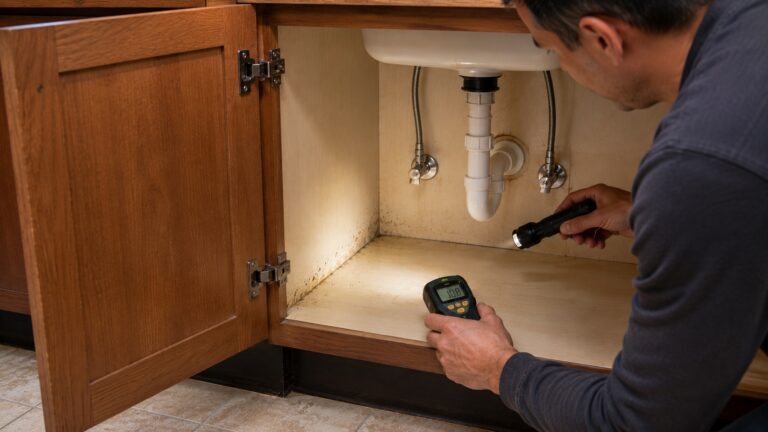
When several of these warning signs appear together, the next step is a more detailed process to inspect dryer vents for moisture problems. The inspection should focus on the vent connection, duct path, exterior outlet, airflow, lint buildup, and any wall or ceiling materials that have already become damp.
Ceiling Stains or Hidden Wall Symptoms Near Dryer Duct Runs
Dryer vent moisture damage does not always appear directly behind the dryer. In many homes, the dryer duct travels through a wall, ceiling, floor cavity, basement, crawl space, attic, soffit, or finished chase before reaching the exterior. If the duct leaks, disconnects, clogs, or condenses along that route, moisture symptoms may show up away from the laundry area.
This can make the problem easy to misdiagnose. A ceiling stain below a second-floor laundry duct may look like a plumbing leak. A damp wall along a duct chase may look like exterior water intrusion. A musty odor in a finished basement ceiling may seem unrelated to the dryer upstairs.
Hidden duct moisture warning signs
- Ceiling stains below or near a known dryer duct route.
- Musty odor in a wall, ceiling, basement, or utility area after dryer cycles.
- Soft drywall near a hidden vent path.
- Paint bubbling or peeling along a duct chase.
- Stains that return after repainting near a dryer vent route.
- Condensation or dampness in a crawl space, attic, or basement where the dryer duct passes through.
- Lint appearing in unusual areas near a wall, ceiling, or mechanical chase.
These symptoms are more suspicious when they change after the dryer runs. A stain that gets worse after rain may be roof or exterior related. A stain that becomes damp or musty after dryer cycles may point toward the duct path.
Why hidden vent moisture should not be ignored
Hidden dryer vent moisture can affect drywall, framing, insulation, ceiling material, trim, and nearby finishes. If the duct is leaking or condensing inside a concealed space, the surface damage may be only part of the problem. Moisture can remain trapped where airflow is limited.
When symptoms repeat in the same location, track the timing. If the area smells musty, feels damp, or changes after dryer use, it may be part of a repeated moisture pattern. A guide on how to detect repeated moisture problems can help connect timing, location, and triggers instead of treating each stain as a separate issue.
How to Tell Dryer Vent Moisture From Other Moisture Problems
Dryer vent moisture damage can overlap with plumbing leaks, roof leaks, HVAC condensation, washer leaks, and general humidity. Compare timing, location, nearby systems, and visible clues before assuming the dryer is the source.
It is more likely dryer vent-related when:
- The laundry room feels humid, hot, or damp when the dryer runs.
- Clothes take longer than normal to dry.
- The wall behind the dryer becomes damp after dryer cycles.
- There is condensation on or near the dryer vent pipe.
- Wet lint appears around the duct connection or exterior vent.
- Airflow at the exterior vent is weak or absent while the dryer runs.
- Musty odor appears after dryer operation.
- Stains or soft drywall follow the dryer duct path.
It may be plumbing-related when:
- Moisture appears after washer use, sink use, toilet use, or water heater operation.
- Water is concentrated under supply lines, drain hoses, valves, or fixture connections.
- The dampness is present even when the dryer has not run.
- Staining appears below plumbing fixtures rather than along the dryer duct route.
It may be roof, exterior, or general humidity-related when:
- Stains get worse after rain instead of after dryer cycles.
- Several rooms feel damp, not just the laundry area.
- Condensation appears on many windows, walls, or cold surfaces throughout the home.
- The moisture appears near rooflines, exterior wall openings, or foundation areas unrelated to the dryer vent path.
These comparisons are not a substitute for inspection, but they help narrow the most likely source. The dryer vent becomes more suspicious when multiple symptoms line up with dryer operation.
When Dryer Vent Moisture Damage Needs Immediate Attention
Dryer vent moisture symptoms should be addressed promptly when they involve weak airflow, heavy lint buildup, overheating, repeated damp drywall, ceiling stains, or mold-like growth. This article helps identify the warning signs; a detailed vent inspection should confirm whether the issue is a blocked duct, loose connection, exterior vent problem, condensation path, or another moisture source.
Immediate attention is especially important if the dryer is unusually hot, clothes take much longer to dry, the exterior vent has little or no airflow, lint accumulates quickly, or there is a burning smell. These signs can point to restricted exhaust airflow, not just moisture damage.
Do not ignore moisture near electrical or gas equipment
Moisture behind a dryer can be more concerning when it is near outlets, electrical cords, gas connections, or appliance controls. Do not keep painting, cleaning, or covering damp materials without finding the source. If the area is wet, soft, repeatedly stained, near utility connections, or paired with a burning odor, stop using the dryer and get the vent and surrounding area evaluated before the damage spreads.
Call for help when the duct is hidden, long, blocked, or inaccessible
Some dryer vent problems are simple to spot, such as a loose hose behind the dryer or lint packed around the exterior hood. Others are harder because the duct runs through finished walls, ceilings, attics, crawl spaces, or roof exits. Long, hidden, damaged, or inaccessible ducts may require professional inspection and cleaning.
If moisture damage is already visible, the vent problem should be addressed before repairing drywall, paint, trim, or ceiling materials. Otherwise, the same moisture may return after the surface is fixed. After the vent issue is corrected, use a broader laundry-area prevention routine to prevent moisture build-up in laundry rooms instead of relying only on surface repairs.
Frequently Asked Questions
Can a clogged dryer vent cause moisture damage?
Yes. A clogged or restricted dryer vent can keep moist exhaust from leaving the home efficiently. That moisture may condense in the duct, leak near connections, or make the laundry area humid. Over time, this can contribute to damp drywall, stains, wet lint, rust, odor, and mold-like growth.
Why is my wall damp behind the dryer?
A damp wall behind the dryer may be caused by a loose vent hose, disconnected duct, blocked vent, condensation on the vent pipe, or moist exhaust leaking before it reaches the exterior. It can also be caused by nearby plumbing or washer leaks, so check whether the dampness appears during dryer operation.
Can dryer vent condensation cause mold?
Yes. If dryer vent condensation keeps drywall, trim, dust, lint, insulation, or nearby surfaces damp long enough, mold can develop. Condensation is more concerning when it returns after dryer cycles or appears with musty odor, stains, soft material, or dark spotting.
Why does my laundry room feel humid when the dryer runs?
A laundry room may feel humid during dryer operation if moist exhaust is leaking indoors or not moving outdoors efficiently. A loose duct, restricted vent, clogged exterior outlet, crushed hose, or disconnected duct can all allow dryer moisture to affect the room.
Is moisture near a dryer vent dangerous?
Moisture near a dryer vent can damage drywall, paint, trim, ceilings, and nearby materials. It can also support mold growth if the area stays damp. If moisture appears with heavy lint buildup, weak airflow, overheating, or a burning smell, it should be addressed quickly because restricted dryer airflow can also be a safety concern.
Should I clean a damp dryer vent myself or call a professional?
You can clean the lint filter and remove visible lint around accessible areas, but hidden ducts, long duct runs, roof exits, crushed ducts, blocked vents, or moisture-damaged areas may require professional inspection and cleaning. Call for help if there is weak exterior airflow, recurring moisture, overheating, a burning odor, or visible damage near the duct path.
Can a dryer vent cause ceiling stains?
Yes. If a dryer duct runs through a ceiling, floor cavity, or finished chase, moisture can leak or condense along that hidden route. Ceiling stains near a dryer duct path are more suspicious when they appear after dryer cycles or come with musty odor, soft drywall, or weak exterior airflow.
Quick Dryer Vent Moisture Checklist
- Dryer vents are supposed to carry warm, moist exhaust outdoors.
- Damp walls, condensation, wet lint, rust, stains, peeling paint, and musty odor can all point to dryer vent moisture damage.
- Longer drying times and weak exterior airflow are early clues that the vent may be restricted.
- Dryer vent moisture damage can appear behind the dryer or along hidden wall and ceiling duct runs.
- Symptoms tied to dryer operation are more likely to be vent-related than general humidity or unrelated leaks.
- Visible moisture damage should be addressed before repainting, patching, or covering the affected area.

One Comment
Comments are closed.