Why Indoor Humidity Increases in Summer
Indoor humidity often increases in summer because warm outdoor air carries more moisture, humid air enters the home through normal air leakage and ventilation, and air conditioning does not always remove enough water vapor from the air. A house can feel cool by temperature but still feel damp, sticky, or musty if the moisture level stays too high.
This is why many homeowners notice humidity problems during hot weather even when nothing appears to be leaking. The issue may come from outdoor humidity, short air conditioning cycles, poor airflow, bathrooms, laundry, cooking, crawl spaces, basements, or closed rooms that do not dry well. Summer humidity is not always a sign of water damage, but it is an early warning that the home’s moisture balance should be checked.
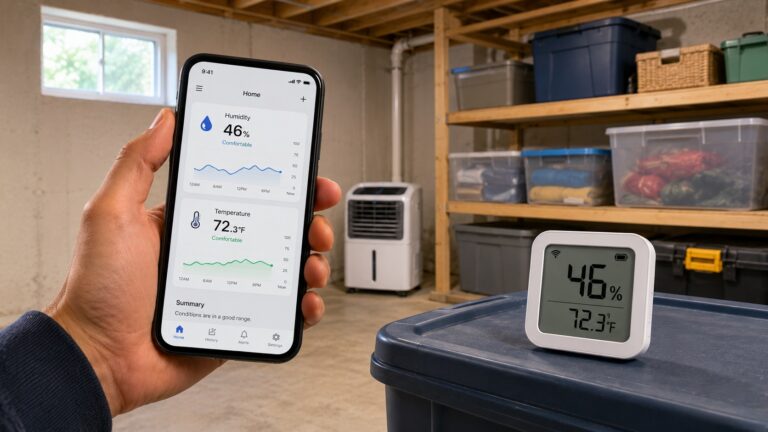
If your home feels damp, smells musty, or has condensation during warm weather, the first step is to test indoor humidity levels instead of relying only on how the room feels. Temperature comfort and moisture control are related, but they are not the same thing.
Why Indoor Humidity Increases in Summer
Indoor humidity increases in summer because outdoor air usually carries a heavier moisture load than it does in cooler seasons. When that humid air enters through leakage, ventilation, open windows, crawl spaces, basements, or HVAC imbalances, the house must remove that moisture fast enough to keep indoor relative humidity under control.
Heat does not create moisture by itself. Warm air can hold more water vapor, so summer air often brings more moisture into the home. Some of that moisture stays in the air, some is removed by air conditioning or dehumidification, and some can be absorbed by drywall, wood, carpet, fabrics, cardboard, and dust.
Summer humidity also builds because many homes are closed up for cooling. Windows may stay shut, interior doors may stay closed, and rooms may receive uneven airflow. If the cooling system does not run long enough or move air evenly, some areas may stay damp even while the thermostat shows a comfortable temperature.
High indoor humidity can lead to more than discomfort. It can contribute to condensation, musty odors, slow-drying surfaces, swollen materials, and mold-prone conditions. When high humidity begins supporting mold growth, it helps to understand why mold problems get worse in summer. But the humidity problem itself begins with moisture entering or being produced inside the home faster than the house can remove it.
How Outdoor Humidity Gets Inside the House
Outdoor humidity does not need an open window to enter a home. Every house exchanges some air with the outdoors. Some of that exchange is intentional through ventilation, but some happens through small leaks, gaps, pressure differences, duct leakage, and connected spaces such as attics, basements, garages, and crawl spaces.
During summer, that air exchange can bring moisture inside. The more humid the outdoor air is, the more moisture the home has to manage. If the air conditioner, ventilation system, dehumidifier, or building envelope cannot keep up, indoor humidity increases.
Air leaks and normal air exchange
Small gaps around a home can allow humid summer air to enter. These gaps may be found around windows, doors, attic hatches, recessed lights, plumbing penetrations, electrical openings, rim joists, duct connections, and wall or ceiling penetrations. Even well-maintained homes have some air exchange, but leaky homes often bring in more outdoor humidity than expected.
Air movement is also affected by pressure. Exhaust fans, clothes dryers, kitchen range hoods, fireplaces, duct leaks, and HVAC imbalances can pull outdoor air into the home. If that replacement air is humid, indoor moisture levels may rise even while the air conditioner is running.
This is one reason a home can feel damp without an obvious leak. The moisture may be entering as water vapor in the air rather than liquid water from a pipe, roof, or wall leak.
Open windows during humid weather
Opening windows can help when outdoor air is cooler and drier than indoor air. During humid summer weather, however, open windows can make indoor humidity worse. Fresh air is not automatically dry air. If the outdoor air contains more moisture than the indoor air, opening windows brings that moisture into the house.
This is especially important in humid climates, after rain, during muggy evenings, or in homes near shaded vegetation, wet soil, lakes, or coastal areas. A room may feel fresher for a short time after windows are opened, but the indoor humidity can rise as damp outdoor air fills the space.
If a home feels more humid after windows are opened, the issue is not poor freshness. It is moisture load. In that situation, controlled ventilation, air conditioning, and dehumidification are usually more useful than leaving windows open for long periods.
Basements, crawl spaces, and attics
Basements, crawl spaces, and attics can raise indoor humidity because they are connected to the living space through air movement. Humid crawl space or basement air can move through floor penetrations, stairwells, utility openings, duct leaks, and framing cavities, while attic air can affect upper rooms when air sealing or ductwork is weak.
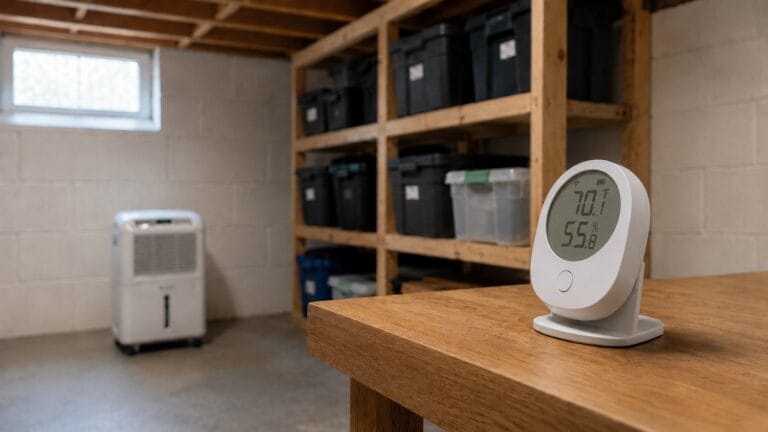
Basements are especially prone to summer humidity because they are often cooler than outdoor air. When warm, humid air reaches cool foundation surfaces, stored items, or basement floors, relative humidity can rise quickly even without flooding. Crawl spaces can create similar problems when exposed soil, poor drainage, missing vapor barriers, or damp insulation allow moisture to build below the home.
Because these connected spaces can affect the entire house, persistent summer humidity should be treated as part of a larger plan to find, fix, and prevent moisture problems in homes, not only as a comfort issue inside one room.
Why Air Conditioning Does Not Always Lower Humidity Enough
Air conditioning can help control summer humidity, but it does not always remove enough moisture from the air. An AC system lowers temperature first. Moisture removal happens as warm indoor air passes over the cold evaporator coil and water vapor condenses on the coil. That water should drain away through the condensate system.
When everything works well, the system cools the home and removes some moisture at the same time. But if the system runs in short cycles, has poor airflow, is oversized, has dirty components, or has drainage issues, the home may become cool without becoming dry. This is why a house can feel clammy even when the thermostat setting looks reasonable.
Cooling is not the same as dehumidifying
A cool room is not automatically a dry room. Relative humidity depends on both temperature and moisture content, so a bedroom, basement, or living room can feel cold but damp if the AC lowers temperature faster than it removes water vapor. The system must run long enough and move enough air across the coil to dehumidify effectively.
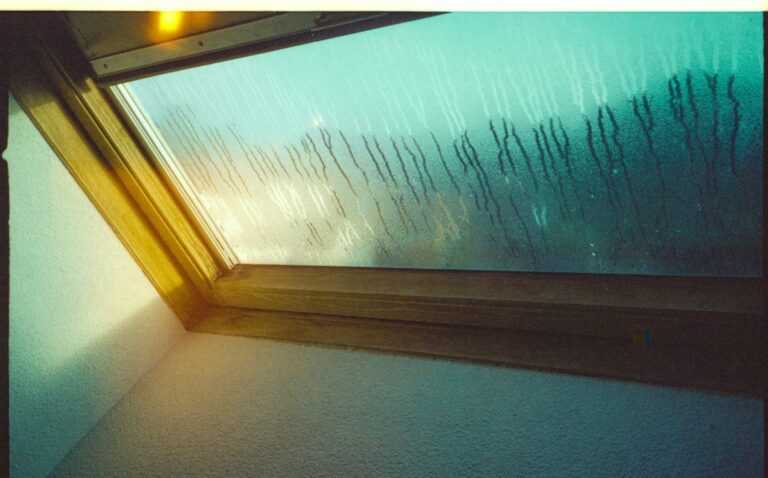
High indoor humidity also makes cold surfaces more likely to collect condensation. Supply vents, ducts, cold pipes, and window glass may become damp when humid indoor air contacts them. If this keeps happening, it can contribute to moisture stains, musty odor, and mold-prone surfaces.
Short cooling cycles can leave humidity high
Short cycling happens when the air conditioner turns on and off too quickly. The room temperature may drop, but the system does not run long enough to remove much moisture. This can happen when the AC is oversized, the thermostat is poorly placed, airflow is restricted, or the home cools unevenly.
An oversized system is a common humidity problem because it can satisfy the thermostat quickly without enough dehumidification time. The home may feel cold in some rooms and humid in others. In this situation, lowering the thermostat may make the house colder but not necessarily drier.
Short cycling can also happen when filters are dirty, coils are dirty, vents are blocked, or return airflow is limited. When airflow is weak, the system may not handle moisture consistently across the home. If the AC runs frequently but the air still feels damp, the issue may be system performance rather than only outdoor humidity.
Poor airflow can leave rooms damp
Humidity problems are often worse in rooms with poor airflow. Closed bedrooms, closets, bonus rooms, basements, laundry rooms, and rooms far from return vents may not exchange enough air with the rest of the home. Even if the central area feels comfortable, these rooms may stay humid.
Poor airflow also slows drying. Bathroom walls, damp towels, carpet, bedding, stored items, and closet contents all dry more slowly when air is stagnant. That stagnant air can make a room feel heavy or musty even if the temperature is not high.
If only certain rooms feel humid in summer, the problem may involve air distribution, closed doors, blocked vents, weak returns, or local moisture sources. A separate guide explains why some rooms have higher humidity than others, but the summer version often comes down to humid air entering, moisture being produced locally, and not enough air movement to remove it.
Condensation and drainage problems can add moisture risk
An AC system removes moisture by collecting condensation and draining it away. If the condensate drain line clogs, the drain pan holds water, insulation gets wet, or the system leaks, the HVAC system can become part of the moisture problem instead of only the solution.
Condensation can also form on ducts, vents, or air handler surfaces when humid air contacts cold materials. This is more common when ducts pass through hot, humid spaces, when insulation is damaged, or when air leaks allow humid air to reach cold surfaces.
These issues do not always show up as obvious water leaks. Sometimes the first signs are musty odors, sweating vents, damp ceiling areas, mold-like spots around registers, or humidity that stays high when the AC runs. If the system seems to be producing moisture rather than controlling it, it may help to understand why HVAC systems produce excess condensation.
Indoor Moisture Sources That Add to Summer Humidity
Outdoor air is not the only source of summer humidity. Showers, cooking, laundry, damp towels, indoor drying racks, plants, aquariums, and stored damp items can push humidity higher when the home is already fighting humid outdoor air. In rooms with poor ventilation, these sources can make humidity rise quickly and stay high for hours.
Showers and bathrooms
Bathrooms are major summer humidity sources because hot showers leave moisture on walls, ceilings, mirrors, towels, grout, caulk, cabinets, and trim. If the exhaust fan is weak, dusty, rarely used, not run long enough, or vented into an attic instead of outdoors, the room may stay damp long after the shower ends.
Warning signs include peeling paint, lingering mirror fog, musty towels, damp trim, and mold on ceilings or caulk lines. These signs show that bathroom moisture is not drying fast enough.
Cooking, dishwashing, and laundry
Kitchens and laundry areas can also raise indoor humidity. Boiling water, simmering food, dishwashers, wet sinks, damp sponges, and hot water use all add moisture to the air. Clothes washers and dryers can contribute as well, especially if a dryer vent leaks, is clogged, or does not exhaust properly outdoors.
Laundry rooms are often small, enclosed, and warm. If they do not have enough ventilation, humidity can build quickly. Damp clothes left in baskets, wet towels, and indoor drying racks can also release moisture into the home.
In summer, these sources matter more because the home may already be working against outdoor humidity. A kitchen or laundry room that was only mildly humid in spring may become noticeably damp during hot weather.
Indoor drying, plants, aquariums, and stored damp materials
Some moisture sources are easy to overlook. Drying clothes indoors, keeping many houseplants, using aquariums, storing damp sports gear, leaving wet shoes in closets, or keeping cardboard boxes in a damp basement can all add moisture or hold moisture inside the home.
These sources may seem small individually, but they can matter in rooms with poor airflow. A closed closet with damp shoes, a storage room with cardboard boxes, or a basement with fabric items can smell musty because materials absorb and release moisture as humidity rises.
Why Some Rooms Feel More Humid Than Others in Summer
One room can feel more humid than the rest of the house during summer because humidity is not always evenly distributed. Closed doors, weak return airflow, blocked vents, exterior exposure, local moisture sources, duct layout, basements, bathrooms, closets, and stored items can all create room-specific humidity problems.
This matters because a single thermostat reading does not show the whole moisture picture. The main living area may feel comfortable while a basement, closet, bedroom, or bathroom stays damp enough to cause odors, condensation, slow drying, or mold-prone conditions. For a fuller room-by-room diagnosis, see why some rooms have higher humidity than others.
How to Tell If Summer Humidity Is Normal or a Moisture Problem
Some increase in indoor humidity during summer is normal, especially in humid climates or during rainy weather. The concern begins when humidity stays high, causes symptoms inside the home, or affects materials. A short-term rise after a shower or storm is different from rooms that stay damp for days.
The most reliable way to sort this out is to measure humidity in several locations, not just guess by comfort. A room can feel cool and still have high relative humidity. A room can also feel warm but not actually be moisture-heavy. Humidity readings help separate temperature discomfort from moisture imbalance.
Signs of normal seasonal humidity
Summer humidity may be normal when it rises temporarily during storms, after showers, while cooking, or when outdoor humidity is unusually high, but then drops again after ventilation, air conditioning, or dehumidification. Temporary humidity is less concerning when surfaces dry quickly and no musty odors, condensation, or material changes appear.
Normal seasonal changes may include brief bathroom mirror fog, slightly heavier air on rainy days, or a temporary humidity rise when doors and windows are opened. These conditions become more concerning when they persist long after the moisture source is gone.
Signs humidity is too high
Humidity is likely too high when the home repeatedly feels damp, sticky, or musty. You may notice condensation on windows, vents, pipes, or cold surfaces. Towels, bedding, carpets, or stored items may dry slowly. Paint may peel in bathrooms. Wood doors may swell. Closets may smell stale. Mold or mildew-like spotting may appear in corners, bathrooms, basements, or around vents.
These symptoms suggest that moisture is staying in the air or materials longer than it should. If several rooms show these conditions, the home may have a broader humidity control issue. A deeper list of signs of high indoor humidity problems can help you decide whether the issue is isolated or widespread.
Signs there may be hidden moisture
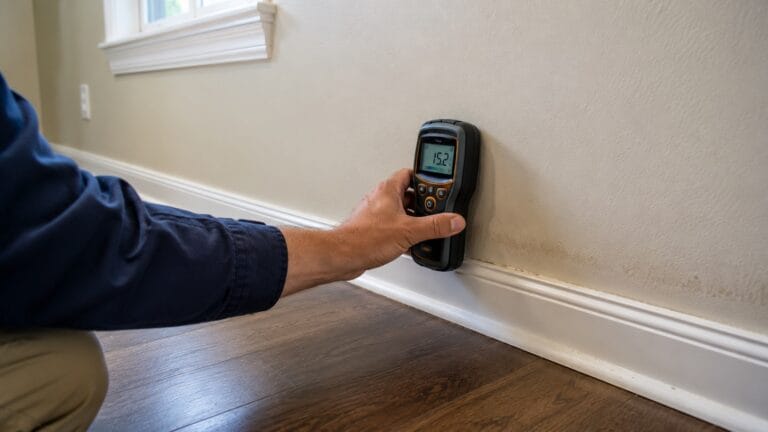
High summer humidity does not always mean there is a hidden leak, but certain patterns deserve closer inspection. Localized stains, soft drywall, swollen trim, warped flooring, peeling paint in one specific area, recurring musty odor, or humidity that stays high near one wall, ceiling, cabinet, or floor can point to trapped moisture.
Hidden moisture may come from plumbing leaks, roof leaks, exterior wall leaks, wet insulation, damp crawl spaces, basement seepage, HVAC condensation, or materials that were never fully dried after previous water damage. Summer humidity can make these problems more noticeable because damp materials dry more slowly and odors become stronger.
If one area is consistently humid while nearby rooms are normal, the localized pattern may reveal where moisture is entering, condensing, or staying trapped.
What to Check Before You Assume the AC Is the Only Problem
Many homeowners blame the air conditioner when the house feels humid in summer. Sometimes that is correct, but the AC is only one part of the moisture system. Check the whole house before lowering the thermostat or assuming the equipment is the only problem.
Start with humidity readings. Check the main living area, bedrooms, bathrooms, basement, laundry room, closets, and any room that feels damp. If only one room is high, the issue may be airflow, local moisture, or hidden dampness. If the whole house is high, the issue may involve outdoor air infiltration, AC performance, ventilation, or a larger moisture source.
Next, check airflow. Make sure supply vents are open, return vents are not blocked, interior doors are not isolating humid rooms, filters are clean, and air can move through the areas that feel damp. Poor airflow can make a room humid even when the AC is working reasonably well elsewhere.
Check daily moisture sources. Long showers, weak bathroom fans, cooking without exhaust, indoor drying racks, damp laundry, leaky dryer vents, and stored damp items can all raise humidity. During summer, these sources may push the home over the edge because outdoor air is already moisture-heavy.
Look for condensation. Sweating vents, wet duct surfaces, damp pipes, moisture on windows, or water around the air handler may mean humid air is contacting cold surfaces or the HVAC system is not draining properly. Condensation patterns can be an important clue because they show where moisture is turning from vapor into liquid water.
Finally, check connected spaces. Basements, crawl spaces, attics, garages, and utility areas can feed humidity into the living space through air leakage. If these areas are damp or musty, they may be contributing to the indoor humidity problem even if the main rooms look clean.
If humidity remains high after these basic checks, the next step is not simply lowering the thermostat. A colder house can still be damp. It is usually better to identify the moisture source and then choose the right way to reduce indoor humidity levels without overcooling the home.
When High Summer Humidity Needs a Closer Inspection
High summer humidity often starts as a comfort issue, but it needs closer inspection when it becomes persistent, localized, or connected to visible moisture symptoms. A room that feels damp after a storm or shower may be normal. A room that stays damp for days, smells musty, or develops condensation needs more attention.
You should look more closely when humidity stays high even though the air conditioner is running, exhaust fans are being used, and obvious moisture sources have been reduced. Persistent humidity can mean the home is bringing in too much outdoor air, the HVAC system is not removing enough moisture, or a hidden moisture source is adding water vapor faster than the home can dry.
High humidity also deserves inspection when it appears in one specific area. A single damp bedroom, closet, wall, basement corner, cabinet, or ceiling area may point to a local problem rather than normal summer humidity. That source could be poor airflow, condensation, a leak, damp insulation, basement moisture, crawl space air movement, or a wet material hidden behind a surface.
Do not rely only on the thermostat. If the home feels cool but still damp, the system may be controlling temperature better than moisture. When humidity stays high after basic checks, the next step is to identify whether the problem is outdoor air entry, short AC runtime, poor airflow, an indoor moisture source, or hidden wet materials. From there, you can choose the right repair instead of treating the issue as normal summer discomfort.
FAQs About Indoor Humidity Increasing in Summer
Why is my house humid in summer even with the AC on?
Your house may be humid with the AC on because the system is cooling the air without removing enough moisture. This can happen when the AC short cycles, airflow is restricted, the unit is oversized, the home has humid air leaks, or daily activities are adding more moisture than the system can remove.
Is it normal for indoor humidity to rise in summer?
Yes, some increase in indoor humidity is normal during summer, especially in humid climates or rainy weather. It becomes a problem when humidity stays high, rooms feel damp, surfaces dry slowly, condensation appears, or musty odors develop.
Does opening windows reduce summer humidity?
Opening windows reduces humidity only when the outdoor air is drier than the indoor air. During hot, humid weather, open windows often bring more moisture into the home and can make indoor humidity worse.
Can an oversized AC make humidity worse?
An oversized AC can contribute to humidity problems because it may cool the house too quickly and shut off before removing enough moisture. The result can be a home that feels cold but clammy instead of cool and dry.
Why is my basement more humid in summer?
Basements are often more humid in summer because they are cooler than outdoor air and connected to soil, foundation surfaces, and lower-level air leakage. When warm, humid air enters a cool basement, the relative humidity near surfaces can rise quickly, causing musty odors, damp storage, and condensation risk.
What indoor humidity level is too high in summer?
Many homes are easier to manage when indoor relative humidity stays around 30% to 50%. If rooms regularly stay above that range, especially near or above 60%, the risk of condensation, musty odors, dust mite activity, and mold-prone conditions increases.
Can high humidity cause mold?
High humidity can contribute to mold when surfaces or materials stay damp long enough. Mold still needs moisture and a food source, but humidity can provide enough moisture for drywall paper, dust, wood, fabrics, and stored items to become mold-prone.
Should I use a dehumidifier in summer?
A dehumidifier can help when indoor humidity stays high despite normal air conditioning and ventilation. It is especially useful in basements, crawl-space-adjacent rooms, laundry areas, and rooms that stay damp. However, if humidity is caused by a leak, drainage problem, or wet building material, the source still needs to be fixed.
Key Takeaways
- Indoor humidity often increases in summer because warm outdoor air carries more moisture.
- Humid air can enter through air leaks, ventilation, open windows, connected spaces, duct leakage, and pressure imbalances.
- Air conditioning can cool the home without removing enough moisture, especially when it short cycles, has poor airflow, or is oversized.
- Bathrooms, laundry rooms, kitchens, basements, closets, and closed bedrooms can add or trap moisture during summer.
- Opening windows only helps when outdoor air is drier than indoor air.
- Testing humidity is the best first step before deciding whether the solution is ventilation, dehumidification, HVAC service, or moisture repair.