How Seasonal Weather Affects Indoor Humidity
Seasonal weather affects indoor humidity by changing how much moisture enters the home, how quickly materials dry, and how cold indoor surfaces become. Summer often brings humid outdoor air indoors, winter can make the air feel dry while cold windows still collect condensation, spring rain can raise basement and crawl space humidity, and fall temperature swings can start early condensation before winter fully arrives.
The most reliable way to understand these changes is to test indoor humidity levels instead of guessing by feel. A room can feel comfortable while still having elevated humidity, and another room can feel dry while cold surfaces are still collecting condensation. Seasonal weather affects both the amount of moisture in the air and the way that moisture behaves on surfaces inside the home.
The goal is to read humidity as a pattern, not a single comfort complaint. If readings rise after rain, stay high in one room, cause condensation, or come with musty odors, seasonal humidity may be pointing to a larger need to find, fix, and prevent moisture problems throughout the home.
Seasonal Indoor Humidity Patterns at a Glance
The same humidity reading can mean different things depending on the season, room, and surface temperature. Use this quick guide to understand what the pattern may suggest before you start troubleshooting.
| Season | Common indoor humidity pattern | What to check first |
|---|---|---|
| Summer | Sticky air, musty lower levels, dehumidifier running often | Air conditioner runtime, basement humidity, crawl space dampness, outdoor air leaks |
| Winter | Dry-feeling air with window condensation or cold-surface moisture | Cold windows, indoor moisture sources, bathroom ventilation, attic or exterior-wall condensation |
| Spring | Humidity rises after rain, thaw, or wet soil conditions | Basements, crawl spaces, grading, drainage, window wells, foundation seepage |
| Fall | Humidity swings as temperatures drop and HVAC use changes | Early window condensation, closed-up rooms, bathrooms, closets, low-airflow areas |
Why Indoor Humidity Changes With the Seasons
Indoor humidity changes with the seasons because the home is constantly affected by air movement, temperature differences, moisture sources, and drying conditions. Even a well-built home exchanges some air with the outdoors through ventilation systems, doors, windows, attic bypasses, crawl spaces, basements, wall gaps, exhaust fans, and small leaks in the building envelope.
Several factors affect indoor humidity throughout the year:
- Outdoor humidity levels
- Outdoor temperature
- Indoor heating and cooling patterns
- How often windows and doors are opened
- How much ventilation the home receives
- Rain, snowmelt, and wet soil around the foundation
- Basement and crawl space dampness
- Bathroom, kitchen, laundry, and occupant moisture
- Air conditioner runtime and dehumidification performance
- Cold surfaces that allow condensation to form
Temperature plays a major role. Warm air can hold more moisture than cold air. That is why relative humidity can rise when air cools, even if no new water has entered the room. In summer, humid outdoor air can enter the home and raise indoor humidity.
In winter, heated indoor air may feel dry, but moisture can still condense on cold windows, walls, or attic surfaces if the surface temperature is low enough. In spring and fall, outdoor conditions can shift quickly, causing indoor readings to rise and fall more noticeably.
Ventilation habits also change seasonally. During mild weather, homeowners may open windows and allow more air exchange. During hot, humid, cold, or stormy weather, the house may stay closed up. That can trap moisture from showers, cooking, laundry, people, pets, plants, and damp building materials. If the home has poor airflow, some rooms may hold humidity longer than others.
This is why indoor humidity should be understood as a pattern, not a single number. A reading taken in one room on one day may not represent the whole house. Basement humidity may rise after rain even when upstairs rooms feel normal. Bathroom humidity may spike after showers. Bedrooms may collect more moisture overnight. Seasonal weather changes make these differences more noticeable.
How Summer Weather Raises Indoor Humidity
Summer often raises indoor humidity because warm outdoor air can carry a large amount of moisture. When that air enters the home through open doors, windows, crawl spaces, basements, attic leaks, or small gaps in the building envelope, indoor humidity can rise quickly. This is especially noticeable in humid climates, during rainy summer periods, or in homes with weak air sealing and poor ventilation control.
Air conditioning can help reduce humidity, but only when it runs long enough to remove moisture from the air. An air conditioner that is oversized, short-cycling, poorly maintained, or not draining properly may cool the room without removing enough moisture. The result is a house that feels cool but still sticky, damp, or musty.
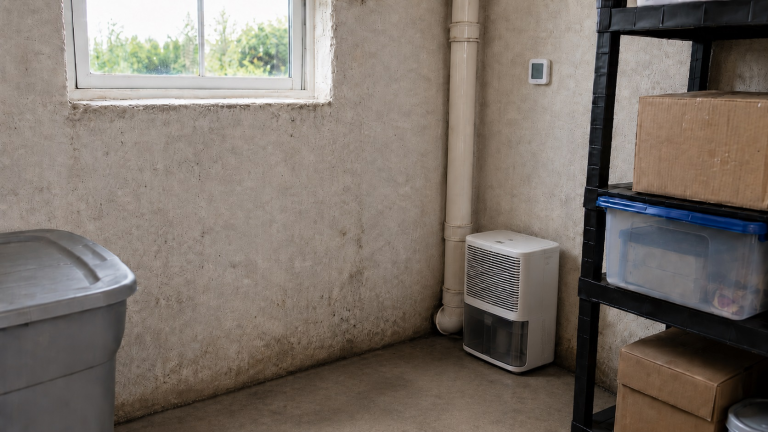
Basements and crawl spaces can feel especially damp in summer. These areas are often cooler than the outdoor air. When warm humid air reaches cooler basement walls, floors, pipes, ducts, or crawl space surfaces, moisture may condense or linger. This can make lower levels smell musty even if there is no obvious standing water.
Common summer humidity signs include:
- Sticky or heavy-feeling indoor air
- Musty basement or crawl space odors
- Condensation on cold pipes, ducts, or basement surfaces
- Dehumidifiers filling more often
- Slow-drying bathrooms or laundry areas
- Surface mildew in corners, closets, or poorly ventilated rooms
- Wood doors or trim swelling slightly
If summer humidity is the main recurring pattern, review why indoor humidity increases in summer for a deeper look at how air conditioning, ventilation, outdoor moisture, and lower-level dampness work together.
The main mistake is assuming that cooler indoor air automatically means dry indoor air. Cooling and dehumidification are related, but they are not the same. A home can reach the thermostat setting while still holding too much moisture, especially if air conditioner runtime is short or the moisture source is coming from a damp basement, crawl space, bathroom, laundry area, or outdoor air leakage.
How Winter Weather Can Create Both Dry Air and Condensation
Winter humidity can be confusing because a home may feel dry and still have condensation problems at the same time. Heated indoor air often feels dry because cold outdoor air usually contains less moisture before it is brought indoors and warmed. This can lead to dry skin, static electricity, dry noses, and lower humidity readings in many rooms.
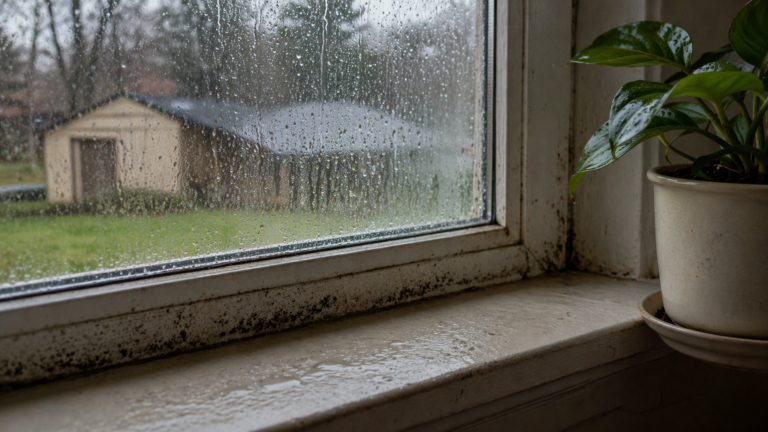
At the same time, winter can create condensation on cold surfaces. Windows, exterior walls, attic roof sheathing, rim joists, metal ducts, and poorly insulated surfaces can become much colder than the indoor air. When indoor moisture reaches those cold surfaces, water vapor can condense into visible droplets, frost, damp patches, or staining.
This means winter humidity problems are not always about the whole house being too humid. Sometimes the issue is the combination of normal indoor moisture, cold surfaces, poor airflow, and reduced ventilation. A bathroom, bedroom, kitchen, or laundry area may release enough moisture to create condensation even while other rooms feel dry.
This is why adding humidity in winter should be done carefully; raising room humidity may improve comfort, but it can also make condensation worse if windows, walls, or attic surfaces stay cold.
Common winter humidity and condensation signs include:
- Condensation on windows during cold mornings
- Water collecting on window sills or trim
- Mold or mildew around window corners
- Frost or dampness on attic roof sheathing
- Musty odors in closets or poorly ventilated rooms
- Dry air symptoms in living areas while cold surfaces still collect moisture
- Condensation on cold ducts, pipes, or exterior wall areas
The key is understanding that air comfort and surface moisture are not the same thing. A room can feel dry, but a cold window can still reach a temperature where moisture condenses. If condensation becomes frequent, heavy, or damaging, review why condensation problems get worse in winter so you can separate normal seasonal condensation from a pattern that needs correction.
Winter can also make hidden humidity problems more visible because the house is closed up for longer periods. Moisture from showers, cooking, laundry, humidifiers, plants, and occupants may stay indoors longer if ventilation is weak. If those moisture sources are concentrated in rooms with cold surfaces or poor airflow, winter humidity problems can develop even when the rest of the house does not feel damp. For a deeper look at cold-season patterns, review common winter humidity problems.
How Spring Rain and Thaw Affect Indoor Humidity
Spring can raise indoor humidity because outdoor moisture begins moving again after winter. Rain becomes more frequent in many regions, snowmelt can saturate soil, and groundwater may rise around basements and crawl spaces. Even if water does not visibly enter the living area, damp soil and wet lower-level materials can increase humidity inside the home.
Basements are often the first place spring humidity shows up. Concrete walls and floors can feel damp, stored items may smell musty, and dehumidifiers may run more often. Crawl spaces can also release moisture upward into the home if the ground is wet, vapor barriers are damaged, vents are poorly managed, or wood framing stays damp after spring rain.
Spring humidity problems may appear as:
- Musty basement odors after rain
- Higher lower-level humidity readings
- Damp crawl space air moving into the home
- Moisture on basement walls or floors
- Condensation on cool surfaces during humid weather
- Rooms feeling damp even when there is no visible leak
- Dehumidifiers filling more often after storms or thaw periods
Rainy weather can raise indoor humidity directly through outdoor air and indirectly through wet soil, damp foundations, crawl spaces, and basements. A home with good drainage and dry lower levels may respond only slightly. A home with poor grading, foundation seepage, crawl space dampness, or basement moisture may show a larger humidity change after spring storms.
This is why seasonal humidity should be interpreted alongside the home’s moisture history. If humidity rises every time it rains, check basements, crawl spaces, exterior drainage, window wells, and other lower-level moisture paths. Outdoor weather matters, but the way the home manages that weather determines whether indoor humidity becomes a problem. For a broader seasonal checklist of spring warning signs, compare these patterns with spring moisture problems in homes.
How Fall Weather Changes Indoor Moisture Conditions
Fall is a transition season. Outdoor temperatures begin dropping, nights become cooler, windows are opened and closed more often, heating systems may begin running, and indoor moisture habits change. These shifts can make humidity readings less predictable than they were during the middle of summer or winter.
Cooler nights are one of the first signs of fall humidity change. Even if daytime air is mild, windows, exterior walls, and attic surfaces may cool overnight. If indoor humidity remains high from cooking, showers, laundry, or damp lower levels, condensation may begin appearing on windows or other cold surfaces before winter fully arrives.
Fall can also trap more indoor moisture because homes often become less ventilated. During summer, air conditioning may have removed some moisture. During mild fall weather, mechanical drying may run less often, but windows may still be closed during rain or cold nights. This can allow moisture from daily activities to linger indoors.
Fall humidity issues may include:
- Early window condensation on cool mornings
- Musty odors in closets, basements, or storage rooms
- Humidity readings that rise during rainy periods
- Bathrooms drying more slowly after showers
- Condensation near exterior walls or window trim
- Indoor air that feels damp during mild but rainy weather
- Humidity swings as heating and cooling use changes
Fall is a good time to begin monitoring humidity before winter condensation becomes more persistent. If readings are already high in basements, bedrooms, bathrooms, or low-airflow rooms, those areas may become more vulnerable once surfaces get colder. Use a fall moisture prevention checklist to identify ventilation, dehumidification, drainage, and airflow issues before colder weather makes condensation more persistent.
Why Some Rooms React Differently to Seasonal Humidity
Indoor humidity is rarely the same in every room. Seasonal weather affects the whole house, but each room responds based on its location, airflow, temperature, moisture sources, and connection to the outdoors. This is why one bedroom may feel normal while a basement smells musty, a bathroom stays damp, or a closet develops mildew.
Basements often have higher humidity because they are surrounded by soil and concrete. When spring rain, summer humidity, or wet ground affects the foundation area, basement humidity can rise before the upstairs living space feels damp. Crawl spaces can behave the same way, especially if the soil is uncovered, drainage is poor, or humid outdoor air enters the space.
Bathrooms and kitchens are different because they create short bursts of moisture. Showers, baths, cooking, boiling water, dishwashers, and poor exhaust fan use can raise humidity quickly. If outdoor weather is already humid or the room has poor ventilation, these short bursts may last longer than expected.
Bedrooms can also collect moisture seasonally. During cold weather, people add moisture to the room overnight through breathing, while doors may stay closed and windows may be cold. This is why bedroom windows can show condensation in the morning even when the rest of the house seems dry.
Closets, corners, and rooms with poor airflow are vulnerable because moisture lingers where air does not move well, especially against cooler exterior walls.
Common room-by-room humidity differences include:
- Basements staying damp after rain while upstairs rooms feel normal
- Bathrooms staying humid longer in fall and winter
- Bedrooms showing window condensation overnight
- Kitchens spiking during cooking and dishwashing
- Closets smelling musty during humid weather
- Laundry rooms holding moisture when dryers, vents, or drains are not working well
- Rooms over crawl spaces feeling damp or musty during wet seasons
If one room is consistently more humid than the rest of the home, do not assume the whole house has the same problem. The room may have a local moisture source, weak airflow, cold surfaces, poor insulation, a hidden leak, or a stronger connection to damp outdoor or below-grade conditions. For more detail, compare the pattern with why some rooms have higher humidity than others.
How to Tell Normal Seasonal Humidity From a Moisture Problem
Some seasonal humidity change is normal. A home may feel slightly drier in winter, more humid in summer, or mustier after a long rainy period. The question is whether the change is temporary and explainable, or persistent and damaging.
Normal seasonal humidity changes are usually short-lived, mild, and tied to clear conditions. For example, a bathroom mirror fogging after a shower is normal if the room dries quickly. A small humidity rise during rainy weather may be normal if readings return to a healthy range afterward. Light morning window condensation may happen occasionally during cold weather, especially if indoor moisture was higher overnight.
A moisture problem is more likely when humidity stays high, returns repeatedly, or causes visible effects on materials. Persistent readings, musty odors, mold, mildew, damp trim, swollen wood, peeling paint, or condensation that wets surfaces are warning signs. These signs suggest that moisture is not just changing seasonally; it is staying long enough to affect the home.
Warning signs of a seasonal humidity problem include:
- Humidity readings that remain high for days instead of hours
- Condensation that runs down windows or wets trim
- Mold or mildew in corners, closets, bathrooms, or around windows
- Swollen doors, sticky drawers, or damp-feeling wood
- Rooms that stay humid even when other rooms are normal
- Humidity that stays high despite ventilation or dehumidifier use
High humidity does not always mean there is an active leak, but it does mean the home is holding more moisture than it should. If you are seeing physical symptoms, compare them with the signs of high indoor humidity problems. This helps separate comfort complaints from moisture conditions that may damage materials or support mold growth.
The biggest mistake is relying only on how the air feels. Comfort is subjective. One person may describe a room as damp while another feels comfortable. A hygrometer gives a more consistent reading, especially when you compare multiple rooms during different seasons and weather conditions.
How to Monitor Indoor Humidity Through Seasonal Changes
Monitoring humidity through the seasons helps you see patterns before they become visible damage. Instead of reacting only when mold, condensation, or musty odors appear, you can watch how the home responds to rain, heat, cold, heating, cooling, and ventilation changes.
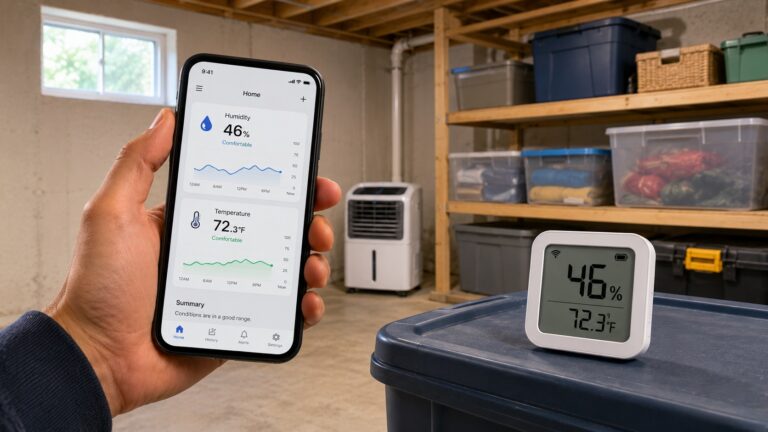
Start by placing hygrometers in the rooms most likely to vary. Good locations include basements, bathrooms, bedrooms, laundry rooms, crawl space access areas, and any room that has felt damp, musty, or condensation-prone in the past. One humidity reading in a hallway does not tell you what is happening in the whole home.
Track readings during different conditions:
- After heavy rain
- During humid summer weather
- During cold winter mornings
- After showers, cooking, or laundry
- When the HVAC system is running
- When windows are open versus closed
- After using a dehumidifier or exhaust fan
- During spring thaw or fall temperature swings
Look for patterns instead of reacting to one number. A short humidity spike after a shower is different from a bathroom that stays damp all day. A basement that rises after one storm and dries within a reasonable time is different from a basement that stays humid for weeks. A bedroom window that fogs lightly once in a while is different from daily condensation that wets the sill.
Multi-room monitoring can be especially helpful in homes with basements, crawl spaces, additions, older windows, uneven HVAC airflow, or recurring moisture concerns. Smart hygrometers and humidity monitors with alerts can make this easier, but even basic hygrometers are useful if you check them consistently.
Monitoring should lead to action. If a room is humid only after a shower, better exhaust fan use may solve it. If a basement rises after rain, exterior drainage or foundation moisture may need attention. If winter condensation appears on specific windows, the issue may involve indoor humidity, surface temperature, airflow, or window performance. If the whole home swings dramatically from damp to dry, you may need a broader plan to stabilize indoor humidity levels.
The goal is not to chase a perfect number every day, but to understand how your home behaves through seasonal changes so you can respond early and avoid confusing normal weather-related shifts with hidden moisture problems.
When Seasonal Humidity Needs Further Investigation
Seasonal humidity changes are normal, but persistent moisture symptoms should not be ignored. If a room stays damp through multiple weather changes, the issue may involve more than outdoor humidity. Hidden leaks, wet basements, crawl space moisture, poor ventilation, HVAC problems, cold surfaces, or damp building materials can all keep indoor humidity elevated.
Further investigation is especially important when humidity changes are tied to visible material damage, repeated odors, or readings that stay high even after normal ventilation or dehumidification.
Check more carefully if you notice any of the following:
- Humidity readings that stay high despite ventilation or dehumidification
- Condensation that repeatedly wets windows, trim, walls, or attic surfaces
- Mold or mildew appearing in the same locations each season
- Bathrooms, kitchens, or laundry rooms that do not dry after normal use
- HVAC systems that cool the home but leave the air feeling damp
- Wet insulation, damp drywall, soft trim, or swollen flooring
- Humidity changes that began after a leak, storm, repair, or HVAC change
When these signs appear, the next step is to look for the source. Sometimes the solution is simple, such as using an exhaust fan longer, improving airflow, running a dehumidifier, or correcting a clogged HVAC drain. In other cases, the humidity problem may point to exterior drainage issues, foundation dampness, roof condensation, plumbing leaks, or moisture hidden inside materials.
A dehumidifier can help control indoor humidity, but it should not be used to ignore a moisture source. If a room stays damp because water is entering from the basement wall, crawl space soil, roof assembly, plumbing fixture, or exterior opening, dehumidification may reduce symptoms without correcting the cause. For equipment selection and use, review how to choose and use a dehumidifier effectively.
FAQs About Seasonal Weather Affecting Indoor Humidity
Why does indoor humidity change with the seasons?
Indoor humidity changes with the seasons because outdoor air, temperature, rain, soil moisture, heating, cooling, and ventilation habits all change. Homes also create moisture indoors through showers, cooking, laundry, plants, pets, and occupants. Seasonal weather affects how much moisture enters the home, how quickly it dries, and whether it condenses on cold surfaces.
Why is my house more humid in summer?
Your house may be more humid in summer because warm outdoor air carries more moisture. When humid air enters through doors, windows, gaps, basements, crawl spaces, or ventilation systems, indoor humidity can rise. Air conditioners help remove moisture, but they must run long enough and drain properly to dehumidify effectively.
Why does my house feel dry in winter but still have condensation?
A house can feel dry in winter while still having condensation because air comfort and surface temperature are different issues. Heated indoor air may feel dry, but moisture from showers, cooking, laundry, and occupants can still condense on cold windows, exterior walls, attic surfaces, or poorly insulated areas.
Can rainy weather raise indoor humidity?
Yes. Rainy weather can raise indoor humidity by increasing outdoor moisture, wetting soil around the foundation, dampening basements or crawl spaces, and reducing natural drying. Some homes show only a small humidity change after rain, while homes with drainage, foundation, or crawl space problems may show a larger increase.
Why is my basement more humid than the rest of the house?
Basements are often more humid because they are surrounded by soil and concrete. Moisture can move through foundation materials, enter through cracks or joints, or rise from damp lower-level conditions. Basements are also cooler, so humid air may feel heavier and dry more slowly than it does upstairs.
What indoor humidity level should I watch for seasonally?
Watch for readings that stay high for the season, especially in basements, bathrooms, bedrooms, and rooms with poor airflow. As a general reference, many homes feel and perform best when indoor humidity stays in a moderate range rather than remaining persistently damp or extremely dry, but the pattern matters more than one number. Repeated high readings, condensation, musty odors, mold, or damp materials deserve attention even if one isolated reading does not seem alarming.
Should I use a dehumidifier year-round?
You do not always need a dehumidifier year-round. Some homes need dehumidification mainly in summer, spring, or damp basements. Others may need it during rainy periods or in specific rooms. Use humidity readings to decide. If a dehumidifier runs constantly without bringing readings down, look for a moisture source rather than only increasing dehumidifier use.
Key Takeaways
- Seasonal weather changes indoor humidity by changing outdoor moisture, indoor surface temperatures, HVAC runtime, ventilation habits, and drying conditions.
- Summer often raises humidity, winter can create dry-feeling air and condensation at the same time, spring rain can dampen lower levels, and fall temperature swings can start early condensation.
- Different rooms can react differently because basements, bathrooms, bedrooms, closets, kitchens, and crawl-space-adjacent rooms have different moisture sources and airflow patterns.
- Normal seasonal humidity changes are usually temporary; persistent readings, musty odors, condensation damage, mold, or damp materials need further investigation.
- Use hygrometers to track patterns across rooms and seasons instead of relying only on how the air feels.