
Signs of High Indoor Humidity Problems
High indoor humidity often shows up before homeowners realize moisture levels are too high. The earliest signs are usually sticky air, recurring window condensation, musty odors, slow-drying towels, peeling paint, or wood that begins to swell or stick.
These symptoms can appear in summer, winter, tightly sealed homes, bathrooms, basements, laundry areas, and rooms with poor airflow. If several signs appear together or keep returning after cleaning or ventilation, the next step is to confirm the problem with the measurement methods explained in how to test indoor humidity levels using reliable tools.
This guide focuses only on the warning signs of high indoor humidity, how they develop, and when those signs point to a more serious moisture problem.
Why High Indoor Humidity Often Goes Unnoticed
High humidity is easy to miss because it rarely looks like a sudden leak. Moisture builds gradually from daily activities such as showering, cooking, laundry, and normal household occupancy, then begins showing up as comfort changes, odors, condensation, or surface damage.
Seasonal Changes Can Mask Humidity Problems
Humidity problems are frequently misinterpreted as seasonal discomfort rather than ongoing moisture imbalance. For example, foggy windows in winter are often blamed solely on outdoor temperature changes, even though they may indicate excessive indoor humidity levels.
Similarly, summer humidity discomfort is commonly assumed to be unavoidable outdoor moisture infiltration, when in reality indoor moisture sources may be contributing to rising humidity levels. Understanding why indoor humidity levels become too high in the first place helps clarify how everyday activities contribute to indoor moisture accumulation.
Tightly Sealed Homes Trap Moisture Indoors
Modern homes are often designed to be energy-efficient, using insulation and air sealing to reduce heating and cooling costs. While this improves energy performance, it can also trap moisture indoors when ventilation is inadequate.
In older homes, natural air leaks allowed humidity to escape more easily. In newer or renovated homes, excess moisture may remain inside longer, increasing the likelihood of humidity-related symptoms.
This trapped moisture gradually raises humidity levels, increasing the risk of damage to materials such as drywall, wood trim, and insulation. Over time, persistent humidity can also create conditions that support mold growth, especially in areas with limited airflow.
Early Signs of High Indoor Humidity
Early humidity signs usually affect comfort, odors, drying time, and condensation before obvious material damage appears. These clues are easy to dismiss, but they are often the best time to measure humidity and correct the problem.
Sticky or Clammy Indoor Air
One of the most noticeable early indicators of high indoor humidity is a persistent sticky or clammy feeling in the air. This occurs because humid air reduces the body’s ability to cool itself through evaporation.
When indoor humidity rises above recommended levels, sweat evaporates more slowly from the skin, causing the air to feel heavier than normal.
Homeowners often describe this sensation using phrases such as:
- The house feels muggy indoors
- The air feels thick or heavy
- The home feels damp even when surfaces appear dry
This symptom may be most noticeable in enclosed spaces such as bedrooms, basements, and laundry areas where airflow is limited.
Condensation Forming on Windows
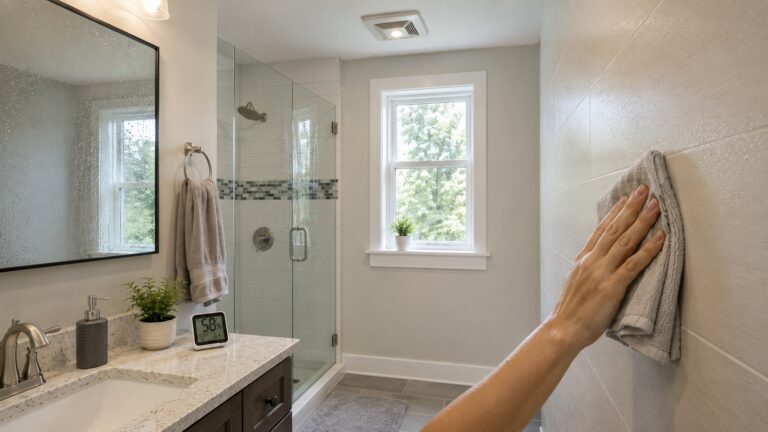
Window condensation is one of the most reliable early warning signs of elevated indoor humidity. It occurs when warm, moisture-rich indoor air contacts cooler glass surfaces, causing water vapor to condense into visible droplets.
Common condensation patterns include:
- Foggy window surfaces in the morning
- Water droplets forming along window edges
- Moisture collecting on interior glass during cold weather
A little condensation during an extreme temperature swing can be normal. Condensation becomes more concerning when it appears on many windows, returns after wiping, leaves water on sills, or happens even when the home does not feel unusually cold.
If condensation frequently appears on multiple windows throughout the home, it may signal an ongoing moisture imbalance requiring monitoring and potential correction through strategies discussed in how to reduce humidity in a house.
Musty or Damp Odors Indoors
Persistent musty smells often indicate elevated moisture levels, even before visible mold growth appears. Moisture allows microorganisms to develop on organic materials such as wood, drywall paper, and fabrics.
These odors commonly develop in areas with limited ventilation, including:
- Closets and storage spaces
- Basements
- Bathrooms
- Laundry rooms
A damp smell that returns after cleaning or ventilation typically signals ongoing humidity problems rather than temporary moisture exposure.
Slow Drying Surfaces and Materials
Another early indicator of elevated indoor humidity is unusually slow drying of everyday items. Moist air reduces evaporation rates, causing water to remain on surfaces longer than expected.
Typical examples include:
- Towels remaining damp long after use
- Wet bathroom floors taking longer to dry
- Laundry drying slowly indoors
- Kitchen counters staying damp after cleaning
When drying times increase noticeably, indoor moisture levels may be high enough to make mold more likely if damp materials stay wet for long periods.
At this stage, identifying whether certain areas of the home are producing more moisture than others becomes important. Differences between rooms are explained in why some rooms have higher humidity than others, which helps homeowners isolate potential moisture sources.
Visible Surface Changes Caused by Excess Humidity
As indoor humidity remains elevated over time, moisture begins to interact directly with building materials. Unlike early symptoms that mainly affect comfort and air quality, these changes involve physical reactions in surfaces throughout the home.
These signs indicate that humidity is no longer just present in the air — it is actively being absorbed by materials, which can lead to long-term damage if not addressed.
Peeling Paint and Bubbling Finishes
One of the most common visible signs of excess humidity is paint that begins to peel, bubble, or blister. This happens when moisture becomes trapped between the painted surface and the underlying material, weakening adhesion.
Typical areas where this occurs include:
- Bathroom walls and ceilings
- Kitchens with frequent steam exposure
- Basement walls
- Exterior-facing interior walls
Unlike paint failure caused by leaks, humidity-related peeling tends to appear more evenly across surfaces rather than in isolated spots. If left untreated, this condition can lead to surface deterioration and increased susceptibility to mold growth.
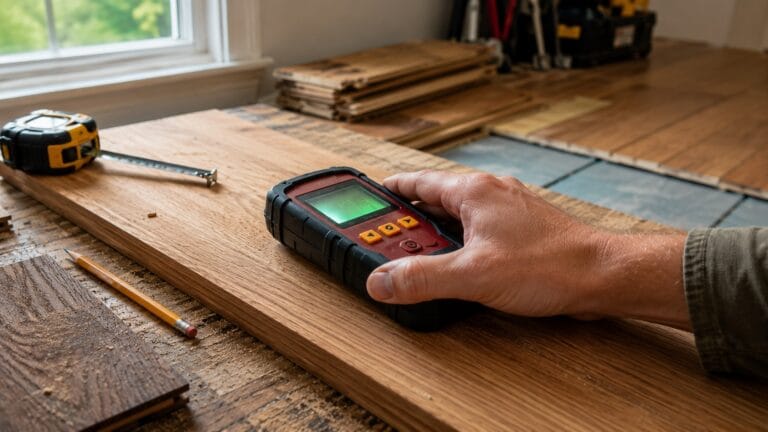
Warping or Swelling of Wood Materials
Wood is highly sensitive to moisture in the air. When humidity levels remain high, wood absorbs moisture and expands. Over time, this expansion can lead to visible deformation and functional issues.
Common signs include:
- Doors that stick or no longer close properly
- Warped baseboards or trim
- Gaps forming at joints or seams
- Wood flooring that begins to cup or buckle
These changes often develop gradually and may initially be blamed on normal wear or seasonal expansion. However, persistent or worsening deformation is often a sign of ongoing humidity imbalance.
Damp Spots on Walls or Ceilings
Humidity-related dampness can sometimes appear as faint discoloration or slightly darker areas on walls and ceilings. These spots may not feel wet to the touch, but they indicate that moisture is being absorbed into the material.
Unlike leak-related stains, humidity-induced damp spots often:
- Appear diffuse rather than sharply defined
- Develop gradually over larger areas
- Become more noticeable during periods of high humidity
If these areas persist or expand over time, they may indicate that moisture is accumulating within wall assemblies or ceiling cavities.
Rust Formation on Metal Surfaces
High indoor humidity can also affect metal surfaces throughout the home. When moisture in the air condenses on cooler metal objects, it can lead to oxidation and rust.
Common examples include:
- Bathroom fixtures and hardware
- Laundry appliances
- HVAC components
- Metal shelving or storage racks
Rust appearing in multiple areas of the home often suggests that humidity levels remain elevated for extended periods, allowing condensation to occur repeatedly.
How High Humidity Can Affect Indoor Air Comfort
High humidity can also affect how the air feels and how people react indoors. These signs are not proof of one specific problem, but they can support the pattern when they appear alongside condensation, musty smells, or slow-drying materials.
Increased Allergy or Respiratory Symptoms
High humidity can contribute to indoor air quality conditions that make some people feel worse indoors. Damp environments may support dust mites, mold growth, and other irritants, especially when humidity remains elevated for long periods.
Common symptoms may include:
- Increased sneezing or nasal congestion indoors
- Eye irritation or itchiness
- Worsening asthma symptoms
- General discomfort in certain rooms
While these symptoms can have multiple causes, they often worsen in environments where humidity remains consistently elevated.
Warning Signs That Humidity Is Becoming a Structural Risk
When humidity stays high long enough, the signs move from comfort issues to material damage. Mold growth, soft drywall, swelling trim, and repeated condensation cycles mean moisture is no longer just in the air.
Visible Mold Growth
Mold growth is one of the clearest indicators that indoor humidity has reached problematic levels. Mold thrives in environments where moisture remains consistently present, especially on organic materials.
Common areas where mold may appear include:
- Bathroom ceilings and walls
- Basement corners
- Window frames
- Behind furniture placed against exterior walls
Mold may appear as:
- Black, green, or gray spots
- Fuzzy or powdery patches
- Discoloration that spreads over time
At this stage, humidity is no longer just a comfort issue — it is creating conditions that support biological growth. Addressing mold safely and effectively is explained in how to remove mold permanently and prevent it from returning.
Soft or Deteriorating Materials
Extended exposure to high humidity can cause materials such as drywall and wood to weaken. Moisture absorption reduces structural integrity, making surfaces softer and more prone to damage.
Signs of deterioration include:
- Drywall that feels soft when pressed
- Wood trim that becomes brittle or spongy
- Edges of materials beginning to crumble
These symptoms suggest that moisture has been present long enough to begin breaking down material structure.
Repeated Condensation Cycles
Occasional condensation can be normal, but repeated cycles of condensation indicate a persistent imbalance between indoor humidity and temperature conditions.
Signs of repeated condensation include:
- Windows fogging daily during certain times
- Moisture returning quickly after being wiped away
- Condensation appearing on multiple surfaces throughout the home
Repeated condensation increases the risk of moisture penetration into surrounding materials, accelerating damage and mold growth.
When High Humidity Symptoms Become Serious
High humidity becomes more serious when signs persist, spread to multiple rooms, or worsen over time. At that point, the issue is less likely to be a temporary weather effect and more likely to reflect an indoor moisture imbalance.
Symptoms That Persist Regardless of Weather
Humidity problems that continue even when outdoor conditions change are a strong indicator of an indoor moisture issue. For example, if musty odors, condensation, or damp air remain during dry weather, the problem is likely being driven by internal sources.
This may include:
- Moisture generated from daily activities
- Poor ventilation in bathrooms or kitchens
- Moisture trapped inside walls or insulation
- Airflow limitations within the home
When symptoms persist across different seasons or weather patterns, it often indicates that moisture is not being properly removed from the indoor environment.
Humidity Symptoms Appearing in Multiple Rooms
If signs of high humidity begin appearing throughout the home rather than in isolated areas, the problem may be affecting the entire indoor air system.
Examples include:
- Condensation on windows in multiple rooms
- Musty odors spreading beyond a single area
- Warping or material changes occurring in different parts of the house
Whole-home humidity issues often develop when ventilation is insufficient or when moisture is distributed through air circulation systems. In these cases, understanding broader moisture patterns becomes important before deciding how to address the issue. Guidance on resolving long-term humidity problems is covered in how to fix persistent indoor humidity problems in a structured way.
Signs Continue to Worsen Over Time
Humidity problems rarely stabilize on their own. Instead, they tend to progress gradually as moisture continues to accumulate.
Warning signs of progression include:
- Condensation becoming more frequent or widespread
- Musty odors becoming stronger or more noticeable
- Paint damage spreading across larger areas
- Wood deformation becoming more severe
If symptoms are worsening rather than remaining stable, humidity may be staying elevated long enough to affect materials, air quality, or hidden moisture conditions.
When to Test Indoor Humidity Levels
Recognizing symptoms is an important first step, but confirming indoor humidity levels provides clarity and helps determine the severity of the problem.
Testing becomes especially important when:
- Multiple early warning signs are present at the same time
- Condensation occurs frequently on windows or surfaces
- Musty odors persist despite cleaning or ventilation
- Material changes such as peeling paint or warping wood are visible
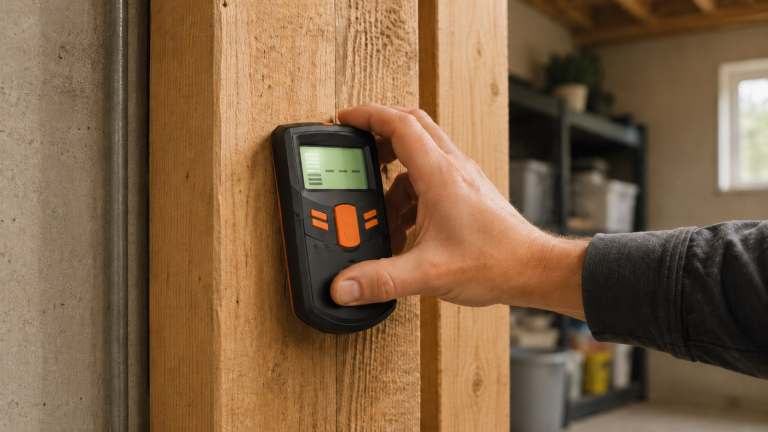
At this stage, symptoms are useful clues, but a hygrometer reading gives a clearer answer. Measure the room where symptoms appear, compare it with other rooms, and recheck at different times of day. The full process is explained in how to test indoor humidity levels using simple and reliable tools.
When to Call a Professional
While early-stage humidity issues can often be managed through improved ventilation or moisture control strategies, some situations require professional evaluation.
Consider contacting a professional when:
- Mold growth appears in multiple areas or continues returning
- Materials such as drywall or wood feel soft or deteriorated
- Humidity symptoms persist despite attempts to reduce moisture
- Condensation occurs daily and affects large portions of the home
Stop DIY inspection and call a qualified professional sooner if moisture appears near electrical components, if drywall or flooring feels soft, if mold covers a large area, or if the moisture may involve sewage, floodwater, or contaminated water.
Professionals can identify hidden moisture sources, evaluate ventilation performance, and determine whether structural moisture issues are contributing to the problem.
The more signs appear together, the more important it becomes to measure humidity and find out whether moisture is coming from one room, the whole home, or a hidden source.
Frequently Asked Questions About High Indoor Humidity
What humidity level is considered too high indoors?
Indoor humidity is generally considered too high when it consistently rises above 60% relative humidity, especially if that reading appears alongside condensation, musty odors, slow-drying materials, or surface damage. Many homes feel and perform best around 30% to 50% relative humidity, depending on season and climate.
Can high humidity damage walls and ceilings?
Yes, prolonged exposure to high humidity can damage walls and ceilings. Moisture in the air can be absorbed by drywall and paint, leading to peeling finishes, soft surfaces, and increased risk of mold growth. Over time, this can weaken materials and require repairs if not addressed.
Why do windows fog up when humidity is high?
Window fogging occurs when warm, moisture-rich indoor air comes into contact with cooler glass surfaces. The temperature difference causes water vapor to condense into visible droplets. Frequent condensation is a strong indicator that indoor humidity levels may be too high.
Does high humidity always lead to mold?
High humidity alone does not immediately cause mold, but it creates conditions where mold can grow if moisture remains present over time. When humidity stays elevated and surfaces remain damp for extended periods, the risk of mold development increases significantly.
How long can high humidity persist before damage starts?
There is no single timeline because temperature, airflow, surface materials, and moisture level all matter. Short periods of high humidity may only cause discomfort or condensation, while repeated or continuous high humidity can lead to musty odors, mold risk, peeling paint, swelling wood, or other material changes over time.
Key Takeaways
- High indoor humidity often starts with sticky air, window condensation, musty odors, and slow-drying towels or surfaces.
- Repeated condensation, peeling paint, swelling wood, rust, and damp wall areas suggest moisture is affecting materials, not just comfort.
- Musty odors or visible mold can mean humidity has stayed elevated long enough to support biological growth.
- Signs that appear in several rooms or worsen over time point to a broader indoor moisture imbalance.
- Testing with a hygrometer is the most reliable way to confirm whether humidity is actually too high.
- Professional help is important when moisture affects structural materials, mold is spreading, or the source is unclear.
2 Comments
Comments are closed.