Why Indoor Humidity Levels Become Too High
Indoor humidity becomes too high when moisture enters or builds up inside a home faster than it can be removed. This can happen from everyday activities, poor ventilation, damp building materials, outside weather, basement moisture, crawl space conditions, or HVAC problems.
The useful clue is usually when and where the humidity rises. If readings climb after showers, cooking, laundry, rainfall, closed-door nights, or air-conditioning cycles, the home is either adding too much moisture, removing too little moisture, or both.
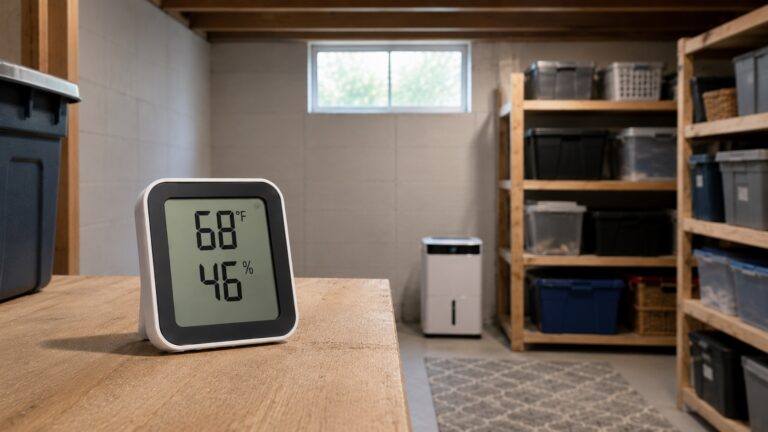
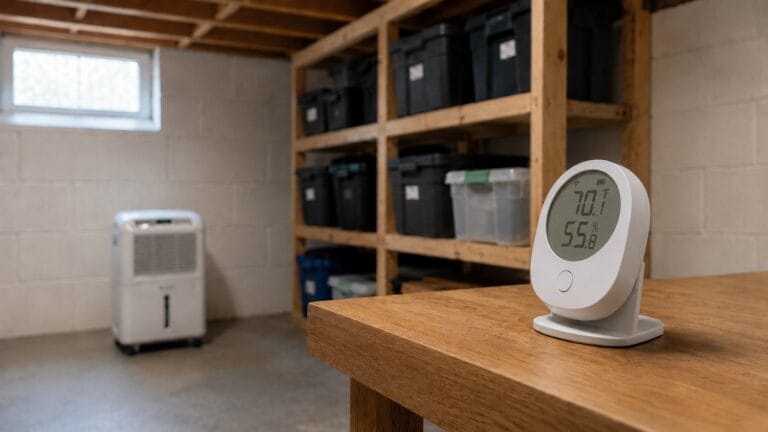
If you are still trying to confirm whether humidity is actually elevated, start with how to test indoor humidity levels with reliable tools and methods. Once high readings or obvious warning signs are present, the next step is identifying the cause.
Understanding How Indoor Humidity Builds Up
Indoor humidity is a balance between moisture being added to the air and moisture being removed from the home. When moisture input is greater than moisture removal, relative humidity rises.
Common moisture inputs include shower steam, cooking vapor, damp basements, wet crawl spaces, drying laundry, humid outdoor air, and moisture stored in building materials. Common removal methods include ventilation, air conditioning, dehumidification, and natural drying.
Problems develop when those removal methods are too weak, inconsistent, or poorly matched to the amount of moisture being produced.
High Humidity Is Usually a Balance Problem
High indoor humidity is rarely caused by one single event. In many homes, several small moisture sources combine until the indoor air can no longer stay dry.
For example, a home may have:
- Bathroom steam that is not exhausted outdoors
- Cooking moisture that lingers in the kitchen
- A basement that slowly releases ground moisture
- An air conditioner that cools the air but does not run long enough to remove moisture
Each source may seem minor on its own. Together, they can create a persistent humidity problem that affects the whole house.
A helpful way to narrow the cause is to compare humidity readings before and after specific events. A spike after showers points toward bathroom exhaust. A rise after rain points toward basement, crawl space, or exterior moisture. High readings while the air conditioner is running point toward system sizing, runtime, airflow, or dehumidification problems.
Warm Air Can Hold More Moisture
Warm indoor air can carry more water vapor than cooler air. This is one reason homes often feel more humid during warm weather or in rooms where heat and moisture are generated together, such as kitchens, bathrooms, and laundry areas.
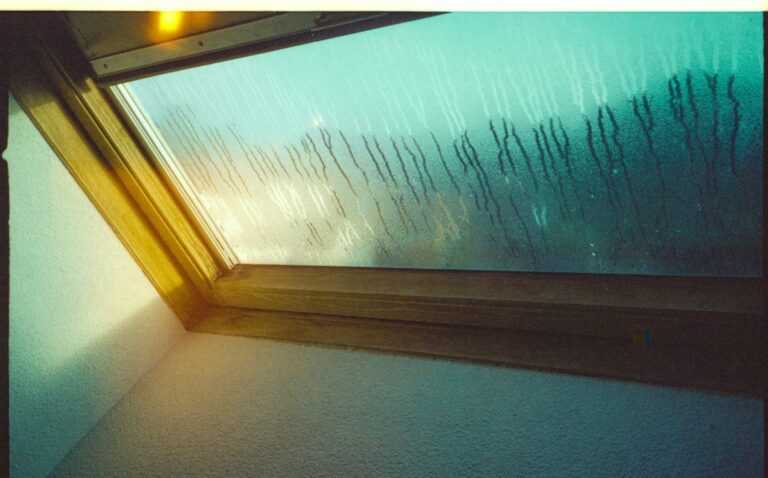
When that warm, moisture-rich air later contacts cooler surfaces, condensation may form. This is why high humidity often shows up as foggy windows, damp walls, or moisture on metal fixtures.
Those visible warning signs are explained in more detail in signs of high indoor humidity problems, which focuses on symptoms rather than causes.
Building Materials Can Store Moisture
Indoor humidity does not only stay in the air. Materials such as wood, drywall, carpet, insulation, furniture, and fabrics can absorb moisture when humidity remains high. Later, those materials can release moisture back into the air.
This storage effect is one reason humidity sometimes stays elevated even after a room has been aired out. The air may dry temporarily, but damp materials continue feeding moisture back into the indoor environment.
This is why a room can feel humid again shortly after windows are opened or a fan is turned on.
Common Indoor Activities That Add Moisture
Indoor humidity often starts with normal household routines. Showers, cooking, laundry, and closed-up rooms can produce enough water vapor to raise humidity when the home does not remove that moisture efficiently.
Showering and Bathing
Bathrooms are one of the most common sources of indoor moisture. Hot showers and baths release large amounts of water vapor into the air in a short period of time.
If the bathroom exhaust fan is weak, unused, blocked, or missing, that moisture can spread into nearby hallways, bedrooms, closets, and wall cavities. Even if the mirror clears quickly, moisture may remain in towels, grout lines, painted surfaces, and bathroom trim.
Over time, repeated bathroom humidity can contribute to peeling paint, musty odors, condensation, and mold growth around ceilings, walls, baseboards, and fixtures.
Cooking and Boiling Water
Cooking adds moisture to indoor air, especially when boiling, steaming, simmering, or using appliances that release vapor. Kitchens without range hoods that vent outdoors are especially vulnerable.
A recirculating range hood may capture grease or odors, but it does not remove water vapor from the home. If steam stays indoors, it can raise humidity in the kitchen and spread into nearby living spaces.
This is especially noticeable in open floor plans where kitchen air moves freely into dining rooms, living rooms, and hallways.
Laundry and Indoor Drying
Laundry areas can also raise indoor humidity. Washing machines, damp clothing, utility sinks, and dryers all contribute moisture when ventilation is limited.
Drying clothes indoors is one of the most overlooked humidity sources. As clothing dries, water evaporates directly into the room. In a poorly ventilated space, that moisture remains inside and can increase humidity for hours.
Dryer vent problems can also worsen humidity. If a dryer vent is leaking, blocked, disconnected, or exhausting into an indoor space, it can release warm, moisture-heavy air into the home.
People, Pets, and Daily Living
People and pets also add moisture to indoor air through breathing, perspiration, bathing, cleaning, and daily activity. This source is usually small compared with showers or cooking, but it becomes more important in tightly sealed homes or crowded rooms.
Bedrooms can become humid overnight because doors are closed for several hours while people breathe and release moisture into the air. If airflow is limited, humidity may rise enough to cause window condensation by morning.
Poor Ventilation and Airflow Problems
Even normal moisture from daily activities can build up quickly when ventilation is weak. Exhaust fans, outdoor-vented range hoods, fresh-air systems, and general air movement all help remove moist air when conditions allow.
Missing or Ineffective Exhaust Fans
Bathrooms and kitchens are designed to handle moisture-heavy activities, but they rely on proper exhaust systems to remove humidity. When exhaust fans are missing, weak, or not used consistently, moisture accumulates instead of being removed.
Common issues include:
- Bathroom fans that are rarely turned on during showers
- Fans that are too small to handle the room size
- Exhaust systems that vent into attics instead of outdoors
- Clogged or blocked fan ducts
Without effective exhaust, steam spreads into surrounding areas and raises overall indoor humidity levels.
Limited Airflow Between Rooms
Homes with poor airflow often experience uneven humidity distribution. When doors remain closed and air cannot circulate freely, moisture can become concentrated in certain rooms.
This is especially common in:
- Bedrooms with closed doors overnight
- Basements with limited air movement
- Closets and storage areas
Over time, trapped air allows humidity to rise in these spaces even if the rest of the home feels relatively normal. Differences between rooms are explored further in why some rooms have higher humidity than others.
Sealed Homes That Trap Moisture
Modern homes are often tightly sealed to improve energy efficiency. While this reduces heating and cooling costs, it also limits natural air exchange. In older homes, small air leaks allowed moisture to escape more easily. In newer homes, that moisture remains indoors unless actively removed.
This creates a situation where humidity gradually builds over time, especially when ventilation systems are not designed to compensate for reduced airflow.
Structural Sources of Moisture
In some cases, indoor humidity is not just caused by air conditions or daily activities. Moisture can also enter the home through structural pathways, particularly in areas below ground level or exposed to weather conditions.
Basement Moisture and Ground Vapor
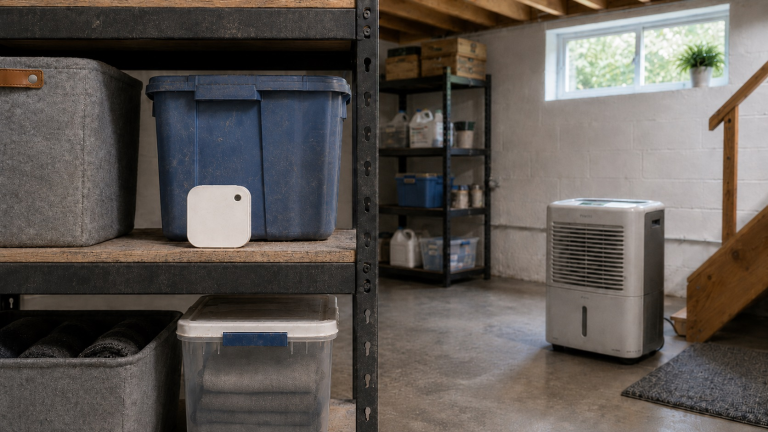
Basements are a major source of indoor humidity in many homes. Even without visible water, moisture can move through concrete walls and floors as vapor, especially when surrounding soil is damp and the basement is not well sealed or dehumidified.
This process is often driven by:
- Ground moisture surrounding the foundation
- Hydrostatic pressure pushing moisture inward
- Poor drainage around the home exterior
Basement moisture can continuously release humidity into the home, especially if the space is not sealed or properly ventilated.
Crawl Space Moisture
Homes with crawl spaces are also vulnerable to humidity problems. Unsealed crawl spaces allow moisture from the ground to rise into the structure, especially in humid climates or after rainfall.
Moisture from crawl spaces can move upward through floors, wall cavities, and air gaps. This can raise humidity in rooms above the crawl space even when no visible water is present inside the living area.
Common crawl space problems include exposed soil, missing vapor barriers, standing water, poor drainage, and inadequate ventilation or conditioning.
Wall and Exterior Moisture Infiltration
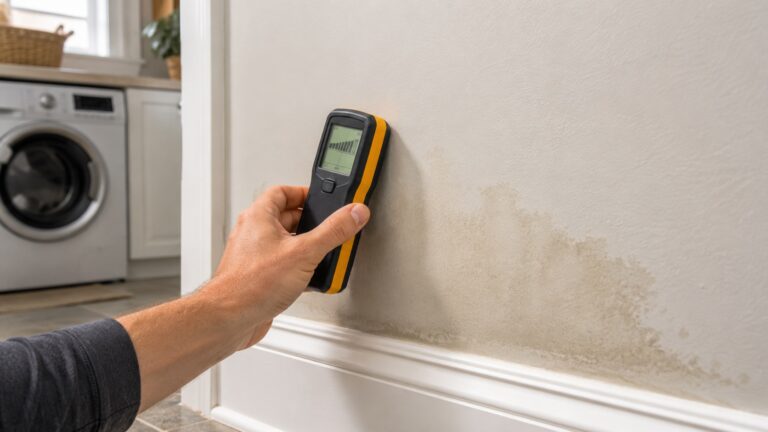
Exterior moisture can also enter through wall assemblies, siding gaps, failed flashing, roof leaks, window leaks, and poorly sealed openings. Even small amounts of moisture can affect indoor humidity if the problem is ongoing.
This type of moisture source may not create obvious puddles. Instead, it can keep materials slightly damp, allowing moisture to evaporate slowly into indoor air.
If indoor humidity seems to rise after rain or storms, exterior water entry should be considered as a possible cause.
Outdoor Conditions That Affect Indoor Humidity
Outdoor weather has a direct effect on indoor humidity, especially in homes that rely on open windows, natural ventilation, or frequent door use. When outdoor air is humid, bringing that air indoors can raise indoor humidity instead of lowering it.
Humid Climates
In humid climates, outdoor air already contains a large amount of water vapor. If that air enters the home through open windows, leaky building envelopes, or ventilation systems, indoor humidity can rise quickly.
This is especially noticeable during summer months or in areas with consistently humid weather patterns.
Opening windows only helps when outdoor air is drier than indoor air. In humid weather, open windows can make indoor humidity worse even if the air feels cooler.
Rain and Moisture Saturation
Rain can raise indoor humidity even without a direct leak. Wet soil, damp exterior walls, saturated crawl spaces, and basement moisture can all increase the amount of water vapor entering the home.
After long rainy periods, building materials and soil around the home may remain damp for days. This can keep indoor humidity elevated even after the rain stops.
If humidity rises after rain, the cause may be outside moisture entering indirectly through the building shell or foundation area.
Seasonal Temperature Changes
Seasonal changes can also affect indoor humidity. Warm seasons often bring higher outdoor moisture, while colder seasons can create condensation when warm indoor air contacts cold surfaces.
During transitional seasons, humidity may fluctuate because heating, cooling, and ventilation systems are not running consistently. This can allow moisture to accumulate during mild but damp weather.
HVAC and System-Related Causes
Heating and cooling systems play a major role in indoor humidity control. When these systems are oversized, undersized, poorly maintained, or not designed for moisture removal, humidity can remain high even when the air temperature feels comfortable.
Oversized Air Conditioning Systems
Air conditioners remove moisture while they run. However, an oversized air conditioner may cool the home too quickly and shut off before it has removed enough moisture from the air.
This creates a home that feels cool but still damp or clammy. The temperature may be low enough, but the relative humidity remains high because the system does not run long enough to dehumidify effectively.
Insufficient Dehumidification
Some homes need dedicated dehumidification because air conditioning alone is not enough to control humidity, especially during periods of high outdoor moisture.
Situations where dehumidification may be insufficient include:
- Homes in humid climates
- Basements or crawl spaces with ongoing moisture sources
- Systems that are not properly maintained or balanced
In these cases, humidity can remain elevated even when cooling systems are running regularly.
Poor Air Distribution
Airflow problems can also contribute to uneven humidity levels. If conditioned air is not distributed evenly throughout the home, some areas may remain humid while others feel comfortable.
This can happen due to:
- Blocked or closed vents
- Duct design issues
- Imbalanced airflow between rooms
As a result, humidity may build up in specific areas even if the overall system appears to be working correctly.
Why Humidity Sometimes Won’t Go Down
Humidity usually stays high when the source is still active, several smaller sources are working together, or moisture has already been absorbed into materials. Opening windows, running a fan, or lowering the thermostat may help temporarily, but those steps will not solve the problem if wet crawl space soil, basement vapor, indoor laundry drying, poor exhaust, or short air-conditioning cycles keep adding moisture.
If humidity drops for a short time and then rises again, look for a continuing source rather than assuming the room simply needs more airflow.
When High Humidity Becomes a Serious Problem
High indoor humidity becomes more serious when it stops being a temporary comfort issue and starts affecting materials, odors, surfaces, or air quality.
Warning signs that humidity has reached a more serious level include:
- Frequent condensation on windows and surfaces
- Persistent musty odors throughout the home
- Visible mold growth in multiple areas
- Peeling paint, warped wood, or damp walls
These symptoms usually mean moisture has been staying in the home long enough to affect surfaces, materials, or air quality.
Once these conditions are present, look for the active moisture source instead of treating the symptoms alone.
Frequently Asked Questions About High Indoor Humidity Causes
Why is humidity high in my house even with air conditioning running?
Humidity can remain high even when air conditioning is running if the system is oversized, cycles too quickly, or is not designed to remove sufficient moisture. In these cases, the system cools the air but does not run long enough to extract humidity effectively.
Can humidity come from inside walls or floors?
Yes, moisture can enter through basement walls, concrete floors, crawl spaces, exterior walls, or damp building materials. This is more likely after rain, in humid climates, or when the area has poor drainage, weak sealing, or limited dehumidification.
Does cooking really increase indoor humidity that much?
Cooking, especially boiling or steaming, can release significant amounts of water vapor into the air. Without proper ventilation, this moisture accumulates and contributes to rising indoor humidity levels.
Why does humidity stay high at night?
Humidity can increase overnight because airflow is reduced when doors are closed and ventilation is limited. People also release moisture while breathing, which can raise humidity in enclosed spaces such as bedrooms.
Can outdoor air make indoor humidity worse?
Yes, in humid climates or during rainy conditions, outdoor air can contain more moisture than indoor air. Bringing that air inside through open windows or ventilation can raise indoor humidity instead of lowering it.
Conclusion
Indoor humidity levels become too high when moisture is added faster than the home can remove it. In many homes, the cause is a combination of daily routines, weak ventilation, basement or crawl space moisture, humid outdoor air, and HVAC performance problems.
Once the causes are clear, homeowners can move from diagnosis to control. For the next step, see how to reduce humidity in a house with targeted ventilation, dehumidification, and moisture-source control strategies.
Key Takeaways
- High indoor humidity is caused by a balance problem between moisture input and removal
- Everyday activities like cooking, showering, and laundry can significantly increase humidity
- Poor ventilation allows moisture to accumulate instead of being removed
- Structural sources such as basements and crawl spaces can continuously add moisture
- Outdoor conditions can raise indoor humidity, especially in humid climates
- HVAC systems may cool air without properly removing moisture
- Humidity that drops briefly and returns usually means an active source is still present
- The best next step is to match humidity spikes with events such as showers, rain, laundry, closed rooms, or AC cycles