
How to Inspect HVAC Airflow Systems
Inspecting HVAC airflow systems helps you find out whether weak circulation, blocked vents, restricted returns, or duct-related problems are contributing to comfort and moisture issues in your home. The system may still turn on and move some air while certain rooms remain damp, humid, stale, or uncomfortable.
A proper airflow inspection does not mean opening mechanical equipment or attempting HVAC repairs. For homeowners, the goal is to observe safe, visible clues: how air moves through rooms, whether vents and returns are blocked, where airflow feels weak, and whether moisture symptoms appear near low-airflow areas.
If you are still at the early stage of figuring out whether airflow is a problem, start with how to detect HVAC airflow problems. This inspection guide goes a step further by looking at the airflow system as a whole and identifying when the issue may need professional attention.
Airflow matters because it affects how well your home controls humidity, dries surfaces, and prevents stagnant air pockets. When circulation is weak, moisture can linger in rooms, around vents, inside enclosed areas, and near building materials that should stay dry.
For a deeper explanation of the moisture side of the problem, see why poor airflow causes moisture problems.
HVAC airflow inspection also belongs inside the larger structural moisture picture. If airflow problems appear alongside dampness, stains, musty odors, or recurring condensation, reviewing structural moisture problems in homes can help you understand when airflow becomes more than a comfort issue.
Why HVAC Airflow Inspection Matters
Poor airflow often shows up first as an ordinary comfort complaint. A room that feels stuffy, humid, or slow to cool may be revealing a circulation problem that allows moisture to linger.
When airflow is balanced, conditioned air enters rooms, circulates through the space, and returns to the HVAC system. This movement helps control temperature and humidity. It also helps surfaces dry faster after normal moisture exposure from showers, cooking, laundry, or damp outdoor conditions.
When airflow is restricted, that cycle weakens. Certain rooms may receive less supply air, return air may not move properly, and humid air may collect in low-circulation areas. Over time, those areas can develop condensation, musty odors, or damp surfaces.
An inspection helps separate simple restrictions from deeper system concerns. A single blocked vent is very different from weak airflow across multiple rooms. A dirty filter is different from a duct system that cannot distribute air evenly.
Inspection also helps prevent unnecessary guessing. Instead of assuming the HVAC system is failing, you can identify whether the problem appears to involve vents, returns, filters, room pressure, duct layout, or broader moisture conditions.
If you have already found airflow problems and want practical correction steps, how to improve HVAC airflow explains safe ways to improve circulation before moving toward professional evaluation.
Start With a Room-by-Room Airflow Walkthrough
The best place to begin is with a room-by-room walkthrough while the HVAC system is running. This helps you identify the pattern of the airflow problem before focusing on individual vents or components.
Walk through the home and note which rooms feel comfortable, which rooms feel weak, and which rooms feel humid, stale, or uneven. Pay attention to rooms that are far from the HVAC unit, rooms on upper floors, basements, bedrooms with closed doors, and rooms that have had previous moisture concerns.
The goal is not to measure airflow precisely. The goal is to compare rooms. A room that consistently feels weaker, stuffier, or more humid than nearby rooms may have an airflow restriction or return-air problem.
Use the same method in every room so the comparison is fair. Check each room while the system is actively running, then note whether the room feels weaker at the supply vent, stale with the door closed, or humid compared with nearby spaces.
During the walkthrough, look for patterns rather than isolated impressions. If one room is weak, the issue may be local. If several rooms feel weak, the problem may involve the filter, returns, duct system, or equipment airflow.
Also note whether the problem changes when doors are open or closed. A room that improves noticeably when the door is open may not have enough return airflow when closed. This can trap humidity and create pressure imbalance.
Room-by-room inspection is especially useful when moisture symptoms are inconsistent. For example, if one bedroom has condensation on windows while the rest of the home does not, airflow may be part of the reason that room stays damp.
If the walkthrough confirms weak airflow in several areas, the issue deserves closer inspection. Widespread airflow weakness is more likely to affect humidity control and may require more than simple room-level adjustments.
Inspect Supply Vents and Registers
After the room-by-room walkthrough, inspect the supply vents and registers in each affected area. These are the openings that deliver conditioned air into rooms, so they are one of the easiest places to spot visible airflow restrictions.
Start by checking whether each vent is fully open. Vent louvers can be accidentally closed during cleaning, furniture moving, or seasonal adjustments. A partially closed vent can make a room feel weak, humid, or slow to respond to heating and cooling.
Next, look for physical obstructions. Furniture, rugs, curtains, toys, storage boxes, and decorative covers can all block airflow. Floor registers are especially easy to cover without noticing, particularly under beds, couches, desks, or area rugs.
Compare airflow from one vent to another while the system is running. A vent that feels much weaker than similar vents nearby may indicate a localized restriction. If many supply vents feel weak, the problem may be system-wide.
Look for dust buildup around vent edges. Heavy dust streaking or debris near registers can indicate airflow turbulence, poor filtration, or reduced circulation. Dust alone does not prove a serious problem, but it can help identify areas that deserve closer attention.
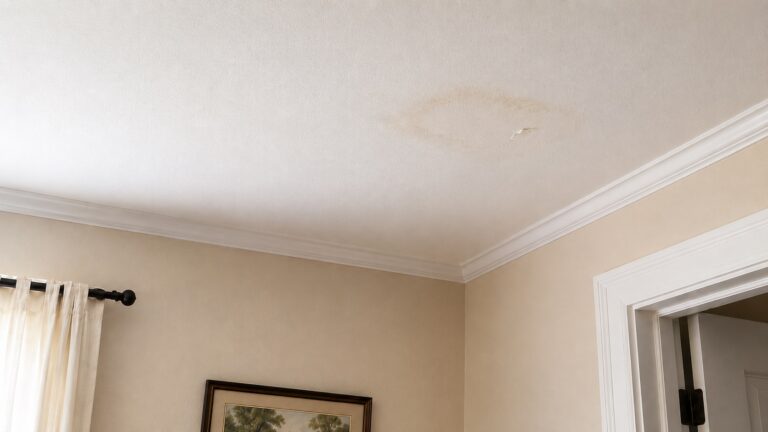
Also check for moisture clues near supply vents. Damp ceiling areas around registers, condensation on metal vent covers, or musty odors near vents may suggest that airflow and humidity are not balanced. These signs should be taken seriously because moisture near airflow pathways can spread problems into nearby materials.
If you notice visible dampness, staining, or repeated condensation near vents, compare those findings with the broader HVAC warning signs in signs of moisture problems in HVAC systems. This can help separate simple airflow restriction from a larger moisture issue.
Inspect Return Airflow Pathways
Return airflow is one of the most important parts of an HVAC airflow inspection. Supply vents deliver conditioned air, but return pathways allow air to move back to the system. If air cannot return properly, rooms can feel stale, slightly pressurized, or slow to dry.
Start by locating return grilles. These are usually larger than supply vents and may be found in hallways, walls, ceilings, or central living areas. Some homes have one or two large central returns, while others have returns in multiple rooms.
Check whether return grilles are blocked by furniture, curtains, boxes, shelves, pet beds, or decorative covers. Even partial blockage can reduce airflow and affect system performance.
Look at the grille surface. Heavy dust buildup can restrict airflow and may indicate that the return is pulling air through a dirty or obstructed pathway. If the grille is visibly dusty, it should be cleaned carefully without pushing debris deeper into the system.
You can also observe airflow at the return by holding a lightweight tissue near the grille while the system is running. The tissue should pull toward the return. If there is little or no pull, return airflow may be weak or restricted.
Closed doors can also interfere with return airflow. If a room has a supply vent but no dedicated return, air may struggle to leave the room when the door is closed. This can make the room feel humid, stale, or slightly pressurized.
During your inspection, compare how rooms feel with doors open and closed. If comfort or airflow improves noticeably when the door is open, the room may need a better return-air pathway.
Return airflow problems are especially important when moisture keeps returning in specific rooms. Poor return paths can trap humid air and prevent the room from drying properly, even when supply airflow seems acceptable.
Check Filters and Accessible Airflow Restrictions
Air filters are a common source of airflow restriction, so they should always be checked during an HVAC airflow inspection. A clogged filter can reduce airflow through the entire system and make multiple rooms feel weak or humid.
Inspect the filter only if it is safely accessible through the normal filter slot or return grille. If the filter is behind a panel that requires tools, exposes wiring, or feels unsafe to access, stop and call a professional.
Remove the filter and look for dust, lint, pet hair, discoloration, or debris buildup. If the filter appears clogged, airflow may be restricted. A heavily loaded filter can make the system work harder while delivering less air to the home.
Do not judge the filter by color alone. Some filters darken from fine dust before they are fully clogged, while others may look acceptable but still restrict airflow if they are overloaded or the wrong type for the system.
Also check whether the filter fits properly. A filter that is the wrong size or poorly seated can allow air bypass, reduce filtration, and contribute to dust buildup around vents and returns.
If the filter looks clean but airflow remains weak, do not assume the system is fine. Airflow can still be limited by blocked returns, duct restrictions, room pressure problems, or system design issues.
Accessible restrictions may also include closed dampers, blocked grilles, or objects placed too close to airflow openings. Only inspect areas that are visible and safe. Do not open HVAC equipment cabinets, remove duct sections, or reach into mechanical components.
A clean filter is important, but it is only one part of the airflow system. If moisture symptoms continue after filters and visible restrictions are addressed, the problem may involve deeper airflow imbalance or duct performance.
Look for Moisture Clues Around Airflow Problem Areas
Because airflow affects drying, every HVAC airflow inspection should include a basic moisture check. Weak airflow becomes more concerning when it appears alongside condensation, damp surfaces, musty odors, or recurring humidity problems.
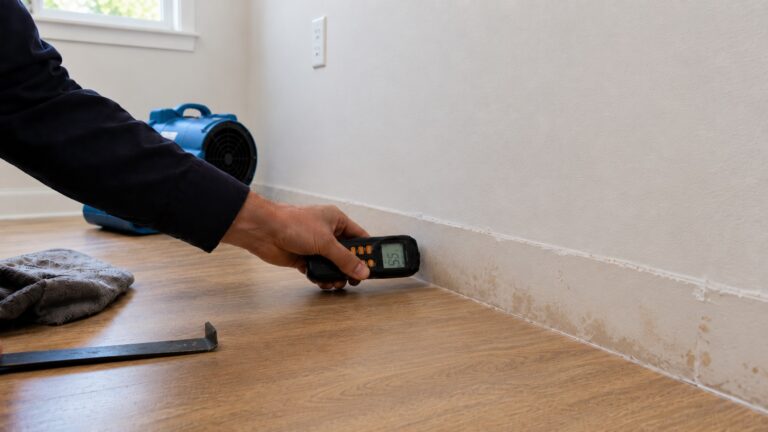
Start by looking around vents and registers in rooms with weak airflow. Check nearby ceilings, walls, floors, and trim for damp spots, staining, peeling paint, soft materials, or discoloration. These signs may indicate that moisture has been lingering in the area longer than it should.
Condensation near vent covers is another important clue. A small amount of temporary condensation may appear under certain humidity conditions, but repeated condensation suggests that airflow, temperature, and humidity are not balanced properly.
Do not paint over, caulk around, or cover stained vent areas until the moisture source is understood. Hiding the symptom can allow damp materials above or behind the surface to stay wet.
Pay attention to musty odors when the HVAC system turns on. A stale smell in one low-airflow room may point to stagnant air, while odors that seem to come from vents or duct areas may require more careful evaluation.
Humidity differences between rooms can also reveal airflow problems. If one room consistently feels damp while nearby rooms feel normal, airflow may not be moving moisture out of that space effectively.
Moisture clues are especially important in basements, bathrooms, laundry areas, closets, and rooms with closed doors. These spaces often have limited circulation and can develop humidity pockets even when the rest of the home feels dry.
If moisture signs are present in multiple areas, the problem may be larger than a single blocked vent. In that case, the more complete approach in how to inspect HVAC systems for moisture damage can help evaluate whether airflow problems are contributing to broader HVAC moisture concerns.
Identify Possible Duct Airflow Warning Signs
Some airflow problems originate inside the duct system. Homeowners should not disassemble ducts or perform technical duct inspection, but visible and behavioral clues can suggest when duct airflow may be limited.
One common warning sign is weak airflow in rooms far from the HVAC unit. Long duct runs naturally create more resistance, but airflow should not be dramatically weaker than nearby rooms without a clear reason.
Another clue is a sudden change in airflow. If a room that previously received normal airflow suddenly feels weak, the issue may involve a disconnected, crushed, blocked, or damaged duct section.
Unusual sounds can also matter. Whistling may suggest air forcing through a restriction, while rattling or flapping noises may indicate loose duct material. These sounds do not prove duct damage, but they should be documented.
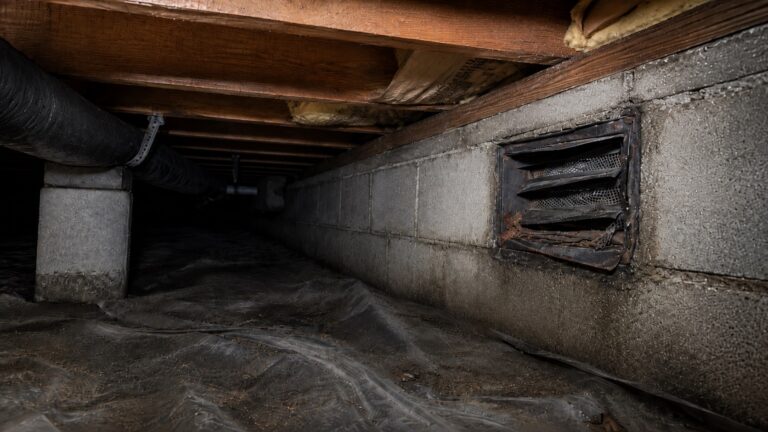
If ductwork is safely visible in a basement, attic, utility area, or crawl space entrance, look only from a safe position. Visible crushed flexible duct, disconnected sections, torn insulation, heavy condensation, or sagging duct runs may indicate airflow or moisture problems.
Do not enter unsafe spaces, remove duct sections, disturb insulation, or clean inside ducts yourself. Duct systems can involve sharp edges, dust, mold contamination, electrical components, and difficult access areas.
Duct airflow warning signs become more serious when they appear alongside humidity, condensation, or musty odors. This combination suggests that the airflow issue may be affecting moisture control, not just comfort.
If you suspect duct-related restrictions, a professional inspection may be needed to confirm the condition and determine whether repairs or balancing are necessary.
Document the Airflow Pattern Before Calling for Help
Good documentation makes an HVAC airflow inspection much more useful. Before calling for professional help, write down what you observed so the problem can be explained clearly.
Start by listing the rooms where airflow feels weak, humid, stale, or uneven. Note whether the issue affects one room, several rooms, one floor, or the whole home.
Record which vents feel strong and which feel weak. If the problem changes when doors are opened or closed, include that detail. Door-related changes often point to return airflow or pressure-balance issues.
Also document moisture signs. Write down where you see condensation, damp spots, stains, odors, or humidity differences. If you use a hygrometer, record humidity readings from affected and unaffected rooms for comparison.
Timing is important as well. Note whether the problem happens during cooling, heating, rainy weather, high outdoor humidity, or after showers, cooking, or laundry. These patterns can help separate airflow problems from other moisture sources.
Filter condition should also be recorded. If replacing the filter improved airflow, that is useful information. If airflow did not improve after replacement, that may suggest a deeper restriction.
Documenting the pattern helps avoid vague descriptions like “the air feels bad.” Instead, you can explain which rooms are weak, whether doors change the problem, where moisture appears, and what simple checks have already been completed.
This information can help a professional evaluate the system more efficiently and may reduce unnecessary guesswork.
When an HVAC Airflow Inspection Should Become Professional
A homeowner-level inspection can reveal many airflow problems, but some findings point beyond a simple obstruction, dirty filter, or closed-room circulation issue.
Professional inspection is recommended when weak airflow affects several rooms at once. System-wide airflow weakness may involve return-air limitations, duct restrictions, blower performance, poor duct design, or equipment sizing concerns.
You should also call a professional if return airflow appears weak throughout the home. Return airflow is essential for proper circulation, and widespread return problems can affect comfort, humidity control, and system performance.
Repeated condensation near vents, duct areas, ceilings, or walls is another escalation trigger. Condensation may indicate that airflow, insulation, temperature, and humidity are not working together properly. If it keeps returning, the issue should not be ignored.
Musty odors that seem to come from vents or duct areas also deserve caution. Stale air in a low-circulation room may be corrected with better airflow, but odors from the HVAC system itself may indicate moisture inside the system or ductwork.
Sudden airflow changes should be evaluated promptly. If airflow drops sharply without an obvious cause, such as a clogged filter or blocked vent, the system may have a mechanical or duct-related problem.
Professional help is also appropriate when rooms remain humid despite basic airflow improvements. Persistent humidity suggests that airflow may be only one part of a larger moisture-control issue. The guidance in signs of high indoor humidity problems can help identify whether humidity symptoms are spreading beyond one airflow problem area.
If airflow issues are contributing to recurring moisture problems, the broader guide on how to find, fix, and prevent moisture problems can help you understand how HVAC airflow fits into a whole-home moisture prevention strategy.
FAQ: How to Inspect HVAC Airflow Systems
Can I inspect HVAC airflow myself?
Yes. Homeowners can safely inspect visible airflow patterns by checking vents, returns, filters, room comfort, humidity differences, and moisture clues. However, mechanical repairs, duct disassembly, and internal HVAC inspection should be left to professionals.
What should I check first during an HVAC airflow inspection?
Start with a room-by-room walkthrough. Identify which rooms feel weak, humid, stale, hot, or cold. Then inspect supply vents, return grilles, filters, and visible obstructions.
How do I inspect return airflow?
Check whether return grilles are blocked, dusty, or weak. You can hold a tissue near the return while the system runs to see whether air is being pulled inward. Also note whether rooms improve when doors are opened.
Does weak airflow mean my ducts are damaged?
Not always. Weak airflow can come from dirty filters, blocked vents, closed doors, restricted returns, or poor airflow balance. Duct damage is more likely when airflow changes suddenly, one duct run is much weaker than similar rooms, or visible duct damage is present.
What moisture signs should I look for during airflow inspection?
Look for condensation near vents, damp surfaces, staining, peeling paint, musty odors, and rooms with noticeably higher humidity. These signs may indicate that airflow problems are affecting moisture control.
When should I call an HVAC professional?
Call a professional when weak airflow affects multiple rooms, condensation keeps returning, airflow suddenly drops, duct damage is visible or suspected, or rooms stay humid despite basic improvements.
Conclusion
Inspecting HVAC airflow systems is mostly about finding patterns. One weak room may point to a local obstruction, closed-door pressure problem, or blocked return path. Weak airflow across several rooms may point to a filter, return, duct, or equipment airflow issue.
The most important clues are weak supply airflow, poor return pull, rooms that change when doors are opened, visible duct damage, repeated condensation, musty odors, and rooms that stay humid despite basic airflow improvements. When those clues appear together, the issue deserves professional evaluation instead of guesswork.
Key Takeaways
- HVAC airflow inspection helps identify whether weak circulation is localized or system-wide
- Start with a room-by-room walkthrough before focusing on individual vents
- Supply vents, return grilles, filters, and door-related pressure changes are the main homeowner-level checks
- Moisture clues near vents, ceilings, walls, or trim make airflow problems more serious
- Duct warning signs include sudden airflow drops, weak distant rooms, unusual noises, visible damage, or heavy condensation
- Do not open HVAC equipment, remove duct sections, or reach into mechanical components during a homeowner inspection
- Professional inspection is recommended when airflow problems are widespread, sudden, duct-related, or tied to recurring moisture
One Comment
Comments are closed.