
How to Stabilize Indoor Humidity Levels
To stabilize indoor humidity levels, keep moisture input, airflow, HVAC operation, and dehumidification working together instead of reacting only when the air feels damp or dry. In most homes, the goal is not a perfectly fixed number. The goal is a steady range, usually around 30% to 50% relative humidity, without sharp daily swings.
Start by measuring humidity instead of guessing from comfort alone. A basic hygrometer or smart humidity sensor can show whether levels rise after showers, cooking, laundry, weather changes, HVAC cycles, or closed-room airflow problems. If you have not measured yet, first learn how to test indoor humidity levels.
This guide explains how to reduce humidity swings by controlling moisture at the source, improving airflow, using HVAC equipment correctly, avoiding dehumidifier overcorrection, and adjusting your approach as seasons change.
Why Humidity Fluctuates in Homes
Indoor humidity changes throughout the day because moisture is constantly being added, moved, removed, or trapped. The more uneven those processes are, the more unstable the home feels.
One of the main reasons humidity fluctuates is the balance between moisture entering the home and moisture being removed. When moisture enters faster than it leaves, humidity rises. When removal exceeds input, humidity drops. Stability occurs when these two processes are balanced.
Several factors influence this balance:
- Daily activities such as cooking, showering, and laundry
- Outdoor humidity entering through normal air exchange
- Airflow between rooms and through ventilation systems
- Heating and cooling system performance
- Temperature changes throughout the day
These factors often change at different times, which is why humidity may spike in the evening, drop overnight, and rise again during the day. In some homes, these fluctuations are minor. In others, they are more extreme and noticeable.
Another common cause of instability is uneven airflow. Some rooms may trap moisture while others remain relatively dry. This creates localized humidity swings that make the overall environment feel inconsistent. If certain areas always feel more humid, it may help to understand why some rooms have higher humidity than others.
Humidity can also fluctuate after a moisture problem has been repaired. Residual moisture in materials may release slowly, causing levels to rise and fall unpredictably. This behavior is explained in why humidity persists after repairs, which focuses on post-repair moisture retention.
What Stable Indoor Humidity Should Look Like
Stable indoor humidity does not mean the level never changes. Small fluctuations are normal and expected. The goal is to keep humidity within a comfortable and safe range while avoiding large swings that create discomfort or moisture problems.
In most homes, the ideal humidity range is between 30% and 50%. Levels slightly above or below this range for short periods are usually not a concern, but consistent readings outside this range can lead to issues.
A practical sign of stability is that readings stay in a narrow pattern instead of jumping sharply after normal activities. For example, a short rise after a shower is normal, but the level should gradually return to its usual range instead of staying elevated for hours.
Signs of stable humidity include:
- Air feels comfortable and consistent throughout the day
- No persistent damp or overly dry feeling
- Minimal condensation on windows or surfaces
- Even conditions across different rooms
In contrast, unstable humidity often creates noticeable changes in comfort. The air may feel dry in the morning, humid in the evening, and inconsistent from room to room. These swings are often linked to changes in activity, airflow, or environmental conditions.
If your home frequently feels damp, even without visible moisture, reviewing why indoor air feels damp even without leaks can help explain how humidity contributes to this sensation.
Stability is achieved when humidity stays within a predictable range and responds gradually to changes rather than shifting suddenly.
Control Moisture at the Source
The first step in stabilizing indoor humidity is controlling how much moisture enters the air in the first place. Even the best ventilation and dehumidification systems cannot maintain stable conditions if moisture input is constantly overwhelming them.
Most indoor humidity comes from everyday activities. While these activities are unavoidable, the way they are managed makes a significant difference in how much moisture builds up in the home.
Key moisture sources include:
- Showers and baths releasing steam
- Cooking, especially boiling water
- Laundry, particularly indoor drying
- Breathing and occupancy in closed spaces
- Indoor plants and aquariums
Each of these adds moisture to the air, often in short bursts. When unmanaged, these bursts create spikes that lead to unstable humidity levels throughout the day.
Manage High-Moisture Activities
Stabilizing humidity starts with reducing how much moisture enters the air during high-output activities. This does not mean avoiding these activities—it means managing how their moisture is handled.
- Run bathroom exhaust fans during showers and for 15 to 30 minutes afterward
- Use a range hood or kitchen exhaust fan when boiling water or cooking for long periods
- Avoid drying clothes indoors unless the room is ventilated or dehumidified
- Keep lids on pots when possible to reduce steam release
- Shorten long, hot showers when humidity is already near the upper end of your target range
These small adjustments reduce sudden spikes that make humidity difficult to control later.
Prevent Moisture from Spreading
Moisture often spreads beyond the room where it is created. For example, steam from a bathroom can move into hallways or bedrooms if airflow is not controlled. Once moisture spreads, it becomes harder to remove evenly.
To limit this spread:
- Keep doors closed during high-moisture activities
- Ensure exhaust systems are working effectively
- Direct airflow toward exhaust vents or open windows only when outdoor air is drier than indoor air
Containing moisture at its source helps maintain balance across the rest of the home.
Address Ongoing Low-Level Moisture Sources
Not all moisture comes in large bursts. Some sources contribute small amounts continuously, which can gradually raise humidity over time. These include:
- Poorly ventilated crawl spaces or basements
- Minor air leaks that let humid outdoor air enter
- Damp materials releasing stored moisture
These sources are harder to notice because they do not create sudden changes. However, they can prevent humidity from stabilizing by constantly adding moisture to the environment.
If you suspect ongoing hidden contributors, a structured detection approach like how to detect hidden humidity sources can help identify them.
Controlling moisture at the source reduces the workload on ventilation, HVAC equipment, and dehumidifiers so those systems can maintain stable conditions instead of constantly reacting to new moisture.
Improve Ventilation and Airflow Consistency
Once moisture input is controlled, the next step is ensuring that moisture can leave the home efficiently. Ventilation and airflow are what carry humidity out of the indoor environment and prevent it from accumulating.
Inconsistent airflow is one of the main reasons humidity becomes unstable. Some areas may dry quickly, while others trap moisture and remain damp. This uneven distribution creates fluctuations that affect overall comfort.
To improve airflow consistency:
- Keep air return vents clear and unobstructed
- Avoid blocking supply vents with furniture or storage
- Use interior fans to circulate air between rooms
- Keep interior doors open when possible to promote airflow
Balanced airflow helps moisture move evenly throughout the home, making it easier to remove. It also prevents localized humidity buildup that can lead to damp spots and uneven conditions.
Ventilation systems are equally important. Exhaust fans should remove moisture quickly from high-humidity areas such as bathrooms and kitchens. If humidity lingers after these systems are used, they may need to be improved or used more consistently.
Consistency is key. Occasional ventilation may reduce humidity temporarily, but stable conditions require ongoing airflow. The goal is to create a steady movement of air that prevents moisture from settling in any one area.
Use HVAC Systems Effectively for Humidity Control
Heating and cooling systems are one of the most important tools for maintaining stable indoor humidity. However, they do not automatically control moisture unless they are operating correctly and consistently. Many systems prioritize temperature, which can leave humidity unmanaged if settings or performance are not optimized.
Air conditioning systems remove moisture as they cool air, but they must run long enough to do so effectively. When systems turn on and off quickly—known as short cycling—they cool the air without removing enough moisture. This leads to a home that feels comfortable in temperature but still damp.
To improve HVAC humidity control:
- Use steady temperature settings instead of large thermostat swings that create short cooling cycles
- Keep filters clean so airflow does not become restricted
- Make sure supply and return vents are open, clear, and balanced across rooms
- Use the fan setting carefully during cooling season, because constant fan operation can sometimes move moisture back into the air after the cooling cycle ends
In some homes, system sizing also plays a role. Oversized units cool quickly but do not operate long enough to stabilize humidity. Undersized or poorly maintained systems may struggle to keep up with both temperature and moisture demands.
If your home feels cool but still humid, it may indicate that the HVAC system is not effectively removing moisture. This is a common issue and can contribute to ongoing instability if not addressed.
Balance Dehumidification Without Overcorrecting
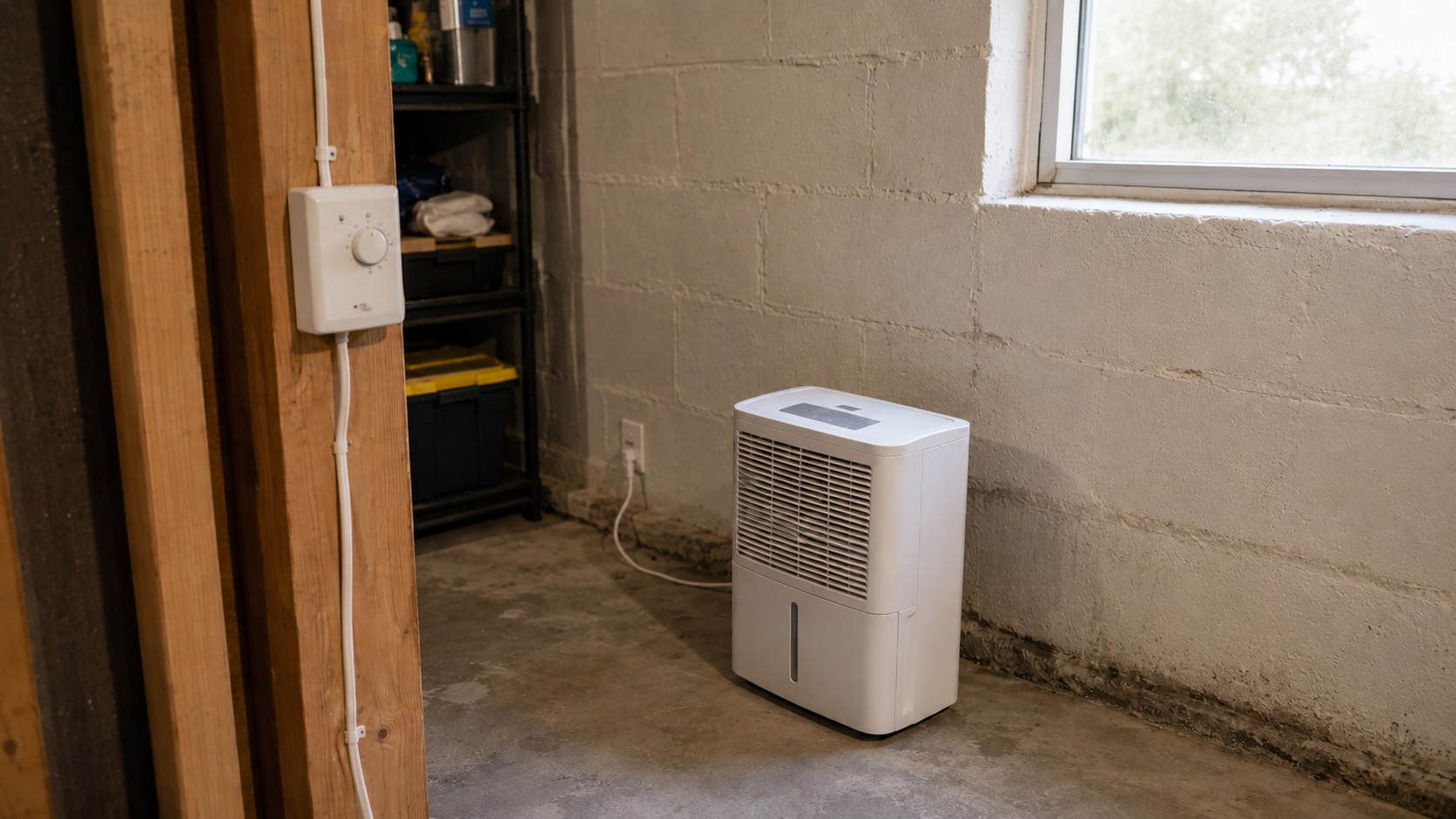
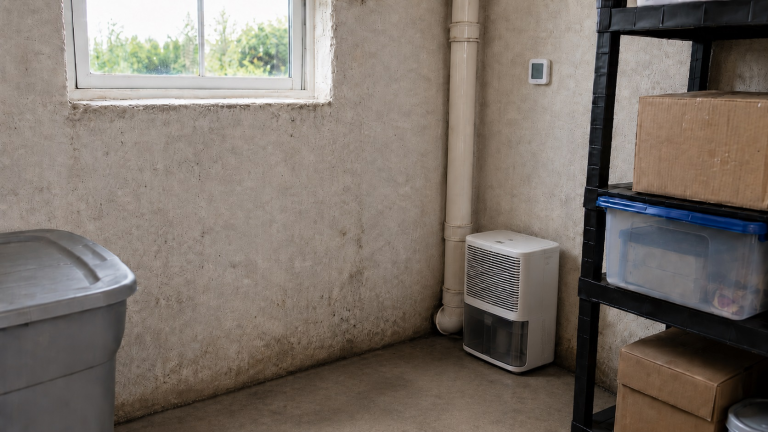
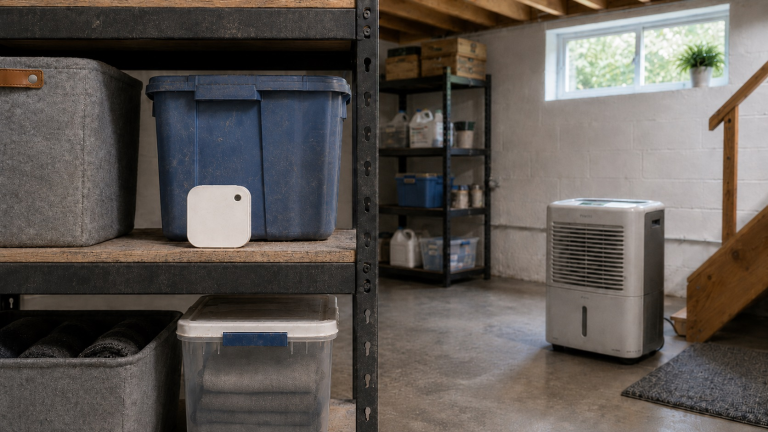
Dehumidifiers are a useful tool for stabilizing indoor humidity, but they must be used carefully. Running a dehumidifier continuously without monitoring can lower humidity too much, creating a different kind of discomfort.
The goal is to maintain a consistent range, not eliminate humidity entirely. Over-drying the air can lead to:
- Dry skin and respiratory discomfort
- Cracking or shrinking of wood materials
- Increased static and general discomfort
To use dehumidifiers effectively:
- Set a target humidity range (typically 40%–50%)
- Run the unit consistently rather than intermittently
- Adjust settings based on seasonal conditions
- Monitor humidity to avoid overcorrection
For steadier results, use the humidistat setting instead of manually turning the unit on and off by feel. If the dehumidifier has a continuous drain option, using it can also prevent stop-start operation caused by a full water bucket.
Dehumidifiers work best when moisture sources, airflow, and ventilation are also under control. Otherwise, the unit may lower humidity temporarily without stopping the next rebound.
If humidity remains difficult to control even with dehumidification, it may indicate that additional moisture sources are still present rather than a dehumidifier problem alone.
Manage Seasonal and Weather-Driven Changes
Indoor humidity is strongly influenced by outdoor conditions. Seasonal changes can cause significant shifts in moisture levels, even when indoor activities remain the same. Stabilizing humidity requires adapting to these changes rather than reacting to them after they occur.
During warm, humid weather, outdoor air introduces moisture into the home through normal air exchange. In these conditions, humidity control should focus on:
- Limiting unnecessary outdoor air entry
- Using air conditioning and dehumidification consistently
- Maintaining proper ventilation without drawing in excess humidity
During cooler or drier seasons, humidity may drop too low. In these cases, stability means preventing excessive drying rather than removing moisture. This may involve avoiding unnecessary exhaust fan use, reducing overventilation, or allowing normal household moisture from daily activities to balance the air.
Seasonal transitions can be particularly challenging. Fluctuating outdoor humidity can cause indoor conditions to change rapidly. Understanding why humidity levels change during weather shifts helps explain these patterns and prepare for them.
Rather than aiming for the same settings year-round, adjust your approach based on environmental conditions. Stability comes from responding to predictable patterns, not reacting to sudden changes.
Monitor and Adjust Humidity Regularly
Stabilizing indoor humidity is not a one-time fix. Even after improving moisture control, airflow, and system performance, conditions can change over time. Regular monitoring is what keeps humidity within a stable range and prevents small fluctuations from becoming larger problems.
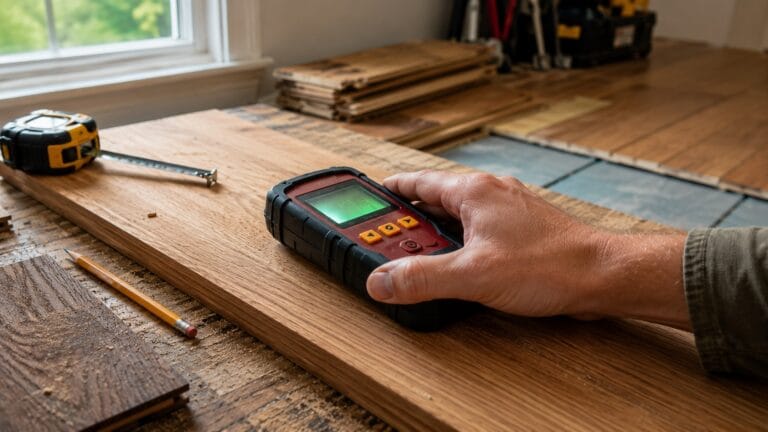
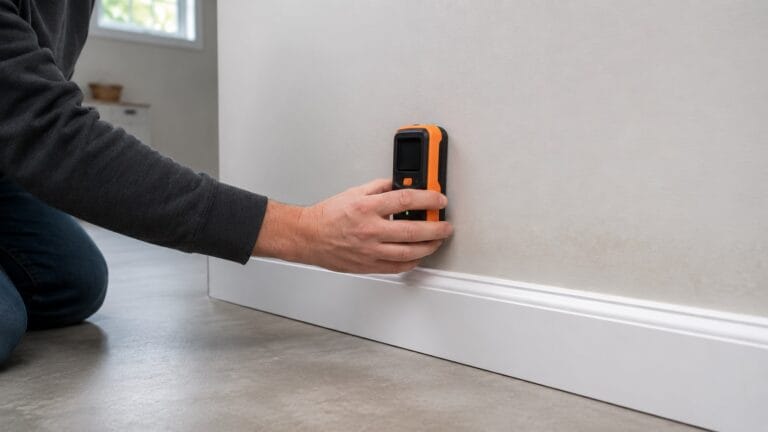
The most effective way to monitor humidity is with a hygrometer or a smart sensor that tracks levels continuously. These tools allow you to see patterns rather than relying on how the air feels at any given moment.
For one week, record morning and evening readings in the most humid room, the driest room, and a central living area. Note showers, cooking, laundry, rainy weather, HVAC use, and dehumidifier settings beside the readings. This makes the cause of the swings much easier to see.
When monitoring humidity, focus on:
- Daily patterns—when levels rise and fall
- Differences between rooms
- Changes during specific activities
- Seasonal shifts over weeks or months
This information helps you make small adjustments before conditions become uncomfortable or unstable. For example, if humidity rises every evening, you can increase ventilation or adjust system settings before the spike becomes noticeable.
Monitoring also helps confirm whether your stabilization efforts are working. Stable humidity should show gradual, predictable changes rather than sudden spikes or drops.
Long-Term Strategies for Stable Indoor Conditions
Maintaining stable humidity requires consistency. Short-term fixes can reduce moisture temporarily, but long-term stability comes from creating a balanced system that works continuously.
Effective long-term strategies include:
- Maintaining consistent airflow throughout the home
- Using ventilation systems regularly, not just occasionally
- Adjusting HVAC settings to support both temperature and humidity control
- Monitoring humidity and making small adjustments as needed
- Addressing new moisture sources as they develop
It is also important to recognize early warning signs of instability. If humidity begins to fluctuate more than usual, it may indicate that conditions are changing or that a new moisture source has developed. Reviewing signs moisture conditions are becoming unstable can help you catch these issues early.
Long-term stability does not mean removing all humidity. It means keeping readings in a predictable range and correcting small swings before they become repeated spikes.
Key Takeaways
- Stable humidity depends on balancing moisture input, airflow, HVAC operation, and dehumidification
- Controlling moisture at the source prevents large fluctuations
- Consistent airflow and ventilation are essential for stability
- HVAC systems must be optimized to manage both temperature and humidity
- Dehumidifiers should be used carefully to avoid overcorrection
- Seasonal and weather changes require adjustments to maintain balance
- Regular monitoring helps maintain long-term stable conditions
Frequently Asked Questions About How to Stabilize Indoor Humidity Levels
What is the ideal indoor humidity level?
Most homes are comfortable between 30% and 50% relative humidity. Short-term variations outside this range are normal, but consistent levels above or below it can lead to discomfort or moisture problems.
Why does my humidity fluctuate so much?
Humidity usually fluctuates because moisture is being added faster than it is removed during certain parts of the day. Common triggers include showers, cooking, laundry, rainy weather, short HVAC cycles, closed rooms, and weak exhaust ventilation.
Can I stabilize humidity without a dehumidifier?
Yes, if the swings are mild. Start with source control, bathroom and kitchen exhaust, better room-to-room airflow, and consistent HVAC use. If readings still stay high or recover slowly after moisture-producing activities, a dehumidifier may be needed.
How do I keep humidity stable year-round?
Adjust your approach by season. During humid periods, limit outdoor air entry, use cooling or dehumidification consistently, and control indoor moisture sources. During dry periods, avoid unnecessary overventilation and keep monitoring readings so the home does not become too dry.
Why does humidity change between rooms?
Humidity changes between rooms when one area has weaker airflow, a closed door, blocked vents, cooler surfaces, nearby moisture sources, or less access to return air. Compare readings in several rooms before adjusting equipment settings.
Conclusion
Stabilizing indoor humidity is mostly a pattern-control problem. Once you know when and where readings rise, you can adjust moisture sources, airflow, HVAC use, and dehumidification before the home swings between damp and dry conditions.
Humidity will always shift somewhat with weather, activity, and temperature. The warning sign is not small movement—it is repeated spikes, long recovery times, or room-to-room differences that do not improve after normal ventilation and humidity control steps.
For a broader prevention strategy that connects humidity control with leak repair, drying, monitoring, and long-term moisture protection, see how to prevent recurring moisture damage.
One Comment
Comments are closed.