How Hose Bib Leaks Cause Wall Moisture
Hose bib leaks can cause wall moisture because an outdoor faucet passes through the exterior wall and connects to plumbing inside the wall, basement, crawl space, garage, utility room, or rim joist area. When water leaks behind the mounting plate, around the wall opening, or from the pipe connection inside the wall, it can reach sheathing, insulation, framing, drywall, trim, or basement ceiling materials before obvious damage appears.
A small drip that falls clear of the house may be mostly a plumbing nuisance. The risk increases when water runs backward toward the siding, sprays behind the fixture, enters a gap around the penetration, or leaks only when the faucet is under pressure. Hose bibs are one example of how water enters homes through structural gaps, especially when the fixture opening is loose, unsealed, damaged, or connected to a leaking pipe behind the wall.
Why Hose Bib Leaks Can Affect More Than the Outside Wall
A hose bib is mounted on the outside of the home, but its plumbing connection is usually inside the structure. Depending on the home, the water line may pass through siding, sheathing, a rim joist, basement wall area, crawl space wall, garage wall, or utility space before reaching the fixture. That means a leak can affect both exterior and concealed materials.
The location of the leak matters. If water drips from the end of the faucet and falls away from the house, the wall may not get wet. If water leaks from the handle and runs along the fixture body toward the mounting plate, the wall opening may be exposed. If water sprays from the hose connection, it can soak siding and trim near the fixture. If the pipe leaks behind the wall, moisture may never appear at the faucet at all.
Hose bib leaks are often intermittent. The faucet may not leak when it is off, but it may leak when someone attaches a hose, turns the handle, or leaves the hose pressurized. This makes the problem easy to miss because the wall may only get wet during watering, washing, or seasonal outdoor use.
Wall moisture from a hose bib can also travel before it becomes visible. Water may run behind siding, soak sheathing, drip along the pipe, enter insulation, or collect at the rim joist before staining a finished wall. By the time the homeowner notices a musty smell, soft trim, stained drywall, or wet basement framing, the leak may have been active for some time.
That is what makes hose bib leaks different from ordinary surface dripping: the fixture connects outdoor water exposure with plumbing and wall materials inside the structure.
How Water Gets Behind the Hose Bib Opening
Water can get behind a hose bib opening when the fixture, siding, trim, or seal around the penetration no longer sheds water properly. The mounting plate or flange may look like it protects the wall, but it is not always a complete waterproof barrier. If water reaches the gap behind it, moisture can enter the wall assembly.
One common path is water running down the faucet body. A drip from the handle, packing nut, vacuum breaker, or hose connection may travel backward along the metal fixture instead of falling straight to the ground. If the faucet is slightly tilted toward the wall or the hose pulls the fixture downward, water may collect at the mounting plate.
Another path is a loose hose bib. If the fixture moves when the hose is pulled, turned, or bumped, the movement can crack sealant, open gaps around the penetration, stress the pipe connection, or loosen the mounting screws. Over time, the hole around the fixture may become a water-entry point.
Cracked caulk, missing sealant, damaged siding, split trim, open gaps, or poorly cut wall penetrations can also let water behind the fixture. This is similar to other exterior penetrations where water enters through small openings rather than through the main wall surface. A broader symptom guide on signs water is entering through wall penetrations can help identify whether other openings may also be contributing to moisture.
The risk is higher when the hose bib sits on a wall that receives wind-driven rain, roof runoff splashback, sprinkler spray, or repeated hose spray. Even if the fixture itself leaks only slightly, repeated wetting around the opening can allow moisture to reach siding edges, sheathing, insulation, or interior wall materials.
Water entering around the hose bib may not show up directly beside the faucet. It can run behind siding and appear lower on the wall, inside the basement near the rim joist, along interior trim, or near the floor.
Leaks That Happen Only When the Faucet Is Turned On
Some hose bib leaks are easy to miss because they only happen when the faucet is turned on. The fixture may look dry when it is off, but water may spray, drip, or leak behind the wall once the line is under pressure. These pressure-only leaks can be more serious than they first appear because the homeowner may use the faucet for weeks or months without realizing water is reaching hidden materials.
A common example is a leaking hose connection. A worn hose washer, loose coupling, damaged threads, or cross-threaded hose can spray water backward toward the wall. If the spray hits the siding or runs behind the mounting plate, the leak can wet the wall opening every time the hose is used.
Another pressure-only leak can happen at the faucet body, vacuum breaker, or anti-siphon device. These parts may leak only when water is flowing. If the water falls away from the wall, the moisture risk may be limited. If it runs back toward the siding, trim, or fixture opening, it can become a wall moisture source.
The more concerning pressure-only leak is inside the wall. A pipe connection, fitting, or frost-free hose bib tube may leak only when the faucet is opened. In that situation, water may not appear at the exterior faucet. Instead, it may drip into the basement ceiling, rim joist area, crawl space, wall cavity, or interior drywall near the same location.
A key clue is timing. If the basement, crawl space, or interior wall gets wet only after the outdoor faucet is used, the hose bib or its supply line should be suspected. This is especially important when the leak does not happen during rain and does not appear when the faucet is shut off.
How Frost-Free Hose Bibs Can Leak Inside the Wall
Frost-free hose bibs are designed to reduce freezing risk by shutting off water farther inside the wall, where temperatures are warmer. The exterior handle controls a longer internal stem, and the actual shutoff point is set back from the outside wall. When installed and used correctly, this design helps the exterior portion drain after the faucet is turned off.
However, frost-free does not mean impossible to freeze or leak. If a hose is left attached during freezing weather, water can remain trapped inside the faucet tube. If that trapped water freezes and expands, it can split the tube. The split may stay hidden until the faucet is turned on again.
This is one of the most common hidden hose bib leak scenarios. The faucet may seem normal from outside. It may even stay dry when shut off. But when the handle is opened, water can escape from the split tube inside the wall, basement, crawl space, garage, or rim joist area instead of flowing only out of the spout.
Poor installation slope can also contribute to hidden frost-free hose bib problems. A frost-free hose bib should be able to drain outward after shutoff. If it slopes back toward the house, water can remain in the tube, increasing freeze risk and setting up the next pressure-only leak.
Interior signs of a frost-free hose bib leak may include water dripping from a basement ceiling near the exterior wall, wet insulation at the rim joist, damp framing in a crawl space, water stains below the faucet location, or a musty smell near the wall after the faucet is used. Because the leak may only appear under pressure, it can be overlooked until visible damage develops.
If a frost-free hose bib may be leaking inside the wall, stop using it until it is inspected. Sealing the exterior gap will not repair a split tube or leaking pipe connection. This is a plumbing issue first, and it can become a wall moisture issue if water has already reached building materials.
How Loose or Unsealed Hose Bibs Let Water Into Wall Materials
A hose bib should be stable where it passes through the wall. If the fixture moves when the hose is pulled or the handle is turned, the wall opening can loosen over time. This movement can break sealant, enlarge the penetration, stress the pipe connection, or create a gap behind the mounting plate.
Loose fixtures are common where the hose bib is attached only to siding or trim instead of being firmly supported. A heavy hose, frequent pulling, or twisting the hose connection can act like a lever on the fixture. Each movement may be small, but repeated stress can open a path for water.
Unsealed gaps around the hose bib can let rain, hose spray, sprinkler water, or faucet leaks reach the wall assembly. Once water gets behind the exterior surface, it may wet sheathing, housewrap edges, insulation, framing, or the rim joist. The problem may be worse if the fixture is located where roof runoff splashes, siding is damaged, or the wall already has other moisture vulnerabilities.
Caulk or sealant can help close small exterior gaps, but it should not be used to hide an active leak. If water is coming from inside the fixture, behind the wall, or from a damaged pipe, sealing the outside may trap moisture instead of solving the cause. The water source must be identified first.
Hose bib penetrations are part of the larger exterior wall moisture system. When gaps, siding defects, or fixture movement allow water behind the surface, the problem can behave like other wall-entry failures covered in this broader guide on how exterior walls allow moisture into homes.
Where Hose Bib Moisture Usually Shows Up Inside
Moisture from a hose bib leak does not always appear directly behind the outdoor faucet. Water can travel along the pipe, behind siding, through insulation, across framing, or down the inside of the wall before it becomes visible. This is why the first indoor clue may appear lower, farther to the side, or in a basement or crawl space instead of on the wall surface beside the faucet.
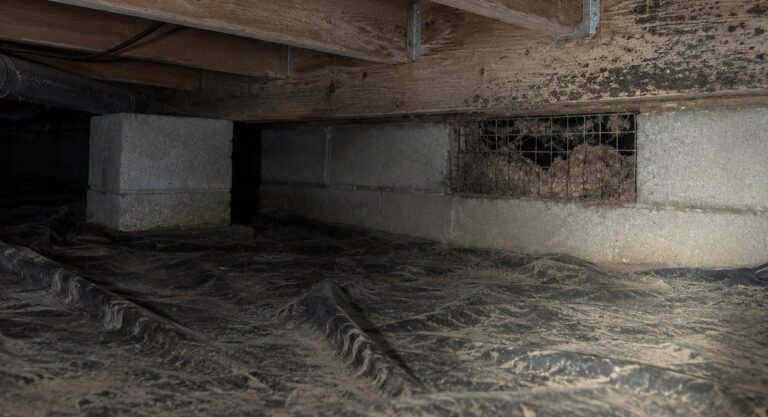
One common location is the basement rim joist or band joist area. Many hose bibs pass through this part of the structure before reaching the exterior. If the faucet body, pipe connection, or wall penetration leaks, water may wet the rim joist, insulation, sill area, or nearby basement ceiling materials. The homeowner may notice damp insulation, darkened wood, water stains, or dripping near the exterior wall.
Crawl spaces can show similar symptoms. A leaking hose bib may wet the crawl space wall, framing, insulation, or soil near the foundation. Because crawl spaces are often inspected less often than living areas, a hose bib leak can remain active for a long time before it is discovered. Damp crawl space odors after outdoor faucet use should not be ignored.
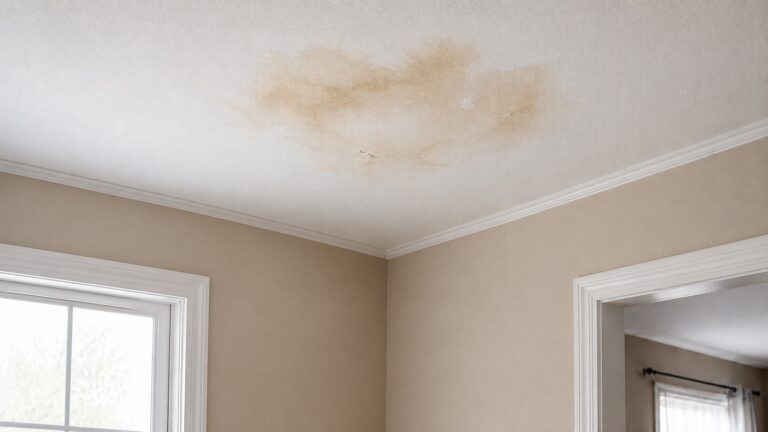
Interior drywall can also show moisture if the hose bib passes through a finished wall. The signs may include bubbling paint, soft drywall, staining, swelling trim, loose baseboards, or a musty smell near the exterior wall. These symptoms may appear only after the hose bib is used or after water repeatedly enters around the fixture opening.
Exterior materials can show clues before the inside of the home does. Siding below the hose bib may stain, paint may peel, trim may soften, or sheathing behind the siding may stay wet. If water runs behind the fixture and travels downward, the visible damage may appear below the faucet rather than directly around it.
Because hose bib leaks can involve both exterior water entry and interior plumbing, they overlap with hidden moisture inspection. If a wall, basement, or crawl space near the faucet feels damp, compare the area with this broader guide on how to find hidden moisture in different areas of your home.
Why Hose Bib Leaks Can Stay Hidden
Hose bib leaks often stay hidden because the fixture is used intermittently. A bathroom or kitchen leak may show up quickly because the fixture is used every day. An outdoor faucet may only be used for watering, washing, seasonal cleaning, or filling containers. If the leak happens only during use, moisture may appear and partially dry before the homeowner connects the pattern.
Seasonal use also makes these leaks harder to recognize. A frost-damaged hose bib may split during winter but not reveal the problem until spring, when the faucet is turned on again. The homeowner may not connect the new basement drip or damp rim joist to freeze damage that happened months earlier.
Hose bib leaks also stay hidden because water can enter concealed spaces before it reaches a visible surface. Insulation can hold moisture, siding can hide wet sheathing, wood framing can darken slowly, and basement ceiling materials can conceal a pressure-only drip.
A damp area near the same wall as an outdoor faucet does not prove the hose bib is the source, but it should be checked when moisture appears after faucet use, after freeze-thaw weather, or near the wall penetration.
When a Hose Bib Leak Becomes a Wall Moisture Problem
A hose bib leak becomes a wall moisture problem when water reaches building materials instead of draining harmlessly outside. The risk is higher when moisture enters the wall opening, wets siding or sheathing, leaks into a rim joist area, drips into a crawl space, or dampens interior drywall. At that point, the issue is no longer only an outdoor faucet leak.
The most concerning sign is water appearing inside when the outdoor faucet is turned on. This may indicate a split frost-free hose bib, leaking pipe connection, or damaged fitting behind the wall. If water appears in a basement, crawl space, garage wall, or interior room during faucet use, stop using the fixture until it is inspected.
Repeated dampness around the exterior fixture is also important. A small leak that wets the mounting plate once may dry without causing much damage. A leak that wets the same siding, trim, or wall opening every time the hose is used can create recurring moisture. Over time, repeated wetting can lead to swelling, soft materials, peeling paint, staining, musty odors, or mold-like growth.
Moisture becomes more serious when absorbent materials are involved. Drywall, insulation, wood sheathing, framing, and trim can hold water longer than metal or concrete. If these materials stay wet, the wall may dry slowly even after the faucet stops leaking. That lingering moisture can create the conditions for odor, decay, or mold growth if the source is not corrected.
A hose bib leak can also become part of a broader plumbing moisture problem. If the leak comes from the pipe or fitting behind the wall, it should be treated as a plumbing leak, not just an exterior sealing issue. A broader guide on how plumbing leaks cause structural damage can help explain why concealed water lines can affect framing and other building materials.
The safest approach is to separate surface dripping from hidden moisture risk. A visible drip that falls away from the house may need plumbing repair, but it may not be wetting the wall. A leak that runs behind the fixture, appears inside, or happens only under pressure should be treated as a potential concealed moisture problem until proven otherwise.
What to Check Before Using the Hose Bib Again
Before using a leaking hose bib again, try to determine whether the water is staying outside or entering the wall. A small exterior drip may still need repair, but a leak that reaches siding, trim, the mounting plate, the wall opening, basement framing, crawl space materials, or interior drywall should be treated more seriously.
Start outside. Look at the handle, hose connection, vacuum breaker, mounting plate, siding, and trim around the faucet. Check whether water is dripping away from the wall or running back toward the fixture opening. If the hose bib moves when touched, the wall penetration may be loose enough to let water enter behind the surface.
A simple test is to watch the faucet both with no hose attached and with the hose attached. If the leak only appears with the hose connected, check the hose washer, coupling, threads, and spray direction before assuming the wall pipe is leaking.
If it is safe and there is no active interior leak, briefly watch what happens when the faucet is turned on. A leak that appears only under pressure may show up at the hose threads, handle, vacuum breaker, or behind the mounting plate. If water appears inside the home, in the basement, in the crawl space, near electrical wiring, or behind the wall, stop using the faucet and shut off the interior valve if one is available.
Check the inside area behind or below the hose bib. In a basement, look near the rim joist, sill area, ceiling, and wall below the outdoor faucet location. In a crawl space, check framing, insulation, foundation walls, and soil below the penetration. In a finished room, look for damp drywall, bubbling paint, soft trim, stains, musty odor, or a moisture meter reading that is elevated compared with nearby dry areas.
Do not rely on exterior caulk alone if the leak source is unclear. Sealant may help close a small exterior gap, but it cannot repair a split frost-free tube, leaking fitting, loose pipe connection, or pressure-only leak inside the wall. Sealing over the outside while water continues leaking behind the wall can trap moisture and make the problem harder to find.
If you see water entering around the fixture, compare the issue with common signs water is entering around outdoor faucets. If the moisture appears in more than one exterior penetration area, the home may also need a broader check for wall openings, siding gaps, and other moisture paths.
Call a plumber when water appears inside the wall, the faucet leaks only under pressure, the fixture is loose, a frost-free hose bib may be split, or the pipe connection behind the wall is suspected. If building materials are already wet, musty, soft, stained, or showing mold-like growth, a moisture inspection or remediation professional may also be needed after the plumbing source is corrected.
FAQ
Can a hose bib leak inside a wall?
Yes. A hose bib can leak inside a wall if the pipe connection, fitting, frost-free barrel, or fixture body is damaged behind the exterior surface. It can also allow water into the wall if exterior water runs behind the mounting plate or enters gaps around the penetration.
Why does my outdoor faucet leak only when the hose is on?
A faucet that leaks only when the hose is on may have a worn hose washer, loose hose connection, damaged threads, leaking vacuum breaker, split frost-free tube, or pipe connection that leaks only under pressure. If water appears inside or behind the wall during use, stop using the fixture and have it inspected.
How can I tell if the hose bib leak is outside or inside the wall?
Watch the faucet while it is running and check the inside area behind it at the same time. If water only drips from the spout or hose connection and falls away from the house, the leak may be exterior. If water appears in the basement, crawl space, wall cavity, rim joist area, or finished wall during faucet use, the leak may be inside or behind the wall.
Can a frost-free hose bib leak inside the house?
Yes. A frost-free hose bib can leak inside the house if the internal tube splits, the fixture is installed incorrectly, a hose was left attached during freezing weather, or the pipe connection behind the wall fails. The leak may only appear when the faucet is turned on.
Can a hose bib leak cause mold inside a wall?
Yes, if moisture reaches absorbent wall materials and stays there. A hose bib leak does not prove mold is present, but repeated dampness after faucet use, musty odor, staining, or mold-like growth should be investigated after the water source is fixed.
Should I stop using a leaking hose bib?
Yes, stop using it if water appears inside the wall, behind the fixture, in the basement, in the crawl space, or near interior drywall when the faucet is turned on. If there is an interior shutoff valve for that hose bib, turn it off until the fixture can be inspected.
What Hose Bib Wall Moisture Usually Means
Hose bib leaks can cause wall moisture when water moves behind the fixture, enters the exterior wall opening, or leaks from plumbing hidden behind the wall. The most important distinction is where the water goes. A drip that falls away from the house may be a minor exterior plumbing issue, but water that runs behind the mounting plate, appears inside, or leaks only when the faucet is turned on can become a hidden moisture problem.
Because hose bibs pass through exterior walls, they create a connection between outdoor water use and concealed building materials. Siding, sheathing, insulation, rim joists, crawl spaces, basement ceilings, and interior drywall can all be affected when the leak path points inward.
If moisture appears near an outdoor faucet, do not assume the problem is only on the outside. Check the fixture, the wall penetration, and the interior area behind it. Stop using the hose bib if water appears inside or behind the wall, and have the plumbing source corrected before sealing or repairing moisture-damaged materials.