Why Some Homes Have Ongoing Moisture Problems
Some homes seem to have moisture problems no matter what the homeowner does. The basement feels damp after rain. The bathroom never dries quickly. The crawl space smells musty. Window corners darken every winter. A dehumidifier runs constantly, but the house still feels humid. Stains, odors, condensation, or mold-like spots may improve for a while and then return.
When moisture keeps coming back, it usually means the home still has an active moisture cycle. Water is entering, forming, or being held somewhere faster than the home can dry. That cycle may come from one obvious source, such as a plumbing leak or poor drainage. But in many homes, ongoing moisture is caused by several smaller conditions working together: damp soil, high humidity, poor ventilation, cold surfaces, hidden leaks, old materials, and repairs that addressed symptoms instead of sources.
The useful question is not just where the damp spot is, but why the house keeps recreating the same damp conditions. This article focuses on the causes that make some homes moisture-prone. For the broader recurrence topic, see why moisture problems keep returning. If you want a complete overview of moisture detection, repair, and prevention, start with the guide to find, fix, and prevent moisture problems in your home.
Ongoing Moisture Problems Usually Mean the Home Still Has an Active Moisture Cycle
A home does not stay damp for no reason. If moisture symptoms keep returning, something is continuing to supply water, trap water, or prevent normal drying. That is why surface cleaning, repainting, replacing trim, or running a fan may help temporarily but fail to solve the larger pattern.
An ongoing moisture cycle usually has at least one of four parts:
- A moisture source: rainwater, groundwater, plumbing leaks, appliance leaks, indoor humidity, condensation, damp soil, or wet building materials.
- A moisture pathway: cracks, gaps, wall cavities, air leaks, porous materials, capillary movement, duct leakage, or exterior openings.
- A moisture-retaining area: drywall, wood, insulation, carpet padding, subflooring, basement concrete, crawl space soil, cabinets, or enclosed wall spaces.
- A drying limitation: poor ventilation, low airflow, closed cavities, high humidity, cold surfaces, or materials that were never fully dried after a leak.
For example, a damp basement may not be caused only by one crack in the wall. Poor grading outside may saturate the soil, clogged gutters may dump roof water near the foundation, basement walls may absorb moisture, and limited airflow may keep the space damp. The result feels like one problem, but the actual moisture cycle has several parts.
The same pattern can happen in bathrooms, attics, crawl spaces, kitchens, laundry rooms, and exterior walls. A homeowner may clean the visible mold, repaint the surface, or replace damaged trim, but if the moisture source remains active, the symptoms return. That is why the next step is often to find the source of moisture in your home rather than continuing to treat the same surface damage.
Ongoing moisture is also easy to misread because the source is not always located where the symptom appears. A ceiling stain may come from a roof leak, a bathroom above, an HVAC drain line, condensation in an attic, or a plumbing line. Damp flooring may come from a leak under an appliance, crawl space humidity, slab moisture, or exterior door intrusion. A musty smell may come from hidden materials even when the visible room looks clean.
This is why chronic moisture problems should be evaluated as patterns. Ask when the moisture appears, where it appears, what conditions make it worse, and whether it improves or returns after cleaning, drying, or repairs. If the same home has dampness in several areas, the problem may not be a single leak. It may be a whole-home moisture condition created by drainage, humidity, ventilation, and hidden water sources working together.
Poor Drainage Around the Home Keeps Moisture Pressure High
Poor exterior drainage is one of the most common reasons moisture problems become ongoing. When roof runoff, yard slope, or surface water keeps soil wet near the home, moisture pressure can affect basements, crawl spaces, slab edges, foundation walls, exterior wall bottoms, and indoor humidity.
Drainage problems often start with simple conditions outside the house:
- Gutters that overflow during heavy rain
- Downspouts that discharge too close to the foundation
- Soil that slopes toward the house instead of away from it
- Low spots that hold standing water near walls or foundation edges
- Clogged exterior drains, stairwell drains, or window wells
- Mulch, soil, or landscaping built too high against siding or foundation walls
- Roof runoff that splashes against exterior walls or basement areas
These conditions may not create a dramatic flood. Instead, they keep the surrounding soil damp for long periods. That creates repeated moisture pressure against below-grade walls, crawl space edges, slab areas, and foundation joints. Over time, the home may develop basement dampness, musty odors, peeling coatings, efflorescence, wet crawl space soil, or humidity that is difficult to control.
Poor drainage is especially important because it can make other moisture problems worse. A small foundation crack may stay dry when the soil is well drained but leak repeatedly when roof water is dumped beside the house. A crawl space may stay manageable in dry weather but become damp every time the yard holds water. Basement humidity may remain high because wet foundation materials and damp soil keep releasing moisture into the air.
Drainage-related moisture is often seasonal or weather-driven. The home may feel fine during dry periods but develop damp odors, seepage, condensation, or basement wall stains after storms, snowmelt, or long rainy periods. If the same areas become damp after rain, the checklist should not stop at the interior symptom. It should include gutters, downspouts, grading, exterior walls, foundation edges, and drainage paths.
Basement and Crawl Space Moisture Can Affect the Whole Home
Basements and crawl spaces often explain why a moisture problem affects more than one room. These areas sit close to soil, foundation walls, groundwater, exterior drainage, and outdoor humidity, so they can influence the rest of the home through air movement, odors, humidity, and damp building materials.
A damp basement can raise indoor humidity, create musty odors, and keep lower-level materials from drying well. A damp crawl space can affect subfloors, joists, insulation, floor coverings, and rooms above it. Moisture from these areas may not always appear as standing water. It may show up as damp air, odors, condensation, mold-like spotting, or wood that slowly stays above a healthy moisture level.
Common basement and crawl space moisture contributors include:
- Damp soil around or below the home
- Foundation seepage after rain
- Wet crawl space ground or exposed soil
- Missing, damaged, or poorly sealed vapor barriers
- Condensation on cool foundation walls, ducts, or pipes
- Poor airflow that keeps damp air trapped
- Wet insulation or damp structural wood
These spaces can also make moisture problems confusing because symptoms may appear somewhere else. A musty smell upstairs may come from a crawl space. A soft floor may be related to damp subflooring below. A basement that constantly needs a dehumidifier may be affected by exterior drainage, wall seepage, floor moisture, or air leaks rather than indoor humidity alone.
If your home has repeated dampness in more than one area, it may help to diagnose multiple moisture problems in a home instead of assuming every symptom has the same cause. A damp crawl space, high indoor humidity, and window condensation may all be connected, but they may also involve different sources that need separate attention.
Hidden Leaks and Slow Water Entry Can Keep Materials Damp
Ongoing moisture problems are not always caused by obvious leaks. A slow leak inside a cabinet, wall, ceiling, floor, roof assembly, or appliance area can keep materials damp for weeks or months before the source becomes obvious. By the time the homeowner notices odor, stains, soft materials, or mold-like spotting, the moisture may already have spread beyond the original leak point.
Hidden leaks can come from many places, including:
- Loose sink drain connections
- Toilet wax ring failures
- Shower valve or supply line leaks
- Dishwasher leaks under cabinets or flooring
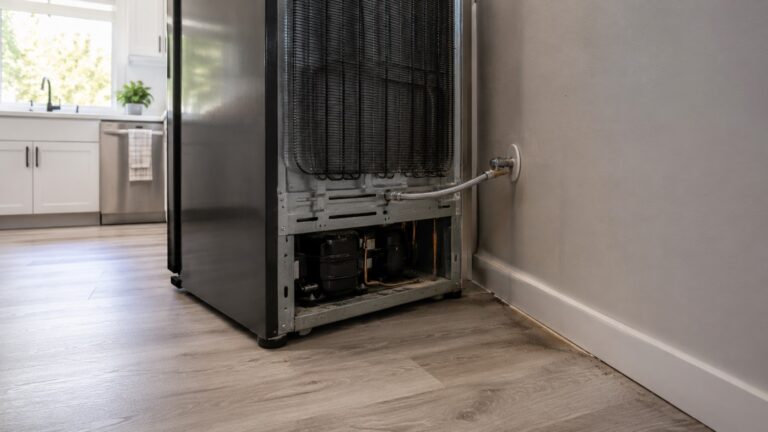
- Refrigerator water line leaks
- Washing machine hose or drain leaks
- Roof flashing failures
- Window or door leaks during wind-driven rain
- Siding, trim, or exterior wall gaps
- HVAC condensate drain leaks or overflows
Slow leaks are especially damaging because they often add moisture faster than the affected area can dry. The surface may look dry while the backside of drywall, the bottom of a cabinet, the underside of flooring, or the inside of a wall cavity remains damp. A homeowner may wipe up the visible water and think the problem is solved, while the hidden material continues to hold moisture.
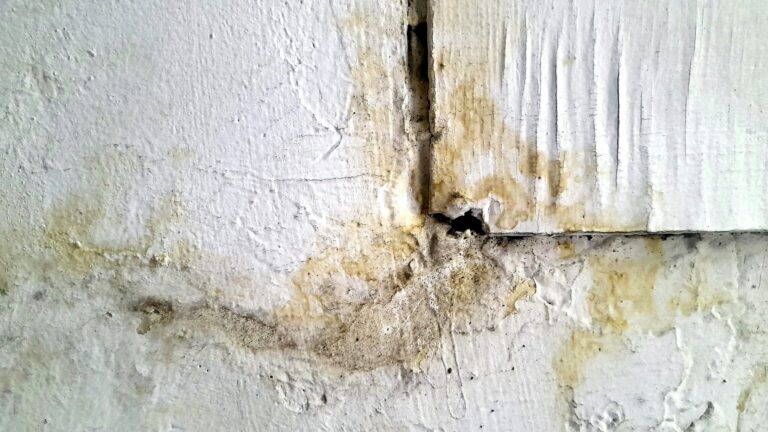
Recurring stains are a major clue. If a stain returns after cleaning or painting, the source may still be active. If a cabinet smells musty every time it is opened, the moisture may be under the cabinet base or behind the wall. If flooring feels soft near an appliance, water may have reached the subfloor. These are not just cosmetic issues; they are signs that moisture may still be present inside materials.
Hidden water entry from the exterior can be just as persistent. A window may leak only during certain storms. A roof leak may appear only when wind pushes rain under flashing. Siding gaps may wet the wall behind the surface without producing obvious indoor dripping. Because these problems are intermittent, they can create ongoing moisture symptoms that are difficult to connect to one event.
This is one reason ongoing moisture problems should be tracked over time. If you only look once, the area may appear dry. If you compare symptoms after rain, plumbing use, appliance cycles, and seasonal changes, the pattern becomes clearer.
High Indoor Humidity Can Make a Home Feel Damp Without an Obvious Leak
A home can have ongoing moisture problems even when there is no active dripping water. High indoor humidity can make rooms feel damp, slow drying, encourage condensation, and allow musty odors to return. In some homes, humidity is the main reason moisture symptoms keep appearing.
Indoor humidity can come from normal daily activities, including showering, cooking, washing dishes, doing laundry, drying clothes indoors, mopping, and breathing. Those sources are usually manageable when the home has good ventilation and normal drying conditions. Problems develop when moisture is added faster than the home can remove it.
High indoor humidity may be caused or worsened by:
- Poor bathroom ventilation
- Kitchen exhaust that is not used or does not vent well
- Laundry areas without enough airflow
- Damp basements or crawl spaces
- Oversized or poorly performing air conditioning
- Closed rooms with limited airflow
- Unvented combustion appliances
- Drying clothes indoors
- Humid outdoor air entering through leaks or ventilation paths
Humidity-related moisture often shows up differently than a plumbing leak. Instead of one wet spot, the home may have window condensation, damp-smelling rooms, mildew on stored items, musty closets, sticky-feeling air, or dark spotting in corners where airflow is poor. The symptoms may get worse in certain seasons or after long periods of closed windows and doors.
A hygrometer can help confirm whether humidity is part of the problem. If the same rooms repeatedly show elevated readings, the issue may involve ventilation, dehumidification, air movement, or moisture sources below the living space. Tracking readings over time is more useful than checking once, especially in basements, bathrooms, bedrooms, storage rooms, or other damp-feeling areas. For a fuller process, see how to test indoor humidity levels.
A dehumidifier can help manage high humidity, but it should not be treated as a cure for every ongoing moisture problem. If humidity is high because of a damp crawl space, basement seepage, poor drainage, or a hidden leak, the dehumidifier may reduce symptoms while the source continues. The better approach is to identify why humidity stays high, then control both the moisture source and the indoor air conditions.
Poor Ventilation Lets Moisture Accumulate Indoors
Ventilation is one of the most common reasons moisture problems become ongoing instead of temporary. A home can produce a normal amount of indoor moisture, but if that moisture is not exhausted, diluted, or dried, it can build up on surfaces and inside enclosed spaces.
Bathrooms are a common example. Shower steam may seem harmless, but if the exhaust fan is weak, not used long enough, blocked, or vented improperly, moisture stays in the room. Over time, walls, ceilings, trim, cabinets, grout lines, and nearby closets can stay damp longer than they should. That creates recurring conditions for peeling paint, musty odor, mildew, or mold-like growth.
Kitchens and laundry areas can create the same pattern. Cooking, boiling water, dishwashing, washing clothes, and drying laundry indoors can add moisture to the air. If the home lacks good exhaust, makeup air, or airflow between rooms, that moisture may settle on cool surfaces, collect in corners, or make the whole house feel damp.
Poor ventilation is especially important in enclosed or low-airflow areas, such as:
- Bathrooms without strong exhaust fans
- Kitchens without effective venting
- Laundry rooms and utility closets
- Closets against exterior walls
- Finished basements
- Attics with blocked or insufficient ventilation
- Crawl spaces with trapped damp air
- Rooms kept closed for long periods
- Areas behind furniture, curtains, boxes, or stored items
Ventilation problems can be misleading because they may look like surface mold, paint failure, or general household humidity. The visible symptom may be on a wall or ceiling, but the underlying issue is that damp air stays in contact with materials too long. If the same room keeps developing condensation, musty odor, or damp surface conditions, airflow should be part of the investigation.
HVAC, Condensation, and Airflow Problems Can Create Repeated Dampness
Heating and cooling systems can contribute to ongoing moisture when they fail to manage condensation, airflow, humidity, or drainage. The system may not be leaking into the room, but it can still create conditions where moisture forms repeatedly or dries too slowly.
Common HVAC-related moisture causes include:
- Clogged condensate drain lines or overflowing drain pans
- Condensation on ducts in humid areas
- Poor airflow across cooling coils
- Air leaks that pull humid air into ducts or mechanical spaces
- Oversized air conditioners that cool quickly but do not remove enough humidity
- Musty ductwork, damp insulation, or equipment located in already damp spaces
HVAC moisture can appear in several ways. You may see water near the indoor unit, staining below an attic air handler, condensation on ducts, damp insulation, or musty odors when the system runs. In other cases, the home may simply feel humid even while the air conditioner is operating.
Airflow matters because moisture control is not only about temperature. If air does not move well through the system or through the home, some areas may stay damp while others feel normal. Closed doors, blocked returns, dirty filters, leaky ducts, or poorly balanced rooms can all contribute to uneven drying.
HVAC-related moisture should not be dismissed as normal just because air conditioners and drain lines produce condensation. Condensation is expected in the right place and should drain safely. It becomes a problem when it overflows, forms on materials that should stay dry, appears repeatedly on ducts or surrounding surfaces, or creates musty odors.
Cold Surfaces, Insulation Gaps, and Thermal Bridging Can Trigger Recurring Condensation
Some ongoing moisture problems happen because warm, humid indoor air meets cold surfaces. When surface temperatures are low enough, moisture in the air can condense on windows, exterior wall corners, roof sheathing, pipes, ducts, or areas with insulation gaps. This can make a home seem like it has a leak even when the immediate issue is condensation.
Recurring condensation often appears in predictable places:
- Window glass and lower window corners
- Exterior wall corners
- Closets on outside walls
- Behind furniture placed against exterior walls
- Basement walls and rim joist areas
- Attic roof sheathing
- Cold water pipes
- Metal ducts in humid spaces
- Areas where insulation is missing, compressed, or poorly installed
This type of moisture often gets worse in winter or during temperature swings. A wall corner may darken during cold weather because that surface stays colder than the surrounding wall. A closet may smell musty because air movement is limited and the outside wall surface stays cool. An attic may show damp sheathing because warm indoor air leaks upward and condenses on cold roof surfaces.
Insulation gaps and thermal bridges can make this worse. A thermal bridge is an area where heat moves through the structure more easily, making the surface colder than nearby areas. Studs, corners, rim joists, framing connections, and poorly insulated sections can all create cooler surfaces where condensation is more likely.
Condensation-related moisture is often mistaken for a leak. The difference is that condensation usually follows temperature, humidity, and airflow patterns. Leaks usually follow water pathways from plumbing, rain, or drainage. In some homes, both can happen at the same time, which is why repeated symptoms need careful pattern tracking.
Old Materials and Past Leaks Can Hold Moisture Longer Than Expected
Some homes have ongoing moisture problems because materials were wet in the past and never fully dried, or because older materials absorb and release moisture more readily. Dry surfaces can be deceptive. The face of drywall, flooring, trim, or plaster may feel dry while deeper layers, backing materials, insulation, or enclosed cavities remain damp.
Porous and layered materials can hold moisture for a long time, including:
- Drywall and joint compound
- Plaster
- Wood framing
- Subflooring
- Carpet padding
- Insulation
- Cabinet bottoms
- Baseboards and trim
- Concrete and masonry
Past leaks can also create recurring symptoms if repairs were made before materials dried completely. A wall may be patched, painted, or closed while moisture remains behind it. Flooring may be replaced while the subfloor is still damp. A cabinet may be cleaned while the bottom panel or wall behind it still holds moisture. These situations can lead to odor, staining, swelling, or mold-like growth later.
Older homes may have additional moisture challenges because of original materials, settling, air leakage, aging plumbing, older windows, foundation cracks, limited vapor control, or previous repairs that covered symptoms. But newer homes can also have ongoing moisture problems if they have poor drainage, tight construction without enough ventilation, HVAC sizing issues, flashing defects, or construction moisture trapped inside materials.
If you suspect damp materials are part of the pattern, a moisture meter may help compare suspicious areas with known dry areas. The goal is not to rely on one reading alone, but to look for differences and trends when stains, swelling, odor, or repeated dampness suggest the surface may not tell the whole story. For non-invasive checking methods, see how to detect moisture without opening walls.
Seasonal Weather Patterns Can Keep Moisture Problems Returning
Some homes have ongoing moisture problems because the moisture cycle changes with the seasons. A house may seem dry for months and then develop damp air, condensation, basement seepage, crawl space odor, or mold-like spotting when weather conditions shift. The problem may feel random even when it follows a predictable pattern.
Spring often brings rain, saturated soil, snowmelt in colder climates, and higher groundwater pressure. Homes with poor drainage, foundation cracks, basement seepage, or crawl space water entry may show more moisture during this season. A basement that stayed dry in winter may become damp after several rainy weeks.
Summer can increase indoor humidity, especially in humid climates or homes with damp crawl spaces, weak air conditioning performance, poor ventilation, or closed-up rooms. A home may feel sticky, smell musty, or show mildew on stored items even without an obvious leak.
Fall can create moisture problems when outdoor temperatures change, windows stay closed more often, ventilation decreases, and rain increases. If exterior drainage or roof details are weak, fall storms may reveal water entry around windows, doors, siding, roof valleys, chimneys, or foundation edges.
Winter can bring condensation problems. Warm indoor air meets cold windows, exterior wall corners, attic surfaces, pipes, or ducts. If humidity is too high or insulation and air sealing are weak, moisture may collect repeatedly on cold surfaces. This can make window corners, closets, attic sheathing, and poorly insulated wall areas look damp even when there is no plumbing leak.
Seasonal moisture patterns are important because they explain why a home may appear fine during one inspection but develop symptoms later. If a homeowner checks only during dry weather, drainage problems may be missed. If they check only during warm weather, winter condensation may be missed.
That is why ongoing moisture problems should be monitored over time, not judged by one moment. If moisture signs repeat during certain seasons, after rain, during cooling season, or when the home is closed up, the timing is part of the diagnosis. Learning how to monitor moisture levels throughout your home can help separate random dampness from a recurring pattern.
When Ongoing Moisture Problems Need a Deeper Inspection
Not every damp condition means the home has a severe problem. A little window condensation during unusual weather, a bathroom mirror fogging after a shower, or a damp entry mat after rain may be manageable. Ongoing moisture becomes more concerning when symptoms repeat, spread, affect building materials, or return after cleanup and repairs.
A deeper inspection is needed when you notice:
- Musty odors that return after cleaning and ventilation
- Moisture symptoms in several rooms or levels of the home
- Stains that come back after painting or drying
- Basement or crawl space dampness after most rain events
- Window, wall, or ceiling condensation that appears frequently
- Soft drywall, swollen trim, warped flooring, or crumbling materials
- Visible mold-like growth on surfaces that stay damp
- Wet insulation, damp joists, or darkened structural wood
- Moisture near electrical fixtures, outlets, panels, or wiring, especially if the area is wet, stained, sparking, buzzing, or warm to the touch
When these signs appear, the goal is not just to clean or dry what is visible. The goal is to understand the source, pathway, and drying limitation. A whole-home moisture inspection can help connect interior symptoms with exterior drainage, plumbing, HVAC, attic, basement, crawl space, and ventilation conditions.
If several causes are active at the same time, the order of repairs matters. A homeowner may waste money replacing trim or repainting walls if roof leaks, drainage problems, crawl space moisture, or high humidity are still active. When moisture has affected multiple areas or structural materials, it may be necessary to prioritize moisture repairs so the most important sources are corrected first.
Professional help is especially important when moisture involves structural wood, electrical systems, active leaks, roof assemblies, foundation seepage, wet insulation, sewage or floodwater, large areas of mold-like growth, or repeated failures after previous repairs. In those cases, guessing can lead to repeated damage, unsafe conditions, and wasted repairs.
FAQs About Why Some Homes Have Ongoing Moisture Problems
Why does my house always feel damp?
Your house may always feel damp because moisture is being added faster than the home can remove it. The most common patterns are high indoor humidity, poor ventilation, damp basements or crawl spaces, poor exterior drainage, hidden leaks, HVAC moisture problems, or materials that never fully dried after past water damage.
Can a home have moisture problems without a visible leak?
Yes. Moisture problems can happen without a visible leak. Humidity, condensation, damp crawl spaces, wet basements, air leaks, poor ventilation, cold surfaces, and hidden water entry can all create dampness even when no active dripping water is visible.
Why do moisture problems come back after repairs?
Moisture problems often come back after repairs because the visible damage was fixed but the source was not. Painting a wall, replacing trim, drying a carpet, or cleaning mold-like growth will not solve the problem if drainage, humidity, leaks, condensation, or damp materials are still present.
Are older homes more likely to have ongoing moisture problems?
Older homes can be more prone to ongoing moisture problems because they may have aging plumbing, older windows, foundation cracks, air leaks, worn roof details, porous materials, or past repairs. However, newer homes can also have chronic moisture issues if they have poor drainage, ventilation problems, HVAC issues, or construction defects.
Can a dehumidifier fix ongoing moisture problems?
A dehumidifier can help when high indoor humidity is part of the problem, but it cannot fix leaks, poor drainage, wet crawl spaces, foundation seepage, or trapped moisture inside materials. If the unit runs constantly and the area still smells musty or feels damp, look for an active source instead of only lowering the humidity setting.
When should I call a professional for ongoing moisture problems?
Call a professional when moisture involves electrical components, structural wood, roof assemblies, foundation seepage, sewage or floodwater, wet insulation, large mold-like areas, or repeated damage after previous repairs. These conditions can be unsafe or difficult to diagnose from the surface alone.
What to Check First When a Home Has Ongoing Moisture Problems
- Check whether dampness appears after rain, during humid weather, after plumbing use, during cooling season, or when the home is closed up.
- Inspect the outside first if basements, crawl spaces, slab edges, or lower walls become damp after storms.
- Look for hidden leaks when stains, swelling, odors, or soft materials return in the same area.
- Track humidity if several rooms feel damp without an obvious leak.
- Do not assume a dehumidifier, paint, caulk, or surface cleaning has solved the problem until the moisture source and drying limitation are understood.
Once the pattern is clear, it becomes much easier to decide whether the next step is drainage improvement, leak repair, ventilation, dehumidification, HVAC correction, drying, or a larger plan to prevent moisture problems across your entire home.