How to Fix Persistent Structural Crawl Space Moisture Problems
To fix persistent structural crawl space moisture problems, start by stopping the source of moisture, not by repeating drying or cleaning. Most long-term fixes involve correcting exterior drainage, blocking ground vapor, controlling crawl space humidity, repairing hidden leaks, and then drying and monitoring the structural wood.
If joists, beams, subfloor edges, or support components stay damp after previous repairs, the crawl space needs a repair sequence rather than another temporary cleanup. The source must be corrected first; structural drying and wood repair come after moisture entry is under control.
Persistent crawl space moisture is one form of the broader damage pattern explained in Structural Moisture Problems in Homes: Causes, Risks, and Repair Guide, where repeated exposure can weaken framing, fasteners, supports, and nearby building materials.
Why Persistent Crawl Space Moisture Requires Permanent Fixes
Temporary solutions may reduce moisture for short periods, but they rarely prevent moisture from returning. Persistent crawl space moisture usually develops from conditions that allow water vapor or liquid water to enter repeatedly. Unless those pathways are corrected, the problem continues.
Repeated drying usually fails when water vapor, drainage problems, leaks, or humid outdoor air continue feeding the crawl space.
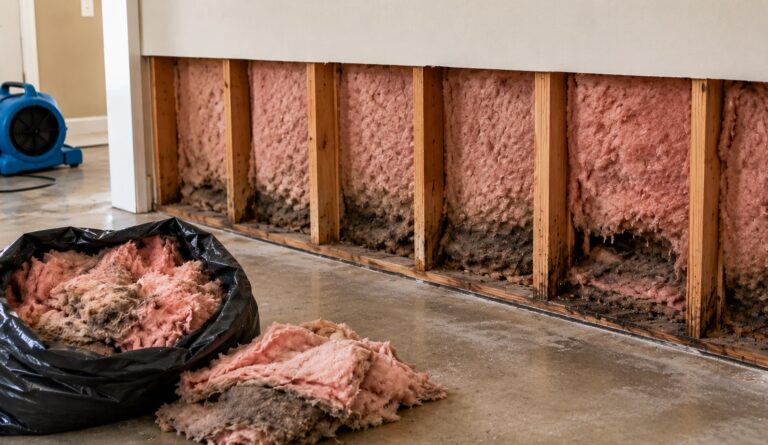
Permanent fixes matter because persistent moisture causes progressive damage to structural materials. Over time, wood fibers weaken, insulation deteriorates, and hardware begins to corrode. These changes develop gradually but create long-term structural risks.
Recurring moisture problems often follow patterns explained in Why Crawl Space Joists Stay Damp, where environmental conditions continuously supply moisture even after visible leaks are repaired.
Once moisture entry is controlled, drying equipment and ventilation improvements can work instead of fighting a constant new supply of moisture.
Ignoring persistent moisture rarely leads to improvement. In many cases, ongoing exposure gradually produces structural symptoms such as those described in Signs of Long-Term Crawl Space Moisture Damage, where long-term deterioration becomes visible.
How to Confirm the Problem Is Truly Persistent
Before choosing repairs, confirm that the moisture is recurring rather than a one-time wetting event. A crawl space problem is persistent when the same areas stay damp, smell musty, grow mold again, or show elevated moisture readings after previous drying or repair work.
Common indicators of persistent crawl space moisture include:
- Mold returning after repeated cleaning
- Damp wood that never fully dries
- Musty odors lasting across seasons
- Repeated moisture readings showing elevated levels
- Visible moisture appearing after rainfall
A single damp area immediately after an unusual storm may not prove a persistent structural problem. Repeated dampness in the same joists, beams, sill plates, insulation edges, or soil areas is a stronger sign that the crawl space moisture system has not been corrected.
When these patterns occur repeatedly, it usually means moisture is entering from an unresolved source. In many cases, homeowners first notice symptoms such as recurring mold growth, similar to those described in Signs of Mold Growth on Crawl Space Wood, where visible growth indicates sustained moisture conditions.
Confirming persistence also requires evaluating previous drying attempts. If drying was performed but moisture returned within weeks or months, the underlying source likely remains active.
Moisture detection tools can help verify whether structural wood remains damp. Methods outlined in How to Detect Moisture in Crawl Space Framing provide reliable ways to confirm moisture levels inside wood components.
Once persistence is confirmed, the focus shifts toward identifying the root causes that allow moisture to return repeatedly.
The Most Common Root Causes of Persistent Crawl Space Moisture
Persistent crawl space moisture rarely comes from one source. Work from the outside inward: check drainage and grading first, then ground vapor, then vents and humidity control, then hidden leaks or condensation inside the crawl space.
Ground Moisture Problems
Ground moisture is one of the most common sources of persistent crawl space dampness. Soil beneath homes continuously releases moisture vapor, even when it appears dry on the surface.
Without proper vapor control, moisture rises from the ground and accumulates inside the crawl space. Over time, this constant vapor exposure prevents structural materials from drying fully.
Common ground moisture warning signs include:
- Damp soil beneath the crawl space
- Missing, loose, torn, or poorly sealed ground vapor barrier
- High humidity levels even during dry weather
- Moisture appearing across large areas
Ground moisture problems often persist because vapor movement continues regardless of surface conditions. When vapor barriers are missing or damaged, moisture entry remains constant.
Drainage Failures Around the Home
Exterior drainage plays a critical role in controlling crawl space moisture. When water collects near the foundation, it gradually seeps into surrounding soil and increases vapor levels beneath the home.
Drainage failures commonly occur when:
- Gutters become clogged
- Downspouts discharge near the foundation
- Soil slopes toward the home
- Surface water pools after rainfall
Over time, poor drainage increases the amount of moisture available beneath the crawl space. This moisture gradually migrates into structural areas and contributes to recurring dampness.
Addressing drainage failures is often one of the most effective long-term fixes for persistent moisture problems.
Ventilation Design Problems
Improper ventilation design is another major contributor to persistent crawl space moisture problems. Many older crawl spaces rely on passive vents that allow outdoor air to enter freely. While this approach was once common, it often increases humidity rather than reducing it, especially in humid climates.
Ventilation-related moisture problems frequently occur when:
- Outdoor humidity enters through open vents
- Airflow patterns create trapped moisture pockets
- Vents remain open during humid seasons
- Air circulation inside the crawl space remains uneven
In humid environments, outdoor air often contains more moisture than the crawl space itself. Allowing this air inside introduces additional moisture rather than removing it.
These recurring moisture conditions often align with the environmental behavior explained in Why Crawl Space Joists Stay Damp, where airflow alone fails to resolve moisture problems.
Correcting ventilation problems may involve closing or sealing vents as part of a designed crawl space system, adding controlled dehumidification, or improving air distribution. Vent changes should match the crawl space design, climate, and local code rather than being treated as a one-size-fits-all fix.
Hidden Leaks and Bulk Water Entry
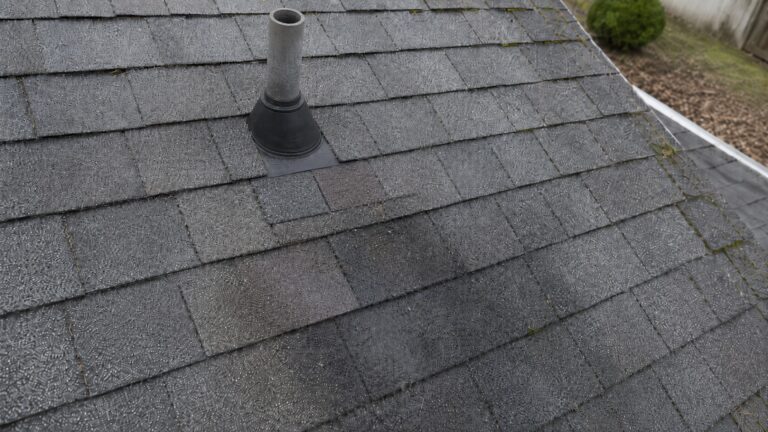
Hidden leaks and small bulk-water entry points are difficult because they may keep structural wood damp without leaving standing water. Check plumbing lines, drain pipes, HVAC condensate, duct condensation, foundation cracks, and water entry points near exterior walls.
Common hidden leak sources include:
- Slow plumbing leaks
- Drain line failures
- Condensation from pipes or ductwork
- Foundation cracks allowing water intrusion
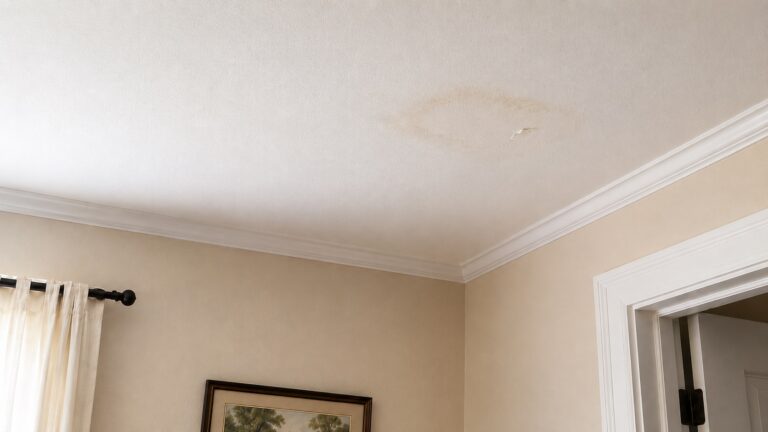
Because these leaks produce moisture gradually, structural wood may remain damp even when visible water is not present. Over time, this slow exposure creates the conditions that lead to persistent moisture cycles.
When leaks remain hidden, symptoms often develop gradually and may resemble the early warning patterns described in Signs of Mold Growth on Crawl Space Wood, where mold indicates ongoing moisture activity.
Permanent Solutions That Fix Structural Moisture Problems
Permanent solutions work best in sequence: redirect exterior water, block ground vapor, control crawl space humidity, repair leaks, then dry and reassess structural wood. If the order is reversed, new repairs may be exposed to the same moisture that caused the original damage.
After those corrections are in place, monitor the same joists, beams, and sill plates again. If moisture readings fall and the wood remains firm, structural drying may be enough. If readings stay elevated or the wood is soft, sagging, cracked, or unstable, repair or reinforcement may be needed.
Installing Vapor Barriers
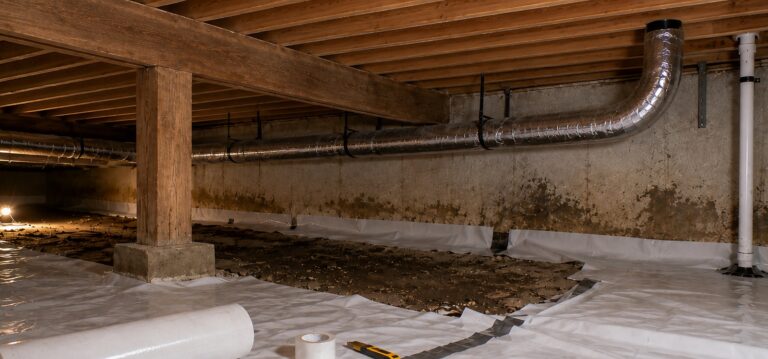
Vapor barriers are one of the most effective tools for controlling ground moisture. These barriers create a physical separation between soil and crawl space air, preventing water vapor from rising into structural areas.
Proper vapor barrier installation typically includes:
- Covering exposed soil completely
- Sealing seams between barrier sections
- Securing edges along foundation walls
- Repairing tears or damaged areas
Partial vapor barrier installation often produces limited results. Moisture can still enter through uncovered areas, allowing humidity to remain elevated.
When installed correctly, vapor barriers significantly reduce moisture levels and improve drying efficiency. For a fuller installation walkthrough, see how to install a crawl space vapor barrier.
Improving Crawl Space Drainage
Drainage improvements help prevent water from accumulating beneath the home. When surface water is redirected away from the foundation, soil moisture levels decrease and vapor production is reduced.
Common drainage improvements include:
- Extending downspouts away from the foundation
- Improving soil grading around the home
- Installing perimeter drainage systems
- Clearing debris from gutters and drainage channels
Effective drainage reduces the amount of water reaching the foundation and soil below the home. That lowers the moisture load on the crawl space before vapor barriers, dehumidifiers, or encapsulation systems have to manage it.
Drainage improvements often provide the foundation for other repair methods. Without proper drainage, additional moisture control measures may not perform effectively.
Encapsulation Systems
Crawl space encapsulation is one of the most comprehensive solutions for persistent moisture problems. Unlike basic vapor barriers, encapsulation systems create a sealed environment that limits moisture entry from multiple directions.
A properly designed encapsulation system typically includes:
- A heavy-duty vapor barrier covering the crawl space floor
- Sealed seams to prevent vapor movement
- Wall coverings to block moisture infiltration
- Sealing of crawl space vents and openings
- Controlled humidity management using mechanical equipment
Encapsulation is especially useful in crawl spaces where moisture problems have persisted despite previous attempts at drying or repair. By creating a controlled environment, encapsulation reduces humidity levels and protects structural wood from repeated exposure.
However, encapsulation alone does not solve all moisture problems. If drainage, leaks, bulk water, or humidity control remain unresolved, moisture may still return after the system is installed. If the crawl space is already encapsulated and still damp, see how to fix persistent moisture after encapsulation.
Structural Repairs to Damaged Wood
When moisture problems have been present for extended periods, structural wood may require repair or reinforcement. This step becomes necessary when wood strength has been reduced by prolonged dampness.
Structural repairs should not be used to hide an active moisture problem. If joists, beams, or supports are reinforced while the crawl space is still wet, the new materials may absorb moisture and the damage cycle can continue.
Common structural repair methods include:
- Replacing severely damaged joists
- Reinforcing weakened beams
- Adding support systems to restore structural strength
- Repairing hardware affected by corrosion
Structural repair decisions should be based on the severity of damage. Minor moisture exposure may only require drying and environmental control, while advanced deterioration often requires reinforcement or replacement.
Damage patterns requiring structural repair often resemble those outlined in Signs of Long-Term Crawl Space Moisture Damage, where visible structural symptoms indicate prolonged exposure.
When Drying Alone Is Not Enough
Drying is an essential part of moisture control, but it does not always solve persistent moisture problems. When drying is performed without addressing the source of moisture, dampness frequently returns.
Drying alone may be insufficient when:
- Moisture sources remain active
- Humidity remains elevated
- Water enters from outside the structure
- Structural materials have already been damaged
If these conditions remain, drying should be treated as a temporary step, not the final repair.
Drying limitations often become apparent after repeated attempts similar to those described in How to Dry Crawl Space Structural Wood, where moisture persists despite temporary drying improvements.
When Structural Repair Becomes Necessary
Structural repair becomes necessary when moisture exposure has weakened load-bearing components. In these situations, simply controlling moisture is not enough to restore structural integrity.
Repair is typically required when:
- Wood becomes soft or crumbly
- Structural alignment shifts
- Cracks widen or spread
- Floor sagging becomes noticeable
- Support components lose stability
These warning signs indicate that structural integrity may already be affected. Repair decisions should be made promptly to prevent further damage.
When structural symptoms appear, professional evaluation is usually necessary to determine the safest repair method.
When to Hire a Professional
Basic drainage or vapor-control improvements may be manageable for some homeowners, but persistent structural moisture needs professional evaluation when the source is unclear, repairs have failed, or framing damage is visible.
Professional assistance is typically recommended when:
- Moisture returns after multiple repair attempts
- Mold growth spreads across large areas
- Structural components show signs of weakening
- Standing water continues to reappear
- Drainage improvements fail to control moisture
Professionals can test moisture levels, look for hidden bulk-water entry, evaluate wood strength, and determine whether joists, beams, posts, or sill plates need drying, reinforcement, or replacement.
When recurring moisture problems persist despite cleanup or drying efforts, the situation often reflects patterns described in Why Crawl Space Joists Stay Damp, where unresolved environmental conditions allow moisture to remain active.
Hiring professionals early can reduce long-term repair costs by addressing structural risks before damage becomes severe.
Frequently Asked Questions About How to Fix Persistent Structural Crawl Space Moisture Problems
What is the correct order for fixing persistent crawl space moisture?
Start with exterior drainage and bulk water entry, then correct ground vapor, vents, humidity control, and hidden leaks. After the moisture source is controlled, dry the structural wood and decide whether joists, beams, or supports need repair.
Can vapor barriers solve persistent crawl space moisture?
Vapor barriers are effective at reducing moisture from soil, but they work best when combined with drainage improvements and proper humidity control. Partial installation may not fully resolve persistent moisture issues.
Is crawl space encapsulation worth it?
Encapsulation can be highly effective for long-term moisture control when installed correctly. It helps create a stable environment that reduces humidity and protects structural wood from repeated exposure.
When does crawl space moisture require structural repair?
Structural repair becomes necessary when wood shows signs of weakening, softening, cracking, or sagging. These symptoms indicate that moisture exposure has affected load-bearing components.
How do I know if repairs are necessary instead of drying?
Drying may be enough when wood is still firm, framing remains aligned, and moisture readings fall after the source is corrected. Repairs become more likely when wood is soft, crumbly, sagging, cracked, displaced, or repeatedly damp after drainage, vapor, leak, and humidity problems have been addressed.
Key Takeaways
- Persistent crawl space moisture problems require permanent solutions rather than temporary fixes.
- Ground moisture, drainage failures, and ventilation issues are common root causes.
- Exterior drainage, ground vapor control, and humidity management form the foundation of long-term crawl space moisture control.
- Encapsulation systems provide comprehensive protection against recurring moisture.
- Structural repairs may be necessary when wood shows signs of weakening or damage.
- Professional evaluation is recommended when moisture persists after multiple repair attempts.
- Early correction prevents costly long-term structural deterioration.