
Why Crawl Space Joists Stay Damp
Crawl space joists usually stay damp because the crawl space environment is still adding moisture or slowing evaporation. High humidity, exposed soil, condensation, poor airflow, wet insulation, or a hidden plumbing leak can keep wood damp even after standing water disappears.
This matters because joists can hold moisture internally after the surface looks dry. If the source is not corrected, damp joists may lead to mold growth, staining, odors, insulation damage, and gradual wood deterioration.
If the problem is part of a broader pattern of repeated moisture, Why Moisture Problems Keep Returning explains how unresolved environmental conditions allow dampness to come back after cleanup.
Why Damp Crawl Space Joists Matter
Damp joists are a warning sign because structural wood should not stay wet for long periods. Even when no puddles are visible, damp wood usually means the crawl space is still receiving moisture or is not drying properly.
Persistent dampness can lead to:
- Mold growth on joists and beams
- Musty odors moving into living areas
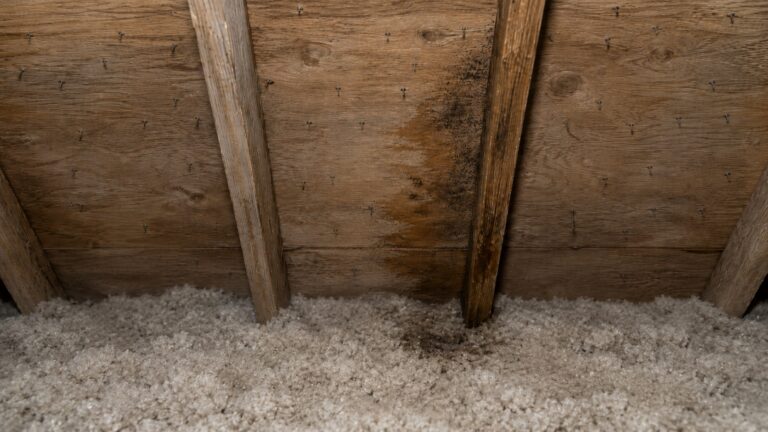
- Dark staining or discoloration on wood
- Wet insulation holding moisture against framing
- Gradual weakening if moisture continues for months or years
If dampness has already produced visible staining, softness, or deterioration, compare those symptoms with Signs of Moisture Damage in Crawl Space Joists. This article focuses on why the joists are staying damp in the first place.
The Most Common Reasons Crawl Space Joists Stay Damp
Most damp crawl space joist problems come from one of six sources: humid air, soil vapor, blocked drying, wet insulation, hidden leaks, or condensation. More than one cause may be present at the same time.
High Humidity Trapped in the Crawl Space
High humidity is one of the most common reasons crawl space joists remain damp. Even when no leaks are present, humid air trapped inside the crawl space allows moisture to collect on wood surfaces.
Humidity-related dampness typically develops when:
- Outdoor humid air enters through crawl space vents
- Air circulation is limited
- Moisture cannot escape efficiently
- Humidity levels remain elevated for long periods
In humid climates, outdoor air entering crawl spaces can carry significant moisture. When this air contacts cooler wood surfaces, water vapor condenses into tiny droplets that soak into wood fibers.
This type of dampness often develops gradually, making it difficult to detect until mold or odors appear. Homeowners frequently assume that the absence of standing water means the crawl space is dry, but humidity-driven moisture can remain invisible for long periods.
Humidity problems are especially likely when crawl spaces lack controlled drying, sealed ground coverage, or a dedicated dehumidifier. A simple hygrometer can help confirm the pattern: if crawl space humidity stays high for days at a time, joists may keep absorbing moisture even without an active leak.
Moisture Rising From Soil
Soil beneath crawl spaces releases water vapor continuously. Even dry-looking soil contains moisture that slowly evaporates into the surrounding air. This vapor travels upward and collects on cooler structural surfaces.
This process is particularly active in crawl spaces without properly installed vapor barriers. When soil is exposed, moisture rises directly into the air and spreads throughout the crawl space environment.
If the ground is uncovered, poorly sealed, or torn in several places, the vapor barrier itself may need to be inspected before assuming the joists are the primary problem.
Common signs of soil-driven moisture include:
- Uniform dampness across multiple joists
- Persistent humidity despite dry weather
- Condensation forming on nearby surfaces
- Musty odors present throughout the crawl space
Even small amounts of soil moisture can maintain elevated humidity levels beneath the home. Over time, this constant moisture exposure allows wood to absorb water slowly and remain damp for extended periods.
In many homes, soil moisture is the primary source of long-term crawl space dampness. Addressing this source often requires environmental control measures that reduce vapor movement into the structure.
Poor Airflow or Blocked Ventilation
Air movement plays a critical role in drying crawl space wood. When airflow is limited or blocked, moisture remains trapped around joists and cannot evaporate efficiently. Even small airflow restrictions can significantly slow the drying process.
Poor airflow commonly occurs when:
- Crawl space vents are blocked by debris or insulation
- Air pathways are obstructed by stored materials
- Insulation falls and covers ventilation openings
- Air movement is uneven or stagnant
Without controlled drying, moisture released from soil, plumbing, or outdoor air stays concentrated around the framing. In a vented crawl space, this may mean blocked air pathways. In an encapsulated crawl space, it may mean the dehumidifier, drainage, or sealing system is not controlling humidity well enough.
Many homeowners assume that simply adding more vents will solve dampness problems. However, in humid climates, opening vents may actually introduce additional moisture rather than removing it. This misunderstanding often leads to worsening conditions instead of improvement.
If airflow limitations are suspected, further investigation methods described in How to Detect Moisture in Crawl Space Framing can help confirm whether moisture is trapped inside structural materials.
Insulation Holding Moisture Against Wood
Insulation can unintentionally trap moisture against crawl space joists. When insulation becomes damp, it slows evaporation and keeps wood surfaces wet longer than expected.
This issue commonly develops when:
- Fiberglass insulation absorbs humidity
- Insulation sags and touches soil
- Water leaks soak insulation materials
- Vapor barriers are missing or incorrectly installed
Wet insulation often goes unnoticed because it hides the surface of the joists. Even when the outer surface of wood appears dry, moisture trapped between insulation and wood can remain present.
Over time, moisture trapped behind insulation encourages staining, odor, and mold growth. If insulation is sagging, wet, or pressed tightly against damp wood, it may need to be pulled back during inspection so the joist surface can be checked directly.
Hidden Plumbing Leaks
Small plumbing leaks are a frequent cause of damp joists. Unlike major leaks that cause visible flooding, slow leaks release small amounts of water continuously. This steady moisture supply allows wood to remain damp for long periods.
Typical sources of hidden plumbing leaks include:
- Loose pipe fittings
- Slow drain line leaks
- Condensation from cold water pipes
- Damaged seals around plumbing connections
These leaks may not produce obvious puddles, but they maintain localized moisture conditions that prevent wood from drying. Dampness caused by slow leaks often appears concentrated around plumbing areas and spreads outward gradually.
Because these leaks can remain hidden for months, moisture problems often continue after surface cleanup. Repeated dampness below a bathroom, kitchen, laundry area, or supply line is a strong clue that the moisture source may still be active.
Condensation on Cool Surfaces
Condensation occurs when warm, humid air contacts cooler surfaces inside the crawl space. When this happens, water vapor transforms into liquid moisture that settles onto wood framing.
This process is especially common:
- Near foundation walls
- Around metal ductwork
- Along cool structural beams
- During seasonal temperature changes
Condensation is often mistaken for plumbing leaks because water droplets appear suddenly without obvious sources. However, condensation typically occurs repeatedly under specific environmental conditions, such as warm outdoor temperatures combined with cool crawl space surfaces.
Over time, repeated condensation cycles can maintain damp wood even when no leaks are present. If joists become damp during the same weather patterns or seasonal changes, condensation should be considered alongside leaks and soil moisture.
Why Crawl Space Wood Can Feel Dry But Still Be Wet
Wood does not dry evenly. The surface of a joist may feel dry while moisture remains inside the wood fibers, especially after a leak, condensation cycle, or long period of high humidity.
Internal moisture is more likely to remain trapped when airflow is limited, humidity stays high, insulation covers the joists, or the wood is exposed to repeated moisture before it fully dries.
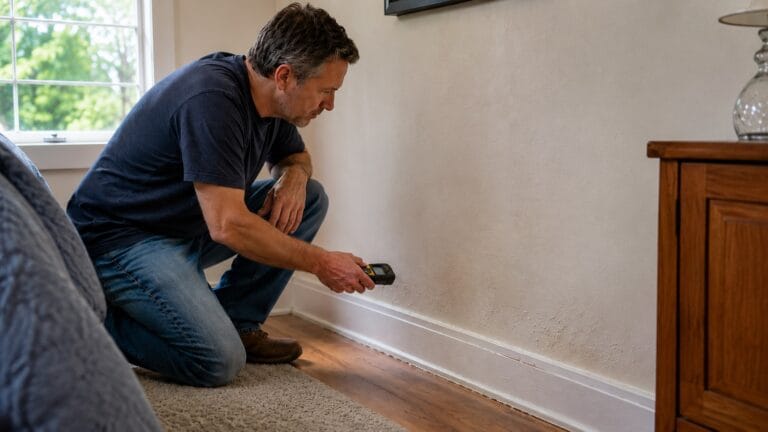
This is why a visual check alone can be misleading. If musty odors, staining, or recurring mold appear after cleanup, moisture testing may be needed to confirm whether the joists are actually dry.
When testing wood, compare several joists instead of relying on one spot. A damp joist near plumbing, foundation walls, or wet insulation means more than a single isolated reading with no surrounding symptoms.
Why Joists Stay Damp After Leaks Are Fixed
Many homeowners assume that once a plumbing leak is repaired, moisture problems should immediately stop. In reality, crawl space joists often remain damp long after the leak itself is resolved.
This delay occurs because water absorbed into wood does not evaporate quickly. Moisture trapped inside joists must gradually migrate to the surface before it can evaporate into the surrounding air.
Several factors affect how long dampness persists after a leak is repaired:
- The size and duration of the leak
- The thickness of the wood
- The surrounding humidity level
- The availability of airflow
- The presence of insulation
Even after visible water disappears, moisture trapped inside wood can continue supporting odor, staining, and mold growth. If those symptoms are already visible, compare them with Signs of Moisture Damage in Crawl Space Joists.
Another important factor is repeated moisture exposure. If leaks occur repeatedly or humidity remains high, joists may never fully dry between events. Over time, this repeated wetting cycle allows moisture to accumulate inside the wood.
This explains why some crawl spaces show recurring dampness even when individual problems appear to be resolved. Without correcting the underlying moisture conditions, drying remains incomplete.
How Long Joists Normally Take to Dry
The time required for crawl space joists to dry varies widely depending on environmental conditions.
Typical drying time depends on:
- The level of initial moisture exposure
- The amount of airflow available
- The humidity level inside the crawl space
- The thickness of the joists
- The surrounding temperature
Under favorable conditions—with low humidity and good airflow—minor moisture exposure may dry within several days. However, in crawl spaces with high humidity or restricted airflow, drying may take several weeks or longer.
In severe cases, drying may stall entirely until environmental conditions improve. When humidity remains high, evaporation slows dramatically, allowing moisture to remain trapped inside wood indefinitely.
This article explains why the joists stay damp. For the actual drying process, see How to Dry Crawl Space Structural Wood, which covers controlled drying methods after the moisture source is addressed.
When Damp Joists Become a Structural Risk
Damp joists do not immediately threaten structural safety, but long-term moisture exposure increases the likelihood of deterioration. Recognizing when dampness transitions from a minor issue to a structural concern is essential for protecting the integrity of the home.
Structural risk increases when:
- Dampness persists for months or years
- Mold growth appears repeatedly
- Wood begins to soften or weaken
- Visible sagging develops in flooring
- Cracks form along structural components
These warning signs indicate that moisture may be affecting the internal strength of the wood. Over time, prolonged dampness can create conditions where decay organisms become active.
When these symptoms appear, the situation often aligns with conditions outlined in Signs of Long-Term Crawl Space Moisture Damage, where sustained moisture exposure leads to structural deterioration.
What Persistent Dampness Usually Leads To
When joists stay damp for long periods, the next signs usually appear gradually. Musty odor, surface staining, mold growth, sagging insulation, or softening wood all suggest the problem has moved beyond temporary dampness.
These outcomes are warning signs that the problem has moved beyond temporary dampness. For visible mold patterns, see Signs of Mold Growth on Crawl Space Wood. For deeper deterioration patterns, see Signs of Long-Term Crawl Space Moisture Damage.
Frequently Asked Questions About Why Crawl Space Joists Stay Damp
Why do crawl space joists stay damp even after fixing leaks?
Joists remain damp after leaks are repaired because wood absorbs moisture internally. Even when visible water is removed, moisture trapped inside wood fibers takes time to evaporate. High humidity and limited airflow can slow this process significantly.
Can humidity alone keep crawl space joists wet?
Yes. High humidity can maintain damp wood conditions even without visible water. When humid air remains trapped inside a crawl space, wood continuously absorbs moisture from the surrounding air.
How long should crawl space joists take to dry?
Drying time varies widely depending on airflow, humidity, wood thickness, insulation contact, and whether soil moisture is still entering the crawl space. Minor moisture exposure may dry within several days under ideal conditions, while persistent humidity or restricted airflow may extend drying for weeks or longer.
Do damp joists always lead to mold?
Damp joists increase the risk of mold growth but do not guarantee it. Mold develops when moisture remains present long enough to support fungal activity. Controlling humidity and moisture sources reduces the likelihood of mold formation.
When should damp joists be inspected professionally?
Professional inspection is recommended when joists remain damp after the moisture source seems fixed, when readings stay elevated, when mold or odors return, or when the wood feels soft, crumbly, sagging, or structurally changed.
What to Check First
If crawl space joists stay damp, start by checking the crawl space environment before assuming the wood itself is the only problem. Look for high humidity, exposed soil, wet insulation, condensation, blocked drying, and repeated dampness below plumbing areas.
If the same joists stay damp after cleanup, the source has probably not been fully controlled. Drying the wood matters, but lasting improvement usually depends on stopping the moisture that keeps returning.
Key Takeaways
- Crawl space joists usually stay damp because moisture is still entering the space or drying is too slow.
- High humidity, exposed soil, condensation, wet insulation, poor airflow, and hidden leaks are common causes.
- Wood can feel dry on the surface while still holding moisture internally.
- Leak repair alone may not dry joists if humidity and airflow problems remain.
- Persistent dampness should be investigated before it leads to mold, insulation damage, or structural deterioration.
3 Comments
Comments are closed.