How to Detect Water Intrusion in Crawl Spaces Before Serious Damage Occurs
To detect water intrusion in a crawl space before serious damage occurs, inspect the crawl space after dry weather and again after rainfall. Look for damp soil, water stains on foundation walls, moisture trails, soft soil, efflorescence, wet vapor barrier edges, damp insulation, and elevated wood moisture readings. Early intrusion often appears as repeating wet patterns rather than obvious standing water.
Start with the foundation walls, corners, low soil areas, pipe penetrations, crawl space vents, and any spot beneath downspouts or exterior drainage discharge. These are the most common places where water first enters or collects. Understanding how water enters homes through structural gaps can help you trace the entry path instead of only reacting to the wettest area.
This guide focuses on active detection methods: where to look, what signs matter, which tools help, and when the findings are serious enough to call a professional. If you already see visible pooling, compare your findings with signs of standing water in crawl spaces because the problem may have already moved beyond early intrusion.
Quick Crawl Space Water Intrusion Check
- Inspect once during dry weather to establish a baseline.
- Inspect again after rainfall to see what changes.
- Check foundation walls, corners, penetrations, vents, and low soil areas first.
- Look for repeated damp patterns, not just puddles.
- Photograph the same locations each time so changes are easier to compare.
Early Clues That Water Is Entering a Crawl Space
Early crawl space water intrusion usually shows up as patterns, not dramatic flooding. A single damp spot may be temporary, but the same damp area returning after rain, the same wall showing new stains, or the same soil depression staying soft points to an active water entry problem.
Look for these early clues before serious damage appears:
- Darker soil near foundation walls or corners
- Vertical water stains or mineral deposits on masonry
- Wet edges, wrinkles, or trapped water beneath a vapor barrier
- Damp insulation, rusted metal fasteners, or soft wood near the same area
- Moisture that returns after storms even when no standing water remains
These signs do not prove the full source by themselves, but they show where to begin tracing water movement.
Do not treat one isolated damp spot as proof of a major intrusion problem. The stronger clue is repetition: the same corner, wall, penetration, vapor barrier edge, or soil depression becoming damp again after rain or staying wet longer than surrounding areas.
How to Safely Access and Prepare for Inspection
Before attempting to detect water intrusion in a crawl space, proper preparation is essential. Crawl spaces are confined environments that may contain electrical hazards, sharp materials, unstable surfaces, and poor air quality. Entering without preparation increases the risk of injury and makes inspection less effective.
Do not enter a crawl space with standing water near electrical wiring, sewage contamination, strong chemical odors, unstable framing, or suspected wildlife activity. In those conditions, inspect only from the access opening and call a qualified professional.
If you have never entered your crawl space before, review how to inspect crawl spaces for moisture damage before attempting a closer water-intrusion inspection.
Wear Proper Protective Equipment
Protective gear reduces the risk of injury and exposure to contaminants commonly found in crawl spaces. Even when water intrusion appears minor, damp environments may contain mold spores, bacteria, or debris that can cause irritation or illness.
Recommended protective equipment includes:
- Work gloves to protect hands from sharp materials
- Long sleeves and pants to reduce skin contact with debris
- Protective eyewear to prevent eye irritation
- An N95 respirator or better when mold, heavy dust, or rodent debris is suspected
- Knee pads for comfort when moving across uneven surfaces
Check Weather Conditions Before Entering
Use weather timing intentionally. A dry-weather inspection shows the baseline condition, while a follow-up inspection after rainfall helps confirm whether moisture returns. Do not enter during active flooding, rising water, or unsafe electrical conditions.
Avoid entering the crawl space if:
- Heavy rainfall is currently occurring
- Flooding is suspected beneath the home
- Electrical hazards are possible
- Water levels appear to be rising
If recent rainfall occurred, wait until conditions stabilize before entering. Use the post-rain inspection to compare damp areas against your dry-weather baseline.
Locate and Inspect the Crawl Space Entry Point
The crawl space entry itself can provide valuable clues about moisture conditions. Before entering, examine the access door or hatch carefully. Moisture damage around entry points often signals ongoing water problems.
Look for:
- Rust or corrosion on metal access covers
- Warped wooden panels
- Water stains around entry frames
- Damp odors near the opening
If the entry area shows signs of moisture exposure, water intrusion may already be affecting nearby sections of the crawl space.
Assess Safety Conditions Before Entering
Important safety checks include:
- Looking for standing water near the entrance
- Checking for exposed electrical wiring
- Identifying sharp or unstable materials
- Watching for pest activity
If significant standing water is visible, avoid entering until conditions are evaluated professionally. Standing water near electrical components presents serious risks that should not be handled without proper training.
Bring Basic Inspection Tools
Simple tools make detection easier and more accurate. While advanced equipment may be used by professionals, homeowners can identify many water intrusion problems using basic inspection tools.
Useful tools include:
- A flashlight or headlamp
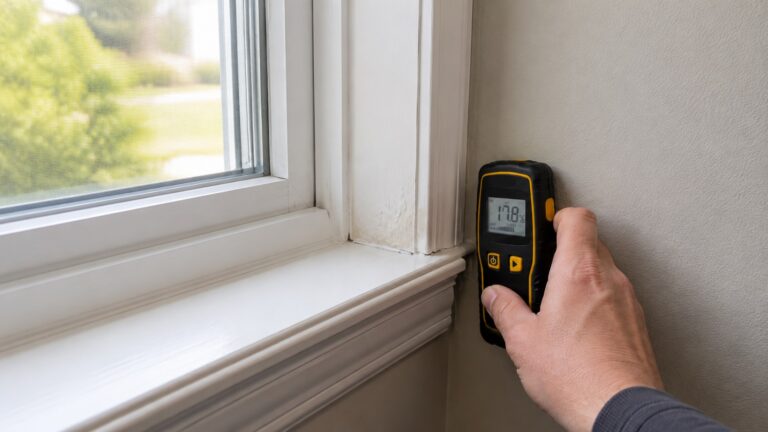
- A moisture meter for checking wood and surfaces
- A hygrometer to measure humidity levels
- A camera or smartphone to document findings
- A measuring tape to track water depth
Record the same locations each time you inspect. Photos, humidity readings, and wood moisture readings are most useful when they show whether the same area is drying, staying wet, or getting worse.
Plan a Clear Inspection Path
Crawl spaces often contain pipes, ducts, and structural supports that make it easy to miss wet areas. Before entering, plan a route that lets you inspect the foundation perimeter, low soil areas, penetrations, and vapor barrier edges without skipping sections.
Before entering, identify:
- The location of foundation walls
- Low points where water may collect
- Utility lines that require careful navigation
- Exit routes in case conditions become unsafe
Once safety steps are complete, inspect the areas where water is most likely to enter or collect.
Use the same inspection order each time: entry point, foundation walls, corners, penetrations, low soil areas, vapor barrier edges, insulation, then structural wood. A repeatable route makes changes easier to notice.
Where to Look First for Water Intrusion
Once entry is safe, inspect the areas most likely to show water first. Water rarely spreads evenly across a crawl space. It follows gravity, soil settlement, wall cracks, and openings around penetrations, so the wettest area may not be the original entry point.
When you find the wettest area, look uphill, outward, and toward nearby walls or penetrations before assuming water entered directly beneath that spot.
Foundation Walls and Corners
Foundation walls are among the most common places to find crawl space water intrusion. During rainfall or snowmelt, exterior moisture can move through cracks, joints, porous masonry, and gaps where materials meet.
Begin your inspection by carefully examining foundation walls, especially near corners. Corners often experience increased stress and may develop small cracks that allow water to pass through.
Look for:
- Dark moisture streaks running vertically
- White mineral deposits (efflorescence)
- Damp patches along wall surfaces
- Water marks that appear after rainfall
- Soil buildup or debris near wall edges
Water patterns on walls provide valuable clues about intrusion direction. If moisture streaks appear repeatedly in the same area, water is likely entering at that location rather than spreading randomly.
Low Points in the Crawl Space Floor
Water naturally flows toward the lowest point available. Even when water enters in small amounts, it gradually moves downward until it collects in depressions or uneven soil areas.
Low areas are often found:
- Near the center of the crawl space
- Along edges where soil has settled
- Near drainage system components
- Adjacent to foundation corners
Carefully inspect these low points for moisture buildup. Even if visible puddles are not present, damp soil or mud formation indicates that water is moving through the crawl space.
If pooling occurs repeatedly in the same location, this may indicate poor drainage conditions that should be reviewed alongside how to inspect crawl space drainage systems, especially when water does not drain naturally.
Pipe and Utility Penetrations
Pipes, wiring, and ventilation ducts pass through foundation walls and floors. These penetration points are vulnerable to water intrusion because they create small gaps where materials meet. Over time, sealants around these openings may degrade, allowing water to enter.
Inspect around:
- Water supply pipes
- Drain lines
- Electrical conduits
- Ventilation ducts
Signs of water intrusion around penetrations include:
- Damp soil surrounding the pipe base
- Rust forming near metal components
- Water stains on nearby materials
- Small drip marks beneath openings
Because water tends to follow gravity, moisture around penetration points often spreads downward along surfaces before collecting in lower areas.
Areas Beneath Exterior Entry Points
Water entering from outside sources often appears beneath locations where exterior drainage systems discharge water. Areas beneath doors, vents, and foundation openings are especially vulnerable to intrusion.
Check beneath:
- Exterior crawl space vents
- Door thresholds
- Downspout discharge zones
- Outdoor hose connections
- Soil or mulch beds that slope toward the foundation
If water appears beneath these areas after rain, exterior drainage may be directing water toward the home instead of away from it. When the pattern gets worse during storms, compare it with why crawl spaces flood during heavy rain.
How to Identify Active Water Entry Points
Detecting water intrusion requires more than locating damp areas. Identifying the exact entry point helps determine whether water intrusion is ongoing or occurred in the past. Active entry points often leave visible trails that indicate the direction water is traveling.
Trace Water Movement Patterns
Water follows gravity, meaning it always moves from higher areas to lower areas. By tracing moisture patterns, you can determine where water is entering and how it travels through the crawl space.
To trace water movement:
- Look for moisture lines that move downward
- Follow damp soil paths toward their origin
- Identify areas where moisture appears to begin
- Check surfaces above wet areas
Tracing patterns helps identify whether water enters through walls, penetrations, or external drainage sources. Moisture trails usually provide clear evidence of entry direction.
Watch for Drip or Seepage Activity
Active water intrusion often appears as slow seepage rather than sudden flooding. Dripping water may occur along walls or beneath penetrations during rainfall events.
Signs of active seepage include:
- Water droplets forming along surfaces
- Moisture collecting beneath cracks
- Water slowly moving down vertical surfaces
- Repeated damp spots after rainfall
If water appears during rain and disappears during dry weather, document the location and check the exterior directly above or outside that area. This usually points to rain-driven entry, drainage discharge, grading problems, or a foundation opening rather than a constant plumbing leak.
Identify Soil Saturation Zones
Soil saturation provides important clues about water movement. When water repeatedly enters the crawl space, soil becomes darker, softer, and more compacted.
Signs of soil saturation include:
- Wet soil remaining soft over time
- Mud formation in localized areas
- Soil that sticks to tools or footwear
- Water pooling just below the surface
Persistent soil saturation often indicates that water is entering faster than it can drain. If these conditions occur repeatedly, prevention measures discussed in how to prevent standing water in crawl spaces may eventually be required.
Identifying entry points is one of the most valuable steps in water intrusion detection. Once likely intrusion areas are identified, using tools and measurement methods helps confirm whether moisture levels are rising or stabilizing.
Tools That Help Detect Water Intrusion
Visual inspection is the foundation of crawl space water detection, but tools make the process more accurate and reliable. Basic measurement tools help confirm whether moisture is present even when water is not clearly visible. Using these tools regularly allows homeowners to track changes over time and recognize worsening conditions.
Flashlights and Headlamps
Strong lighting is essential for detecting subtle moisture signs. A flashlight or headlamp allows you to examine surfaces closely and identify areas where water may be entering.
Lighting tools help reveal:
- Small cracks in foundation walls
- Water stains or streak patterns
- Condensation droplets on surfaces
- Uneven soil moisture patterns
A headlamp is especially useful because it keeps both hands free while inspecting tight spaces. Always carry extra batteries in case lighting fails during inspection.
Moisture Meters
Moisture meters help confirm whether wood or nearby materials are holding moisture even when the surface looks dry. They are most useful when you compare suspected wet areas with drier areas nearby.
Use moisture meters to check:
- Wood joists and beams
- Subflooring materials
- Wall surfaces near suspected intrusion points
- Areas where condensation is visible
Moisture readings that remain elevated over time often indicate ongoing water intrusion rather than temporary dampness. Persistent readings may suggest structural moisture problems that should be monitored carefully.
For wood framing, compare several areas instead of relying on one reading. A consistently higher reading near one wall, corner, or penetration is more important than a single isolated number because it shows where moisture is concentrated.
Humidity Meters (Hygrometers)
Humidity meters help show whether the crawl space air is staying damp after the visible surfaces appear dry. A single high reading is less useful than a pattern that rises after rain or stays elevated for several dry days.
Signs that humidity levels may indicate intrusion include:
- Crawl space humidity that stays high after several dry days
- Humidity that rises sharply after rainfall
- Humidity that is much higher in the crawl space than in nearby indoor areas
Monitoring humidity trends helps detect moisture movement before structural damage develops.
Smartphone Cameras and Documentation
Photographs provide valuable records of crawl space conditions. Taking photos during each inspection allows you to compare changes over time and identify patterns that might otherwise be missed.
Photographs should capture:
- Foundation walls
- Low soil areas
- Pipe penetrations
- Moisture stains or damp surfaces
Documenting the same areas over time makes it easier to see whether water intrusion is drying out, returning, or spreading.
How to Confirm Hidden Water Intrusion
Some water intrusion problems remain hidden beneath materials or inside structural spaces. Confirming hidden intrusion requires careful inspection of areas that commonly conceal moisture. These checks help determine whether water is present even when visible puddles are not detected.
Check Beneath Vapor Barriers
Vapor barriers are designed to prevent moisture from rising through soil. However, water may still collect beneath or above these barriers if drainage fails.
Signs of hidden water beneath vapor barriers include:
- Bulging or lifted plastic surfaces
- Water trapped beneath plastic sheets
- Wrinkled or floating barrier materials
- Damp soil beneath barrier edges
If vapor barriers show signs of trapped water, intrusion may be occurring from groundwater or exterior sources.
Do not tear up a sealed or encapsulated vapor barrier just to inspect beneath it. Check edges, seams, lifted areas, and visible trapped water first. If the barrier is part of an encapsulation system, have the system evaluated before cutting or removing material.
Inspect Structural Wood Carefully
Wood surfaces provide reliable clues about moisture conditions. Hidden intrusion often appears as subtle changes in wood appearance or texture.
Watch for:
- Darkened wood surfaces
- Soft or spongy wood texture
- Unusual staining patterns
- Persistent dampness near wood joints
These changes indicate that moisture is interacting with structural components. If deterioration is suspected, comparing findings with signs of moisture damage in crawl space joists can help determine whether damage is progressing.
Monitor Recurring Moisture Patterns
Water intrusion often follows repeating patterns tied to rainfall or seasonal weather changes. Observing how moisture appears over time helps identify whether intrusion is ongoing.
Recurring patterns may include:
- Damp areas appearing after storms
- Moisture returning to the same location
- Humidity spikes during rainy periods
- Soil remaining wet long after rainfall ends
When recurring patterns appear, the underlying causes may be linked to conditions described in why crawl spaces flood during heavy rain, particularly when water enters during heavy weather.
When Detection Indicates a Serious Problem
Some crawl space moisture can be monitored briefly, but certain findings mean the problem has moved beyond routine observation. Treat these conditions as signs that the water source needs prompt attention.
Water Flow Becomes Visible
Visible water movement inside the crawl space indicates active intrusion. This may appear as dripping water, flowing moisture, or repeated pooling after rainfall.
Signs of serious intrusion include:
- Continuous water dripping from walls
- Water flowing across soil surfaces
- Rapid formation of puddles
- Moisture spreading into new areas
Active water flow requires prompt attention because it usually indicates an ongoing source of intrusion.
Moisture Levels Continue Rising
When humidity or moisture readings increase over time, the problem is likely worsening rather than stabilizing. Rising moisture levels indicate that water intrusion is ongoing.
Indicators of rising moisture levels include:
- Increasing humidity readings
- New damp areas appearing
- Expanding water stains
- Growing areas of mold risk
- The same wood, soil, or insulation area remains damp across multiple inspections
If moisture continues spreading, early intervention becomes increasingly important.
Structural Materials Begin Showing Damage
Water intrusion becomes dangerous when structural materials begin deteriorating. Damage at this stage often signals long-term moisture exposure.
Warning signs include:
- Softened wood framing
- Persistent mold growth
- Rust formation on metal components
- Insulation collapse
If structural damage appears, professional evaluation should be considered immediately.
When to Call a Professional Inspector
Some water intrusion problems exceed the scope of routine homeowner inspections. Professional inspectors use specialized equipment to identify hidden moisture sources and determine appropriate solutions.
Consider professional assistance if:
- Water intrusion occurs repeatedly
- Water entry points cannot be located
- Structural materials show signs of damage
- Mold growth is suspected
- Electrical hazards are present
A professional inspection is especially important when the same area keeps getting wet, water appears near electrical components, wood feels soft, or you cannot trace the entry point. If the problem appears related to drainage components, use how to inspect crawl space drainage systems as the more specific next-step guide.
Frequently Asked Questions About How to Detect Water Intrusion in Crawl Spaces
How often should crawl spaces be inspected for water intrusion?
Inspect at least twice per year, and add a comparison check after heavy rain. A dry-weather inspection gives you a baseline, while a post-rain inspection shows whether the same walls, corners, soil areas, or penetrations become wet again.
Can water intrusion occur without visible puddles?
Yes. Early intrusion often appears as damp soil, wall stains, trapped water under vapor barrier edges, damp insulation, or elevated wood moisture readings before puddles form.
What tools are most useful for detecting crawl space water intrusion?
A flashlight or headlamp, moisture meter, hygrometer, and camera are the most useful basic tools. Use them in the same locations each time so you can tell whether moisture is drying, returning, or spreading.
How do you trace where water is coming from?
Tracing water movement involves following moisture patterns upward to their origin. Look for moisture streaks, soil saturation paths, and recurring damp areas that indicate water entry points.
Is it safe to inspect a wet crawl space?
Entering a wet crawl space may be unsafe, especially if electrical components are present. If standing water or electrical hazards are visible, professional evaluation is recommended before entry.
Conclusion
The best way to detect crawl space water intrusion early is to inspect the same areas repeatedly: foundation walls, corners, penetrations, low soil areas, vapor barrier edges, insulation, and structural wood. Look for patterns that return after rain rather than relying only on visible puddles.
If damp areas keep returning, moisture readings rise, or wood and insulation begin showing damage, stop treating the issue as normal crawl space dampness. Trace the source, compare conditions after the next rain, and bring in professional help if the entry point is unclear or the same materials keep staying wet.