Can Mold Cause Persistent Coughing?
Yes, mold can contribute to persistent coughing in some people, especially those who are allergic to mold, sensitive to damp indoor air, or living with asthma or another respiratory condition. Mold may irritate the throat and airways, trigger allergy symptoms, worsen postnasal drip, or aggravate asthma. However, persistent coughing can also come from infections, reflux, smoking, dry air, medications, dust, pets, pollen, or other medical causes, so mold should be judged by the full symptom pattern and the condition of the home.
The strongest clue is whether the cough lines up with a damp or musty indoor environment. If you cough more in a basement, bedroom, bathroom, crawl-space-adjacent room, or area with visible mold or water damage, mold may be one possible trigger. If coughing appears with congestion, throat irritation, itchy eyes, wheezing, or other common symptoms of mold exposure, the connection becomes more worth investigating.
Still, a persistent cough should not be blamed on mold automatically. A cough that lasts, worsens, disrupts sleep, appears with breathing trouble, or does not improve away from the suspected area deserves medical attention. The safest approach is to evaluate both sides of the problem: the person’s symptoms and the home conditions that may be irritating the air.
This article focuses specifically on persistent coughing. For the broader connection between mold exposure, indoor air, and health symptoms, see the full mold exposure and indoor air quality guide.
How Mold Can Trigger a Cough
Mold-related coughing can happen through several overlapping pathways. In a real home, the cough may come from a mix of mold spores, damp dust, sinus drainage, stale air, high humidity, HVAC airflow, and personal sensitivity.
Public health guidance notes that mold can cause coughing, wheezing, throat irritation, and asthma-related problems in some people, but symptoms vary by person and should be evaluated medically when they persist or worsen.
Mold allergy and throat irritation
Some people are allergic to mold. When mold spores are inhaled, the immune system may react with sneezing, congestion, runny nose, itchy eyes, throat irritation, or coughing. In this pattern, the cough often appears with other allergy symptoms instead of appearing completely by itself.
For example, coughing that appears in a musty basement or after sleeping in a damp bedroom is more suspicious when the room also has visible mold, moisture damage, or a persistent musty odor.
This kind of cough overlaps with broader allergy symptoms. If your cough appears with sneezing, itchy eyes, congestion, or skin irritation, the related guide on mold-related allergic reactions may help explain the larger pattern.
Postnasal drip from sinus irritation
Mold-related nasal or sinus irritation can lead to postnasal drip. When mucus drains down the back of the throat, it can trigger throat clearing, hoarseness, a tickle in the throat, or coughing. This may be more noticeable at night, after lying down, or first thing in the morning.
For example, if you sleep in a musty room and wake up congested with a dry cough, the cough may be partly related to sinus drainage. If your main symptoms are nasal congestion, sinus pressure, runny nose, or postnasal drip, the article on mold-related sinus problems covers that upper-airway side in more detail.
Airway irritation from moldy indoor air
Moldy indoor air can irritate the throat and airways even in people who do not have a confirmed mold allergy. Damp rooms may contain mold fragments, musty dust, particles from deteriorated materials, and other irritants that become airborne when the room is used, cleaned, or disturbed.
This kind of cough may feel dry, tickly, or triggered by a specific room. It may become worse when you enter a basement, open a musty closet, move stored boxes, run an HVAC system, or clean a moldy surface. If the air itself feels stale, damp, or irritating, mold may be only one part of a broader indoor air quality problem.
Asthma or reactive airway flare-ups
Mold can also aggravate asthma symptoms in some people. In that case, coughing may appear with wheezing, chest tightness, shortness of breath, or symptoms that worsen at night, with exercise, or after exposure to damp indoor air.
This is important because an asthma-related cough should not be treated as a simple mold nuisance. If coughing appears with wheezing, chest tightness, or breathing difficulty, review the separate guide on mold and asthma symptoms and seek medical guidance when symptoms are significant or recurring.
Signs Your Cough May Be Related to Mold
A cough is more suspicious for mold involvement when it follows a repeatable exposure pattern: worse in a musty bedroom, damp basement, moldy storage area, or when an HVAC system connected to a moisture problem runs.
Symptoms alone cannot prove mold is the cause. Look at where the cough happens, when it improves, whether other symptoms appear with it, and whether the home has visible mold, water damage, condensation, or musty odors.
The cough is worse in damp or musty rooms
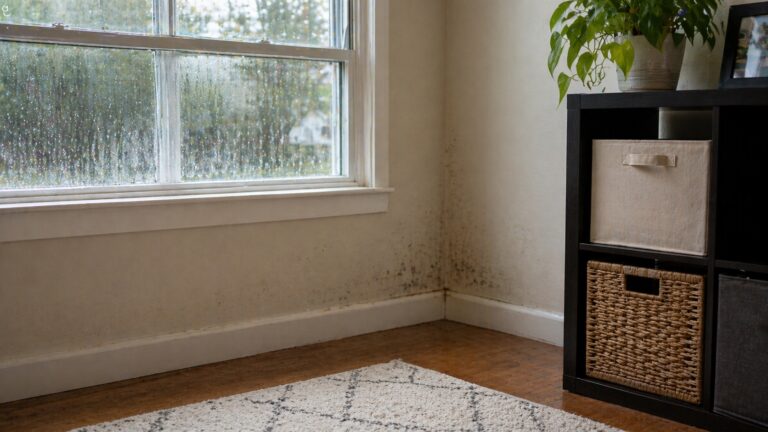
A strong clue is that coughing gets worse in specific areas of the home. This may happen in a basement, bathroom, laundry room, crawl-space-adjacent room, closet, bedroom, or any space with a history of leaks or high humidity. If the cough appears in one area and improves elsewhere, the room environment deserves a closer look.
Common room-level clues include visible mold, musty odors, old water stains, damp carpet, recurring window condensation, stained ceiling areas, swollen trim, or stored items that smell moldy. These signs suggest that moisture has been present long enough to affect materials and indoor air quality.
For example, if you cough every time you sort through boxes in a damp basement, the trigger may be mold, dust, musty cardboard, or particles released from stored items. If you cough mostly after sleeping in one bedroom, the issue may involve bedding, carpet, window moisture, HVAC airflow, or hidden dampness.
The cough improves away from home
Another useful clue is whether the cough repeatedly improves away from the suspected environment. One good day away from home does not prove mold is involved, but a cough that consistently improves outside the house and returns indoors points toward an indoor trigger such as mold, dust mites, pets, smoke, fragrances, dry air, or HVAC problems.
If you are trying to decide whether the cough fits a larger indoor pattern, compare it with the broader guide on whether mold may be making you sick. Symptom patterns can suggest a possible connection, but they cannot diagnose the cause by themselves.
Coughing appears with sinus, eye, or allergy symptoms
Mold-related coughing often appears with other allergy or irritation symptoms. These may include sneezing, congestion, postnasal drip, itchy eyes, watery eyes, throat irritation, wheezing, or skin itching. When several symptoms appear in the same damp or musty space, mold becomes more plausible as one possible trigger.
For example, a cough plus postnasal drip in a musty bedroom may point toward upper-airway irritation. A cough plus itchy eyes in a damp basement may fit an allergy-like pattern. A cough plus wheezing or chest tightness is more concerning and should be treated as a breathing or asthma-related issue, not just a mold cleanup issue.
The more symptoms cluster around the same environment, the more important it is to investigate the home. But the same symptom cluster can also come from pollen, dust mites, pets, smoke, chemical irritants, respiratory infections, or asthma. Mold is one possible explanation, not the only one.
The cough started after water damage or mold growth
A cough that begins or worsens after a leak, flood, roof problem, basement seepage, HVAC overflow, or visible mold growth deserves attention. Water-damaged materials can support mold growth if they remain damp, and contaminated dust or particles may continue to affect the room even after the surface looks dry.
Pay attention to timing. Did the cough begin after a bathroom ceiling stayed wet? Did it worsen after a basement flood? Did symptoms appear after carpet, drywall, insulation, or furniture got damp? Did coughing increase after cleaning mold or moving stored items?
If the timeline connects coughing with a moisture event, the home should be inspected for remaining dampness, hidden mold, and contaminated materials. Cleaning visible mold without correcting the source may only provide temporary improvement.
Mold Cough vs Cold, Infection, Asthma, or Reflux
A mold-related cough can overlap with several other conditions, so it is important not to rely on guesswork. The pattern of the cough can help you decide whether mold is plausible, but it cannot replace medical evaluation when symptoms are persistent, severe, or worsening.
A mold allergy or irritation cough is more likely when it comes and goes with exposure. It may be worse in damp or musty spaces, appear with sneezing or congestion, improve away from the home, or flare after disturbing moldy materials. It may feel dry, tickly, or related to throat clearing.
A cold or infection-related cough may follow an illness and may come with fever, body aches, fatigue, worsening symptoms, chest discomfort, or mucus changes. If the cough continues after leaving the home or worsens over time, do not assume the house is the only issue.
If the main question is whether your symptoms look more like a mold allergy or a respiratory illness, compare the pattern with mold allergy symptoms vs cold symptoms.
An asthma-related cough may appear with wheezing, chest tightness, shortness of breath, or symptoms that worsen at night, with exercise, or around triggers. Mold may aggravate asthma in some people, but asthma symptoms need medical management.
A reflux-related cough may be worse after meals, worse when lying down, or associated with heartburn, sour taste, hoarseness, or frequent throat clearing. This can overlap with nighttime coughing, so the bedroom environment is not always the only possible explanation.
When a Persistent Cough Is Probably Not Just Mold
Mold can be one possible trigger for coughing, but a persistent cough should not be treated as a mold issue by default. Coughing can come from respiratory infections, asthma, reflux, smoking, vaping, dry air, medication side effects, allergies, dust, pets, workplace irritants, chronic lung conditions, or other medical causes.
This matters because visible mold can become the most obvious suspect, even when another cause is driving the cough. If you already know the home has mold, it is easy to connect every cough to that mold. But the longer a cough lasts, the more important it becomes to evaluate both the environment and the person’s health.
Mold is less likely to be the only explanation if the cough began with fever, body aches, fatigue, or a clear respiratory illness. It is also less certain if the cough is strongly tied to meals, lying down after eating, smoke exposure, workplace exposure, outdoor pollen season, or a medication change.
Be especially careful with warning signs. Seek medical guidance if the cough is severe, worsening, persistent, producing blood, associated with chest pain, accompanied by shortness of breath, linked with wheezing, or combined with fever, unexplained weight loss, night sweats, or significant fatigue. Do not treat those symptoms as something you can solve only by cleaning mold or buying an air purifier.
What to Do If You Think Mold Is Making You Cough
If you suspect mold is contributing to coughing, reduce exposure while you investigate the moisture source. Cleaning visible mold may not help for long if the room stays damp, musty, or contaminated with moldy dust and materials.
Reduce exposure to the suspected area
If coughing is worse in one room, limit time there until you understand the source. This is especially important if the area has visible mold, musty odor, damp carpet, water-stained drywall, recurring condensation, or stored items that smell moldy.
For example, if coughing gets worse every time you enter a basement storage room, avoid sorting through old boxes until you have protection and a plan. If you cough after sleeping in a musty bedroom, consider whether bedding, carpet, window condensation, HVAC airflow, or hidden moisture could be part of the problem.
If the cough improves away from the suspected area and returns when you go back, the room deserves a closer inspection.
Avoid disturbing moldy materials
Do not scrub, scrape, vacuum, or fan-dry moldy materials without thinking about where the particles will go. Disturbing mold can release spores, fragments, musty dust, and debris into the air. Those particles can irritate the nose, throat, and lungs, especially in sensitive people.
This is especially important when handling moldy cardboard, damp carpet, stored fabrics, insulation, drywall, ceiling tiles, or furniture. Wear appropriate protection, avoid breathing dust from contaminated materials, keep moldy items away from clean living areas, and avoid blowing air across suspected mold growth. If the material may be contaminated by sewage, floodwater, or long-standing dirty water, stop DIY cleanup and get professional guidance.
If mold covers a large area, keeps returning, involves porous building materials, or may be inside walls or HVAC components, repeated DIY cleaning may not be the right approach. A mold professional may be needed to identify the moisture source and prevent the same exposure from returning.
Fix the moisture source
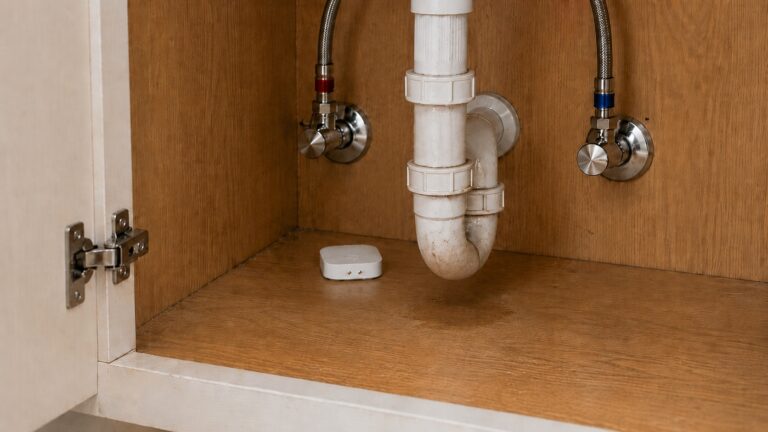
Mold grows because moisture is present. If you only wipe away visible mold without correcting the damp condition, the same problem can return. The source may be high humidity, condensation, plumbing leaks, roof leaks, basement seepage, damp carpet, poor ventilation, HVAC drainage issues, or wet materials that never dried fully.
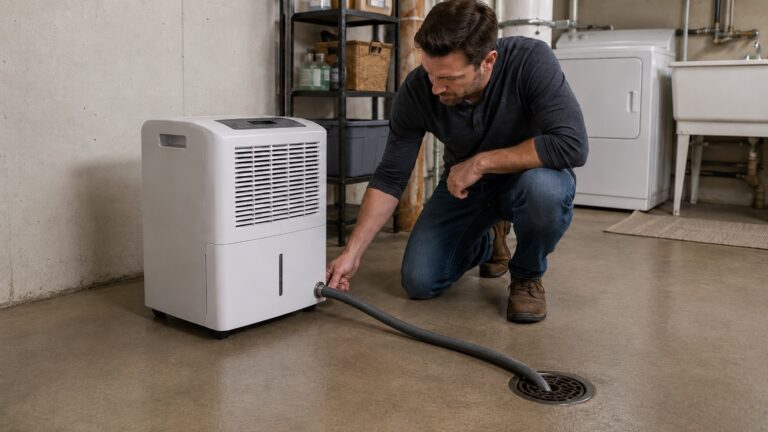
Look for the reason the area became damp. In bathrooms, check ventilation, shower moisture, ceiling condensation, and leaks around fixtures. In basements, look for seepage, high humidity, damp carpet, poor drainage, or stored items against cool walls. In bedrooms, inspect window condensation, exterior wall moisture, HVAC airflow, and musty closets.
If mold and coughing seem connected, moisture control is the long-term solution. Cleaning visible mold may reduce exposure temporarily, but the real goal is to stop the moisture pattern that keeps feeding mold growth. The broader guide on how to find, fix, and prevent moisture problems in homes can help you trace that larger source.
Clean or remove contaminated materials safely
Some hard, nonporous surfaces with small areas of surface mold may be cleaned with proper precautions. Porous materials are more complicated. Carpet, padding, ceiling tiles, insulation, cardboard, fabric, upholstery, and unfinished wood can hold moisture, spores, and musty dust below the surface.
If coughing flares when certain materials are moved or handled, those materials may be part of the exposure problem. Moldy cardboard boxes, damp rugs, musty clothing, and water-damaged fabrics should not be stored in bedrooms or main living areas without cleaning, drying, removal, or evaluation.
Be careful with cleanup products. Strong cleaners, bleach fumes, fragrances, and disinfectant sprays can irritate the throat and lungs even when mold is not the main trigger. Never mix cleaning chemicals, and do not assume stronger chemical odor means better indoor air safety.
Use filtration as support, not as the main fix
Air filtration may help reduce airborne particles in some situations, especially when mold-contaminated dust, allergens, or other indoor particles are part of the problem. However, an air purifier does not remove mold from walls, carpet, insulation, HVAC components, or damp building materials.
If you use filtration, treat it as a support step while you fix moisture and remove contaminated materials when needed. A purifier may reduce what is floating in the air, but it cannot solve a wet wall, a leaking pipe, a damp basement, or a moldy carpet pad.
If filtration is part of your plan, choose equipment based on room size, filter type, and realistic use. Source control should still come first because filtration cannot remove mold growth from damp building materials.
Track the symptom pattern
Tracking the cough pattern can help you separate a possible indoor trigger from a random symptom. Note when the cough is worse, where you were, whether the HVAC system was running, whether you were cleaning or moving stored items, and whether other symptoms appeared at the same time.
Also note when the cough improves. If it improves away from the home, away from a certain room, or after avoiding a damp area, that pattern may help you decide where to inspect. If the cough continues regardless of location, the home may not be the only issue.
A simple symptom log cannot diagnose mold exposure or medical disease, but it can make conversations with a doctor, allergist, or mold professional more useful.
When to Call a Doctor or Mold Professional
You should call a doctor, allergist, pulmonologist, or other qualified healthcare professional if a cough is persistent, worsening, severe, or difficult to explain. You should also seek medical guidance if the cough appears with wheezing, chest tightness, shortness of breath, fever, chest pain, coughing up blood, significant fatigue, unexplained weight loss, night sweats, or symptoms that disrupt sleep or daily activity.
This is especially important for children, older adults, people with asthma, people with chronic lung disease, and people with weakened immune systems. Mold may be one possible trigger in a damp home, but a cough that lasts or worsens should not be handled only as a building problem.
A mold professional may be needed when there is widespread visible mold, hidden mold behind walls, mold in HVAC components, a strong musty odor with no visible source, recurring water damage, damp insulation, contaminated carpet, or mold that keeps returning after cleaning. If more than one person coughs or feels irritated in the same damp area, the indoor environment deserves closer attention.
If coughing comes with broader breathing symptoms such as wheezing, chest tightness, or shortness of breath, review the related guide on mold-related breathing problems. If asthma is already part of the picture, the separate article on mold and asthma symptoms is the better page for that specific risk.
How to Prevent Mold-Related Coughing From Returning
Preventing mold-related coughing depends on reducing exposure and correcting the moisture conditions that allow mold to grow. If the home stays damp, musty, or water-damaged, coughing may keep returning even after visible mold is wiped away.
Start with the rooms where coughing actually happens. Bathrooms, basements, laundry rooms, closets, and damp bedrooms often need better ventilation, lower humidity, drier stored items, or faster cleanup of wet surfaces.
Then correct the water source. Plumbing leaks, roof leaks, window condensation, basement seepage, damp flooring, and HVAC drainage issues can keep feeding mold growth even after visible mold is wiped away.
Keep dust and stored materials under control. Mold-contaminated dust, musty clothing, old cardboard, damp rugs, and stored fabrics can continue to irritate the nose, throat, and airways even after the obvious mold source is removed. Clean, dry, remove, or relocate items that repeatedly smell musty.
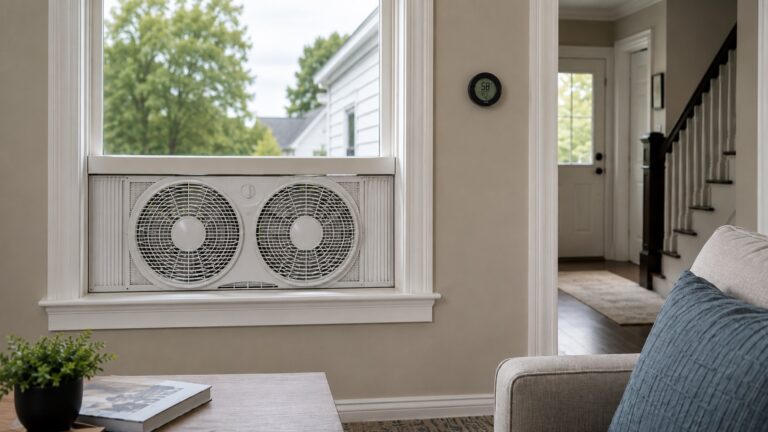
Pay close attention to HVAC patterns. If coughing worsens when the heating or cooling system turns on, the issue may involve dust, dirty filters, duct moisture, air handler moisture, or mold-contaminated airflow. Replacing a filter may help with dust, but it will not fix wet ductwork, a clogged drain line, or mold growth inside the system.
Finally, watch for recurring patterns. If coughing returns every time you sleep in one room, enter a basement, open a closet, or run a certain HVAC zone, do not ignore that clue. The goal is to reduce exposure, find the moisture source, and keep mold-prone materials dry enough that the same coughing trigger does not keep returning.
Key Takeaways
- Mold can contribute to coughing in some allergic or sensitive people through throat irritation, postnasal drip, airway irritation, or asthma flare-ups.
- A cough is more suspicious for mold involvement when it worsens in damp, musty, or visibly moldy rooms.
- Persistent coughing should not automatically be blamed on mold.
- Wheezing, chest tightness, shortness of breath, fever, chest pain, coughing up blood, or worsening symptoms need medical evaluation.
- Air purifiers may reduce airborne particles, but they do not fix mold growth or moisture sources.
- Fixing the moisture source is the most important step for preventing mold-related coughing from returning.
FAQs About Mold and Persistent Coughing
Can mold make you cough?
Yes, mold can make some people cough by triggering allergy symptoms, irritating the throat and airways, worsening postnasal drip, or aggravating asthma. Mold is more suspicious when coughing happens in damp, musty, or visibly moldy rooms and improves away from the home.
Can mold cause a dry cough?
Yes, moldy indoor air may contribute to a dry, tickly, or irritated cough in sensitive people. However, dry cough can also come from viral illness, asthma, reflux, dry air, smoke, medications, or other medical causes.
Can mold cause coughing at night?
Yes, mold may contribute to nighttime coughing if the bedroom is damp, musty, or affected by hidden moisture. Postnasal drip can also worsen when lying down. However, nighttime cough can also come from asthma, reflux, dry air, or respiratory illness.
Can mold cause postnasal drip and coughing?
Yes, mold-related nasal or sinus irritation may contribute to postnasal drip, which can trigger throat clearing or coughing. If congestion, sinus pressure, and drainage are the main symptoms, review the separate guide on whether mold can cause sinus problems.
Can hidden mold cause coughing?
Hidden mold or damp materials may contribute to coughing if they affect indoor air quality, but symptoms alone cannot prove hidden mold is present. Look for building clues such as musty odors, water stains, damp carpet, recurring humidity, HVAC moisture, or symptoms that worsen in specific rooms.
Can mold cause chronic coughing?
Mold may contribute to chronic or recurring coughing when exposure continues in a damp or moldy home, especially in people with allergies, asthma, or airway sensitivity. However, chronic cough has many possible causes and should be evaluated by a healthcare professional, especially when it persists, worsens, or appears with breathing symptoms.
Should I see a doctor for coughing in a moldy home?
Yes, see a doctor if the cough is persistent, worsening, severe, or difficult to explain. Seek medical guidance promptly if coughing appears with wheezing, chest tightness, shortness of breath, fever, chest pain, coughing up blood, significant fatigue, unexplained weight loss, or symptoms that disrupt sleep or daily activity.
Will coughing stop after mold is removed?
Coughing may improve if mold exposure was one of the triggers and the moisture source is corrected. However, the cough may continue if hidden mold remains, contaminated dust is still present, damp materials were not removed, or the cough has another medical cause.