
Who Is Most Sensitive to Mold Exposure?
People most sensitive to mold exposure include those with asthma, mold allergies, chronic lung disease, weakened immune systems, infants, young children, older adults with respiratory or immune concerns, and anyone whose symptoms repeatedly worsen in damp or musty indoor spaces.
Mold does not affect everyone the same way. One person may notice little reaction in a damp room, while another may develop coughing, wheezing, congestion, eye irritation, skin irritation, or worsening asthma symptoms. That is why household mold risk should be judged by who is exposed, how often exposure happens, and where the mold is located.
A small spot in a rarely used area may be less urgent for a healthy adult with no symptoms. The same problem deserves faster attention if it is in a child’s bedroom, near someone with asthma or chronic lung disease, or in a room used by someone with a weakened immune system.
This article explains which groups are more likely to react to mold exposure, why some people need extra caution, and what homeowners should do when a sensitive person is living in a moldy or damp home. For the broader mold and indoor air framework, see the Mold Exposure and Indoor Air Quality: Complete Home Guide.
Who Is Most Likely to React to Mold Exposure?
The people most likely to react to mold exposure are usually those whose airways, immune system, or allergy response are already more vulnerable. This includes people with asthma, mold allergies, chronic respiratory disease, immune compromise, infants, young children, older adults with health vulnerabilities, and people who consistently feel worse in damp indoor spaces.
Mold exposure can irritate the nose, throat, eyes, skin, and lungs. In people with asthma or allergies, it may trigger stronger reactions. In people with chronic lung disease or weakened immune systems, significant mold exposure deserves more caution because their ability to tolerate or respond to environmental irritants may be reduced.
The CDC notes that people with asthma or mold allergies may have stronger reactions to mold, and people with weakened immune systems or chronic lung disease may be at higher risk from mold exposure.
The key point is that sensitivity is not the same as guaranteed illness. A person with allergies will not necessarily become sick from every small mold spot, and a healthy adult can still react to a serious mold problem. Sensitivity simply means the person may have a lower practical threshold for exposure.
That lower threshold matters most when mold is in a room where the sensitive person spends a lot of time. Bedrooms, nurseries, living rooms, home offices, bathrooms, and HVAC-connected areas are more important than rarely used storage spaces because exposure may happen repeatedly or for many hours at a time.
If you are trying to understand the overall seriousness of mold exposure, see How Dangerous Is Mold Exposure?. If your main question is how much exposure is too much, see How Much Mold Exposure Is Too Much?.
Why Some People Are More Sensitive to Mold Than Others
Mold sensitivity varies because people have different immune responses, airway sensitivity, allergy history, lung health, and exposure patterns. The same damp room can feel harmless to one person and irritating to another. That does not mean one person is exaggerating. It means their body may be responding differently to the same indoor environment.
Airway Sensitivity
People with sensitive airways may react more strongly to mold, dampness, dust, odors, and other indoor irritants. Mold particles and damp indoor air can irritate the throat, nose, and lungs. This may lead to coughing, throat irritation, wheezing, chest tightness, or a feeling that the air is heavy or stale.
Airway sensitivity matters most in rooms where exposure is repeated. A moldy closet may be less important if the door stays closed and nobody spends time there. Mold in a bedroom or living room is different because the sensitive person may breathe that air for hours every day.
Allergy Response
People with mold allergies or strong allergy sensitivity may react with symptoms that resemble seasonal allergies or a cold, including sneezing, congestion, runny nose, itchy or watery eyes, throat irritation, or skin irritation.
The pattern can be more useful than a single symptom. If symptoms worsen in a certain room, after sleeping, after entering a basement, or after the HVAC system runs, the indoor environment is worth investigating. For a broader symptom overview, see Common Symptoms of Mold Exposure in Homes.
Existing Health Conditions
Existing asthma, chronic lung disease, immune compromise, and recurring respiratory problems can lower a person’s tolerance for moldy or damp environments. These groups should be more cautious around mold that is large, hidden, recurring, flood-related, or located near air movement.
In these situations, the household should not judge risk by whether everyone else feels fine. The person with the most sensitivity should guide the response. If the sensitive person is symptomatic, the situation deserves more urgency.
Amount and Duration of Exposure
Sensitivity also depends on how much exposure is happening. A sensitive person may tolerate brief contact with a low-level issue but react when exposure is repeated every day. Sleeping in a moldy room, working in a musty home office, or spending hours in a damp basement creates a different exposure pattern than briefly walking through an affected area.
The longer the exposure continues, the more important it becomes to correct the moisture source. Mold risk is not only about the visible growth. It is also about the damp condition that allows growth to continue.
Active Moisture Conditions
Mold problems are usually moisture problems first. A sensitive person may be reacting not only to visible mold but also to a damp indoor environment with odors, particles, dust, and other irritants. If the moisture source continues, the exposure can continue too.
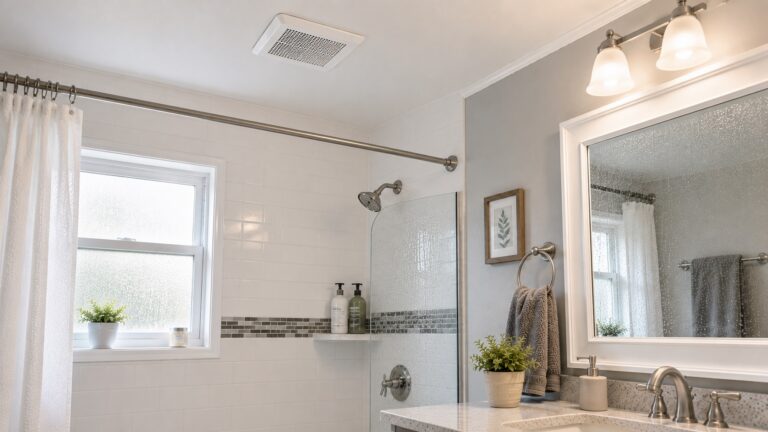
Common sources include plumbing leaks, roof leaks, condensation, poor bathroom ventilation, basement seepage, crawl space dampness, HVAC condensation, wet insulation, and high indoor humidity. Protecting sensitive people requires correcting those conditions, not simply covering stains or filtering the air. For the broader moisture-control framework, see How to Find, Fix, and Prevent Moisture Problems in Homes.
People With Asthma
People with asthma are one of the most important groups to protect from mold exposure. Moldy and damp indoor environments can irritate sensitive airways and may contribute to coughing, wheezing, chest tightness, shortness of breath, nighttime symptoms, or asthma flare-ups in some people.
The risk is higher when mold is in a bedroom, near a frequently used living area, or close to HVAC airflow. A person with asthma may spend many hours breathing air from the same room, especially while sleeping. If that room has visible mold, musty odor, damp carpet, water stains, or recurring condensation, the exposure should not be treated casually.
If someone with asthma feels worse in a moldy or musty room, reduce exposure while the source is being investigated. Use another sleeping area when practical, avoid disturbing moldy materials, and do not blow fans directly across visible mold. If asthma symptoms are significant, worsening, affecting sleep, or involving breathing difficulty, medical guidance is important.
For a more focused explanation of asthma-related concerns, see Can Mold Cause Asthma Symptoms?.
People With Mold Allergies or Strong Allergy Sensitivity
People with mold allergies may react more quickly than others. Their symptoms may resemble seasonal allergies, a cold, or sinus irritation, especially when they repeatedly appear in the same damp or musty space.
The most useful clue is often timing. If symptoms repeatedly get worse in a damp room, after sleeping in a certain bedroom, after entering a musty basement, or after the HVAC system runs, mold or dampness may be one of the indoor triggers worth investigating.
Allergy-like symptoms do not prove mold is the only cause. Dust mites, pollen, pet dander, smoke, cleaning chemicals, and ordinary viral infections can create similar symptoms. Still, a repeated pattern in a damp or moldy space should not be ignored.
Households with allergy-sensitive people should correct mold and moisture problems earlier rather than waiting for the growth to spread. A small, isolated patch may be manageable if the moisture source is corrected. Recurring mold, musty odor, or mold in a bedroom should prompt a more cautious response.
For a deeper look at this topic, see Can Mold Cause Allergic Reactions?.
People With Chronic Lung Disease
People with chronic lung disease should be more careful around indoor mold, especially when the mold problem is large, recurring, hidden, or caused by long-term moisture. Their lungs may already be less able to tolerate irritants, damp air, odors, dust, and airborne particles.
A person with chronic lung disease should not be expected to stay in a heavily moldy room, sleep near active growth, or help clean moldy materials. This is especially true when the mold involves drywall, carpet padding, insulation, ceiling material, crawl spaces, HVAC systems, or areas affected by flooding or long-term leaks.
The safest approach is to reduce exposure first, then address the home problem. If symptoms worsen, breathing becomes more difficult, or the person has a known lung condition, medical guidance should be part of the decision. This article does not replace a healthcare provider’s advice for someone with a serious respiratory condition.
People With Weakened Immune Systems
People with weakened immune systems also deserve extra caution around mold exposure. This can include people receiving certain medical treatments, people with immune-suppressing conditions, transplant recipients, and others whose healthcare provider has told them they are immunocompromised.
For these households, significant mold should not be handled as a simple cosmetic issue. Large mold areas, hidden growth, recurring mold, mold after flooding, or mold in HVAC-connected spaces should be taken seriously because exposure and cleanup disturbance may create added risk.
An immunocompromised person should avoid spending time in areas with visible mold, strong musty odor, or disturbed moldy materials whenever practical. They also should not participate in mold cleanup unless a healthcare provider has said it is safe and the cleanup is appropriate for the situation.
If an immunocompromised person has symptoms after mold exposure, the household should seek medical guidance rather than guessing whether the symptoms are mold-related. Home cleanup and professional remediation may be important, but they do not replace medical advice for a higher-risk person.
For a broader risk-threshold discussion, see When Mold Exposure Becomes a Serious Health Risk.
People With Repeated Sinus, Cough, or Breathing Symptoms
Some people may not have a formal diagnosis of asthma, allergies, lung disease, or immune compromise, but they still notice that they react strongly in damp indoor spaces. They may develop repeated congestion, sinus pressure, coughing, throat irritation, eye irritation, headaches, or breathing discomfort in certain rooms.
This pattern matters. A person whose symptoms repeatedly worsen in a musty bedroom, damp basement, moldy bathroom, or HVAC-connected room may be more sensitive to that indoor environment. The symptoms may not prove mold is the only cause, but they are a reason to investigate moisture and reduce exposure.
If symptoms improve away from the home and return when the person comes back, document the pattern for one to two weeks. Note the rooms involved, time of day, HVAC use, visible mold, musty odor, water stains, recent leaks, and whether symptoms are worse after sleeping. This can help both a healthcare provider and a home inspector understand the situation without assuming mold is the only cause.
For adult-specific symptom patterns, see Mold Exposure Symptoms in Adults.
Infants, Children, and Older Adults
Infants, young children, and some older adults may deserve extra caution around mold exposure, especially when mold is in rooms where they sleep, play, rest, or spend many hours each day. The concern is not that every small mold spot automatically causes serious harm. The concern is that these groups may have less tolerance for poor indoor air quality, especially when mold exposure overlaps with asthma, allergies, chronic respiratory issues, or immune vulnerability.
Infants and Young Children
Children can be more exposed than adults because they often spend long periods indoors, sleep many hours in the same room, and may play close to floors, carpets, baseboards, closets, and lower wall areas where moisture problems can appear. Mold in a nursery, child’s bedroom, playroom, or schoolwork area should be handled more cautiously than mold in a rarely used storage space.
Parents should pay attention to repeated coughing, wheezing, congestion, irritated eyes, skin irritation, or symptoms that seem worse after sleeping in a specific room. These symptoms do not prove mold is the only cause, but they do justify investigating the room for visible mold, musty odor, condensation, damp carpet, window leaks, roof leaks, or hidden moisture.
This article only summarizes child sensitivity as one high-risk group. For the full child-focused guide, see Are Children More Sensitive to Mold Exposure?. For symptom-specific guidance, see Mold Exposure Symptoms in Children.
Older Adults
Older adults may need extra caution when mold exposure overlaps with chronic lung disease, asthma, immune weakness, reduced mobility, or a lot of time spent indoors. Age alone does not mean every older adult will react strongly to mold, but health conditions and reduced ability to avoid affected rooms can increase concern.
For example, an older adult who sleeps in a room with musty odor, damp carpet, visible wall mold, or mold near an HVAC vent may be exposed for many hours each day. If that person also has respiratory disease or persistent coughing, the household should treat the mold and moisture problem more seriously.
How Sensitive People Should Respond to Mold in the Home
When a sensitive person is exposed to mold, the first goal is to reduce exposure while the moisture source and cleanup plan are evaluated.
Reduce Exposure First
If a sensitive person is spending time in a moldy or musty room, reduce exposure when practical. This may mean using another bedroom, keeping a child out of a damp playroom, avoiding a musty basement, or moving an older adult away from a room with active mold until the problem is evaluated.
Reducing exposure is especially important when symptoms are already present. It gives the household time to investigate the source without continuing the same daily exposure pattern.
- Use another sleeping area if the mold is in a bedroom.
- Keep children, older adults with health concerns, and immunocompromised people out of visibly moldy rooms when practical.
- Avoid running fans across visible mold or disturbed materials.
- Close the affected room off until the source can be evaluated.
Do Not Disturb Large Mold Areas
Sensitive people should not be present while large mold areas are scrubbed, cut, sanded, demolished, or disturbed. Disturbing moldy drywall, carpet padding, insulation, ceiling materials, or other porous materials can release particles into the air and spread contamination.
This is especially important for people with asthma, chronic lung disease, immune compromise, or significant respiratory symptoms. If the mold is large, hidden, recurring, flood-related, or connected to HVAC airflow, professional evaluation is usually safer than aggressive DIY disturbance.
Fix the Moisture Source
Protecting sensitive people requires more than wiping away visible growth. Mold grows because materials are damp. If the leak, condensation, humidity, seepage, or ventilation problem continues, the mold may return and exposure may continue.
Common sources include roof leaks, plumbing leaks, window leaks, basement seepage, crawl space dampness, bathroom condensation, HVAC drain problems, wet insulation, and high indoor humidity. Correcting the moisture source is the step that prevents the same exposure problem from repeating.
Track Symptoms and Room Patterns
If someone in the home seems sensitive, track where and when symptoms happen. Note whether symptoms are worse after sleeping, after entering a basement, after using the bathroom, after the HVAC system runs, or after spending time near a certain wall, closet, carpet, or vent.
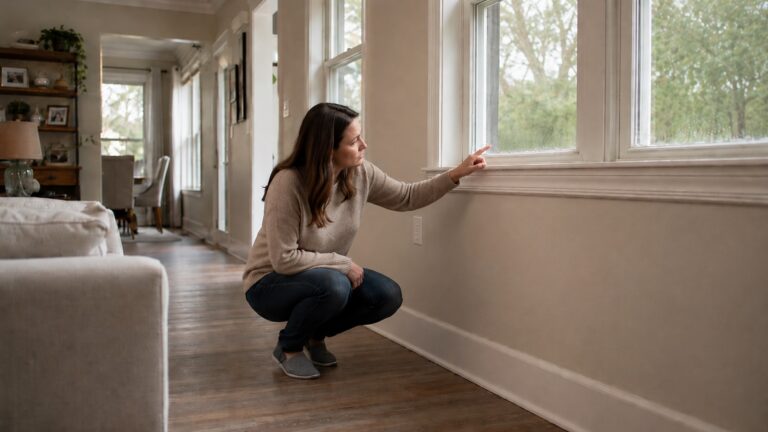
Also document visible signs in the home. Look for mold spots, water stains, peeling paint, swollen trim, damp carpet, condensation, musty odor, and recent leak history. This information can help connect the home investigation with medical conversations when symptoms are involved.
Use Air Cleaning Only as Support
A HEPA air purifier may help reduce airborne particles in a room, especially while a mold concern is being investigated or after the source has been corrected. However, an air purifier does not remove mold growing on drywall, insulation, carpet, wood, cabinets, or HVAC components. It also does not fix the moisture source.
For sensitive households, air cleaning may be useful as part of a broader plan, but it should not be used as permission to keep someone sleeping beside active mold. If you are comparing supportive options, see Best Air Purifiers for Mold Spores.
Lower the Threshold for Professional Help
When a sensitive person is involved, the threshold for professional help should be lower. A mold problem that might be monitored briefly in a low-use area may need faster action if it is in a bedroom, near HVAC airflow, affecting porous materials, returning after cleaning, or connected to symptoms.
For a practical next-step guide, see How to Reduce Mold Exposure Risks in Your Home.
When to Call a Doctor About Mold Sensitivity
A sensitive person should consider medical guidance when symptoms are severe, persistent, worsening, or connected to breathing. Mold exposure can overlap with allergies, asthma, sinus problems, respiratory infections, dust exposure, pet dander, cleaning chemicals, and other indoor air quality triggers, so symptoms should not be diagnosed by the home environment alone.
Medical advice is especially important if someone has wheezing, chest tightness, difficulty breathing, worsening asthma symptoms, persistent coughing, recurring sinus problems, fever, symptoms that interrupt sleep, or symptoms that continue after leaving the affected room. People with chronic lung disease, immune compromise, or significant respiratory conditions should use extra caution.
Before speaking with a healthcare provider, write down the pattern. Note which rooms seem to trigger symptoms, whether symptoms are worse after sleeping, whether symptoms improve away from the home, and whether visible mold, musty odor, water stains, damp materials, or recent leaks are present. This information can help connect the health concern with the home environment without assuming mold is the only cause.
When to Call a Mold Professional
A mold professional may be needed when the home includes a sensitive person and the mold problem is large, hidden, recurring, water-damage-related, or located near airflow. Professional help is also more important when mold affects drywall, insulation, carpet padding, ceiling materials, subfloors, framing, HVAC equipment, ductwork, crawl spaces, or attics.
The threshold for calling a professional should be lower when someone with asthma, chronic lung disease, immune compromise, or persistent symptoms is exposed. A small isolated spot on a washable surface may be manageable if the source is corrected, but recurring mold in a bedroom or mold near HVAC airflow should not be treated as a casual cleaning issue.
Professional remediation should focus on more than making the surface look clean. The important goals are finding the moisture source, preventing spread, removing contaminated materials when needed, drying the affected area, and preventing the same conditions from returning. If you are unsure whether the situation is beyond DIY cleanup, see When to Hire a Mold Remediation Professional.
FAQ: Who Is Most Sensitive to Mold Exposure?
Who reacts fastest to mold exposure?
People with asthma, mold allergies, chronic respiratory conditions, weakened immune systems, and strong indoor-air sensitivity may react faster than others. Some people may notice congestion, coughing, eye irritation, or breathing symptoms soon after entering a damp or moldy room, while others may notice little or no immediate reaction.
Are people with asthma more sensitive to mold?
Yes, people with asthma can be more sensitive to moldy or damp indoor environments. Mold exposure may irritate sensitive airways and may contribute to coughing, wheezing, chest tightness, or asthma flare-ups in some people. If asthma symptoms worsen in a moldy room, reduce exposure and seek medical guidance when symptoms are significant.
Are people with allergies more sensitive to mold?
People with mold allergies or strong allergy sensitivity may react more noticeably to mold exposure. The pattern matters more than one symptom: if allergy-like symptoms repeatedly worsen in damp, musty, or moldy rooms, the indoor environment is worth investigating.
Are older adults more vulnerable to mold exposure?
Some older adults may be more vulnerable, especially if they have asthma, chronic lung disease, immune weakness, limited mobility, or spend long periods indoors. Age alone does not mean every older adult will react strongly, but health conditions and repeated exposure can lower the threshold for action.
Can a healthy adult still be sensitive to a moldy room?
Yes. Healthy adults can still experience irritation, allergy-like symptoms, coughing, eye irritation, skin irritation, or discomfort in damp or moldy environments. They may be less vulnerable than some high-risk groups, but visible indoor mold should still be corrected because it signals an active moisture problem.
Should sensitive people sleep in rooms with mold?
Sensitive people should avoid sleeping in rooms with visible mold, strong musty odor, damp carpet, water-damaged drywall, or mold near HVAC vents when another safe sleeping area is available. Sleeping exposure matters because it can last for many hours each night.
Can air purifiers protect sensitive people from mold?
Air purifiers may help reduce airborne particles, but they do not remove active mold growth or fix damp materials. For sensitive people, an air purifier can support indoor air quality while the source is being corrected, but it should not be treated as a complete solution.
When should a sensitive person avoid mold cleanup?
A sensitive person should avoid cleanup when the mold is large, hidden, recurring, flood-related, on porous materials, or near HVAC airflow. People with asthma, chronic lung disease, immune compromise, or significant respiratory symptoms should not disturb moldy materials without medical and professional guidance.
Bottom Line: Sensitivity Should Change How Fast You Act
The people most sensitive to mold exposure are usually those with asthma, mold allergies, chronic lung disease, weakened immune systems, infants, young children, some older adults, and people whose symptoms repeatedly worsen in damp or musty indoor spaces.
Sensitivity does not mean every small mold spot will cause serious illness. It means the household should use a lower threshold for action. Mold in a bedroom, nursery, frequently used room, HVAC-connected area, or damp porous material deserves more caution when a sensitive person is exposed.
The safest response is to reduce exposure, avoid disturbing moldy materials, correct the moisture source, track symptoms, and seek medical or professional help when symptoms, high-risk health conditions, or serious mold conditions are involved.


One Comment
Comments are closed.