Mold Exposure Symptoms in Adults: Signs to Watch For at Home
Mold exposure symptoms in adults can look like allergies, sinus irritation, respiratory irritation, asthma flare-ups, or general indoor air quality problems. Some adults may notice a stuffy nose, coughing, wheezing, itchy eyes, sore throat, skin irritation, headaches, fatigue, or symptoms that seem worse in certain rooms. Others may have no obvious symptoms at all.
The important thing is to look at the full pattern. Symptoms are more suspicious for indoor mold when they worsen at home, improve when you spend time away, return in damp or musty rooms, or appear after leaks, water damage, high humidity, or visible mold. Symptoms alone do not prove mold exposure, but they can give you a reason to inspect the home more carefully.
This guide explains common mold exposure symptoms in adults, the home patterns that make mold more suspicious, common non-mold causes, and when symptoms should be discussed with a healthcare professional. For the broader home and indoor-air context, see this guide to mold exposure and indoor air quality.
Common Mold Exposure Symptoms in Adults
Adults who are sensitive to mold may experience allergy-like, irritant, respiratory, skin, eye, sinus, headache, fatigue, or asthma-related symptoms. One adult may mostly notice congestion and sinus pressure, while another may notice coughing, wheezing, or eye irritation.
Common mold exposure symptoms in adults may include:
- Stuffy or runny nose
- Sneezing
- Coughing
- Wheezing
- Shortness of breath
- Chest tightness
- Sore throat or throat irritation
- Itchy, watery, red, or burning eyes
- Postnasal drip
- Sinus pressure
- Headaches
- Fatigue or feeling run-down
- Skin irritation or rash
- Asthma symptoms in adults who already have asthma
These symptoms can also come from colds, flu, seasonal pollen, dust mites, pet dander, smoke, dry air, cleaning products, workplace exposures, medication effects, or other medical issues. That is why mold should be considered as one possible factor, not the automatic explanation for every symptom.
For the broader home-wide overview, see this guide to common symptoms of mold exposure in homes. This adult-focused article emphasizes patterns adults often notice around bedrooms, basements, home offices, HVAC use, renovation work, and long hours in damp areas.
Respiratory Symptoms Adults Should Take Seriously
Respiratory symptoms are among the most important mold-related symptoms to handle carefully. Mold exposure may irritate the airways in sensitive adults, especially adults with mold allergies, asthma, chronic lung disease, or other respiratory conditions. However, breathing symptoms can also have causes that require medical evaluation.
If you have persistent coughing, wheezing, shortness of breath, chest tightness, or symptoms that are getting worse, do not treat the issue as only a home maintenance problem. The home may need inspection, but your symptoms may also need medical attention.
Coughing
Coughing is one of the most common symptoms adults associate with mold exposure. Mold may contribute to coughing when it irritates the throat or airways, triggers postnasal drip, or worsens allergy or asthma symptoms in a sensitive person.
A mold-related cough may be dry, nagging, worse at night, or worse after time in a specific room. For example, you may cough more after sleeping in a musty bedroom, spending time in a damp basement, working near a moldy wall, or running an HVAC system that smells musty.
Coughing alone does not prove mold exposure. The connection becomes more reasonable when coughing appears with musty odors, visible mold, recent water damage, damp materials, or symptoms that improve away from the home.
Wheezing or shortness of breath
Wheezing or shortness of breath should be taken more seriously than mild nasal irritation. Wheezing may sound like a whistling or tight sound when breathing. Shortness of breath may feel like you cannot get a full breath, become winded more easily than usual, or feel uncomfortable in the chest while breathing.
Mold exposure may be one possible trigger in sensitive adults, especially those with asthma or respiratory conditions. If wheezing or shortness of breath appears in a damp or moldy home, the indoor environment should be inspected. However, the breathing symptom itself should be discussed with a healthcare professional, especially if it is new, worsening, recurring, or affecting normal activity.
If you are trying to understand this symptom in more detail, read this guide to breathing problems linked to mold exposure.
Chest tightness
Chest tightness can be alarming because it may involve the lungs, airways, heart, muscles, anxiety, infection, asthma, or other medical issues. Mold may be one possible trigger when chest tightness appears with wheezing, coughing, or asthma symptoms in a damp or moldy environment, but it should not be self-diagnosed as mold exposure.
If chest tightness is new, severe, worsening, or occurs with shortness of breath, pain, dizziness, fainting, or other concerning symptoms, seek medical advice promptly. A mold inspection can help evaluate your home, but it cannot determine whether chest tightness is medically serious.
Sore throat or throat irritation
A sore, scratchy, or irritated throat can happen when indoor air bothers the nose, throat, or airways, especially in a damp, musty, or poorly ventilated home.
Adults may notice throat clearing, hoarseness, coughing after lying down, or throat irritation in the morning. These symptoms may also be connected to postnasal drip, dry air, reflux, viral illness, smoke, or cleaning products. Mold becomes more suspicious when throat irritation appears with congestion, coughing, musty odors, visible mold, or damp materials.
Allergy-Like Symptoms From Mold Exposure
Many mold exposure symptoms in adults look like allergies because mold, pollen, dust mites, pet dander, smoke, fragrances, and other irritants can cause similar reactions. The pattern matters: symptoms that appear year-round, worsen indoors, flare in damp rooms, or return after water damage may point more toward an indoor trigger, while symptoms that closely follow outdoor pollen seasons may be more connected to seasonal allergies.
Stuffy or runny nose
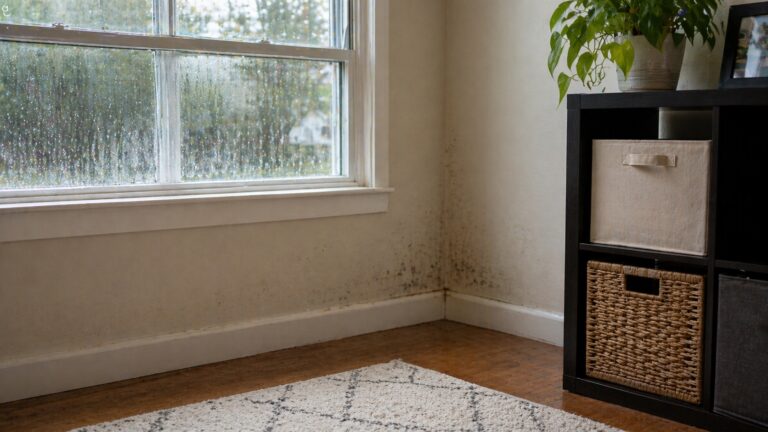
A stuffy or runny nose is one of the most common allergy-like symptoms adults report around mold exposure. It becomes more suspicious when congestion is strongest after sleeping in a certain bedroom, working in a home office, entering a basement, or spending time near a damp area. Check those rooms for musty odors, window condensation, damp carpet, water stains, hidden leaks, and poor airflow.
Sneezing
Sneezing can happen when your body reacts to airborne particles. Mold becomes more suspicious when sneezing is strongest in one part of the home, especially near a musty closet, damp basement, old carpet, poorly ventilated bathroom, or HVAC vent with moisture problems.
Itchy, watery, or burning eyes
Eye irritation can show up as itching, watering, redness, burning, or frequent rubbing. Some adults notice eye symptoms before they notice coughing or congestion. Others notice eye irritation only in certain rooms or when the HVAC system runs.
Mold may contribute to eye irritation in sensitive people, but eye symptoms can also come from dust, dry air, smoke, contact lenses, eye strain, pollen, pets, or chemical irritants. If eye symptoms are severe, painful, one-sided, involve vision changes, or do not improve, talk with a healthcare professional.
Postnasal drip and sinus pressure
Postnasal drip happens when mucus drains down the back of the throat. It can cause throat clearing, coughing, hoarseness, bad breath, or a scratchy feeling in the throat. Sinus pressure may feel like heaviness around the forehead, cheeks, eyes, or bridge of the nose.
These symptoms can make mold exposure feel like a sinus problem, a throat problem, or a headache problem. Mold becomes more plausible when postnasal drip and sinus pressure appear with musty odors, visible mold, dampness, or symptoms that worsen indoors.
Because mold symptoms can overlap with colds and allergies, compare this pattern with mold allergy symptoms vs. cold symptoms if you are unsure whether the problem is more likely indoor exposure, seasonal allergies, or an infection.
Headaches, Fatigue, Skin Irritation, and Other Adult Symptoms
Adults often search for mold exposure because they feel generally unwell, not just because they have one clear allergy symptom. Headaches, fatigue, and skin irritation can appear alongside mold-related allergy or respiratory symptoms, but they are less specific than coughing, congestion, wheezing, or eye irritation.
Headaches or sinus pressure
Headaches may happen when mold-related allergy symptoms contribute to sinus pressure, poor sleep, eye irritation, or general discomfort. However, headaches are common and can come from stress, dehydration, poor sleep, eye strain, illness, blood pressure changes, medication effects, or many other causes.
The mold connection is more reasonable when headaches appear with congestion, musty odors, damp rooms, visible mold, or symptoms that improve away from the home. If headaches are severe, sudden, unusual, worsening, or accompanied by neurological symptoms, seek medical advice promptly.
For a more focused explanation, see this guide to mold-related headaches.
Fatigue or feeling run-down
Fatigue may occur when allergy symptoms, sinus congestion, coughing, wheezing, headaches, or poor sleep wear you down. In that sense, mold may contribute to tiredness indirectly in some adults, especially when symptoms are recurring or strongest indoors.
Fatigue alone is not enough to prove mold exposure because tiredness has many possible medical, sleep, stress, and lifestyle causes. The mold connection becomes more plausible when fatigue appears with indoor allergy symptoms and clear moisture or mold clues.
If tiredness is one of your main concerns, see this more specific guide to fatigue related to mold exposure.
Skin irritation or rash
Some adults may notice skin irritation, itching, dry patches, or rash-like symptoms around damp or moldy environments. Mold can be one possible irritant or allergen for sensitive people, but skin symptoms can also come from soaps, detergents, eczema, foods, medications, plants, pets, fabrics, heat, sweat, or infections.
Skin symptoms are more useful as part of a larger pattern. A rash plus congestion, itchy eyes, coughing, musty odor, and visible mold is more suspicious than a rash by itself. If a rash is severe, spreading, painful, infected-looking, blistering, or accompanied by swelling or fever, seek medical advice.
Adults Who May Be More Sensitive to Mold
Not every adult reacts to mold the same way. Sensitivity depends on health, allergy history, respiratory conditions, exposure level, and how long damp conditions have been present.
Adults with mold allergies
Adults who are allergic to mold may react more quickly or more strongly than adults without mold sensitivity. Symptoms may include sneezing, congestion, itchy eyes, coughing, postnasal drip, sinus pressure, or skin irritation. These symptoms may flare in damp rooms, musty buildings, basements, bathrooms, or spaces with visible mold.
If you already know you have mold allergies, do not ignore indoor moisture clues. A small recurring mold patch, a musty closet, or a damp basement may be enough to keep symptoms active if exposure continues.
Adults with asthma or respiratory conditions
Adults with asthma, chronic bronchitis, chronic lung disease, or other respiratory conditions should be more cautious around damp or moldy spaces. Mold can be one of several indoor triggers that may worsen coughing, wheezing, chest tightness, or shortness of breath in sensitive people.
If asthma symptoms seem worse in a certain home, room, basement, workplace, or HVAC zone, pay attention to the pattern. You may need both medical guidance and a home inspection. For more detail on this specific issue, see this guide to mold and asthma symptoms.
Adults with weakened immune systems or chronic health conditions
Adults with weakened immune systems, serious chronic illness, or chronic lung disease should avoid unnecessary exposure to damp or moldy environments. These groups may be more vulnerable to complications from mold exposure or from infections that are not a concern for most healthy adults.
If you are medically vulnerable, do not handle mold cleanup casually. Talk with a healthcare professional about your symptoms and consider professional help for mold inspection or remediation, especially when mold is widespread, hidden, recurring, or connected to HVAC or structural moisture.
Adults who spend long hours in damp spaces
Exposure time matters. An adult who works from home in a musty basement office, sleeps in a damp bedroom, renovates water-damaged materials, or spends hours near moldy storage areas may have more exposure than someone who briefly passes through the area.
This is why adult symptoms may be tied to lifestyle patterns. A bedroom, home office, workshop, basement, or HVAC-connected space may affect one person more than the rest of the household simply because that person spends more time there.
When Adult Symptoms Are More Suspicious for Indoor Mold
Mold exposure symptoms in adults are more convincing when symptoms and building clues line up. One symptom alone may not prove anything. A pattern of symptoms plus dampness, odor, visible mold, or water damage is much more useful.
Symptoms are worse at home
If symptoms become worse after you spend time at home, the indoor environment may be contributing. You might notice more congestion in the evening, coughing after sleeping, eye irritation when the HVAC runs, or headaches after working in a certain room.
This pattern does not automatically mean mold is present. Other indoor triggers can cause similar symptoms. But if the home also smells musty, has visible mold, has had leaks, or stays humid, mold should be part of the investigation.
Symptoms are worse in one room
Room-specific symptoms are especially useful. If you feel worse in a basement, bedroom, bathroom, closet, laundry room, or home office, inspect that area first. Look for musty odors, condensation, water stains, damp carpet, swollen trim, peeling paint, visible mold, or poor ventilation.
Moisture can hide behind furniture, under flooring, inside cabinets, behind baseboards, around windows, and inside wall cavities. A room may look mostly clean while still having a hidden moisture source.
Symptoms improve away from the home
Symptoms that improve when you leave the home and return when you come back can point toward an indoor trigger. This is especially relevant when the pattern repeats several times and is connected to a particular room, season, HVAC cycle, or damp area.
Improvement away from home does not prove mold, but it is an important clue. It suggests that something in the home environment may be affecting your symptoms. If other family members also notice similar patterns, the case for inspecting the home becomes stronger.
The home has musty odors, dampness, or visible mold
Symptoms are more suspicious when the home has physical evidence of mold-friendly conditions. Musty odor, visible mold, water stains, recurring condensation, damp drywall, wet insulation, peeling paint, warped flooring, basement seepage, crawl space moisture, or high humidity can all point toward a moisture problem.
Mold is usually a moisture problem first. If you want to reduce mold exposure, you need to find and correct the water source. Cleaning visible mold without fixing dampness often leads to the same problem returning.
If symptoms appear in several members of the household, compare the adult symptom pattern with mold exposure symptoms in children. Children and adults may describe symptoms differently, but shared indoor patterns can still be important.
When Symptoms May Be Something Else
Adults should be careful not to blame mold for every symptom. The goal is not to dismiss mold, but to avoid overlooking medical issues, infections, allergies, or other indoor triggers.
Similar symptoms can come from:
- Colds, flu, or other respiratory infections
- Seasonal pollen, dust mites, pet dander, smoke, or dry air
- Cleaning sprays, fragrances, workplace exposures, or chemical irritants
- Asthma triggers unrelated to mold
- Medication effects, stress, poor sleep, or other health conditions
A short illness with fever, body aches, sudden onset, or known exposure to sick people may point more toward infection. Symptoms that recur, linger, worsen in damp rooms, or improve away from a musty building may make indoor air quality more relevant.
For a more focused comparison, use the article on mold allergy symptoms vs. cold symptoms as the dedicated cold-versus-mold guide.
When Adults Should Call a Doctor
Talk with a healthcare professional if your symptoms are severe, persistent, worsening, unexplained, or interfering with normal life. This is especially important when symptoms involve breathing, chest discomfort, fever, fainting, severe fatigue, neurological symptoms, or rapid changes in health.
You should seek medical guidance if you have:
- Wheezing
- Shortness of breath
- Chest tightness
- Persistent or worsening cough
- Fever or signs of infection
- Severe or unexplained fatigue
- Headaches that are sudden, severe, unusual, or worsening
- Symptoms that regularly disrupt sleep or daily activity
- Asthma symptoms that are becoming more frequent
- A chronic lung condition or weakened immune system
A doctor can help evaluate your health. A mold or moisture inspection can help evaluate the building. Both may be important, but they answer different questions. Do not rely on a mold test to diagnose symptoms, and do not ignore obvious moisture problems just because symptoms are hard to interpret.
For general health guidance, the CDC notes that mold may cause symptoms such as stuffy nose, sore throat, coughing, wheezing, burning eyes, or skin rash in some people, while others may have no symptoms.
How to Check Your Home for Mold or Moisture
If your symptoms seem connected to the home, start by looking for moisture. Mold growth usually begins with leaks, dampness, condensation, or humidity that stays too high, so finding the moisture source is more useful than only looking for visible mold.
Start where symptoms are strongest
Begin with the rooms where symptoms seem worse. This may be a bedroom, basement, bathroom, laundry room, home office, closet, or room served by a certain HVAC zone. Pay attention to whether symptoms worsen after sleeping, working, cleaning, or spending several hours in that space.
Look for musty odors, water stains, damp carpet, condensation, peeling paint, swollen trim, warped flooring, soft drywall, visible mold spots, or poor airflow. Mold is not always visible on the open wall surface. It can grow behind furniture, inside cabinets, under flooring, behind baseboards, around windows, or inside wall cavities.
Check common moisture sources
Inspect the areas where homes most often hold hidden moisture. These include bathrooms, under-sink cabinets, basements, crawl spaces, laundry rooms, HVAC equipment, window frames, exterior walls, attics, and areas below roof or plumbing leaks.
Think about the home’s history. A previous leak, appliance overflow, damp basement, roof leak, wet carpet, or condensation problem may have left moisture behind even if the surface now looks dry. Mold risk is higher when materials stayed damp long enough for growth to begin.
Measure humidity in problem rooms
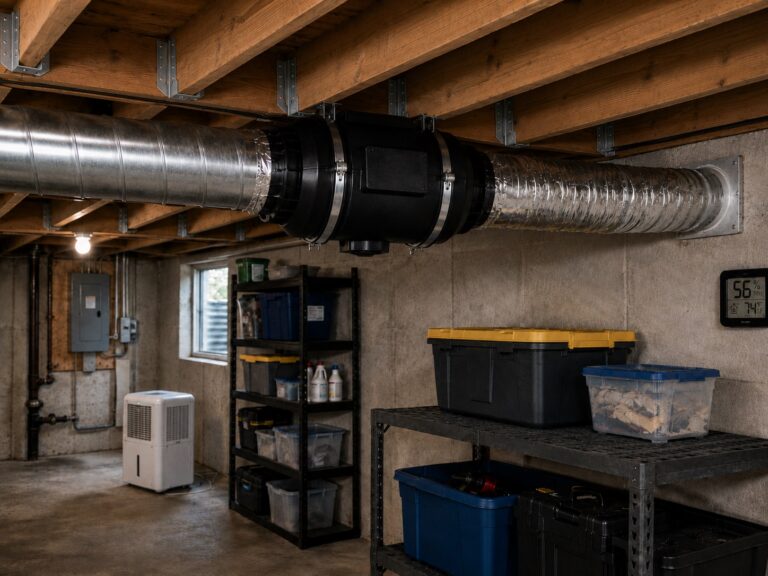
A simple hygrometer can help you compare humidity levels in different rooms. High humidity does not prove mold exposure, but it can show whether the home has conditions that support mold growth. Basements, bathrooms, laundry rooms, poorly ventilated bedrooms, and crawl-space-adjacent rooms often deserve extra attention.
If certain rooms stay humid, smell musty, or feel damp, look for the reason. The cause may be poor ventilation, water intrusion, an HVAC drainage issue, condensation, or moisture entering from a basement, crawl space, exterior wall, roof, or plumbing system.
Look beyond surface cleaning
Surface mold is often a sign of a deeper moisture condition. If you clean mold from a wall, ceiling, window frame, or cabinet but the moisture source remains, the mold may return. Recurring mold is a strong clue that the building condition has not been corrected.
For a broader home-wide approach, use this guide on how to find and fix moisture problems in your home.
What to Do if You Suspect Mold Is Affecting You
If you suspect mold may be affecting your symptoms, handle the situation from two directions: your health and your home. Symptoms should be evaluated medically when they are persistent or concerning, while the home should be checked for moisture and mold conditions that may need correction.
Reduce time in the suspected area
If symptoms are clearly worse in one room, reduce your time in that area until you understand what is happening. This is especially important if you have asthma, breathing symptoms, strong allergic reactions, chronic lung disease, or immune concerns.
Reducing exposure does not fix the problem, but it can help while you inspect the area, identify moisture sources, or arrange professional help.
Fix the moisture source
Mold cleanup will not last unless the moisture source is corrected. Look for leaks, condensation, poor ventilation, basement seepage, crawl space moisture, roof leaks, window leaks, HVAC drainage problems, or humidity that stays too high.
Once the moisture source is fixed, damp materials need to be dried properly. Porous materials that stayed wet too long, contain embedded mold growth, or cannot be dried safely may need removal and replacement.
Avoid disturbing large or hidden mold areas
Do not tear into moldy drywall, rip up flooring, scrape moldy materials, or disturb large mold areas without understanding the risk. Disturbing mold can spread spores and dust into other parts of the home.
Professional help may be appropriate when mold is widespread, hidden, recurring, connected to HVAC equipment, inside wall cavities, related to sewage or flooding, or affecting structural materials. Professional help is also wise when someone in the home has asthma, chronic lung disease, immune compromise, or strong symptoms around moldy areas.
Use testing carefully
Mold testing can sometimes help when you suspect mold but cannot find the source, but it cannot diagnose your symptoms or prove what caused them. It only provides information about the home environment.
In many cases, visible mold, musty odor, water damage, or recurring dampness is already enough reason to correct the moisture problem. Testing is most useful when the source is unclear, documentation is needed, or a professional inspection recommends it.
FAQs About Mold Exposure Symptoms in Adults
What are the most common mold exposure symptoms in adults?
Common mold exposure symptoms in adults may include stuffy nose, runny nose, sneezing, coughing, wheezing, sore throat, itchy or watery eyes, skin irritation, headaches, sinus pressure, fatigue, and asthma symptoms in sensitive adults. These symptoms can also come from many other causes, so the home environment and symptom pattern matter.
Can mold exposure cause fatigue in adults?
Mold exposure may contribute to fatigue when allergy symptoms, sinus congestion, coughing, wheezing, headaches, or poor sleep wear you down. Fatigue alone does not prove mold exposure, but fatigue with indoor allergy symptoms and moisture clues may be worth investigating.
Can mold exposure cause headaches or sinus pressure in adults?
Mold may contribute to headaches or sinus pressure in some adults when it triggers congestion, postnasal drip, eye irritation, or poor sleep. Headaches are common and can have many causes, so severe, unusual, worsening, or persistent headaches should be evaluated medically.
Can mold make adult asthma symptoms worse?
Yes, mold can be an asthma trigger for some adults who are sensitive to it. If asthma symptoms become worse in a damp, musty, or moldy home, talk with a healthcare professional and inspect the home for moisture problems.
How do I know if my symptoms are from mold or allergies?
You usually cannot tell from symptoms alone. Mold becomes more likely when symptoms worsen indoors, improve away from the home, return in damp or musty rooms, or appear with visible mold, water damage, high humidity, or recurring moisture problems. Seasonal pollen, dust mites, pets, smoke, and other irritants can cause similar symptoms.
Should I see a doctor for mold exposure symptoms?
Yes, especially if symptoms are severe, persistent, worsening, breathing-related, unexplained, or interfering with daily life. Seek medical guidance for wheezing, shortness of breath, chest tightness, fever, severe fatigue, fainting, sudden severe headaches, or symptoms in someone with asthma, chronic lung disease, or immune compromise.
Should I test my home if I have mold-like symptoms?
Testing may help in some situations, but symptoms alone do not prove that mold is present or explain what caused them. Testing or professional inspection is more useful when symptoms line up with musty odors, visible mold, damp materials, previous leaks, high humidity, or symptoms that worsen in specific areas of the home.
Conclusion
Mold exposure symptoms in adults may include congestion, coughing, wheezing, throat irritation, itchy eyes, skin irritation, sinus pressure, headaches, fatigue, and asthma flare-ups in sensitive people. These symptoms are more suspicious for mold when they worsen at home, flare in one room, improve away from the home, or appear with musty odors, visible mold, dampness, leaks, high humidity, or recurring water damage.
The safest response is to address both sides of the problem: talk with a healthcare professional about persistent, worsening, or breathing-related symptoms, and inspect the home for moisture sources that allow mold to grow. Long-term improvement depends on fixing moisture, drying affected materials, and removing mold safely.