How to Fix Persistent Basement Wall Leak Problems
Persistent basement wall leaks usually come back because the repair blocked the visible opening but did not reduce the water pressure, drainage problem, or structural weakness behind the leak. A patch may stop one wet spot, but the next storm can push water through the same crack, a nearby crack, porous masonry, or the floor-wall joint.
To fix a recurring basement wall leak, first identify the leak pattern, then match the repair to the cause. Isolated cracks may need injection repair, floor-level seepage often needs drainage relief, and widespread wall seepage usually requires exterior water control or a more complete waterproofing system.
This guide explains how to choose the right fix for persistent basement wall leak problems, when interior repairs are enough, and when drainage, waterproofing, or foundation evaluation is needed.
For a full breakdown of basement waterproofing systems, drainage options, and long-term water control, see how to waterproof basements and control water intrusion.
Why Basement Wall Leaks Keep Coming Back
Recurring leaks are almost always caused by conditions that were never fully corrected. In most cases, the initial fix addressed visible symptoms but did not eliminate the forces pushing water into the wall.
Hydrostatic Pressure Forces Water Through Walls
One of the most common reasons leaks return is hydrostatic pressure. When soil around the foundation becomes saturated, water builds pressure against the wall and pushes inward.
This pressure can force water through:
- Small cracks
- Porous concrete
- Mortar joints
- Floor-wall connections
Even if a surface crack is sealed, the pressure may force water through a different area nearby. This is why leaks often reappear in slightly different locations.
If your walls stay damp between leak events, you may also be dealing with conditions explained in why basement walls stay wet.
Poor Drainage Keeps the Soil Saturated
Water must have a place to go after it reaches your home. If drainage systems are not working properly, water remains around the foundation and continues applying pressure to the walls.
Common drainage issues include:
- Improper grading that directs water toward the home
- Clogged or overflowing gutters
- Downspouts that discharge too close to the foundation
- Blocked or failing drainage systems
When these conditions exist, leaks tend to return every time it rains.
Surface Repairs Do Not Address Root Causes
Many DIY repairs focus on sealing visible openings without addressing the source of the water. While these fixes may temporarily reduce leakage, they often fail under continued pressure.
Common examples include:
- Waterproof paint
- Surface crack fillers
- Interior sealants
These products can help in minor situations, but they rarely provide a lasting solution when pressure and moisture are still present behind the wall.
Identifying the Type of Basement Wall Leak
Before choosing a repair method, it’s important to identify the type of leak you’re dealing with. Different leak patterns require different solutions, and using the wrong approach often leads to repeated failure.
Start by checking three details: where the water first appears, whether it happens only after rain, and whether the wall stays damp between storms. Those clues usually tell you whether the problem is a crack leak, wall seepage, floor-wall joint pressure, or an exterior drainage issue.
Surface Seepage Through the Wall
Surface seepage appears as dampness or moisture spreading across the wall without a clear entry point.
Typical signs include:
- Darkened wall areas
- Moisture that appears after rain
- Widespread dampness rather than isolated spots
This type of leak is usually caused by hydrostatic pressure forcing moisture through porous materials.
You may also see related symptoms described in signs of water seepage through basement walls.
For prevention-focused steps after the leak source is understood, see how to prevent water seepage through basement walls.
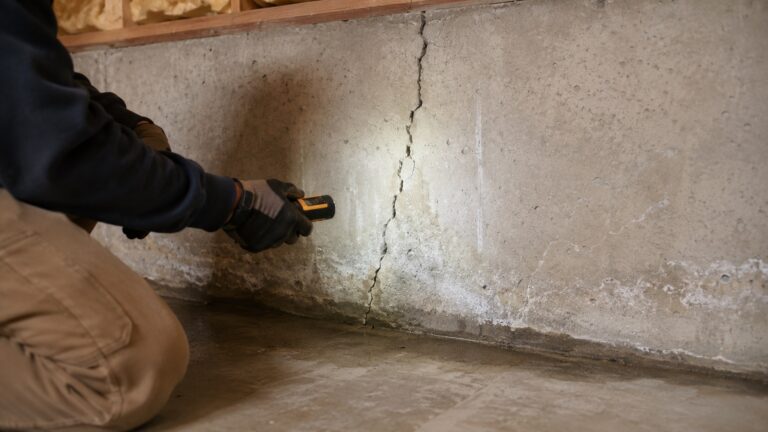
Crack-Based Leaks
Crack leaks occur when water enters through visible fractures in the wall.
Signs include:
- Water dripping or seeping through a specific crack
- Increased leakage during storms
- Moisture concentrated in a narrow vertical or horizontal line
These leaks are often easier to target but may still recur if pressure is not relieved.
Floor-to-Wall Joint Leaks
Leaks at the base of the wall are extremely common. This is where the wall meets the floor and is often the weakest point in the structure.
Typical signs include:
- Water pooling along the wall base
- Damp or wet floor edges
- A consistent line of moisture where the wall meets the floor
This type of leak usually points to hydrostatic pressure under or beside the slab. Caulking the joint rarely solves the problem because water pressure is still looking for a path into the basement.
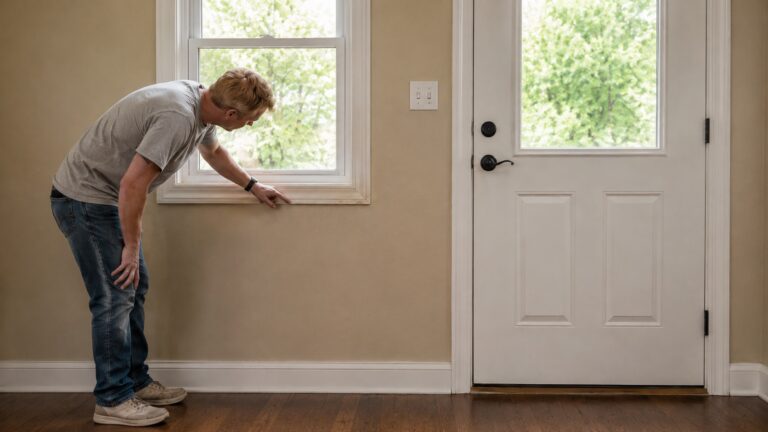
Leaks Around Basement Windows or Openings
Water entering near windows or other openings often comes from outside drainage issues rather than wall permeability.
Signs include:
- Water staining below windows
- Moisture appearing after rain
- Dampness localized around openings
These leaks often require exterior fixes rather than interior sealing.
Temporary Fixes vs. Long-Term Solutions
When dealing with persistent basement wall leaks, it’s important to understand the difference between temporary fixes and long-term solutions. Many common repair methods provide short-term relief but fail to address the underlying cause of water intrusion.
Temporary Fixes (Why They Often Fail)
Temporary fixes typically focus on blocking water at the surface without addressing pressure or drainage outside the wall.
- Waterproof paint: Creates a barrier but can peel or fail under pressure
- Surface sealants: Fill small cracks but do not relieve external water pressure
- Patch repairs: Work for minor issues but often fail when moisture is ongoing
These solutions may reduce visible leaks temporarily, but water pressure behind the wall can cause the problem to return or shift to another area.
What Long-Term Solutions Must Do
To fix leaks long-term, the solution must address the conditions causing water to enter the wall.
Effective solutions typically:
- Reduce hydrostatic pressure around the foundation
- Redirect water away from the home
- Seal structural entry points correctly
Without addressing these factors, leaks are likely to continue regardless of surface treatments.
Interior Repair Methods
Interior repair methods focus on managing or sealing water from inside the basement. While they can be effective in certain situations, they often work best when combined with exterior improvements.
Do not cover, paint, or finish a leaking wall until the source is corrected and the wall has dried. Trapped moisture behind finishes can hide damage and allow mold growth to continue unnoticed.
If the wall has already been wet, follow proper drying steps before repair or refinishing. See how to dry basement walls after water intrusion for the recovery process.
Crack Injection (Epoxy or Polyurethane)
Crack injection is used to seal visible cracks from the inside using specialized materials.
- Epoxy: Provides a rigid, structural bond
- Polyurethane: Expands to fill gaps and block water
Polyurethane is often used for active leaks because it can expand inside the crack. Epoxy is better suited for cracks that need structural reinforcement.
Crack injection can be effective when the leak is isolated and the foundation wall is otherwise stable.
Interior Drainage Systems
Interior drainage systems collect water that enters near the wall and direct it to a sump pump or drainage outlet.
These systems are useful when water pressure cannot be fully eliminated from the outside or when exterior excavation is not practical.
Interior drainage does not stop water from reaching the foundation, but it can prevent water from spreading across the basement floor.
Vapor Barriers and Interior Coatings
Vapor barriers and interior coatings can help manage damp surfaces and moisture vapor, but they should not be treated as a cure for active liquid water intrusion.
If water is dripping, pooling, or returning after storms, the repair needs to address drainage, pressure, or a specific entry point before coatings are applied.
Exterior Repair Methods
Exterior repair methods address water before it reaches the basement wall. These are often the most effective long-term solutions because they reduce the pressure and moisture exposure outside the foundation.
Improving Grading Around the Foundation
Proper grading helps move rainwater away from the home instead of allowing it to collect near the foundation.
Look for areas where soil slopes toward the house, settles near the wall, or forms low spots that hold water after rain.
Correcting grading can reduce the amount of water reaching the basement wall and may prevent minor leaks from returning.
Extending Downspouts Away From the House
Downspouts that release water too close to the foundation are a common cause of recurring basement leaks.
Extending downspouts away from the home helps reduce soil saturation near basement walls.
This is one of the simplest exterior improvements and should be checked before more expensive repairs are considered.
Exterior Waterproofing Membranes
Exterior waterproofing membranes are applied to the outside of the foundation wall to help block water before it reaches the structure.
This often requires excavation and is usually more expensive than interior repairs, but it can provide strong long-term protection when installed correctly.
Exterior waterproofing is most useful when wall seepage is widespread or when interior repairs have repeatedly failed.
Exterior Drainage Systems
Exterior drainage systems move water away from the foundation before it can build pressure against the wall.
These systems may include footing drains, drain tile, gravel drainage layers, or other water-management components.
When hydrostatic pressure is the main cause of recurring leaks, drainage improvements are often more important than surface sealing.
Matching the Repair to the Leak Pattern
The best repair depends on how and where the water is entering. Matching the solution to the leak pattern reduces the chance of repeated failure.
Single Crack Leak
If water enters through one visible crack, crack injection may be enough if the wall is stable and drainage conditions are not severe.
Recommended approach:
- Inspect the crack for movement or widening
- Use the correct injection material
- Improve exterior drainage if water pressure is contributing
Wall Seepage After Rain
If moisture spreads across the wall after rain, the issue is usually related to exterior water exposure or pressure.
Recommended approach:
- Check grading, gutters, and downspouts
- Look for soil saturation near the foundation
- Consider exterior waterproofing or drainage improvements
If the leak pattern mainly follows rainfall, you may also want to review why basement walls leak during rain.
Floor-Wall Joint Leaks
If water appears along the base of the wall, the problem may involve pressure beneath or beside the slab.
Recommended approach:
- Avoid relying only on caulk or surface sealants
- Install an interior drainage system
- Use a sump pump to remove collected water
- Combine with exterior drainage improvements
This method manages water effectively rather than trying to block it entirely.
Widespread Moisture or Multiple Leak Points
When moisture appears across large sections of the wall or in multiple locations, the issue is often more complex.
Recommended approach:
- Improve drainage around the entire foundation
- Consider exterior waterproofing solutions
- Evaluate foundation condition
In these cases, surface-level fixes are unlikely to provide lasting results.
Cost vs. Effectiveness of Basement Leak Repairs
Repair costs vary widely because basement wall leaks can come from a small crack, poor surface drainage, failed perimeter drainage, hydrostatic pressure, or structural movement. The cheapest fix is not always the least expensive long-term if the leak keeps returning.
Low-Cost, Short-Term Solutions
- Sealants and coatings
- Basic crack fillers
These are affordable but often temporary, especially in areas with ongoing moisture pressure.
Moderate-Cost, Targeted Solutions
- Crack injection
- Drainage improvements
- Gutter and grading fixes
These can be effective when matched to the correct problem but may not solve more complex issues on their own.
Higher-Cost, Long-Term Solutions
- Interior drainage systems
- Exterior waterproofing membranes
- Full drainage system installation
These options provide the most reliable long-term protection by addressing both water entry and pressure.
When DIY Basement Wall Leak Repairs Are Not Enough
DIY repairs are most reasonable when the leak is small, isolated, and clearly tied to a minor crack or surface drainage issue. If the leak keeps returning, spreads, or appears during most storms, the problem likely needs a more complete evaluation.
Call a professional when you notice:
- Leaks returning after repeated patching or sealing
- Water appearing in new locations after one area is repaired
- Moisture spreading across larger sections of the wall
- Walls staying damp between rain events
- Horizontal cracks, widening cracks, bowing, or wall deterioration
- Significant water intrusion during storms
A contractor can evaluate the full system, including exterior drainage, hydrostatic pressure, foundation condition, interior drainage needs, and whether the wall has structural movement.
Frequently Asked Questions About Fixing Persistent Basement Wall Leaks
Why do basement wall leaks keep coming back?
Leaks return when the underlying cause—such as water pressure or poor drainage—is not addressed. Surface fixes alone are usually not enough.
Can sealants stop recurring basement wall leaks?
Sealants can help with minor issues but often fail under ongoing pressure. Long-term fixes usually require drainage or waterproofing improvements.
Is interior waterproofing enough for recurring basement wall leaks?
Interior systems can manage water that reaches the basement, but they do not stop exterior soil from becoming saturated against the foundation. If leaks return after storms, grading, gutters, downspouts, exterior drainage, or foundation conditions may also need attention.
What should I check before paying for basement wall leak repair?
Check where the water first appears, whether it happens only after rain, whether the wall stays damp between storms, and whether gutters, downspouts, grading, or window wells are sending water toward the foundation.
When is foundation repair required?
Foundation repair may be needed when cracks widen, structural materials deteriorate, or leaks persist despite other fixes.
Conclusion
The best fix for a persistent basement wall leak depends on the pattern. A single leaking crack may be handled with injection repair, but recurring seepage, floor-wall joint leaks, or widespread dampness usually require drainage relief, exterior water control, or a more complete waterproofing system.
Before sealing the wall again, identify where the water starts, correct obvious drainage problems, and choose a repair that reduces pressure instead of only covering the wet spot.
Key Takeaways
- Persistent leaks are usually caused by unresolved moisture pressure or drainage issues
- Surface repairs alone rarely provide long-term results
- Different leak types require different repair approaches
- Interior systems manage water, while exterior systems prevent entry
- Drainage improvements are often a critical part of the solution
- DIY fixes may fail if the underlying cause is not addressed
- Professional help is recommended for recurring or structural problems