
How to Detect Basement Drainage Problems
You can detect basement drainage problems by comparing where moisture appears, when it shows up, and what is happening outside the foundation during rain. Drainage-related moisture usually returns in the same areas after storms, follows wall or floor edges, and lines up with exterior problems such as poor grading, overflowing gutters, short downspouts, or saturated soil near the house.
This matters because water inside a basement does not automatically prove where the problem started. Cracks, damp floors, musty odors, and wet wall sections may be symptoms of outside drainage pressure rather than isolated interior leaks.
If you are still identifying the warning signs, review signs of poor basement drainage. This guide focuses on the next step: confirming whether poor drainage is the root cause.
Why Detecting Basement Drainage Problems Matters
Not all basement moisture comes from drainage failure. Plumbing leaks, condensation, high indoor humidity, and surface water can create similar symptoms, so the goal is to confirm whether the moisture follows an outside water pattern.
Drainage problems are different because they usually worsen during rain, snowmelt, or saturated soil conditions. When water is not directed away from the foundation, it can build pressure against basement walls and floors, a process explained in how hydrostatic pressure causes basement leaks.
Accurate detection matters because:
- Interior crack repairs may fail if outside water pressure remains
- Humidity control will not solve water entering after storms
- Repeated wetting can keep lower walls, slab edges, and stored materials damp
- Drainage fixes are easier to prioritize when the water path is clear
Step 1: Identify Moisture Patterns Inside the Basement
The first step is to identify how moisture appears inside your basement. Drainage-related issues rarely occur randomly; they usually follow repeatable paths based on water movement around the foundation.
Look for Recurring Wet Areas
One of the strongest indicators of a drainage problem is moisture that appears in the same locations repeatedly.
Pay attention to:
- Areas near exterior walls
- Basement corners
- Sections along the floor perimeter
- Specific cracks or seams that become wet
If the same areas become damp or wet after multiple rain events, it suggests that water is consistently reaching those points from outside the home.
A simple way to confirm the pattern is to mark the wet area with painter’s tape, take a photo, and note the date, rainfall, and drying time. If the same mark becomes wet again after the next storm, the pattern is more useful than a single observation.
Observe the Shape and Spread of Moisture
The way moisture spreads can also provide clues about its source.
Drainage-related moisture often:
- Follows the edges of walls or floors
- Forms narrow lines along seams or joints
- Expands outward from the foundation perimeter
- Remains concentrated in specific zones
In contrast, condensation usually appears on cold surfaces such as pipes, windows, metal framing, or broad concrete areas, while drainage-related water more often follows cracks, seams, corners, or the wall-to-floor joint.
Check for Signs of Repeated Moisture Exposure
Even when surfaces appear dry, past moisture activity often leaves visible evidence behind.
Look for:
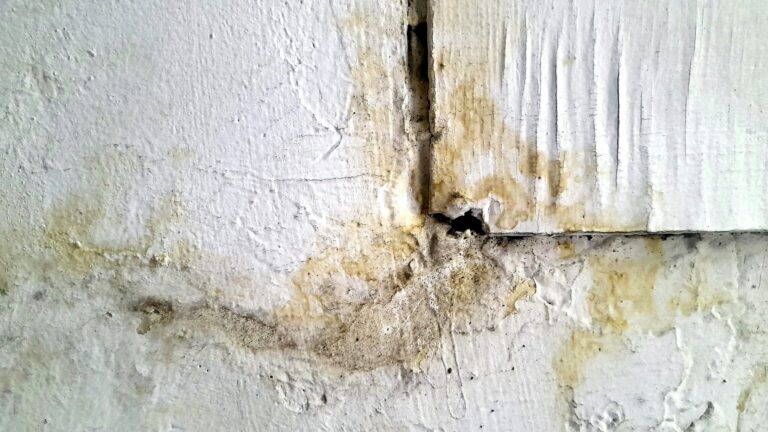
- White mineral deposits on walls (efflorescence)
- Stains or discoloration on concrete or masonry
- Peeling paint or bubbling finishes
- Warped or damaged materials
These signs indicate that moisture has been present repeatedly, which is a key characteristic of drainage-related problems.
Step 2: Check When Moisture Appears
Timing is one of the most important factors in determining whether basement moisture is caused by drainage issues.
Track Moisture After Rainfall
Drainage problems are closely tied to weather conditions. Water typically appears during or shortly after rain, when the soil around the foundation becomes saturated.
To identify this pattern, monitor your basement during:
- Heavy rainstorms
- Extended periods of rainfall
- Seasonal snowmelt
If moisture consistently appears after these events, it strongly suggests that water is entering from outside rather than being generated inside the basement.
Notice How Long Moisture Persists
Drainage-related moisture may not disappear immediately after rain stops.
In many cases, it:
- Remains for several hours or days
- Gradually dries as soil conditions improve
- Returns quickly during the next storm
This pattern reflects how water behaves in saturated soil. Even after rainfall ends, trapped moisture can continue applying pressure against the foundation.
If you are seeing these timing patterns, the next step is to examine where water is entering and how it is interacting with the structure.
Step 3: Inspect Wall and Floor Entry Points
Once you’ve identified patterns and timing, the next step is to examine how water is actually entering the basement. Drainage-related moisture follows predictable paths based on structural weak points.
Check the Wall-to-Floor Joint
The joint where the basement wall meets the floor is one of the most common entry points for water under pressure.
Inspect this area carefully for:
- Thin lines of moisture along the perimeter
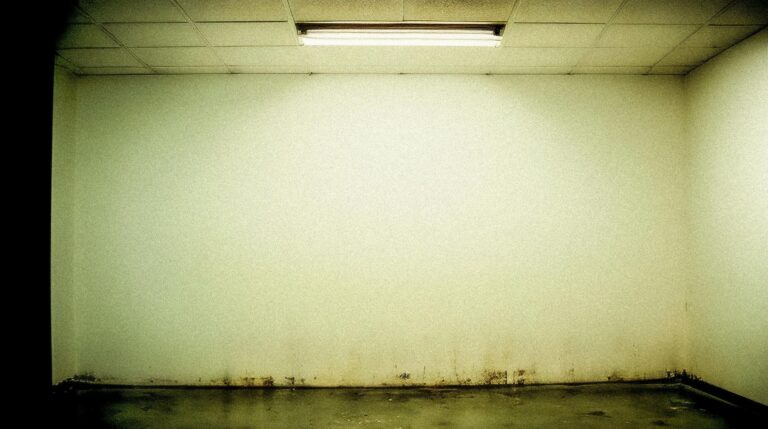
- Darkened or damp strips near the wall base
- Small puddles forming at edges after rain
- Recurring wet spots in the same locations
If moisture consistently appears along this joint after storms, it strongly suggests that water is being pushed inward from saturated soil.
Look for Cracks and Seams
Cracks in basement walls or floors can act as pathways for water, especially when drainage problems increase pressure around the foundation.
Focus on:
- Hairline cracks in concrete walls
- Vertical or diagonal wall cracks
- Floor slab cracks near exterior walls
- Seams between poured concrete sections
Water entering through cracks does not always mean the crack is the root problem. In many cases, the crack simply provides a path for water caused by poor drainage conditions outside.
Inspect Lower Wall Sections
Drainage-related moisture typically appears in the lower portions of basement walls because this is where pressure from saturated soil is greatest.
Look for:
- Damp or discolored areas near the base of walls
- Efflorescence (white mineral deposits)
- Staining patterns that follow horizontal lines
- Moisture concentrated near corners
If these signs are present, they often indicate water moving through the wall from outside rather than forming inside the basement.
Step 4: Evaluate Exterior Drainage Conditions During and After Rain
After inspecting the interior, it’s critical to assess how water is being managed outside the home. In most cases, this is where the root cause of the problem will be found.
Exterior evaluation helps confirm whether water is accumulating near the foundation and creating the conditions for basement intrusion.
Check Ground Slope Around the Foundation
The ground around your home should slope away from the foundation to allow water to drain naturally.
Signs of poor grading include:
- Flat or inward-sloping soil
- Depressions or low spots near the home
- Areas where water collects after rain
- Uneven ground caused by settling
If the ground directs water toward the house, drainage problems are likely contributing to basement moisture.
Inspect Gutters and Downspouts
Roof runoff is a major source of water around the foundation. If it is not properly managed, it can overwhelm drainage systems.
Look for:
- Gutters overflowing during rain
- Splashback hitting siding, soil, or hard surfaces near the foundation
- Leaks at joints or seams
- Debris blocking water flow
- Downspouts discharging too close to the foundation
These issues can rapidly saturate soil around the home, increasing the likelihood of basement water intrusion.
Evaluate Downspout Discharge Distance
Downspouts should discharge far enough from the foundation that water cannot run back toward the wall, settle into low spots, or empty into soil directly beside the basement.
Common problems include:
- Short or missing extensions
- Water released within a few feet of the foundation
- Discharge into low-lying areas or landscaping beds
- Broken or disconnected extensions
If downspouts are not directing water away effectively, they may be a primary contributor to drainage issues.
These types of problems are often addressed as part of broader strategies explained in how to prevent basement water intrusion, where proper water management plays a central role.
Look for Standing Water or Saturated Soil
One of the most direct indicators of drainage failure is water remaining near the foundation after rain.
Check for:
- Puddles forming along foundation walls
- Soil that stays wet for extended periods
- Soft or muddy ground near the home
- Water pooling in landscaping areas
Standing water and saturated soil increase pressure against basement walls and are strong signs that drainage is not functioning properly.
Watch Water Flow During Rain
During rainfall, pay attention to how water moves across your property.
Look for:
- Water flowing toward the foundation
- Runoff from driveways or patios directed at the house
- Water collecting at corners or low points
- Areas where flow slows or stops near the home
Water should move away from the house whenever possible. If it moves toward or collects near the foundation, drainage failure is likely.
Identify Pooling or Backup Areas
During rain, you may notice specific areas where water collects or backs up.
These areas often indicate:
- Blocked drainage pathways
- Poor grading
- Inadequate drainage systems
Identifying these locations helps confirm where drainage improvements are needed.
If interior wet areas line up with exterior pooling, gutter discharge, poor grading, or water flowing toward the foundation, drainage becomes a much stronger suspect. The next step is to rule out indoor sources that can mimic the same symptoms.
Step 5: Rule Out Other Moisture Sources
Before confirming a drainage problem, it’s important to eliminate other common sources of basement moisture. Many issues can look similar on the surface, but they behave differently once you compare patterns, timing, and location.
Rule Out Plumbing Leaks
Plumbing leaks can introduce water into a basement, but they typically behave differently from drainage-related moisture.
Signs of a plumbing-related issue include:
- Moisture that appears regardless of weather
- Water near pipes, fixtures, or appliances
- Continuous dampness rather than recurring patterns
- Sounds of running or dripping water
If moisture continues even during dry weather, the problem is more likely related to plumbing than exterior drainage.
Differentiate from Condensation
Condensation forms when warm, humid air contacts cooler surfaces. This can create moisture on walls, floors, or pipes, especially in basements with poor ventilation.
Condensation typically appears as:
- Evenly distributed dampness across surfaces
- Moisture on cold materials like metal pipes
- Water droplets forming during humid conditions
- Increased dampness during warm weather rather than rain
Unlike drainage problems, condensation does not usually create localized wet spots along the foundation perimeter.
Evaluate Indoor Humidity Levels
High indoor humidity can make a basement feel damp without creating a true drainage leak. It usually affects the whole basement more evenly instead of appearing only at one wall, corner, seam, or slab edge.
Common signs include:
- Sticky or humid air
- Condensation on windows or surfaces
- Musty odors without visible water intrusion
While humidity can contribute to moisture problems, it does not typically cause water pooling or recurring wet spots tied to rainfall.
A hygrometer can help confirm this difference. If humidity is high during dry weather but no new perimeter wet spots appear, the issue may be indoor moisture control rather than exterior drainage.
Consider Surface Water Sources
Occasionally, water may enter the basement due to surface-level issues such as spills, leaks from upper floors, or open windows during storms.
These situations are usually easy to identify because:
- The moisture source is visible or obvious
- The problem does not repeat in the same pattern
- The issue resolves once the source is removed
If moisture appears without a clear surface source and follows a consistent pattern after rain, drainage becomes the more likely explanation.
When Detection Confirms a Drainage Problem
After checking the interior patterns, exterior water flow, and possible indoor sources, you should be able to judge whether drainage is the likely cause.
Strong Indicators of Drainage Failure
A drainage problem is highly likely if you observe the following combination of signs:
- Moisture appears after rain or snowmelt
- Water is concentrated near exterior walls or floor edges
- The same areas become wet repeatedly
- Exterior signs such as standing water or poor grading are present
- Other moisture sources have been ruled out
These patterns align closely with the behaviors described in signs of poor basement drainage, confirming that water is likely entering due to external conditions.
Unclear or Mixed Results
In some cases, detection results may not point to a single clear cause.
This can happen when:
- Multiple moisture sources are present
- Drainage problems exist alongside humidity issues
- Symptoms vary depending on weather conditions
When the cause is unclear, continued observation or professional evaluation may be necessary to isolate the primary issue.
Signs the Problem Is Not Drainage-Related
Drainage is less likely to be the cause if:
- Moisture appears randomly without weather correlation
- Water is located far from exterior walls
- Conditions remain constant regardless of rainfall
- The issue is clearly tied to plumbing or indoor sources
In these situations, focusing on indoor moisture control or plumbing inspection may be more appropriate.
What to Do After Identifying a Drainage Problem
Once you’ve confirmed that poor drainage is likely contributing to basement moisture, shift from detection to correction. Keep this step focused on the water source you identified instead of sealing random cracks or drying the same area repeatedly.
Start With Basic Drainage Improvements
Simple adjustments can often reduce water buildup around the foundation:
- Cleaning and maintaining gutters
- Extending downspouts away from the home
- Improving ground slope near the foundation
- Redirecting water away from low-lying areas
These changes help reduce soil saturation and relieve pressure against the foundation.
For a broader look at drainage improvements, sump pump systems, waterproofing layers, and long-term water control, see how to waterproof basements and control water intrusion.
Understand When the Problem Requires More Than Surface Fixes
If moisture problems persist despite basic improvements, the issue may involve deeper drainage system failures.
These can include:
- Clogged or damaged drain tile systems
- Improperly installed drainage systems
- Severe grading issues across the property
- Waterproofing system limitations
In these cases, addressing the root cause often requires more advanced solutions.
To understand why these systems fail and how they affect drainage performance, see why basement drainage systems fail.
When to Seek Professional Evaluation
Professional help is recommended when:
- Water enters the basement frequently or heavily
- Moisture problems are spreading or worsening
- Structural changes or cracks are developing
- DIY improvements do not resolve the issue
A professional inspection can test whether water is coming from grading, gutter discharge, foundation pressure, drain tile failure, or another source that is not obvious from surface inspection.
Key Takeaways
- Drainage problems are identified by repeated moisture patterns, not just one visible wet spot
- Moisture that appears after rain and follows the basement perimeter is a strong indicator of drainage issues
- Exterior conditions—such as grading, gutters, and soil saturation—are critical to diagnosis
- Ruling out plumbing leaks and condensation is essential for accurate detection
- Simple observations during rainfall can reveal the root cause of many drainage problems
Frequently Asked Questions About How to Detect Basement Drainage Problems
How do I know if water is coming from outside the basement?
If water appears after rain, follows the perimeter of the basement, and shows up in the same areas repeatedly, it is very likely coming from outside. These patterns are strong indicators that drainage conditions around the foundation are allowing water to enter.
Can I detect basement drainage problems without digging?
Yes. Many drainage issues can be identified through observation, pattern tracking, and exterior inspection. Watching how water behaves during rainfall and checking grading, gutters, downspouts, and soil conditions can provide clear evidence without excavation.
How can I tell if gutters are causing basement moisture?
If water overflows from gutters or downspouts discharge too close to the foundation, they can saturate the surrounding soil. If basement moisture appears after rainfall and you notice these gutter issues, they may be contributing to the problem.
Can drainage problems look like plumbing leaks?
Yes, but the timing is different. Drainage-related moisture usually appears after rain and follows a pattern, while plumbing leaks tend to cause continuous or random moisture regardless of weather conditions.
When should I call a professional to confirm drainage issues?
You should consider professional help if water enters your basement frequently, if moisture problems are spreading, or if you cannot clearly identify the source after completing a basic inspection. A professional can evaluate both exterior drainage and internal conditions to confirm the cause.
Conclusion
The clearest way to detect basement drainage problems is to connect the inside evidence with the outside water path. If the same basement edges, corners, cracks, or lower wall sections become wet after rain, and the exterior shows poor grading, gutter overflow, short downspouts, pooling, or saturated soil, drainage is likely part of the problem.
Once that pattern is clear, the next step is not just drying the basement again. It is correcting how water is moving around the foundation so the same pressure does not keep returning during future storms.
One Comment
Comments are closed.