How to Prevent Basement Water Intrusion
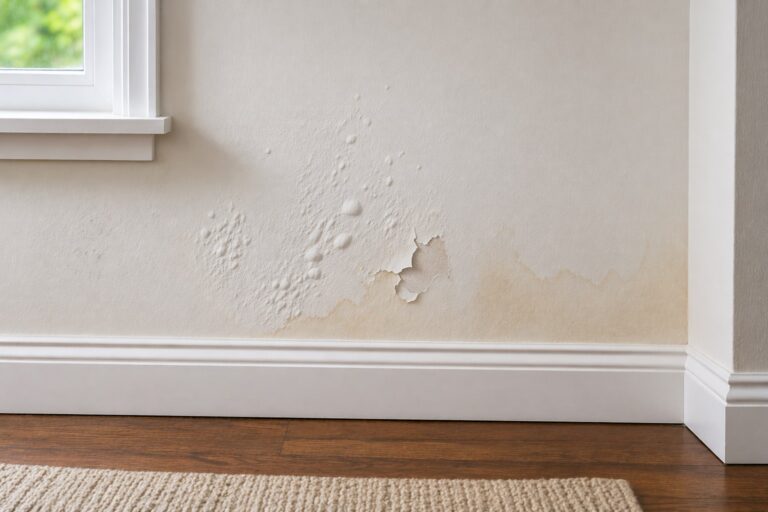
The best way to prevent basement water intrusion is to keep roof runoff, surface water, and groundwater from collecting near the foundation. Most leaks start when soil around basement walls becomes saturated and pressure forces water through cracks, seams, porous concrete, or the wall-to-floor joint.
Sealing interior cracks may reduce minor seepage, but long-term prevention depends on controlling water outside the foundation first.
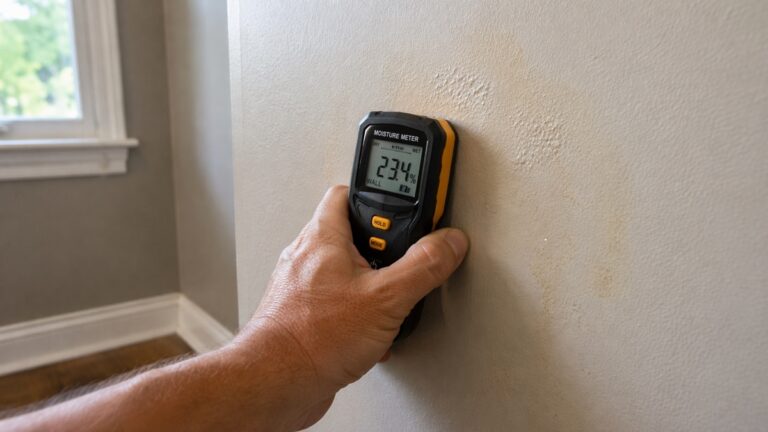
If you are already noticing warning signs like damp floors or musty odors, reviewing signs of poor basement drainage can help confirm whether prevention measures are needed. This guide focuses on stopping water before it becomes a problem.
To understand why prevention is so important, it also helps to see how hydrostatic pressure causes basement leaks, since most basement water intrusion begins with pressure building around the foundation.
For a broader system-level overview of drainage, sump pumps, waterproofing membranes, and foundation protection, see how to waterproof basements and control water intrusion.
Why Basement Water Intrusion Happens
Water typically enters a basement when it accumulates in the soil surrounding the foundation. As the soil becomes saturated, pressure builds and forces moisture through weak points in walls and floors.
Common entry points include:
- The wall-to-floor joint where basement walls meet the slab
- Hairline cracks in poured concrete or block walls
- Porous masonry, mortar joints, or aging concrete
- Construction joints, pipe penetrations, and floor cracks
However, these entry points are not the root cause. The real issue is that too much water is reaching the foundation in the first place.
In many cases, the conditions described in why basement drainage systems fail are already present, meaning water is not being properly managed or redirected away from the home.
Effective prevention focuses on reducing water exposure, improving drainage, and protecting the structure from moisture.
The Core Prevention Strategy
The core strategy is simple: collect roof water, move it away from the house, shape the ground so surface water flows outward, and use drainage systems where natural drainage is not enough.
These steps work together. Gutters without downspout extensions may still dump water beside the foundation. Good grading may not be enough if roof runoff is overwhelming the soil. Drainage systems may fail if they are clogged, undersized, or discharging water back toward the home.
Homeowners who are unsure whether water is currently being directed properly can use the methods described in how to detect basement drainage problems to evaluate their setup.
Managing Roof Runoff Properly
Roof runoff is one of the largest sources of water that reaches the ground around your home. During heavy rain, a significant volume of water flows off the roof, and if it is not managed correctly, it can quickly overwhelm the area near the foundation.
Keep Gutters Clean and Functional
Gutters are the first line of defense in preventing basement water intrusion. Their job is to collect roof runoff and guide it toward downspouts.
Problems occur when gutters are:
- Clogged with leaves and debris
- Damaged or sagging
- Leaking at joints or seams
When gutters fail, water spills directly down the sides of the home and saturates the soil around the foundation.
During a rainstorm, check whether water is spilling over the gutter edge, leaking behind the gutter, or dropping beside the foundation. Those signs usually matter more than whether the gutter looks clean from the ground.
Extend Downspouts Away From the Foundation
Downspouts must carry water far enough away from the home to prevent it from returning to the foundation.
Best practices include:
- Extending downspouts at least 6–10 feet away from the house
- Ensuring water is discharged onto sloped ground
- Avoiding discharge into low-lying areas or landscaping beds
Short or poorly positioned downspouts are one of the most common causes of basement water problems. Even a small roof area can produce enough runoff to saturate soil quickly.
Prevent Water From Re-Entering the Foundation Area
It’s not enough to move water away temporarily—it must stay away from the home.
To achieve this:
- Ensure discharge areas allow water to continue flowing away
- Avoid directing water toward driveways or surfaces that slope back toward the house
- Monitor areas where water may pool after discharge
If water flows back toward the foundation, it defeats the purpose of downspout extensions and increases the risk of soil saturation.
Improving Grading and Surface Drainage
Grading refers to the slope of the ground around your home. Proper grading is essential for directing water away from the foundation and preventing accumulation near basement walls.
Create a Slope Away From the Foundation
The ground should slope away from the home so that water naturally flows outward.
Effective grading typically includes:
- A visible slope that carries water away from the foundation for the first several feet
- Elimination of flat or inward-sloping areas
- Smooth transitions that prevent water from pooling
If the ground slopes toward the home, water will collect near the foundation and increase the likelihood of intrusion.
Fix Low Spots and Depressions
Over time, soil can settle and create low areas where water collects.
These depressions often form:
- Along foundation walls
- Near corners of the home
- In landscaping beds
Filling and leveling these areas helps eliminate pooling and improves overall drainage performance.
Be careful not to solve one drainage problem by piling mulch, soil, or raised landscaping too high against siding, brick veneer, vents, or foundation openings.
Manage Water Flow Across the Property
Water does not always originate directly at the foundation. It can travel across your property and collect near the home if not properly managed.
To control water flow:
- Redirect runoff from driveways and patios
- Ensure neighboring slopes do not direct water toward your home
- Use landscaping features to guide water away
These adjustments help prevent large volumes of water from reaching the foundation during heavy rain.
Improving grading and surface drainage is one of the most effective ways to reduce the conditions that lead to basement moisture problems.
Using Drainage Systems to Control Groundwater
Even with proper grading and roof runoff management, some water will still reach the soil around your foundation. Drainage systems are designed to collect and redirect this water before it can build pressure against basement walls.
Install or Maintain Perimeter Drainage Systems
Perimeter drainage systems, such as drain tile or French drains, help manage groundwater by collecting it at the base of the foundation and directing it away.
These systems are especially important in areas with:
- Heavy rainfall
- Clay soil that retains water
- Poor natural drainage conditions
If a drainage system is already installed, regular maintenance is essential to keep it functioning properly. As explained in why basement drainage systems fail, clogs, root intrusion, and aging materials can reduce performance over time.
Use Surface Drainage Solutions Where Needed
In areas where water consistently collects, surface drainage solutions can help redirect flow before it reaches the foundation.
These may include:
- Channel drains along driveways or patios
- Swales or shallow ditches to guide water flow
- Drainage paths that move water toward safe discharge areas
Surface drainage is especially useful for managing runoff from large paved areas or sloped properties.
If your basement relies on a sump pump, prevention also means testing the pump, keeping the pit clear, confirming the discharge line moves water away from the house, and considering backup power in areas with frequent outages.
Protecting Foundation Walls and Floors
While keeping water away from the foundation is the primary goal, protecting the structure itself adds an additional layer of defense.
Understand the Role of Waterproofing
Waterproofing materials can help resist moisture penetration through foundation walls and floors, but they work best after drainage and runoff problems are controlled.
However, it is important to understand their limitations:
- They do not remove water from the surrounding soil
- They cannot eliminate hydrostatic pressure
- They work best when combined with proper drainage
Waterproofing should be viewed as part of a broader prevention strategy rather than a standalone solution.
Seal Minor Cracks and Entry Points
Small cracks and seams can allow water to enter when pressure builds around the foundation.
Sealing these areas can help reduce minor seepage, but do not seal, paint, or coat over active water entry without addressing why water is reaching that spot.
If water continues to appear after sealing, it often indicates that external conditions are still allowing water to accumulate.
Maintaining Drainage Systems Over Time
Prevention is not a one-time task. Drainage conditions change over time, and systems require ongoing maintenance to remain effective.
Regularly Inspect Gutters and Downspouts
Gutters and downspouts should be checked periodically to ensure they are functioning correctly.
Maintenance includes:
- Removing debris from gutters
- Checking for leaks or damage
- Confirming that downspouts discharge properly
Neglecting these components can quickly lead to water accumulation near the foundation.
Monitor Changes in Grading and Soil Conditions
Soil around the home can settle or shift over time, altering how water flows.
Watch for:
- New low spots forming near the foundation
- Changes in slope direction
- Areas where water begins to pool
Correcting these changes early helps maintain effective drainage.
Check Drainage System Performance
Drainage systems should be monitored to ensure they are working as intended.
Signs of reduced performance may include:
- Recurring moisture in the basement
- Water pooling near the foundation
- Slow drainage after rain
If these symptoms appear, it may be necessary to inspect the system more thoroughly using the methods described in how to inspect basement waterproofing systems.
Preventing Water Intrusion During Heavy Rain
Extreme weather events place the greatest stress on drainage systems. Preparing for these conditions can help prevent sudden water intrusion.
Ensure Systems Are Clear Before Storms
Before heavy rain, make sure:
- Gutters are clean
- Downspouts are unobstructed
- Drainage pathways are clear
This allows water to flow freely and reduces the risk of overflow or backup.
Monitor High-Risk Areas
During storms, check high-risk areas only when it is safe to do so. Avoid standing water near electrical panels, outlets, appliances, or extension cords.
Look for:
- Pooling near the foundation
- Overflow from gutters
- Water flowing toward the home
Identifying these issues during or shortly after rain helps show which drainage path needs correction before the next storm.
Reduce Water Volume Where Possible
Minimizing the amount of water reaching the foundation during storms is critical.
This may involve:
- Clearing leaves from surface drains and gutter outlets
- Moving splash blocks or extensions that have shifted out of position
- Checking that sump pump discharge is not flowing back toward the foundation
These steps help prevent the conditions that lead to sudden basement water intrusion.
Frequently Asked Questions About How to Prevent Basement Water Intrusion
What is the best way to prevent basement water intrusion?
The most effective approach is to keep water away from the foundation. This includes maintaining gutters, extending downspouts, improving grading, and using drainage systems where necessary. Preventing water buildup outside the home is the most reliable long-term solution.
Do gutters really help prevent basement leaks?
Yes. Gutters play a critical role by collecting roof runoff and directing it away from the home. When gutters fail or overflow, large amounts of water can saturate the soil around the foundation and increase the risk of basement moisture problems.
How far should downspouts extend from the house?
Downspouts should typically extend at least 6 to 10 feet away from the foundation. This helps ensure that water does not return to the soil surrounding the home.
Why does my basement still get water after I extended the downspouts?
Downspout extensions only help if the discharge area keeps water moving away from the house. If the ground slopes back toward the foundation, the extension drains into a low spot, or the soil near the wall is already saturated, water can still return to the basement.
Is waterproofing always necessary?
Not always. In many cases, improving drainage and controlling water exposure is enough to prevent problems. Waterproofing becomes more important when water pressure around the foundation cannot be fully reduced through drainage alone.
Conclusion
The best prevention plan starts outside the basement. Keep roof runoff under control, extend downspouts properly, correct grading problems, maintain drainage systems, and avoid relying on interior sealing as the only defense.
If water still reaches the basement after those steps, the problem is no longer simple prevention. It may require a closer inspection of the drainage system, sump pump, foundation cracks, or waterproofing design.
Basement Water Intrusion Prevention Checklist
- Clean gutters and check for overflow during rain
- Extend downspouts 6–10 feet from the foundation when the yard layout allows it
- Correct soil that slopes back toward the house
- Fill low spots where water collects near basement walls
- Keep sump pump discharge from flowing back toward the home
- Inspect drainage performance after heavy storms