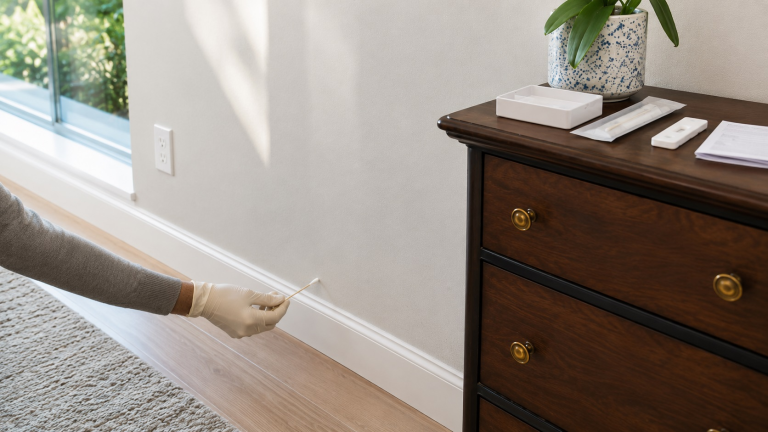
Mold Exposure Symptoms in Children: Signs Parents Should Watch For
Mold exposure symptoms in children can be difficult for parents to recognize because they often look like allergies, colds, sinus irritation, or asthma flare-ups. A child may have a stuffy nose, coughing, wheezing, itchy eyes, sore throat, skin irritation, poor sleep, or lower energy without mold being the obvious cause.
The key is to look for patterns. Symptoms are more suspicious for indoor mold when they get worse in a certain room, improve when the child is away from home, appear after leaks or dampness, or happen alongside musty odors, visible mold, high humidity, or water-damaged materials. Mold symptoms can overlap with many other conditions, so symptoms alone do not prove that mold is the cause.
This guide explains the common mold exposure symptoms parents may notice in children, when symptoms deserve medical attention, and how to check your home for mold or moisture clues. For a broader explanation of how mold affects indoor air, see this guide to mold exposure and indoor air quality.
Common Mold Exposure Symptoms in Children
Children who are sensitive to mold may develop allergy-like, respiratory, eye, skin, or asthma-related symptoms. Some react quickly in a damp or moldy environment, while others show mild symptoms that build gradually. Some children have no obvious reaction at all.
Common symptoms parents may notice include:
- Stuffy or runny nose
- Sneezing
- Coughing
- Wheezing
- Sore throat or throat irritation
- Itchy, watery, red, or burning eyes
- Postnasal drip
- Skin irritation or rash
- Headaches or sinus pressure
- Poor sleep, tiredness, or lower energy
- Asthma symptoms getting worse in children who already have asthma
These symptoms can also come from colds, flu, seasonal allergies, dust mites, pet dander, smoke, cleaning chemicals, dry air, or other medical issues. Mold becomes more worth investigating when symptoms follow an indoor pattern, such as a child coughing every night in a musty bedroom with condensation around the windows.
For the broader household symptom picture, you can compare this article with the guide to common symptoms of mold exposure in homes. This child-focused guide is different because parents need to watch not only what the child says, but also how the child sleeps, breathes, plays, and behaves indoors.
Respiratory Symptoms Parents Should Take Seriously
Respiratory symptoms are some of the most important mold-related symptoms for parents to notice. Children may not always explain breathing discomfort clearly. A younger child may not say, “My chest feels tight.” Instead, they may cough at night, avoid running, breathe noisily, wake up more often, or seem unusually tired after activity.
Any breathing symptom in a child deserves caution. Mold may be one possible trigger, especially in a damp or moldy home, but a healthcare professional should evaluate persistent, worsening, or concerning respiratory symptoms.
For a broader explanation of how mold may relate to coughing, wheezing, and airway irritation, see can mold cause breathing problems.
Coughing
Coughing is one of the most common symptoms parents connect with indoor mold concerns. A mold-sensitive child may cough because of throat irritation, postnasal drip, airway irritation, or asthma-related symptoms. The cough may be dry, nagging, worse at night, or worse after the child spends time in a certain room.
A cough becomes more suspicious for indoor mold when it follows a pattern. For example, the child may cough more after sleeping in a damp bedroom, playing in a basement, sitting near a musty carpet, or spending time near an HVAC vent. If the cough improves when the child is away from the home and returns after coming back, the indoor environment deserves attention.
Coughing alone does not prove mold exposure. Children cough for many reasons, including viral infections, allergies, asthma, reflux, smoke exposure, and dry air. Call the child’s healthcare provider for persistent, worsening, nighttime, or breathing-related coughing while also checking the home for moisture clues.
Wheezing or Noisy Breathing
Wheezing is a higher-priority symptom than a mild stuffy nose. It may sound like a whistling, squeaking, or tight sound when the child breathes. Wheezing can happen when the airways are irritated or narrowed, and it can be especially concerning in children with asthma or a history of breathing problems.
If a child wheezes in a damp or moldy home, mold may be one possible trigger, but the symptom should not be handled as a home repair issue only. A pediatrician or qualified healthcare provider should evaluate wheezing, especially if it is new, recurring, worsening, or accompanied by trouble breathing.
If your child already has asthma, this related guide explains how mold can affect asthma symptoms in more detail.
Also watch for activity changes. A child who avoids running, gets winded easily, coughs during play, or wakes at night with breathing symptoms may be showing airway irritation. If mold is suspected, check the home, but address the child’s breathing first.
Shortness of Breath or Chest Tightness
Shortness of breath, chest tightness, or a child saying that it feels hard to breathe should always be taken seriously. Mold exposure may irritate the airways in sensitive children, but these symptoms can also come from asthma, infection, allergic reactions, or other medical problems that need prompt evaluation.
Parents should not try to determine on their own whether chest tightness is from mold, a cold, asthma, or something else. If a child seems to be struggling to breathe, breathing faster than usual, using extra effort to breathe, complaining of chest tightness, or looking unusually tired during breathing symptoms, contact a healthcare professional promptly.
From a home perspective, repeated symptoms after sleeping in a room with visible mold, spending time in a damp basement, or being around a moisture-prone HVAC system are reasons to inspect the home. The medical concern still comes first.
Sore Throat or Throat Irritation
A sore or scratchy throat can happen when indoor air irritates the nose, throat, or airways. Mold is not the only possible cause, but it may contribute when the child is breathing in damp, musty, or contaminated indoor air. Postnasal drip can also make the throat feel irritated, especially in the morning.
Parents may notice that the child clears their throat often, complains of a scratchy throat, coughs after lying down, or wakes up hoarse. If this happens mainly in one bedroom or after time in a musty area, the room should be checked for moisture clues.
Throat irritation with fever, severe pain, difficulty swallowing, swollen glands, or worsening illness should be evaluated medically. Mold should not be assumed to be the cause of every sore throat.
Allergy-Like Symptoms That May Point to Mold
Mold exposure symptoms in children often look like allergies because the same child may also react to pollen, dust mites, pets, smoke, cleaning products, or seasonal changes. The difference is often found in the pattern.
If symptoms happen year-round, worsen indoors, flare in damp rooms, or appear after water damage, mold becomes more worth investigating. If symptoms only happen during outdoor pollen season or after contact with pets, another allergen may be more likely.
Stuffy or Runny Nose
A stuffy or runny nose is one of the most common allergy-like symptoms parents notice. A child may sound congested, breathe through the mouth, snore more than usual, wake with a dry mouth, or complain that the nose feels blocked.
If the congestion is worse after sleeping in a certain room, check that room carefully. Look around windows, behind curtains, near exterior walls, under beds, around carpets, inside closets, and near vents. Bedrooms are especially important because children spend many hours there each night.
Recurring congestion does not automatically mean mold is present. However, congestion plus musty odor, water stains, damp carpet, window condensation, or visible mold is a stronger reason to inspect the home.
Sneezing
Sneezing may happen when a child is reacting to airborne particles. Mold spores, dust, pollen, pet dander, and other irritants can all contribute. Mold becomes a stronger possibility when sneezing is connected to indoor dampness or certain areas of the home.
For example, a child who sneezes frequently in a basement playroom, near a damp carpet, or in a bedroom with a musty closet may be reacting to something in that space. Inspect for moisture, clean dust-prone areas, check humidity, and look for hidden dampness before assuming mold is the only cause.
Itchy, Watery, Red, or Burning Eyes
Eye symptoms are another common allergy-like complaint. A child may rub their eyes, blink often, complain that their eyes burn, or wake up with watery or irritated eyes. Younger children may not describe the symptom clearly, so parents may notice the rubbing or redness first.
Eye irritation can come from many indoor triggers, including dust, pet dander, smoke, cleaning sprays, dry air, and mold. Mold becomes more suspicious when eye irritation appears with nasal congestion, coughing, musty odors, or damp rooms.
If eye symptoms are severe, painful, one-sided, associated with vision changes, or do not improve, contact a healthcare professional. Do not assume mold is the only explanation.
Postnasal Drip
Postnasal drip happens when mucus drains down the back of the throat. Parents may notice throat clearing, coughing at night, a scratchy throat, bad breath, or complaints of mucus in the throat. A child may also cough more when lying down.
Postnasal drip can make mold-related concerns seem like a cough problem, a throat problem, or a sleep problem. If the child has postnasal drip along with congestion, sneezing, and symptoms that worsen indoors, the home environment may be contributing.
This is where the distinction between mold, colds, and allergies becomes important. If symptoms come and go with viral illness, fever, and short-term sickness, a cold may be more likely. If symptoms linger, recur, or worsen around indoor dampness, mold or another indoor allergen may deserve attention. For a more specific comparison, see this guide to mold allergy symptoms and cold symptoms.
Skin, Sleep, and Energy Changes Parents May Notice
Not every child shows mold-related concerns through coughing or congestion alone. Some children may also have skin irritation, poor sleep, or lower energy when allergy-like symptoms are bothering them. These signs are less specific, so they should be interpreted carefully and in context.
Rashes or Skin Irritation
Skin irritation may appear as redness, itching, dry patches, or rash-like areas. Mold is one possible irritant for sensitive children, but skin symptoms can also come from eczema, soaps, detergents, foods, pets, heat, sweat, clothing, plants, or infections.
Skin symptoms become more relevant to a mold concern when they appear with other indoor-air symptoms, such as congestion, coughing, itchy eyes, or musty odors. A rash by itself is not enough to identify mold as the cause.
If a rash is severe, spreading, painful, blistering, infected-looking, or accompanied by fever or swelling, contact a healthcare professional.
Poor Sleep or Nighttime Symptoms
Poor sleep is one of the ways mold-related symptoms may affect a child’s daily behavior. A child with nasal congestion, coughing, wheezing, throat irritation, or sinus pressure may wake more often or sleep less deeply. Parents may notice snoring, mouth breathing, restlessness, coughing at night, or morning tiredness.
Nighttime symptoms are especially important because they often point toward the sleeping environment. If a child sleeps poorly in one bedroom but does better elsewhere, check that room for dampness, dust, musty odor, hidden leaks, window condensation, carpet moisture, and HVAC airflow issues.
Fatigue, Crankiness, or Lower Energy
Children do not always describe fatigue the way adults do. Instead of saying they feel tired, they may become cranky, less active, harder to wake, less interested in play, or more emotional than usual. If allergy or breathing symptoms are disrupting sleep, lower energy may follow.
Mold should not be blamed for every change in mood or energy. Children may be tired because of illness, poor sleep habits, stress, schedule changes, growth, nutrition, school demands, or many other reasons. Mold becomes more plausible when lower energy appears with indoor allergy symptoms, breathing symptoms, and clear home moisture clues.
If fatigue, weakness, or behavior changes are persistent, severe, or concerning, talk with your child’s healthcare provider. A home inspection can identify mold or moisture problems, but it cannot diagnose why a child feels tired.
When a Child’s Symptoms Are More Suspicious for Indoor Mold
Because mold exposure symptoms in children can look like many other common problems, patterns matter. A single cough, runny nose, or rash does not prove mold exposure. Symptoms become more suspicious when they line up with indoor moisture clues, certain rooms, repeated timing, or other household members having similar issues.
Symptoms Are Worse at Home
One of the strongest clues is whether the child feels worse inside the home and better away from it. For example, a child may cough more after coming home from school, wake up congested every morning, or have fewer symptoms after spending a weekend somewhere else.
This does not prove mold is the cause, but it suggests something in the indoor environment may be contributing. Mold becomes more likely when the pattern appears with dampness, musty odors, visible mold, or recent water damage.
Symptoms Are Worse in One Room
Room-specific symptoms are especially useful for parents. If a child coughs, sneezes, rubs their eyes, or sleeps poorly mostly in one bedroom, basement, bathroom, playroom, or HVAC zone, that area deserves closer inspection.
Bedrooms are especially important because children spend many hours there. Check windows, exterior walls, closets, carpets, baseboards, air vents, curtains, and furniture placed tightly against walls. Moisture can hide behind furniture, under carpet, inside closets, and around windows where condensation collects.
A musty room does not always have visible mold on the surface. The source may be behind drywall, under flooring, inside a closet, around a window frame, or connected to an HVAC or humidity problem.
There Is a Musty Smell, Dampness, or Visible Mold
Symptoms become more suspicious when the home itself shows evidence of mold-friendly conditions. A musty smell, visible mold spots, water stains, peeling paint, soft drywall, swollen trim, damp carpet, condensation, or recurring humidity problems all suggest that moisture may be present.
Mold growth is not always dramatic. It may look like small speckles around a window, staining on bathroom caulk, discoloration on a ceiling, dark marks near an air vent, or a fuzzy patch behind furniture. Even small areas can point to a moisture problem that should be corrected.
Parents should also think about the home’s recent history. A plumbing leak, roof leak, appliance overflow, wet basement, damp crawl space, or repeated condensation problem can create hidden moisture even after the surface looks dry.
Other Family Members Have Similar Symptoms
If more than one person in the home has congestion, coughing, itchy eyes, throat irritation, headaches, or worsening asthma symptoms, the indoor environment becomes more important to evaluate. The symptoms do not have to be identical. One child may cough, another may have itchy eyes, and an adult may feel sinus pressure or fatigue.
This does not mean the home is definitely moldy. Shared symptoms can also come from viral illness, seasonal allergies, dust, pets, smoke, or other indoor irritants. But when several household members feel worse in the same home and the home has moisture clues, mold or indoor air quality should be investigated. You can compare child symptoms with mold exposure symptoms in adults to see whether the household pattern is broader than one child.
When Symptoms May Be Something Else
Parents should be careful not to blame mold for every symptom. Children commonly develop coughs, runny noses, sore throats, rashes, fatigue, and eye irritation for reasons that have nothing to do with mold.
Similar symptoms can come from:
- Colds or other viral infections
- Flu or respiratory infections
- Seasonal pollen allergies
- Dust mites
- Pet dander
- Smoke or vaping residue
- Cleaning sprays or fragrances
- Dry indoor air
- Other asthma triggers
- Food allergies or skin sensitivities
- Other medical conditions
A short-term illness with fever, body aches, sudden onset, or symptoms spreading through classmates or family members may point more toward infection. Symptoms that linger, recur, worsen indoors, or flare in damp rooms may make indoor air quality more relevant.
Parents do not have to solve that distinction alone. If symptoms are persistent, worsening, unusual, or concerning, a pediatrician can help evaluate the child while you separately check the home for mold and moisture.
When to Call a Pediatrician
Call your child’s healthcare provider if symptoms are persistent, worsening, severe, or concerning, especially when breathing is involved. Mold inspection may identify a possible environmental trigger, but it cannot evaluate your child’s lungs, allergies, infection risk, or overall health.
The CDC notes that mold exposure may cause symptoms such as stuffy nose, sore throat, coughing, wheezing, burning eyes, or skin rash in some people, and that people with asthma or mold allergies may have more severe reactions.
Contact a pediatrician promptly if your child has:
- Wheezing
- Trouble breathing
- Chest tightness
- Persistent or worsening cough
- Fever or signs of infection
- Severe fatigue or unusual weakness
- Symptoms that interrupt sleep regularly
- Asthma symptoms that are becoming more frequent
- Symptoms in a baby, toddler, or medically vulnerable child
- Any symptom that worries you as a parent
Children with asthma, allergies, chronic lung conditions, or weakened immune systems deserve extra caution around damp or moldy environments. If your child already has asthma and symptoms seem worse in the home, discuss the pattern with the child’s healthcare provider and inspect the home for moisture problems. For more detail on this specific issue, see this guide to mold and asthma symptoms.
If breathing symptoms are sudden, severe, or the child appears to be struggling to breathe, seek urgent medical help. Do not wait for a mold inspection before addressing serious breathing symptoms.
How to Check Your Home for Mold or Moisture
If your child has symptoms that seem connected to the home, the most important thing to look for is moisture. Mold problems usually begin with water, dampness, condensation, or humidity that stays too high. Finding the moisture source is often more useful than simply looking for visible mold on the surface.
Start With the Child’s Bedroom
Begin in the room where your child sleeps. Look around windows, curtains, carpets, baseboards, closets, exterior walls, furniture, and air vents. Bedrooms matter because children spend many hours there, and symptoms that appear overnight or in the morning may be connected to the sleeping environment.
Pay close attention to musty odors, window condensation, damp carpet edges, peeling paint, swollen trim, water stains, or furniture placed tightly against exterior walls. Mold can develop where airflow is poor and surfaces stay cooler or damp longer than the rest of the room.
Check Bathrooms, Basements, and Damp Rooms
Bathrooms are common mold-prone areas because showers and baths create repeated moisture. Check ceilings, grout, caulk, vanities, walls near tubs, exhaust fans, and areas behind toilets. If the bathroom fan is weak, noisy, unused, or venting poorly, moisture may stay trapped long enough to support mold growth.
Basements, crawl-space-adjacent rooms, laundry areas, and storage spaces also deserve attention. These areas may have higher humidity, water seepage, condensation, damp concrete, wet stored items, or musty air that moves into living spaces.
Review Past Leaks or Water Damage
Think about whether the home has had roof leaks, plumbing leaks, appliance overflows, wet flooring, damp drywall, basement water, window leaks, or repeated condensation. Mold may grow after water damage if materials stay damp long enough, even if the visible surface later looks dry.
Do not only check the exact spot where water appeared. Moisture can travel along framing, flooring, insulation, baseboards, cabinets, and wall cavities. A small stain may be the visible edge of a larger hidden moisture problem.
Look at HVAC and Ventilation Issues
HVAC systems can affect how air moves through the home. If your child’s symptoms are worse when the heating or cooling system runs, check for dirty vents, musty odors from registers, condensation near equipment, clogged drain lines, damp filters, or visible mold near vents.
This does not mean every HVAC odor is mold, but moisture around air-handling equipment should not be ignored. A system that stays damp or moves air from a moldy area can spread odors and particles through multiple rooms.
Measure Indoor Humidity
A simple hygrometer can help you understand whether certain rooms stay too humid. High indoor humidity can support mold growth and make the air feel heavy or uncomfortable. Compare the child’s bedroom with bathrooms, basements, laundry areas, and other rooms where symptoms seem worse.
Humidity readings do not diagnose your child’s symptoms. They only help show whether the home has conditions that may support mold growth. If humidity stays high, the home may need better ventilation, dehumidification, drainage, or leak repair.
For a more focused next step, see what to do if you suspect mold exposure in your home.
What Parents Should Do if They Suspect Mold Exposure
If you suspect mold may be affecting your child, handle the situation from two directions at the same time: protect the child’s health and correct the home conditions. Do not rely only on cleaning visible mold, and do not rely only on home testing while ignoring symptoms.
Reduce Exposure to the Suspected Area
If symptoms seem worse in one bedroom, basement, bathroom, or play area, reduce your child’s time in that space until you understand what is happening. This is especially important if the child has asthma, wheezing, strong allergy symptoms, or symptoms that worsen after time in that room.
Moving the child temporarily does not fix the mold problem, but it may reduce exposure while you inspect, clean, repair, or get professional help.
Fix the Moisture Source
Mold cleanup will not last if the water source remains. Look for plumbing leaks, roof leaks, window leaks, condensation, bathroom ventilation problems, basement seepage, crawl space moisture, or high humidity. Correcting the moisture source is the foundation of long-term mold control.
If you clean mold from a wall but leave the leak behind it active, the mold may return. If you scrub bathroom mold but never improve ventilation, the same pattern may repeat.
Avoid Disturbing Large or Hidden Mold Areas
Parents naturally want to remove mold quickly, but tearing into moldy drywall, ripping up flooring, or scrubbing large mold areas without proper precautions can spread spores and dust. Large mold areas, recurring mold, hidden mold, HVAC contamination, wet insulation, sewage-related moisture, or structural water damage may require professional evaluation.
Small surface mold on washable materials may be manageable in some cases, but use caution around children with asthma, breathing symptoms, or strong reactions. Keep children away from cleanup work and avoid letting them play near disturbed moldy materials.
Do not have children help with mold cleanup, and do not let them stay in the work area while moldy materials are being disturbed.
Use Testing as a Tool, Not a Diagnosis
Mold testing can sometimes help when you suspect a mold problem but cannot find the source. However, a mold test cannot diagnose your child or prove that mold is causing symptoms. It can only provide information about the home environment. For a fuller testing decision guide, see should you test your home after mold exposure symptoms.
If testing is used, combine it with a visual inspection, moisture readings, odor patterns, leak history, and medical advice when symptoms are concerning. In many cases, visible mold or obvious moisture is already enough reason to fix the problem.
FAQs About Mold Exposure Symptoms in Children
What are the most common mold exposure symptoms in children?
Common mold exposure symptoms in children may include stuffy nose, runny nose, sneezing, coughing, wheezing, sore throat, itchy or watery eyes, skin irritation, headaches, poor sleep, and asthma flare-ups in children who already have asthma. These symptoms can also come from many other causes, so patterns and home moisture clues matter.
Can mold cause coughing in children?
Mold may contribute to coughing in sensitive children, especially when it triggers throat irritation, postnasal drip, allergies, or asthma symptoms. A persistent, worsening, nighttime, or breathing-related cough should be discussed with a pediatrician.
Can mold make a child’s asthma worse?
Yes, mold can be an asthma trigger for some children. If your child has asthma and symptoms seem worse in a damp or musty home, talk with the child’s healthcare provider and inspect the home for mold or moisture problems.
How can I tell if my child’s symptoms are from mold or a cold?
A cold often comes on suddenly, may include fever or body aches, and usually improves over time. Mold-related symptoms are more suspicious when they linger, recur, worsen indoors, improve away from home, or appear with musty odors, visible mold, dampness, or high humidity. A pediatrician can help evaluate the child’s symptoms.
Can mold exposure cause fatigue or poor sleep in children?
Mold-related congestion, coughing, wheezing, sinus pressure, or throat irritation may disrupt sleep. Fatigue is more suspicious when it appears with indoor allergy or breathing symptoms and improves when the child sleeps away from the suspected room.
Should my child see a doctor if I suspect mold exposure?
Yes, especially if symptoms are persistent, worsening, breathing-related, severe, or concerning. Call a pediatrician for wheezing, trouble breathing, chest tightness, persistent coughing, fever, severe fatigue, symptoms in babies or toddlers, or symptoms in a child with asthma, chronic lung disease, or immune concerns.
Should I test my home if my child has mold-like symptoms?
Testing may help in some situations, but symptoms alone do not prove that a home has mold. Testing or professional inspection is more useful when symptoms line up with musty odors, visible mold, past leaks, damp rooms, high humidity, or symptoms that worsen in specific areas of the home.
What Parents Should Remember
Mold exposure symptoms in children can include congestion, coughing, wheezing, sore throat, itchy or watery eyes, skin irritation, poor sleep, fatigue, and asthma flare-ups in sensitive children. These symptoms are not unique to mold, so the strongest clues are patterns: symptoms that worsen indoors, appear in one room, improve away from home, or line up with musty odors, dampness, visible mold, leaks, or high humidity.
Handle both sides of the problem. A pediatrician should evaluate persistent, worsening, or breathing-related symptoms, while the home should be checked for moisture and mold conditions. Fix leaks, dry damp materials, improve ventilation, and remove mold safely so the child is not repeatedly exposed to the same indoor triggers.