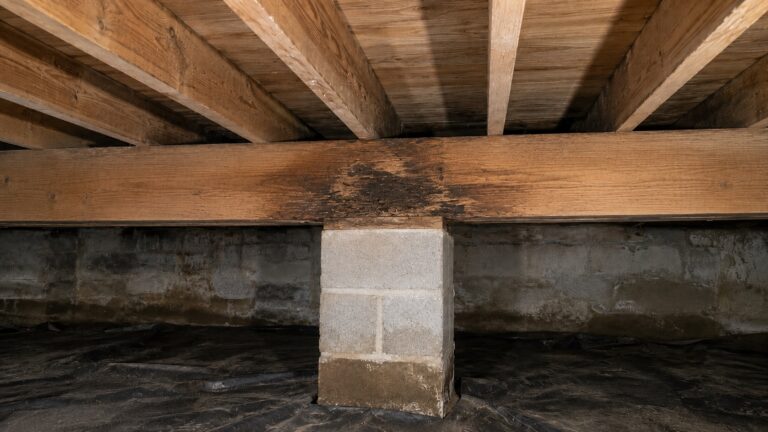
How to Fix Persistent Basement Floor Water Problems
If your basement floor keeps getting wet after drying, sealing, or cleanup, the problem is usually not the surface of the floor. It is usually a repeated moisture source, drainage issue, slab pressure problem, crack pathway, or indoor humidity condition that has not been corrected.
The right fix depends on what is driving the water. Damp concrete may only need humidity control or a vapor-reducing sealer, while repeated seepage after rain may require drainage correction, crack repair, a sump system, or professional waterproofing work.
If you’re unsure what’s causing the moisture, it may help to review why basement floors stay wet before choosing a solution. Understanding the source is the first step toward choosing a repair that actually matches the problem.
This guide explains how to fix persistent basement floor water problems by matching the right solution to the underlying cause. Whether the issue is minor dampness or repeated water intrusion, the goal is to stop the problem at its source—not just treat the symptoms.
Because repeated floor water can also point to deeper slab, drainage, or foundation conditions, this topic fits within the broader guide to structural moisture problems in homes.
Why Basement Floor Water Problems Keep Returning After Repairs
Recurring basement floor water usually means the first fix treated the visible water but not the condition feeding it. The most common pattern is a surface repair being used for a pressure, drainage, crack, or humidity problem.
Surface-Level Fixes Do Not Stop Moisture Movement
Many homeowners apply sealers or coatings to the basement floor in an attempt to block moisture. While these products may temporarily improve the appearance of the surface, they do not stop water that is being pushed upward by pressure beneath the slab.
As a result, moisture often finds another pathway—through cracks, joints, or even directly through the concrete.
Water Pressure Beneath the Slab Remains Unresolved
When hydrostatic pressure builds in the soil below your home, it pushes moisture toward the basement floor. If this pressure is not reduced, water will continue to enter regardless of surface treatments.
This is especially common in situations explained in why cracks in basement floors cause water leaks, where cracks act as pathways for pressure-driven water.
Drainage Problems Continue Feeding Moisture
If water is not being directed away from your home, the soil around your foundation will remain saturated. This creates ongoing pressure against the basement floor and increases the likelihood of repeated water intrusion.
Without correcting drainage issues, even well-executed repairs may fail over time.
Moisture Conditions Inside the Basement Are Not Controlled
In some cases, the problem is not water entering from outside, but moisture building up inside the basement. High humidity and poor airflow can keep floors damp and prevent proper drying.
These conditions often lead to persistent moisture even after water intrusion has been addressed.
A simple clue is timing: dampness that appears during humid weather but not after rain often points to indoor humidity or condensation, while water that returns after storms usually points to drainage, cracks, or pressure beneath the slab.
Step 1 — Identify the Root Cause
Before choosing a solution, identify when the water appears, where it starts, and whether it is dampness, seepage, or standing water. Those details usually tell you whether the problem is indoor humidity, slab moisture, a crack or joint leak, poor drainage, or pressure beneath the floor.
Common causes include:
- Damp concrete with no visible water, often from vapor movement or humidity
- Condensation from high indoor humidity, especially during warm humid weather
- Water entering through floor cracks, control joints, or the wall-floor joint
- Hydrostatic pressure forcing water upward after heavy rain or saturated soil
- Poor gutters, downspouts, grading, or exterior drainage that keeps soil wet around the foundation
Each of these causes requires a different approach. For example, a humidity problem can often be solved with ventilation and dehumidification, while pressure-driven water intrusion may require drainage or waterproofing solutions.
If you have not yet confirmed the source, using the methods outlined in how to detect basement floor leaks can help you narrow down the cause before moving forward.
Step 2 — Match the Right Solution to the Problem
Once you’ve identified the source of moisture, the next step is choosing the correct solution. Not all basement floor water problems require the same fix, and using the wrong approach is one of the main reasons issues keep coming back.
The most effective repair is the lowest-level fix that actually matches the cause. Do not install a major system for a humidity problem, but do not expect a coating or small crack patch to stop pressure-driven water.
Minor Moisture Problems
Minor issues typically involve dampness without visible water intrusion. These situations are often caused by humidity, condensation, or slight moisture movement through the concrete.
Common solutions include:
- Using a dehumidifier to control indoor moisture
- Improving airflow with fans or ventilation
- Applying a compatible concrete sealer only after confirming there is no active pressure-driven seepage
These methods can be effective when moisture levels are low and there is no pressure forcing water into the basement.
Moderate Water Intrusion
Moderate problems involve recurring moisture or occasional water entry, often linked to floor cracks, control joints, the wall-floor joint, or drainage issues outside the foundation.
Typical solutions include:
- Sealing cracks with appropriate materials
- Improving exterior drainage (gutters, downspouts, grading)
- Reducing water accumulation around the foundation
At this stage, addressing both the entry point and the surrounding conditions is important for long-term results.
Severe Water Intrusion
Severe problems involve repeated water entry, visible seepage, or standing water. These situations are usually caused by hydrostatic pressure and require more advanced solutions.
Common approaches include:
- Installing interior drainage systems
- Adding or upgrading sump pump systems
- Implementing full waterproofing solutions
In these cases, surface treatments alone are not effective because they do not address the pressure driving water into the basement. For a broader overview of drainage, sump pump, and waterproofing options, see how to waterproof basements and control water intrusion.
Common Repair Solutions Explained
Understanding how different repair methods work helps you choose the most effective approach for your situation.
Improving Drainage Around the Foundation
One of the most effective ways to reduce basement floor moisture is to control how water moves around your home. Proper drainage prevents soil from becoming saturated and reduces the pressure pushing water toward the slab.
Drainage improvements may include:
- Cleaning and maintaining gutters
- Extending downspouts away from the foundation
- Adjusting soil grading to direct water away from the home
These changes can significantly reduce the frequency and severity of water intrusion.
Sealing Cracks and Joints
Crack and joint sealing can help when water is entering through a clearly defined pathway, such as a small floor crack or wall-floor joint. It works best when the opening is stable and water pressure is not forcing moisture through multiple areas.
However, sealing alone may not be enough if water pressure beneath the slab remains high. In those cases, moisture may find another path into the basement.
Do not cover a repeatedly wet floor with finished flooring, paint, or coatings until the moisture source has been corrected and the concrete has had time to dry.
Interior Waterproofing Systems
Interior waterproofing is usually considered when water is already entering and must be collected before it spreads across the floor.
Common components include:
- Drainage channels along the perimeter
- Sump pumps to remove collected water
- Moisture barriers to protect interior surfaces
This approach is often used when exterior solutions are not practical or when water intrusion is already occurring.
Exterior Waterproofing Solutions
Exterior waterproofing addresses the problem at its source by preventing water from reaching the foundation. This is the most comprehensive solution but also the most involved.
Typical methods include:
- Excavating around the foundation
- Applying waterproof membranes to exterior walls
- Installing drainage systems to redirect water away
Because of the complexity and cost, this approach is usually reserved for severe or persistent problems that cannot be resolved through other methods.
DIY vs Professional Repairs
Choosing between a do-it-yourself fix and hiring a professional depends on the severity of the problem and the underlying cause. While some basement floor moisture issues can be managed with simple solutions, others require specialized equipment and structural expertise.
When DIY Solutions Are Appropriate
DIY approaches can be effective for minor moisture problems or situations where the cause is clearly identified and manageable.
DIY may be suitable when:
- Moisture is limited to slight dampness
- No visible water is entering the basement
- Cracks are small and not changing over time
- The issue is related to humidity or airflow
In these cases, solutions such as dehumidification, improving ventilation, and minor crack sealing may provide lasting improvement.
When Professional Repairs Are Needed
Professional intervention is recommended when the problem is more severe, persistent, or unclear. Attempting to fix these issues without the right tools or expertise often leads to temporary results.
Professional help is typically required when:
- Water enters the basement regularly
- Multiple cracks are leaking
- The problem worsens over time
- There are signs of structural movement
- Mold has developed due to ongoing moisture
Professionals can assess the situation, identify the root cause, and recommend solutions that address both the symptoms and the underlying conditions.
Cost Expectations for Basement Floor Water Repairs
Costs vary because the repair may be as simple as humidity control or as involved as drainage and waterproofing work. Instead of choosing by price alone, compare the cost to the cause: a cheap surface fix becomes expensive if the same water returns.
Low-Cost Solutions
These are usually DIY or minor fixes aimed at controlling moisture rather than stopping active water intrusion.
- Dehumidifiers and airflow improvements
- Compatible concrete sealers for minor dampness only
- Minor crack repairs
These solutions are generally affordable but may not be effective for more serious problems.
Moderate-Cost Solutions
Moderate repairs address both the symptoms and contributing conditions, such as drainage issues.
- Gutter and downspout improvements
- Grading adjustments around the foundation
- More advanced crack sealing methods
These solutions often provide better long-term results when properly implemented.
High-Cost Solutions
Severe or persistent water problems often require more extensive systems designed to control or prevent water intrusion.
- Interior drainage systems and sump pumps
- Interior or exterior waterproofing systems
- Repairs addressing structural concerns
These options cost more upfront, but they may be the only realistic path when water is being driven by saturated soil, failed drainage, or pressure beneath the slab.
Common Repair Mistakes to Avoid
Many basement floor water problems persist because of incorrect or incomplete solutions. Avoiding these common mistakes can save time, money, and frustration.
Relying Only on Surface Sealers
Surface sealers may reduce moisture temporarily, but they do not stop water being pushed upward by pressure. In many cases, water simply finds another pathway into the basement.
Ignoring Exterior Drainage Issues
Failing to address drainage problems allows water to continue accumulating around the foundation. This increases pressure and makes leaks more likely, regardless of interior repairs.
Applying DIY Fixes to Severe Problems
Using basic solutions for serious water intrusion often leads to repeated failures. Severe problems typically require professional-grade systems to resolve.
How to Prevent Basement Floor Water Problems From Returning
After the repair, prevention is mostly maintenance and monitoring. The goal is to keep outside water away from the foundation, keep indoor humidity controlled, and catch small changes before they become repeat water entry.
Maintain Proper Drainage Around Your Home
Drainage is one of the most important factors in preventing future water problems. Keeping water away from your foundation reduces the pressure that forces moisture into the basement.
Ongoing maintenance should include:
- Keeping gutters clean and free of debris
- Ensuring downspouts direct water several feet away from the home
- Maintaining proper grading so water flows away from the foundation
Control Indoor Humidity Levels
Even after fixing structural issues, humidity inside the basement can still cause damp conditions. Using a dehumidifier and improving airflow helps prevent moisture from building up on the floor.
Consistent humidity control is especially important during warmer months when condensation is more likely to occur.
Inspect Cracks and Floor Conditions Regularly
Small changes in cracks or floor conditions can signal the return of moisture problems. Regular inspections allow you to catch issues early before they become more serious.
Look for:
- Cracks widening or changing shape
- New damp spots or discoloration
- Moisture returning after rain
Avoid Storing Moisture-Sensitive Items Directly on the Floor
Keeping items off the basement floor improves airflow and reduces the risk of hidden moisture buildup. This also helps protect stored belongings from potential damage.
When to Call a Professional Immediately
Some basement floor water problems require immediate professional attention. Delaying action in these cases can lead to more extensive damage and higher repair costs.
You should contact a professional if:
- Water enters the basement during most or every rainfall
- There is standing water on the floor, especially near electrical equipment, outlets, appliances, or extension cords
- Multiple cracks, the wall-floor joint, or several areas of the slab are actively leaking
- The problem is getting worse over time or new cracks are appearing
- Mold has developed due to ongoing moisture
- The water may be from sewage, flooding, or contaminated groundwater
In these situations, professional evaluation can identify the root cause and determine the most effective long-term solution.
Frequently Asked Questions About How to Fix Persistent Basement Floor Water Problems
How do I stop basement floor water problems from coming back?
The best way to keep basement floor water from coming back is to identify whether the water is from humidity, slab moisture, cracks, poor drainage, or pressure beneath the floor. The solution may be humidity control, drainage correction, crack or joint repair, a sump system, or a larger waterproofing repair.
Can I fix basement floor water problems myself?
Minor dampness from humidity or light vapor movement can often be managed with DIY steps such as dehumidification, airflow improvements, and limited sealing. Repeated seepage, standing water, multiple leaking cracks, or water after storms usually needs professional evaluation.
What is the best waterproofing method for basement floors?
The best method depends on the cause and severity of the problem. Options range from drainage improvements to interior or exterior waterproofing systems.
How much does it cost to fix basement floor leaks?
Costs vary widely depending on the solution, from low-cost moisture control measures to more expensive waterproofing systems and structural repairs.
Will sealing cracks stop water permanently?
Sealing can work when water is entering through one stable crack and pressure is low. If water returns after rain, appears at several cracks, or comes through the wall-floor joint, drainage or waterproofing work may be needed.
Conclusion
The best fix for persistent basement floor water is the one that matches the actual source. Start by separating humidity-related dampness from rain-related seepage, then decide whether the problem calls for moisture control, crack or joint repair, drainage correction, a sump system, or professional waterproofing.
If the floor keeps getting wet after basic fixes, do not keep adding coatings or temporary patches. Repeated water usually means the pressure, drainage, or structural moisture condition still needs to be addressed.
Key Takeaways
- Persistent basement floor water problems usually return when the repair does not match the actual moisture source
- Different problems require different solutions, from humidity control to full waterproofing systems
- DIY fixes are effective for minor issues, but severe problems often need professional repair
- Drainage improvements are one of the most important long-term solutions
- Regular maintenance and monitoring help prevent the problem from returning