Why Basement Floors Stay Wet
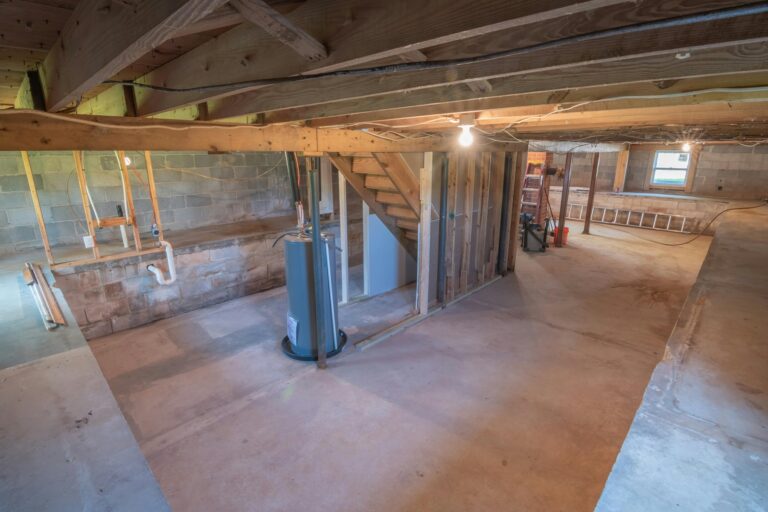
Basement floors usually stay wet because moisture is either rising through the concrete, being pushed upward by saturated soil, or forming on the slab as condensation. The pattern matters: dampness after rain often points to exterior water pressure, while wetness under rugs, boxes, or furniture often points to condensation and trapped moisture.
This is why a basement floor can keep feeling damp even when there is no puddle, visible leak, or obvious crack. Concrete is porous, basement slabs sit close to soil moisture, and cool floor surfaces can collect moisture from humid indoor air.
If you’ve already noticed visible water entering through the slab, you may want to compare your situation with these signs of water coming through basement floors. However, many wet basement floors occur without clear signs of water intrusion.
This guide explains why basement floors stay wet, what causes the moisture to return, and how to tell whether the issue is minor or a sign of a more serious problem.
Is It Normal for Basement Floors to Be Damp?
Occasional basement floor dampness can happen, especially during humid weather or seasonal changes. Persistent wetness is different. If the floor stays damp after drying, dark patches keep returning, or moisture appears after most rainstorms, the slab is being affected by an ongoing moisture source.
Signs the Dampness Is Not Normal
Basement floor moisture becomes a concern when it is consistent, recurring, or worsening over time. Warning signs include:
- Floor feels damp most of the time
- Moisture returns quickly after drying
- Darkened patches remain on the concrete
- Musty odors develop in the basement
These patterns suggest that moisture is continuously entering or forming on the floor surface. If left unaddressed, this can lead to mold growth, flooring damage, and air quality issues.
If dampness is paired with musty odor, dark patches, or recurring surface growth, compare the area with these signs of mold growth on basement floors.
The Most Common Reasons Basement Floors Stay Wet
Most wet basement floors come from one of five causes: moisture rising through the slab, pressure from saturated soil, condensation on cool concrete, cracks in the floor, or poor drainage around the foundation.
Moisture Rising Through Concrete (Capillary Action)
Concrete may look solid, but it is actually porous. It contains tiny channels that allow water to move upward from the soil below. This process, known as capillary action, is one of the most common reasons basement floors remain damp.
Unlike a visible leak, capillary moisture often shows up as widespread dampness, faint darkening, or a floor that never feels fully dry. It can happen even when there has been no recent rain because the moisture source is below the slab, not necessarily above it.
Hydrostatic Pressure From the Surrounding Soil
Another major reason basement floors stay wet is hydrostatic pressure around the foundation. This occurs when water builds up in the soil around your foundation and pushes against the basement slab.
When the soil becomes saturated—especially after heavy rain or snowmelt—the pressure forces moisture upward through the concrete. This can happen even if there are no visible cracks or openings.
Common signs of hydrostatic pressure include:
- Floor becoming damp after rainstorms
- Moisture appearing suddenly in low areas
- Recurring wet conditions during wet seasons
In more severe cases, this pressure can lead to visible seepage, which is explained in detail in why basement floors leak during rain. Even without visible water entry, hydrostatic pressure can keep the slab consistently damp.
Condensation From Indoor Humidity
Not all basement floor moisture comes from the ground. In many homes, condensation plays a major role. This happens when warm, humid air comes into contact with the cooler concrete surface of the basement floor.
As the air cools, it releases moisture, forming a thin film of water on the surface. This can make the floor feel damp even when no water is entering from below.
Condensation-related moisture is more likely when:
- Indoor humidity levels are high
- The basement is poorly ventilated
- The floor surface is significantly cooler than the air
This type of moisture often appears during summer months or in humid climates. It may seem like the floor is “sweating,” especially when the rest of the basement feels warm.
A simple clue is location: condensation is often worse under stored items, rugs, or furniture because airflow is blocked and the cool slab cannot dry evenly.
Water Entering Through Floor Cracks
Even small cracks in a basement floor can allow water to enter over time. These cracks reduce the resistance of the slab and create pathways for moisture to move upward more easily.
Signs that cracks are contributing to the problem include:
- Wet lines forming along cracks
- Moisture concentrated in specific areas
- Dampness that follows a visible pattern
Cracks also tend to collect dirt and debris, which can hold moisture and slow evaporation. This combination makes them one of the most common sources of recurring wet spots.
Poor Drainage Around the Foundation
Exterior drainage plays a critical role in keeping basement floors dry. When water is not directed away from the foundation, it accumulates in the surrounding soil and increases moisture pressure against the slab.
Common drainage issues include:
- Clogged or overflowing gutters
- Downspouts discharging too close to the home
- Soil sloping toward the foundation
- Improper or failing drainage systems
These conditions allow water to pool near the foundation, increasing the amount of moisture that can move into the basement floor over time.
Addressing drainage problems is often one of the most effective ways to reduce long-term moisture issues. Preventative strategies are covered in this guide to preventing water seepage through basement floors.
Why Basement Floors Stay Wet Without Visible Leaks
A basement floor can stay wet without visible seepage because moisture does not always move as flowing water. It may rise slowly through the slab, condense on the surface, or remain trapped below the concrete after an earlier water event.
In most cases, invisible moisture comes from:
- Capillary movement through concrete
- Condensation from humid air
- Moisture trapped beneath the surface
Because these sources do not produce obvious water flow, the floor may never appear flooded. Instead, it remains consistently damp, which is enough to cause long-term issues.
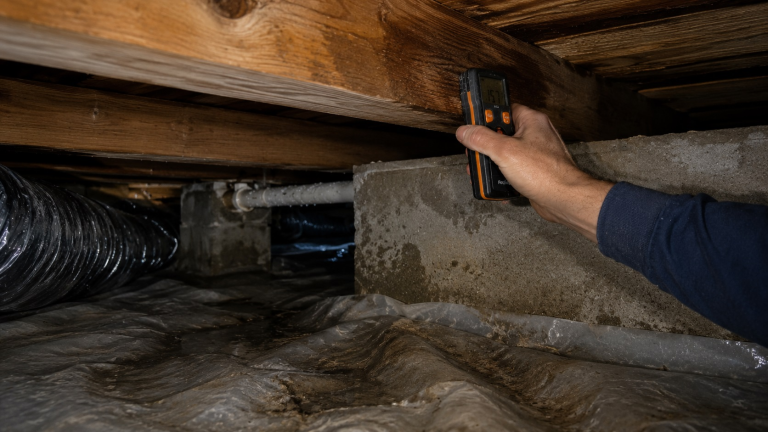
This type of moisture is often revealed through careful inspection. If you’re unsure whether your floor has hidden moisture, you can follow the methods outlined in this basement floor moisture inspection guide to identify problem areas more accurately.
Why Basement Floors Get Wet After Rain
If the floor becomes noticeably wetter after rainfall, the cause is usually exterior water pressure rather than normal indoor humidity. Rain saturates the soil near the foundation, increases pressure beneath the slab, and can force moisture upward through porous concrete or weak points.
Typical signs include dampness within hours or days after rain, wet patches that return in the same locations, and moisture that dries between storms but comes back after the next one. For a deeper rain-specific explanation, see why basement floors leak during rain.
Different Moisture Patterns and What They Mean
The timing and location of basement floor moisture often reveal the cause. A floor that gets wet after storms points to a different problem than a floor that stays damp under boxes, rugs, or furniture.
Constant Dampness Across the Floor
If your basement floor always feels slightly damp, even during dry weather, the most likely causes are capillary moisture movement or high indoor humidity.
Common characteristics include:
- No clear starting point for moisture
- Even distribution across large areas
- No visible water entry
This type of moisture is often slow and persistent, making it easy to overlook until secondary issues such as odors or mold develop.
Moisture in Specific Areas Only
When dampness is limited to certain spots, the cause is usually localized. These areas often correspond to structural features or weak points in the slab.
Typical locations include:
- Along cracks
- Near floor edges
- Around drains or seams
This pattern suggests that water is entering through specific pathways rather than affecting the entire floor evenly.
Wet Under Objects but Not in Open Areas
In some basements, the floor may appear dry until objects are moved. Moisture is then discovered underneath rugs, storage containers, or furniture.
This pattern is usually caused by:
- Condensation forming on the floor surface
- Trapped moisture with limited airflow
- Slow evaporation beneath objects
Because airflow is restricted, moisture remains longer in these areas, increasing the risk of mold development.
Sudden Wet Spots With No Clear Cause
Random wet spots can appear when moisture moves unpredictably through the slab or enters through hidden cracks. These spots may come and go without a clear pattern.
Possible causes include:
- Minor structural cracks not immediately visible
- Uneven moisture distribution beneath the slab
- Localized pressure changes in surrounding soil
These situations often require closer inspection to determine whether a more serious issue is developing.
Hidden Moisture Sources Homeowners Often Miss
Some wet basement floors are made worse by indoor conditions rather than a new leak. These issues do not always create standing water, but they can keep the slab from drying.
Indoor Humidity Buildup
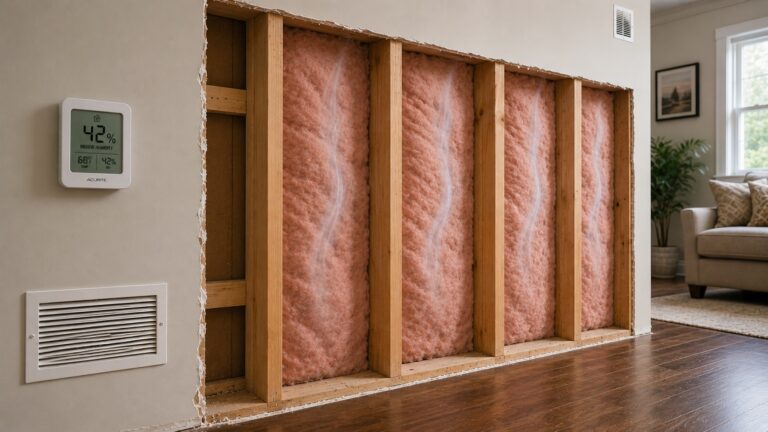
Basements naturally trap humid air, especially when ventilation is limited. Activities such as laundry, showering, or simply warm outdoor air entering the space can raise humidity levels.
When humidity remains high, evaporation slows down and condensation becomes more likely, keeping the floor damp for extended periods.
Poor Air Circulation
Air movement plays a key role in drying surfaces. When airflow is restricted, moisture lingers longer on the floor.
Common problem areas include:
- Corners of the basement
- Behind large furniture or storage items
- Closed-off or finished sections with limited ventilation
Even small improvements in airflow can significantly reduce how long moisture remains on the surface.
Residual Moisture From Past Water Events
After flooding or leaks, moisture can remain inside concrete even after the surface looks dry. That trapped moisture can slowly migrate upward and create recurring dampness for weeks or longer. If the basement recently had water intrusion, compare the situation with how to dry basement floors after water intrusion.
How to Tell if Your Wet Basement Floor Is a Serious Problem
Not all wet basement floors require major repairs, but certain signs indicate that the problem should not be ignored. Identifying the severity early helps prevent long-term damage.
Signs of a Minor Issue
- Slight dampness that dries quickly
- No visible damage or odor
- Moisture limited to specific conditions
These situations are often related to humidity or temporary environmental changes.
Signs of a Moderate Problem
- Recurring wet areas
- Persistent dampness after drying
- Early signs of staining or discoloration
This level of moisture typically requires investigation to identify the source and prevent further progression.
Signs of a Serious Problem
- Water appearing regularly after rain
- Mold growth developing on the floor
- Strong musty odors
- Moisture spreading to walls or stored items
These conditions suggest that moisture may be actively entering the basement. Stop relying on surface drying alone if wetness returns after every storm, spreads to walls or stored items, or appears with mold, odor, or widening cracks.
When Wet Basement Floors Lead to Mold or Damage
Persistent basement floor moisture becomes more serious when it starts affecting nearby materials, stored items, odors, or visible surface growth.
Mold Growth on Basement Floors
One of the most common consequences of a wet basement floor is mold. When moisture combines with dust and organic debris, mold can begin to form within days.
Early warning signs include:
- Discoloration on the concrete surface
- Musty odors near the floor
- Recurring patches after cleaning
If these signs appear, the moisture problem has already moved beyond simple dampness. Addressing the moisture source early is the best way to keep floor-level mold from spreading.
Damage to Flooring Materials
Moisture can also damage any materials placed on top of the basement floor. This is especially important in finished basements where flooring is installed over the concrete slab.
Common issues include:
- Warping or buckling of laminate flooring
- Carpet padding absorbing moisture and developing odors
- Adhesive failure in vinyl or tile flooring
Once moisture becomes trapped beneath these materials, it becomes much harder to detect and resolve.
Indoor Air Quality Problems
Even when water is not visible, moisture can affect the air inside your home. Damp environments support mold growth and increase the presence of airborne particles.
This can lead to:
- Persistent musty smells
- Increased allergens in the air
- Uncomfortable or humid indoor conditions
Over time, these issues can extend beyond the basement and affect other parts of the home.
When to Call a Professional
Some moisture problems improve with humidity control, airflow, or basic drainage corrections. Professional evaluation is more important when the floor stays wet after repeated drying, wetness follows every rainstorm, or cracks, odors, mold, or wall moisture appear with the floor dampness.
You should consider calling a professional if:
- The floor stays wet regardless of weather conditions
- Moisture appears after every rainfall
- You cannot identify the source of the problem
- Mold has begun to develop or spread
- Cracks or structural concerns are present
A basement or waterproofing professional can check whether the problem is connected to exterior drainage, hydrostatic pressure, slab cracks, failed drain systems, or foundation conditions. If the issue has become persistent, the next step may be covered more fully in how to fix persistent basement floor water problems.
Frequently Asked Questions About Why Basement Floors Stay Wet
Why is my basement floor wet even when it hasn’t rained?
Your basement floor can be wet without recent rain if moisture is rising through the concrete by capillary action or forming as condensation on the cool slab. If the dampness is widespread and steady, ground moisture or humidity is more likely than an active leak.
Is it normal for basement floors to stay damp?
Occasional coolness or mild dampness can happen in basements, but a floor that stays damp after drying is not normal. Recurring dark patches, musty odor, or wetness that returns in the same areas usually points to an ongoing moisture source.
Can humidity alone make a basement floor wet?
Yes. Warm, humid air can condense on a cool concrete slab and make the floor feel wet. This is especially common under rugs, boxes, furniture, and stored items where airflow is limited.
Will sealing my basement floor stop it from getting wet?
Sealing may reduce surface absorption in some cases, but it will not solve hydrostatic pressure, poor drainage, hidden cracks, or high indoor humidity. The moisture source should be identified before relying on a sealer.
Does a wet basement floor mean there is a foundation problem?
Not always. Wet basement floors can come from humidity, condensation, capillary moisture, drainage problems, or slab cracks. Foundation evaluation becomes more important when wetness worsens after rain, spreads to walls, appears with cracks, or keeps returning after drying.
Conclusion
Basement floors stay wet when moisture keeps reaching the slab or cannot evaporate from the surface. The most useful clue is the pattern: wetness after rain points toward soil pressure or drainage problems, constant dampness points toward capillary moisture or humidity, and wetness under objects often points toward condensation and trapped moisture.
Once you know the pattern, avoid covering the floor, sealing the slab, or installing finished flooring until the moisture source is understood. Solving the cause first is what keeps the same wet spots from returning.