
How to Maintain Basement Sump Pumps
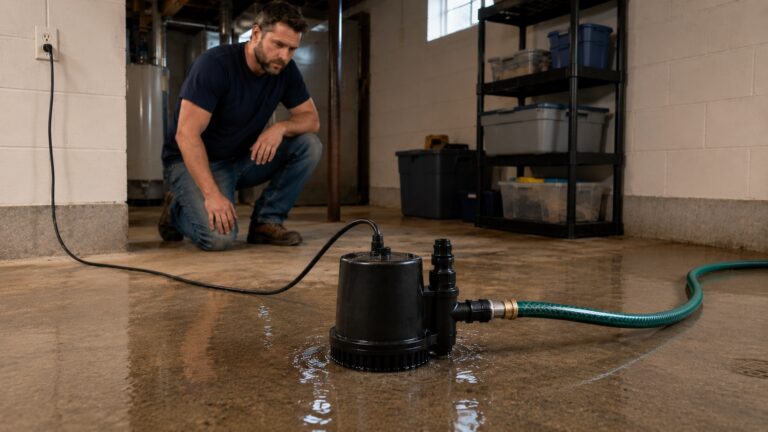
To maintain a basement sump pump, inspect the sump pit, clean out sediment, test the float switch, pour water into the pit to confirm the pump turns on and off, check the discharge line, and verify that the power source and backup system are working.
Most sump pump problems develop quietly before a storm. A stuck float, clogged intake, weak battery backup, or blocked discharge line may not be obvious until the pit fills with water. Routine maintenance helps catch those problems before the pump is under pressure.
This guide explains how often to maintain a sump pump, what to check during routine service, how to test the pump properly, and when maintenance is no longer enough.
Why Sump Pump Maintenance Matters
Sump pumps are mechanical systems that rely on moving parts, electrical components, and clear water pathways to function correctly. Over time, these components can wear down, become obstructed, or fail entirely if they are not maintained.
One of the most important things to understand is that sump pump failures are often preventable. In many cases, problems develop gradually due to:
- Debris buildup in the sump pit
- Blocked or restricted water intake
- Float switch obstructions
- Discharge line issues
- Electrical connection problems
These issues may not be obvious until the pump is needed during a storm. By then, it may be too late to prevent flooding. Many of the failure scenarios described in Why Basement Sump Pumps Fail are directly related to lack of maintenance and inspection.
Routine maintenance helps catch these problems while they are still small enough to correct.
Maintenance is especially important because sump pumps are most likely to fail under stress. During heavy rain, when groundwater levels rise and water enters the sump pit quickly, the pump may need to run continuously. If the system is not in good condition, it may not be able to keep up with demand.
In addition to maintaining the primary pump, it is important to consider system redundancy. Backup systems provide protection when the primary pump fails, as explained in Why Sump Pump Backup Systems Are Important. However, even backup systems require regular maintenance to function properly.
How Often You Should Maintain Your Sump Pump
Sump pump maintenance should be performed regularly and adjusted based on your home’s conditions and risk factors. While there is no single schedule that fits every home, a combination of routine, seasonal, and event-based maintenance provides the most reliable protection.
Routine Maintenance Schedule
For most homes, basic sump pump maintenance should be performed every three to four months. This includes visual inspections and simple functionality checks to ensure the system is operating correctly.
Routine maintenance tasks may include:
- Checking for visible debris in the sump pit
- Inspecting the pump for signs of wear or damage
- Ensuring the float switch moves freely
- Confirming the pump activates when needed
Regular inspections help catch small problems early, reducing the risk of failure during critical conditions.
Seasonal Maintenance
In addition to routine checks, sump pumps should be inspected more thoroughly before seasons with increased water risk. For many homeowners, this means performing maintenance before:
- Spring snowmelt
- Heavy rain seasons
- Periods of frequent storms
Seasonal maintenance should include cleaning the sump pit, testing the pump under load, and checking the discharge line for blockages.
Event-Based Maintenance
Maintenance should also be performed after specific events that may affect the sump system. These include:
- Heavy storms or prolonged rainfall
- Power outages
- Basement flooding or water intrusion
After these events, it is important to verify that the pump is still functioning correctly and that no debris or damage has occurred. If flooding has taken place, additional steps may be needed to address moisture issues, such as those discussed in How to Fix Persistent Basement Flooding Problems.
Using all three types of maintenance helps keep the pump ready before, during, and after high-risk water events.
Step-by-Step Sump Pump Maintenance Checklist
Regular maintenance does not require specialized tools, but it does require consistency and attention to detail. Following a structured checklist helps ensure that all critical components are inspected and functioning properly.
Before reaching into the sump pit or handling the pump, unplug the pump or turn off power at the circuit. Do not touch electrical cords, plugs, or outlets while standing in water.
Step 1: Inspect the Sump Pit
Start by visually examining the sump pit. This is where water collects, and it is also where debris tends to accumulate over time.
- Check for dirt, sediment, or small debris at the bottom of the pit
- Make sure the pump is sitting upright and stable
- Confirm there is enough clearance around the pump and float switch so nothing touches the pit wall
Debris buildup in the sump pit is one of the most common causes of pump inefficiency and failure.
Step 2: Clean the Sump Pit
If you notice sediment or debris, carefully remove it from the pit. This helps prevent clogging and reduces strain on the pump.
- Use a small scoop, container, or wet/dry vacuum to remove loose sediment
- Wipe down accessible surfaces if needed
- Avoid rinsing or pushing debris toward the pump intake
Keeping the pit clean allows water to flow freely and helps protect internal components from damage.
Step 3: Check the Float Switch
The float switch controls when the pump turns on and off. If it becomes stuck or obstructed, the pump may fail to activate when needed.
- Move the float manually to ensure it operates smoothly
- Check for obstructions that could prevent movement
- Confirm that the switch is not pressed against the pit wall
A malfunctioning float switch is one of the most common reasons sump pumps fail to activate during rising water conditions.
Step 4: Test Pump Operation
Testing the pump is one of the most important maintenance steps. This confirms that the system can respond properly when water levels rise.
- Pour water into the sump pit until the float rises
- Observe whether the pump activates automatically
- Watch how quickly water is removed from the pit
- Ensure the pump shuts off once the water level drops
If the pump does not activate or struggles to remove water, further inspection may be needed. Issues like these are often early signs of failure similar to those described in Signs Your Basement Sump Pump Is Not Working.
Step 5: Inspect the Discharge Line
The discharge line carries water away from the sump system. If it is blocked or restricted, the pump cannot remove water effectively.
- Check the outlet where water exits the home
- Ensure water is flowing freely during testing
- Look for signs of blockage, freezing, disconnected pipe sections, or damage
- Listen for water rushing back into the pit after the pump shuts off, which may indicate a missing or failing check valve
Even a fully functional pump can fail if the discharge line is obstructed, making this step critical for system performance.
Step 6: Check Power Supply and Connections
The sump pump relies on a consistent power supply. Electrical issues can prevent the system from operating when needed.
- Confirm the pump is plugged directly into a working outlet
- Check for loose, cracked, or damaged cords
- Ensure the circuit breaker or GFCI has not tripped
- Avoid using extension cords as a permanent sump pump power source
Because power issues are a common cause of failure during storms, it is important to verify that the system has a reliable electrical connection.
Step 7: Test Backup System (If Installed)
If your sump system includes a backup pump, it should be tested regularly to ensure it will function during emergencies.
- Simulate a power outage by disconnecting the primary pump
- Observe whether the backup system activates
- Check battery charge levels if applicable
Backup systems are only effective if they are maintained and tested. Regular checks help ensure that they will operate when the primary pump fails.
How to Do a More Complete Sump Pump Test
A basic water test confirms that the pump turns on, removes water, and shuts off. A more complete test checks whether the pump, float switch, discharge line, and backup system still work under heavier demand.
Basic Water Test Method
Use this test when the pit is dry or when the pump has not run recently.
- Slowly pour a bucket of water into the sump pit
- Watch for the float to rise naturally
- Confirm that the pump activates automatically
- Observe how quickly the water level drops
- Ensure the pump shuts off once water is removed
This method tests the float switch, motor function, and discharge system all at once. If the pump does not activate or struggles to remove water efficiently, it may require further inspection or repair.
Testing Under Load Conditions
In addition to basic testing, it is important to observe how the pump performs when handling larger volumes of water. This helps identify issues that may not appear during light testing.
- Repeat the water test with a larger volume
- Monitor how long the pump runs continuously
- Check for unusual noises or vibrations
- Ensure water exits the discharge line consistently
Testing under load conditions is especially important before heavy rain seasons, when the system may need to operate for extended periods.
Backup System Testing
If your sump system includes a backup pump, it should be tested separately to confirm that it will function during a primary system failure.
- Disconnect or disable the primary pump
- Trigger the backup system manually or by adding water
- Confirm that the backup pump activates and removes water
- Check battery condition or water pressure (depending on system type)
Backup systems are designed to protect against failure, but they are only reliable if they are tested regularly. This reinforces the importance of redundancy discussed in Why Sump Pump Backup Systems Are Important.
Common Sump Pump Maintenance Mistakes to Avoid
Most sump pump maintenance mistakes are simple, but they can still cause failure during heavy rain.
Skipping Regular Testing
One of the most common mistakes is assuming the pump will work without ever testing it. Because sump pumps are not used continuously, problems can go unnoticed until a storm occurs.
Regular testing ensures that the system is ready when needed and helps identify issues early.
Ignoring Debris in the Sump Pit
Allowing debris to accumulate in the sump pit can interfere with pump operation and reduce efficiency. Sediment can clog the intake, while larger debris can obstruct the float switch.
Keeping the pit clean is essential for maintaining proper water flow and preventing mechanical strain.
Storing Items Too Close to the Pit
Boxes, loose insulation, plastic bags, and stored basement items can fall against the pump or float switch. Keep the sump pit area clear so the lid, float, cords, and discharge pipe are not crowded or disturbed.
Not Checking the Discharge Line
Homeowners often focus on the pump itself while overlooking the discharge line. If the line is blocked or frozen, the pump cannot remove water effectively—even if it is running properly.
Routine inspection of the discharge path helps prevent this type of hidden failure.
Assuming Backup Systems Do Not Need Maintenance
Backup pumps are often neglected because they are not used frequently. However, they require regular testing and maintenance just like the primary system.
Failing to maintain a backup system can lead to unexpected failure during a power outage or primary pump malfunction.
Delaying Maintenance After Warning Signs
Ignoring early warning signs can allow minor issues to become major problems. Signs such as unusual noises, inconsistent operation, or slow water removal should be addressed immediately.
These issues may indicate underlying problems similar to those described in Why Basement Sump Pumps Fail.
Signs Your Sump Pump Needs More Than Maintenance
While routine maintenance can resolve many issues, some problems indicate that the sump pump may be nearing the end of its lifespan or requires more extensive repair.
Warning signs include:
- The pump fails to activate during testing
- The pump runs continuously without removing water effectively
- Loud grinding, humming, rattling, or unusual vibration during operation
- Visible corrosion, cracked housing, or damaged cords
- Frequent cycling on and off
- Water flows back into the pit after the pump shuts off
- The pump trips the breaker or GFCI repeatedly
When these issues occur, maintenance alone may not be sufficient. In these cases, it is important to evaluate whether the pump needs to be repaired or replaced. Guidance on this decision can be found in Signs Your Sump Pump Needs Replacement.
How Sump Pump Maintenance Fits Into a Complete Basement Protection Plan
Maintaining your sump pump is one of the most important steps in preventing basement flooding, but it works best as part of a larger moisture protection strategy. A well-maintained pump reduces the risk of failure, but it cannot compensate for poor drainage, high groundwater pressure, or system design limitations.
A complete basement protection plan should include:
- Regular sump pump maintenance and testing
- Proper exterior grading and drainage systems
- Reliable discharge pathways for water removal
- Backup sump pump systems for redundancy
- Ongoing inspection of moisture-prone areas
When these elements work together, they create a more resilient system that reduces the likelihood of flooding and long-term moisture problems. Homeowners can learn more about how these components fit together in How to Waterproof Basements and Control Water Intrusion.
For a broader perspective on managing moisture throughout the home, the sitewide guide How to Find, Fix, and Prevent Moisture Problems in Homes provides additional insights into prevention strategies beyond the basement.
Frequently Asked Questions
How often should I check my sump pump?
Basic inspections should be performed every three to four months, with more thorough checks before heavy rain seasons. Additional inspections are recommended after storms, power outages, or flooding events.
Can I maintain a sump pump myself?
Yes. Most homeowners can clean loose sediment from the pit, test the float switch, pour water into the pit, and check the discharge outlet. Stop and call a professional if you see damaged wiring, repeated breaker trips, a cracked pump housing, or water around electrical components.
What is the most important sump pump maintenance step?
Testing the pump is the most important step because it confirms that the system will activate and remove water when needed. Without testing, hidden issues may go unnoticed until failure occurs.
Do sump pumps need to be cleaned regularly?
Yes. Debris and sediment can accumulate in the sump pit over time, potentially clogging the pump or interfering with the float switch. Regular cleaning helps maintain proper operation.
How do I know if maintenance is not enough?
If the pump fails during testing, makes grinding or humming noises, trips the breaker or GFCI, lets water flow back into the pit, or cannot remove water effectively, it may require repair or replacement rather than routine maintenance alone.
What to Do Before the Next Heavy Rain
Do not wait until a storm arrives to find out whether your sump pump works. Inspect the pit, clean out sediment, test the float switch, pour water into the pit, check the discharge line, and verify backup power before the system is under pressure.
If the pump fails during testing, makes unusual noises, trips the circuit, or cannot move water effectively, routine maintenance is no longer enough. Those warning signs should be addressed before the next heavy rain.
Key Takeaways
- Regular maintenance is essential for keeping sump pumps reliable
- Testing the pump is the most important maintenance step
- Cleaning the sump pit helps prevent clogs and mechanical strain
- Discharge line and check valve problems can stop water removal even when the pump runs
- Backup systems must also be maintained to ensure reliability
- Early warning signs should be addressed before they lead to system failure
2 Comments
Comments are closed.