Why HVAC Ducts Develop Condensation (And What It Means for Your Home)
HVAC ducts develop condensation when cold duct surfaces come into contact with warm, humid air. The duct is not leaking or producing water by itself. Moisture from the surrounding air is collecting on a surface that has cooled below the point where that moisture can stay in vapor form.
This is why duct condensation often shows up as “sweating” metal, damp insulation, water droplets near supply ducts, or staining around nearby materials. Occasional light condensation during very humid weather may be temporary, but repeated condensation usually means humidity, insulation, air leakage, airflow, or duct location is creating the same moisture conditions again and again.
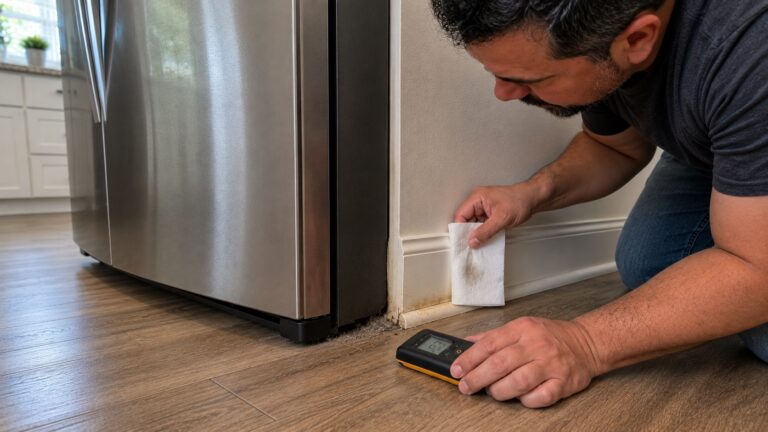
If you have already noticed signs like damp vents or condensation on ducts, you may want to review signs of moisture in HVAC ducts. If you are trying to confirm whether moisture is present, this guide on how to detect moisture inside air ducts can help before focusing on the causes.
What Condensation in HVAC Ducts Actually Means
Condensation forms when moisture in the air changes from vapor into liquid water. In HVAC systems, this usually happens when warm, humid air touches a duct surface that has been chilled by the cold air moving inside it.
That is why condensation is often described as “ducts sweating.” The duct itself is not producing water. It is collecting moisture from the surrounding air because the duct surface is cold enough for that moisture to turn into liquid.
Why HVAC Systems Create the Right Conditions for Condensation
Air conditioning systems are designed to move cold air through ductwork. At the same time, many ducts are located in areas where the surrounding air is much warmer and often more humid.
This creates a situation where:
- The inside of the duct is cold due to conditioned air
- The outside of the duct is exposed to warm, humid air
- The temperature difference allows moisture to form on the duct surface
This combination is especially common in spaces such as attics, crawl spaces, and basements, where temperature and humidity levels can be very different from the conditioned air inside the home.
Condensation vs. Leaks
It is important to distinguish condensation from water leaks. While both involve moisture, they have very different causes.
- Condensation forms from moisture in the air collecting on cold surfaces
- Leaks involve water entering the system from an external source, such as plumbing or roof issues
This distinction matters because condensation problems are usually related to environmental conditions and system performance, not external water intrusion.
A useful clue is the pattern. Condensation often appears on cold duct surfaces during air conditioning operation or humid weather, while leaks usually trace back to a drain line, plumbing line, roof opening, or another water source. Confirming the difference matters before insulation, sealing, or repairs are attempted.
The Science Behind Duct Condensation
The key factor is the relationship between air temperature, surface temperature, and humidity.
How Air Holds Moisture
Air can contain moisture even when it does not feel wet. Warm air can hold more moisture than cold air, so when warm, humid air cools against a cold duct surface, some of that moisture can turn into liquid water.
Why Cold Duct Surfaces Trigger Condensation
When an HVAC system is running, the air inside supply ducts is significantly cooler than the surrounding air. This causes the outer surface of the duct to cool as well.
If the surrounding air is humid enough, the surface temperature of the duct can drop below the point where moisture begins to form. When this happens, condensation appears almost immediately.
This is why ducts in hot, humid environments—such as attics during summer—are especially prone to moisture problems: the duct surface may be cold enough to collect moisture from the warmer air around it.
Common Environmental Causes of Duct Condensation
In real homes, duct condensation is often driven by conditions around the ductwork, not just the ductwork itself.
High Indoor or Outdoor Humidity
Humidity is one of the most important factors in duct condensation. The more moisture the air contains, the easier it is for condensation to form when that air comes into contact with a cold surface.
Common sources of high humidity include:
- Humid climates or seasonal weather changes
- Poor ventilation inside the home
- Moisture from kitchens, bathrooms, or laundry areas
- Open windows during humid conditions
When humidity levels rise, the air surrounding ductwork contains more moisture. This increases the likelihood that condensation will form when the duct surface cools, especially if indoor relative humidity stays elevated for long periods.
Temperature Differences Between Ducts and Surroundings
Condensation becomes more likely as the temperature difference between duct surfaces and surrounding air increases. This difference is often most extreme in areas where conditioned air passes through unconditioned spaces.
Examples include:
- Cold air ducts running through hot attics
- Air-conditioned ductwork in warm crawl spaces
- Ducts near exterior walls exposed to outdoor temperatures
In these situations, the outer surface of the duct can become significantly cooler than the surrounding air. When this temperature gap is large enough, moisture in the air condenses quickly on the duct surface.
The greater the temperature difference, the faster and more consistently condensation can form.
Hot Attic and Crawl Space Conditions
Attics and crawl spaces are among the most common locations for duct condensation problems. These areas often experience extreme temperature and humidity conditions, especially during summer.
In attics, temperatures can rise well above indoor levels, while humidity can increase due to limited airflow. When cold air flows through ducts in this environment, the contrast between cold duct surfaces and hot, humid air creates ideal conditions for condensation.
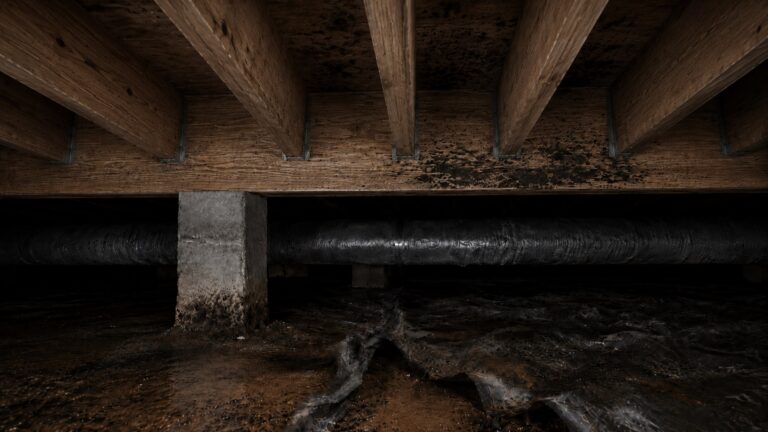
Similarly, crawl spaces may contain damp air due to ground moisture, poor ventilation, or water intrusion. When ducts pass through these areas, they are exposed to moisture-rich air that can easily condense on cooler surfaces.
Because these spaces are often out of sight, condensation problems may go unnoticed until visible symptoms appear inside the home.
Poor Ventilation in Enclosed Spaces
Limited airflow in enclosed areas can allow humidity to build up over time. Without proper ventilation, moisture remains trapped in the air, increasing the chances of condensation forming on duct surfaces.
Common examples include:
- Closed-off attics with limited air circulation
- Crawl spaces without adequate venting
- Wall or ceiling cavities with restricted airflow
When air is not able to circulate or dry out, humidity levels can remain elevated even after outdoor conditions improve. This creates a persistent environment where condensation can occur repeatedly.
Understanding how these environmental factors interact helps explain why condensation may appear in certain parts of a home but not others.
HVAC System Conditions That Cause Condensation
In addition to environmental factors, the HVAC system itself plays a major role in whether condensation forms on ductwork. Even in moderate humidity conditions, system-related issues can create the exact conditions needed for moisture to develop.
The most vulnerable systems usually have one or more weak points: exposed duct surfaces, torn insulation jackets, leaky connections, restricted airflow, or ducts routed through hot, humid spaces.
Poor or Damaged Duct Insulation
Insulation is one of the most important defenses against condensation. Its primary job is to separate cold duct surfaces from warm, humid air. When insulation is missing, damaged, or compromised, that protection is lost.
Common insulation-related problems include:
- Thin or insufficient insulation around ducts
- Gaps where insulation is missing
- Compressed insulation that has lost effectiveness
- Insulation that has absorbed moisture and no longer performs properly
When insulation fails, the cold duct surface becomes exposed to surrounding air. If that air is warm and humid, condensation can form directly on the duct, inside the insulation layer, or along gaps where the vapor barrier is torn or loose.
In many cases, insulation problems develop gradually, making condensation appear worse over time rather than all at once.
Air Leaks in Ductwork
Duct systems are designed to move air in a controlled way, but small leaks can disrupt this balance. Leaky duct connections, loose collars, torn flex duct jackets, or damaged seals allow air to move where it should not.
Air leaks can contribute to condensation in several ways:
- Allowing humid air to enter the duct system
- Letting cold air escape into surrounding spaces
- Creating localized temperature differences
- Increasing exposure between cold surfaces and humid air
Even small leaks can create areas where condensation forms repeatedly. Over time, these zones can expand and lead to more widespread moisture issues.
Airflow Imbalances and Restrictions
Proper airflow is essential for maintaining consistent temperatures within duct systems. When airflow is restricted or uneven, certain sections of ductwork may become colder than intended, increasing the likelihood of condensation.
Common causes of airflow problems include:
- Blocked or closed vents
- Dirty air filters restricting airflow
- Poor duct design or layout
- Imbalanced distribution of conditioned air
When airflow is disrupted, cold air may linger in certain duct sections longer than normal. This extended exposure lowers the surface temperature of the duct and increases the chance of condensation forming.
HVAC System Runtime Patterns
How often and how long an HVAC system runs can also influence condensation. Different operating patterns can either reduce or increase moisture formation.
Examples include:
- Short cycling, where the system turns on and off frequently, preventing proper moisture control
- Long run times through poorly insulated ducts in humid or unconditioned spaces
- System startup after downtime, where sudden temperature changes create rapid condensation
These patterns affect how moisture interacts with duct surfaces and can lead to recurring condensation if conditions remain consistent.
Why System Issues Often Combine With Environmental Factors
In many homes, condensation is not caused by a single issue. Instead, it results from a combination of environmental conditions and system-related factors working together.
For example:
- High humidity increases available moisture
- Poor insulation exposes duct surfaces
- Air leaks allow humid air to enter
- Airflow problems create uneven temperatures
When these factors overlap, condensation becomes more frequent and more severe. This is why addressing only one factor may not fully resolve the issue if others are still present.
If condensation continues to appear even after addressing obvious conditions, it may indicate a deeper or more persistent moisture pattern. This is explored further in why HVAC ducts stay damp.
Why Condensation Often Gets Worse Over Time
Duct condensation can get worse over time because repeated moisture can damage the insulation and vapor barrier that are supposed to keep warm, humid air away from cold duct surfaces.
The Moisture Cycle in Duct Systems
Condensation often follows a repeating pattern:
- Moisture forms on duct surfaces
- Insulation absorbs some of that moisture
- Insulation becomes less effective over time
- More of the duct surface is exposed to humid air
- Condensation increases during each cycle
This cycle explains why condensation may appear mild at first but gradually become more noticeable. Once insulation is compromised, the system becomes more vulnerable to ongoing moisture exposure.
Why Damp Insulation Makes the Problem Worse
When insulation becomes damp, it loses its ability to separate cold duct surfaces from warm air. This allows condensation to form more easily and more frequently.
In addition:
- Moist insulation retains moisture longer
- Drying becomes slower and less complete
- Humidity around ducts increases locally
These effects combine to create a persistent environment where condensation continues to develop even under moderate conditions.
Why Some Homes Are More Prone to Duct Condensation
Some homes are more vulnerable because their ductwork runs through areas where temperature and humidity conditions are harder to control. Ducts in attics, crawl spaces, garages, and other unconditioned spaces are exposed to larger temperature swings than ducts inside conditioned rooms.
Older duct systems can also be more prone to condensation when insulation has compressed, shifted, torn, or absorbed moisture. Homes with consistently high indoor humidity or poorly balanced airflow may see condensation appear in the same duct sections repeatedly.
When Condensation Indicates a Larger Moisture Problem
While occasional condensation may not be serious, repeated or worsening condensation often signals a broader moisture issue. Recognizing when condensation has moved beyond normal conditions is essential.
Warning Signs of a Larger Problem
Condensation may indicate a more significant issue when you notice:
- Moisture appearing regularly in the same locations
- Insulation remaining damp or deteriorating
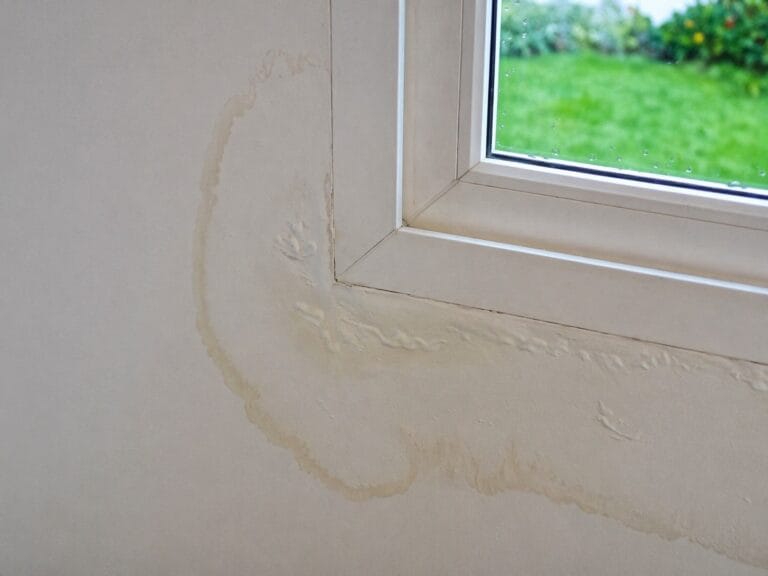
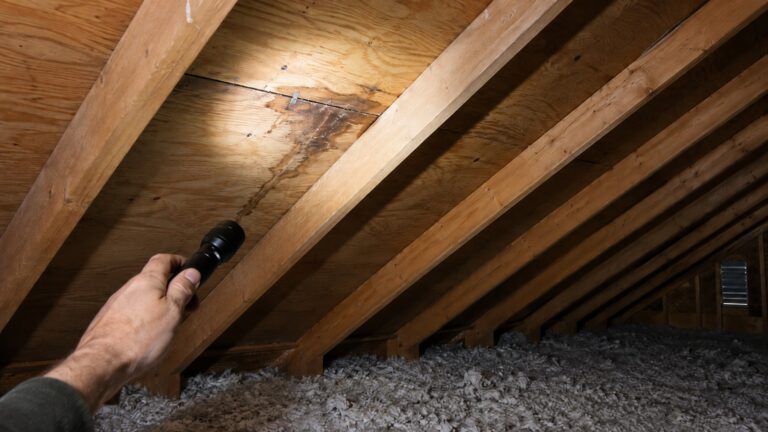
- Water stains forming near vents or duct paths
- Persistent musty odors during HVAC operation
These signs suggest that condensation is not just a temporary condition, but part of a recurring moisture cycle affecting the system.
If stains, damaged insulation, or nearby material damage are already visible, a closer HVAC ductwork moisture damage inspection may be needed before assuming the issue is only surface condensation.
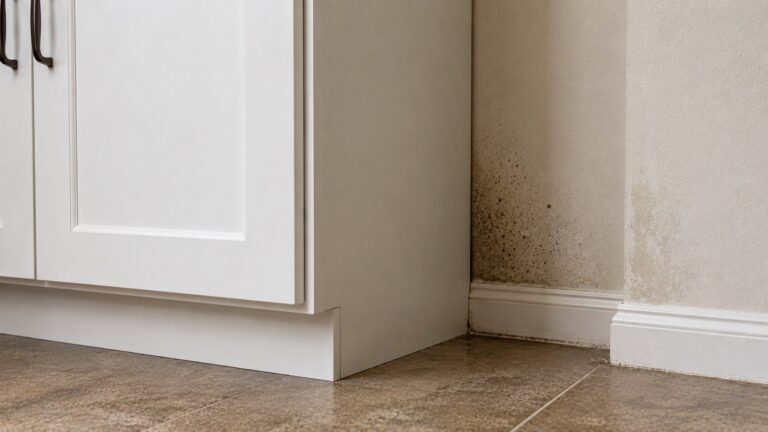
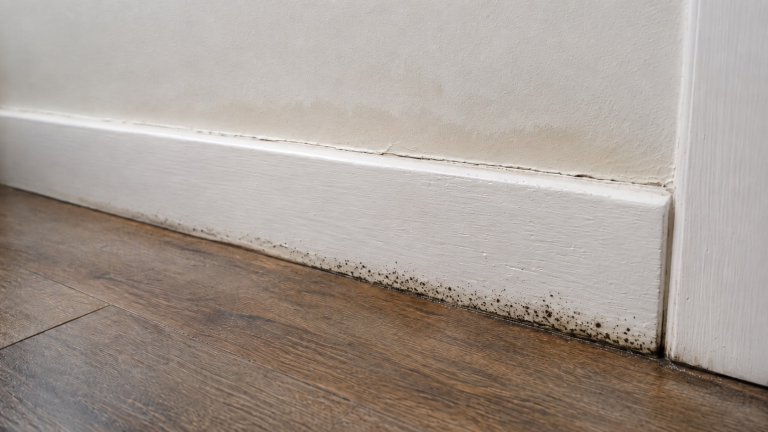
If condensation is near electrical components, ceiling stains are spreading, insulation is saturated, or mold-like growth is visible, stop disturbing the area and have the ductwork and surrounding materials evaluated before continuing DIY inspection.
Why Addressing the Cause Matters
Condensation itself is not the root problem—it is the result of underlying conditions. Addressing only the visible moisture without understanding the cause can lead to repeated issues.
Once condensation is identified, the next step is to reduce the conditions that let warm, humid air reach cold duct surfaces. This may involve humidity control, better duct insulation, sealed air leaks, or improved airflow.
For practical steps to reduce these conditions, see this guide on how to prevent condensation in HVAC ducts.
Key Takeaways
- Condensation forms when warm, humid air contacts cold duct surfaces
- High humidity and temperature differences are the main environmental causes
- Poor insulation, air leaks, and airflow issues increase condensation risk
- Condensation often worsens over time due to insulation degradation
- Some homes are more prone due to design, location, and humidity levels
- Finding the cause first helps prevent the same duct sections from sweating again
Frequently Asked Questions About Why HVAC Ducts Develop Condensation
Is condensation on HVAC ducts normal?
Occasional light condensation can occur under certain conditions, especially during high humidity. However, repeated or persistent condensation is not considered normal and should be evaluated.
Why does condensation happen more in summer?
Summer conditions often involve higher humidity and greater temperature differences between indoor air and surrounding spaces. This combination makes condensation more likely to form on duct surfaces.
Why does condensation only appear on certain ducts?
Condensation often forms in areas where conditions are most favorable, such as ducts in hot attics or poorly insulated sections. Differences in airflow and location can cause some ducts to be more affected than others.
Can condensation occur without high humidity?
Yes, but it is less likely. A very cold duct surface in a warm space can still reach condensation conditions, but higher humidity makes the problem much more likely and more persistent.
Does condensation mean there is a leak in the system?
No. Condensation forms from moisture in the air and does not require an external water source. It is different from leaks caused by plumbing, roof openings, drain lines, or other water-entry sources.
Does duct condensation lead to mold?
Condensation can create conditions that support mold growth if moisture persists over time. However, condensation itself does not automatically mean mold is present.
Conclusion
HVAC duct condensation usually means cold duct surfaces are being exposed to air that contains enough moisture to condense. The most common reasons are high humidity, large temperature differences, damaged or missing insulation, air leaks, and airflow problems.
The main concern is repetition. A small amount of temporary condensation during humid weather may dry without causing damage, but condensation that keeps returning can wet insulation, stain nearby materials, create odors, and point to a larger moisture pattern.
If duct condensation keeps coming back after the obvious causes are addressed, review why moisture problems keep returning to understand how recurring moisture patterns develop across different parts of a home.