How to Prevent Mold in Basements (Moisture and Waterproofing Strategies)
Preventing mold in basements starts with controlling moisture. Basements are naturally more vulnerable to mold than many other parts of a home because they sit below ground level, receive less airflow, and are surrounded by soil that can hold water for long periods. Even when a basement looks mostly dry, hidden humidity and small moisture sources can create conditions where mold begins to grow.
The best way to prevent basement mold is to keep moisture from entering, remove humidity before it accumulates, and maintain drying conditions that make mold growth difficult. This requires more than cleaning visible surfaces. Long-term prevention depends on drainage, waterproofing, ventilation, dehumidification, and regular monitoring.
If mold has already appeared, cleaning alone is not enough unless the moisture source is corrected. Understanding why mold keeps coming back after cleaning helps explain why prevention must focus on the conditions that allow mold to grow in the first place.
This guide focuses specifically on basement mold prevention. It explains how to reduce water entry, control basement humidity, improve drainage, maintain waterproofing systems, and protect basement materials from recurring moisture exposure. For the broader waterproofing system behind these steps, see how to waterproof basements and control water intrusion.
Why Basements Are Prone to Mold Growth
Basements are high-risk environments because they are closely connected to soil moisture. Water in the ground presses against foundation walls and floors, and moisture can move through porous materials, cracks, gaps, and poorly drained areas. This makes basements more likely to stay damp than above-grade rooms.
In addition, basements often have cooler temperatures and less natural airflow. These conditions slow drying and allow moisture to remain available long enough for mold to develop.
The Three Conditions Mold Needs
Mold grows when three basic conditions exist at the same time: moisture, organic material, and time. Basements often already contain organic materials, such as wood framing, drywall paper, cardboard boxes, fabrics, and stored belongings. Because these materials are difficult to eliminate completely, prevention focuses mainly on controlling moisture.
Basement mold prevention works by reducing:
- Water entry from outside the foundation
- Humidity trapped inside the basement
- Condensation on cool surfaces
- Moisture retention behind stored items
- Repeated wetting from leaks or drainage failures
When moisture is controlled, mold growth becomes much less likely.
Why Basement Mold Often Starts Slowly
Basement mold does not always begin after flooding. Many mold problems develop slowly from small moisture sources that repeat over time. A slightly damp foundation wall, a humid storage corner, or minor condensation on pipes can support mold if the area does not dry properly.
Early warning signs may include musty odors, small surface spots, damp wall edges, or moisture around stored items. If you are unsure whether mold may already be forming, reviewing early warning signs of mold growth in basements can help separate prevention from active mold detection.
Control Exterior Water Before It Reaches the Basement
The most effective basement mold prevention often begins outside the home. If water collects near the foundation, it increases the chance of seepage, damp walls, high humidity, and mold growth. Exterior drainage problems can overwhelm interior prevention efforts.
Keep Gutters and Downspouts Working Properly
Gutters and downspouts direct roof runoff away from the foundation. When they overflow, leak, or discharge too close to the house, water collects along basement walls and increases moisture pressure.
Good gutter and downspout practices include:
- Cleaning gutters regularly so water does not overflow
- Repairing sagging or leaking gutter sections
- Extending downspouts at least 4–6 feet away from the foundation
- Ensuring roof runoff does not discharge near basement windows or low spots
- Checking water flow during heavy rain
Moving roof water away from the foundation is one of the simplest ways to reduce basement moisture risk.
Improve Soil Grading Around the Foundation
Soil should slope away from the house so rainwater flows outward instead of toward the foundation. When soil slopes toward the home, water pools near basement walls and increases the likelihood of seepage.
A common target is to maintain a slope of about 6 inches over the first 10 feet away from the foundation where practical. Even modest grading improvements can reduce how much water collects near basement walls.
Signs of grading problems include:
- Water pooling near the foundation after rain
- Soft or saturated soil along basement walls
- Mulch beds holding water against the house
- Low spots near downspout discharge areas
Correcting surface drainage reduces long-term moisture pressure and lowers the chance of basement mold development.
Seal and Protect Foundation Entry Points
After controlling exterior water flow, the next step in preventing basement mold is reducing pathways that allow moisture to enter the structure. Even small cracks and gaps can allow repeated moisture entry, especially during heavy rainfall or seasonal groundwater increases.
Sealing foundation openings helps reduce water intrusion that leads to damp surfaces and mold-supporting conditions.
Repair Foundation Cracks Promptly
Foundation cracks provide direct entry points for moisture. While some cracks may appear minor, repeated water exposure through these openings can increase basement humidity and encourage mold growth.
If a crack is widening, horizontal, leaking repeatedly, or paired with wall bowing, have it evaluated before sealing the surface. Those signs may point to pressure or structural movement that simple caulk or patching will not solve.
Common crack locations include:
- Vertical cracks in foundation walls
- Horizontal cracks along structural seams
- Floor-to-wall joint gaps
- Cracks near basement windows
Repairing cracks early prevents water from entering and reduces the risk of moisture accumulation inside basement spaces.
Maintain Basement Window Seals
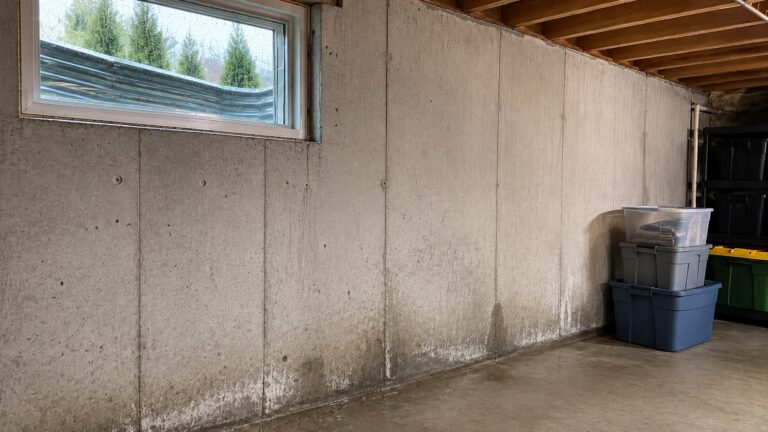
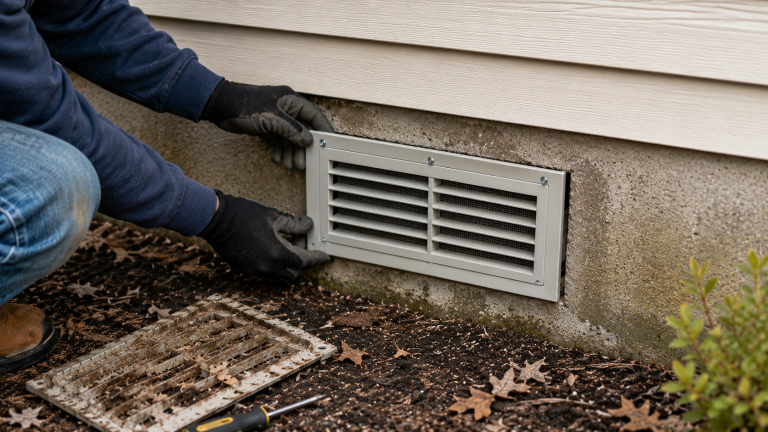
Basement windows are frequent moisture entry points because they sit near or below ground level. Water may enter through damaged seals, cracked frames, or poorly drained window wells.
Preventive window maintenance includes:
- Inspecting window frames for gaps or deterioration
- Sealing visible openings around window edges
- Ensuring window wells drain properly
- Removing debris from window well drains
Window areas should be inspected regularly because moisture near basement windows often supports localized mold growth.
Install or Maintain Vapor Barriers
Vapor barriers help limit moisture movement through foundation materials. These protective layers reduce humidity buildup and prevent moisture from entering interior surfaces.
Common vapor barrier locations include:
- Interior foundation walls
- Basement floor surfaces
- Crawl space areas connected to basements
Properly installed vapor barriers can support long-term moisture control, but they work best as part of a broader basement waterproofing and drainage plan rather than as a stand-alone mold prevention fix.
Use Drainage Systems to Redirect Water Safely
Drainage systems play a major role in preventing mold by keeping water away from basement walls and floors. When water is redirected before it reaches the structure, moisture pressure decreases and indoor humidity becomes easier to manage.
Install French Drains Where Needed
French drains are designed to redirect water away from foundations. These systems collect groundwater and move it away from basement walls before it accumulates.
French drains are often used when:
- Soil retains water for long periods
- Basement seepage occurs after rainfall
- Groundwater pressure increases seasonally
- Surface drainage alone is not sufficient
Proper drainage design reduces long-term moisture exposure that supports mold growth.
Maintain Interior Drainage Channels
Interior drainage systems help collect water that enters basement spaces and redirect it to safe discharge locations. These systems support moisture removal during heavy rainfall or unexpected water entry events.
Maintenance practices include:
- Inspecting drainage channels for blockages
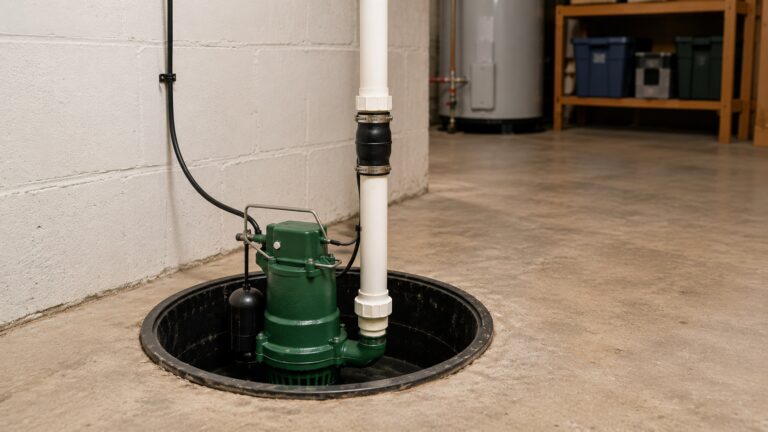
- Keeping sump pits clear of debris
- Checking discharge lines regularly
- Verifying water flows freely during operation
Reliable drainage prevents standing water that encourages mold formation.
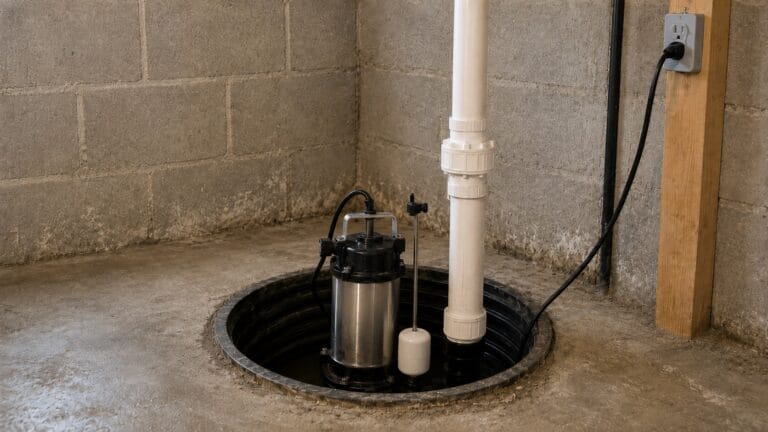
Use Sump Pumps to Remove Groundwater
Sump pumps remove accumulated groundwater before it spreads across basement floors. These systems are especially important in homes located in flood-prone or high-water-table regions.
Effective sump pump practices include:
- Testing pumps regularly
- Maintaining clean sump pits
- Inspecting discharge lines for blockages
- Installing backup power systems when possible
Sump pumps provide active moisture removal that supports basement mold prevention.
Control Basement Humidity to Prevent Mold Conditions
Humidity control is essential even when visible water problems are limited. Moist air alone can support mold growth, especially when humidity remains elevated for extended periods.
Use Dehumidifiers to Maintain Safe Humidity Levels
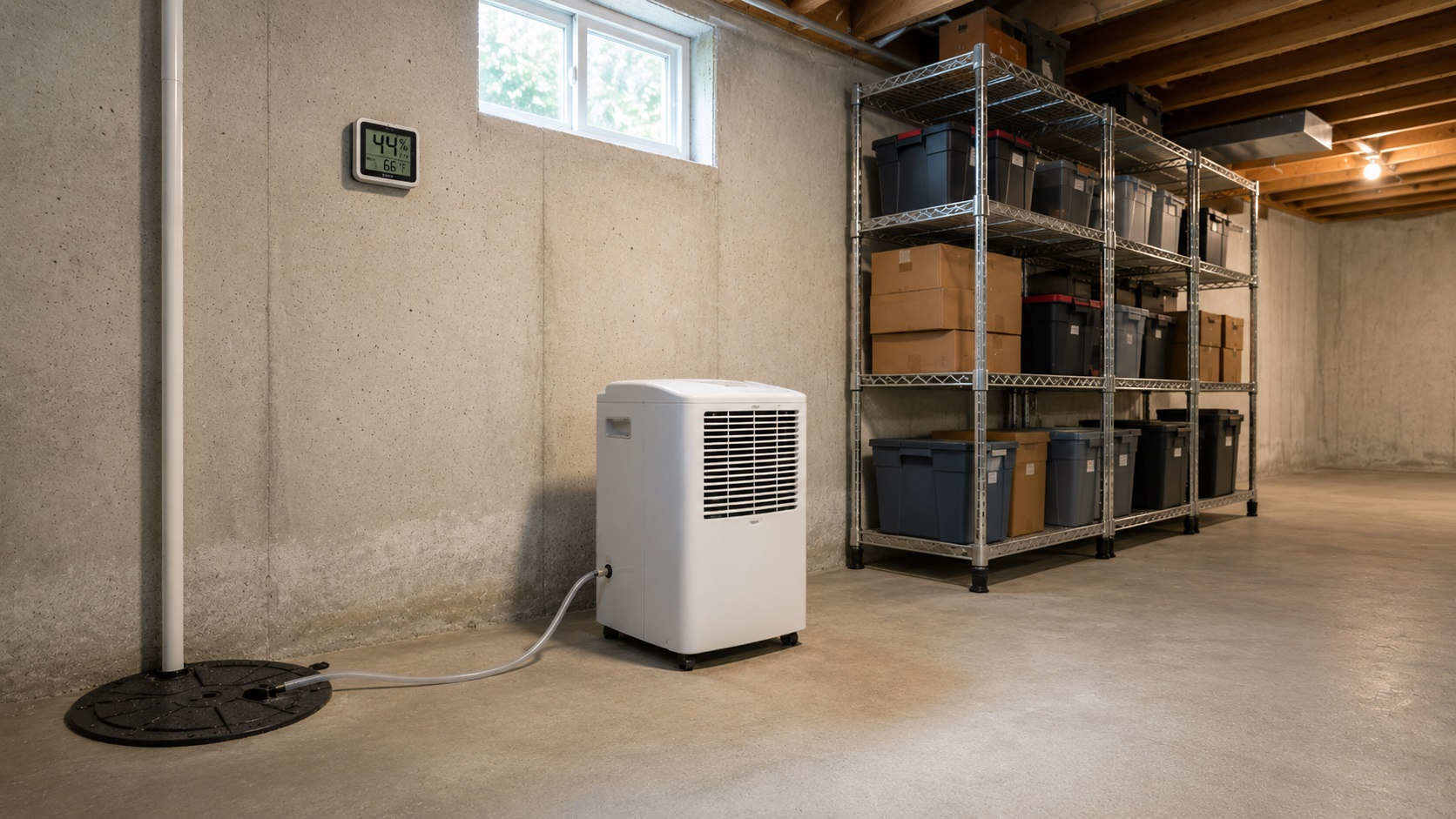
Dehumidifiers remove excess moisture from basement air. They are particularly useful in humid climates or homes where natural ventilation is limited.
Best practices for dehumidifier use include:
- Keeping basement relative humidity below 50% when possible, usually in the 30%–50% range
- Operating units during humid weather
- Using continuous drainage when available
- Monitoring humidity levels regularly
Maintaining safe humidity levels reduces the likelihood of mold growth and prevents moisture from accumulating inside basement materials.
For homeowners managing moisture across multiple areas of the home, reviewing whole-house humidity reduction strategies helps support consistent moisture control beyond the basement environment.
Improve Basement Airflow to Reduce Moisture Retention
Airflow plays an important role in basement mold prevention because moving air helps surfaces dry faster. Stagnant air allows moisture to linger on walls, floors, and stored materials, increasing the risk of mold growth.
Improving airflow does not remove moisture on its own, but it supports drying conditions and reduces localized dampness.
Keep Basement Air Moving
Maintaining consistent air movement helps reduce moisture buildup in enclosed spaces. Even small airflow improvements can support long-term mold prevention.
Helpful airflow practices include:
- Keeping interior basement doors open when possible
- Avoiding overcrowded storage layouts
- Allowing space between stored items and walls
- Ensuring air can circulate around basement corners
Use Mechanical Ventilation When Needed
Some basements benefit from mechanical ventilation systems that exchange indoor air with outdoor air. This helps remove moisture and stabilize humidity levels.
Mechanical ventilation may include:
- Exhaust ventilation systems
- Balanced ventilation systems
- Air exchange systems designed for basement environments
Mechanical airflow systems are particularly useful in tightly sealed homes where natural airflow is limited.
Store Basement Items in Ways That Prevent Mold
Storage practices strongly influence moisture conditions inside basements. Improper storage traps moisture against walls and floors, creating hidden areas where mold can develop.
Keep Items Elevated Off Basement Floors
Elevating stored materials prevents moisture transfer from damp floors and allows airflow beneath stored items.
Storage improvements include:
- Using shelving instead of floor storage
- Raising boxes off concrete floors
- Using moisture-resistant storage containers
- Avoiding direct contact between cardboard and flooring
Elevated storage helps protect belongings while reducing mold risk.
Maintain Space Between Stored Items and Walls
Items placed directly against basement walls restrict airflow and trap moisture. Leaving space between storage items and walls allows air to circulate and promotes drying.
Recommended storage practices include:
- Leaving several inches between boxes and walls
- Avoiding tightly packed storage areas
- Inspecting hidden areas periodically
- Rotating stored materials when possible
Maintaining airflow behind stored items reduces hidden mold risk.
Inspect and Maintain Basement Systems Regularly
Routine maintenance prevents small moisture problems from developing into mold-supporting conditions. Preventive inspections allow homeowners to correct issues early.
Check Basement Walls and Floors Periodically
Regular inspection helps detect moisture before mold begins to grow.
Inspection practices include:
- Checking walls for dampness after rainfall
- Inspecting floor edges for moisture buildup
- Looking for staining or discoloration patterns
- Identifying recurring moisture areas
Routine observation helps identify developing moisture problems before mold spreads.
Test Sump Pumps and Drainage Systems
Sump pumps and drainage systems require regular testing to ensure proper operation.
Recommended testing practices include:
- Running sump pumps periodically
- Checking discharge lines for blockages
- Inspecting sump pits for debris buildup
- Monitoring system response during heavy rainfall
Functional drainage systems reduce standing water risk and support mold prevention.
Monitor Basement Humidity Trends
Humidity monitoring provides early warning when moisture conditions begin to change. Tracking humidity levels over time helps identify patterns that increase mold risk.
Helpful monitoring steps include:
- Using humidity meters to track moisture levels
- Recording humidity changes during different seasons
- Adjusting moisture control methods as needed
- Inspecting areas where humidity remains elevated
Consistent monitoring supports long-term moisture management.
Seasonal Maintenance That Helps Prevent Basement Mold
Basement mold prevention is not a one-time task. Seasonal weather changes affect moisture levels, soil saturation, and indoor humidity. Adjusting prevention methods throughout the year helps maintain consistent moisture control.
Spring Maintenance Tasks
Spring rainfall and snowmelt increase groundwater levels and soil moisture. These conditions place extra pressure on basement foundations.
Recommended spring maintenance includes:
- Inspecting gutters and clearing debris
- Checking downspout extensions for proper drainage
- Testing sump pump operation
- Inspecting basement walls after heavy rainfall
- Checking window wells for standing water
Spring inspections help identify moisture problems before mold conditions develop.
Summer Humidity Management
Summer humidity often increases moisture inside basement air. Warm, humid outdoor air entering basement spaces can create condensation on cooler surfaces.
Summer prevention practices include:
- Operating dehumidifiers regularly
- Monitoring humidity levels during humid weather
- Keeping basement windows closed during high humidity
- Checking condensation-prone surfaces
- Ensuring proper airflow throughout basement areas
Managing summer humidity helps prevent mold from developing during high-moisture seasons.
Fall Preparation Steps
Fall is an ideal time to prepare basements for colder months. Preventive work completed during fall reduces winter moisture risks.
Recommended fall preparation includes:
- Inspecting foundation cracks
- Sealing gaps around windows and pipes
- Clearing drainage systems
- Adjusting grading if needed
- Testing backup sump pump systems
Fall preparation reduces moisture exposure during winter months.
Winter Moisture Prevention
Winter conditions often reduce ventilation while increasing indoor humidity from daily activities. Moisture trapped indoors can condense on cold basement surfaces.
Winter prevention strategies include:
- Maintaining proper humidity levels
- Monitoring condensation patterns
- Running dehumidifiers when needed
- Inspecting pipes for condensation
- Maintaining airflow within basement spaces
Winter humidity control supports long-term basement mold prevention.
When to Seek Professional Waterproofing or Drainage Help
Some basement moisture problems require professional solutions. When preventive steps fail to control moisture, professional evaluation can identify underlying structural or drainage issues.
Professional assistance may be needed when:
- Water enters the basement repeatedly
- Water intrusion involves sewage, floodwater, or visibly contaminated water
- Visible mold covers a large area or returns after cleaning and moisture control
- Foundation cracks widen over time
- Sump pumps cannot keep up with water flow
- Humidity remains elevated despite dehumidifier use
- Moisture stains reappear after repairs
Professional solutions may include foundation waterproofing, drainage installation, or structural repairs designed to control long-term moisture exposure.
Key Takeaways for Preventing Mold in Basements
- Preventing basement mold begins with controlling moisture before it accumulates.
- Exterior drainage plays a critical role in reducing foundation moisture.
- Foundation cracks and window openings should be sealed promptly.
- Drainage systems and sump pumps help remove groundwater safely.
- Dehumidifiers stabilize humidity and reduce mold risk.
- Proper storage practices support airflow and drying conditions.
- Seasonal inspections help maintain consistent moisture control.
- Early maintenance prevents long-term structural moisture damage.
Frequently Asked Questions About Preventing Mold in Basements
What is the most effective way to prevent mold in basements?
The most effective method is controlling moisture before it enters the basement. This includes improving exterior drainage, sealing foundation openings, controlling humidity, and maintaining proper airflow.
Do dehumidifiers prevent basement mold completely?
Dehumidifiers reduce moisture in the air, which lowers mold risk. However, they work best when combined with drainage improvements and moisture control practices.
How often should basements be inspected for moisture problems?
Basements should be inspected periodically, especially after heavy rainfall or seasonal weather changes. Regular inspections help identify moisture before mold conditions develop.
Is waterproof paint enough to prevent basement mold?
Waterproof paint may reduce minor surface dampness, but it is not enough if water is entering through drainage failures, foundation cracks, seepage, or hydrostatic pressure. Fix the moisture source first.
Can mold develop in basements without flooding?
Yes. Mold often develops from persistent humidity, condensation, or small moisture entry points rather than large flooding events.