Why Exterior Flashing Develops Leaks
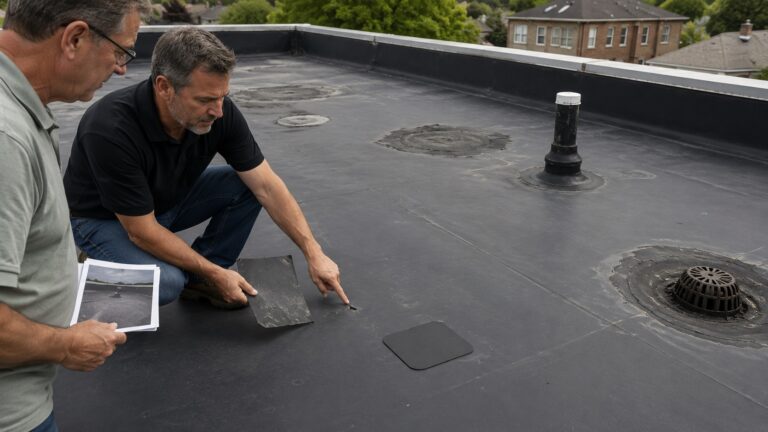
Exterior flashing develops leaks when the materials that are supposed to redirect water away from vulnerable joints stop working as a continuous drainage system. Flashing is not just a thin strip of metal or membrane. It is part of a layered water-management system that protects roof edges, wall intersections, windows, doors, chimneys, deck connections, siding transitions, and exterior penetrations.
When flashing is installed correctly, water should move outward and downward onto the exterior surface. When flashing is damaged, poorly layered, missing, corroded, or separated from nearby materials, water can slip behind siding, roofing, trim, or wall coverings. Over time, that water can create hidden moisture damage inside the structure.
Most flashing leaks begin when the drainage path is interrupted: the flashing is missing, reversed, too short, deteriorated, pulled loose, or sealed in a way that traps water instead of releasing it. This article focuses on causes, not symptom identification or repair instructions. If you are still trying to recognize the warning signs, start with signs of failed exterior flashing. If you are already seeing moisture and need to trace the source, use how to detect water intrusion from flashing failures.
How Exterior Flashing Is Supposed to Work
Flashing works by controlling the path of water. Homes are not built from one continuous waterproof shell. They contain joints, seams, corners, openings, and transitions where water naturally tries to enter. Flashing protects those weak points by overlapping materials in a way that sheds water outward.
The basic principle is simple: upper materials should overlap lower materials so gravity carries water away from the wall or roof assembly. When that layering is broken, reversed, blocked, or missing, water can move behind the surface instead of draining away.
Flashing Protects Structural Transition Points
Most flashing leaks happen where one building surface meets another. These are the places where water movement becomes complicated because the home changes direction, material, slope, or plane.
Common flashing locations include:
- Roof-to-wall intersections
- Window and door openings
- Chimney bases
- Skylights and roof penetrations
- Deck ledger boards
- Siding transitions
- Exterior vents and utility penetrations
- Trim boards and horizontal projections
These areas are also major water-entry points in the broader exterior moisture system. For a wider explanation of how water moves through these vulnerable zones, see how water enters homes through structural gaps.
Flashing Must Work With the Materials Around It
Flashing rarely works alone. It usually depends on nearby materials such as housewrap, siding, roofing, trim, sealants, underlayment, drip edges, and drainage gaps. If one part of that system is installed incorrectly, the flashing may no longer drain water properly.
For example, window flashing must integrate with the water-resistive barrier behind the siding. Roof step flashing must overlap correctly with shingles or other roof coverings. Deck ledger flashing must keep water from collecting between the ledger board and the wall. When these layers do not work together, water can bypass the flashing even if the flashing material itself is still present.
Most Common Causes of Exterior Flashing Leaks
Flashing leaks usually develop for one of several reasons: poor installation, material deterioration, movement, impact damage, blocked drainage, or surface repairs that hide rather than solve the problem. In many homes, more than one cause is involved.
Improper Installation
Improper installation is one of the most common reasons exterior flashing develops leaks. Flashing must be installed in the correct order and orientation. If the layers are reversed, water can be directed inward instead of outward.
Examples of installation-related flashing problems include:
- Flashing installed behind the wrong layer
- Missing head flashing above windows or doors
- Improperly lapped step flashing along roof-wall intersections
- Deck ledger flashing that does not extend far enough
- Window flashing that is sealed in a way that traps water
- Fasteners placed where they create leak paths
These errors may not cause visible leaks immediately. A flashing system can appear acceptable during dry weather but fail repeatedly during wind-driven rain or long storms.
For a deeper explanation of this specific failure pattern, see why improper flashing installation causes leaks.
Missing Flashing
Sometimes exterior flashing leaks develop because flashing was never installed in a critical area. This is especially common around older windows, exterior doors, deck ledgers, siding transitions, and penetrations added after the original construction.
When flashing is missing, the home may rely too heavily on caulk, trim, or siding to keep water out. These materials may slow water entry temporarily, but they are not designed to replace proper flashing.
Missing flashing often leads to slow, repeated moisture exposure. The damage may remain hidden behind trim or siding until staining, swelling, soft materials, or mold-like growth appears.
Poor Overlap Between Layers
Flashing depends on overlap. If the upper layer does not properly cover the lower layer, water can run behind the flashing instead of over it.
This is why small layering mistakes can create major leaks. A gap, reversed lap, or short flashing piece can redirect water into the wall assembly. Once water gets behind the exterior surface, gravity can carry it down through sheathing, framing, insulation, and drywall.
Installation Errors That Commonly Cause Flashing Leaks
When installation is the cause, the problem usually comes down to reversed layering, over-reliance on sealant, poorly placed fasteners, or flashing that does not extend far enough.
Incorrect Layering Order
Flashing must follow a shingle-style sequence: upper layers overlap lower layers so water drains outward. If that sequence is reversed, water can be directed behind the flashing instead of over it.
Common layering mistakes include:
- Housewrap installed over flashing instead of behind it
- Step flashing not properly integrated with roofing materials
- Window head flashing missing or installed behind trim only
- Flashing pieces installed out of sequence
Over-Reliance on Sealants
Sealants such as caulk are often used to supplement flashing, but they are not a primary water barrier. Some installations rely too heavily on sealants instead of proper flashing techniques.
This creates several problems:
- Sealants degrade over time due to UV exposure and temperature changes
- Movement in building materials causes cracks in sealant lines
- Water can still enter behind the surface if flashing is missing or incorrect
If the flashing system is incomplete, failed sealant may leave no reliable backup drainage path.
Improper Fastening
Fasteners used to secure flashing can create leak paths if placed incorrectly. Nails or screws driven through the wrong part of the flashing may allow water to penetrate directly into the structure.
Problems include:
- Fasteners installed in exposed areas instead of protected overlaps
- Over-driven fasteners damaging the flashing material
- Loose fasteners allowing movement and separation
These small penetrations can become entry points for water, especially during heavy rainfall.
Inadequate Coverage or Sizing
Flashing must extend far enough to direct water away from the structure. If it is too short, too narrow, or improperly positioned, water can bypass it.
Examples include:
- Short head flashing that does not extend beyond window edges
- Step flashing pieces that are too small to overlap properly
- Deck flashing that does not cover the full ledger width
Material Deterioration Over Time
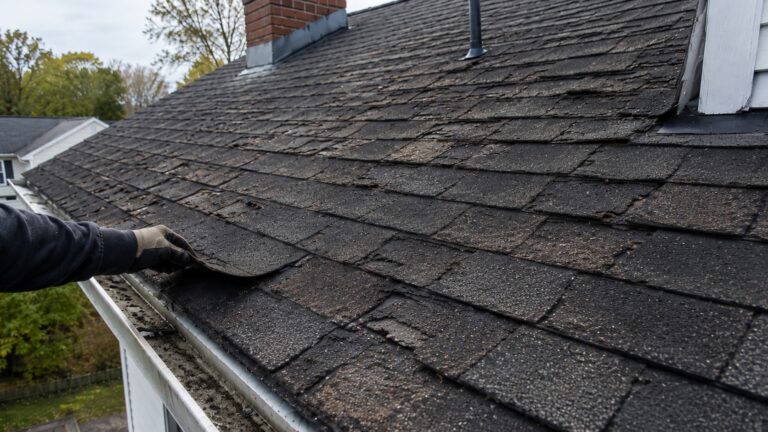
Even properly installed flashing can develop leaks as materials age. Exposure to weather, temperature changes, and environmental conditions gradually weakens flashing components.
Corrosion of Metal Flashing
Metal flashing, especially galvanized steel, can corrode over time. Rust weakens the material and may eventually create holes or thin spots where water can enter.
Corrosion is more likely in areas exposed to:
- Standing water
- Salt air (in coastal environments)
- Pollution or chemical exposure
- Frequent wet-dry cycles
Once corrosion begins, it can spread and reduce the effectiveness of the flashing.
Breakdown of Flexible Membranes
Modern flashing systems often use flexible membranes made from rubberized or synthetic materials. These materials can degrade over time due to:
- UV exposure
- Temperature extremes
- Physical stress from movement
- Improper installation
As membranes break down, they may lose adhesion, crack, or separate from the surfaces they are meant to protect.
Sealant Aging and Failure
Sealants used in flashing systems can shrink, crack, or pull away from surfaces as they age. This creates gaps that allow water to enter.
Although sealant is not the primary barrier, its failure often accelerates flashing problems by exposing weak points in the system.
Understanding how these issues develop can help explain why leaks often appear years after installation, even in homes that initially performed well.
Structural Movement and Stress Effects
Homes are not static structures. They expand, contract, settle, and shift over time. These movements place stress on flashing systems, which must remain sealed and properly layered despite these changes.
Expansion and Contraction
Temperature changes cause materials such as wood, metal, and vinyl to expand and contract. Over time, this movement can loosen flashing connections or create gaps between materials.
Repeated expansion and contraction can lead to:
- Separation between flashing and adjacent surfaces
- Cracking of sealant lines
- Warping or distortion of flashing components
Building Settlement
As a home settles, small shifts in framing can change how materials align. This can affect flashing at critical joints, especially around windows, doors, and roof intersections.
Even slight movement can disrupt the overlap required for proper water drainage.
Vibration and External Forces
Wind, foot traffic on roofs, and structural vibration can gradually loosen flashing components. Over time, this movement can create openings where water can enter.
Areas exposed to high winds or frequent impact are more likely to develop these types of failures.
Environmental and Weather-Related Causes of Flashing Leaks
Even when flashing is installed correctly, environmental exposure can eventually lead to failure. Weather plays a major role in how quickly flashing deteriorates and how often it is exposed to conditions that allow water intrusion.
Wind-Driven Rain
Wind-driven rain is one of the most aggressive forces acting on exterior flashing. Unlike normal rainfall, wind can push water sideways or upward, forcing it into joints that would otherwise shed water effectively.
This can cause leaks in areas such as:
- Roof-to-wall intersections
- Window and door edges
- Vertical siding joints
- Chimney flashing systems
Flashing systems that are marginally installed or partially deteriorated are especially vulnerable to wind-driven rain. Even small gaps can allow water to penetrate under pressure.
Heavy and Prolonged Rainfall
Extended rain events increase the volume of water flowing across exterior surfaces. When flashing is exposed to continuous moisture, small weaknesses can become significant entry points.
Over time, repeated saturation can:
- Expose minor installation flaws
- Accelerate material deterioration
- Increase the likelihood of water bypassing flashing layers
This is why some flashing leaks only appear during long storms rather than short rainfall events.
Freeze-Thaw Cycles
In colder climates, water that enters small gaps can freeze and expand. This expansion can widen openings, loosen materials, and damage flashing components.
Repeated freeze-thaw cycles may lead to:
- Cracking of sealants and membranes
- Separation between flashing and adjacent materials
- Gradual enlargement of existing gaps
Even if the initial opening is small, freeze-thaw action can turn it into a significant leak pathway over time.
UV Exposure and Heat
Sunlight and heat can degrade flashing materials, especially flexible membranes and sealants. Prolonged UV exposure causes materials to become brittle, lose elasticity, and break down.
This can result in:
- Cracking or splitting of flashing materials
- Loss of adhesion between flashing and surfaces
- Accelerated aging of sealants
Areas that receive direct sunlight for long periods are more susceptible to this type of deterioration.
Why Surface Repairs Often Fail to Stop Flashing Leaks
Many homeowners attempt to fix leaks by applying caulk, sealant, or patching materials to the visible surface. While this may reduce water intrusion temporarily, it often does not address the underlying cause of flashing failure.
Flashing Is a Layered System, Not a Surface Seal
Flashing works by directing water through overlapping layers. Surface repairs do not restore this layered system if it has been compromised.
For example:
- Applying caulk over a joint does not correct improper layering behind it
- Sealing visible gaps does not fix missing flashing
- Patching trim does not restore drainage pathways
As a result, water can still enter behind the repair and continue causing damage.
Surface repairs may stop water temporarily, but they do not restore the original drainage path. If water is already entering behind the exterior surface, sealing the visible crack may trap moisture inside, force water to travel through another opening, or hide the problem until sheathing, framing, or interior finishes are already wet.
Water Finds Alternate Pathways
When one entry point is sealed, water may simply move to another weak spot in the flashing system. This can create the illusion that the problem has shifted, when in reality the underlying failure remains.
This is why leaks often reappear in slightly different locations after surface repairs.
Temporary Repairs Mask the Real Problem
Surface fixes can delay visible symptoms, making it harder to identify the true cause of the leak. This can lead to more extensive damage over time, as water continues to enter unnoticed.
Understanding the full cause of flashing failure is essential before attempting long-term solutions. Preventive strategies and proper installation practices are explained in how to prevent flashing failures.
What the Cause Usually Tells You
The likely cause of a flashing leak often points to the next step. If the flashing is missing, reversed, or too short, resealing the surface will not correct the drainage path. If the flashing is corroded, cracked, or pulled loose, the material itself may no longer be dependable. If leaks appear only during wind-driven rain, the weak point may be a lap, corner, fastener, or transition that fails only when water is pushed sideways.
If you need to check the condition of visible flashing before deciding what to do next, see how to inspect exterior flashing for damage.
Frequently Asked Questions About Why Exterior Flashing Develops Leaks
Why does exterior flashing leak even after caulking?
Caulk can seal a visible gap, but it cannot rebuild the layered drainage path that flashing is supposed to create. If flashing is missing, reversed, too short, corroded, or separated from nearby materials, water may still enter behind the sealed surface.
Can exterior flashing fail even if the metal still looks intact?
Yes. The visible metal may look intact while the overlap, end dam, housewrap integration, sealant joint, or fastener location is allowing water behind the exterior surface. Flashing failure is often a system problem, not just a visible material problem.
Is poor installation the only reason exterior flashing leaks?
Improper installation is a leading cause, but not the only one. Aging materials, structural movement, and environmental exposure can also lead to failure over time.
Why do flashing leaks often show up during wind-driven rain?
Wind-driven rain can push water sideways or upward into small laps, corners, fastener holes, and transitions that normal downward rainfall may not expose. This is why some flashing leaks appear only during certain storms.
Why do flashing leaks get worse over time?
Once water begins entering through a small gap, it can enlarge the opening, damage materials, and create additional pathways. This allows more water to enter, accelerating the problem.
For a broader understanding of how moisture behaves in homes and how different issues connect, see how to find, fix, and prevent moisture problems in homes.
Key Takeaways
- Flashing leaks develop when the layered water-drainage system is compromised.
- Improper installation is one of the most common causes of flashing failure.
- Material deterioration, structural movement, and environmental exposure also contribute to leaks.
- Wind-driven rain and prolonged moisture can expose weak points in flashing systems.
- Surface repairs often fail because they do not restore proper flashing function.
- Flashing problems typically worsen over time as water enlarges existing gaps.
- The leak usually returns unless the original drainage path is restored or the failed flashing component is corrected.