Why Basement Drainage Systems Fail
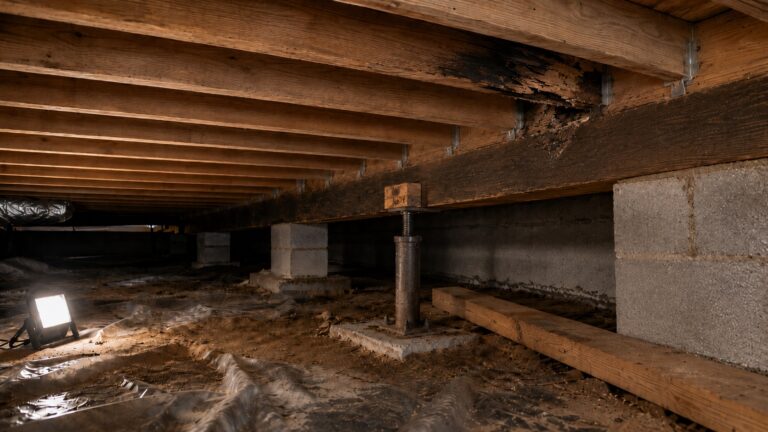
Basement drainage systems usually fail when water cannot reach the drain, cannot move through the drain, or has nowhere safe to discharge. Clogged drain tile, poor pipe slope, collapsed lines, root intrusion, saturated soil, bad grading, and sump discharge problems can all leave water collecting around the foundation.
That buildup increases pressure against basement walls and floors. Once the drainage system stops relieving that pressure, water can seep through cracks, floor joints, wall gaps, or porous foundation materials even though a drainage system is already present.
If you are already seeing damp walls, floor seepage, or recurring water after rain, review signs of poor basement drainage first. This article focuses on the causes behind those symptoms: what goes wrong inside or around the drainage system.
To fully understand how these failures result in water entering your basement, it’s also important to consider how hydrostatic pressure causes basement leaks, since pressure buildup is the direct consequence of drainage failure.
What Basement Drainage Systems Are Designed to Do
Before exploring why drainage systems fail, it helps to understand how they are supposed to function.
A typical basement drainage system works by:
- Collecting water from the soil around the foundation
- Redirecting that water away from the home
- Reducing pressure against basement walls and floors
This process depends on several components working together:
- Perimeter drain tile systems
- Gravel layers that allow water to flow
- Gutters and downspouts that manage roof runoff
- Grading that directs surface water away
- Sump systems that remove collected water
When any part of this system stops functioning correctly, water begins to accumulate around the foundation. Over time, this buildup leads to the same types of problems described in how to detect basement drainage problems, including recurring moisture and water intrusion.
Most drainage failures fall into three broad categories:
- Water cannot flow through the system
- Water is not directed to the system correctly
- The system is overwhelmed by water volume
Understanding these failure types makes it easier to identify what went wrong and what needs to be corrected.
The Most Common Reasons Drainage Systems Fail
Most basement drainage failures develop slowly. A drain line may lose capacity, a discharge route may send water back toward the foundation, or surface runoff may overwhelm a system that once worked during normal rain.
Clogging and Blockage Inside Drainage Systems
Clogging is one of the most common causes of drainage failure. Over time, materials can accumulate inside pipes and drainage channels, restricting water flow.
Common sources of blockage include:
- Fine soil and sediment entering the system
- Debris carried by water flow
- Organic material buildup
- Mineral deposits forming over time
When a drainage system becomes clogged, water can no longer move efficiently away from the foundation. Instead, it begins to back up, increasing soil saturation and pressure against basement walls.
A partial clog may only show up during heavy rain because some water can still pass through. A severe clog can cause recurring seepage even during moderate storms because collected water has no reliable path away from the footing.
This often leads to recurring moisture patterns similar to those seen in signs of water seepage through basement walls, where water slowly works its way into the structure.
Root Intrusion Blocking Drain Pipes
Tree roots can cause drainage failure when they enter cracked pipe joints, older clay drain lines, separated fittings, or damaged sections of underground drainage pipe.
Roots are drawn toward moisture. Once they reach a small opening, they can grow inside the pipe, catch sediment, and gradually turn a minor restriction into a major blockage.
Signs of root-related failure may include:
- Sudden reduction in drainage performance
- Recurring water issues despite previous stability
- Localized areas of severe moisture buildup
Because root intrusion often occurs underground, it can go unnoticed until the system is significantly compromised.
Soil and Environmental Conditions That Cause Drainage Failure
Even a properly installed drainage system can struggle if the surrounding soil and environmental conditions work against it. These factors determine how quickly water moves through the ground and how much pressure builds around the foundation.
Clay Soil That Holds Water
Clay-heavy soil is difficult for basement drainage systems because it holds water close to the foundation instead of allowing it to drain away quickly.
Unlike sandy soil, clay:
- Absorbs water slowly
- Retains moisture for long periods
- Expands when saturated
- Drains very slowly
When clay soil becomes saturated, water remains trapped around the foundation. This creates sustained pressure that drainage systems must continuously manage.
If the system cannot remove water quickly enough, moisture begins to push through basement walls and floors, leading to the types of issues described in signs of water coming through basement floors.
High Water Table Conditions
In some areas, the groundwater level naturally sits close to the surface. This condition, known as a high water table, places constant pressure on basement drainage systems.
In these environments:
- Drainage systems must operate continuously
- Water accumulation is more persistent
- Systems are more likely to become overwhelmed
Even well-designed systems can struggle under these conditions, especially during periods of heavy rain or snowmelt.
Freeze-Thaw Cycles That Shift Drainage Components
In colder climates, repeated freezing and thawing can move soil, stress underground pipes, and change the slope that drainage lines depend on.
As water freezes, it expands, which can:
- Shift drainage pipes out of alignment
- Create gaps or separations in connections
- Disrupt the slope required for proper water flow
When the soil thaws, these shifts can leave drainage systems partially damaged or misaligned, reducing their effectiveness.
System Overload: When Drainage Can’t Keep Up
Even when drainage systems are properly installed and maintained, they have limits. Every system is designed to handle a certain volume of water, and exceeding that capacity can lead to failure.
Heavy Rainfall and Rapid Snowmelt
Large volumes of water entering the soil in a short period of time can overwhelm drainage systems.
This often occurs during:
- Intense storms with heavy rainfall
- Extended periods of rain
- Rapid snowmelt in early spring
When water enters the ground faster than the system can remove it, soil becomes saturated and pressure builds against the foundation.
Poor Surface Water Management
Surface water often overloads basement drainage systems before groundwater is even the main problem.
Common issues include:
- Gutters that overflow or leak
- Downspouts that discharge too close to the home
- Improper grading that directs water toward the foundation
These conditions can significantly increase the volume of water entering the soil around the foundation.
Addressing these factors is a key part of the strategies outlined in how to prevent basement water intrusion, which focuses on reducing water exposure before it reaches the drainage system.
Multiple Systems Failing Together
Drainage failure often occurs when several systems stop working at the same time.
For example:
- Clogged gutters increase water near the foundation
- Poor grading traps that water in place
- Blocked drain tile prevents it from draining away
When these conditions combine, even a functioning drainage system can become overwhelmed, leading to moisture intrusion inside the basement.
Aging and Material Breakdown
Basement drainage systems can degrade over time as materials weaken, soil shifts, connections separate, and pipe capacity declines.
Pipe Deterioration and Collapse
Older drainage systems may use materials that are more prone to damage, such as clay or metal pipes.
Over time, these materials can:
- Crack or break
- Collapse under soil pressure
- Separate at joints
When pipes become damaged, water flow is disrupted, and the system may no longer function as intended.
Separation of Connections
Drainage systems rely on continuous pathways for water to move through. If connections between components fail, water can escape or become trapped.
This may result in:
- Water pooling in unintended areas
- Reduced efficiency of the system
- Localized pressure buildup near the foundation
Gradual Loss of System Efficiency
Even without obvious damage, drainage systems can become less effective over time.
Small issues—such as minor clogs, slight misalignment, or soil changes—can reduce performance gradually. This often leads to subtle symptoms that worsen over time.
Homeowners may first notice these changes through recurring moisture patterns, which are often identified during the detection process described in how to detect basement drainage problems.
Installation Mistakes That Lead to Drainage Failure
Many basement drainage systems fail not because of age, but because they were installed incorrectly from the beginning. Even small mistakes during installation can prevent a system from working as intended.
Incorrect Pipe Slope
Drainage pipes must be installed with a consistent slope so water can flow naturally through the system.
Problems occur when:
- Pipes are installed too flat
- Sections slope in the wrong direction
- Settling soil alters the original slope
Without proper slope, water may stagnate inside the system instead of draining away, reducing effectiveness and increasing the risk of clogging.
Improper Pipe Placement
The position of drainage pipes relative to the foundation is critical.
Common mistakes include:
- Installing pipes above the footing level
- Placing pipes too far from the foundation
- Misaligning pipes with the natural water flow path
When pipes are not positioned correctly, they may fail to collect water where it actually accumulates, allowing moisture to bypass the system entirely.
Inadequate Gravel and Filtration Layers
Gravel layers surrounding drainage pipes allow water to flow freely while filtering out soil particles.
Failure can occur when:
- Too little gravel is used
- Incorrect gravel size is selected
- Filter fabric is missing or improperly installed
Without proper filtration, soil can enter the system and cause clogs, eventually leading to reduced performance or complete blockage.
Disconnected or Incomplete Drainage Systems
Drainage systems rely on all components working together. If one part becomes disconnected or fails, the entire system can be compromised.
Downspouts Not Connected to Drainage Systems
In some homes, downspouts are not properly connected to underground drainage systems or discharge points.
This can result in:
- Water being released directly near the foundation
- Increased soil saturation around the home
- Overloading of nearby drainage components
Even a well-designed drainage system can fail if roof runoff is not managed correctly.
Sump Discharge Problems
When drainage systems rely on sump pumps, the discharge location becomes critical.
Problems can occur when:
- Discharge lines are too short
- Water is released near the foundation
- Lines become blocked or frozen
In these cases, water may cycle back toward the home, reducing the effectiveness of the entire system.
This is especially common when the discharge line ends too close to the foundation or drains onto soil that slopes back toward the house.
Broken or Collapsed Drain Lines
Underground drainage lines can become damaged over time due to soil movement, heavy loads, or aging materials.
Damage may include:
- Cracks or fractures in pipes
- Collapsed sections that block flow
- Separation at joints
These issues disrupt water movement and can lead to localized pressure buildup near the foundation.
Additional Factors That Contribute to Drainage Failure
Some drainage failures are caused by changes around the home rather than by the original system itself.
Landscaping Changes Over Time
Changes to landscaping can unintentionally alter how water flows around your home.
Examples include:
- Adding soil that changes grading
- Installing flower beds that trap water
- Placing mulch that retains moisture
- Building features that redirect runoff
These changes can gradually reduce the effectiveness of existing drainage systems.
Construction Modifications
Home improvements can also impact drainage performance.
Common examples include:
- New driveways or patios that change water flow
- Extensions or additions that alter grading
- Hardscaping that prevents natural drainage
If drainage is not considered during these projects, new water pathways may develop that overwhelm the existing system.
Lack of Maintenance
Drainage systems require periodic maintenance to remain effective.
Neglected maintenance can lead to:
- Clogged gutters and downspouts
- Blocked drainage pipes
- Accumulation of debris in drainage channels
Over time, these issues reduce system performance and increase the risk of failure.
When Drainage Failure Becomes a Serious Problem
Drainage systems often fail gradually, but the effects can become serious if problems are not addressed.
Increasing Frequency of Water Intrusion
One of the clearest signs of system failure is water entering the basement more often.
This may start with occasional dampness and progress to:
- Water appearing during every storm
- Larger wet areas forming over time
- Moisture spreading to new locations
Persistent Moisture That Does Not Fully Dry
As drainage systems lose effectiveness, moisture may remain in the basement for longer periods after rain. Damp lower walls, wet floor edges, musty odors, or recurring condensation near the same area can indicate that water is still collecting around the foundation.
This creates conditions that support mold growth and material damage, especially if the area appears dry on the surface but nearby framing, insulation, or wall cavities remain damp.
Structural Pressure and Damage
When water accumulates around the foundation, pressure increases and can begin affecting structural components.
Possible signs include:
- Widening cracks in walls or floors
- Shifting or uneven surfaces
- Changes in wall alignment
If cracks are widening, walls appear to bow, or floors are shifting, stop treating the issue as a simple drainage problem and have the foundation evaluated before covering, sealing, or finishing the area.
At this stage, a more detailed evaluation—such as those described in how to inspect basement waterproofing systems—may be necessary to fully assess the condition of the drainage and foundation systems.
Frequently Asked Questions About Why Basement Drainage Systems Fail
Why does my basement still leak after installing a drainage system?
This usually happens when the system is either improperly installed, partially clogged, or overwhelmed by water volume. In many cases, the issue is not the presence of a system, but whether it is correctly positioned, functioning, and supported by proper exterior water management.
Do basement drainage systems fail over time?
Yes. Like any building system, drainage components can degrade over time due to soil movement, material breakdown, clogging, and environmental conditions. Even well-installed systems may lose efficiency if they are not maintained.
Can tree roots damage basement drainage systems?
Yes. Tree roots are naturally drawn to moisture and can enter drainage pipes through small openings. Once inside, they expand and can block water flow, leading to system failure.
Is poor installation a common cause of drainage failure?
Yes. Incorrect slope, improper pipe placement, and missing filtration layers are some of the most common reasons drainage systems fail. These issues can prevent the system from collecting or moving water effectively.
Can drainage systems handle heavy storms?
Drainage systems can usually handle normal water loads if they are clear, correctly sloped, and properly discharged. Heavy storms can still overwhelm them when roof runoff, poor grading, saturated soil, or a high water table adds more water than the system was designed to move.
Key Takeaways
- Basement drainage systems fail when water cannot flow, is misdirected, or exceeds system capacity
- Clogging, root intrusion, and poor installation are some of the most common causes
- Soil conditions, such as clay or high water tables, can place additional stress on drainage systems
- Surface water management plays a major role in overall drainage performance
- Drainage systems degrade over time and require maintenance to remain effective
- A drainage system can be present but still fail if water cannot reach it, flow through it, or discharge far enough from the foundation
- Understanding why a system fails is essential for choosing the right long-term solution