Signs That Roof Ventilation Needs Repair
Roof ventilation usually needs repair when moisture, heat, or airflow problems continue after basic maintenance has already been tried. If vents have been cleaned, insulation has been moved away from intake areas, and attic moisture still returns, the problem may involve damaged vents, poor airflow balance, undersized ventilation, or failed installation details.
Common repair-level signs include cracked ridge vents, collapsed soffit vents, warped vent housings, condensation across large attic areas, damp insulation that will not dry, recurring mold, and attic heat that remains excessive despite open airflow paths.
This article focuses on the point where roof ventilation problems move beyond cleaning or adjustment and begin requiring repair. For earlier moisture symptoms, see Signs of Moisture Caused by Ventilation Failure. For long-term mold consequences, see Why Attic Airflow Problems Lead to Mold Growth.
Because ventilation repair is part of the broader roof failure system, this article fits under Most Common Roofing Material Failures, which explains how roofing components fail and create moisture risks.
Why Ventilation Systems Fail Over Time
Roof ventilation failures usually develop slowly. Sunlight, temperature swings, wind-driven debris, moisture, and previous installation mistakes can weaken vents until airflow drops or physical damage becomes visible.
Common causes of repair-level ventilation failure include:
- Weather exposure that weakens plastic or metal components
- Ultraviolet (UV) radiation degrading vent materials
- Wind-driven debris clogging vent openings
- Dust and pollen accumulation inside ventilation channels
- Improper installation during previous roofing work
- Mechanical damage from storms or falling debris
- Aging materials losing structural strength
Many ventilation systems are installed during roof construction and may remain unchanged for decades. Over time, materials expand and contract due to temperature fluctuations, leading to cracks, warping, or separation.
Older homes are especially vulnerable to ventilation failure because early ventilation designs may not meet modern airflow standards. In some cases, insufficient intake or exhaust capacity contributes to persistent moisture buildup.
Even well-designed systems require occasional maintenance. When routine cleaning or airflow adjustments fail to correct moisture problems, structural repair may become necessary.
In homes where airflow improvements have already been attempted, reviewing the strategies described in How to Improve Airflow in Attic Spaces can help determine whether basic improvements were sufficient or if deeper system failures remain.
Visible Signs of Ventilation Damage
Visible damage to ventilation components is one of the clearest indicators that repair is required. Unlike airflow problems caused by minor blockages, physical damage usually reduces system performance immediately.
Regular attic inspections can reveal visible warning signs that indicate ventilation failure.
Safety note: Do not walk on the roof or disturb wet, moldy, or compressed insulation unless you can do so safely. If vents are high, damaged, storm-exposed, or near electrical components, use a qualified roofing or ventilation professional.
Cracked or Broken Ridge Vents
Ridge vents are located along the highest point of the roof and serve as the primary exhaust pathway for warm air. Because they are exposed to sunlight and weather, ridge vents are especially vulnerable to long-term damage.
Signs of cracked or broken ridge vents include:
- Visible cracks along ridge vent covers
- Sections of vent material missing or detached
- Loose vent components shifting during wind
- Water staining near ridge openings
- Reduced airflow leaving ridge areas
Cracked ridge vents can both restrict exhaust airflow and allow wind-driven rain into vulnerable roof areas. That combination makes them a stronger repair signal than a simple surface blockage.
If ridge vent damage is suspected, inspection procedures described in How to Inspect Roof Vents for Blockages can help confirm whether vent openings remain functional.
Collapsed or Damaged Soffit Vents
Soffit vents allow fresh air to enter the attic. When these vents collapse or become damaged, airflow into the attic decreases significantly.
Common causes of soffit vent damage include:
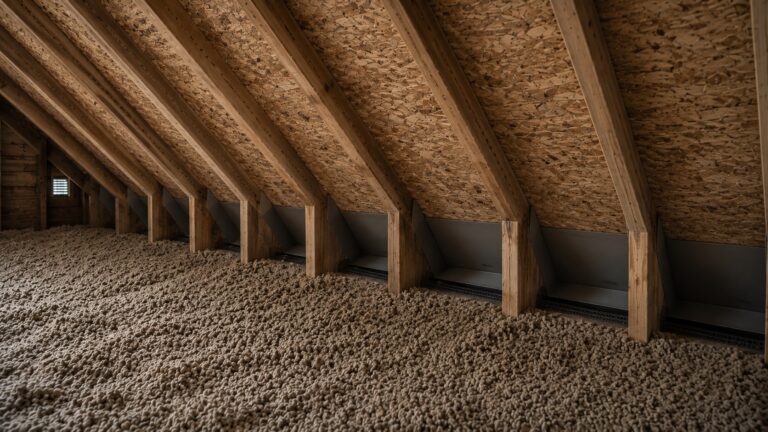
- Pressure from insulation packing tightly against vents
- Impact from debris or tools
- Aging plastic materials weakening over time
- Improper installation during construction
Warning signs of soffit vent damage include:
- Crushed or deformed vent openings
- Reduced visible airflow gaps
- Insulation packed tightly against intake areas
- Moisture forming near attic edges
- Uneven airflow patterns across roof surfaces
Because soffit vents supply intake airflow, damage in these areas affects the entire ventilation system. Repairs often involve replacing damaged vent components or restoring proper airflow pathways.
Warped or Deteriorated Roof Vent Housings
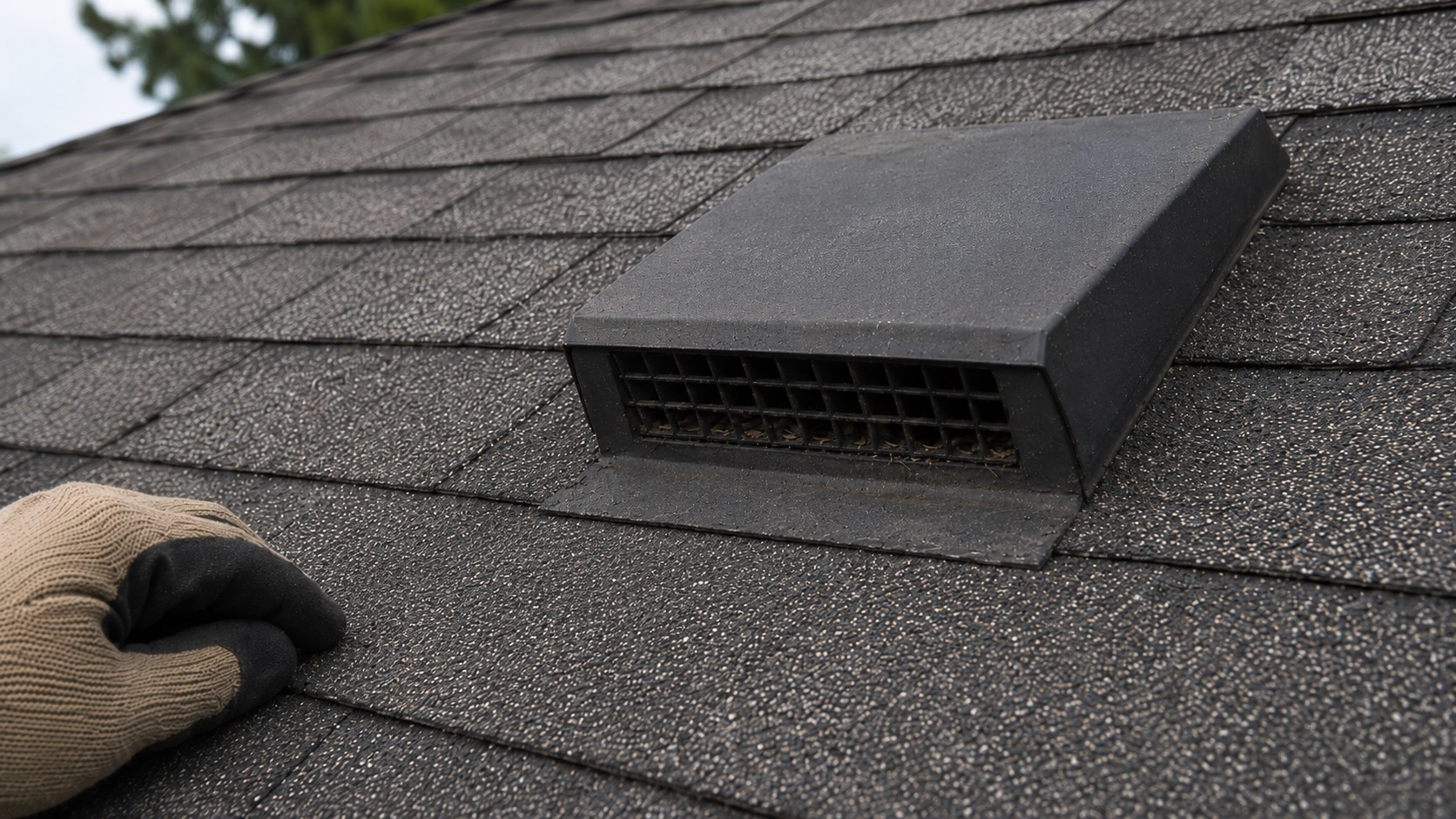
Roof vent housings can warp, crack, rust, or loosen after years of heat, cold, UV exposure, and storm stress. Once the housing loses its shape or separates from the roof surface, cleaning the opening may not restore proper airflow or weather protection.
Common warning signs of warped or deteriorated roof vents include:
- Vent covers that appear bent or distorted
- Loose vent housings shifting during wind
- Visible gaps between vent bases and roofing materials
- Rust forming on metal vent components
- Water staining near vent openings
Warped vent housings restrict airflow and may allow water intrusion during storms. Even minor distortions can disrupt airflow patterns and reduce ventilation efficiency.
If vent housings show visible deterioration, repair or replacement is usually required. In many cases, deteriorated vent materials cannot be restored through cleaning alone.
Performance Signs That Indicate Repair Is Needed
Not all ventilation failures are visible. In many homes, performance-related symptoms appear before physical damage becomes obvious. These symptoms often indicate that ventilation systems are no longer functioning as intended.
Moisture Returning Despite Airflow Improvements
One of the strongest indicators that ventilation repair is required is recurring moisture after airflow corrections have already been attempted.
Typical patterns include:
- Moisture reappearing after clearing soffit vents
- Condensation returning after cleaning ridge vents
- Damp insulation persisting despite airflow improvements
- Mold spots returning after previous cleanup
- Musty odors continuing despite ventilation adjustments
These patterns suggest the problem is not just loose debris or one blocked opening. The attic may have damaged vents, blocked intake paths hidden behind insulation, poor intake-to-exhaust balance, or too little ventilation capacity for the roof design.
If airflow corrections have already been attempted, reviewing solutions described in How to Improve Airflow in Attic Spaces can help determine whether additional repair steps are required.
Persistent Condensation Across Multiple Areas
Condensation appearing across multiple attic areas is another major repair indicator. When moisture spreads widely instead of remaining localized, ventilation failure often affects the entire system.
Common signs of widespread condensation include:
- Water droplets forming on multiple roof surfaces
- Frost appearing on nail tips during cold weather
- Damp wood surfaces across large areas
- Condensation occurring without rainfall
- Moisture appearing repeatedly during seasonal changes
A single damp spot near a roof penetration may indicate a leak instead of ventilation failure. Ventilation problems are more likely when condensation or dampness appears across repeated areas, especially during temperature swings or cold weather.
Widespread condensation usually points to system-level airflow failure rather than one isolated blocked vent. Repair may involve restoring damaged components, correcting intake and exhaust balance, or increasing ventilation capacity.
These conditions often resemble those described in Signs of Roof Condensation in Attics, where repeated moisture cycles affect large attic areas.
Excessive Attic Heat Retention
Ventilation systems control both moisture and heat. When airflow declines, attic temperatures rise, increasing condensation risk during seasonal temperature changes.
ENERGY STAR notes that natural airflow in a well-vented attic helps move super-heated air out of the attic while also helping remove moisture, which is why persistent heat retention can point to ventilation performance problems.
Signs of excessive attic heat retention include:
- Extremely hot attic temperatures during warm seasons
- Warm air lingering inside attic spaces
- High cooling costs caused by trapped heat
- Heat radiating downward into living spaces
- Uneven temperature distribution across the attic
Persistent heat buildup suggests insufficient airflow movement. Repair may be required to restore effective exhaust capacity or correct airflow imbalance.
Structural Warning Signs That Suggest Ventilation Repair
When ventilation failures continue over extended periods, structural materials begin showing signs of deterioration. These warning signs indicate that moisture has affected building materials long enough to cause damage.
Mold Growth Across Large Areas
Localized mold growth may be manageable with improved airflow. However, widespread mold development across multiple surfaces usually signals long-term ventilation failure.
Warning signs of widespread mold include:
- Mold covering large sections of roof sheathing
- Multiple rafters affected by mold growth
- Persistent musty odors throughout attic spaces
- Mold returning after previous removal
- Discoloration spreading across insulation and framing
Large mold areas require immediate attention because continued moisture exposure accelerates structural damage.
If mold spreads significantly, professional remediation guidance outlined in How to Remove Mold Permanently can help address long-term contamination risks.
Wood Softening or Structural Weakening
Wood exposed to long-term moisture gradually loses strength. Ventilation failures allow moisture to remain trapped inside wood fibers, leading to deterioration.
Signs of structural weakening include:
- Wood surfaces becoming soft or spongy
- Fiber separation along wood grain
- Visible cracking or splitting
- Uneven surfaces caused by moisture expansion
- Sagging, deflection, or other signs that roof framing may be weakened
Structural weakening is a serious condition that often requires professional evaluation. At this stage, ventilation repair alone may not be sufficient, and structural restoration may also be necessary.
When Temporary Fixes Stop Working
Basic maintenance can solve simple ventilation restrictions. Clearing blocked vents, moving insulation away from soffits, and removing debris from exhaust openings may help if the system is intact. If the same moisture or heat symptoms return quickly, the problem is more likely repair-level.
Common signs that temporary fixes are no longer effective include:
- Moisture returning shortly after cleaning vents
- Condensation reappearing during seasonal changes
- Mold growth recurring despite airflow adjustments
- Humidity levels remaining high even after clearing pathways
- Airflow improvements providing only short-term relief
When temporary fixes fail repeatedly, the underlying ventilation system may be damaged, undersized, or improperly installed. In these cases, professional repair becomes necessary to restore reliable airflow.
Repeated moisture cycles that continue despite airflow adjustments often reflect patterns described in Why Moisture Problems Keep Returning, where unresolved system failures allow moisture to persist.
High-Risk Conditions That Require Urgent Ventilation Repair
Some ventilation failures progress to conditions that require immediate attention. High-risk scenarios increase the likelihood of structural damage and mold contamination.
Urgent repair may be necessary when the following conditions are present:
- Large-scale mold growth across multiple attic areas
- Visible water dripping from condensation during winter
- Structural wood surfaces becoming visibly weakened
- Vent components detached or missing entirely
- Moisture spreading rapidly across attic surfaces
- Persistent odors affecting living areas below
These warning signs indicate that ventilation failure has progressed beyond minor airflow restrictions. Immediate evaluation helps prevent further structural deterioration.
In homes where mold spreads significantly, the long-term remediation strategies outlined in How to Remove Mold Permanently can help reduce contamination risks while addressing ventilation causes.
Detached or Missing Vent Components
Vent components that have become detached or are missing entirely create serious airflow disruption. These failures may result from storms, aging materials, or improper installation.
Typical signs of detached components include:
- Loose ridge vent sections
- Missing vent covers
- Visible gaps along vent seams
- Vent materials displaced by wind or debris
- Increased moisture near damaged sections
Detached vents often allow moisture intrusion while reducing airflow efficiency. Repairing these components quickly helps prevent moisture from entering attic spaces.
Water Dripping From Condensation
Condensation that drips from attic surfaces is a strong indicator of serious ventilation failure. This condition often appears during cold weather when moisture accumulates faster than airflow can remove it.
Common signs include:
- Water droplets forming along nail tips
- Water dripping onto insulation surfaces
- Pooled moisture forming on attic flooring
- Visible wet areas beneath roof surfaces
- Increased humidity during temperature changes
Water dripping from condensation can damage insulation and structural materials quickly. Repairing ventilation systems reduces moisture buildup and restores airflow performance.
Other Clues That Ventilation Failure Has Been Ongoing
Beyond visible damage and moisture recurrence, several additional symptoms indicate that ventilation systems may require immediate repair.
Rust Formation on Metal Components
Rust on metal fasteners, ductwork, or vent components signals prolonged moisture exposure. Rust formation typically indicates repeated condensation cycles affecting metal surfaces.
Common rust-related warning signs include:
- Corrosion on exposed metal nails
- Rust forming on vent housings
- Deterioration of metal duct surfaces
- Weakening fasteners supporting structural elements
- Metal components losing structural integrity
Rust formation suggests long-term ventilation failure and may require both airflow restoration and material replacement.
Insulation That Remains Wet Over Time
Insulation that remains damp for extended periods indicates ongoing moisture retention. Wet insulation reduces thermal performance and increases mold risk.
Warning signs of persistent insulation moisture include:
- Insulation that feels damp days after condensation events
- Compressed or flattened insulation materials
- Uneven insulation performance across attic areas
- Musty odors developing near insulation zones
- Visible staining on insulation surfaces
Persistent insulation moisture often signals major ventilation failure requiring repair rather than simple cleaning.
Understanding the Difference Between Maintenance and Repair
Not every ventilation issue requires repair. Cleaning, moving insulation away from soffits, or clearing debris may solve minor restrictions, but recurring symptoms after those steps point to a deeper system problem.
Maintenance-level issues typically include:
- Dust or debris blocking vent openings
- Insulation partially covering soffit vents
- Minor airflow restrictions that improve after cleaning
- Temporary humidity spikes caused by seasonal changes
Repair-level issues occur when physical damage or persistent performance failure prevents ventilation systems from functioning correctly. These situations usually involve structural components that must be repaired or replaced.
If repeated maintenance efforts fail to correct moisture patterns, the next step often involves evaluating long-term airflow improvements discussed in How to Improve Airflow in Attic Spaces, followed by targeted repairs when necessary.
Professional vs Homeowner Responsibilities
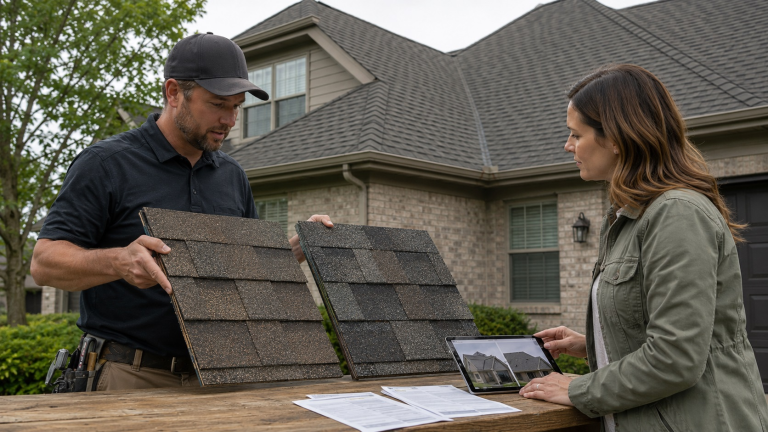
Homeowners can document visible symptoms from safe areas, but roof ventilation repairs often involve roof access, cutting or replacing vent components, correcting intake-to-exhaust balance, or evaluating moisture-damaged materials. Those tasks usually require a roofing or ventilation professional.
Safe Homeowner Observations
Homeowners can perform basic observations to monitor ventilation conditions.
- Checking for visible damage to vent components
- Observing moisture patterns inside the attic
- Noting seasonal changes in humidity
- Identifying insulation blocking intake vents
- Tracking recurring condensation patterns
These observations help determine whether ventilation systems are functioning properly and provide useful information during professional inspections.
Repairs That Require Professional Work
Professional repair is recommended when ventilation systems require structural modification or replacement.
- Replacing damaged ridge vents
- Repairing collapsed soffit ventilation systems
- Installing new ventilation components
- Correcting airflow balance issues
- Addressing structural damage caused by moisture
In homes where recurring airflow failures persist, more advanced repair strategies described in How to Fix Persistent Ventilation Problems in Attics provide guidance for restoring long-term ventilation performance.
What to Document Before Calling a Professional
Before calling a roofer or ventilation contractor, note where the symptoms appear, when they return, and which maintenance steps have already been tried. Photos of cracked vents, wet insulation, frost on nail tips, rusted fasteners, or condensation patterns can help the contractor separate a blocked vent from a repair-level ventilation failure.
Quick Checklist: When Roof Ventilation Likely Needs Repair
Use this checklist when deciding whether the problem has moved beyond routine vent cleaning:
- Recurring condensation across large attic areas
- Moisture continuing after cleaning vents
- Structural vent components showing visible damage
- Mold spreading across multiple attic surfaces
- Persistent humidity affecting insulation performance
If two or more of these signs appear together, the next step is usually not more cleaning. The ventilation system should be inspected for damaged components, blocked intake paths, poor balance, or undersized capacity.
If the problem has already persisted through multiple maintenance attempts, see How to Fix Persistent Ventilation Problems in Attics for the next repair-focused step.
Frequently Asked Questions About When Roof Ventilation Needs Repair
How can I tell if roof vents are old or actually need repair?
Age alone does not always mean repair is needed. Repair is more likely when older vents are cracked, warped, loose, rusted, separated from the roof surface, or no longer moving air well after cleaning.
Can damaged vents be repaired instead of replaced?
Minor damage may be repairable, but severely cracked or warped vents often require replacement. Repair decisions depend on the extent of structural damage and airflow impact.
What happens if ventilation repairs are delayed?
Delaying ventilation repairs allows moisture to accumulate, increasing the risk of mold growth, insulation damage, and structural weakening.
Can damaged roof vents cause mold even if there is no roof leak?
Yes. Damaged vents can trap humid air inside the attic even when rain is not entering. Repeated condensation can keep wood, insulation, and roof sheathing damp long enough for mold to develop.
Should ventilation repairs be completed before replacing insulation?
Yes. Ventilation problems should be corrected before installing new insulation. Otherwise, moisture conditions may damage newly installed materials.
Is cleaning roof vents enough if attic moisture keeps returning?
Cleaning may be enough when debris or insulation blockage is the only problem. If condensation, damp insulation, musty odors, or attic heat return after cleaning, the system may need repair, balancing, or additional ventilation capacity.
Conclusion
Roof ventilation usually needs repair when the same moisture, heat, or airflow symptoms return after basic maintenance has already been tried. Cracked vents, damaged soffit intake, warped vent housings, widespread condensation, recurring mold, and damp insulation are stronger warning signs than a simple blocked opening.
If several of these signs appear together, the safest next step is to inspect the ventilation system for damaged components, blocked intake paths, poor intake-to-exhaust balance, or undersized capacity before attic moisture causes deeper structural damage.