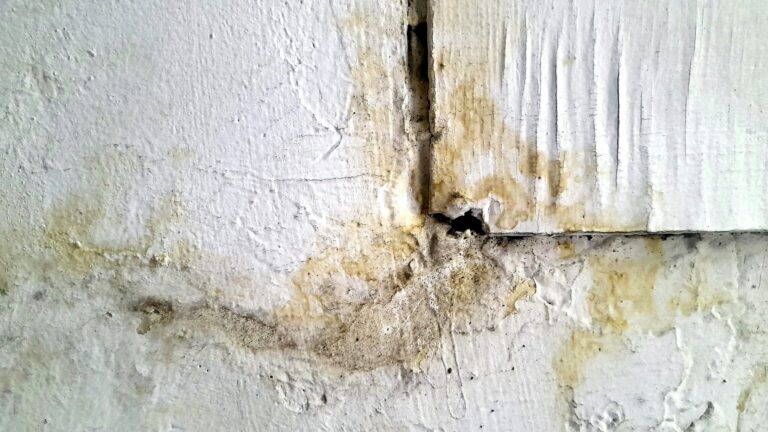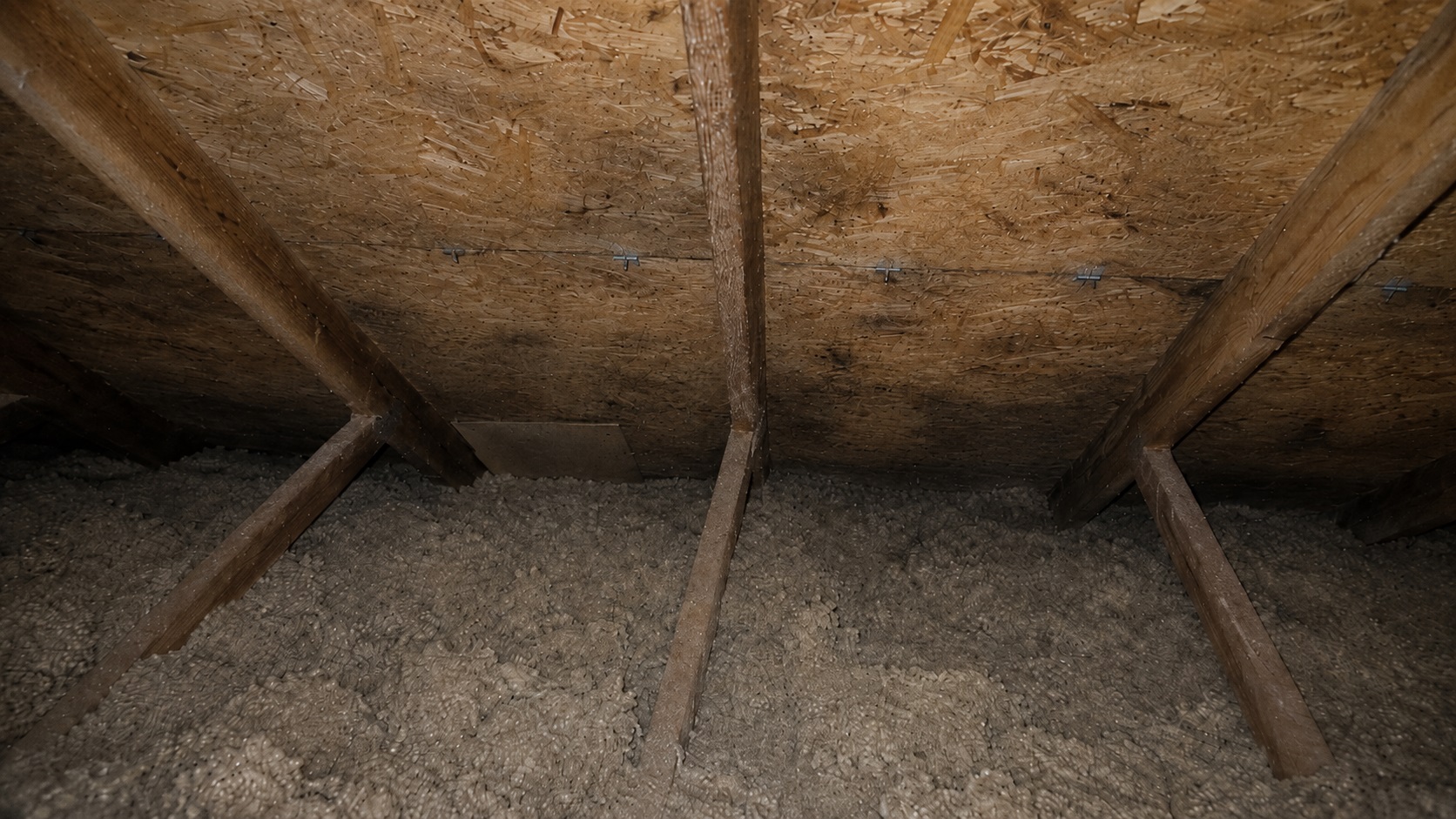
Why Attic Airflow Problems Lead to Mold Growth
Attic mold rarely appears without a cause. In many homes, the real reason mold forms is not roof leaks but airflow failure that traps moisture inside the attic. When humid air cannot escape, moisture builds up on wood surfaces, insulation, and roof sheathing. Over time, this trapped moisture creates the perfect conditions for mold growth.
Many homeowners are surprised to learn that mold can develop even when there are no visible leaks. Poor attic airflow allows humidity to remain inside the structure long enough for condensation to form repeatedly. Each cycle of moisture buildup increases the risk of mold colonies forming across roof framing and insulation materials.
If you have noticed mold-like staining, musty odors, or recurring moisture in attic spaces, airflow problems are often the underlying cause. These conditions frequently develop alongside symptoms described in Signs of Moisture Caused by Ventilation Failure, where trapped moisture begins affecting attic materials.
Understanding how airflow failure leads to trapped moisture helps explain why mold often develops even in attics with no visible roof leaks. When ventilation systems function correctly, they remove moisture before it has time to accumulate. When airflow fails, that moisture remains trapped and creates conditions where mold can thrive.
Many recurring moisture problems are tied to ventilation imbalance rather than isolated water events. If moisture continues returning after cleanup, reviewing the underlying patterns explained in Why Moisture Problems Keep Returning can help identify why airflow-related problems persist.
How Airflow Controls Moisture in Attic Spaces
Airflow plays a critical role in controlling moisture levels inside attic spaces. Most homes rely on a combination of intake and exhaust vents to move air through the attic. Fresh air enters through soffit vents along the roof edges, while warm, moisture-filled air exits through ridge vents, roof vents, or gable vents.
This continuous airflow cycle helps remove humidity that rises from inside the home. Everyday household activities produce significant moisture, including:
- Showering and bathing
- Cooking meals
- Laundry and drying clothes
- Dishwashing
- Breathing and normal indoor activity
- Using humidifiers during dry seasons
Warm air naturally rises upward through the home. As this air moves into attic spaces, it carries moisture vapor with it. When ventilation systems function properly, that moisture is expelled before it condenses.
However, when airflow becomes restricted or unbalanced, moisture remains inside the attic. This trapped humidity eventually condenses onto cooler surfaces, creating repeated wetting cycles that support mold growth.
Homes with restricted airflow often experience conditions described in Signs of Roof Condensation in Attics, where temperature differences allow moisture to accumulate across roof materials.
Effective airflow depends on balance. Simply having vents installed does not guarantee proper ventilation. Systems must maintain equal intake and exhaust capacity. When intake vents are blocked or exhaust pathways become clogged, airflow slows and moisture remains trapped inside the attic.
Airflow failures often develop gradually as vents become blocked, insulation shifts, or ventilation systems become unbalanced. Because these changes are easy to overlook, mold can begin developing long before homeowners realize moisture is accumulating.
These early moisture conditions are frequently connected to airflow deficiencies explained in How to Detect Inadequate Roof Ventilation, where inspection methods help identify restricted air movement.
What Happens When Airflow Fails Inside an Attic
When attic airflow begins to fail, moisture problems do not usually appear overnight. Instead, conditions change gradually as humid air becomes trapped inside the attic. Over time, this trapped moisture creates repeated condensation cycles that slowly increase mold risk.
Airflow failure often begins with small restrictions such as blocked intake vents or partially clogged exhaust vents. Even minor airflow reductions can allow humidity levels to rise, especially during cold weather or periods of heavy indoor moisture use.
Common conditions that lead to airflow failure include:
- Soffit vents covered by insulation
- Ridge vents clogged with dust or debris
- Improperly sized ventilation systems
- Exhaust fans venting into attic spaces
- Collapsed or obstructed air pathways
- Unbalanced intake and exhaust vent capacity
Homeowners can often spot blocked soffit vents by looking for insulation packed tightly against the roof edges, preventing outside air from entering the attic.
Once airflow slows or stops, attic humidity rises because moisture can no longer be removed efficiently. This trapped humidity eventually contacts cooler materials, triggering condensation.
Many airflow failures produce warning signs that overlap with those described in Signs of Poor Attic Ventilation, where airflow restrictions become noticeable through temperature and moisture changes.
Understanding how airflow fails helps explain why mold problems often appear in homes that otherwise seem structurally sound.
The Condensation Cycle That Leads to Mold Growth
Condensation is the most important link between airflow failure and mold formation. Mold cannot grow without moisture, and condensation provides the moisture needed to support biological growth.
The condensation cycle begins when warm, moisture-filled air enters the attic and encounters cold surfaces. This temperature difference causes water vapor to change into liquid water.
Typical condensation cycles follow this pattern:
- Warm indoor air rises into attic spaces
- Air carries moisture vapor from household activity
- Moist air contacts cold roof materials
- Water droplets form on surfaces
- In severe cases, condensation can accumulate around electrical junction boxes, recessed lighting fixtures, or wiring penetrations, making moisture problems more than a mold concern.
- Surfaces remain damp for extended periods
- Drying occurs slowly or incompletely
- Condensation repeats during temperature changes
These repeated wetting cycles create ideal mold conditions. Even small amounts of condensation can support mold growth when moisture remains present long enough.
In colder climates, condensation often forms frost on metal fasteners such as nail tips. When temperatures rise, frost melts and drips onto surrounding materials, increasing moisture exposure.
This cycle closely resembles moisture behavior explained in Signs of Roof Condensation in Attics, where repeated condensation events affect large attic surfaces.
Without airflow to remove moisture, condensation cycles repeat day after day. Over time, this pattern allows mold to begin forming on wood, insulation, and dust-covered surfaces.
Why Moisture Begins Accumulating in Attic Materials
Once condensation begins, attic materials gradually absorb moisture. Wood framing, roof sheathing, insulation, and dust particles all retain moisture when airflow fails to remove humidity.
Wood surfaces are particularly vulnerable because they naturally absorb water vapor. Over repeated moisture cycles, wood remains damp longer than intended, increasing mold risk.
Common materials that absorb moisture during airflow failure include:
- Roof sheathing panels
- Wood rafters and trusses
- Fiberglass and cellulose insulation
- Dust accumulation on surfaces
- Paper-backed insulation materials
Dust plays a significant role in mold formation because it contains organic particles that support fungal growth. When dust becomes damp, mold spores can settle and begin growing.
Moisture absorption often progresses slowly. In many homes, the first signs of this process appear as discoloration or mild staining on wood surfaces.
If moisture accumulation continues, symptoms similar to those described in Signs of Mold Growth in Attic Spaces may begin to appear.
At this stage, mold may not yet be widespread, but the conditions necessary for growth are already present. Addressing airflow issues early prevents long-term moisture retention that allows mold to spread.
Why Repeated Dampness Creates Ideal Mold Conditions
Mold growth is rarely caused by a single moisture event. Instead, mold develops when materials remain damp over repeated cycles of moisture exposure.
Repeated dampness allows mold spores to activate and begin forming colonies. Once mold begins growing, it spreads across surfaces that remain moist for extended periods.
Key conditions that allow mold to thrive include:
- Persistent moisture exposure
- Limited airflow movement
- Organic material surfaces
- Temperature differences that support condensation
- Insufficient drying time between moisture cycles
These conditions often occur when ventilation systems fail to remove moisture effectively. Without airflow, surfaces remain damp long enough for mold colonies to establish.
Over time, repeated dampness creates widespread contamination rather than isolated mold spots. This is why ventilation failures often produce mold across large areas rather than in single locations.
Understanding how repeated moisture cycles function helps explain why mold frequently returns after cleaning when airflow problems remain unresolved.
Readers dealing with recurring contamination may also benefit from understanding Why Mold Keeps Coming Back After Cleaning, which explains why mold often returns when underlying moisture conditions remain unchanged.
Why Mold Thrives Specifically in Poorly Ventilated Attics
Mold growth depends on consistent moisture, suitable temperatures, and organic materials. Poorly ventilated attics provide all three conditions. Once airflow weakens or stops, moisture remains trapped long enough to support mold colonization.
Attics are particularly vulnerable because they contain large areas of exposed wood and insulation. These materials absorb moisture easily and dry slowly when airflow is restricted.
Several conditions inside poorly ventilated attics make mold growth more likely.
Humidity Remains Trapped Inside the Attic
Without steady airflow, humidity levels inside the attic gradually increase. Everyday activities inside the home release moisture into the air. When this moisture cannot escape, humidity accumulates and settles onto surfaces.
Common humidity sources inside homes include:
- Showers and bathing
- Cooking and dishwashing
- Laundry and clothes drying
- Indoor plants and aquariums
- Humidifiers used during winter months
Even moderate humidity levels can support mold growth when airflow remains insufficient. Over time, trapped humidity leads to repeated condensation cycles that maintain damp conditions.
Humidity-related moisture buildup is frequently associated with patterns explained in Why Poor Roof Ventilation Causes Moisture Problems, where inadequate airflow prevents moisture removal.
Temperature Differences Encourage Condensation
Temperature differences inside attics increase the likelihood of condensation. Warm air holds moisture, but when it contacts cooler surfaces, water vapor condenses into liquid droplets.
Common cold surfaces inside attics include:
- Roof sheathing panels
- Metal fasteners and nail tips
- Roof framing members
- Vent pipes and ductwork
- Metal roofing components
Repeated condensation caused by temperature differences is one of the primary drivers of mold growth. Surfaces that remain damp long enough become suitable for mold colonies to develop.
These temperature-related moisture patterns often overlap with signs described in Signs of Roof Condensation in Attics, where seasonal cooling cycles trigger repeated condensation events.
Organic Materials Provide Food for Mold
Mold requires organic material to grow. Attic environments naturally contain many materials that support mold development.
Organic materials commonly found in attics include:
- Wood sheathing and framing
- Dust accumulation on surfaces
- Paper backing on insulation
- Stored cardboard boxes
- Organic debris carried into attic spaces
When these materials remain damp due to poor airflow, mold spores begin feeding on organic particles. Over time, mold colonies expand and spread across multiple surfaces.
Once organic materials become contaminated, mold growth can accelerate rapidly if moisture remains present.
Common Sources of Airflow Failure That Trigger Mold Growth
Understanding the sources of airflow failure helps explain why mold develops even in homes that appear structurally sound. Many airflow problems develop slowly and remain unnoticed until mold begins forming.
Blocked Soffit Intake Vents
Blocked soffit vents are among the most common causes of airflow failure. Soffit vents allow fresh air to enter the attic. When these vents become blocked, airflow slows dramatically.
Typical causes of soffit blockage include:
- Insulation covering intake openings
- Poor insulation installation
- Dust buildup restricting airflow
- Debris accumulation near vent openings
- Insufficient spacing between insulation and vents
When soffit airflow is blocked, moisture becomes trapped inside the attic. Over time, humidity rises and condensation cycles begin.
Blocked intake vents are often detected through methods described in How to Detect Inadequate Roof Ventilation, where airflow restrictions are identified during inspection.
Clogged or Ineffective Ridge Vents
Ridge vents allow warm air to exit the attic. When ridge vents become clogged or ineffective, moisture-laden air remains trapped inside the attic instead of being expelled.
Common ridge vent problems include:
- Dust and debris buildup
- Pollen accumulation over time
- Deterioration of vent materials
- Poor installation practices
- Mesh-style vents becoming clogged
Older mesh-style ridge vents are particularly vulnerable to clogging. Over time, airflow efficiency decreases, allowing moisture levels to rise.
If ridge airflow is restricted, moisture buildup follows patterns commonly associated with ventilation failures across roof systems.
Bathroom or Kitchen Exhaust Venting Into the Attic
Improperly routed exhaust systems are another major contributor to mold formation. Bathroom and kitchen exhaust fans release warm, humid air. When these systems vent into attic spaces instead of outdoors, moisture levels increase rapidly.
Common signs of improper exhaust venting include:
- Localized moisture near duct outlets
- Heavy condensation around vent pipes
- Strong humidity levels after showers
- Mold growth near exhaust discharge areas
- Persistent dampness near insulation zones
Improper exhaust routing significantly increases mold risk because moisture is delivered directly into enclosed spaces.
Poor Intake-to-Exhaust Vent Balance
Ventilation systems rely on balanced airflow between intake and exhaust vents. If intake airflow is insufficient, exhaust vents cannot remove moisture effectively.
Similarly, too many exhaust vents without adequate intake can pull conditioned air upward, increasing humidity levels inside the attic.
Balanced airflow ensures continuous movement of fresh air, preventing moisture accumulation.
How Mold Growth Progresses Over Time in Ventilation Failures
Mold growth caused by airflow failure typically follows predictable stages. Understanding this progression helps homeowners recognize early warning signs before widespread damage occurs.
Stage 1 — Surface Moisture Accumulation
The earliest stage begins when condensation forms on surfaces. Moisture appears as small droplets or light dampness across roof materials.
At this stage, mold has not yet formed, but conditions are becoming favorable for growth.
Stage 2 — Initial Mold Spot Formation
Small mold spots begin forming once surfaces remain damp long enough. These spots often appear as dark speckles on wood surfaces.
Early mold colonies may remain localized, but they expand rapidly if moisture continues.
Stage 3 — Widespread Mold Development
If moisture remains unresolved, mold spreads across larger areas of roof sheathing and framing. At this stage, contamination may affect multiple attic surfaces.
Widespread mold development often produces strong odors and visible staining.
Stage 4 — Material Deterioration
Long-term mold growth weakens structural materials. Wood components may begin softening or losing strength as mold continues feeding on organic materials.
Structural damage risk increases significantly at this stage, especially when moisture remains trapped over extended periods.
Why Mold Keeps Returning Without Airflow Correction
One of the most frustrating aspects of attic mold caused by airflow problems is recurrence. Many homeowners clean mold, only to see it return weeks or months later. This happens because the underlying cause—trapped moisture—remains unresolved.
Cleaning mold without fixing airflow is similar to drying a wet surface while water continues dripping onto it. The visible symptoms disappear temporarily, but the conditions that support mold growth remain unchanged.
Recurring mold caused by airflow failure often follows this pattern:
- Mold spots are cleaned or treated
- Airflow problems remain uncorrected
- Moisture continues accumulating
- Condensation cycles repeat
- Mold spores reactivate and spread again
This cycle explains why mold often returns in homes with ongoing ventilation issues. Recurring mold growth frequently accompanies symptoms outlined in Signs of Moisture Caused by Ventilation Failure, where trapped humidity continues affecting attic materials.
Addressing airflow deficiencies is essential for breaking this cycle. Without restoring proper ventilation, mold removal efforts alone rarely provide lasting results.
When Mold From Airflow Problems Becomes Dangerous
Not all mold growth presents immediate danger, but long-term exposure increases risks to both health and structural integrity. Mold growth caused by airflow problems becomes dangerous when moisture remains trapped for extended periods or spreads across large areas.
Warning signs that mold conditions are becoming hazardous include:
- Large areas of visible mold across roof surfaces
- Strong, persistent musty odors
- Mold spreading into insulation materials
- Wood framing becoming soft or weakened
- Increased respiratory discomfort among occupants
- Moisture affecting multiple attic zones
At this stage, professional evaluation is strongly recommended. Large mold areas require proper containment and removal procedures to prevent contamination from spreading into living spaces.
If extensive mold growth is present, guidance provided in How to Remove Mold Permanently explains long-term solutions for eliminating mold problems at their source.
When Professional Inspection Is Necessary
While homeowners can observe warning signs, diagnosing ventilation failures often requires specialized evaluation. Professionals can measure airflow performance, identify blocked intake pathways, and determine whether ventilation systems are properly balanced.
Professional inspection is recommended when:
- Mold continues returning after cleanup
- Moisture spreads across large attic areas
- Ventilation systems appear blocked or ineffective
- Condensation persists across multiple seasons
- Structural materials show signs of weakening
- Airflow problems cannot be visually identified
Roofing contractors and ventilation specialists use inspection techniques to evaluate intake and exhaust airflow capacity. Identifying airflow deficiencies early helps prevent more extensive structural damage.
If airflow improvement becomes necessary, the practical steps discussed in How to Improve Airflow in Attic Spaces provide guidance on restoring effective ventilation systems.
Frequently Asked Questions About Attic Airflow Problems Leading to Mold
Can mold grow in an attic without roof leaks?
Yes. Mold can develop when moisture accumulates from humidity and condensation rather than leaks. Poor airflow allows moisture to remain trapped, creating the damp conditions mold requires to grow.
How quickly can mold form from poor airflow?
Mold can begin forming within 24 to 72 hours if surfaces remain consistently damp. However, most attic mold problems develop gradually over repeated moisture cycles rather than from a single event.
Why does attic mold return after cleaning?
Mold returns when the moisture source remains unresolved. Without correcting airflow problems, condensation cycles continue, allowing mold spores to reactivate and spread again.
Does insulation affect mold growth?
Yes. Damp insulation holds moisture and slows drying, creating favorable conditions for mold growth. Insulation that blocks airflow can also contribute to ventilation failure.
Can improving ventilation stop mold permanently?
Improving ventilation helps eliminate the moisture conditions mold requires. However, existing mold must still be removed properly to prevent future recurrence.
Conclusion
Attic airflow problems often lead to mold because trapped humidity repeatedly condenses on roof sheathing, rafters, insulation, and dust-covered surfaces. In many homes, the problem is not an active roof leak but moisture that enters the attic, fails to escape, and keeps building up through repeated wetting cycles.
The long-term solution is not just cleaning visible mold. The airflow imbalance must be corrected so attic materials can dry properly and stay dry. When blocked soffits, clogged ridge vents, poor exhaust routing, or unbalanced ventilation are fixed early, homeowners can reduce recurring mold risk and protect attic materials from long-term damage.
Key Takeaways
- Poor attic airflow traps moisture and creates mold-friendly conditions.
- Condensation cycles caused by airflow failure are a major driver of mold growth.
- Mold often develops gradually over repeated moisture cycles.
- Cleaning mold without fixing airflow leads to recurring problems.
- Blocked soffits and clogged ridge vents are common causes of airflow failure.
- Professional inspection may be necessary for persistent mold problems.
- Restoring airflow is essential for preventing long-term mold recurrence.