
Why Basement Waterproofing Systems Fail (And What Causes It Over Time)
Basement waterproofing systems are designed to control water—not make a foundation immune to water forever. When they work correctly, they relieve pressure, redirect moisture, and keep water from reaching the basement interior. When they begin to fail, homeowners often notice damp areas returning, sump pumps running more often, or previously dry walls and floors becoming wet again.
When this happens, it does not always mean the entire system has failed. In most cases, one or more components have stopped functioning properly. Understanding the underlying causes is critical before deciding whether the problem requires repair, maintenance, or a full system upgrade.
If you are already seeing warning signs such as damp walls or recurring moisture, it may help to first review signs of failed basement waterproofing to confirm whether your system is no longer working as intended.
This guide explains the most common reasons basement waterproofing systems fail, how those failures develop, and which problems usually point to maintenance, repair, or a larger system issue.
How Basement Waterproofing Systems Are Supposed to Work
Before identifying failure causes, it helps to separate waterproofing from water management. Most basement systems do not stop groundwater from reaching the outside of the foundation. They control where that water goes, how much pressure builds up, and whether collected water can leave safely.
A typical waterproofing system works by:
- Reducing hydrostatic pressure against foundation walls
- Redirecting water through drainage pathways
- Collecting water at low points using drain systems
- Removing water through sump pumps or gravity discharge
- Protecting vulnerable surfaces with coatings or membranes
Because these systems rely on multiple components working together, failure often occurs when one part stops functioning. Water then follows natural pressure paths back into the basement.
To better understand how pressure contributes to these issues, it is helpful to review how hydrostatic pressure causes basement leaks, which explains how water is forced through foundation materials.
The Most Common Causes of Waterproofing Failure
Basement waterproofing systems fail for several reasons, but most failures fall into a few key categories. These include drainage problems, material breakdown, mechanical issues, and environmental conditions.
Drainage System Failures
Drainage systems are one of the most important components of basement waterproofing. When they stop working correctly, water is no longer redirected away from the foundation.
Common drainage-related causes include:
- Clogged drain tile from sediment buildup
- Collapsed or misaligned drainage pipes
- Improper slope preventing water flow
- Filter fabric becoming blocked over time
When drainage systems fail, water begins to accumulate around the foundation instead of moving toward the sump basin or discharge point. This increases pressure and often sends moisture through floor-wall joints, foundation cracks, porous masonry, or repaired areas that were previously dry.
These types of issues often develop slowly and may not be obvious until water begins appearing in consistent patterns. Many of these conditions are connected to broader system behavior covered in how basement waterproofing systems control water intrusion.
Hydrostatic Pressure Overload
Hydrostatic pressure refers to the force of water pushing against foundation walls. Even well-designed systems can struggle if this pressure becomes too great.
Pressure increases when:
- Soil becomes saturated during heavy rain
- Exterior drainage is insufficient
- Water tables rise near the foundation
- Grading directs water toward the home
When pressure exceeds the system’s capacity, water is forced through weak points such as cracks or joints. This can occur even if the system was properly installed.
This is why a basement can stay dry during ordinary weather but leak during storms, spring thaw, or long periods of saturated soil.
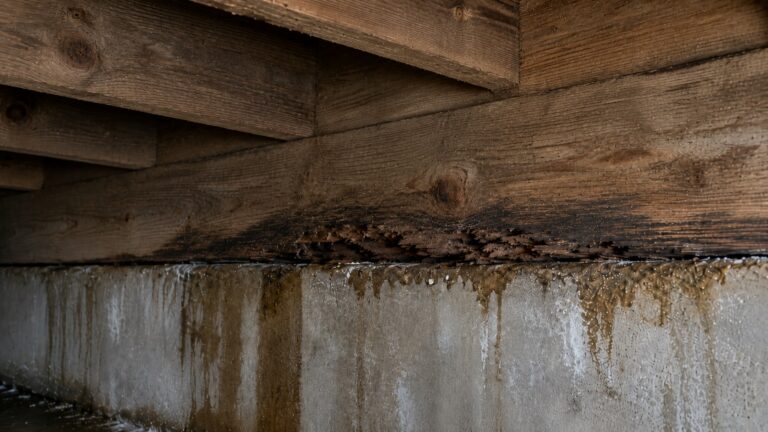
Sealant and Membrane Degradation
Waterproof coatings and membranes are designed to protect foundation surfaces, but they are not permanent. Over time, materials degrade due to environmental exposure and structural movement.
Common causes of degradation include:
- Cracking due to foundation movement
- Loss of adhesion over time
- Improper application during installation
- Wear from constant moisture exposure
As these materials break down, water can bypass protective layers and reach the interior. This often leads to symptoms such as peeling coatings or damp wall surfaces.
Sump Pump and Mechanical Failures
In many waterproofing systems, sump pumps are responsible for removing collected water from the basement. Even if drainage systems are working properly, failure of the sump pump can quickly lead to water accumulation.
Common mechanical failure causes include:
- Motor wear from long-term use
- Float switch malfunctions preventing activation
- Power outages during storms
- Blocked or frozen discharge lines
- Pumps that are undersized for the volume of water
When a sump pump fails, water may still be entering the system correctly but is no longer being removed. This often results in rapid flooding during heavy rain.
Mechanical failures are especially important because they can make a functioning waterproofing system appear completely ineffective.
Regular upkeep plays a major role in preventing these issues. Homeowners can reduce risk by following maintenance practices outlined in how to maintain basement drainage systems.
External Pressure and Environmental Causes
Not all waterproofing failures originate within the system itself. External conditions can increase stress on the foundation and overwhelm even well-designed installations.
Poor Exterior Grading
Grading refers to how the ground slopes around the home. If soil slopes toward the foundation, water naturally collects near basement walls.
This increases:
- Soil saturation levels
- Hydrostatic pressure against walls
- The likelihood of water finding entry points
Even minor grading issues can significantly reduce system effectiveness over time.
High Water Table Conditions
Homes located in areas with high water tables are more susceptible to waterproofing challenges. When groundwater levels rise, systems must handle constant pressure rather than occasional rainfall.
This can lead to:
- Continuous moisture exposure
- Increased drainage demand
- Faster wear on system components
In these environments, systems may require more robust designs to remain effective long-term.
Heavy Rainfall and Soil Saturation
Extended periods of rain can saturate soil beyond normal levels. When this happens, drainage systems may become overwhelmed, even if they are functioning correctly.
Signs of environmental overload include:
- Water appearing only during storms
- Temporary flooding followed by drying
- Increased sump pump activity during rain events
In that situation, the system may not be broken; it may simply be undersized for the amount of water collecting around the foundation during severe weather.
Installation Mistakes That Lead to Early Failure
One of the most common causes of early waterproofing failure is improper installation. Even small errors can significantly reduce system effectiveness.
Common installation problems include:
- Incorrect slope in drainage pipes
- Incomplete coverage of waterproof membranes
- Poor sealing around pipe penetrations
- Use of low-quality or incompatible materials
- Improper backfill that restricts drainage
These issues often lead to failure within the first few years after installation. Homeowners may notice that the system never worked as expected or that problems began shortly after completion.
In these cases, identifying the specific cause is essential before attempting repairs. Inspection methods can help pinpoint installation-related problems, as explained in how to inspect basement waterproofing systems.
How Time and Aging Affect Waterproofing Systems
Even properly installed systems will degrade over time. Materials break down, components wear out, and environmental conditions change.
Material Wear and Degradation
Age-related material failure usually shows up as shrinking, cracking, separation at seams, or weak spots around penetrations. At that point, the problem is no longer just surface dampness; water has a new path behind or around the original protective layer.
Drainage System Aging
Older drain tile systems may not fail all at once. Sediment buildup, small pipe shifts, and partially blocked filter fabric can slowly reduce capacity until the system works during light rain but struggles during heavy storms.
Sump Pump Lifespan Limitations
Sump pumps are mechanical devices with limited lifespans. A pump that cycles frequently, handles heavy groundwater, or runs without a backup system is more likely to fail during the exact storm when the basement needs it most.
Failing to replace aging pumps can result in sudden system breakdown during critical moments.
Changing Soil and Environmental Conditions
Over time, soil conditions around a home can change due to erosion, landscaping, or natural settling. These changes can alter how water moves around the foundation.
As a result, systems that once worked effectively may become less reliable.
When Failure Indicates a Bigger Structural Problem
Not all waterproofing failures are isolated system issues. In some cases, recurring water intrusion is a sign of deeper structural or environmental problems that go beyond standard waterproofing solutions.
Foundation Movement and Structural Stress
When foundation walls shift or settle, waterproofing components can lose alignment or separation can occur at critical joints. This creates new entry points for water and reduces the effectiveness of existing protection.
Signs of structural-related failure include:
- Cracks that continue to widen over time
- Water entering through previously repaired areas
- Water entering at stair-step cracks, widened joints, or wall-floor separation
- Doors or windows near the basement becoming misaligned
These issues often require structural evaluation in addition to waterproofing repairs.
System Failure Across Multiple Areas
When moisture problems appear in multiple parts of the basement, it usually indicates widespread system breakdown rather than a localized issue.
This may involve:
- Drainage system inefficiencies
- Multiple entry points for water
- Combined effects of aging and environmental stress
At this stage, targeted repairs may not be enough. A more comprehensive approach is often required to restore proper water control.
Repeated Flooding Despite Previous Repairs
If flooding continues after repairs have been made, the original solution may not have addressed the underlying cause. This is common when surface-level fixes are applied without correcting drainage or pressure-related issues.
Persistent problems often require a deeper evaluation of system design and performance. Homeowners dealing with ongoing issues can explore long-term solutions in how to fix persistent basement drainage problems, which outlines strategies for addressing recurring water intrusion.
Is Waterproofing Failure Preventable?
While no system is permanent, many failures can be delayed or minimized with proper maintenance and early intervention.
Preventative measures include:
- Testing the sump pump before heavy rain seasons
- Keeping discharge lines open, unfrozen, and directed away from the foundation
- Maintaining soil slope so surface water drains away from basement walls
- Watching for new damp spots, odors, efflorescence, or recurring floor-wall joint seepage
- Investigating small leaks before they become repeated flooding events
Routine care cannot make a waterproofing system permanent, but it can reveal small drainage, pump, or grading problems before they turn into basement flooding.
For a more detailed maintenance checklist, review how to maintain basement drainage systems.
Frequently Asked Questions About Waterproofing Failure
Why does basement waterproofing fail after a few years?
Early failure is often caused by installation issues, such as improper drainage slope or incomplete sealing. In other cases, environmental factors like heavy rainfall or poor grading can accelerate wear on the system.
Can poor installation cause long-term problems?
Yes. Even small installation errors can reduce system effectiveness and lead to recurring moisture problems. These issues may not be immediately visible but often become more apparent over time.
Can waterproofing fail without visible leaks?
Yes. A drainage line can slow down, a sump pump can cycle more often, or a membrane can begin separating before liquid water appears inside the basement. Early warning signs may include higher humidity, musty odors, efflorescence, peeling coatings, or dampness after storms.
Does maintenance really make a difference?
Yes. Maintenance helps reveal clogged drainage paths, blocked discharge lines, weak sump pumps, and grading problems before they cause repeated water intrusion. It cannot prevent every failure, but it can reduce avoidable breakdowns.
Is it normal for waterproofing systems to wear out?
Yes. All systems experience wear over time. Materials degrade, components age, and environmental conditions change. Planning for eventual maintenance or upgrades is part of responsible home care.
Conclusion: Find the Weak Link Before Replacing the Whole System
Basement waterproofing failure usually starts with one weak link: a clogged drainage path, a failing sump pump, degraded sealing material, poor exterior drainage, or pressure that exceeds the system’s capacity. The basement may look like the entire system has failed, but the real cause is often more specific.
Before replacing a waterproofing system, look for the pattern of failure. Water after storms often points to pressure or exterior drainage. Water near the sump basin may point to pump or discharge problems. Dampness at cracks, joints, or repaired areas may point to structural movement or material breakdown.
If moisture is appearing in several areas of the home, review how to find, fix, and prevent moisture problems in homes for a broader moisture-control approach.
Key Takeaways
- Basement waterproofing failure usually starts with one weak component, not always the entire system.
- Drainage clogs, sump pump problems, membrane degradation, and hydrostatic pressure are common causes.
- Storm-only leaks often point to pressure, exterior drainage, or system capacity problems.
- Leaks near the sump basin may point to pump, discharge, or drainage collection issues.
- Widespread or repeated water intrusion may require a full system evaluation instead of another surface repair.
One Comment
Comments are closed.