
Why Some Rooms Have Higher Humidity Than Others
Some rooms have higher humidity than others because moisture is produced, trapped, or cooled differently in each part of the home. A bathroom may spike after a shower, a basement may stay damp because of cooler surfaces and ground moisture, and a closed bedroom may hold moisture overnight because air cannot circulate well.
Room-to-room humidity differences usually come from four things: local moisture sources, poor airflow, cooler temperatures, and hidden damp materials. Comparing humidity readings between rooms helps show whether the issue is normal room behavior or a sign of a localized moisture problem.
If you are unsure whether humidity is actually elevated, start by learning how to test indoor humidity levels accurately across different rooms. Comparing readings between rooms is often the fastest way to identify where the problem is concentrated.
Why Humidity Is Not Even Throughout a Home
Humidity usually starts locally before it becomes a whole-home issue. It rises first in rooms where moisture is produced, where air movement is weak, or where cooler surfaces make moisture more noticeable.
Moisture Is Created in Specific Areas
Indoor humidity often starts in rooms where water vapor is actively produced. Bathrooms, kitchens, laundry rooms, and basements are common examples.
When moisture is generated faster than it can be removed, humidity rises in that room first before spreading to nearby areas.
This is why a bathroom may feel humid immediately after a shower while other parts of the home still feel normal.
Air Does Not Move Evenly Between Rooms
Airflow plays a major role in how humidity spreads. In many homes, airflow is uneven due to closed doors, blocked vents, or duct design limitations.
Rooms with strong airflow can dry out more quickly because moist air is replaced with drier air. Rooms with poor airflow tend to trap humidity and allow it to build up over time.
This is one reason bedrooms, closets, and basements often feel more humid than main living areas.
Humidity Can Stay Localized
Humidity can remain concentrated in one room when moist air has no easy path out.
This can create situations where:
- One room has condensation while others do not
- Musty odors are noticeable in only certain areas
- Drying times vary significantly between rooms
These localized differences are often the first sign that humidity is being generated or trapped in a specific part of the home.
Rooms That Naturally Have Higher Humidity
Some rooms are more likely to develop higher humidity due to how they are used or how they are built. These areas often act as starting points for moisture problems if humidity is not controlled properly.
Bathrooms
Bathrooms are one of the most common sources of high indoor humidity. Showers and baths release large amounts of steam into a relatively small, enclosed space.
If that moisture is not removed quickly through ventilation, it can:
- Spread into nearby rooms
- Condense on walls, ceilings, and mirrors
- Remain trapped in towels, grout, and surfaces
If mirrors, walls, or ceilings stay damp long after the fan has run, the bathroom is not clearing moisture fast enough. Repeated humidity spikes can eventually lead to peeling paint, persistent odors, and mold growth.
Kitchens
Kitchens generate humidity through cooking activities such as boiling, steaming, and simmering. Without proper ventilation, this moisture can spread into surrounding areas.
In open floor plans, kitchen humidity may not stay contained. Instead, it can raise humidity levels in adjacent rooms, creating uneven conditions throughout the home.
If these effects are already noticeable, they may match broader warning signs described in signs of high indoor humidity problems.
Laundry Rooms
Laundry areas can produce sustained humidity, especially when dryers are not properly vented or when clothes are dried indoors. Washing machines and damp clothing also contribute moisture.
If moisture is not removed effectively, it can spread into nearby rooms and raise overall indoor humidity levels.
Basements
Basements often have higher humidity because they are located below ground level. Moisture from surrounding soil can enter through concrete walls and floors, even when no visible water is present.
Basements also tend to be cooler than upper levels, which increases the likelihood of condensation forming on surfaces.
Because basement humidity can persist continuously, it often affects the rest of the home if not controlled properly.
How Airflow Affects Room Humidity
Airflow controls whether moist air is removed or trapped. Rooms with good air movement dry faster because damp air is replaced, while rooms with weak circulation can hold humidity even when nearby areas feel dry.
Closed Doors Limit Moisture Movement
When doors are closed for extended periods, air exchange between rooms becomes restricted. This is especially common in bedrooms overnight, where doors remain shut for hours.
During that time:
- Moisture from breathing accumulates in the room
- Air becomes stagnant
- Humidity gradually increases
By morning, this can lead to noticeable differences between the bedroom and the rest of the house, including condensation on windows or a damp feeling in the air.
This is most noticeable in smaller bedrooms, rooms with closed supply or return paths, and rooms where windows are cooler than the rest of the home.
Blocked or Restricted Vents
Heating and cooling systems rely on vents to distribute air evenly throughout the home. When vents are blocked by furniture, rugs, or storage items, airflow becomes uneven.
This can result in:
- Some rooms receiving less conditioned air
- Moisture not being removed effectively
- Localized humidity buildup
Ensuring that vents remain open and unobstructed helps maintain consistent airflow and reduces the risk of uneven humidity.
Poor Air Circulation in Certain Areas
Some spaces naturally have limited airflow due to their size or location. Closets, storage rooms, and areas along exterior walls often receive little air movement.
Without circulation, these areas can:
- Trap moisture
- Develop musty odors
- Allow humidity to rise even when nearby rooms are dry
These conditions make such spaces more vulnerable to moisture-related issues over time.
Temperature Differences Between Rooms
Temperature plays a major role in how humidity behaves. Even when two rooms contain the same amount of moisture, the cooler room will have higher relative humidity.
This is because cooler air cannot hold as much water vapor as warmer air.
Cooler Rooms Hold Moisture Differently
Rooms that are cooler than the rest of the home often feel more humid, even if the moisture content is similar. This commonly occurs in:
- Basements
- North-facing rooms
- Rooms with limited sunlight
In these spaces, moisture is more likely to condense on surfaces, making humidity more noticeable.
Cold Surfaces Encourage Condensation
Humidity becomes visible when it condenses on cooler surfaces. This often happens on:
- Windows
- Exterior walls
- Metal fixtures
Rooms with colder surfaces are more likely to show condensation, even when overall humidity levels are similar to other parts of the home.
When condensation appears regularly in certain rooms, it often reflects localized humidity conditions rather than a whole-home issue.
Structural Factors That Trap Moisture
The physical structure of a home can influence how humidity behaves in different rooms. Materials, insulation, and exposure to exterior conditions all play a role.
Rooms with More Exterior Walls
Rooms that have multiple exterior walls are more exposed to outdoor temperature changes and moisture. These walls can become cooler than interior walls, increasing the likelihood of condensation.
As a result, these rooms may feel more humid, especially during colder weather.
Below-Grade Spaces
Rooms located below ground level, such as basements, are surrounded by soil that contains moisture. Moisture vapor can move through porous concrete, cracks, gaps, or unsealed areas and raise indoor humidity even when no standing water is visible.
Because of this, below-grade spaces often maintain higher humidity levels than rooms above ground.
Insulation Differences
Insulation helps regulate temperature and reduce moisture-related issues. When insulation is uneven or insufficient, some rooms may experience greater temperature swings and increased condensation.
This can lead to higher humidity levels in those rooms compared to better-insulated areas.
Hidden Moisture Sources in Specific Rooms
Sometimes a room feels more humid even when no obvious source of moisture is visible. In these cases, hidden moisture sources may be contributing to elevated humidity levels without immediate signs of water damage.
Moisture Inside Walls and Floors
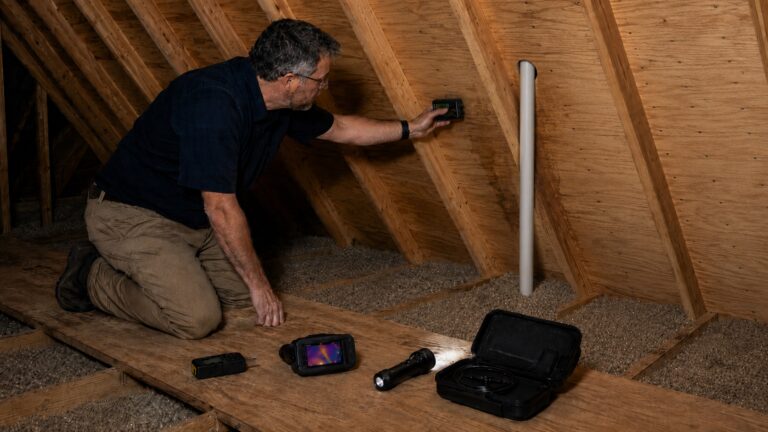
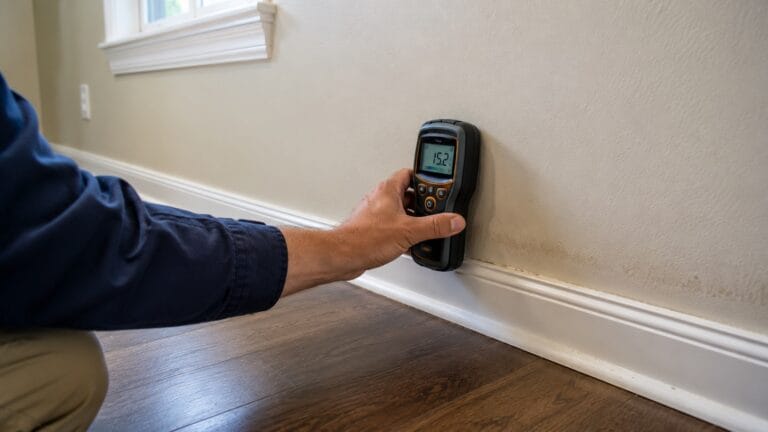
Moisture can accumulate inside wall cavities or beneath flooring materials due to small leaks, condensation, or vapor movement. This hidden moisture can slowly release into the air, raising humidity in that specific room.
Because these sources are not visible, the only noticeable signs may be:
- A persistent damp feeling in the room
- Musty odors that return after cleaning
- Humidity readings higher than nearby rooms
When humidity differences cannot be explained by normal room use, hidden moisture should be considered as a possible cause.
Furniture Placement and Airflow Blocking
Large furniture placed against walls can restrict airflow and create pockets where moisture becomes trapped. This is especially common along exterior walls, where cooler surfaces increase the chance of condensation.
Over time, this can lead to:
- Damp areas behind furniture
- Localized humidity buildup
- Increased risk of mold growth in hidden spaces
Even when the rest of the room appears normal, these small trapped zones can affect overall humidity conditions.
Flooring and Carpets Holding Moisture
Carpets, rugs, and certain flooring materials can absorb moisture and release it slowly over time. This can happen after spills, cleaning, or exposure to high humidity.
Rooms with carpeted floors or large area rugs may feel more humid because these materials act as moisture reservoirs.
If moisture remains trapped in flooring materials, humidity can stay elevated even after the air appears to have dried.
How Humidity Moves Between Rooms
Humidity does not always stay confined to one room. Moist air can move through a home depending on airflow patterns, ventilation, and pressure differences.
Airflow Spreads Moisture
When air moves from one room to another, it carries moisture with it. For example, humidity from a bathroom can spread into hallways and bedrooms if the air is not properly vented outdoors.
This can lead to situations where:
- A single moisture source affects multiple rooms
- Humidity appears uneven but gradually spreads
- Nearby rooms show early signs of moisture buildup
HVAC Systems Can Distribute Humidity
Heating and cooling systems circulate air throughout the home. If humidity is present in one area, it can be distributed through ductwork to other rooms.
If supply and return airflow are uneven, some rooms may receive enough conditioned air to stay comfortable while others remain damp, stagnant, or slower to dry.
This uneven distribution is one reason humidity problems sometimes seem inconsistent from room to room.
Moisture Can Travel Through Hidden Spaces
Moisture can also move through wall cavities, ceiling spaces, and other hidden pathways. This type of movement is not always obvious but can contribute to humidity differences between rooms.
In some cases, moisture from basements or crawl spaces may travel upward into living areas, affecting rooms that are not directly connected to the original source.
When Room Humidity Differences Signal a Problem
Not all humidity variation between rooms is a concern. Some differences are normal due to usage patterns and temperature changes. However, certain conditions indicate that humidity differences may be caused by a larger issue.
Consistently Higher Humidity in One Room
If one room consistently shows higher humidity than others, it may indicate a localized moisture source or airflow problem. This is especially important when the difference remains over time rather than occurring occasionally.
Visible Damage in a Specific Area
Peeling paint, warped wood, or damp surfaces in one room can indicate that humidity has been elevated long enough to affect materials.
These signs often match broader humidity symptoms described in signs of high indoor humidity problems, but appear in a more localized pattern.
Persistent Musty Odors in Certain Rooms
Musty smells that are limited to one room often indicate trapped moisture or poor airflow. If the odor returns quickly after cleaning, it suggests that humidity remains elevated in that area.
Condensation Appearing Only in Specific Rooms
If condensation forms regularly on windows or surfaces in one room but not others, it is a strong indicator of localized humidity differences. This often occurs in cooler rooms or areas with limited airflow.
When these conditions appear, it may be necessary to compare humidity levels across rooms to identify patterns and determine whether the issue is isolated or spreading.
When to Measure and Compare Humidity Between Rooms
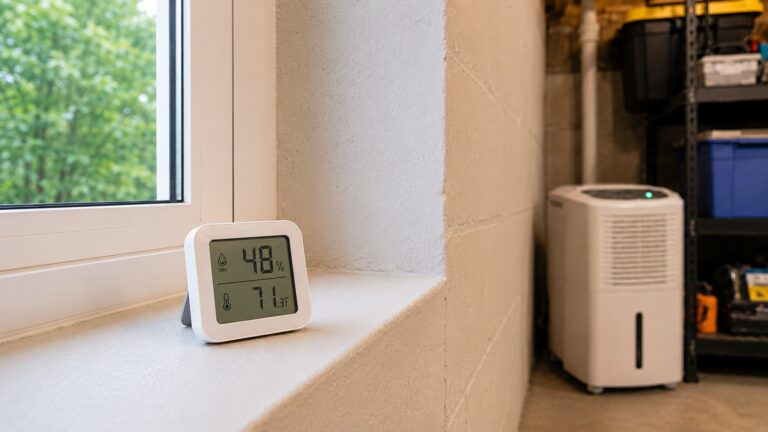
When humidity feels uneven, measuring levels in different rooms is the most reliable way to understand what is happening. Without measurements, it is easy to misjudge whether a room is truly more humid or simply feels different due to temperature or airflow.
Using a hygrometer in multiple locations helps identify patterns such as:
- One room consistently measuring higher than nearby rooms
- Humidity rising after showers, cooking, laundry, or overnight door closure
- Differences between floors, sides of the home, or rooms with exterior walls
- A repeated difference of about 5–10 percentage points or more between rooms under similar conditions
To get accurate results, measurements should be taken in several areas over time. Guidance on doing this properly is covered in how to test indoor humidity levels across your home.
Comparing readings helps determine whether humidity differences are temporary, location-based, or part of a larger problem affecting the entire house.
If several rooms stay high or the readings remain elevated after normal ventilation, the next step is to follow a broader room-by-room plan to reduce indoor humidity levels instead of treating the dampest room in isolation.
Frequently Asked Questions About Room-to-Room Humidity Differences
Is it normal for humidity to be different in each room?
Yes, small differences are normal because rooms vary in temperature, airflow, and how they are used. However, large or persistent differences may indicate a localized moisture problem or poor ventilation.
Why is my bedroom more humid at night?
Bedrooms often become more humid overnight because doors are closed and airflow is reduced. People also release moisture while breathing, which can gradually increase humidity in an enclosed space.
Why is basement humidity always higher than upstairs?
Basements are surrounded by soil that contains moisture, which can move through concrete walls and floors. They are also cooler, which increases relative humidity and the likelihood of condensation.
Can one humid room affect the rest of the house?
Yes, moisture can spread through airflow and HVAC systems. A humid room, such as a bathroom or basement, can gradually raise humidity levels in nearby areas if moisture is not removed effectively.
How much difference between rooms is too much?
A small difference is normal. A repeated difference of about 5–10 percentage points or more, especially when the higher room also has condensation, odors, or damp materials, is worth investigating.
What to Do Next
If one room feels more humid than the rest of the home, compare readings first instead of guessing. Check the room after normal moisture events, such as showers, cooking, laundry, overnight door closure, or rainy weather, and compare it with nearby rooms.
If the same room stays higher, look for the most likely local cause: moisture being produced there, weak airflow, cooler surfaces, hidden damp materials, or moisture entering from below-grade or exterior areas.
Key Takeaways
- Some rooms have higher humidity because moisture is produced, trapped, or cooled differently in each area
- Bathrooms, kitchens, laundry rooms, basements, and closed bedrooms are common high-humidity areas
- Poor airflow, blocked vents, closed doors, and large furniture can trap moisture locally
- Cooler rooms can show higher relative humidity even when the actual moisture load is similar
- Hidden leaks, damp flooring, or moisture inside wall cavities can raise humidity in one room
- Repeated room-to-room differences should be checked with a hygrometer and compared over time
3 Comments
Comments are closed.