Can Mold Exposure Cause Dizziness?
Mold exposure may contribute to dizziness or lightheadedness in some people, especially when it happens along with sinus congestion, headaches, coughing, wheezing, fatigue, or symptoms that seem worse in damp or musty rooms. However, dizziness is not a mold-specific symptom by itself. It can have many medical and environmental causes, so it should not be blamed on mold automatically.
The safest way to think about dizziness is this: mold may be one clue in a larger indoor air quality pattern, but it is not enough to diagnose the cause of the symptom. If dizziness is severe, sudden, recurring, or paired with fainting, chest pain, shortness of breath, confusion, weakness, or trouble speaking, it should be treated as a medical issue first.
For homeowners, the most useful question is not only “Can mold make me dizzy?” but also “Do my symptoms line up with a damp indoor environment?” If dizziness appears with musty odors, visible mold, high humidity, recent leaks, or other common symptoms of mold exposure in homes, it is reasonable to investigate the home while also taking the health symptom seriously.
Can Mold Exposure Cause Dizziness?
Mold exposure can irritate the nose, throat, eyes, lungs, and skin. In people who are sensitive to mold, this can lead to allergy-like symptoms such as sneezing, congestion, coughing, wheezing, eye irritation, throat irritation, and skin irritation. Some people also report feeling lightheaded, foggy, tired, or generally unwell in moldy or damp buildings.
Dizziness is more difficult to connect directly to mold because it is a broad symptom. It can describe several different feelings, including lightheadedness, imbalance, wooziness, faintness, or a spinning sensation. Those feelings can come from inner ear problems, blood pressure changes, dehydration, medication side effects, migraines, anxiety, infections, poor sleep, carbon monoxide exposure, or other health issues that have nothing to do with mold.
That does not mean mold should be ignored. If dizziness happens mainly inside a damp home, gets worse in certain rooms, improves when you leave, or appears with allergy, sinus, breathing, headache, or fatigue symptoms, mold becomes a more reasonable indoor-air clue.
Handle mold-related dizziness carefully. Do not assume mold is the only cause, but do not ignore visible mold, musty odors, leaks, damp drywall, crawl space moisture, basement humidity, or recurring condensation. Mold growth usually means moisture is active somewhere, and that condition should be corrected even if dizziness has another cause. For a broader overview, see the Mold Exposure and Indoor Air Quality: Complete Home Guide.
Why Dizziness Is Difficult to Blame on Mold Alone
A better way to evaluate the situation is to separate three questions:
- Is there a real mold or moisture problem in the home?
- Are symptoms happening in a pattern that seems connected to the home?
- Is dizziness being medically evaluated instead of assumed to be from mold?
A home can have a mold problem even if dizziness has another cause, and dizziness can be real and concerning even if mold is not the cause. The goal is to look at the health pattern and the building pattern together.
Mold is more strongly associated with allergy and respiratory symptoms than with dizziness alone. If someone has a musty bedroom, visible mold near a window, sinus pressure, coughing, headaches, and dizziness that improves when they spend time away from the house, the indoor environment deserves attention. If dizziness appears suddenly without allergy symptoms, without a room-related pattern, or with neurological warning signs, it should not be treated as a simple mold issue.
Dizziness Is More Meaningful When It Appears With Other Mold-Related Symptoms
Dizziness by itself is not a reliable mold exposure marker. It becomes more relevant when it appears alongside symptoms that are more commonly associated with mold or damp indoor air, such as nasal congestion, postnasal drip, coughing, wheezing, irritated eyes, throat irritation, headaches, fatigue, or worsening asthma symptoms.
For example, someone who feels dizzy only after spending time in a musty basement may be reacting to a mix of damp air, mold spores, dust, poor ventilation, and respiratory irritation. Someone else may feel lightheaded because sinus pressure, poor sleep, and headaches are stacking together. In those cases, mold may not be the direct cause, but it may still be part of the indoor condition making the person feel worse.
Room-Specific Patterns Matter
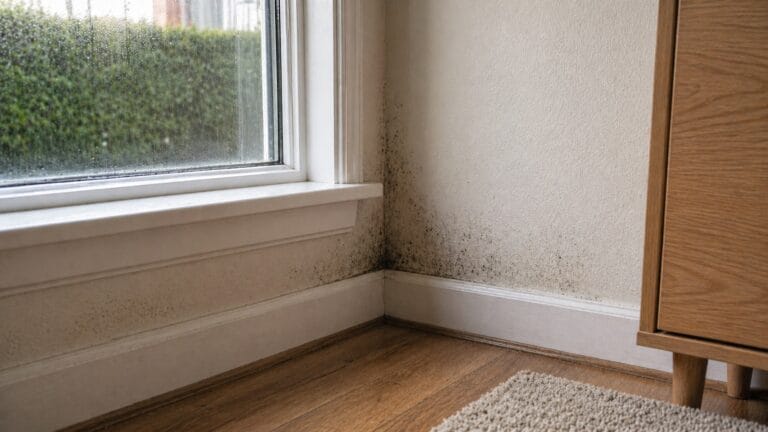
A symptom pattern is more useful than a single symptom. If dizziness happens in one room repeatedly, pay attention to what is different about that room. It may have condensation on windows, damp carpet, a musty closet, an old leak behind trim, poor airflow, or a wall that stays cool and humid. Mold is more likely to grow where moisture is persistent, especially on porous or dust-covered materials.
Good questions to ask include:
- Do symptoms get worse in a basement, bathroom, bedroom, laundry area, crawl-space-adjacent room, or HVAC area?
- Do symptoms improve outdoors, at work, or when sleeping somewhere else?
- Do symptoms flare after rain, high humidity, shower use, HVAC operation, or time in a closed-up room?
- Do other people in the home report headaches, coughing, congestion, fatigue, or eye irritation?
- Is there visible mold, water staining, condensation, damp drywall, swollen trim, or a musty odor?
If several of these are true, the home should be inspected for moisture and mold conditions. That does not replace medical care, but it gives the homeowner a practical reason to investigate the indoor environment.
How Mold Exposure Might Make Someone Feel Dizzy or Lightheaded
When homeowners ask whether mold can cause dizziness, they are often trying to make sense of a group of symptoms rather than one isolated feeling. If dizziness appears with sinus pressure, headaches, fatigue, coughing, chest tightness, or a “heavy air” feeling in certain rooms, mold may be part of a chain reaction rather than a single direct cause.
The connection is usually indirect. Mold exposure can irritate sensitive airways, trigger allergy symptoms, worsen asthma symptoms, and make damp indoor spaces feel uncomfortable. Those effects can overlap with other factors that make a person feel lightheaded, foggy, tired, or off balance.
Sinus Pressure and Congestion
One of the more realistic ways mold may contribute to dizziness is through sinus and nasal irritation. Mold-sensitive people may experience congestion, postnasal drip, sneezing, facial pressure, or irritated nasal passages. When sinus pressure builds or breathing through the nose becomes difficult, some people describe the result as dizziness, lightheadedness, pressure in the head, or a “floating” feeling.
This does not mean every case of dizziness with congestion is caused by mold. Seasonal allergies, dust mites, pet dander, viral infections, dry air, and other irritants can create similar symptoms. But if sinus symptoms repeatedly worsen in damp, musty, or visibly moldy areas of the home, it is reasonable to investigate mold as part of the indoor air problem. For a deeper look at this overlap, see Can Mold Cause Sinus Problems?.
Headaches and Indoor Air Irritation
Dizziness and headaches often appear together. A homeowner may notice pressure behind the eyes, a dull headache, lightheadedness, or difficulty concentrating after spending time in a specific room. Mold may be one possible trigger when that room also has musty odors, visible mold, condensation, recent leaks, or poor ventilation.
Headaches can come from many causes, including migraines, dehydration, stress, poor sleep, eye strain, medication effects, and carbon monoxide exposure. Mold should not be treated as the automatic explanation. Still, when headaches and dizziness consistently appear in the same damp indoor environment, the building conditions deserve attention. You can connect this issue to the separate guide on whether mold can cause headaches.
Breathing Irritation or Asthma Symptoms
Mold exposure can aggravate breathing symptoms in people with asthma, mold allergies, or sensitive airways. Coughing, wheezing, chest tightness, shortness of breath, and throat irritation can make someone feel weak, anxious, tired, or lightheaded, especially if symptoms are stronger in one area of the home.
This matters because the dizziness may not come from mold directly. It may come from the way the body reacts to irritated airways, poor sleep, or the stress of feeling short of breath. If dizziness appears with wheezing, chest tightness, or trouble breathing, the breathing symptoms should be taken seriously. A person with asthma or chronic lung disease should be especially cautious around damp or moldy indoor spaces.
Fatigue, Poor Sleep, and General Unwellness
Mold-related irritation can also interfere with comfort and sleep. A musty bedroom, damp carpet, humid air, or mold near a window can contribute to congestion, coughing, throat irritation, or headaches at night. Poor sleep can then make the person feel lightheaded, foggy, tired, or less steady during the day.
This is one reason dizziness often appears as part of a larger symptom pattern. The homeowner may not be dealing with “mold dizziness” in a simple one-to-one sense. They may be dealing with an indoor moisture problem that contributes to allergy symptoms, poor sleep, headaches, and fatigue. That overlap belongs partly to this article, while the broader fatigue angle is covered separately in Can Mold Cause Fatigue?.
Signs Your Dizziness May Be Related to Mold in the Home
The strongest clue is a repeatable indoor pattern. Mold becomes more suspicious when dizziness does not happen randomly, but instead seems tied to specific rooms, damp materials, musty odors, or time spent inside the home.
Examples include feeling lightheaded after sleeping in a musty bedroom, feeling dizzy and congested after working in a damp basement, or noticing headaches and eye irritation when the HVAC system runs. These patterns do not prove mold is the medical cause, but they do justify a closer look at the indoor environment.
Dizziness Gets Worse in Damp or Musty Rooms
A musty smell is often a warning sign that moisture is trapped somewhere. It may come from damp drywall, old carpet, crawl space air, basement humidity, HVAC contamination, wet insulation, or mold growth behind finished surfaces. If dizziness or lightheadedness regularly appears in the same musty room, that room deserves closer inspection.
Pay close attention to basements, bathrooms, laundry rooms, bedrooms with exterior walls, closets, rooms over crawl spaces, and areas near HVAC equipment. These spaces often combine limited airflow with humidity, condensation, or hidden leaks.
Symptoms Improve When You Leave the Home
If dizziness, headaches, congestion, coughing, or fatigue improve when you leave the house for several hours or sleep somewhere else, the home environment may be contributing to the symptoms. This pattern is especially important if symptoms return soon after coming back inside.
However, this pattern still does not prove mold is the only cause. Indoor symptoms can also be related to dust, pests, chemicals, poor ventilation, combustion gases, carbon monoxide, fragrance products, or other contaminants. For a broader symptom-pattern approach, see How to Tell If Mold Is Making You Sick.
Dizziness Appears With Allergy, Sinus, or Breathing Symptoms
Dizziness is more likely to be environmentally relevant when it appears with symptoms that commonly occur in damp or moldy buildings. These may include:
- stuffy nose or sinus pressure
- postnasal drip
- coughing or throat irritation
- wheezing or chest tightness
- itchy, watery, or burning eyes
- headaches
- fatigue or poor sleep
- skin irritation in sensitive people
A person who only feels dizzy, with no indoor pattern and no other symptoms, should be cautious about blaming mold. A person who feels dizzy along with congestion, headaches, coughing, and worsening symptoms in a damp room has a stronger reason to inspect for mold and moisture.
Other People or Pets Seem Affected
If several people in the home report headaches, congestion, coughing, eye irritation, fatigue, or dizziness, the building environment deserves attention. Different people may react differently, but a shared pattern can point toward indoor air issues, humidity problems, poor ventilation, or contamination.
When Dizziness Is Probably Not Just a Mold Problem
Dizziness should never be treated as a simple mold symptom when it is severe, sudden, unusual, or paired with warning signs. Mold may be one possible environmental factor in some homes, but dizziness can also point to medical problems that need prompt attention.
Do not assume mold is the cause if dizziness appears suddenly, feels intense, or is different from anything you have experienced before. The same is true if dizziness comes with fainting, chest pain, severe shortness of breath, confusion, weakness, numbness, trouble speaking, trouble walking, vision changes, or a severe headache. Those symptoms should be treated as urgent health concerns.
Watch for Carbon Monoxide Warning Signs
One of the most important mistakes to avoid is confusing a possible carbon monoxide problem with mold exposure. Carbon monoxide can cause symptoms such as headache, dizziness, weakness, nausea, confusion, chest pain, and shortness of breath. If several people feel dizzy or sick indoors and symptoms improve after leaving the house, leave the home immediately and check for carbon monoxide exposure.
The CDC lists dizziness, headache, weakness, nausea, chest pain, and confusion among common carbon monoxide poisoning symptoms, which is why this pattern should be treated as an immediate safety concern rather than a mold-only question.
This is especially important in homes with fuel-burning appliances, attached garages, fireplaces, gas water heaters, furnaces, boilers, or generators. A musty smell may suggest moisture or mold, but carbon monoxide has no smell. If dizziness is happening indoors with headache, nausea, weakness, or confusion, do not wait for a mold inspection before considering immediate safety risks.
Do Not Ignore Inner Ear, Blood Pressure, or Medication Causes
Many common causes of dizziness have nothing to do with indoor mold. Inner ear conditions can cause spinning sensations or balance problems. Blood pressure changes can cause lightheadedness when standing. Dehydration, blood sugar changes, anemia, infections, migraines, anxiety, and medication side effects can also cause dizziness.
Even when symptoms and house conditions seem connected, mold should be treated as one possible contributing factor, not a complete diagnosis.
Be Careful With “Black Mold” Assumptions
Many people search for dizziness after hearing about “black mold.” But mold color is not a reliable way to judge health risk. Dark mold, green mold, white mold, and other visible growth can all indicate a moisture problem that needs correction. The important issue is whether mold is growing indoors, whether moisture is still present, how large the affected area is, and whether sensitive people are being exposed.
If a home has visible mold and someone feels dizzy, it is reasonable to investigate the mold and moisture conditions. But black mold should not be treated as an automatic explanation for dizziness, fatigue, headaches, or neurological symptoms. That kind of certainty is not safe or accurate.
What to Check in Your Home if Dizziness Seems Worse Indoors
If dizziness appears to follow an indoor pattern, inspect for moisture, mold growth, poor ventilation, and humidity problems. The goal is not to diagnose dizziness, but to identify building conditions that could be contributing to poor indoor air quality.
Start with the rooms where symptoms feel strongest. Then look for moisture sources that may be feeding mold growth. Mold is usually a symptom of an underlying water problem, not a random surface issue. For a broader moisture-control framework, see how to find, fix, and prevent moisture problems in homes.
Look for Musty Odors
A musty odor is one of the most common clues that moisture is trapped somewhere. It may come from visible mold, damp carpet, wet drywall, crawl space air, basement humidity, HVAC contamination, or materials that stayed wet after a leak.
Walk through the home slowly and notice where the smell is strongest. Check closets, corners, under sinks, behind furniture, near exterior walls, around windows, in bathrooms, around laundry areas, and near HVAC returns. If dizziness or headaches seem worse in the same area where the odor is strongest, that is useful information to document.
Check for Visible Mold or Water Stains
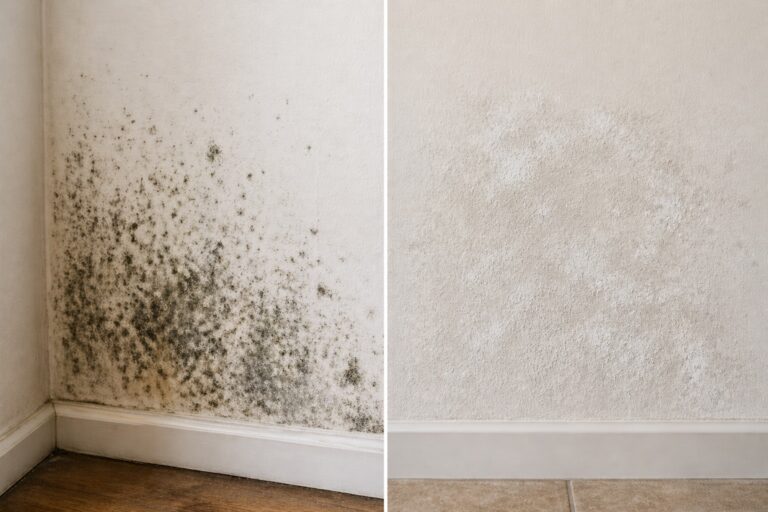
Visible mold is a clear sign that moisture has supported microbial growth. Look for speckled, fuzzy, dusty, or smeared-looking growth on walls, ceilings, baseboards, window trim, cabinets, vents, stored items, and basement surfaces. Also look for water stains, peeling paint, bubbling drywall, swollen trim, soft flooring, or discoloration around windows and plumbing fixtures.
Do not disturb large moldy areas during inspection. Scrubbing, sanding, or tearing out contaminated materials can spread particles into the air. If the area is large, recurring, hidden inside walls, or connected to HVAC equipment, professional help may be safer.
Inspect Recent Leak Areas
If dizziness started or worsened after a leak, flood, roof issue, plumbing problem, appliance leak, or basement water intrusion, inspect those areas carefully. Mold can grow when materials remain damp long enough, especially drywall, wood, insulation, carpet padding, cabinets, and dust-covered surfaces.
Pay attention to areas that were cleaned quickly but never fully dried. A surface may look normal while moisture remains behind baseboards, under flooring, inside cabinets, or behind wall cavities. If symptoms began after a water event, the home may need a more careful moisture inspection.
Measure Indoor Humidity
High humidity can make mold more likely and can make indoor air feel heavy or uncomfortable. A simple hygrometer can help you compare rooms. If one room stays noticeably more humid than the rest of the home, that room may have poor ventilation, damp materials, hidden moisture, or an HVAC imbalance.
Humidity readings do not diagnose mold exposure or explain dizziness by themselves. They simply help you identify whether the home is staying damp enough to support mold growth or dust mite activity. If several rooms are humid, the issue may involve ventilation, basement moisture, crawl space conditions, oversized air conditioning, poor air circulation, or outdoor humidity entering the home.
Check HVAC and Ventilation Conditions
Some homeowners feel symptoms most strongly when the heating or cooling system runs. That does not automatically mean mold is inside the HVAC system, but it does justify checking filters, condensate drainage, supply vents, return areas, duct moisture, and signs of musty airflow.
HVAC systems can move air from damp areas into living spaces. Crawl space air, basement moisture, condensation in ducts, clogged drain lines, and dirty filters can all affect indoor comfort. If dizziness comes with coughing, congestion, or musty air when the system runs, the HVAC system should be part of the inspection.
What Homeowners Should Do Next
If you suspect mold may be connected to dizziness, respond on two tracks: take the health symptom seriously and correct the indoor moisture conditions.
Track the Symptom Pattern
Write down when dizziness happens, where you are in the home, what rooms feel worse, whether symptoms improve outside, and whether other symptoms appear at the same time. Also note musty odors, humidity spikes, recent leaks, visible mold, HVAC use, rain events, or time spent in basements and bathrooms.
Talk to a Healthcare Provider About Recurring Dizziness
If dizziness keeps coming back, gets worse, interferes with daily activity, or appears with other concerning symptoms, talk to a healthcare provider. Mold may be part of the conversation if symptoms worsen in a damp or moldy environment, but the medical cause of dizziness should be evaluated directly.
This is especially important for children, older adults, pregnant people, people with asthma, people with chronic lung disease, people with immune system conditions, or anyone with severe or unusual symptoms.
Correct Moisture Sources Before Mold Returns
Cleaning visible mold without fixing the moisture source often leads to recurrence. If mold is growing because of a roof leak, plumbing leak, condensation problem, high humidity, basement moisture, crawl space dampness, or poor ventilation, the moisture problem must be corrected first.
A small visible patch may be connected to a larger hidden moisture source. If the same area keeps smelling musty or growing mold again after cleaning, the home needs more than surface treatment.
Use Mold Testing Carefully
Home mold test kits may help identify whether mold is present, but they cannot tell you whether mold is the medical cause of dizziness. Visible mold and damp materials already tell you there is a moisture problem that should be corrected.
Testing may be more useful when mold is suspected but not visible, when symptoms seem tied to a certain area, or when a homeowner wants more information before calling a professional. If you use home mold test kits, treat them as screening tools, not medical proof.
When to Call a Professional
A professional cannot diagnose dizziness, but the right inspector or remediation contractor can help identify moisture sources, hidden mold, HVAC contamination, or damp materials affecting indoor air quality.
Call a Professional if Mold Is Large, Hidden, or Recurring
If mold covers a large area, keeps returning after cleaning, appears on porous materials, or seems to be growing behind walls, under flooring, inside cabinets, or near HVAC equipment, it is safer to get professional guidance. Hidden mold often points to a moisture source that cannot be solved with surface cleaning alone.
You should also consider professional help if the home has a persistent musty odor but no obvious visible mold. That can happen when moisture is trapped behind drywall, under flooring, inside wall cavities, around windows, in crawl spaces, or in basement areas.
Call a Professional if Sensitive People Are in the Home
Some people are more vulnerable to mold-related irritation, including people with asthma, chronic respiratory conditions, allergies, immune system concerns, young children, and older adults. If someone in the home is sensitive and symptoms seem worse indoors, do not wait for the problem to spread before investigating it.
If symptoms include breathing difficulty, severe dizziness, fainting, chest pain, confusion, or neurological warning signs, seek medical help first. The home inspection can follow once immediate health and safety risks are addressed.
Call a Professional if the Moisture Source Is Not Obvious
Recurring mold is usually a moisture problem in disguise. If you cannot find the source, the issue may involve hidden plumbing leaks, roof leaks, window leaks, crawl space humidity, basement seepage, HVAC condensation, or poor ventilation. These problems often require more than basic cleaning.
For homeowners who are unsure whether the situation is still a DIY cleanup or has moved into professional territory, the guide on when to hire a mold remediation professional can help clarify the next step.
FAQ: Mold Exposure and Dizziness
Can black mold make you dizzy?
Some people report dizziness, lightheadedness, headaches, fatigue, or brain fog in damp or moldy indoor environments. However, mold color alone does not prove what symptoms it is causing, and dizziness should not be blamed on “black mold” automatically.
If dizziness happens in a home with visible mold, musty odors, leaks, or damp materials, investigate the mold and moisture conditions. If dizziness is severe, sudden, recurring, or paired with serious symptoms, seek medical advice rather than relying on mold color as the explanation.
Can mold cause dizziness and headaches?
Mold may contribute to headaches and dizziness in some people, especially when exposure also causes sinus congestion, eye irritation, coughing, poor sleep, or asthma symptoms. Headaches are a more common complaint in damp or musty environments than dizziness alone, but neither symptom proves mold is the cause by itself.
The pattern matters. If headaches and dizziness appear in specific rooms, worsen around musty odors, and improve away from home, the indoor environment should be inspected for moisture and mold.
Can mold allergies make you lightheaded?
Mold allergies can cause congestion, sinus pressure, coughing, irritated eyes, throat irritation, and breathing discomfort. Some people may describe the overall effect as feeling lightheaded or unwell, especially when symptoms are strong or interfere with sleep.
Still, lightheadedness can also come from dehydration, low blood pressure, medication effects, anxiety, inner ear issues, blood sugar changes, and other medical causes. If it keeps happening, it should be discussed with a healthcare provider.
Can mold cause vertigo?
Vertigo usually means a spinning or movement sensation, and it is often related to inner ear or neurological causes. Mold should not be assumed to be the cause of vertigo. If a person feels spinning, loss of balance, severe dizziness, or sudden vertigo, medical evaluation is important.
If vertigo-like symptoms happen only in a damp or musty home, mold and indoor air conditions may still be worth investigating, but they should not replace medical assessment.
Why do I feel dizzy in one room of my house?
If you feel dizzy in one room repeatedly, look for conditions that make that room different from the rest of the home. Possible clues include musty odors, visible mold, high humidity, condensation, poor ventilation, damp carpet, water stains, HVAC airflow problems, or a nearby bathroom, basement, crawl space, or exterior wall leak.
Also consider non-mold safety issues. If dizziness happens with headache, nausea, weakness, confusion, or symptoms affecting multiple people, leave the area and consider carbon monoxide or other indoor air hazards immediately.
Should I test my home if I feel dizzy around mold?
Testing may be useful when mold is suspected but not visible, but it cannot prove that mold is the medical cause of dizziness. If you already see mold or smell a persistent musty odor, the more important step is finding and fixing the moisture source.
A test can provide extra information, but it should not delay medical care for recurring dizziness or delay moisture correction when mold growth is obvious.
When should dizziness be treated as urgent?
Dizziness should be treated as urgent if it is sudden, severe, or paired with fainting, chest pain, shortness of breath, confusion, weakness, numbness, trouble speaking, trouble walking, vision changes, or a severe headache. These symptoms should not be handled as a mold problem.
If multiple people feel dizzy, nauseated, weak, confused, or have headaches indoors, leave the home and consider carbon monoxide exposure or another immediate indoor hazard.
Key Takeaways
- Mold exposure may contribute to dizziness or lightheadedness in some people, but dizziness is not a mold-specific symptom.
- Dizziness is more meaningful when it appears with sinus congestion, headaches, coughing, wheezing, fatigue, musty odors, visible mold, or damp indoor conditions.
- Do not assume mold is the cause of sudden, severe, recurring, or unusual dizziness.
- Carbon monoxide, inner ear problems, blood pressure changes, dehydration, medications, migraines, anxiety, and other issues can also cause dizziness.
- If symptoms worsen indoors and improve away from home, inspect the home for moisture, mold, ventilation problems, HVAC issues, and hidden leaks.
- Large, hidden, recurring, or HVAC-related mold problems usually require professional evaluation.
Conclusion
Mold exposure may contribute to dizziness or lightheadedness in some people, especially when it appears with allergy symptoms, sinus pressure, headaches, coughing, asthma symptoms, fatigue, musty odors, or visible mold. But dizziness is not specific enough to diagnose mold exposure on its own.
The safest approach is to treat dizziness as a health symptom first and an indoor air clue second. Get medical guidance for severe, sudden, recurring, or unusual dizziness, especially when warning signs are present. At the same time, correct damp rooms, visible mold, musty odors, leaks, high humidity, and poor ventilation before the moisture problem spreads.