Can Mold Cause Memory Problems?
Mold exposure may be associated with memory complaints in some situations, especially when forgetfulness appears with brain fog, headaches, fatigue, poor sleep, sinus symptoms, musty odors, visible mold, or damp indoor conditions. However, memory problems are not specific to mold and can have many medical, sleep-related, medication-related, nutritional, neurological, and indoor-environment causes.
That means mold should be treated as one possible clue, not as automatic proof. If memory problems are sudden, worsening, persistent, or unusual, they should be discussed with a healthcare provider. At the same time, visible mold, damp materials, high humidity, musty odors, and past water damage should not be ignored because they can affect indoor air quality and may contribute to a larger symptom pattern.
The safest way to evaluate the issue is to compare the symptom pattern with the home environment. If memory complaints seem worse in certain rooms, improve away from home, or appear with other common mold exposure symptoms, the home should be inspected for mold and moisture conditions.
Can Mold Cause Memory Problems?
Mold exposure may be connected to memory complaints in some damp or moldy indoor environments, but it should not be treated as a simple one-cause explanation.
In many real homes, the connection may be indirect. A person exposed to damp indoor air or mold may also have congestion, coughing, sinus pressure, headaches, fatigue, irritated eyes, asthma symptoms, or poor sleep. Those symptoms can make it harder to focus, retain information, or remember small details. In that sense, mold may be part of the conditions that make memory feel worse, even if it is not the only cause.
For example, a homeowner may forget tasks more often after sleeping in a musty bedroom, lose focus in a damp basement office, or feel less sharp after a leak left a room smelling musty. These patterns do not prove mold is damaging memory, but they do suggest the indoor environment deserves attention.
This is why memory concerns should be considered within the broader context of mold exposure and indoor air quality. The building conditions matter, but so does the medical context.
What Counts as a Memory Problem?
People use the phrase “memory problems” in different ways. Some mean mild forgetfulness. Others mean trouble recalling words, losing track of conversations, missing appointments, repeating questions, or struggling to remember things they normally would remember easily.
Common memory-related complaints include:
- forgetting appointments, errands, or simple tasks
- misplacing items more often than usual
- walking into a room and forgetting why
- trouble recalling names or words
- losing track of conversations
- difficulty remembering information after reading or hearing it
- repeating the same question without realizing it
- feeling less mentally organized than usual
These experiences can be frustrating and alarming, especially when they appear during the same period as a known mold or moisture problem. Still, mild forgetfulness can also happen with stress, poor sleep, busy schedules, illness, anxiety, medication changes, dehydration, and many other causes.
Memory Problems Are Not the Same as Brain Fog
Memory problems and brain fog often overlap, but they are not identical. Brain fog usually means mental cloudiness, slow thinking, difficulty concentrating, or feeling mentally unclear. Memory problems are more specific to recalling information, remembering tasks, or retaining details.
This distinction matters for the reader and for topic boundaries. If someone mainly feels mentally cloudy, unfocused, or slow-thinking, the better topic is whether mold can cause brain fog. If the concern is forgetting things, losing track of tasks, or struggling to recall information, this memory-focused article is the right place.
Memory Complaints Need Context
A single forgotten task does not point to mold. A pattern of memory changes that appears with damp rooms, musty odors, poor sleep, headaches, fatigue, or breathing irritation is more meaningful. The question is not only whether memory feels worse, but when and where it feels worse.
Useful questions include:
- Did the memory issues start after a leak, flood, or mold discovery?
- Do they feel worse in certain rooms?
- Do they improve after leaving the home for several hours or days?
- Do they happen with headaches, fatigue, congestion, coughing, or poor sleep?
- Are other people in the home also feeling unwell?
If several of these patterns are present, the home should be inspected for moisture and mold. But if memory problems are sudden, severe, worsening, or unrelated to any clear indoor pattern, the health concern should be evaluated directly.
How Mold Exposure Might Be Connected to Memory Complaints
Mold can be part of a larger indoor air quality problem that affects how a person feels, sleeps, focuses, and functions during the day.
The most realistic connection is usually indirect. Mold or damp indoor conditions may contribute to symptoms that make memory feel worse, such as poor sleep, fatigue, headaches, sinus pressure, coughing, breathing discomfort, or stress. When several of those symptoms overlap, a person may feel less organized, less focused, and more forgetful than usual.
Poor Sleep From Congestion or Coughing
Sleep quality has a major effect on memory. If a person sleeps in a damp or musty room and wakes up congested, coughing, irritated, or unrested, their memory may feel worse the next day. They may forget small tasks, lose track of details, or feel like information does not “stick” as well as usual.
The indoor environment may be contributing to poor sleep, and poor sleep may be affecting memory and focus. Bedrooms are especially important because people spend long hours there with the door closed and limited airflow.
Fatigue and Mental Overload
Fatigue can make memory feel unreliable. When someone is physically tired, mentally drained, or constantly dealing with allergy-like symptoms, the brain has less energy for attention and recall. A person may describe this as forgetfulness, but the deeper issue may be fatigue and reduced focus.
This is one reason memory complaints often overlap with broader mold-related symptom concerns. If fatigue is the main issue, the separate article on whether mold can cause fatigue covers that angle more directly.
Headaches and Sinus Pressure
Headaches and sinus pressure can also make memory feel worse. A person dealing with head pressure, facial pressure, irritated eyes, or a dull headache may struggle to concentrate long enough to remember details. They may forget what they were doing, lose track of a conversation, or reread the same information several times.
Mold-sensitive people may experience nasal and sinus irritation in damp or moldy environments, but headaches and sinus pressure can also come from many other causes. If headaches are a major part of the pattern, see the separate guide on whether mold can cause headaches.
Breathing Symptoms and Stress
Breathing discomfort can affect daily function. Coughing, wheezing, chest tightness, or throat irritation may make someone feel distracted, tired, or anxious. If those symptoms are worse in a damp or musty home, the person may also become stressed about the building, their health, and the possibility of hidden damage.
Stress does not mean the problem is imaginary. A real mold or moisture problem can create real stress. But it does mean memory complaints may come from several overlapping pressures: indoor air irritation, poor sleep, fatigue, worry, headaches, and the disruption of living with an unresolved home problem.
Living With an Unresolved Indoor Air Problem
A musty bedroom, damp basement office, moldy closet, or HVAC system with moisture issues can make daily symptoms feel worse even when the pattern is not dramatic. If there is visible mold, a musty odor, damp drywall, wet carpet, recurring condensation, or a known leak, the moisture source should be fixed whether or not mold is the only cause of memory complaints.
Signs Memory Problems May Be Related to Indoor Mold Conditions
Memory complaints become more suspicious as an indoor air issue when they follow a repeatable pattern. A single forgotten errand does not point to mold, but forgetfulness that appears with damp rooms, musty odors, visible mold, headaches, fatigue, or poor sleep deserves a closer look at the home environment.
Memory Feels Worse in Musty or Damp Rooms
If memory problems feel worse in a specific room, inspect that room carefully. A musty bedroom, basement office, bathroom, laundry room, closet, or room over a crawl space may have moisture conditions that affect indoor air quality.
Look for condensation, water stains, damp carpet, peeling paint, swollen trim, visible mold, musty stored items, or a smell that becomes stronger when the door is closed. If the room has poor airflow, the symptoms may feel more noticeable after spending several hours there.
Symptoms Improve Away From Home
If forgetfulness, brain fog, headaches, or fatigue improve when you spend time away from the home, the indoor environment may be contributing. This pattern is especially important if symptoms return after sleeping at home, working in a certain room, or running the HVAC system.
Improvement away from home does not prove mold is the cause. Other indoor problems can also create symptoms, including poor ventilation, dust, chemical irritants, combustion gases, pests, fragrance products, and carbon monoxide. For help thinking through the broader pattern, see How to Tell If Mold Is Making You Sick.
Memory Complaints Started After Water Damage
Water damage changes the investigation. If memory complaints, fatigue, headaches, or brain fog began after a roof leak, plumbing leak, appliance leak, basement flood, crawl space moisture issue, or HVAC overflow, inspect the affected area carefully.
Many materials hold moisture longer than they appear to from the surface. Drywall, insulation, wood, carpet padding, baseboards, cabinets, and subflooring can stay damp in hidden areas. If those materials were not dried properly, mold may develop behind finished surfaces or inside enclosed spaces.
Memory Problems Appear With Other Symptoms
Memory complaints are more meaningful when they appear with symptoms that are commonly reported in damp or moldy environments. These may include:
- headaches or head pressure
- sinus congestion or postnasal drip
- coughing or throat irritation
- wheezing or chest tightness
- eye irritation
- fatigue or poor sleep
- brain fog or trouble concentrating
- dizziness or lightheadedness
If dizziness is a major part of the symptom pattern, the separate guide on whether mold exposure can cause dizziness gives that symptom its own focused explanation.
Other People in the Home Feel Unwell
If multiple people in the same home report headaches, fatigue, congestion, coughing, brain fog, dizziness, or memory complaints, the building environment deserves attention. Different people may react differently, but a shared indoor pattern can point to a broader air quality issue.
That shared pattern makes it more important to look for visible mold, musty odors, damp materials, ventilation problems, HVAC moisture, and recent water damage.
Why Memory Problems Are Hard to Blame on Mold Alone
Memory problems are hard to trace because they can come from many different causes. A damp or moldy home may be one possible factor, but it should not be treated as the only explanation, especially when memory changes are new, sudden, severe, worsening, or not clearly tied to a home-related pattern.
Common Non-Mold Causes of Memory Problems
Memory problems can be influenced by many factors, including:
- poor sleep or sleep disorders
- stress, anxiety, or depression
- medication side effects
- dehydration
- blood sugar changes
- thyroid problems
- vitamin deficiencies
- anemia or low iron
- viral infections or post-viral symptoms
- migraines
- hormonal changes
- neurological conditions
- carbon monoxide or other indoor air hazards
This does not mean mold should be dismissed. It means memory symptoms need context. If memory problems appear with visible mold, musty odors, damp rooms, headaches, fatigue, poor sleep, and allergy-like symptoms, the home environment should be investigated. If memory problems appear without any moisture clues or indoor pattern, mold is less likely to be the obvious explanation.
Carbon Monoxide and Other Indoor Hazards Can Look Like Mold Concerns
One of the most important safety issues is carbon monoxide. Headache, dizziness, confusion, weakness, nausea, shortness of breath, and trouble thinking clearly can occur with carbon monoxide exposure. Because carbon monoxide has no smell, a home can have a serious indoor safety problem without a musty odor or visible mold.
If several people in the home feel confused, dizzy, weak, nauseated, unusually tired, or mentally impaired indoors, leave the home and check for carbon monoxide exposure immediately. Do not assume the problem is mold, especially if symptoms affect multiple people at the same time or improve after leaving the house.
Memory Problems Should Not Be Treated as Proof of “Black Mold”
Many people worry about black mold when memory problems appear in a damp home. The problem is that mold color does not prove what symptoms it is causing. Dark mold should be corrected, but it does not automatically explain memory loss, forgetfulness, or cognitive changes.
The more useful question is whether indoor mold growth, moisture, poor ventilation, or hidden water damage is present. Any mold growing indoors means the home has a moisture problem that should be fixed. But memory problems still need medical context, especially if they are persistent, worsening, or unusual.
Sudden or Serious Memory Changes Need Medical Attention
Some memory changes should not be handled as a home troubleshooting project. Seek medical guidance promptly if memory problems appear suddenly, worsen quickly, or come with confusion, disorientation, fainting, severe headache, weakness, numbness, trouble speaking, trouble walking, vision changes, chest pain, or severe shortness of breath.
These symptoms can point to conditions that are far more urgent than mold exposure. A mold inspection can wait until immediate health and safety concerns are addressed.
What to Check in the Home if Memory Problems Seem Worse Indoors
If memory complaints seem connected to the home, inspect for moisture, mold growth, poor ventilation, and humidity problems. The goal is not to diagnose memory symptoms, but to identify building conditions that could be contributing to poor indoor air quality.
Mold usually starts with moisture. That moisture may come from plumbing leaks, roof leaks, basement seepage, crawl space dampness, condensation, HVAC drainage problems, high humidity, or materials that were never fully dried after water damage. For a broader moisture-control framework, see How to Find, Fix, and Prevent Moisture Problems in Homes.
Check for Musty Odors
A musty odor is one of the most practical clues that moisture is trapped somewhere. It may come from visible mold, damp drywall, wet carpet padding, basement humidity, crawl space air, HVAC moisture, or old water damage inside enclosed materials.
Walk through the home and notice where the smell is strongest. Check bedrooms, closets, bathrooms, basements, laundry areas, under sinks, around windows, and near HVAC returns. If memory complaints, brain fog, headaches, or fatigue feel worse in the same areas, that pattern is worth documenting.
Look for Visible Mold and Moisture Damage
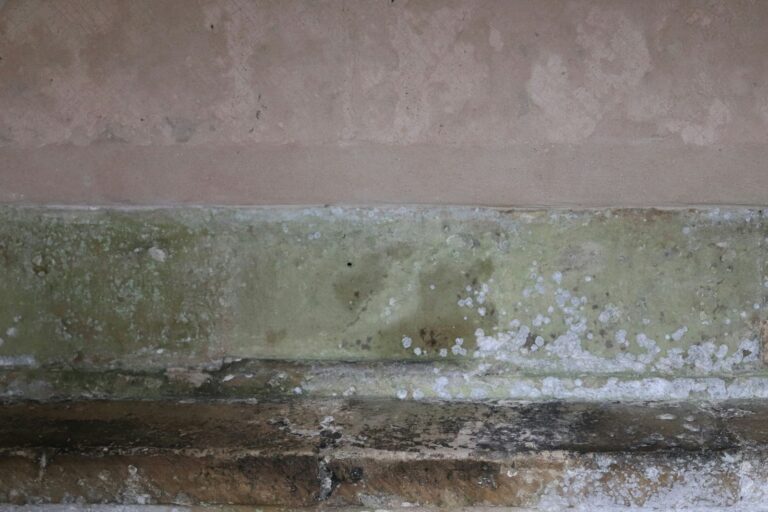
Visible mold may appear as dark, green, gray, brown, white, speckled, fuzzy, dusty, or smeared-looking growth. It may show up on walls, ceilings, trim, baseboards, cabinets, window frames, stored items, basement surfaces, or around vents.
Also look for signs of moisture damage, including water stains, peeling paint, bubbling drywall, swollen trim, soft flooring, damp carpet, warped cabinet bases, rusted fasteners, recurring condensation, or discoloration near windows and plumbing fixtures. These clues may point to active or past moisture conditions that allowed mold to grow.
Inspect Areas With Past Water Damage
If memory complaints began after a leak, flood, roof problem, plumbing issue, appliance leak, or HVAC overflow, inspect that area closely. Surfaces may dry before hidden materials do. Drywall, insulation, carpet padding, subflooring, cabinets, and baseboards can hold moisture in places homeowners cannot easily see.
Pay attention to areas that were cleaned quickly but never measured or dried thoroughly. A room can look normal while hidden dampness remains behind trim, under flooring, inside cabinets, or in wall cavities.
Measure Indoor Humidity
A hygrometer can help identify rooms that stay more humid than the rest of the home. High humidity does not prove mold is causing memory problems, but it can make mold growth more likely and can make indoor air feel uncomfortable.
Compare bedrooms, bathrooms, basements, crawl-space-adjacent rooms, and home offices. If one room stays humid, musty, or stale, the cause may be poor ventilation, damp materials, hidden leaks, exterior air entry, or an HVAC imbalance.
Check HVAC Moisture and Airflow
If symptoms seem worse when the HVAC system runs, inspect the system conditions. Look for musty odors from vents, dirty filters, wet drain pans, clogged condensate lines, duct condensation, or return air pulling from damp spaces.
HVAC systems can spread odors, humidity, dust, and particles through the home. If mold is visible inside HVAC components or around vents, avoid disturbing the area until you know how it should be handled safely.
What to Do If You Suspect Mold Is Affecting Memory
If you suspect mold may be connected to memory problems, do not rely on guesswork. Track the symptoms, evaluate the home, correct moisture sources, and get medical guidance when symptoms are persistent or concerning.
Track the Pattern
Write down when memory problems happen, what rooms you were in, whether symptoms improve away from home, and whether other symptoms appear at the same time. Also note musty odors, visible mold, humidity, recent leaks, HVAC use, rain events, and time spent in basements, bathrooms, or bedrooms.
This record can help you avoid overconnecting unrelated events. It can also help a healthcare provider or home professional understand whether the symptoms seem tied to a repeatable indoor pattern.
Talk With a Healthcare Provider
Memory problems should be discussed with a healthcare provider if they are persistent, worsening, sudden, unusual, or interfering with daily life. Mold may be part of the conversation if symptoms seem tied to damp indoor conditions, but it should not replace a medical evaluation.
This is especially important for children, older adults, pregnant people, people with chronic illness, people with asthma or lung disease, and anyone with confusion, disorientation, weakness, severe headaches, fainting, trouble speaking, or trouble walking.
Correct Moisture Sources First
If mold is present, the moisture source must be corrected. Surface cleaning alone is not enough when the area keeps getting damp. Mold can return if the leak, condensation, humidity, basement seepage, crawl space dampness, or ventilation problem remains.
Common moisture sources include roof leaks, window leaks, plumbing leaks, wet carpets, damp basements, crawl space humidity, bathroom condensation, HVAC drain problems, and poor airflow in closed rooms.
Use Mold Testing Carefully
Mold testing may help when mold is suspected but not visible, but it cannot prove that mold is the medical cause of memory problems. A test can provide information about mold presence or possible indoor conditions; it does not diagnose symptoms. If you already see mold or smell a persistent musty odor, the priority is finding the moisture source and deciding whether cleanup is safe. If you use home mold test kits, treat them as screening tools rather than medical proof.
When to Call a Professional
Professional help is worth considering when the mold or moisture problem is large, hidden, recurring, connected to the HVAC system, or clearly tied to symptoms that worsen indoors.
A mold remediation professional, indoor air quality specialist, or qualified home inspector cannot diagnose the medical cause of memory problems. Their role is to identify moisture sources, mold growth, hidden damp materials, ventilation problems, or building conditions that may be affecting indoor air quality.
Call a Professional if Mold Is Large or Recurring
If mold covers a large area, returns after cleaning, or appears on porous materials such as drywall, insulation, carpet padding, ceiling materials, or unfinished wood, professional evaluation is usually safer than repeated surface cleaning. Recurring mold usually means the moisture source has not been fully corrected.
This is especially important if the mold is near sleeping areas, HVAC equipment, basements, crawl spaces, bathrooms, or rooms where symptoms seem worse. A small visible patch may be connected to a larger hidden moisture problem.
Call a Professional if You Suspect Hidden Mold
Hidden mold may be present when there is a strong musty odor, past water damage, damp materials, or symptoms that seem connected to one area without obvious surface growth. Mold can hide behind baseboards, inside wall cavities, under flooring, behind cabinets, around windows, in insulation, or near HVAC components.
Do not start cutting into walls or tearing out flooring without a plan. Disturbing moldy materials can spread particles into the air and make cleanup more complicated. If hidden mold is likely, professional inspection can help identify the source with less unnecessary demolition.
Call a Professional if the HVAC System May Be Involved
If musty odors, coughing, headaches, fatigue, or memory complaints seem worse when the heating or cooling system runs, the HVAC system should be evaluated carefully. Moisture in drain pans, coils, ducts, filters, or return areas can affect air movement throughout the home.
HVAC-related mold should not be handled casually because air systems can distribute particles into multiple rooms. If there is visible mold inside ductwork, near vents, or around the air handler, get qualified help before disturbing the system.
Call a Professional if Sensitive People Are Affected
Children, older adults, people with asthma, people with chronic respiratory conditions, people with immune system concerns, and people with strong mold allergies may react more strongly to damp or moldy indoor environments. If memory complaints are part of a broader symptom pattern in a sensitive household, the home should be evaluated sooner rather than later. For help deciding whether the situation has moved beyond basic cleanup, see when to hire a mold remediation professional.
FAQ: Mold Exposure and Memory Problems
Can black mold cause memory loss?
Memory loss should not be blamed on black mold automatically. Some people report cognitive complaints in damp or moldy environments, but mold color does not prove what symptoms it is causing. Dark mold should be corrected, but memory loss has many possible causes and should be evaluated carefully.
If memory problems appear with musty odors, visible mold, damp materials, headaches, fatigue, poor sleep, or other symptoms that worsen indoors, inspect the home for mold and moisture. If memory changes are sudden, worsening, or unusual, talk with a healthcare provider.
Can mold make you forgetful?
Mold may be one possible factor when forgetfulness happens in a damp or moldy home, especially if it occurs with brain fog, fatigue, headaches, sinus pressure, coughing, poor sleep, or breathing irritation. The connection is often indirect rather than simple.
Forgetfulness can also come from stress, poor sleep, medication effects, dehydration, blood sugar changes, vitamin deficiencies, thyroid issues, infections, migraines, anxiety, depression, and neurological conditions. Mold should be considered one clue, not the only explanation.
Can memory problems improve after leaving a moldy house?
If memory complaints improve after leaving the home, the indoor environment may be contributing. The cause could be mold, dampness, poor ventilation, dust, chemical irritants, combustion gases, carbon monoxide, or another indoor air issue.
Improvement away from home does not prove mold is the cause, but it is an important pattern. If symptoms return when you come back inside, inspect for musty odors, visible mold, damp materials, high humidity, HVAC issues, and past water damage.
How do I know if memory problems are from mold?
You usually cannot know from symptoms alone. Mold becomes more plausible when memory problems worsen in damp or musty rooms, improve away from home, begin after water damage, and occur with symptoms such as headaches, fatigue, congestion, coughing, dizziness, or brain fog.
The best approach is to compare the symptom pattern with the building conditions. Look for visible mold, musty odors, leaks, condensation, high humidity, damp materials, or HVAC moisture. At the same time, seek medical guidance if memory problems are persistent, sudden, worsening, or unexplained.
Should I test my home if I have memory problems?
Testing may be useful if you suspect hidden mold but cannot find the source. However, a mold test cannot diagnose the medical cause of memory problems. It can only provide information about mold presence or possible indoor conditions.
If you already see mold or smell a persistent musty odor, testing may be less important than finding the moisture source and deciding how to clean or remediate the affected materials safely.
When are memory problems urgent?
Memory problems should be treated as urgent if they appear suddenly, worsen quickly, or come with confusion, disorientation, fainting, severe headache, weakness, numbness, trouble speaking, trouble walking, vision changes, chest pain, or severe shortness of breath.
If multiple people in the home develop confusion, headaches, dizziness, nausea, weakness, or trouble thinking clearly indoors, leave the home and check for carbon monoxide or another immediate indoor hazard. Do not assume the problem is mold.
Key Takeaways
- Mold exposure may be associated with memory complaints in some damp or moldy indoor environments, but memory problems are not mold-specific.
- Memory complaints are more suspicious when they worsen in musty rooms, improve away from home, or begin after water damage.
- Mold may affect memory indirectly by contributing to poor sleep, fatigue, headaches, sinus pressure, coughing, breathing symptoms, or stress.
- Memory problems are different from brain fog, though the two can overlap.
- Forgetfulness can also come from stress, poor sleep, medication effects, dehydration, infections, blood sugar changes, thyroid issues, vitamin deficiencies, neurological conditions, and other causes.
- Visible mold, musty odors, damp materials, high humidity, leaks, and condensation should be corrected even if memory symptoms have another cause.
- Large, hidden, recurring, or HVAC-related mold problems usually require professional evaluation.
Conclusion
Mold may be one possible environmental factor when memory complaints appear in a damp, musty, or visibly moldy home, especially when forgetfulness appears with brain fog, headaches, fatigue, poor sleep, sinus congestion, coughing, dizziness, or a clear pattern of feeling worse indoors and better away from home.
Still, memory problems are too important to blame on mold alone. Track when and where they happen, inspect the home for moisture and mold, correct leaks or humidity problems, and discuss sudden, worsening, persistent, or unexplained memory changes with a healthcare provider.