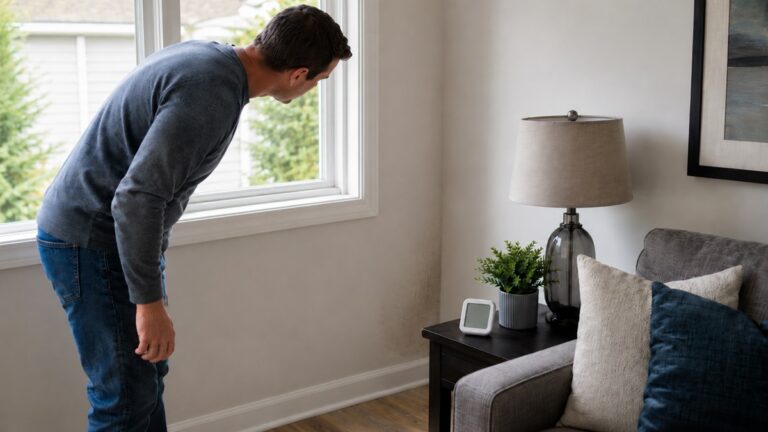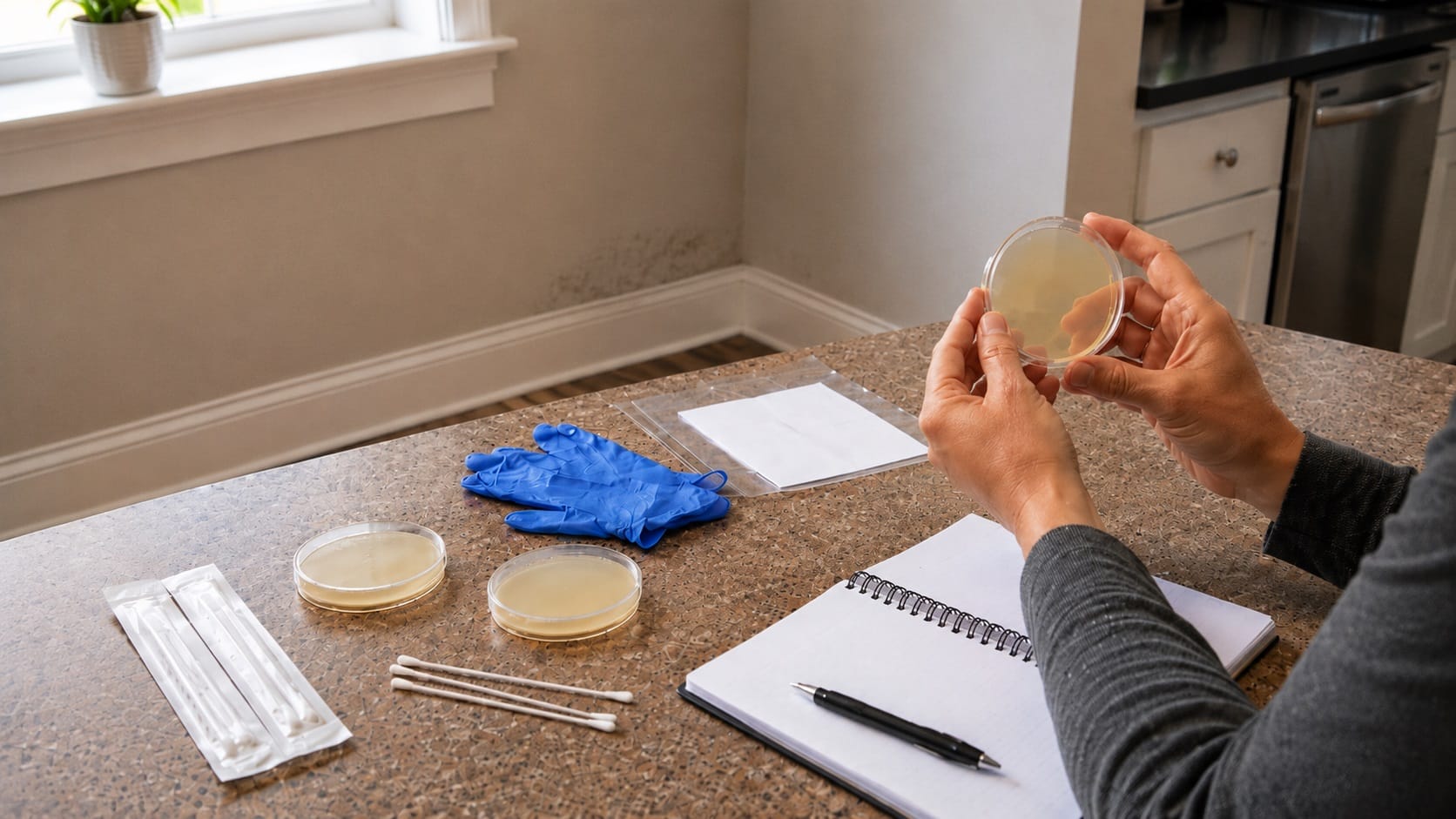
First Alert Mold Detection Kit Review: DIY Mold Testing Performance
The First Alert Mold Detection Kit, commonly associated with the First Alert MT1 Mold Test Kit, was a DIY mail-in mold sampling kit for homeowners who wanted to collect samples at home and send them for analysis. First Alert Store lists the MT1 as discontinued, and DryHomeGuide could not verify a current valid Amazon US listing for it.
That makes this review different from a normal buy-or-skip product review. Instead of pushing readers toward old stock, this article explains what the First Alert kit was designed to do, what details are still verifiable, where this type of DIY mold testing makes sense, and which current mold test kit alternatives are worth comparing instead.
Disclosure: This article may contain affiliate links. If you buy through these links, we may earn a commission at no extra cost to you.
If you are actively shopping for a kit now, start with our full guide to the best mold test kits for homeowners, where currently available options can be compared more directly.
First Alert Mold Detection Kit: Quick Verdict
- Best for: Readers researching the discontinued First Alert MT1 mold test kit or comparing older DIY mail-in kits with current options.
- Not ideal for: Anyone who needs a current Amazon listing, professional mold documentation, or a complete mold inspection.
- Main strength: Simple mail-in sample collection from a familiar home safety brand.
- Main limitation: The MT1 appears to be discontinued, and no valid current Amazon US listing was verified.
- Bottom line: Useful to understand historically, but most buyers should compare currently available mold test kits instead.
Compare currently available mold test kits
What the First Alert Mold Detection Kit Was
The First Alert MT1 Mold Test Kit was designed as a basic mail-in mold test. The available product information describes it as a kit for collecting mold samples at home or in a workplace and mailing them to a lab for analysis. First Alert Store lists the kit as including test strips, sample bags, and instructions, with a separate lab analysis fee per submitted sample. First Alert’s own MT1 support materials also refer readers to a separate lab contact for the discontinued product, so buyers should verify lab support before relying on old inventory.
That made the kit more useful than a purely visual grow-plate test where the homeowner is left to guess what the result means. A mail-in process can help identify the type of mold in a submitted sample, which may be useful when a room smells musty, a surface has suspicious discoloration, or a homeowner wants a basic first step before deciding whether to hire a mold inspector.
The limitation is that mold testing does not explain why mold is growing. A test kit does not locate leaks, measure hidden moisture, inspect wall cavities, or decide whether professional remediation is needed. For broader context, the Mold Exposure and Indoor Air Quality guide explains how mold concerns connect to indoor air quality, moisture sources, testing decisions, and professional help.
Because the First Alert kit appears discontinued, this review is most useful for understanding what it offered and why current buyers should usually compare newer options instead.
What the First Alert MT1 Kit Was Designed to Do
DIY mold sample collection
The main function of the First Alert Mold Detection Kit was to let homeowners collect samples themselves. This is useful for people who want a low-barrier starting point before paying for a professional inspection. Instead of guessing whether a stain, odor, or suspicious surface growth might be mold, the homeowner could collect a sample and send it for review.
This kind of kit is most useful when the situation is not an emergency. For example, it may help someone investigate a musty closet, a damp basement corner, a room that smells earthy after rain, or a questionable spot near a window or bathroom wall.
The limitation is that a sample only tells part of the story. If the sample is collected from the wrong place, handled poorly, or interpreted without context, the result may not lead to the right next step. A DIY kit is a screening tool, not a full investigation.
Mail-in testing concept
The First Alert kit was built around a mail-in testing process. This was a stronger concept than a kit that only asks the homeowner to judge growth visually. Lab review can give more useful information than simply knowing that something grew on a plate.
However, mail-in testing often adds cost and waiting time. Homeowners should always check whether lab analysis is included or whether there is a separate fee per sample. This is especially important with older or discontinued kits, where package details, lab partners, and submission instructions may no longer be current. Before using old stock, contact the listed lab or manufacturer support first; an unopened kit is not very useful if the lab no longer accepts its sample materials.
Air and surface testing context
The First Alert kit was intended for basic mold detection in home environments, including air and spot-style sampling contexts. That made it relevant for homeowners who suspected mold but did not know whether the problem was on a visible surface, in room air, or related to a damp area nearby.
Still, this should not be confused with advanced professional sampling. A home can have mold in a hidden wall cavity, behind trim, under flooring, inside HVAC components, or around a moisture source that a basic DIY sample does not capture. If your concern is hidden mold after leaks, recurring dampness, or mold-related symptoms, you may need a broader plan for how to confirm mold exposure risks inside your home.
Where the First Alert Mold Detection Kit Was Actually Useful
In real homes, the First Alert Mold Detection Kit would have been most useful as an early screening tool. It could help a homeowner investigate a musty room, minor water stain, suspicious surface spot, or damp basement corner before deciding whether the problem deserved professional attention.
But there are limits. Mold testing can be one clue, but it does not determine whether mold exposure is affecting someone’s health, and it does not replace moisture inspection, source control, cleanup planning, or medical guidance when symptoms are involved.
If you already see clear mold growth, testing may not be the most important first step. The better question may be why the mold is growing and how the moisture source will be corrected. Testing a visible mold patch may tell you what type of mold is present, but it does not solve the underlying water or humidity problem. For broader cleanup context, use the How to Remove Mold Permanently guide instead of treating a test kit as the solution.
Where a First Alert-Style DIY Mold Test Makes Sense
A First Alert-style DIY mold test makes the most sense when the concern is real but not yet severe: a musty room, a lightly discolored wall area, a damp basement corner, a closet with poor airflow, or a bathroom area where moisture keeps returning.
It can also help readers who are trying to understand whether a suspicious area deserves more attention before they pay for inspection. If you are still deciding what the next step should be, this kind of kit may fit into a broader plan for what to do if you suspect mold exposure in your home.
First Alert Mold Detection Kit Limitations
The biggest limitation is availability. Since DryHomeGuide could not verify a valid current Amazon US listing for the First Alert Mold Detection Kit, readers should not treat it as a normal buyable recommendation.
The second limitation is the mail-in testing model. Lab analysis can be useful, but homeowners need to know whether analysis is included, how many samples are covered, what the per-sample fee is, and whether the lab process is still active. That is especially important with discontinued kits.
Finally, a DIY mold test can create false confidence if the result is treated as a complete inspection. A sample may miss hidden mold, moisture inside materials, or a leak source that was not tested. If the home has extensive visible mold, recurring water damage, strong odors, sewage or floodwater exposure, or vulnerable occupants, testing should not be the only step.
Who Should Consider a Current DIY Mold Test Kit Instead?
Most homeowners should not spend time trying to find the exact First Alert MT1 kit unless they already own an unused kit and can confirm that the lab submission process is still supported. For everyone else, a currently sold DIY mold test kit is the more practical option.
A current kit may make sense if you have a mild mold concern and want a basic first step before hiring a professional. It can be useful for comparing several rooms, checking a suspicious surface, or documenting a musty area before deciding whether the problem needs more serious attention.
Homeowners who want a current product should compare available options in our guide to the best mold test kits for homeowners.
When to Skip the First Alert Kit and Use a Different Mold Testing Path
Skip this specific First Alert kit if you need a product you can buy new from a reliable current listing. Older kits may have outdated instructions, unsupported lab submission details, or unclear fees.
Also skip DIY testing as your main step if you already see obvious mold growth. In that case, the more important questions are how much material is affected, what moisture source caused it, whether the material can be cleaned or must be removed, and whether professional remediation is needed.
A DIY kit is also a poor fit for landlord disputes, insurance claims, real estate transactions, post-remediation clearance, or health-related certainty. Those situations usually require professional inspection, controlled sampling procedures, chain-of-custody or documentation standards when applicable, and interpretation by someone qualified to explain the results.
First Alert MT1 vs Current Mold Test Kit Alternatives
The First Alert MT1 was most comparable to other basic DIY kits that let homeowners collect samples and send them for analysis. Its advantage was brand recognition; its disadvantage today is availability.
Current alternatives vary by testing style. Some use plate-style testing, some include swabs or tape lifts, and some offer air sampling equipment. The real buying factors are not just the brand name, but whether the kit is currently available, how many samples it includes, whether lab analysis costs extra, and how useful the final report will be.
Professional inspection is a separate category because it evaluates moisture sources and interprets results in context. A DIY kit is only an early screening tool.
Current Mold Test Kit Alternatives to Check
Since DryHomeGuide could not verify a current valid Amazon US listing for the First Alert Mold Detection Kit, these alternatives are better starting points to compare. This is not a full ranking; check current availability, included lab terms, sample limits, return-mailer requirements, and fees before buying, and use the main mold test kit guide for deeper comparison.
- MOLD ARMOR Do It Yourself Mold Test Kit: A widely available DIY mold test kit often used for basic homeowner screening. It may be a better fit for buyers who want a simple plate-style option and do not need a First Alert-branded product.
- Evviva Sciences Mold Test Kit for Home: A multi-test kit option that may work well for homeowners who want to sample more than one room or surface area.
- My Mold Detective MMD105A 5-Room Mold Test Kit: A more involved option that uses air sampling equipment, making it more suitable for homeowners who want a broader sampling approach than a basic surface test.
- Healthful Home 5-Minute Mold Test: A faster-style screening option that may appeal to buyers who want a quicker yes-or-no style check before deciding whether to pursue more detailed testing.
- ImmunoLytics Mold Test Kit: A plate-style testing option that may be useful for homeowners comparing air, surface, and HVAC-related mold testing approaches.
Before choosing any kit, check whether lab analysis is included, how many samples the kit covers, whether extra fees apply, whether return shipping is included, and what the results will actually tell you.
Frequently Asked Questions
Is the First Alert Mold Detection Kit discontinued?
Yes. First Alert Store lists the MT1 Mold Test Kit as discontinued, and DryHomeGuide could not verify a current valid Amazon US listing for the First Alert Mold Detection Kit. It should not be treated as an easy-to-buy current option.
Can I still buy the First Alert mold test kit on Amazon?
No valid current Amazon US link was verified for this product. If you see one on a third-party marketplace, check the seller, expiration or submission details, lab process, and whether the kit is still supported before buying.
Does a DIY mold test kit replace a professional mold inspection?
No. A DIY mold test kit may help with basic screening, but it does not inspect the home, locate hidden moisture sources, determine the full affected area, or provide professional interpretation. If the problem is serious, recurring, hidden, or related to a real estate or health concern, professional inspection may be more appropriate.
Should I test for mold if I can already see mold?
Not always. If mold is clearly visible, the main priority is usually finding and correcting the moisture source, determining how much material is affected, and deciding whether cleanup or removal is needed. Testing may identify the type of mold, but it does not remove the problem.
What should I buy instead of the First Alert mold test kit?
Current alternatives include kits from brands such as MOLD ARMOR, Evviva Sciences, My Mold Detective, Healthful Home, and ImmunoLytics. The best choice depends on whether you want simple surface testing, multiple room samples, faster screening, or a more advanced air sampling setup.
Bottom Line on the First Alert Mold Detection Kit
The First Alert Mold Detection Kit was a sensible DIY mail-in mold testing concept from a familiar home safety brand. It gave homeowners a way to collect samples and seek lab identification instead of relying only on visual guesses.
However, it is not the best mold test kit to pursue today. The MT1 appears to be discontinued, and DryHomeGuide could not verify a current valid Amazon US listing. Older kits may also raise questions about lab submission support, fees, and whether the instructions are still current.
For most buyers, the better path is to compare current mold test kits, check lab fees carefully, and choose a kit based on the kind of sampling you actually need. If the home has visible mold, recurring moisture, strong odors, or vulnerable occupants, testing should be paired with a plan to find and correct the moisture source.
Start with our best mold test kits for homeowners guide rather than searching for the discontinued First Alert model.