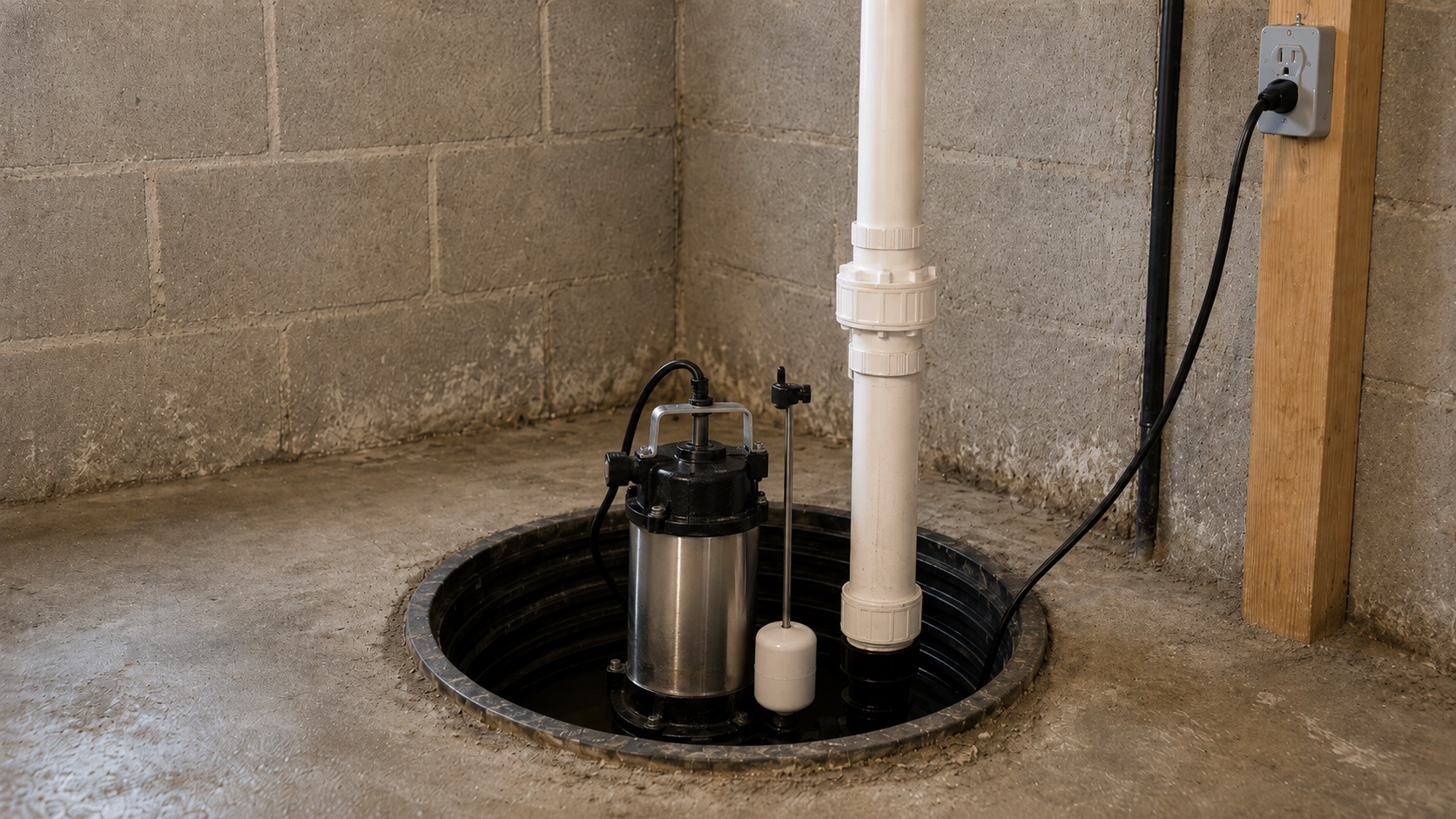
Wayne CDU980E Sump Pump Review: Is It Worth It?
The Wayne CDU980E is worth considering if you need a stronger primary sump pump for an active basement pit, not just a bargain replacement for occasional water. It is a 3/4 HP submersible sump pump designed to sit inside a sump basin, activate automatically with a vertical float switch, and move clear groundwater through a discharge line before the pit overflows.
This review focuses on whether the Wayne CDU980E makes sense as a primary basement sump pump, where its extra capacity helps, and where homeowners still need backup protection or broader waterproofing work.
Disclosure: This article may contain affiliate links. If you buy through these links, we may earn a commission at no extra cost to you.
Wayne CDU980E Quick Verdict
- Best for: Homeowners who need a strong primary sump pump for an active basement sump pit.
- Not ideal for: Homes that need battery backup protection, sewage pumping, outdoor drainage, or a full waterproofing repair.
- Main strength: The 3/4 HP motor, strong flow rating, vertical float switch, and cast iron/stainless steel construction make it a more serious option than many basic residential sump pumps.
- Main limitation: It is still a primary electric sump pump, so it does not protect the basement during a power outage unless a separate backup system is in place.
- Bottom line: The Wayne CDU980E is a strong fit for active basement sump pits, but it should still be paired with proper drainage and backup planning.
What the Wayne CDU980E Actually Does in a Basement
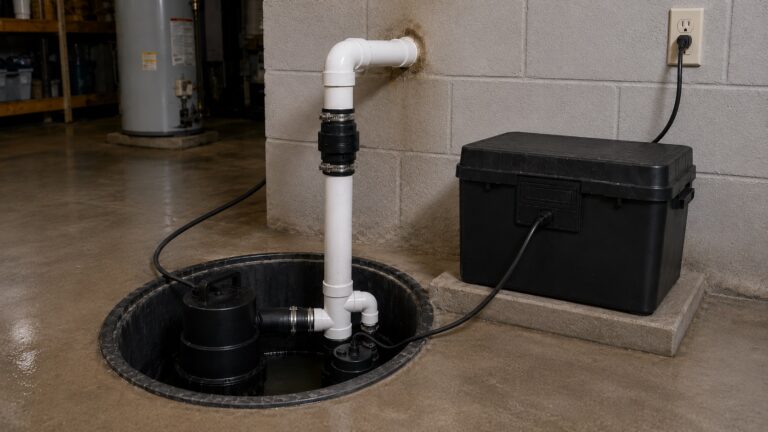
The Wayne CDU980E is a primary sump pump for clear groundwater in a basement sump basin. In a typical setup, water enters the pit through an interior drainage system or natural groundwater collection path. When the water rises, the vertical float switch activates the pump, and the pump sends the water through a discharge line away from the foundation.
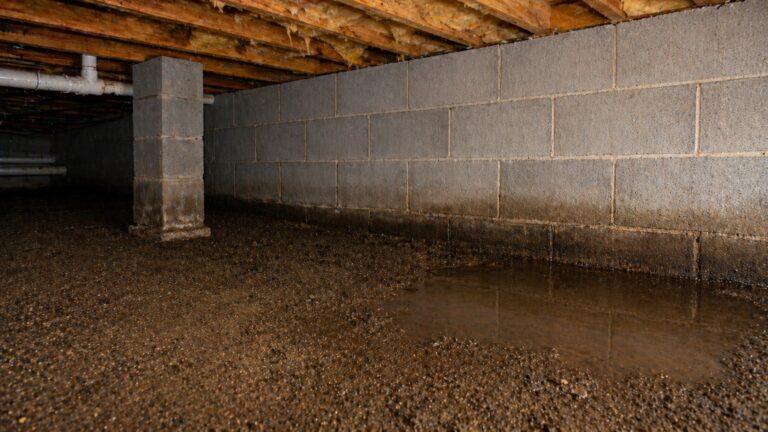
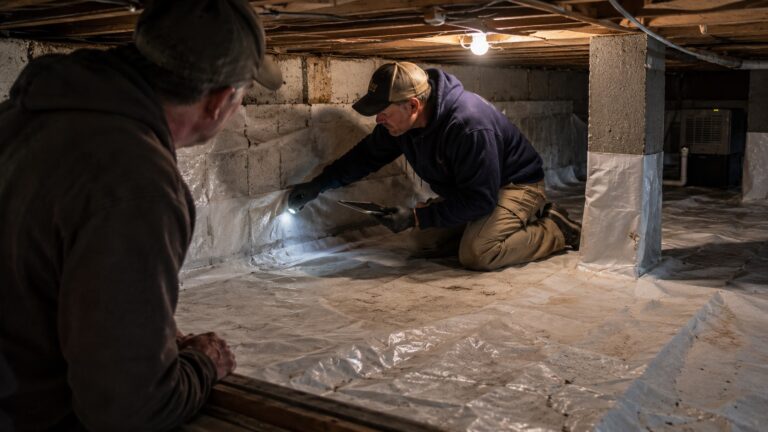
That makes this model most useful in basements where water already reaches the sump pit during storms, snowmelt, or periods of high groundwater. It is not meant to seal foundation cracks, repair exterior drainage, stop hydrostatic pressure, or replace a full basement waterproofing and water intrusion control system. Its job is narrower: remove water from the sump basin before it reaches the floor.
The CDU980E is especially relevant when an older pump struggles to keep up, runs too often during storms, or looks undersized for the amount of water entering the pit. You can view the Wayne CDU980E on Amazon if you want to check the current listing before buying.
Wayne CDU980E Specs That Matter
- Pump type: Submersible primary sump pump
- Motor: 3/4 HP
- Use case: Clear groundwater removal from a basement sump basin
- Construction: Cast iron base with stainless steel housing components
- Switch type: Vertical float switch
- Float levels: Listed 9-inch on level and 4-inch off level
- Power source: Corded electric
- Warranty: Listed 5-year limited warranty
- Listed flow capacity: Up to 5,490 GPH at 0 feet, with lower output as discharge height increases
- Listed 10-foot performance: About 4,600 GPH at 10 feet of discharge lift
- Best use: Active residential sump pits where water inflow can be moderate to heavy
- Basin fit: Listed for 11-inch diameter or larger sump pits
- Not for: Sewage, mud, solids, outdoor exposed use, contaminated floodwater, or power-outage protection by itself
Wayne CDU980E Features That Matter in a Real Sump Pit
3/4 HP Motor and High Water-Moving Capacity
The most important reason homeowners consider the Wayne CDU980E is its 3/4 HP motor. That places it above many common 1/3 HP and 1/2 HP residential sump pumps, which can be enough for lighter sump activity but may feel underpowered when a pit fills quickly during heavy rain.
For an active basement sump system, pumping capacity matters because water can enter the basin faster than expected. A stronger pump can lower the water level more quickly, reduce how long the pump runs per cycle, and give more margin when groundwater pressure increases. This is the main practical reason to consider the CDU980E instead of a smaller entry-level pump.
The limitation is that horsepower alone does not guarantee the right result. A sump pump’s actual performance depends on the vertical lift, discharge pipe size, check valve, pipe routing, number of elbows, and whether the discharge line is restricted or frozen. A powerful pump connected to a poor discharge setup can still underperform.
Cast Iron and Stainless Steel Construction
The CDU980E uses a cast iron and stainless steel build rather than a lightweight all-plastic housing. For a pump that may sit in a damp sump pit for years, that matters. Cast iron and stainless steel are commonly preferred in stronger residential sump pumps because they feel more substantial and are better suited to demanding basement conditions than very light plastic designs.
This does not mean the pump is maintenance-free or indestructible. Sump pits can collect sediment, switches can wear, discharge lines can clog, and check valves can fail. Still, for homeowners who want a primary pump that feels more robust than a bargain replacement unit, the CDU980E’s construction is one of its strongest selling points.
Vertical Float Switch
The Wayne CDU980E uses a vertical float switch. In a sump basin, the float rises with the water level and activates the pump when the water reaches the switch’s on point. Once the pump lowers the water level, the float drops and shuts the pump off.
A vertical float switch can be helpful in narrower sump pits because it moves up and down in a more compact path than a tethered float. A tethered float needs room to swing, and if the pit is tight or cluttered, it can sometimes contact the basin wall or discharge pipe. The CDU980E is commonly listed for sump basins 11 inches in diameter or larger, so the float path and basin size should both be checked before installation.
The realistic limitation is that the float switch still needs to move freely. The pump should be installed so the float cannot rub against the basin wall, discharge pipe, power cord, or debris. A strong pump with a blocked float switch can still fail to turn on when it is needed.
Top Suction Design
The CDU980E is commonly listed with a top suction design. In practical terms, this means the pump intake is positioned to reduce the chance of pulling heavy sediment directly from the very bottom of the pit. That can be useful in sump basins where small amounts of grit or settled material collect over time.
This feature should not be misunderstood. The Wayne CDU980E is not a trash pump, sewage pump, or muddy-water pump. It is designed for clear water sump use. If the pit contains heavy debris, mud, gravel, or sewage, that is a different application and requires a different type of pump.
How the Wayne CDU980E Handles Active Basement Drainage
The Wayne CDU980E makes the most sense when the sump pump has to keep up with meaningful water inflow. During storms, a sump pit can fill repeatedly as foundation drains or interior drainage channels direct water toward the basin. A higher-capacity pump can help empty that basin quickly before water rises toward the basement floor.
This is why the CDU980E fits best in homes where sump activity is not just occasional. If the pump only runs a few times per year and water inflow is light, a 3/4 HP model may be more than the home needs. But if the pit fills quickly during rain or the basement has a history of water reaching the floor, the extra capacity can provide useful margin.
The pump still depends on the system around it. The discharge pipe needs to be correctly sized, the check valve should work, and the water must discharge far enough away from the foundation that it does not cycle back toward the basement. If the pump runs often but the pit refills quickly, the problem may be discharge routing, exterior drainage, or groundwater pressure rather than the pump alone. For broader context, see this guide on how to prevent basement flooding with sump pumps.
Where the Wayne CDU980E May Fall Short
The biggest limitation is that the Wayne CDU980E is not a backup sump pump. It depends on household power. If a storm knocks out electricity, the pump will not run unless the home has a generator, battery backup system, or separate backup pump in place. That matters because heavy rain and power outages can happen at the same time.
For homes where outage protection is the main concern, this pump should not be the only layer of defense. Review why sump pump backup systems are important before deciding whether the CDU980E alone is enough.
The CDU980E may also be more pump than necessary for a low-risk basement with a dry sump pit that rarely activates. In a small pit with very light water inflow, a lower-horsepower pump may be adequate. Bigger is not automatically better if the pump short-cycles or the basin is not suited to the pump.
Where the Wayne CDU980E Makes the Most Sense
The Wayne CDU980E makes the most sense for homeowners with an active basement sump pit where water inflow can be moderate to heavy. If your sump pit fills during heavy rain, spring thaw, or periods of high groundwater, this model is a serious replacement option for a weaker pump.
It is also a good fit if you want a more substantial build than a basic plastic-bodied unit. The cast iron and stainless steel construction, 3/4 HP motor, and vertical float switch make it appealing for homeowners who want more capacity and durability than an entry-level sump pump usually offers.
Finished or partially finished basements are another strong use case. When a basement has flooring, drywall, stored belongings, appliances, or mechanical equipment, the cost of a pump failure can be much higher than the cost of choosing a stronger pump upfront.
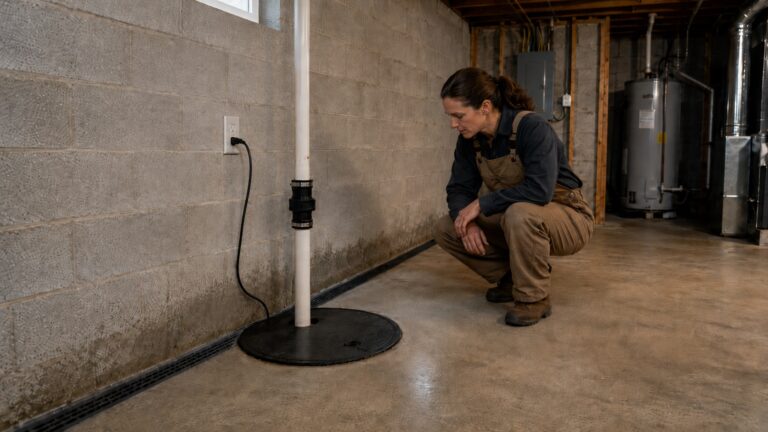
The CDU980E is especially worth considering when replacing an older pump that runs constantly, cycles strangely, makes unusual noise, or struggles to lower the water level during storms. If you are still diagnosing the problem, review the warning signs that a sump pump is not working correctly and the signs that a sump pump needs replacement before deciding whether your current pump is still worth trusting.
For buyers who already know they want this level of primary pump capacity, you can check current price on Amazon.
When the Wayne CDU980E Is the Wrong Pump
You should avoid relying on the Wayne CDU980E alone if your main concern is power-outage protection. It is a corded electric primary sump pump, not a battery backup system, and storms can bring heavy water inflow and power loss at the same time.
You should also avoid this pump if you need to move sewage, gray water, muddy water, or water with solids. The CDU980E is designed for clear sump water in an indoor sump basin, not contaminated water or debris-heavy cleanup. A sewage pump, effluent pump, or utility pump may be more appropriate depending on the application.
It may also be unnecessary for a basement with very light sump activity. If your sump pit is usually dry and the pump rarely activates, a 3/4 HP pump may be more capacity than you need. In that case, a smaller primary sump pump may be enough if the discharge height and water inflow are modest.
Wayne CDU980E vs Smaller Pumps, Backup Pumps, and Utility Pumps
Compared with many 1/3 HP sump pumps, the Wayne CDU980E is better suited to basements with more active water inflow. A smaller pump may work well in a low-risk basement, but it can feel undersized when the sump pit fills rapidly during rain.
Compared with many 1/2 HP sump pumps, the difference depends on the home. A quality 1/2 HP pump can be enough for many residential basements. The CDU980E becomes more attractive when the homeowner wants higher capacity, has a deeper discharge lift, or wants extra margin for storm conditions.
Compared with battery backup sump pumps, the CDU980E serves a different role. It is the primary pump, not the emergency backup. Homes with serious flooding risk may need both: a strong primary pump and a separate backup system.
Compared with utility, sewage, or effluent pumps, the CDU980E should stay in its proper category. It is for permanent clear-water sump basin use, not temporary water transfer, sewage, mud, or solids.
Frequently Asked Questions
Is the Wayne CDU980E a primary sump pump or a backup pump?
The Wayne CDU980E is a primary sump pump. It is designed to sit in a sump basin and pump clear groundwater out through a discharge line. It is not a battery backup pump.
Does the Wayne CDU980E work during a power outage?
No. The Wayne CDU980E depends on household electricity. If the power goes out, it will not run unless the home has a generator, backup power source, or separate backup sump pump system.
Is 3/4 HP too much for a residential sump pump?
It depends on the sump pit and the amount of water entering it. For basements with heavy sump activity, a 3/4 HP pump can provide useful extra capacity. For a small, rarely active sump pit, it may be more pump than necessary.
What size sump pit does the Wayne CDU980E need?
The CDU980E is commonly listed for sump basins 11 inches in diameter or larger. The basin also needs enough room for the vertical float to move freely without rubbing the wall, discharge pipe, power cord, or debris.
Can the Wayne CDU980E pump dirty water?
No. This pump should be treated as a clear-water indoor sump pump. It is not the right choice for sewage, mud, gravel, solids, contaminated floodwater, or debris-heavy cleanup.
Do I still need to maintain the Wayne CDU980E?
Yes. Even a strong sump pump should be checked regularly. The float should move freely, the basin should be reasonably clean, the check valve should work, and the discharge line should move water away from the foundation. A guide on how to maintain basement sump pumps can help with the broader maintenance routine.
Wayne CDU980E Review Verdict
The Wayne CDU980E is a strong primary sump pump for homeowners who need more water-moving capacity than a basic residential pump. Its 3/4 HP motor, cast iron and stainless steel construction, vertical float switch, and high listed flow capacity make it a serious option for active basement sump pits.
It is best for homes where the sump pump matters during heavy rain, seasonal groundwater pressure, or repeated basement drainage events, especially when replacing an older pump that no longer feels trustworthy.
The main caution is that this pump is not complete flood protection by itself. It does not include battery backup, does not fix foundation water entry, and does not handle sewage or dirty water. For the right sump basin, though, the Wayne CDU980E is a strong and practical primary pump choice.