
Best Moisture Meters for Detecting Hidden Water Damage (2026 Guide)
Disclosure: As an Amazon Associate, this site earns from qualifying purchases. This does not affect the price you pay. Our recommendations are based on research, product reliability, and real-world usability in moisture-prone environments.
Introduction
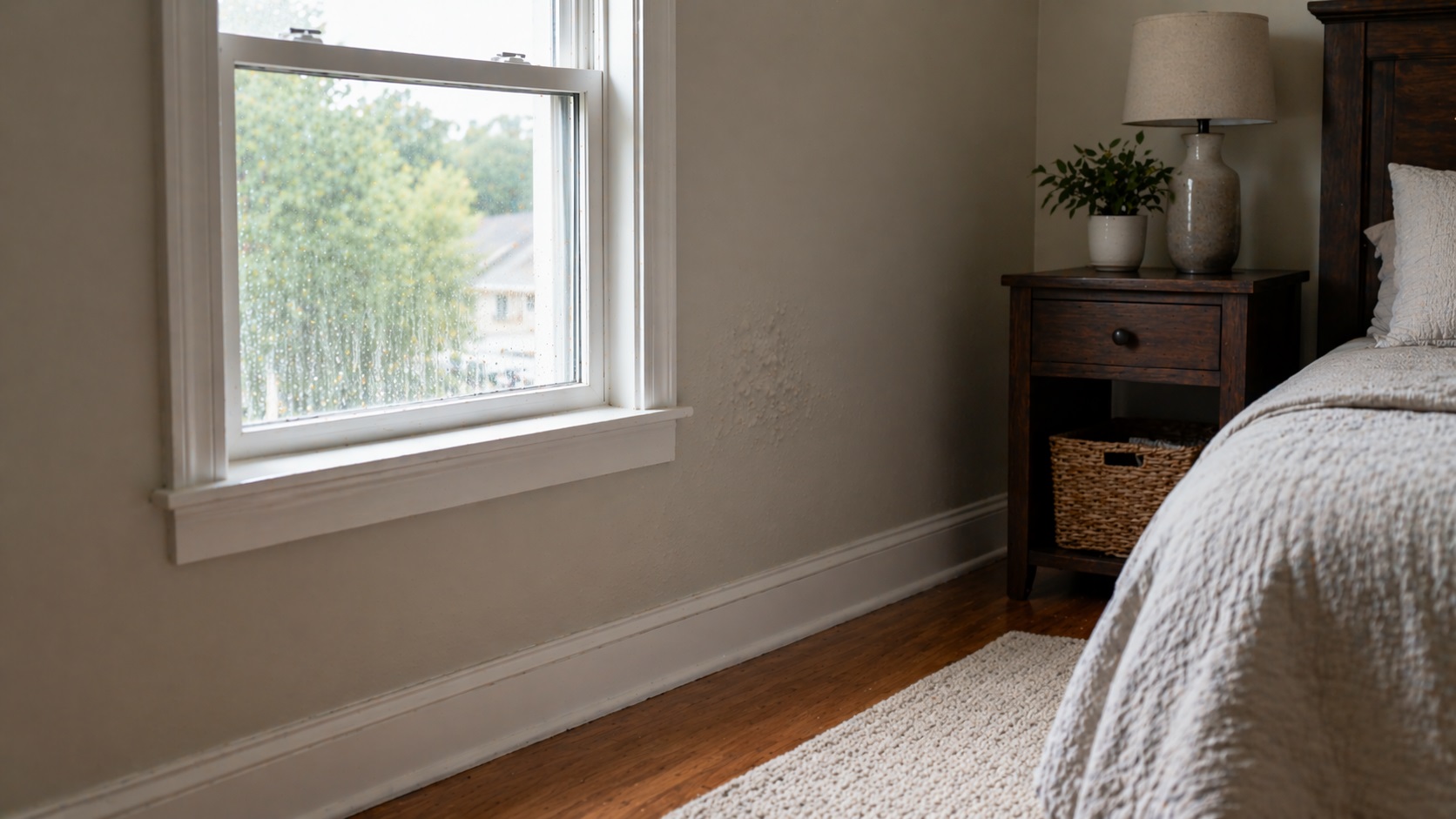
Hidden water damage is one of the most frustrating problems homeowners face. Using the best moisture meters for detecting hidden water damage can help homeowners find problems early, before mold, rot, or costly structural repairs develop.
A slow plumbing leak, roof seepage, or foundation moisture issue can develop quietly behind walls or under flooring, often going unnoticed until mold, rot, or structural damage appears. By that point, repairs can become expensive and disruptive.
That’s where moisture meters become extremely valuable. A good moisture meter helps you detect damp areas early—before visible damage spreads. Whether you’re investigating a musty smell, checking drywall after a leak, or monitoring moisture in a basement, the right meter can help you identify problems quickly and confidently.
In this guide, we’ve selected the best moisture meters for detecting hidden water damage based on reliability, ease of use, accuracy, and real-world homeowner needs. These tools range from beginner-friendly models to professional-grade meters used by inspectors and restoration specialists.
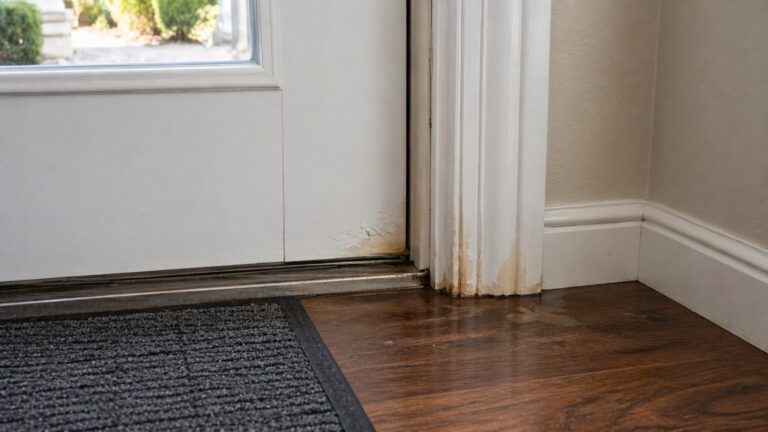
If you’re unsure whether moisture is present, learning the early signs of hidden water damage in walls can help you identify areas to test first. Many homeowners first suspect hidden moisture when they notice a musty smell that keeps returning, even after cleaning or airing out the space.
If you’re trying to protect your home from moisture damage—or confirm whether a suspicious area is truly wet—this guide will help you choose the right tool.
Best Moisture Meters Compared for Detecting Hidden Water Damage
| Product | Type | Best For | Key Advantage | Skill Level |
|---|---|---|---|---|
| Klein Tools ET140 | Pinless | Scanning walls for hidden moisture | Fast non-destructive detection | Beginner |
| General Tools MMD7NP | Pinless | Budget-friendly wall scanning | Affordable pinless performance | Beginner |
| Calculated Industries AccuMASTER XT | Pin | Confirming moisture inside wood and drywall | More exact spot-checking | Beginner to Intermediate |
| Tavool MT270 | Pin | Versatile household testing | Strong value and flexibility | Beginner |
| Wagner Meters Orion 910 | Pinless | Premium non-invasive scanning | Higher-end build and performance | Intermediate |
| Protimeter SurveyMaster | Pin + Pinless | Advanced diagnostics | Dual-mode professional capability | Advanced |
| Dr.meter MD918 | Pinless | Quick beginner moisture checks | Simple non-invasive use | Beginner |
Best Moisture Meter by Use Case
- Best for scanning drywall: Klein Tools ET140
- Best budget option: General Tools MMD7NP
- Best for precise moisture confirmation: AccuMASTER XT
- Best for professional inspections: Protimeter SurveyMaster
Quick Picks: Best Moisture Meters at a Glance
If you’re short on time, the picks below are the strongest options for detecting hidden water damage in common problem areas like walls, ceilings, subfloors, and basement surfaces. Each one stands out for a different reason, so the best choice depends on whether you want fast scanning, more precise confirmation, or a more advanced inspection tool.
- Best Overall: Klein Tools ET140 — A reliable pinless meter for quickly scanning drywall, wood, and masonry without leaving holes behind. This is the best fit for most homeowners who want a simple way to check for hidden moisture after leaks or musty odors.
- Best Budget Pinless: General Tools MMD7NP — A practical lower-cost option for scanning walls, ceilings, and other large surfaces. It makes sense for homeowners who want non-destructive testing without spending more for premium features.
- Best Pin Meter for Accuracy: Calculated Industries AccuMASTER XT — A stronger choice when you need more exact spot-checking inside wood, trim, subfloors, or suspicious wet areas. It is especially useful for confirming whether a material is actually wet rather than just surface-damp.
- Best Value Pin Meter: Tavool MT270 — A versatile beginner-friendly option for homeowners who want a practical meter for checking drywall, wood, and flooring after leaks. It offers a good balance of usability, flexibility, and value.
- Best Premium Moisture Meter: Wagner Meters Orion 910 — A higher-end pinless meter for homeowners or serious DIY users who want better build quality and a more professional-grade scanning experience in finished areas.
- Best Professional Moisture Meter: Protimeter SurveyMaster — A dual-function meter with both pin and pinless capability, making it the strongest option here for advanced diagnostics, repeated moisture problems, or more demanding inspections.
- Best Starter Pinless Meter: Dr.meter MD918 — A compact, approachable pinless meter for quick checks around bathrooms, windows, ceilings, and basement walls. It is a good fit for first-time users who want a simple starting point.
If you are not sure which option matches your situation, start with the Klein Tools ET140 for general wall scanning, choose the AccuMASTER XT for more exact confirmation, or move up to the Protimeter SurveyMaster if you need broader diagnostic capability.
Best Moisture Meters for Detecting Hidden Water Damage
Klein Tools ET140 Pinless Moisture Meter
Category: Best Overall Moisture Meter
The Klein Tools ET140 is one of the most reliable moisture meters for homeowners who want fast, non-destructive moisture detection. Because it uses pinless scanning technology, it allows you to check drywall, wood, and masonry without leaving holes behind.
This makes it especially helpful when investigating potential hidden water damage behind walls or ceilings. Instead of guessing where moisture may be present, you can scan wide areas quickly and identify problem zones before opening walls or removing materials.
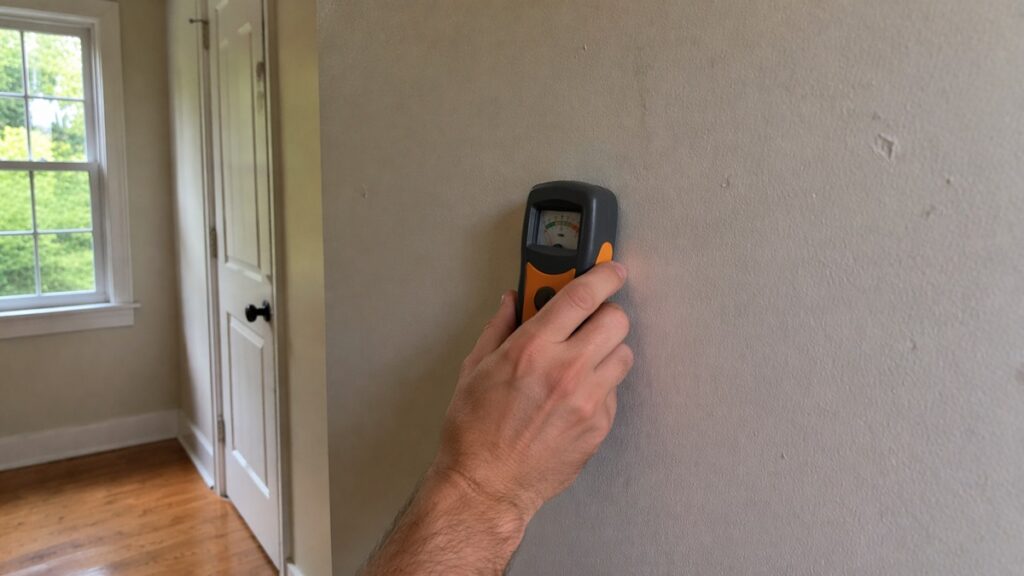
Klein Tools is a well-established brand in the electrical and inspection tool industry, and the ET140 reflects that reputation with a solid design and straightforward operation.
Key Features
- Pinless moisture detection (non-destructive scanning)
- Measures moisture in drywall, wood, and masonry
- Detection depth up to approximately ¾ inch
- Easy-to-read LCD display
- Single-button operation
- Durable construction suitable for repeated use
Pros
- ✔ Non-invasive scanning leaves no surface damage
- ✔ Very easy for beginners to operate
- ✔ Durable build quality
- ✔ Reliable readings across common household materials
- ✔ Fast scanning of large areas
Cons
- ✖ Does not measure deep moisture beyond surface layers
- ✖ Slightly higher cost than basic entry-level meters
Best For
- Homeowners checking drywall after leaks
- Locating hidden moisture in walls
- Investigating musty smells or suspected mold areas
- Routine moisture monitoring in basements
Check the Klein Tools ET140 Pinless Moisture Meter on Amazon to see current availability.
General Tools MMD7NP Pinless Moisture Meter
Category: Best Budget Pinless Moisture Meter
The General Tools MMD7NP is a practical choice for homeowners who want reliable moisture detection without spending too much. It offers pinless detection similar to higher-end models, making it a good entry point into moisture testing.
This meter is particularly useful for scanning large areas like basement walls, ceilings, or subfloor surfaces. Its LED moisture indicator system makes it easy to interpret readings quickly, even if you’ve never used a moisture meter before.
For occasional inspections or post-leak checks, this model provides enough performance to identify moisture problems without overwhelming complexity.
Key Features
- Pinless scanning technology
- Moisture detection up to approximately ¾ inch
- Tricolor LED moisture level indicator
- Backlit LCD display
- Compact and lightweight design
- Suitable for drywall and wood testing
Pros
- ✔ Affordable entry into pinless moisture detection
- ✔ Easy-to-understand moisture indicators
- ✔ Lightweight and portable
- ✔ Suitable for routine household inspections
- ✔ No surface damage from testing
Cons
- ✖ Slightly less precise than premium models
- ✖ Limited advanced calibration features
Best For
- Budget-conscious homeowners
- Occasional moisture inspections
- Checking walls after minor leaks
- Preventive home maintenance
Check the General Tools MMD7NP Pinless Moisture Meter on Amazon to see current availability.
Calculated Industries AccuMASTER XT Moisture Meter
Category: Best Pin Moisture Meter for Accuracy
The Calculated Industries AccuMASTER XT is a strong choice for homeowners who want more precise confirmation of moisture inside building materials. Unlike pinless meters, this model uses small probe pins that make direct contact with the material. That approach is especially practical when you need to confirm whether wood, drywall, or subflooring is actually wet instead of just surface-damp.
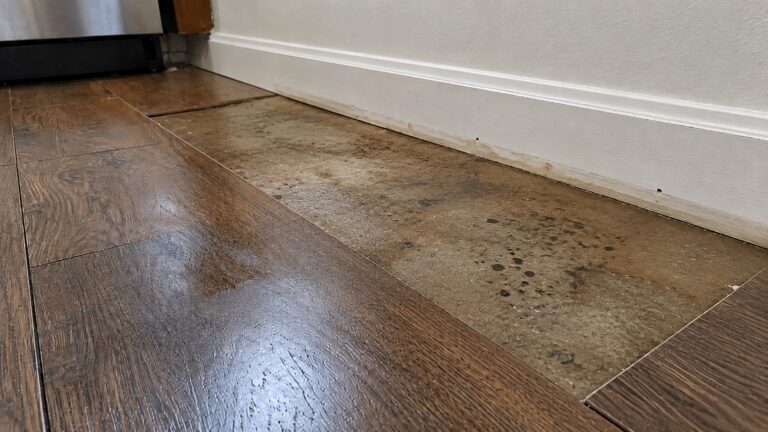
This kind of meter works well when you already have a suspicious area and want a more exact reading. For example, if you notice discoloration near a baseboard, a soft floor around a toilet, or a damp section of trim after a leak, a pin meter like the AccuMASTER XT can help verify whether moisture is present inside the material.
It is also one of the better homeowner-friendly options for people who want a more diagnostic tool without stepping all the way up to a professional restoration meter.
Key Features
- Pin-type moisture detection for direct readings
- Designed for wood, drywall, and other common building materials
- Replaceable stainless steel pins
- Audible alert for rising moisture levels
- LED display for quick interpretation
- Compact handheld design
Pros
- ✔ More precise spot-checking than many entry-level meters
- ✔ Useful for confirming moisture inside wood and drywall
- ✔ Audible alert helps during inspections
- ✔ Good fit for homeowners who want stronger diagnostic accuracy
- ✔ Replaceable pins add long-term usability
Cons
- ✖ Leaves small pin holes in the tested material
- ✖ Slower than pinless scanning when covering large wall areas
Best For
- Confirming suspicious wet spots after a leak
- Checking wood framing, trim, and subfloors
- Homeowners who want a more exact reading
- Spot-checking materials before repairs begin
Check the Calculated Industries AccuMASTER XT Moisture Meter on Amazon to see current availability.
Tavool MT270 Digital Moisture Meter
Category: Best Value Pin Meter
The Tavool MT270 is a practical option for homeowners who want a versatile moisture meter without overcomplicating the process. It is a pin-style meter, which means it is better suited for direct testing than broad scanning. That makes it an effective choice for checking suspicious sections of drywall, trim, wood framing, or flooring when you want quick confirmation of elevated moisture.
One reason this model stands out is its balance of simplicity and flexibility. It is approachable for first-time users but still offers enough functionality to be useful across different materials. If you are dealing with a recent leak, monitoring a drying area, or checking a damp room for lingering moisture, this meter can cover many common homeowner situations.
For shoppers looking for a solid mix of usability, versatility, and value, the Tavool MT270 earns its place on this list.
Key Features
- Pin-type moisture measurement
- Multiple material settings for broader use
- Backlit digital display
- Hold function for easier reading
- Compact handheld design
- Suitable for wood, drywall, and similar materials
Pros
- ✔ Good overall value for homeowners
- ✔ Beginner-friendly interface
- ✔ Useful for checking multiple common materials
- ✔ Easy to carry and store
- ✔ Helpful for leak follow-up and drying checks
Cons
- ✖ Not as fast as a pinless meter for scanning wide surfaces
- ✖ Leaves small test holes in the material
Best For
- Budget-conscious homeowners who still want flexibility
- Checking drywall, trim, wood, and flooring after leaks
- Routine moisture monitoring in problem-prone rooms
- DIY users who want a practical first pin meter
Check the Tavool MT270 Digital Moisture Meter on Amazon to see current availability.
Wagner Meters Orion 910 Pinless Moisture Meter
Category: Best Premium Moisture Meter
The Wagner Orion 910 is a premium option for homeowners and serious DIY users who want a higher-end pinless moisture meter. Wagner is a respected name in moisture measurement, and this model is designed for users who value a more refined and professional-level experience.
Because it is a pinless meter, it works especially well for scanning broad surfaces without leaving marks behind. That makes it practical when checking drywall, wood surfaces, finished spaces, and areas where you do not want to puncture the material. If you are investigating hidden water damage in visible living spaces, pinless scanning can be a major advantage.
The Orion 910 is not the simplest or most basic meter on this list, but it is a strong fit for homeowners who want to invest in better equipment for ongoing moisture detection, renovation work, or repeated inspections.
Key Features
- Pinless moisture detection
- Designed for non-destructive surface scanning
- Digital display for clear readings
- Professional-grade construction
- Suitable for checking wood and other common surfaces
- Built for repeat inspections and long-term use
Pros
- ✔ Non-destructive scanning is ideal for finished areas
- ✔ Strong brand reputation in moisture measurement
- ✔ More premium overall build and feel
- ✔ Good choice for repeat use and serious inspections
- ✔ Helpful for broad scanning before invasive repair work
Cons
- ✖ More than many homeowners need for occasional use
- ✖ Premium tools can be less budget-friendly than basic models
Best For
- Homeowners who want a premium pinless meter
- Checking finished surfaces without leaving holes
- Repeat inspections in basements, walls, and renovation areas
- DIY users who want a more professional-grade tool
Check the Wagner Meters Orion 910 Pinless Moisture Meter on Amazon to see current availability.
Protimeter SurveyMaster Moisture Meter
Category: Best Professional Moisture Meter
The Protimeter SurveyMaster stands out because it combines both pin and pinless detection in one tool. That dual-function design makes it especially useful for advanced inspections where you want to scan an area broadly first and then confirm the moisture level more directly in a smaller target area.
This is the kind of moisture meter often associated with inspectors, restoration professionals, and serious users who need more than a basic homeowner device. For example, if you are dealing with repeated leaks, crawl space concerns, basement moisture, or possible hidden water intrusion inside walls, a dual-mode meter can give you a more complete picture.
For most casual homeowners, this meter may be more than necessary. But for people who want a true diagnostic tool with professional capability, it is one of the strongest options in the category.
Key Features
- Dual-function design with pin and pinless modes
- Suitable for broad scanning and direct confirmation
- Digital display for moisture readings
- Designed for use on common building materials
- Built for more advanced inspection work
- Professional-grade moisture detection capability
Pros
- ✔ Combines scanning and direct testing in one meter
- ✔ Strong fit for more serious moisture investigations
- ✔ Useful for walls, floors, and other problem areas
- ✔ Professional-level functionality
- ✔ Reduces the need to buy separate pin and pinless meters
Cons
- ✖ More advanced than many homeowners need
- ✖ Larger investment than a basic entry-level meter
Best For
- Professional inspectors and restoration-minded users
- Homeowners dealing with recurring moisture problems
- More advanced leak and water damage diagnosis
- Users who want both scan mode and direct-testing mode
Check the Protimeter SurveyMaster Moisture Meter on Amazon to see current availability.
Dr.meter MD918 Moisture Meter
Category: Best Starter Pinless Moisture Meter
The Dr.meter MD918 is a simple pinless moisture meter that makes sense for homeowners who want a low-stress way to start checking for hidden dampness. For first-time users, a pinless meter can feel much more approachable because it allows you to scan surfaces without poking holes into walls, trim, or flooring.
That makes this model especially helpful for quick checks around windows, ceilings, bathrooms, laundry rooms, and basement walls. If your main goal is to investigate whether moisture might be present before deciding on repairs or further testing, a beginner-friendly pinless meter like this can be a practical place to start.
It may not have the authority of a premium or professional model, but it fills an important role for casual home monitoring and early problem detection.
Key Features
- Pinless moisture detection
- Non-destructive scanning for finished surfaces
- Digital display for easy reading
- Compact and lightweight design
- Suitable for quick household moisture checks
- Simple operation for first-time users
Pros
- ✔ Easy for beginners to use
- ✔ No pin holes or surface damage
- ✔ Compact size is convenient for storage
- ✔ Helpful for basic home moisture monitoring
- ✔ Good fit for quick spot-checking
Cons
- ✖ Not as advanced as premium or professional meters
- ✖ Better for general scanning than detailed diagnostic work
Best For
- First-time moisture meter users
- Quick checks in bathrooms, basements, and around windows
- Homeowners who prefer non-invasive testing
- Basic follow-up after a small leak or moisture concern
Check the Dr.meter MD918 Moisture Meter on Amazon to see current availability.
Buying Guide: How to Choose the Right Moisture Meter
Choosing the best moisture meter for detecting hidden water damage depends on how you plan to use it and what kind of moisture problems you’re trying to solve. Some homeowners only need a simple scanning tool for occasional checks, while others may need a more advanced meter for detailed diagnosis.
Once you understand how different meter types work, choosing the right one becomes much easier—and helps prevent wasting money on features you don’t actually need.
Pin vs Pinless Moisture Meters: What’s the Difference?
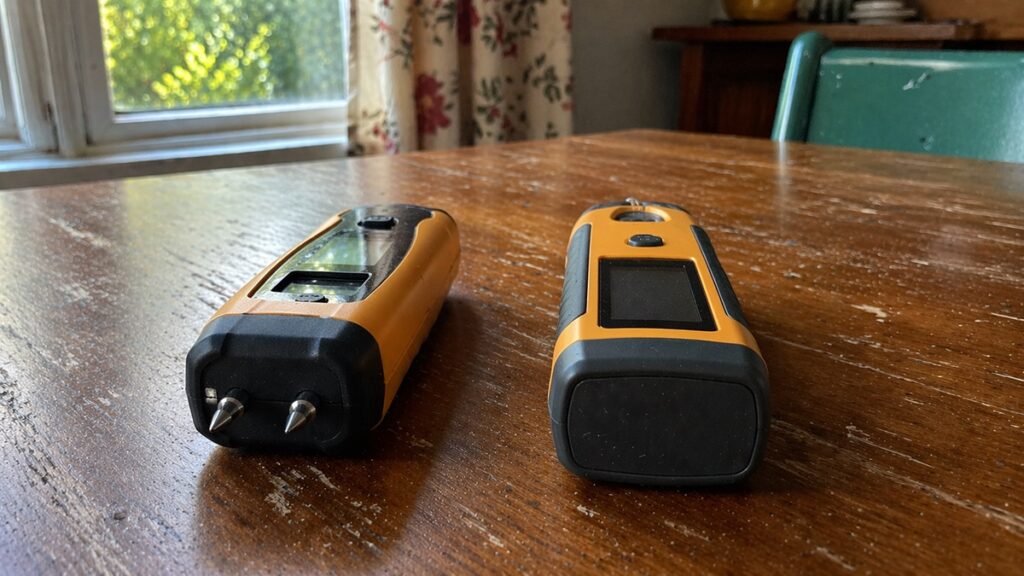
Understanding how a pin vs pinless moisture meter works helps homeowners choose tools that match their inspection needs.
One of the most important decisions when selecting a moisture meter is whether to choose a pin meter or a pinless meter. Each type has strengths, and many homeowners benefit from understanding how they work before making a purchase.
Pin Moisture Meters
Pin meters use two small metal probes that penetrate the surface of the material being tested. These probes measure moisture by detecting electrical resistance inside the material. Because they make direct contact, they often provide more precise readings at specific points.
Advantages of Pin Meters
- More precise spot-checking of moisture levels
- Better confirmation of moisture inside wood or drywall
- Useful for tracking drying progress
- Often preferred for detailed inspections
Disadvantages of Pin Meters
- Leaves small holes in tested materials
- Slower when testing large areas
- Requires physical access to the material
When a Pin Meter Is the Right Choice
- Confirming suspected wet areas
- Testing wood framing or subfloors
- Checking moisture levels during repairs
- Monitoring drying progress after leaks
Pinless Moisture Meters
Pinless moisture meters use electromagnetic scanning technology to detect moisture beneath the surface without penetrating the material. This allows you to scan walls, ceilings, and floors quickly without causing damage.
Because they don’t leave marks behind, pinless meters are especially helpful in finished areas where appearance matters.
Advantages of Pinless Meters
- No holes or surface damage
- Fast scanning across wide areas
- Ideal for finished walls and ceilings
- Easier for beginners to use
Disadvantages of Pinless Meters
- Less precise than pin meters for spot confirmation
- Limited depth compared to direct probe readings
- May require follow-up testing
When a Pinless Meter Is the Right Choice
- Scanning large wall sections quickly
- Checking finished drywall or ceilings
- Investigating musty odors
- Performing routine moisture inspections
Combination (Pin + Pinless) Meters
Combination meters combine both scanning and probing capabilities in one device. These tools allow you to scan large areas first and then confirm moisture levels using pins in targeted locations.
While these models are typically more advanced, they offer greater flexibility for users dealing with ongoing or complex moisture issues.
Advantages of Combination Meters
- Broad scanning plus precise confirmation
- Useful for detailed inspections
- Reduces the need to own two separate meters
- Common in professional inspections
Disadvantages of Combination Meters
- More complex to operate
- Often more expensive than basic models
When a Combination Meter Makes Sense
- Recurring moisture problems
- Major leak investigations
- Advanced home inspections
- Professional or frequent use
How to Choose the Right Moisture Meter for Your Situation
Beyond selecting pin or pinless technology, several other factors influence how useful a moisture meter will be in real-world conditions. These considerations help ensure you select a meter that matches your specific moisture concerns.
1. Consider the Type of Moisture Problem
Different moisture issues require different approaches. For example, locating moisture behind drywall may require fast scanning, while checking wet wood framing requires more precise testing.
- Suspected wall leaks: Pinless meter recommended
- Wood damage or rot concerns: Pin meter recommended
- Recurring moisture problems: Combination meter recommended
2. Think About the Size of the Area You’ll Test
The size of the area you plan to inspect makes a big difference in how convenient a moisture meter will feel during use.
- Large areas: Pinless meters scan faster
- Small target areas: Pin meters provide precision
- Mixed situations: Combination meters offer flexibility
3. Look for Clear Displays and Easy Controls
When you’re inspecting moisture-prone areas like crawl spaces, basements, or behind appliances, readability matters. A clear display helps you interpret readings quickly without confusion.
Features to look for include:
- Backlit display
- Easy-to-read indicators
- Simple button layout
- Readable measurement scale
4. Choose a Durable Build
Moisture inspections often happen in dusty, damp, or tight areas. A well-built meter lasts longer and handles repeated inspections better.
- Protective casing improves durability
- Quality probe pins extend lifespan
- Solid construction prevents early wear
How to Use a Moisture Meter Correctly
Even the best moisture meter will produce unreliable results if used incorrectly. Proper testing technique helps ensure accurate readings and better decision-making.
Start With a Visual Inspection
Before using a moisture meter, look for visible warning signs such as:
- Discoloration on walls or ceilings
- Bubbling paint
- Warped flooring
- Musty odors
These signs help you identify areas that should be tested first. For example, a small brown stain near the corner of a ceiling often points to a slow roof leak that may still be active.
A reliable moisture meter for drywall is especially helpful when stains or bubbling paint appear on finished wall surfaces.
Scan Large Areas First
If you’re using a pinless meter, scan broad sections of the wall or floor before focusing on specific points. Move slowly across the surface to identify elevated moisture zones. This method helps you detect hidden water leaks before opening walls or removing flooring unnecessarily.
Mark suspicious areas with tape or pencil to help guide further testing.
Confirm With Pin Testing When Needed
If elevated moisture is detected, use a pin meter to confirm readings at specific points. This combination approach improves accuracy and helps prevent unnecessary repairs.
Compare Readings With Dry Areas
Always measure a known dry section of material for comparison. This creates a baseline reading that helps identify abnormal moisture levels. Professional inspectors often take readings from several known dry areas to build a more reliable baseline.
Common Mistakes to Avoid When Using Moisture Meters
Many inaccurate readings come from simple user mistakes rather than equipment problems. Avoiding these common errors improves your results significantly.
Testing Only One Spot
Moisture rarely spreads evenly. Testing only one location can give a misleading result. Always test multiple points in a grid pattern around suspicious areas. Moisture often spreads along framing or insulation, so testing only one point can give a false sense of security.
Ignoring Material Type
Different materials hold moisture differently. Wood, drywall, and masonry require slightly different testing approaches.
Whenever possible:
- Use correct settings for material type
- Compare readings within similar materials
- Avoid comparing wood readings to drywall readings directly
Moving the Meter Too Quickly
Fast movement can cause missed readings. Move slowly across surfaces, especially when scanning large areas.
Testing Wet Surfaces Directly
Standing water can distort readings. Always wipe surfaces dry before testing when possible. Always shut off nearby electrical circuits before testing areas that may be heavily saturated with water.
Ignoring Repeated Measurements
Moisture levels change over time. Repeat measurements periodically to track drying progress and confirm whether problems are improving or worsening.
Frequently Asked Questions About Moisture Meters and Hidden Water Damage
What moisture level indicates possible water damage?
Moisture levels vary depending on the material being tested, but in general, readings significantly higher than nearby dry areas may indicate a moisture problem.
Typical reference points include:
Drywall: Often considered dry below roughly 1%–2% moisture content
Wood: Typically dry between 6%–12% moisture content
Elevated readings: Anything well above normal levels may indicate moisture intrusion
Rather than relying on one number alone, compare readings across multiple locations. A sudden increase compared to surrounding areas often signals hidden water damage. Many professionals use moisture meters to compare readings across multiple surfaces, which helps confirm whether water damage is localized or spreading behind walls or flooring.
Can a moisture meter detect mold?
Moisture meters do not detect mold directly, but they are extremely helpful for identifying conditions where mold is likely to grow. Mold typically develops in areas with ongoing moisture, so detecting elevated moisture levels helps you find potential mold risks early.
This is why moisture meters are commonly used during mold inspections to locate damp materials before visible mold appears. If you find consistently high moisture readings, especially in enclosed spaces, it may be worth investigating further or consulting a professional.
Where should I check first when looking for hidden moisture?
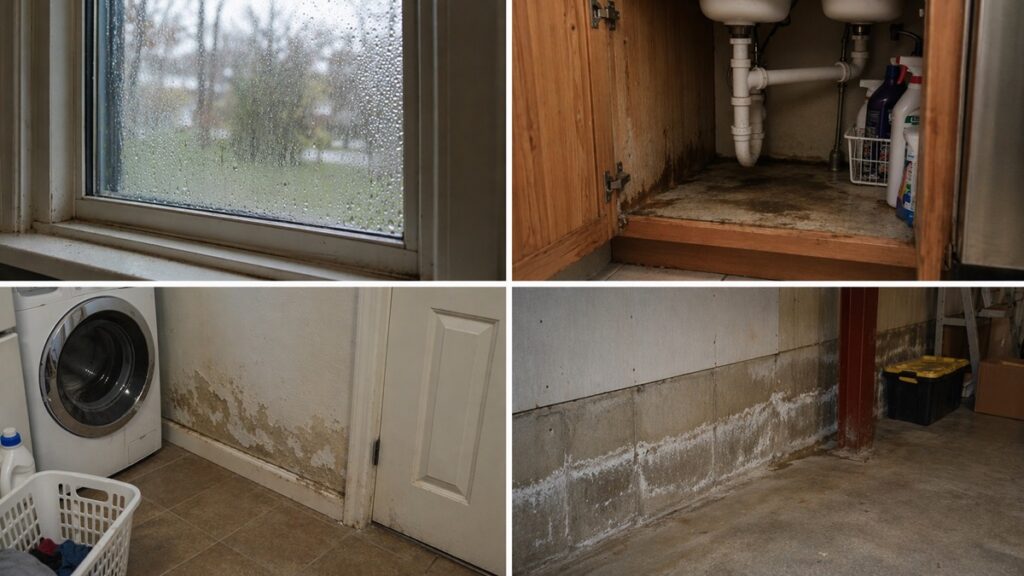
Some areas of the home are more prone to hidden moisture problems than others. These areas are often the first places where hidden water damage begins to develop. Start with locations that commonly experience leaks or condensation.
-Around windows and doors
-Under sinks and near plumbing
-Behind appliances such as washing machines
-Basement walls and floors
-Around roof penetrations or ceilings below bathrooms
-Near water heaters
These locations often reveal early signs of moisture problems before major damage occurs.
How often should I check for moisture in my home?
Routine moisture checks can prevent costly repairs. For most homes, seasonal inspections are usually sufficient, especially during periods when moisture problems are more likely.
Good times to check include:
-After heavy rainfall
-Following plumbing leaks
-During humid seasons
-After roof repairs
-When investigating musty smells
Regular monitoring helps identify slow leaks before they become major structural issues. Even small leaks that go unnoticed for months ca
Do I need both a pin and pinless moisture meter?
Not always. Many homeowners start with one type depending on their needs.
In general:
Pinless meters are best for scanning large areas quickly
Pin meters are best for confirming moisture at specific points
Combination meters are useful when dealing with repeated or complex moisture problems. Many homeowners prefer combination meters because they allow quick scanning with a pinless sensor and precise confirmation using pins.
If you frequently inspect your home or suspect recurring moisture issues, a dual-function meter may provide greater flexibility.
Can moisture meters be used on floors?
Yes, moisture meters are commonly used on flooring materials such as wood, laminate, and subfloors. They can help detect hidden moisture caused by plumbing leaks, foundation issues, or spills that have soaked into materials.
When testing floors:
-Test multiple points across the surface
-Focus on areas near plumbing fixtures
-Compare readings between suspected wet areas and known dry areas
Consistent high readings in flooring materials may indicate hidden water damage below the surface. This is especially important after plumbing leaks or appliance failures, where water may travel beneath flooring materials.
Are moisture meters useful after a leak repair?
Yes, moisture meters are very effective after repairs to confirm that materials are drying properly. Even after visible water is removed, moisture can remain trapped inside walls, floors, or insulation.
Regular testing helps verify that:
-Moisture levels are decreasing over time
-Materials are drying evenly
-No hidden moisture pockets remain
This is especially important in preventing mold growth and long-term structural damage. Many restoration professionals continue testing materials for several days after repairs to confirm that moisture levels return to normal.
What moisture meter reading is considered too high?
Moisture readings that are significantly higher than surrounding dry materials may indicate a moisture problem, even if the exact percentage varies by material.
In general:
-Drywall readings above normal background levels may suggest water intrusion
-Wood readings above 15%–17% moisture content often indicate excess moisture
-Consistently elevated readings in the same area usually signal hidden water damage
Rather than relying on one number alone, compare readings across multiple locations to identify unusual moisture patterns.
How accurate are home moisture meters?
Most quality home moisture meters provide reliable readings when used correctly. Accuracy depends on selecting the correct material setting and comparing readings across multiple locations.
While consumer moisture meters are not identical to professional-grade equipment, they are highly effective for detecting hidden moisture problems early.
Final Thoughts: Choosing the Best Moisture Meter for Your Home
Hidden moisture problems can lead to expensive repairs if they go undetected. Having the right moisture meter allows you to identify damp areas early and make better decisions about repairs, maintenance, and prevention.
For most homeowners, a pinless moisture meter is a practical starting point because it allows fast, non-destructive scanning of large areas. Tools like the Klein Tools ET140 or General Tools MMD7NP are strong everyday options for detecting suspicious moisture zones.
If you need more precise confirmation, pin meters such as the Calculated Industries AccuMASTER XT or Tavool MT270 provide targeted readings that help verify whether materials are truly wet.
For advanced inspections or recurring moisture problems, combination meters like the Protimeter SurveyMaster provide broader diagnostic capability by combining scanning and direct testing in one device.
Ultimately, the best moisture meter for detecting hidden water damage is the one that fits your specific situation, inspection needs, and comfort level. By using one of the recommended tools in this guide, you can monitor moisture more effectively and protect your home from long-term damage.
11 Comments
Comments are closed.