Why Chimney Leaks Often Go Undetected
Chimney leaks often go undetected because the first water entry point is usually hidden above the roofline or inside the chimney system. A chimney may look fine from the ground while small gaps in the flashing, crown, mortar joints, or masonry allow water to enter during certain storms. By the time a homeowner sees a ceiling stain, attic discoloration, or musty odor, the leak may have already been active for weeks or months.
This delayed discovery is one reason chimney leaks are so frustrating. They do not always show up every time it rains. They may appear only during wind-driven rain, long storms, snowmelt, or weather coming from one direction. Water can also travel through attic materials before it becomes visible inside the home, which makes the original source harder to identify.
Chimneys are one of the places where water enters homes through structural gaps because they interrupt the roof system and expose masonry, flashing, roof decking, and interior framing to the same moisture pathway. When that pathway is small, intermittent, or hidden, the leak can remain unnoticed until damage appears elsewhere.
Why Chimney Leaks Are Easy to Miss
Chimney leaks are easy to miss because many of the most important leak points are not visible from the living space. The crown is at the top of the chimney. Flashing is partly hidden by shingles, counterflashing, and roof angles. Mortar defects may be small or located on the back side of the chimney. Water may enter through a narrow gap that is not obvious unless the chimney is inspected closely.
Early chimney leaks are also often small. A small leak may not drip into the room right away. Instead, it may dampen attic insulation, stain roof sheathing, wet the backside of drywall, or follow framing before it becomes visible. These hidden materials can absorb or redirect water, delaying the first obvious symptom.
Another reason leaks go undetected is that masonry can hold moisture. Brick and mortar may absorb rain and release it slowly. A chimney might look only slightly damp after a storm, while moisture is still moving through the masonry or affecting nearby materials. That slow behavior can make the problem seem less urgent than it really is.
Homeowners may also assume that a dry stain means the problem is over. In reality, many chimney leaks dry between storms and return later. A stain that is dry today can darken after the next wind-driven rain. This is why hidden chimney leaks should be evaluated as part of the home’s hidden-moisture pattern, not dismissed as an old cosmetic mark. If the evidence is not limited to the chimney area, use a broader guide to find hidden moisture in different areas of your home.
The Chimney Can Look Fine From the Ground
A chimney can look solid from the ground and still leak. Ground-level inspection is limited because the most vulnerable areas are often above, behind, or beside the visible face of the chimney. A homeowner may see straight brick walls and assume the chimney is sound while the actual problem is hidden at the roofline or crown.
Flashing problems are a common example. The flashing may be loose, rusted, lifted, poorly sealed, or separated in a place that cannot be seen clearly from below. A small opening at the roof-to-chimney joint can admit water during certain storms even if the chimney brick looks normal. If the leak seems to begin near the roofline, compare the situation with the signs of chimney flashing failure.
The chimney crown is another area that can hide damage. The crown sits on top of the chimney and is meant to shed water away from the flue and masonry. Cracks, separation, poor slope, or surface deterioration may not be visible from the yard. Water can enter from above while the sides of the chimney still look intact. If top-entry leakage is possible, review the signs of chimney crown damage before assuming the leak is only a roof problem.
Mortar defects can also be subtle from the ground. Small cracks, recessed joints, powdery mortar, or gaps on the upper or rear side of the chimney may not stand out until water has already entered. A chimney does not need a large missing section to leak. A series of small openings can admit enough water over time to create hidden dampness in the attic or ceiling system.
This is why a normal-looking chimney should not automatically rule out a leak. The question is not only whether the chimney looks damaged from the ground. The better question is whether the chimney, flashing, crown, and attic area show moisture evidence after rain.
Chimney Leaks Often Happen Only During Certain Weather
One reason chimney leaks go undetected is that they may not happen during every rain. A chimney can stay dry during light rain and leak only when wind, storm duration, snowmelt, or rain direction matches the weak point in the chimney system.
Wind-driven rain is especially important. Rain that falls straight down may not enter a small flashing gap or mortar defect, but wind can push water sideways against the chimney. That pressure can force water into openings that would not leak during a gentle shower.
Long storms can also reveal hidden leaks. Porous brick and weathered mortar may absorb water slowly. A short rain may not saturate the masonry enough to cause visible symptoms, but several hours of rain can create enough moisture for dampness to reach attic or ceiling materials.
Snowmelt and freeze-thaw conditions can create another delayed pattern. Snow may collect around the chimney or on nearby roof areas, then melt slowly and feed water into weak points. Freezing and thawing can also widen small masonry defects over time, making a previously minor leak more noticeable later.
This weather-dependent pattern is why homeowners sometimes think the leak has stopped. The ceiling may stay dry through several rains and then stain again during one hard storm because the right conditions finally exposed the same weak point.
Water Can Travel Before It Becomes Visible
Chimney leak water often travels before it becomes visible. Once water gets past the exterior chimney or roof transition, it can follow roof sheathing, rafters, trusses, insulation, or chimney chase materials. The first visible stain may appear away from the exact entry point.
This hidden movement makes chimney leaks hard to trace. A stain beside the chimney may still come from the chimney. A ceiling stain a few feet away may be caused by water that entered at the flashing and followed framing before dripping. A musty smell near the fireplace may come from damp materials inside the chase or attic, not from the visible fireplace surface.
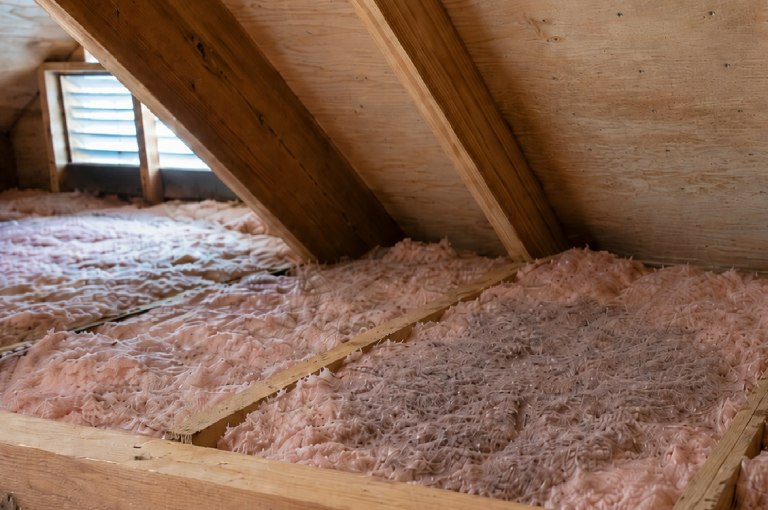
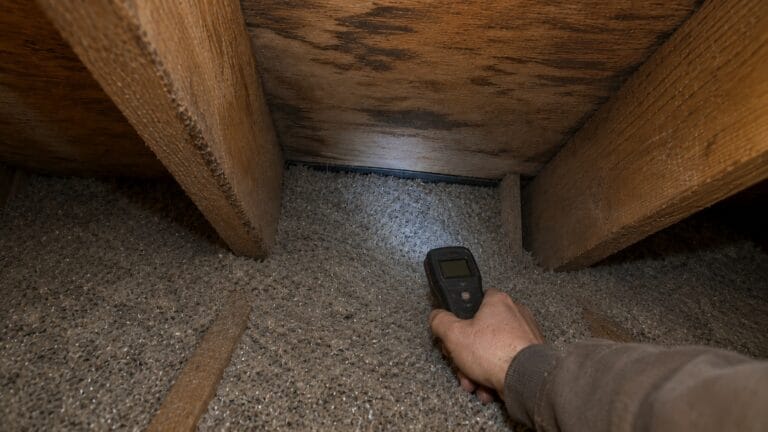
Attic materials often reveal the path more clearly than the finished room below. Wet insulation, water trails, stained wood, rusted nails, or darkened sheathing near the chimney can show where the moisture has been traveling. If you suspect this kind of hidden path, the guide on how to check for chimney water intrusion in attics gives a more focused way to evaluate the attic side safely.
Ceiling stains often appear late in this process. By the time the finished ceiling shows a brown ring, bubbling paint, or peeling texture, water may have already touched hidden materials above it. The article on hidden chimney leaks that cause ceiling damage explains why the visible stain is often downstream from the original leak point.
Early Signs Are Easy to Misread
Early chimney leak signs are easy to misread because they do not always look like an active leak. A faint ceiling stain may look old. A small attic stain may look like dust. A musty smell may be blamed on the fireplace. Damp brick may seem normal after rain. These assumptions can allow a hidden leak to continue.
One subtle sign is a stain that changes after storms. If a ceiling or attic stain darkens after rain, grows slowly, or returns after repainting, the moisture source may still be active. A stain that looks dry during calm weather can still be part of an intermittent leak pattern.
A musty odor after rain is another warning sign. Odor does not prove mold by itself, but it may indicate hidden dampness near insulation, wood, drywall, or the chimney chase. If the smell appears mostly after wet weather, the chimney area deserves closer inspection.
Darkened attic wood near the chimney can also be misread. Some dark marks may be old staining, dust, or discoloration, but staining that follows a water path, appears below the chimney area, sits near flashing, or darkens after storms should not be ignored. The key is whether the pattern suggests water movement rather than random discoloration.
Masonry clues can be subtle too. White powdery deposits, damp-looking brick, recessed mortar, or small cracks may not seem serious from the ground. But those clues can point to slow water movement through the chimney. If the joints are deteriorated, the signs that chimney mortar is allowing water in can help identify when masonry is part of the hidden leak path.
The main point is that early chimney leaks rarely announce themselves clearly. They often appear as small, confusing clues. Those clues become more useful when you connect them to rain timing, attic evidence, and chimney condition instead of judging each sign by itself.
Why Chimney Leaks Are Often Misdiagnosed
Chimney leaks are often misdiagnosed because they can look like several other moisture problems. From inside the home, a chimney leak may look like an ordinary roof leak, an old ceiling stain, condensation, fireplace moisture, or a cosmetic drywall issue. The visible symptom is often too limited to identify the source by itself.
One common mistake is assuming the problem is only damaged shingles. Roof materials can certainly leak near a chimney, but the chimney area includes more than shingles. Flashing, counterflashing, mortar joints, crown details, masonry absorption, and nearby roof transitions can all contribute to the same interior stain.
Another mistake is assuming the stain is old because it is dry. Many chimney leaks dry between storms. A stain may feel dry for days or weeks, then darken again after wind-driven rain. If the stain returns or grows, it should be treated as possible active moisture, not simply old discoloration.
Chimney leaks can also be mistaken for condensation. Condensation can cause attic moisture, especially near cold roof areas, but a stain that tracks from the chimney area, darkens after rain, or appears after wind-driven storms should also be evaluated as a possible leak.
Fireplace-related assumptions can also delay diagnosis. Homeowners may blame odor or staining on soot, fireplace humidity, or normal chimney aging. Those may contribute to some conditions, but musty odor after rain, damp attic insulation, or recurring ceiling stains near the chimney should point the investigation toward exterior water entry.
For a broader comparison of visible chimney leak clues, use the guide on signs of water leaks around chimneys. This article focuses on why those clues are often missed or misunderstood before the source becomes obvious.
What to Check When You Suspect a Hidden Chimney Leak
When you suspect a hidden chimney leak, start with timing. Notice whether stains, odors, or dampness appear after rain, wind-driven storms, snowmelt, or long wet periods. Timing is often one of the best clues because hidden chimney leaks may dry between weather events.
Document visible changes. Take photos of ceiling stains, attic stains, damp insulation, exterior masonry, and any discoloration around the chimney. If a stain expands or darkens after a storm, that record can help show whether the leak is active.
Check the attic side only if it is safe to access, visibility is good, and you can stay on proper framing or walk boards. Look for water trails, wet or compressed insulation, dark roof sheathing, stained rafters, rusted nail tips, and dampness around the chimney chase. Do not step on ceiling drywall or enter unsafe attic areas. The goal is to observe evidence, not perform risky demolition.
Look at the chimney exterior from the ground, but understand the limits of that view. You may notice damp brick, visible mortar gaps, missing cap components, staining, or obvious flashing problems. However, ground-level inspection may not show crown cracks, upper flashing gaps, or damage on the back side of the chimney.
If you can safely observe the chimney more closely, pay attention to flashing, crown condition, mortar joints, brick faces, and the roof materials around the chimney. Small defects matter because chimney leaks often begin as narrow water paths rather than large openings. Flashing usually points to the roof-to-chimney transition, crown damage points to the top of the chimney, and mortar or brick damage points to the masonry body.
When an Undetected Chimney Leak Becomes Serious
An undetected chimney leak becomes more serious when the signs repeat, spread, or affect materials that should stay dry. A small dry stain may not mean major damage, but a stain that grows after storms or returns after repainting suggests the leak is still active.
Wet insulation near the chimney is a stronger warning sign. Insulation can hold moisture against wood and drywall, slowing drying and increasing the chance of mold or material deterioration. If insulation remains damp after the weather clears, the leak should be investigated promptly.
Musty odor after rain also deserves attention. Odor may suggest hidden dampness in insulation, drywall, attic dust, wood, or chimney chase materials. If the odor keeps returning after storms, the moisture source is likely still present. The guide on how chimney leaks lead to mold growth explains why recurring dampness near chimneys can become a mold concern.
Attic staining can also indicate a longer moisture history. Dark roof sheathing, stained rafters, rusted nails, or water trails near the chimney may show that the leak has been active before the room below showed clear symptoms. If attic materials are involved, review how chimney leaks damage attic structures so you understand why hidden attic moisture should not be dismissed.
Soft drywall, sagging ceiling areas, active dripping, spreading stains, electrical fixtures near wet areas, or visible mold-like growth mean the problem has moved beyond a subtle clue. At that point, the leak source should be found and corrected before cosmetic repairs are attempted, and unsafe wet ceiling areas should be avoided.
When a Hidden Chimney Leak Needs Professional Inspection
A suspected chimney leak needs professional inspection when stains return after storms, attic materials are wet, insulation stays damp, drywall softens, or the source cannot be confirmed from safe viewing areas. Hidden chimney leaks can be difficult to trace because the exterior opening may be above the roofline while the visible damage appears somewhere else.
A roofing contractor is usually the right starting point when flashing, shingles, underlayment, or the roof-to-chimney transition may be involved. A chimney mason may be needed when the crown, mortar joints, brick faces, cap, or masonry body appears damaged. If water has affected insulation, drywall, attic materials, or mold-like growth, a qualified water damage or mold professional may also be needed after the leak source is corrected.
FAQs About Undetected Chimney Leaks
Why are chimney leaks so hard to find?
Chimney leaks are hard to find because the source may be hidden at the crown, flashing, mortar joints, roofline, or back side of the chimney. Water can also travel through attic or ceiling materials before becoming visible indoors.
Can a chimney leak only happen during heavy rain?
Yes. Some chimney leaks only appear during heavy rain, wind-driven rain, snowmelt, long storms, or weather from a specific direction. A chimney may stay dry during light rain and leak during stronger weather conditions.
Can a chimney look fine and still leak?
Yes. A chimney can look fine from the ground while small flashing gaps, crown cracks, upper mortar defects, or hidden backside damage allow water in. The most important leak points are often difficult to see without closer inspection.
Why does the ceiling stain appear away from the chimney?
Water can travel along roof sheathing, rafters, insulation, or chimney chase materials before dripping onto the ceiling. This can make the stain appear beside, downhill from, or several feet away from the original chimney leak point.
How do I know if a chimney leak is old or active?
An active chimney leak may darken after rain, grow over time, feel damp, smell musty, or return after being painted over. Dated photos after storms can help you see whether the stain is changing.
What attic clues point to a hidden chimney leak?
Water trails, damp insulation, stained framing, rusted nail tips, or darkened sheathing near the chimney can point to a hidden chimney leak before the room below shows major damage. Check only from safe attic access areas.
What Undetected Chimney Leaks Usually Have in Common
- Chimney leaks often go undetected because the source is hidden above the roofline or behind flashing, masonry, or attic materials.
- A chimney can look fine from the ground and still leak during wind-driven rain, heavy rain, snowmelt, or storms from certain directions.
- Water may travel through sheathing, rafters, insulation, or chimney chase materials before staining the ceiling.
- Faint stains, musty odor, damp insulation, dark attic wood, and recurring discoloration should not be dismissed as cosmetic issues.
- Hidden chimney leaks are often misdiagnosed as ordinary roof leaks, old stains, condensation, or fireplace odor.
- Professional inspection is wise when leaks recur, attic materials are wet, ceiling damage spreads, or the source is not obvious.