Seek Thermal Compact Camera Review: Is It Worth It for Moisture Detection?
The Seek Thermal Compact Camera is a phone-connected thermal imaging tool for homeowners who want a more affordable way to scan suspicious walls, ceilings, floors, windows, and baseboards for temperature patterns. It is not a moisture meter, and it should not be treated as proof that a wall is wet. Its real value is helping you see where one surface behaves differently from the surrounding area, so you know where to inspect more closely.
That makes it useful for homeowners who are trying to find hidden moisture in different areas of the home without immediately opening walls or guessing where to start. If the camera shows a suspicious thermal pattern, the next step is to confirm it with a moisture meter, visual inspection, or professional help when the signs point to a real problem.
Disclosure: This article may contain affiliate links. If you buy through these links, we may earn a commission at no extra cost to you.
Seek Thermal Compact Quick Verdict for Moisture Checks
- Best for: Budget-conscious homeowners who want a compact thermal inspection aid for checking suspicious areas.
- Not ideal for: Confirming exact moisture levels, proving hidden mold, or creating professional inspection reports.
- Main strength: It gives homeowners a portable way to scan for temperature anomalies that may point to moisture, insulation gaps, air leaks, or HVAC-related issues.
- Main limitation: It does not directly measure moisture and depends on phone compatibility.
- Bottom line: The Seek Thermal Compact is best used as an early screening tool, not as the final answer. It can help you decide where to investigate next, but suspicious areas should still be confirmed with a moisture meter or a deeper inspection.
See Seek Thermal options on Amazon
Seek Thermal Compact Camera Overview
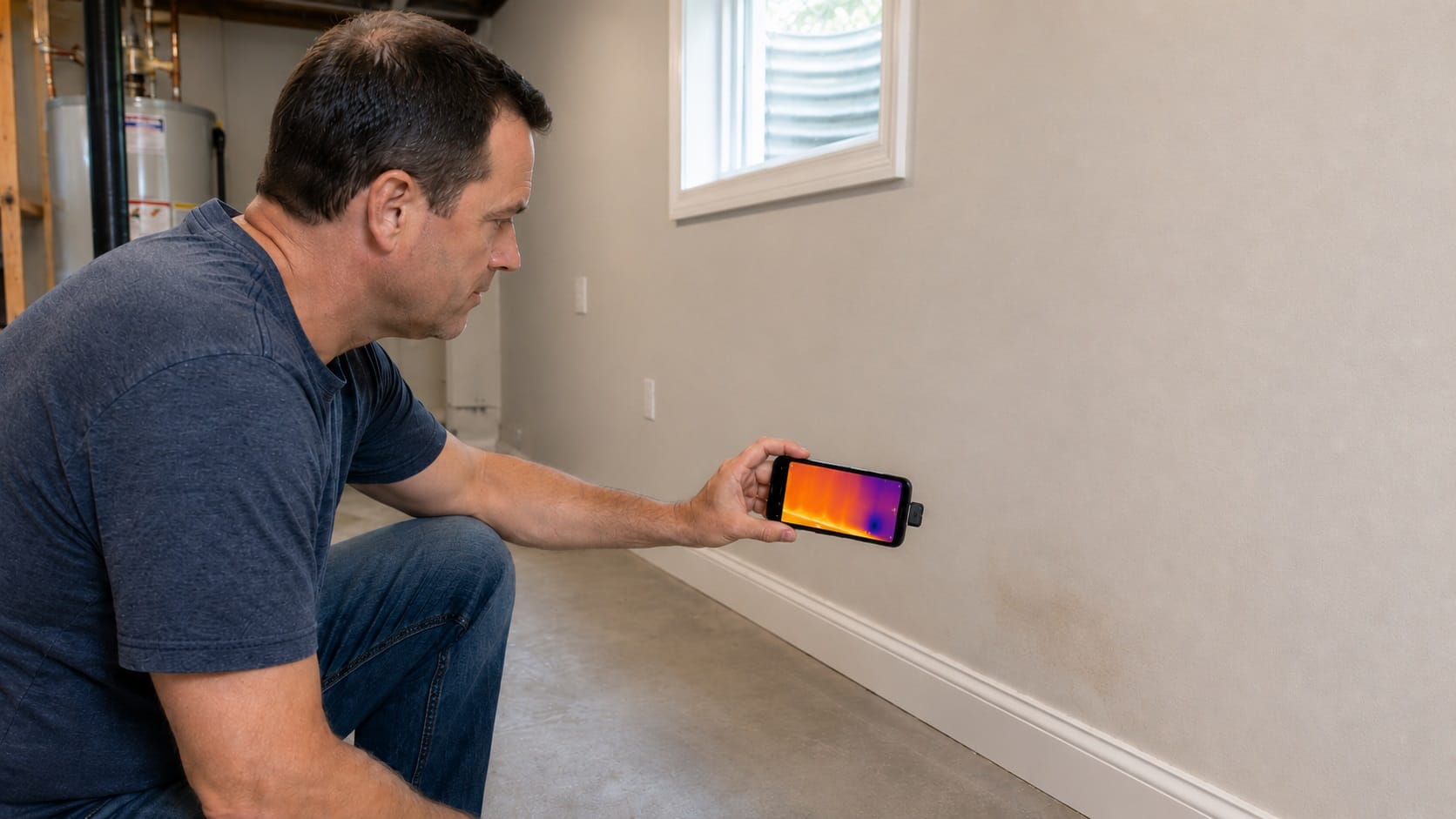
The Seek Thermal Compact is a small thermal imaging camera that connects to a compatible smartphone and uses the phone as its display. Instead of carrying a separate handheld camera, you plug the thermal module into the phone and view the image through the Seek Thermal app.
For moisture-related inspections, the camera’s job is to show temperature differences across surfaces. Damp drywall, flooring, trim, or ceiling material may cool or heat differently from nearby dry material, especially when evaporation, airflow, insulation gaps, or outdoor temperature differences are involved. That does not mean every cold spot is moisture, but it can give you a better place to start than a visual inspection alone.
Key verified specs include a 206 x 156 thermal sensor, adjustable focus, a 36-degree field of view, a detection range from -40°F to 626°F, app-based photo and video capture, smartphone-powered operation, spot and high-low temperature tools, threshold mode, and an included waterproof carrying case. The camera is compact enough for occasional homeowner use, but the exact connector version matters because different models are made for different phones.
Before ordering, check that the version you choose works with your phone model, connector type, operating system, and case setup. Since this review uses an Amazon search link rather than one fixed product listing, compare the current options carefully before buying. You can check current Seek Thermal availability on Amazon.
Seek Thermal Compact Specs That Matter for Moisture Checks
- Thermal sensor: 206 x 156, useful for broad homeowner scanning but not the same class as higher-end professional cameras.
- Field of view: 36 degrees, wide enough for scanning walls, floors, baseboards, and window areas at normal indoor distances.
- Focus: Adjustable focus, helpful when moving between close lower-wall checks and wider ceiling or wall scans.
- Temperature detection range: -40°F to 626°F, far beyond what is needed for normal home moisture checks.
- Temperature tools: Spot temperature, high-low temperature, and threshold mode can help you compare suspicious areas, but they still do not confirm moisture content.
- Power: Powered by the smartphone, so there is no separate camera battery to charge.
- Best role: Finding suspicious temperature patterns, not confirming moisture content.
What the Seek Thermal Compact Shows During a Moisture Check
A thermal camera does not see water inside a wall. It sees infrared temperature patterns. That distinction matters because a wet area, an air leak, a missing insulation cavity, a shaded wall, a recently cooled HVAC zone, or a sun-warmed exterior surface can all create unusual thermal readings.
In practical use, the Seek Thermal Compact is most helpful when a thermal pattern matches the home’s moisture history. A cooler lower-wall area after a small leak, an unusual ceiling patch below a bathroom, or a repeated thermal pattern around a window can all point to places worth checking more closely.
Thermal imaging is strongest as a first-pass inspection method. It can help you detect moisture without opening walls, but it should not be the only tool you trust. A thermal image can show where something looks different; it cannot tell you by itself whether the material is wet, how wet it is, how long it has been wet, or whether mold is growing behind the surface.
For the best results, compare suspicious areas with nearby surfaces that appear normal, then recheck the same area after conditions change. A consistent lower-wall pattern after a plumbing leak matters more than a random small color shift that disappears after the HVAC shuts off or sunlight moves away.
Seek Thermal Compact Features That Matter for Moisture Screening
206 x 156 Thermal Sensor
The 206 x 156 thermal sensor gives the Seek Thermal Compact enough detail for basic homeowner scanning. It is not in the same category as higher-end professional thermal cameras, but it is usable for spotting broad surface patterns around walls, ceilings, floors, windows, and HVAC areas.
Adjustable Focus
Adjustable focus is useful because home inspection distances vary. You may check a lower wall near a baseboard, then scan a ceiling, window area, or wider basement wall. Focusing the image can make thermal patterns easier to interpret, but it does not remove the need to account for sunlight, airflow, outdoor temperature, and reflective materials.
Smartphone-Powered Design
The Seek Thermal Compact draws power from the phone, so there is no separate battery to charge. That keeps the device small and easy to store, but it also means the camera depends on your phone battery, connector, app support, and compatibility.
App-Based Photo and Video Capture
The compatible Seek Thermal app can save thermal images and videos to the phone, which is useful for documenting a suspicious pattern before checking it again later or showing it to a contractor. A saved thermal image does not prove water damage, but it can help organize what you observed.
Waterproof Carrying Case
The included waterproof carrying case helps protect the small plug-in camera during storage. It does not mean the phone or camera should be used carelessly around dripping water, wet floors, or unsafe electrical conditions.
Real-World Performance for Walls, Ceilings, Floors, and Windows
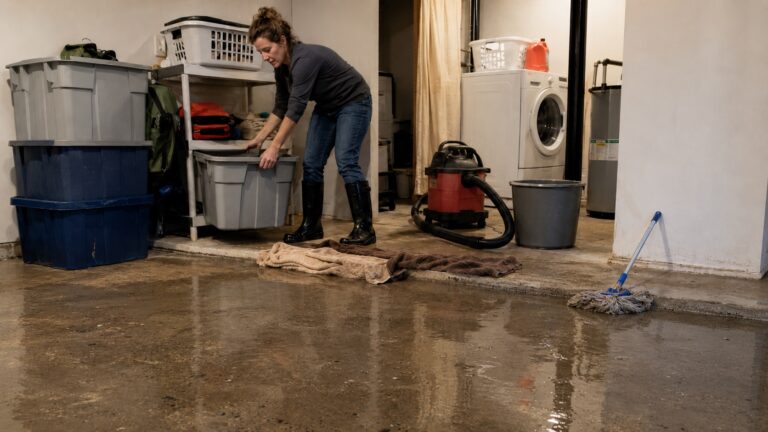
In real home use, the Seek Thermal Compact is most helpful when you already have a reason to suspect moisture. It works best with context: a recent leak, a musty smell, a stain, swollen trim, damp flooring, recurring condensation, or one room that behaves differently from the rest of the house.
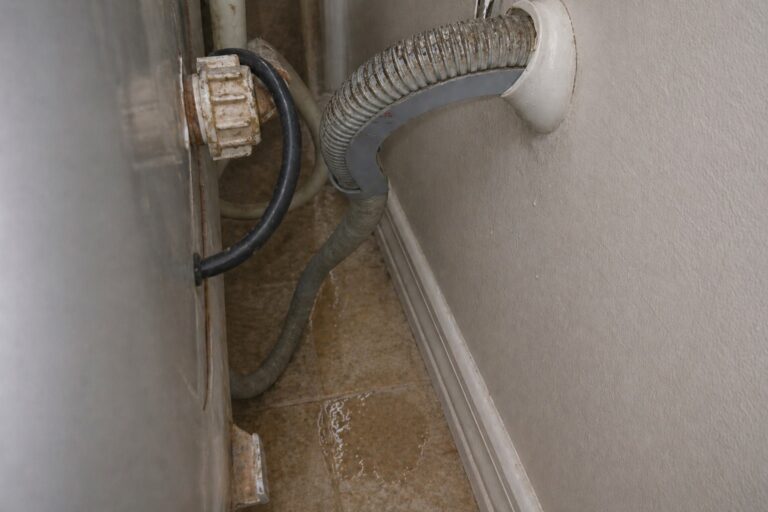
On walls, it can help you scan lower drywall, baseboards, plumbing routes, window corners, and exterior wall sections. On ceilings, it can help you look for irregular thermal patches below bathrooms, roof areas, or attic moisture concerns. On floors, it may help identify areas that deserve inspection after a dishwasher, refrigerator water line, washing machine, or sink leak.
The most useful findings are patterns that match the situation. A lower-wall anomaly after a plumbing leak deserves more attention than a random small color change. A repeated cold pattern at several window corners in winter may point more toward condensation or air leakage than hidden plumbing, while a ceiling pattern below a bathroom or roof area deserves closer moisture confirmation.
Where the Seek Thermal Compact Helps Most
The Seek Thermal Compact helps most as an early investigation tool after a minor leak, recurring condensation problem, window concern, damp basement clue, or unexplained wall or floor pattern. It can help you decide whether an area deserves a moisture meter reading, closer visual inspection, or professional evaluation.
It is also useful for comparing one area against another. If one section of basement wall looks suspicious, scan it and then scan a similar dry-looking section nearby. If the suspicious area behaves differently, you have a stronger reason to investigate.
The camera also has side benefits beyond moisture. It may help reveal insulation gaps, air leaks, HVAC temperature differences, and other building-envelope issues that can contribute to condensation and long-term moisture problems.
Where the Seek Thermal Compact Is Not Enough
The biggest limitation is that the Seek Thermal Compact does not measure moisture content. It cannot tell you that drywall is at a specific moisture percentage, and it cannot tell you whether wood is above a safe moisture threshold. If you need confirmation, you still need a moisture meter and a basic understanding of moisture levels that indicate water damage.
It also cannot tell you why a surface is warmer or cooler. Air leaks, missing insulation, HVAC airflow, sunlight, and exterior temperature changes can all create patterns that look suspicious at first glance.
Phone compatibility is another major limitation. Because this is a phone-connected device, the right connector and supported device list matter. Homeowners should verify compatibility before buying and should not assume that every Seek Thermal Compact variation works with every phone.
Finally, this is not the best choice for users who need high-resolution inspection images, professional reports, or a standalone tool with its own display. It is also not a safe way to investigate active leaks near electrical outlets, wet floors, or damaged ceilings. It is better understood as a compact, homeowner-friendly screening camera than a full professional diagnostic system.
Who the Seek Thermal Compact Is Best For
The best buyer is a homeowner who wants a compact, affordable thermal scanning tool for occasional moisture checks. It is especially useful if you want to check suspicious areas before deciding whether to use a moisture meter, remove trim, open a wall, or call a contractor.
This camera fits homeowners dealing with possible hidden moisture but not yet knowing where to focus. A minor plumbing leak, roof drip, damp basement wall, window leak concern, or floor area that changed after an appliance leak are all realistic use cases.
It also makes sense for people who want one small tool for several inspection tasks. Besides possible moisture checks, it may help reveal insulation gaps, cold drafts, HVAC temperature differences, and other thermal patterns that affect indoor moisture behavior.
If you understand that a thermal image is only a clue, not a final diagnosis, the Seek Thermal Compact can be a helpful addition to your inspection kit. You can view Seek Thermal cameras on Amazon and compare the current connector options before choosing a version.
When to Skip the Seek Thermal Compact
Skip the Seek Thermal Compact if you need confirmed moisture readings. It does not tell you the moisture percentage in drywall, wood, flooring, or trim. If your main question is whether a material is actually wet, a moisture meter is still the more direct tool.
It is also not the right choice if you need professional inspection reports, higher-resolution thermal images, or a dedicated device that does not depend on a phone. Contractors, remediation companies, home inspectors, and building consultants may need a more advanced thermal camera.
Phone compatibility is another reason to be cautious. If your phone is not supported, if the connector version is wrong, or if your case blocks the connection, the camera may not work for your setup.
You should also skip this camera if you expect it to prove mold behind walls. Thermal imaging can help identify suspicious moisture patterns, but it cannot identify mold growth behind drywall.
Seek Thermal Compact vs Moisture Meters and Other Thermal Cameras
Compared with a pinless moisture meter, the Seek Thermal Compact gives a wider visual overview but less direct confirmation. A pinless meter can scan a material surface for moisture-related readings, while the thermal camera shows temperature patterns that may or may not be caused by moisture. For hidden moisture checks, the two tools work best together.
Compared with a pin-type moisture meter, the Seek Thermal Compact is less invasive but also less specific. A pin-type meter can give a more direct reading inside the material, but it leaves small probe holes. The thermal camera does not puncture the surface, but it also cannot tell you the actual moisture content.
Compared with standalone thermal imagers, the Seek Thermal Compact is smaller and easier to store, but it depends on a phone. A standalone camera may be better for frequent inspections, contractor use, or users who want a dedicated screen and controls.
If you are still comparing categories, a broader guide to the best thermal imaging cameras for detecting moisture can help you decide whether a phone-connected model or a standalone camera makes more sense.
Seek Thermal Compact Camera FAQ
Can the Seek Thermal Compact detect moisture behind walls?
The Seek Thermal Compact can help identify temperature patterns that may point to hidden moisture, but it does not directly detect water inside a wall. A suspicious thermal pattern should be confirmed with a moisture meter, visual inspection, or professional evaluation.
Does the Seek Thermal Compact replace a moisture meter?
No. A thermal camera and a moisture meter do different jobs. The thermal camera helps you find suspicious areas. A moisture meter helps confirm whether a material may actually be wet.
Is the Seek Thermal Compact useful after a small leak?
It can be useful after a leak because it may help you find areas that are cooling, heating, or drying differently from nearby surfaces. It is best used as an early screening tool, not as the only way to decide whether water damage is present.
Does the Seek Thermal Compact work with every phone?
No. Compatibility depends on the exact camera version, phone model, connector type, operating system, and app support. Always check the current compatibility information before buying.
Is the Seek Thermal Compact better than a standalone thermal camera?
Not for every user. The Seek Thermal Compact is smaller and more convenient for occasional homeowner use, but a standalone thermal camera may be better for frequent inspections, higher-resolution imaging, and professional reporting.
Final Verdict: Is the Seek Thermal Compact Worth It for Home Moisture Checks?
The Seek Thermal Compact is worth considering if you want an affordable thermal scanning tool for early moisture investigation. It is best for homeowners who want to check suspicious walls, ceilings, floors, windows, baseboards, and HVAC-related areas before deciding where to inspect more closely.
Its value is helping you see temperature differences that may reveal where to use a moisture meter, inspect visually, or call for help. If a wall section, ceiling patch, floor area, or window corner behaves differently from nearby surfaces, that gives you a reason to follow up.
The biggest cautions are compatibility and interpretation. You need the right version for your phone, and you need to understand that air leaks, insulation gaps, sunlight, HVAC airflow, and outdoor temperatures can all affect what the camera shows.
For a homeowner who wants a low-cost way to find suspicious areas faster, the Seek Thermal Compact is worth considering. For someone who needs confirmed moisture percentages, professional-grade inspection reports, or final proof of hidden water damage, a moisture meter or higher-end inspection tool should come first.