
What Water Damage Insurance Typically Covers
Water damage insurance usually covers sudden and accidental water damage from a covered source, such as a burst pipe, broken appliance supply line, accidental plumbing overflow, or storm-created roof opening. It usually does not cover floodwater, groundwater seepage, long-term leaks, or moisture damage caused by poor maintenance.
The key issue is not just whether the home is wet. It is where the water came from, how suddenly the damage happened, and whether the policy excludes that source. A ceiling soaked by a burst pipe, a basement flooded by rising groundwater, a cabinet damaged by a slow drip, and a floor ruined by a broken washing machine hose may all look like water damage, but insurance may treat each situation differently.
Use this guide as a coverage overview, then confirm the details with your insurer, agent, or adjuster. Policy language, endorsements, deductibles, limits, and exclusions vary.
The Main Rule: Water Damage Coverage Depends on the Source
The most important question in a water damage claim is usually, “Where did the water come from?” Insurers evaluate the source before deciding whether cleanup, drying, repairs, or replacement are covered.
Sudden and accidental interior water damage is more likely to be covered. Gradual water damage, outside water, groundwater, seepage, flooding, and maintenance-related moisture problems are commonly excluded or limited.
For example, a pipe that suddenly bursts inside a wall may be treated very differently from a small pipe drip that continued for months. Both can leave stained drywall, swollen trim, wet insulation, or damaged flooring, but one may be sudden and accidental while the other may be considered gradual deterioration.
The same logic applies to basements. Water damage from an interior plumbing failure in a basement may be evaluated differently from water entering through foundation seepage, surface runoff, hydrostatic pressure, or floodwater. The location matters, but the water source matters more.
Understanding the source also helps prevent future damage. After the immediate claim issue is under control, the home still needs a long-term moisture plan. The guide to prevent recurring moisture damage after repairs explains why drying, repair, and source correction need to work together.
What Water Damage Insurance May Cover
When water damage is covered, the claim may include more than the visible wet spot. Depending on the policy and the adjuster’s findings, coverage may include emergency mitigation, drying, damaged material removal, repairs, personal property, and sometimes temporary living expenses.
Emergency water extraction
Emergency water extraction may be covered when standing water or soaked materials are part of a covered claim. This can include removing water from floors, carpets, basements, cabinets, or affected rooms so the damage does not continue spreading.
Water extraction is often a mitigation step. That means the goal is to reduce further damage, not simply to make the area look dry. Even after visible water is removed, moisture can remain in drywall, subflooring, insulation, trim, cabinets, and wall cavities.
Drying and dehumidification
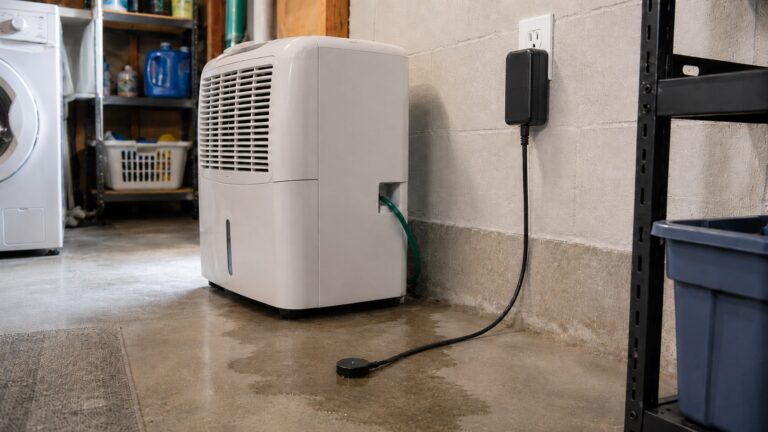
Drying and dehumidification may also be covered when they are reasonable and necessary for a covered water loss. Professional drying may involve air movers, dehumidifiers, moisture readings, drying logs, and repeated monitoring until affected materials reach acceptable moisture levels.
This step matters because water damage is not always visible after the surface looks dry. A wall can look normal while insulation or framing inside the cavity remains damp. Flooring can feel dry on top while moisture remains trapped underneath. If the affected materials are not dried properly, mold, swelling, odor, and structural deterioration can follow.
For source-control planning beyond the claim itself, it helps to understand how to find, fix, and prevent moisture problems throughout the home, especially after a water event that affected hidden materials.
Removal of damaged materials
Covered water damage may require tear-out of materials that cannot be dried, cleaned, or restored. This may include wet drywall, saturated insulation, carpet padding, damaged flooring, swollen baseboards, cabinet panels, ceiling materials, or other building components.
Removal decisions usually depend on the type of material, how long it stayed wet, whether contamination is present, and whether drying is realistic. Carpet padding, for example, is often harder to save than a nonporous surface. Drywall that has absorbed water may need to be cut out if it is soft, contaminated, moldy, or unable to dry properly.
Repairs to walls, floors, ceilings, and cabinets
If the water damage is covered, the policy may help pay to repair or replace damaged parts of the home. This can include drywall replacement, ceiling repair, flooring repair, trim replacement, cabinet repair, painting, and other restoration work within the approved claim scope.
Repair coverage is usually tied to the covered damage, not unrelated upgrades. If a broken pipe damages one section of flooring, the claim may focus on restoring the affected area according to the policy terms. Matching rules, depreciation, deductibles, and replacement-cost provisions can affect how repairs are valued.
Damaged personal property
Water damage insurance may also cover damaged belongings if the policy includes applicable personal property coverage and the loss is covered. This can include furniture, clothing, electronics, rugs, stored items, or other belongings damaged by the water event.
Personal property coverage may be handled differently from building repairs. Some policies pay actual cash value first, while replacement cost may depend on policy terms and proof of replacement. Homeowners should photograph damaged belongings, make an item list, and avoid throwing away items before the insurer has a chance to review them unless safety requires disposal.
Temporary living expenses in severe covered cases
If a covered water loss makes the home temporarily unlivable, additional living expense coverage may help with temporary housing or related costs. This usually applies only when the damage affects habitability, such as major flooding from a covered interior source, widespread demolition, unsafe conditions, or loss of essential rooms.
A small leak under a sink usually will not trigger the same living-expense issue as a major covered loss that affects several rooms. If the home cannot be used safely, ask the adjuster what additional living expense coverage requires before you book temporary housing.
Common Water Damage Scenarios That May Be Covered
These scenarios are commonly evaluated as potentially covered claims when the damage is sudden, accidental, and not excluded by the policy.
Burst pipes
A burst pipe is one of the most common examples of water damage that may be covered by homeowners insurance. If a pipe suddenly breaks and releases water into a wall, ceiling, floor, cabinet, or basement area, the resulting damage may be part of a covered claim.
Coverage may include water extraction, drying, removal of damaged materials, repairs to affected areas, and sometimes personal property damage. If mold develops from the same covered water event, mold-related costs may also be considered, although mold coverage often has its own limits.
The timing and cause still matter. A pipe that suddenly bursts is different from a pipe that slowly leaked for months. If the evidence shows long-term staining, repeated dampness, rot, or old damage, the insurer may question whether the loss was sudden.
Sudden appliance failures
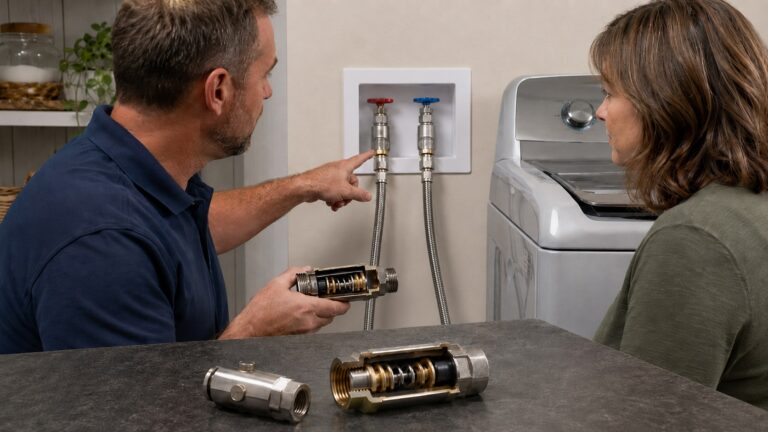
Water damage from a sudden appliance failure may also be covered. Examples include a washing machine hose that ruptures, a dishwasher supply line that breaks, a refrigerator water line that suddenly leaks, or a water heater that fails and releases water into nearby rooms.
Appliance leaks can damage flooring, subflooring, cabinets, baseboards, drywall, and nearby personal property. Water can also travel under finished surfaces, making the damage larger than it first appears.
However, the same appliance can create an excluded problem if the leak was gradual. A refrigerator water line that suddenly breaks is different from one that dripped slowly behind the appliance for a long period before anyone noticed.
Accidental plumbing overflows
A sudden toilet overflow, sink overflow, bathtub overflow, or accidental discharge from a plumbing fixture may be covered if the event is accidental and not excluded by the policy. This type of water damage often affects floors, lower walls, ceilings below the fixture, cabinets, and trim.
Homeowners should be careful with sewer backups and drain backups. A simple accidental overflow is not always treated the same as water or sewage backing up through a drain. Backup events often depend on separate endorsement language, so they should not be assumed covered under the basic policy.
Storm-created roof openings
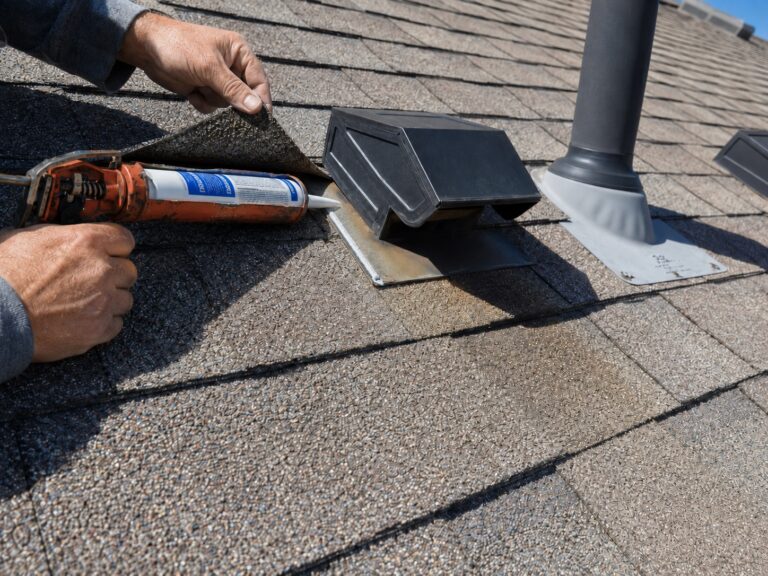
Water damage from a roof leak may be covered when a covered storm event damages the roof and creates an opening that allows rain to enter. For example, wind may damage shingles or roofing materials, allowing water to reach the attic, ceiling, insulation, or interior walls.
This does not mean every roof leak is covered. Roof leaks caused by age, worn materials, old flashing, poor maintenance, repeated leaks, or long-term deterioration are often treated differently. The insurer usually evaluates what caused the roof to leak before deciding whether the interior water damage qualifies.
Fire suppression water damage
Water used to extinguish a fire can cause significant damage to walls, ceilings, floors, insulation, framing, and personal property. If the fire loss is covered, related water damage from firefighting efforts may also be included in the claim.
These claims can become complex because the home may have fire damage, smoke damage, water damage, odor, structural concerns, and mold risk at the same time. Professional restoration and detailed documentation are often needed.
Water Damage Insurance Usually Does Not Cover
Many water damage claims are denied or limited because the water source is excluded. The damage may be serious, but the policy may classify it as flooding, seepage, gradual damage, poor maintenance, or another excluded condition.
Floodwater
Standard homeowners insurance usually does not cover flood damage. In insurance terms, flooding is often treated separately from interior water damage. If water rises from outside and enters the home, separate flood insurance is usually needed.
This distinction matters during storms, heavy rain, hurricanes, overflowing rivers, drainage failures, and neighborhood flooding. Even if floodwater damages walls, floors, belongings, and mechanical systems, a standard homeowners policy may not pay for those losses unless separate flood coverage applies.
Groundwater, runoff, and seepage
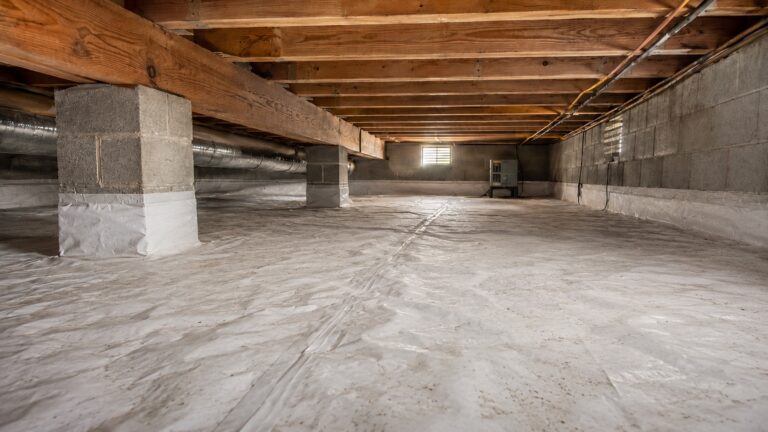
Groundwater, rain runoff, snowmelt, and seepage through foundations are commonly excluded from standard homeowners insurance. This is especially important for basement and crawl space water problems.
For example, water that enters through foundation cracks, basement floor joints, crawl space soil, poor grading, clogged exterior drainage, or hydrostatic pressure may be treated differently from water released by a broken pipe inside the home. Both can damage the structure, but the insurance source category is different.
Slow leaks and gradual damage
Slow leaks are one of the most common reasons water damage claims become difficult. A small drip under a sink, a shower valve leak inside a wall, a refrigerator line leak behind an appliance, or a roof leak that stains the same ceiling area repeatedly may be considered gradual damage.
Insurance usually favors sudden accidental damage over damage that developed over time. If the affected materials show old staining, repeated swelling, rot, layered paint damage, long-term odor, or mold growth from extended dampness, the insurer may question whether the damage happened suddenly.
For leak-specific coverage questions, see the separate guide on whether insurance covers water damage from leaks.
Poor maintenance
Water damage caused by poor maintenance is commonly excluded. Insurance is usually meant to cover sudden losses, not preventable deterioration or ignored repairs.
Examples may include long-unrepaired roof leaks, known plumbing drips, old appliance hoses that were visibly deteriorating, failed caulking left unresolved, damaged siding, clogged gutters, blocked drainage, or basement seepage that was ignored over time.
If the insurer believes the damage could have been prevented with reasonable maintenance, the claim may be denied or limited. This is why homeowners should repair small water problems before they become larger structural or mold problems.
Sewer backup or sump pump failure without added coverage
Sewer backups, drain backups, and sump pump failures are often handled separately from ordinary water damage. Some policies exclude these events unless the homeowner purchased a water backup, sewer backup, or sump pump endorsement.
This can surprise homeowners because the damage may look like ordinary water damage. A basement may have wet flooring, damaged drywall, soaked belongings, and contaminated materials. But if the source is a backed-up sewer line or failed sump pump, coverage may depend on added policy language.
If your home has a basement, sump pump, floor drain, or history of backups, ask your insurance agent whether water backup or sump pump failure coverage is included before a loss happens.
Policy Limits, Deductibles, and Endorsements Matter
Even when water damage is covered, payment may depend on limits, deductibles, exclusions, depreciation, and endorsements. A covered claim does not automatically mean every related cost will be paid in full.
Deductibles
The deductible is the amount the homeowner pays before insurance contributes to the claim. If the water damage is minor, the cost of repairs may be close to or below the deductible. In that case, filing a claim may not provide much financial benefit.
For larger losses, the deductible may be only one part of the total claim decision. A burst pipe that damages multiple rooms, flooring, drywall, cabinets, and belongings may involve water mitigation, drying, tear-out, repairs, and temporary living expenses.
Coverage limits
Policies include limits for dwelling coverage, personal property, additional living expenses, and sometimes specific types of water-related damage. The approved claim amount depends on both the loss and the policy’s limits.
Some losses may also involve depreciation or replacement-cost rules. For example, the way damaged flooring, cabinets, or personal property is valued can depend on whether the policy pays actual cash value or replacement cost and whether the homeowner completes the required replacement steps.
Water backup endorsements
Water backup coverage is often separate from standard water damage coverage. It may apply to water or sewage that backs up through drains, sewer lines, or sump systems, depending on the policy language.
This endorsement can be especially important for homes with basements, floor drains, sump pumps, or older sewer connections. Without it, a homeowner may discover that a damaging backup event is excluded even though the home clearly has water damage.
Flood insurance
Flood damage usually requires a separate flood insurance policy. Standard homeowners insurance generally does not cover water that rises from outside and enters the home, such as storm surge, river overflow, flash flooding, or widespread surface water.
For official flood insurance information, review FEMA’s National Flood Insurance Program resources or ask your insurance agent whether your home has separate flood coverage.
Homeowners in low-risk areas should not assume they have no flood exposure. Heavy rain, drainage problems, development changes, and severe storms can create water entry even outside mapped high-risk zones. Flood coverage should be reviewed separately from ordinary homeowners insurance.
Hidden leak or seepage limitations
Some policies include special language for hidden water damage, repeated seepage, or long-term leakage. This wording can be important when damage occurs behind walls, under floors, below cabinets, or inside ceilings where the homeowner may not see it immediately.
Hidden damage does not automatically mean covered damage. The insurer may still evaluate whether the leak was sudden, gradual, preventable, excluded, or tied to poor maintenance. The more clearly you can document when symptoms appeared and what caused the moisture, the easier it is to understand how the policy may apply.
How to Tell Whether Your Water Damage Might Be Covered
You cannot know for certain whether a water damage claim is covered until the policy is reviewed and the insurer evaluates the facts. But you can make a practical first assessment by looking at the source, timing, damage pattern, and documentation.
Identify the water source
Start by finding where the water came from. Was it a pipe, appliance, toilet, sink, roof opening, foundation, window, exterior wall, sewer line, sump pump, groundwater, or floodwater?
If you cannot identify the source, document the first wet area, the highest visible stain, the nearest plumbing fixture, recent weather, nearby appliances, and whether the water is clean, dirty, or sewage-contaminated.
This step matters because the same visible damage can come from very different sources. A wet basement wall may be caused by an interior plumbing leak, foundation seepage, or surface water entering from outside. Each source may be treated differently by insurance.
Determine whether the event was sudden
Ask whether the damage happened suddenly or built up over time. A pipe that bursts while you are home is easier to connect to a sudden event than a stain that slowly spread across a ceiling for several months.
Look for clues such as fresh wet materials, clear leak timing, recent appliance failure, active dripping, or sudden water release. Also photograph signs of older damage, such as rot, long-term staining, musty odor, warped materials, old caulk lines, previous patching, or layered paint damage.
Document the damage before major cleanup
Take photos and videos before removing materials, moving belongings, or starting major repairs. Capture the source of water, affected rooms, damaged materials, wet belongings, standing water, stained surfaces, and any visible equipment or fixture failure.
Do not rely on memory alone. Good photos, notes, invoices, repair records, and mitigation logs can help show what happened and when. For a more detailed photo process, use this guide to photograph water damage for an insurance claim.
Stop further damage
Homeowners are generally expected to take reasonable steps to prevent additional damage. That may include shutting off the water supply, moving belongings away from wet areas, extracting standing water when safe, improving ventilation, and contacting appropriate professionals. Do not enter standing water if electrical hazards, sewage, structural instability, or contaminated floodwater may be present.
Stopping further damage does not mean destroying evidence. If possible, document first, then mitigate. If there is an emergency, safety comes first, but keep records of what was done and why.
Contact the insurer before major demolition
Emergency mitigation may be necessary, but major demolition, full repairs, and expensive services should be coordinated with the insurer whenever possible. The insurance company may want to inspect the damage, approve a scope, or request specific documentation.
If you are unsure what to do first during an active event, follow a practical sequence for what to do immediately after water damage for insurance so you protect the home without accidentally weakening the claim.
Common Mistakes That Can Hurt a Water Damage Claim
Water damage claims often become harder when the source is unclear, evidence is missing, or the homeowner waits too long. The goal is to protect the home while preserving enough evidence for the insurer to evaluate the source, timing, and scope of damage.
- Waiting too long to report damage: Delays can make the damage worse and make the original water source harder to prove.
- Not stopping the water: If the water source continues after discovery, the insurer may argue that some damage was preventable.
- Throwing away damaged materials too soon: Discarded drywall, flooring, insulation, cabinets, or belongings may be needed as evidence.
- Assuming floodwater is covered: Standard homeowners insurance usually excludes flood damage unless separate flood coverage applies.
- Confusing mitigation with full claim approval: Emergency drying may be necessary, but final repairs still depend on the approved claim scope.
- Failing to document the water source: Photos of the damaged room are helpful, but photos of the source are often just as important.
- Ignoring moisture after surface drying: A room can look dry while subfloors, drywall, cabinets, or insulation remain wet.
If the damage is significant, you may need both insurance guidance and restoration help. The claim process itself is covered separately in the guide on how to file a water damage insurance claim. For a denial-focused follow-up, see the guide to common reasons water damage claims are denied.
What About Mold After Water Damage?
Mold can become part of a water damage claim when it develops from a covered water event. For example, if a burst pipe soaks drywall and mold appears before the wall cavity can be fully opened and dried, mold-related cleanup may be evaluated as part of the covered water damage claim.
However, mold coverage is often more limited than ordinary water damage coverage. A policy may have a mold sublimit, special exclusion, testing restriction, or endorsement requirement. Mold from long-term humidity, poor ventilation, seepage, slow leaks, or neglected repairs is commonly excluded.
The main rule is the same: the insurer usually looks at what caused the moisture. For a deeper mold-specific explanation, see what mold damage insurance typically covers.
FAQ
Does homeowners insurance cover water damage from a burst pipe?
Homeowners insurance often covers water damage from a burst pipe if the pipe failure was sudden and accidental. Coverage may include water extraction, drying, damaged material removal, repairs, and possibly damaged belongings, depending on the policy.
Does insurance cover water damage from an appliance leak?
Insurance may cover water damage from an appliance leak when the failure is sudden, such as a broken washing machine hose, dishwasher supply line, or refrigerator water line. A slow appliance leak that continued for weeks or months is much less likely to be covered.
Does insurance cover water damage from a roof leak?
Water damage from a roof leak may be covered if a covered event, such as storm damage, created an opening that allowed water inside. Roof leaks caused by age, worn materials, poor maintenance, old flashing, or repeated leakage are commonly excluded or limited.
Does homeowners insurance cover flooding?
Standard homeowners insurance usually does not cover flood damage. Floodwater, storm surge, river overflow, widespread surface water, or water rising from outside the home usually requires separate flood insurance.
Does insurance cover water damage from slow leaks?
Water damage from slow leaks is usually difficult to get covered because gradual leakage is commonly excluded. The insurer may look for signs of long-term staining, rot, repeated dampness, mold, or ignored warning signs.
Can water damage be covered if I did not see the leak right away?
It depends on the policy and the evidence. Hidden damage is not automatically excluded just because it was behind a wall or under a floor, but the insurer may still evaluate whether the leak was sudden, gradual, preventable, or tied to maintenance issues.
Does insurance pay for drying and water mitigation?
Insurance may pay for drying and water mitigation when the water damage is part of a covered claim and the mitigation is reasonable and necessary. Emergency drying does not automatically approve every later repair; the final scope still depends on the policy and investigation.
Does insurance cover mold after water damage?
Mold after water damage may be covered if the mold resulted directly from a covered water event. However, mold coverage can be limited by exclusions, sublimits, endorsements, and timing requirements. Mold from humidity, seepage, slow leaks, or poor maintenance is commonly excluded.
Quick Coverage Checklist
- Water damage insurance coverage usually depends on the source of the water.
- Sudden and accidental interior water damage is more likely to be covered.
- Floodwater, groundwater, seepage, slow leaks, and poor maintenance are commonly excluded.
- Covered claims may include water extraction, drying, tear-out, repairs, damaged belongings, and temporary living expenses.
- Water backup, sewer backup, sump pump failure, and flood damage often require separate coverage.
- Photos, timelines, moisture documentation, and source evidence can help support the claim.
- Emergency mitigation may be necessary, but final repair approval depends on the policy and claim review.
Bottom Line on Water Damage Insurance Coverage
Water damage insurance typically covers sudden and accidental water damage from covered sources, especially interior plumbing failures, appliance supply-line failures, accidental overflows, and certain storm-created openings. It may help pay for emergency extraction, drying, removal of damaged materials, building repairs, personal property losses, and temporary living expenses when the home is not livable during covered repairs.
But water damage is not automatically covered just because the home is wet. Standard homeowners insurance usually excludes floodwater, groundwater, seepage, gradual leaks, and preventable maintenance problems. Sewer backups, sump pump failures, and flood losses often require separate endorsements or policies.
The best first step is to identify the water source, document the damage, stop further water intrusion, and contact your insurer before making major repairs. Once the claim is underway, keep drying records, save repair invoices, and correct the source so the same moisture problem does not return.
2 Comments
Comments are closed.