Common Reasons Water Damage Claims Are Denied
Water damage claims are often denied because the insurer decides the cause, timing, documentation, or policy language does not support coverage. The home may be genuinely damaged, but the claim can still fail if the loss appears gradual, excluded, poorly documented, reported late, or tied to maintenance.
Common denial reasons include slow leaks, maintenance-related damage, flood exclusions, missing sewer backup or sump pump endorsements, mold limitations, unclear cause of loss, delayed reporting, incomplete documentation, and repairs made before the damage was properly recorded.
This article explains the most common reasons water damage claims are denied and how homeowners can reduce denial risk. It is general homeowner education, not legal advice, and every claim depends on the policy language, the source of water, the timing, the documentation, and the facts of the loss.
For long-term prevention planning, see How to Prevent Recurring Moisture Damage. For the broader home moisture control system, see How to Find, Fix, and Prevent Moisture Problems in Homes.
Why Water Damage Claims Get Denied
Insurance companies usually evaluate both the damage and the story behind it: what caused the water, when it happened, whether it was sudden or gradual, whether the homeowner acted reasonably, and whether the policy includes or excludes that type of loss.
Two homes can have similar wet drywall, damaged flooring, and mold concerns, but very different claim outcomes. A burst pipe discovered immediately is different from a slow leak that developed for months. Water from a broken appliance line is different from floodwater entering from outside. Mold after a covered sudden leak is different from mold caused by long-term dampness or neglect.
That is why the cause of water damage matters as much as the damage itself. The insurer is often asking questions such as:
- Was the water damage sudden and accidental?
- Was the damage gradual or long-term?
- Was the source internal or external?
- Was the damage caused by floodwater, seepage, sewer backup, or sump pump failure?
- Was the home maintained reasonably?
- Was the claim reported promptly?
- Did the homeowner take steps to prevent further damage?
- Is there enough documentation to show what happened?
- Does the policy include an endorsement for this type of loss?
- Do exclusions, sublimits, deductibles, or endorsements affect payment?
If you need a step-by-step filing process, see How to File Water Damage Insurance Claims. This article focuses specifically on denial reasons and mistakes that can make a claim harder to support.
Reason 1: The Damage Was Gradual Instead of Sudden
One of the most common reasons water damage claims are denied is that the insurer classifies the damage as gradual instead of sudden. Many homeowners policies are more likely to respond to sudden and accidental water damage than to long-term leaks, repeated seepage, wear and tear, or damage that developed slowly over time.
Sudden Discovery Is Not Always Sudden Damage
A homeowner may discover water damage suddenly, but the damage itself may have been developing for weeks or months. This distinction can become a major claim issue.
For example, you may suddenly find a soft floor near a toilet, a moldy cabinet base under a sink, or a stained ceiling below a bathroom. From your perspective, the discovery happened today. From the insurer’s perspective, the question may be whether the leak happened suddenly today or whether it was a slow leak that caused gradual damage over time.
This is why documentation of the source matters. If a supply line burst, a pipe suddenly failed, or an appliance hose ruptured, that may support a sudden event. If the area shows long-term staining, rot, old mold, repeated moisture, or deterioration that suggests an ongoing problem, the insurer may investigate whether the damage was gradual.
Slow Leaks and Repeated Moisture Problems
Slow leaks are difficult because they often cause hidden damage before the homeowner sees anything. A small drip under a sink, a toilet flange leak, a slow roof leak, or a refrigerator water line leak can wet wood, drywall, cabinets, and flooring long before the source becomes obvious.
Claims may run into trouble when the damage appears to come from:
- A long-term drip under a sink
- A toilet leak that affected the subfloor over time
- A roof leak that was visible during multiple storms
- Basement seepage that occurred repeatedly
- A known appliance leak that was not repaired
- Moisture returning after previous repairs
- Mold or rot that suggests prolonged dampness
This does not mean every hidden leak claim is automatically denied. It means timing and evidence matter. If the insurer believes the damage was not sudden or was not addressed promptly, the claim may be more vulnerable.
For leak-specific coverage questions, see Does Insurance Cover Water Damage from Leaks?.
Reason 2: The Insurer Classifies the Problem as Maintenance or Neglect
Another common denial reason is that the water damage appears related to maintenance, wear and tear, neglect, or a preventable condition. Homeowners insurance is generally not meant to replace regular maintenance. If the insurer believes the damage resulted from an issue that should have been repaired earlier, the claim may be denied or limited.
Known Leaks and Preventable Damage
A claim becomes harder to support when there is evidence that the homeowner knew about the problem but did not fix it. This may include recurring stains, previous repair attempts, repeated leaks, ongoing dampness, or visible deterioration that was ignored.
Examples may include:
- A roof leak that was patched repeatedly but never repaired properly
- A plumbing drip that was visible under a cabinet for weeks
- A water heater pan that overflowed more than once
- A basement wall that leaked during several storms
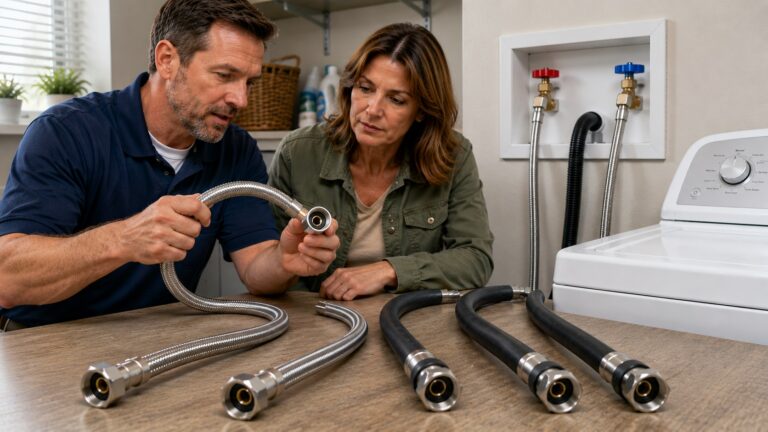
- A washing machine hose that showed bulging or cracking before failure
- A toilet that rocked and leaked at the base for a long time
- Repeated moisture that returned after cleanup
The issue is not only whether water damage happened. The issue is whether the damage could have been prevented with timely maintenance or repair. Keeping records of inspections, repairs, and contractor work can help show that you maintained the home and responded when problems appeared.
Roof, Plumbing, Appliance, and Drainage Maintenance Issues
Maintenance-related denials often involve systems that naturally require upkeep. Roofs age, plumbing fittings loosen, appliance hoses wear out, gutters clog, sump pumps fail, exterior grading can direct water toward the house, and caulk, flashing, and seals eventually deteriorate.
If water damage is tied to these issues, the insurer may ask whether the problem was sudden or whether it resulted from long-term deterioration. A sudden appliance supply line rupture is different from an old leak under a dishwasher that damaged flooring over months. A storm-damaged roof opening is different from water entering through a roof that had visible age-related deterioration.
Preventive maintenance does not guarantee coverage, but it can reduce denial risk. It also helps prevent recurring damage, which can create future claim problems. For moisture recurrence patterns, see Why Moisture Problems Keep Returning.
Reason 3: The Damage Was Caused by Flooding
Flood damage is one of the most misunderstood water damage claim issues. Many homeowners assume that “water damage” and “flood damage” mean the same thing. In insurance, they are often treated very differently.
Floodwater Versus Internal Water Damage
Internal water damage may come from a pipe, appliance, fixture, water heater, or other system inside the home. Floodwater generally refers to water entering from outside or rising from natural or external sources, depending on policy definitions.
Examples that may be treated as flood-related include:
- Heavy rainwater entering through doors or low openings
- Surface water flowing into the home
- River, creek, or stormwater overflow
- Groundwater rising into a basement
- Water entering at ground level during widespread flooding
- Mudflow or flood-related water intrusion
If the damage is classified as flood damage, a standard homeowners policy may not cover it. This is why source description matters. Do not guess or casually describe all water as “flooding” if you do not know the source. Document what you see and let the insurer, adjuster, or qualified professional evaluate the cause.
Why Separate Flood Insurance Matters
Flood insurance is usually a separate policy. According to FEMA flood insurance guidance, most homeowners insurance does not cover flood damage, which makes this distinction important before a loss occurs. Homeowners who live outside mapped high-risk flood zones can still experience flood damage from heavy rain, drainage failures, or unusual storm events. Basement water is especially confusing because it may come from seepage, sump pump failure, sewer backup, surface water, or internal plumbing.
If your water damage involves a basement, heavy rain, exterior water entry, or ground-level water, coverage may depend heavily on how the source is classified. For a more focused explanation, see Does Insurance Cover Basement Flood Damage?.
Reason 4: The Policy Does Not Include Sewer Backup or Sump Pump Coverage
Another common reason water damage claims are denied is that the damage came from a sewer backup, drain backup, or sump pump overflow that was not included in the policy. Many homeowners assume all water entering the basement or lower level is treated the same way, but backup and overflow events may require separate coverage or an endorsement.
Backup and Overflow Endorsements
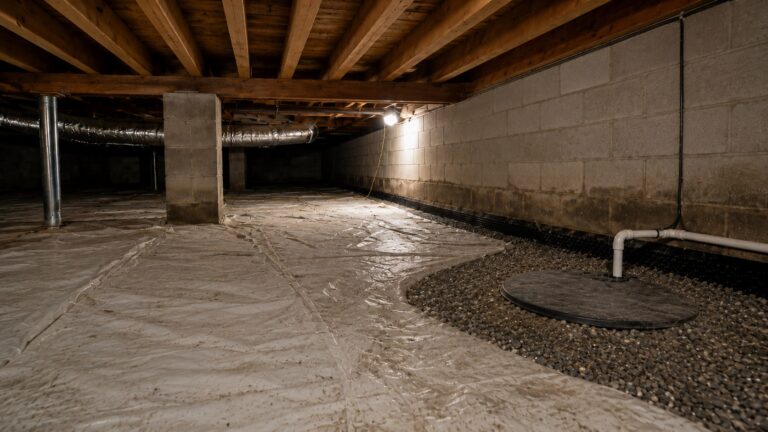
Sewer backup and sump pump failure can cause serious damage quickly. Water may enter through a floor drain, toilet, shower, utility sink, sump pit, or basement drain. The cleanup may involve flooring, drywall, trim, stored belongings, insulation, and possible contamination.
Even though the damage is water-related, it may not be covered under a standard policy unless the homeowner has the right endorsement. This is especially important for homes with finished basements, sump pumps, basement bathrooms, older sewer lines, or drainage systems that have backed up before.
Common problem scenarios include:
- A sump pump fails during heavy rain and water enters the basement.
- A sewer line backs up through a basement drain.
- A drain line overflows into a finished lower level.
- A sump pit overflows because the pump loses power.
- A backup damages flooring, drywall, furniture, or stored items.
If your policy does not include backup or sump pump overflow coverage, the claim may be denied or limited even though the damage is real. The best time to check for this coverage is before a loss, not after the basement is wet.
Why Basement Water Claims Are Often Misunderstood
Basement water claims are often confusing because several different sources can create similar-looking damage. Water on a basement floor may come from a burst pipe, failed sump pump, sewer backup, foundation seepage, surface flooding, appliance leak, or drain overflow. The visible result may look similar, but the insurance treatment may be different.
That is why identifying the source is so important. Photos of the drain, sump pit, plumbing, water line, foundation wall, or affected area can help support the claim file. Contractor or restoration reports may also help clarify whether the water came from an internal system, backup, flood source, seepage, or another cause.
Reason 5: Mold Damage Is Limited or Excluded
Mold often creates claim problems because it may be treated differently from the original water event. Some policies limit mold coverage. Some exclude mold unless it results from a covered water loss. Some provide only a sublimit for mold testing, cleanup, or remediation. Others may deny mold-related portions if the mold developed because drying or mitigation was delayed.
Mold After a Covered Water Loss
If mold develops after a sudden covered water event, coverage may depend on the policy language and whether the homeowner took reasonable steps to prevent further damage. For example, mold that develops because wet materials were left untouched for too long may create disputes, even if the original leak was sudden.
Insurers may ask questions such as:
- What caused the moisture?
- Was the original water damage covered?
- How quickly was the water reported?
- Were wet materials dried or removed promptly?
- Was the mold pre-existing?
- Did the homeowner take steps to prevent further damage?
- Does the policy include mold coverage or a mold sublimit?
Mold should be documented carefully because it may show both the extent of moisture and the timing of the problem. For mold-specific documentation, see How to Document Mold Damage for Insurance Claims.
Delayed Drying and Mold Claim Problems
Delayed drying is one of the biggest mold-related claim risks. If wet drywall, flooring, insulation, cabinets, or carpet padding stay damp, mold can develop and spread. The insurer may review whether the homeowner reported the damage promptly and whether reasonable mitigation steps were taken.
This does not mean homeowners should perform unsafe cleanup or disturb contaminated materials without proper help. It means they should document the damage, stop the source if possible, contact the insurer, and begin reasonable mitigation as soon as it is safe. When the damage is extensive, hidden, contaminated, or not drying quickly, professional restoration may be needed.
Reason 6: The Cause of Water Damage Is Unclear
Water damage claims often depend on cause. If the cause is unclear, disputed, or unsupported, the claim may be delayed, limited, or denied. The insurer needs to know whether the water came from a covered source or an excluded source.
Why Unsupported Guesses Can Hurt the Claim
Homeowners sometimes guess about the cause when they are stressed. They may say “flood,” “seepage,” “pipe burst,” “roof leak,” or “mold damage” before they know what actually happened. Those words can matter because different sources may be treated differently under the policy.
A better approach is to describe what you know and document what you see. For example, instead of guessing that water “flooded” the basement, you might document that water was present near the basement drain, the sump pit was full, the carpet was wet near the exterior wall, or the water appeared after heavy rain. Let the adjuster, insurer, or qualified professional determine the cause from the facts.
Do not hide information, but do not invent certainty either. Clear, factual documentation is stronger than unsupported assumptions. A useful claim note is simple and factual: “Water was first seen near the basement drain at 7 a.m.; the sump pit was full; photos were taken before cleanup; the insurer was contacted the same morning.”
Why Source Documentation Matters
Source documentation can help show what happened, when it happened, and how the damage spread. Useful source documentation may include photos of a failed pipe, appliance hose, water heater, roof opening, drain backup, sump pump, toilet flange, wet ceiling, basement wall, or affected flooring.
Contractor reports can also help. A plumber may identify a failed supply line. A roofer may document storm-related roof damage. A restoration company may map moisture in walls and floors. An HVAC technician may identify a condensate overflow. These reports may help clarify the cause instead of leaving it uncertain. For a closer look at the inspection side of the process, see what insurance adjusters look for during water damage inspections.
For broader coverage education, see What Water Damage Insurance Typically Covers.
Reason 7: The Homeowner Waited Too Long to Report or Mitigate
Another common claim problem is delay. Many policies require prompt notice and reasonable steps to prevent further damage. If a homeowner waits too long to report the loss or allows damage to spread after discovering it, the claim may become harder to support.
Prompt Notice
Prompt notice means contacting the insurer or agent soon after discovering the water damage. This does not mean you must know every detail before calling. It means you should begin the claim conversation before conditions change too much and before evidence is lost.
Delays can create questions such as:
- When did the damage actually happen?
- Did the homeowner know about the leak earlier?
- Did the damage get worse because it was not reported?
- Was mold caused by delayed drying?
- Was the source repaired before it could be inspected?
- Can the insurer still verify the original condition?
If you are unsure what to do immediately after a loss, see What to Do Immediately After Water Damage for Insurance.
Preventing Further Damage
Mitigation means taking reasonable steps to prevent the damage from getting worse. This may include shutting off water, placing a bucket under an active drip, moving belongings out of wet areas, extracting standing water when safe, ventilating safely, calling a plumber, or contacting a restoration company.
Mitigation does not mean making permanent repairs before documenting the damage. It also does not mean entering unsafe areas, disturbing contaminated materials, or handling electrical hazards. The goal is to prevent additional loss while preserving enough documentation to show what happened.
Reasonable mitigation can help protect both the home and the claim file. Failure to mitigate can create disputes if damage spreads after the homeowner knew about the problem.
Reason 8: Documentation Is Incomplete
Incomplete documentation can make a water damage claim harder to prove. The insurer may need evidence of the cause, the timing, the affected materials, the extent of damage, and the steps taken after discovery.
Photos, Videos, Receipts, and Timelines
Photos and videos are often the most useful first documentation. When it is safe, capture wide shots of the room, close-ups of damaged materials, the suspected source, standing water, wet belongings, damaged flooring, ceiling stains, wall damage, cabinet damage, and any failed parts.
A simple timeline also helps. Write down when you discovered the damage, what you noticed first, when the source was stopped, who you contacted, when cleanup began, and what emergency steps were taken.
Useful records may include:
- Videos showing affected areas
- Receipts for emergency supplies
- Invoices from plumbers, roofers, or restoration companies
- Emails or messages with contractors and the insurer
- Drying logs or moisture reports
- Photos of damaged personal property
- Photos of failed parts, hoses, pipes, or fixtures
For a focused photo guide, see How to Photograph Water Damage for Insurance Claims.
Contractor and Restoration Reports
Contractor and restoration reports can support the claim by documenting the likely source, affected materials, moisture readings, drying work, and repair scope. A professional report does not guarantee coverage, but it may help clarify facts that are difficult to prove with photos alone.
For example, a plumber’s invoice may show that a supply line failed. A restoration report may show that water reached the subfloor and wall cavity. A roofer’s report may show that a storm damaged flashing. These details may help distinguish sudden damage from gradual damage or clarify whether the loss fits the policy.
Reason 9: Damaged Materials Were Removed Too Soon
Water damage cleanup often needs to happen quickly, especially when materials are wet, contaminated, or likely to grow mold. But removing damaged materials before documenting them can create claim problems. Once flooring, drywall, cabinets, insulation, hoses, pipes, or appliance parts are discarded, it may be harder to prove what happened and how far the damage spread.
Why Evidence Matters
Insurance decisions often depend on the cause and extent of damage. If the failed part or damaged material is gone, the insurer may have less evidence to review. This can create disputes about whether the damage was sudden, gradual, pre-existing, flood-related, maintenance-related, or caused by an excluded event.
Examples include:
- Throwing away a failed supply hose before photographing it
- Removing wet flooring before documenting the affected area
- Replacing a leaking appliance before the source is identified
- Discarding soaked cabinets without photos
- Cutting out drywall before showing the water line or moisture path
- Cleaning mold before documenting where it appeared
This does not mean you should leave dangerous materials in place indefinitely. It means you should document the condition before removal when it is safe and practical.
How to Balance Cleanup With Documentation
The best approach is to take photos and videos before cleanup, then continue documenting as materials are removed. Take wide shots, close-ups, and source photos. If a contractor removes materials, ask whether they can photograph the condition before and during removal.
When a failed part may be important, such as a burst hose, broken fitting, leaking valve, failed water heater component, or cracked pipe section, ask your insurer or contractor whether it should be saved. Keep receipts and invoices for emergency work, drying equipment, plumbing repairs, roof repairs, or restoration services.
Safety still comes first. Do not delay emergency mitigation if the damage is spreading or unsafe, and do not enter areas with electrical hazards, contaminated water, sagging ceilings, or structural instability just to take photos. Whenever possible, document before discarding evidence.
Reason 10: The Claim Exceeds Policy Limits or Falls Under an Exclusion
A water damage claim may also be denied or limited because of the policy’s limits, deductibles, exclusions, or endorsements. Even when the damage is real, coverage may depend on the exact policy terms.
Deductibles, Sublimits, and Exclusions
Some claims are not paid because the repair cost is below the deductible. Others may be limited by sublimits for mold, backup, personal property, or certain categories of damage. Some causes may be excluded entirely.
Common policy issues include:
- Flood exclusion
- Wear and tear exclusion
- Gradual damage or seepage exclusion
- Mold limitation or exclusion
- No sewer backup endorsement
- No sump pump overflow endorsement
- Deductible higher than the covered damage amount
- Pre-existing damage
- Policy lapse or unpaid premium
- Coverage limits lower than the repair cost
This is why homeowners should review the declarations page, endorsements, exclusions, deductibles, and denial letter carefully. If the denial cites specific policy language, ask the insurer or agent to explain how that language applies to the facts of the claim.
Endorsements and Separate Policies
Some water-related losses may require endorsements or separate policies. Flood insurance is usually separate from standard homeowners insurance. Sewer backup, drain backup, sump pump overflow, and mold coverage may be limited or may require additional coverage depending on the policy.
After a claim problem, homeowners often discover that they did not have the endorsement they thought they had. The best time to review this is before damage occurs. Ask your agent or insurer about water backup, sump pump overflow, mold limits, flood insurance, and any exclusions related to seepage, drainage, or gradual leaks.
What to Do If Your Water Damage Claim Is Denied
A denial does not always mean the conversation is over, but it does mean you need to understand the stated reason. Start with the denial letter, not assumptions. The letter should explain why the claim was denied or limited and may cite the policy language the insurer relied on.
Practical next steps include:
- Read the denial letter carefully.
- Identify the exact reason for denial.
- Ask for the specific policy language if it is unclear.
- Review whether the insurer classified the water source correctly.
- Gather missing photos, invoices, reports, or timelines.
- Ask contractors for written source documentation if needed.
- Clarify whether an endorsement, sublimit, deductible, or exclusion applies.
- Keep all communication organized.
- Ask about the insurer’s reconsideration or appeal process.
- Consider professional guidance if the repair amount is significant.
Do not assume that a contractor estimate proves coverage. An estimate may show repair cost, but the insurer still evaluates cause, timing, exclusions, limits, and policy language. The strongest response to a denial is organized documentation that addresses the stated reason. For the broader filing workflow, use How to File Water Damage Insurance Claims.
How to Reduce the Risk of Future Claim Denials
The best way to reduce denial risk is to combine prevention, documentation, maintenance, and policy awareness. You cannot control every pipe failure, storm, or appliance leak, but you can reduce the chances that damage looks gradual, neglected, undocumented, or recurring.
Good habits include:
- Fix small leaks promptly.
- Keep records of plumbing, roofing, appliance, sump pump, HVAC, and drainage repairs.
- Inspect under sinks, around toilets, near appliances, around water heaters, near sump pits, and in basements regularly.
- Maintain gutters, downspouts, roof flashing, sump pumps, and drainage systems.
- Document water damage with photos and videos before cleanup when safe.
- Report damage promptly.
- Take reasonable steps to prevent further damage.
- Save failed parts when relevant and practical.
- Use professional reports to document hidden moisture, drying work, plumbing failures, roofing damage, or structural issues.
- Review policy exclusions, deductibles, sublimits, and endorsements before a loss.
- Ask about flood insurance, sewer backup, sump pump overflow, and mold coverage.
- Monitor repaired areas for recurring moisture.
Recurring moisture can create both physical damage and claim problems. If the same area gets wet again and again, the insurer may question whether the damage was sudden or preventable. Long-term prevention is not just about protecting the house; it can also help support cleaner documentation if a future loss occurs.
Common Misconceptions About Denied Water Damage Claims
- All water damage is covered: Coverage depends on the source, timing, exclusions, endorsements, limits, and documentation.
- Sudden discovery means sudden damage: A hidden leak may be discovered in one day after developing for weeks or months.
- Flood damage and internal water damage mean the same thing: Water entering from outside, surface water, stormwater, or groundwater may be treated differently from a pipe, appliance, or fixture leak.
- Mold after a leak is automatically covered: Mold coverage may be limited, excluded, or tied to whether the original water event was covered and whether drying was handled promptly.
- You should clean everything before calling insurance: Prevent further damage when safe, but document the source, damage, and affected materials before removal whenever practical.
- A contractor estimate proves coverage: An estimate shows repair cost, but coverage still depends on the policy and the facts of the loss.
- A denial means there is nothing else to do: A denial means you should review the stated reason, ask for the policy language, gather missing documentation, and follow the insurer’s reconsideration process if appropriate.
FAQ
What are the most common reasons water damage claims are denied?
The most common reasons water damage claims are denied include gradual damage, maintenance-related problems, flood exclusions, missing endorsements, late reporting, unclear source of loss, incomplete documentation, mold limitations, and policy limits or exclusions.
Are slow leaks covered by homeowners insurance?
Slow leaks are often more difficult than sudden leaks because they may be considered gradual damage, wear and tear, or maintenance-related. Coverage depends on the policy, the facts, the timing, and how the leak was discovered and documented.
Can a claim be denied for lack of maintenance?
Yes, a claim may be denied or limited if the insurer determines the damage resulted from neglected maintenance, known leaks, long-term deterioration, or preventable conditions. Maintenance records and prompt repairs can help reduce this risk.
Does homeowners insurance cover flood damage?
Standard homeowners insurance usually does not cover flood damage. Flood insurance is typically separate. If water entered from outside, rose from the ground, or came from stormwater or surface water, the claim may be treated differently from internal water damage.
Can mold damage be denied after a water leak?
Yes. Mold damage may be denied or limited if the original water event is not covered, if the mold resulted from long-term moisture, if drying was delayed, or if the policy excludes or limits mold coverage.
What documentation helps a water damage claim?
Helpful documentation includes photos, videos, source details, discovery date, timeline, repair invoices, contractor reports, restoration drying records, receipts, communication records, and photos of failed parts or damaged materials before removal.
What should I do if my claim is denied?
Read the denial letter, identify the stated reason, ask for the relevant policy language, gather missing documentation, clarify the source if needed, and ask about the insurer’s reconsideration or appeal process. Consider professional advice for large or disputed losses.
Can recurring water damage hurt future claims?
Yes. Recurring water damage can make future claims harder if the insurer believes the damage resulted from an unresolved leak, poor maintenance, repeated seepage, or failure to prevent further damage. Fixing the source and keeping records can help reduce that risk.
Final Steps to Protect the Claim and the Home
Water damage claims are commonly denied when the damage does not match the policy’s covered causes, when the problem appears gradual or preventable, or when the homeowner cannot clearly document the source, timing, damage, and mitigation steps.
The most common denial triggers include slow leaks, maintenance issues, flood exclusions, missing sewer backup or sump pump coverage, mold limitations, unclear cause, delayed reporting, incomplete documentation, early removal of evidence, and policy exclusions or limits.
The best protection is a combination of fast response, clear documentation, source control, careful cleanup, maintenance records, and policy awareness. When damage happens, document first when safe, prevent further damage, report promptly, and keep organized records of every repair, inspection, and communication.