
What to Do Immediately After Water Damage for Insurance
After water damage, the first few hours matter. What you do immediately can affect your safety, the amount of damage, the drying process, and the strength of your insurance claim. The right sequence is simple: make sure the area is safe, stop the water source if possible, document the damage, contact your insurer, prevent further damage, and save every receipt and record.
Do not wait for perfect conditions before acting. If water is still spreading, a pipe is still leaking, or a ceiling is sagging, you may need emergency help before the adjuster arrives. At the same time, do not clean up everything without photos, throw away damaged materials too quickly, or start permanent repairs before the insurance company has had a chance to review the loss.
Use the steps below to protect people first, preserve claim evidence before cleanup changes the scene, and reduce further damage without rushing into permanent repairs. For a broader explanation of coverage, see what water damage insurance typically covers.
First, Make Sure the Area Is Safe
Before you think about photos, cleanup, or insurance paperwork, make sure the area is safe to enter. Water damage can create hazards that are not obvious at first. Standing water, wet electrical systems, contaminated water, soft flooring, and sagging ceilings can all make a damaged area unsafe.
If the area looks dangerous, stay out and call the appropriate professional. You can still take photos from a doorway, hallway, stair landing, or other safe location.
Watch for electrical hazards
Do not step into standing water if outlets, cords, appliances, electrical panels, light fixtures, or extension cords may be involved. Water and electricity can create a serious shock hazard.
If water is near electrical components, do not touch switches, plugs, appliances, or equipment while standing in or near the water. Call an electrician, utility company, or emergency service if the situation appears dangerous. If you can safely shut off power from a dry location, do so, but do not take risks to reach an electrical panel.
Stay away from sagging ceilings or unstable floors
A water-damaged ceiling can collapse without much warning, especially if drywall, plaster, insulation, or ceiling texture has absorbed water. Sagging, bulging, cracking, dripping, or bowed ceiling areas should be treated carefully.
Floors can also become unsafe when subflooring, carpet padding, laminate, hardwood, or structural materials are saturated. If the floor feels soft, uneven, slippery, or unstable, stay out of the area until it is inspected.
Avoid sewage, floodwater, or contaminated water
Not all water damage is clean water. Water from sewer backups, toilet overflows involving waste, outdoor flooding, groundwater, stormwater, or unknown sources may contain contaminants. Do not handle contaminated water or soaked materials without proper protection and professional guidance.
If the water source is sewage, floodwater, or unknown contamination, avoid DIY cleanup beyond basic safety steps. Photograph from a safe distance if possible, keep people and pets away, and contact professionals.
Stop the Water Source If You Can Do It Safely
Once people are safe, stop the water source if you can do it without putting yourself at risk. Insurance companies generally expect homeowners to take reasonable steps to prevent further damage. Letting water continue to spread can make the damage worse and may create claim problems later.
Shut off fixture or appliance valves
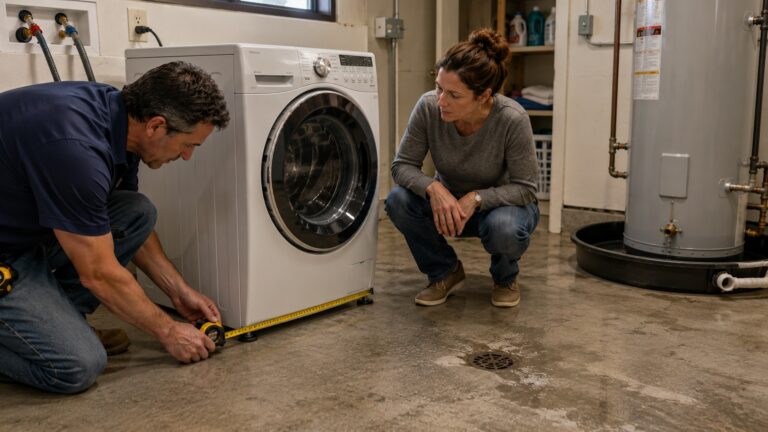
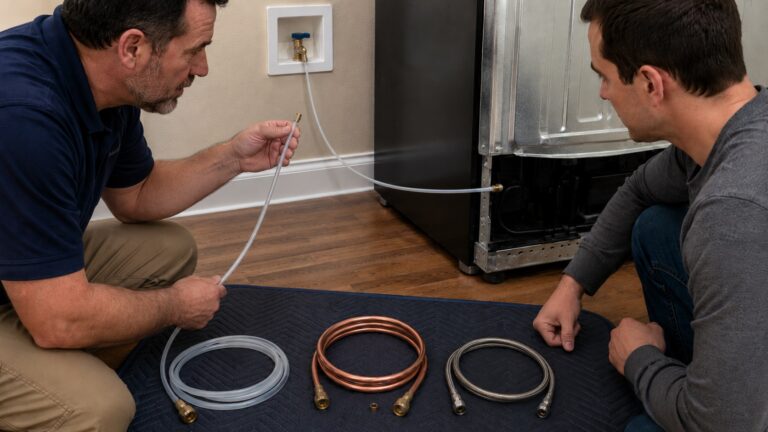
If the water is coming from a sink, toilet, washing machine, dishwasher, refrigerator water line, or other appliance, look for the nearest shutoff valve. Turn off the fixture or appliance supply if you can reach it safely.
Examples include:
- Turning off the valve behind a toilet
- Shutting off hot and cold washing machine valves
- Turning off the sink supply valves under a cabinet
- Shutting off a refrigerator water line valve
- Turning off a water heater supply valve if the leak is connected to the unit
Do not move heavy appliances through standing water or pull them away from the wall if the area may be electrically unsafe. If the source is not easy to access, call a plumber or emergency restoration service.
Use the main water shutoff when needed
If you cannot stop the leak at the fixture or appliance, use the main water shutoff if you know where it is and can reach it safely. The main shutoff may be in a basement, crawl space, garage, utility room, exterior wall box, or near the water meter.
Turning off the main water supply can prevent a burst pipe or major plumbing failure from causing more damage while you wait for a plumber. After shutting off the water, take photos of the source, the affected rooms, and any damaged materials before cleanup changes the scene.
Call a plumber if the source is unclear
If you cannot identify the source, call a plumber quickly. Hidden plumbing leaks, slab leaks, wall-cavity leaks, and ceiling leaks may require professional tracing. Ask the plumber to provide written notes or an invoice describing what they found, because that information can help explain the cause and timing of the water damage.
If the water appears to be coming from the roof, exterior wall, window, foundation, or storm opening, the right professional may be a roofer, exterior contractor, basement waterproofing contractor, or restoration company rather than a plumber.
Take Quick Photos and Videos Before Cleanup Changes the Scene
After safety and source control, document the damage before cleanup changes the evidence. You do not need professional-quality photos. You need clear pictures that show the source, the affected rooms, the water path, damaged materials, and damaged belongings.
Take wide photos of each affected room, close-up photos of damaged materials, and source photos showing the pipe, appliance, fixture, roof leak area, basement entry point, or other suspected cause. If water is still dripping or spreading, take a short video to show the active condition.
Do not delay emergency mitigation for perfect photos. A few quick photos before water extraction, material removal, or cleanup can still be valuable. Continue taking photos as drying, demolition, and repairs move forward.
For a detailed photo checklist, use this guide to photograph water damage for an insurance claim.
Contact Your Insurance Company Promptly
Once the immediate danger is controlled and you have taken quick photos, contact your insurance company or agent promptly. You do not need to know every detail before making the first call. The purpose of the first call is to report the loss, ask what they need, and understand what you should do before cleanup or repairs go further.
During the call, write down the date, time, claim number, representative name, and instructions you receive. If the insurer gives directions about photos, mitigation, damaged materials, contractors, or inspections, keep those notes with your claim records.
Before signing a restoration work authorization, ask the insurer whether emergency mitigation is covered, whether they require a specific vendor process, and what documentation the contractor should provide to support the claim.
Ask clear questions such as:
- Is this type of water damage potentially covered under my policy?
- What is my deductible?
- What photos, videos, receipts, or documents do you need?
- Can I begin emergency water mitigation?
- Do you need to inspect before demolition or permanent repairs?
- Should I use an approved restoration vendor?
- What damaged materials or belongings should I keep?
- How should I submit photos, invoices, and contractor reports?
This first call does not replace the full claim process. It simply helps you avoid early mistakes. Once the emergency steps are handled, use the full guide on how to file a water damage insurance claim so your documentation, estimates, and communication stay organized.
Prevent Further Damage While Preserving Evidence
Insurance companies generally expect homeowners to take reasonable steps to prevent additional damage. That does not mean you should rush into permanent repairs before the damage is reviewed. It means you should do what is practical and safe to stop the water from spreading, reduce moisture, and protect the property.
The balance is important: prevent further damage, but preserve evidence whenever possible. Take photos before conditions change, keep receipts, and ask the insurer what they need before major demolition. If parts or material samples are removed safely, save them until the insurer or contractor says they are no longer needed.
Remove standing water if safe
If the water is clean and there are no electrical, structural, or contamination hazards, removing standing water can reduce damage. Depending on the situation, this may involve towels, a wet/dry vacuum, a mop, a pump, or a professional water extraction service.
Do not remove water yourself if it is contaminated, sewage-related, floodwater, near electrical hazards, or too deep to handle safely. In those situations, stay out and call professionals.
Move belongings to dry areas
Move furniture, rugs, boxes, clothing, electronics, and stored belongings away from wet areas if it is safe. Photograph items before moving them whenever possible. If you must move them immediately to prevent more damage, take quick photos first, then document where they were originally located.
Keep damaged belongings separated from undamaged items. For higher-value items, photograph labels, model numbers, serial numbers, and visible damage. Save receipts or purchase records if available.
Use fans and dehumidifiers only when safe
Fans and dehumidifiers can help dry affected areas, but only use electrical equipment when the power situation is safe. Do not plug in fans, dehumidifiers, or extension cords in wet areas or near standing water.
If electricity is safe and the water is from a clean source, air movement and dehumidification may help reduce moisture while you wait for professional guidance. Do not use fans to blow air across sewage, floodwater, or visibly contaminated materials. If materials are deeply wet, hidden cavities are involved, or water reached insulation, cabinets, subfloors, or wall cavities, professional drying may be needed.
Keep damaged materials until instructed when possible
Do not throw away damaged drywall, flooring, carpet pad, insulation, trim, appliance parts, or personal property before documenting them. If possible, wait for the insurer or restoration professional to say what should be kept, photographed, sampled, or discarded.
There are exceptions. Sewage-contaminated, moldy, hazardous, or unsafe materials may need to be removed after documentation. If materials must be discarded for safety, photograph them first, keep a list, save receipts, and note why they had to be removed.
Call the Right Professional for the Source of the Damage
Water damage often requires more than one type of professional. The right call depends on the source, severity, and safety risk. Calling the correct professional early can stop damage from spreading, and written invoices or inspection notes can help document the cause of loss for the claim.
Plumber
Call a plumber when the source appears to be a pipe, fixture, water heater, appliance supply line, toilet, sink, shower, tub, or hidden plumbing leak. Ask for an invoice or written note explaining the cause of the leak, what was repaired, and whether the damage appeared sudden or long-term.
Water damage restoration company
Call a water damage restoration company when there is standing water, soaked flooring, wet drywall, damp cabinets, affected ceilings, multiple rooms involved, or hidden moisture risk. Restoration professionals can extract water, place drying equipment, monitor moisture, remove unsalvageable materials, and document drying progress.
If insurance is involved, ask whether the company can provide photos, moisture readings, drying logs, and a written scope of work. These records can help support the claim and guide repairs.
Electrician
Call an electrician if water reached outlets, electrical panels, light fixtures, wiring, appliances, or any area where electricity may be unsafe. Do not assume a wet electrical area is safe because the lights still work.
Roofer or exterior contractor
Call a roofer or exterior contractor if water appears to be entering through the roof, flashing, siding, window, exterior wall, chimney, or door opening. Do not climb onto a wet roof or damaged exterior surface to inspect it yourself. Ground-level photos and contractor documentation are safer.
Save Receipts, Invoices, Photos, and a Simple Timeline
Good records can make a water damage claim easier to understand. Photos show what happened visually, but receipts, invoices, notes, and timelines help explain when it happened, who responded, what was done, and what costs were created by the loss.
Start a simple claim folder on your phone, computer, or in a physical folder. Save everything related to the water damage, even if you are not sure whether it will be reimbursed. The insurer can decide what applies, but missing records are harder to replace later.
Save records such as:
- Plumber invoices and repair notes
- Water damage restoration invoices
- Drying equipment rental receipts
- Cleanup supply receipts
- Photos and videos
- Damaged item lists
- Temporary lodging receipts if the home is not usable
- Meal or transportation receipts if displacement applies
- Notes from calls with the insurer, adjuster, or contractors
- Written estimates for repairs
- Receipts for temporary repairs or protective materials
Your timeline does not need to be complicated. Write down when you discovered the damage, when the water was stopped, when photos were taken, when the insurer was contacted, when professionals arrived, and when drying or cleanup began. Include names, phone numbers, claim numbers, and instructions you were given.
Watch for Hidden Moisture and Mold Risk
Water damage often extends beyond what is visible on the surface. A room may look dry after mopping, but moisture can remain inside wall cavities, under flooring, behind baseboards, inside cabinets, above ceilings, or below carpet padding. Hidden moisture is one reason quick drying and moisture inspection matter after a water event.
Pay close attention to areas where water can become trapped:
- Drywall near baseboards
- Wall cavities behind cabinets
- Subfloors under finished flooring
- Carpet padding
- Ceiling cavities below upstairs leaks
- Insulation
- Cabinet toe-kicks and sink bases
- Basement wall and floor joints
- Crawl spaces
Signs of hidden moisture may include musty odor, soft drywall, swollen trim, bubbling paint, cupped flooring, dark staining, recurring dampness, or moisture readings that stay elevated. If water entered hidden areas, surface drying may not be enough.
Mold can become a concern when materials stay damp too long. If visible mold appears after water damage, document it before disturbing it and ask the insurer how mold-related costs are handled. Mold coverage has its own limits and exclusions, so review what mold damage insurance typically covers if mold becomes part of the claim.
Once the insurance and emergency response steps are under control, the home still needs proper drying. If walls were affected, the guide on how to dry walls after water damage covers the drying process in more detail, including why hidden moisture behind the surface can keep causing problems after the room appears dry.
Mistakes to Avoid Immediately After Water Damage
Many water damage claim problems start in the first few hours. The biggest risks are waiting too long, cleaning before documenting, making permanent repairs too soon, and throwing away damaged materials without proof.
- Waiting while water continues spreading: Do not wait for an adjuster if water is actively damaging the home. Stop the source and take reasonable emergency steps when safe.
- Skipping photos before cleanup: Cleanup may be necessary, but take quick photos and videos before the original condition changes.
- Making permanent repairs too soon: Temporary repairs may protect the home, but permanent repairs should usually wait until the insurer has inspected or approved the scope.
- Throwing away damaged materials without documentation: Photograph damaged materials, belongings, and removed debris before disposal whenever possible.
- Ignoring electrical hazards: Do not enter standing water or use electrical equipment if outlets, panels, cords, or appliances may be wet.
- Assuming all water damage is covered: Coverage depends on the source, timing, policy language, exclusions, and endorsements.
- Using fans in unsafe conditions: Fans and dehumidifiers can help only when electricity is safe and the water is not sewage, floodwater, or visibly contaminated.
- Forgetting receipts: Save records for emergency repairs, cleanup supplies, drying equipment, contractors, and temporary living expenses.
- Ignoring hidden moisture: Water behind walls, under flooring, or inside cabinets can continue causing damage after surfaces look dry.
The immediate goal is not to finish every repair in one day. The goal is to stabilize the situation, document the damage, communicate with the insurer, and prevent the loss from getting worse. After that, you can move into the formal claim process and long-term repairs with a clearer record.
Long-term moisture control matters after the claim because the same area may remain vulnerable if the source is not corrected. Once repairs begin, use a plan to prevent recurring moisture damage so the same area does not keep getting wet after the insurance response is over.
FAQ
Should I call insurance or a restoration company first?
If people are safe and the water source is controlled, contact your insurance company promptly so they can explain the claim process and documentation requirements. If water is still spreading, the area is unsafe, or emergency drying is needed, call emergency help or a restoration company while documenting everything and contacting the insurer as soon as possible.
Should I clean up water damage before the adjuster comes?
You can take reasonable steps to prevent further damage before the adjuster arrives. That may include stopping the water, moving belongings, extracting standing water when safe, and starting emergency drying. Take photos and videos first whenever possible, save receipts, and avoid permanent repairs until the insurer has reviewed or approved the scope.
Should I turn off the water after a leak?
Yes, if it is safe. Turn off the nearest fixture or appliance valve first. If that does not stop the leak, use the main water shutoff if you can reach it safely. If the source is unclear or the leak continues, call a plumber.
Should I throw away wet carpet or drywall?
Photograph wet carpet, drywall, insulation, trim, and other damaged materials before disposal whenever possible. Ask the insurer or restoration professional what should be kept, sampled, or discarded. If materials are contaminated, moldy, or unsafe, they may need to be removed after documentation.
How soon should I report water damage to insurance?
Report water damage promptly after immediate safety and source-control steps. Do not wait days to see whether the damage gets worse. Early reporting helps the insurer understand the timeline and gives you a chance to ask what documentation or mitigation steps they require.
Can I start drying before insurance approves the claim?
Reasonable emergency drying may be necessary to prevent further damage. Take photos first when safe, keep receipts, document equipment and materials removed, and ask the insurer what they require. Starting emergency mitigation is different from making permanent repairs before the claim is reviewed.
What should I save for the insurance claim?
Save photos, videos, receipts, invoices, plumber notes, restoration records, moisture readings, damaged item lists, repair estimates, call logs, claim numbers, and a timeline of what happened. Keep original photo files, not just compressed screenshots, and do not throw away damaged materials before documenting them whenever possible.
The Right First Steps Protect the Claim and the Home
Immediately after water damage, the right order matters: stay safe, stop the water source if possible, document the damage, contact your insurer, and take reasonable emergency steps to prevent further damage. Do not risk entering unsafe areas, but do not wait while water continues spreading through the home.
After the emergency is stabilized, keep the claim record organized and focus on complete drying and source correction. Photos, videos, receipts, contractor notes, and a simple timeline can help explain what happened before cleanup changed the scene, while proper moisture control helps prevent the same area from becoming a recurring problem.
One Comment
Comments are closed.