
Why Mold Forms in Basement Areas (And What Causes It to Keep Coming Back)
Mold forms in basement areas because moisture is easier to create, trap, and hide below ground. Even without a visible leak or flood, basement mold can develop from high humidity, condensation on cool surfaces, water seepage through foundation materials, or damp stored items.
The reason basement mold often keeps coming back is that cleaning removes visible growth, but it does not correct the moisture condition that allowed it to grow. If humidity, condensation, seepage, or hidden damp materials remain, mold can return in the same area.
If you are noticing musty smells or visible growth, understanding signs of mold growth in basements can help confirm whether mold is present. But identifying the cause is the key to preventing it from returning.
This guide explains why mold forms in basement areas, how moisture behaves in these spaces, and why mold problems often persist even after cleaning.
Why Basements Are Naturally Prone to Mold
Basements are fundamentally different from the rest of the home. Their location below ground exposes them to moisture sources and environmental conditions that make mold growth more likely—even in well-maintained houses.
Below-Ground Position and Soil Moisture
Unlike upper floors, basement walls are surrounded by soil. Soil naturally holds moisture, especially after rainfall or during humid seasons. This moisture constantly presses against foundation walls and can slowly transfer inward.
Even when water does not visibly enter the basement, small amounts of moisture can move through concrete and masonry materials. Over time, this creates a damp environment that supports mold growth.
When water does begin to enter more directly, it is often related to conditions explained in why basement walls leak during rain, where external moisture finds pathways into below-ground spaces.
Cool Temperatures and Condensation Risk
Basements tend to stay cooler than the rest of the home because they are insulated by the surrounding soil. While this can make them feel comfortable in warmer months, it also creates a higher risk of condensation.
When warm, humid air enters the basement and contacts cooler surfaces such as walls or floors, moisture in the air condenses into water. This process can happen repeatedly without being obvious, gradually increasing moisture levels over time.
Condensation is one of the most overlooked causes of basement mold because it does not always leave visible water behind.
Limited Airflow and Moisture Retention
Basements typically have fewer windows and less natural airflow than upper levels of the home. This reduced ventilation means that moisture does not evaporate as quickly once it is present.
As a result, small amounts of moisture from condensation or humidity can remain on surfaces longer than they would in better-ventilated rooms.
In many cases, this persistent dampness is part of a larger pattern explained in why basements stay damp, where multiple factors combine to maintain elevated moisture levels.
Materials That Absorb and Hold Moisture
Basements contain materials that can absorb and retain moisture, making them more vulnerable to mold growth. These include:
- Concrete and masonry surfaces
- Wood framing and support structures
- Drywall in finished basements
- Stored items such as cardboard and fabric
Once these materials become damp, they can hold moisture long enough for mold to develop—even if the surrounding air does not feel excessively humid.
This combination of moisture exposure, cool surfaces, and limited drying conditions is what makes basements naturally prone to mold formation.
Moisture Sources That Cause Basement Mold
Mold in basements is always tied to moisture, but that moisture can come from several different sources. In many cases, more than one source is present at the same time, which makes the problem harder to identify and resolve.
Understanding these moisture sources is essential because each one behaves differently. Some are caused by conditions inside the home, while others originate from outside the structure.
How Humidity Leads to Mold Growth
Humidity is one of the most common and least understood causes of basement mold. Even without visible water, high humidity levels can provide enough moisture for mold to develop on surfaces.
Air always contains some moisture. When basement relative humidity stays near or above 60%, surfaces and stored materials are more likely to remain damp enough for mold growth.
Typical humidity-related conditions include:
- Air that feels damp or heavy
- Condensation forming during warm weather
- Musty odors that persist without visible water
- Mold appearing on stored items or organic materials
Basements are especially prone to humidity issues because they trap air more easily than other parts of the home. Without proper airflow, moisture in the air has nowhere to go.
Humidity-driven mold is often the reason mold appears even when there are no obvious leaks. This is why mold formation is closely tied to environmental conditions explained in why basements stay damp.
How Condensation Creates Hidden Moisture
Condensation occurs when warm, humid air comes into contact with cooler basement surfaces. This causes moisture in the air to turn into liquid water, which collects on walls, floors, and other materials.
This process can happen repeatedly, even if the moisture is not always visible. Over time, these cycles create enough dampness to support mold growth.
Common condensation-prone areas include:
- Foundation walls
- Concrete floors
- Metal pipes and ducts
- Uninsulated surfaces
In many basements, condensation forms during warmer months when humid air enters the cooler space. This moisture can accumulate slowly and go unnoticed until mold begins to appear.
Condensation is especially important because it explains why mold often forms in basements that do not have visible leaks or standing water.
How Water Seepage Triggers Mold Growth
Water seepage is another major source of basement moisture. Unlike humidity or condensation, seepage involves water physically entering the basement from outside.
This usually happens when groundwater builds up around the foundation and is pushed inward. Even small amounts of seepage can create persistent damp conditions that support mold growth.
Common signs of seepage include:
- Damp spots appearing after rain
- Water stains along walls or floors
- Moisture concentrated near the base of walls
- Recurring wet areas in the same locations
These conditions are often linked to structural and drainage issues, which are explained in more detail in how to waterproof basements and control water intrusion.
Seepage is particularly important because it can continue unnoticed for long periods, allowing mold to develop gradually over time.
Capillary Action and Hidden Moisture Movement
In addition to visible water entry, basements are affected by a process known as capillary action. This occurs when moisture moves through porous materials such as concrete and masonry.
Instead of flowing in as liquid water, moisture is drawn upward or inward through tiny spaces within the material. This can make walls and floors feel damp even when there is no visible leak.
Signs of capillary moisture include:
- Walls that feel slightly damp to the touch
- Moisture appearing higher up on walls
- Recurring dampness without clear water entry
This hidden moisture movement is a common reason mold develops in basements that seem otherwise dry, especially along porous foundation walls or floors.
A helpful way to narrow the cause is to look at the pattern: mold that worsens after rain often points to seepage or foundation moisture, while mold that worsens in warm humid weather often points to condensation or high indoor humidity.
Why Mold Keeps Coming Back in Basements
One of the most frustrating aspects of basement mold is that it often returns after being cleaned. This happens because the underlying moisture conditions have not been fully addressed.
Cleaning removes visible mold, but it does not eliminate the factors that allowed it to grow in the first place.
Moisture Conditions Remain Unchanged
If humidity, condensation, or seepage continues, mold will return. This is true even if surfaces are thoroughly cleaned.
For example:
- High humidity can cause mold to reappear on the same surfaces
- Condensation can repeatedly dampen walls and floors
- Seepage can keep materials wet after rainfall
In these cases, mold is simply responding to ongoing moisture conditions rather than being a one-time problem.
Hidden Mold Growth Is Overlooked
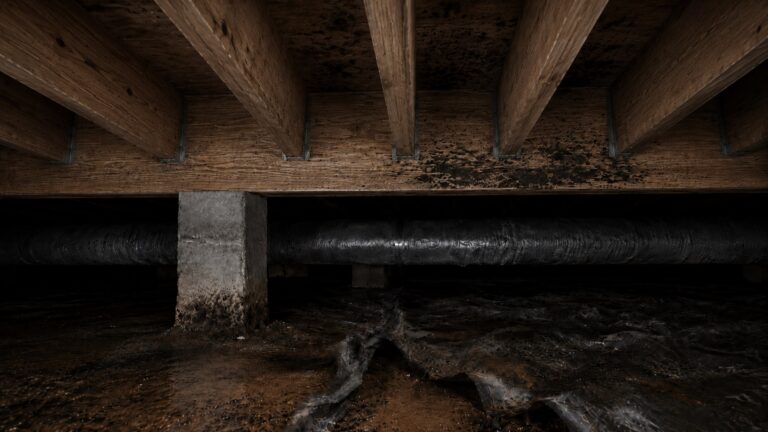
In basements, mold often hides behind finished walls, under carpet or flooring, behind stored boxes, or on the back side of paneling and insulation. When only the visible surface is cleaned, hidden growth or damp material can keep the problem active.
This is why mold sometimes seems to “come back” even when the surface appears clean—it was never fully removed.
Recognizing hidden signs, such as those described in signs of mold growth in basements, can help identify whether mold is still present in concealed areas.
Partial Solutions Do Not Address All Moisture Sources
Some solutions target only one type of moisture problem. For example, reducing humidity may help but will not stop water seepage through walls.
Similarly, fixing a leak does not address condensation or trapped moisture in materials. When multiple moisture sources exist, all of them must be addressed to prevent mold from returning.
This is why persistent mold problems often require a broader approach, which may involve combining moisture control, drying, and structural improvements.
Environmental Conditions That Accelerate Basement Mold Growth
Moisture is the primary cause of basement mold, but certain conditions can make growth faster, more widespread, or harder to control.
High Humidity Levels Throughout the Basement
Humidity plays a central role in how quickly mold grows. When indoor humidity levels rise above normal, moisture begins to settle on surfaces and remain there long enough to support mold activity.
General humidity risk levels include:
- Below 50%: Low risk of mold growth
- 50–60%: Moderate risk
- Above 60%: High risk of mold development
Basements frequently exceed these levels due to poor ventilation and constant exposure to moisture sources. When humidity remains elevated for extended periods, mold growth can occur even without visible water.
Poor Air Circulation and Stagnant Air
Airflow plays a key role in drying moisture. When air remains stagnant, moisture lingers on surfaces and in the air, creating ideal conditions for mold.
Common airflow-related issues include:
- Storage items placed tightly against walls
- Clutter blocking air movement
- Closed-off sections of the basement
- Limited ventilation openings
These conditions create small “microclimates” where moisture builds up and remains trapped. Mold often begins in these areas before spreading to more open parts of the basement.
Seasonal Changes and Weather Patterns
Seasonal conditions have a major impact on basement moisture levels and mold growth.
During warm, humid months:
- Outdoor humidity enters the basement
- Condensation forms on cool surfaces
- Mold growth accelerates
During rainy periods:
- Soil becomes saturated
- Pressure against foundation walls increases
- Seepage becomes more likely
These seasonal effects are often why mold appears suddenly or worsens at certain times of the year.
Interior Moisture Sources
In addition to external moisture, activities and systems inside the home can contribute to basement humidity.
Common sources include:
- Laundry areas or dryers that vent poorly
- Water heaters, plumbing lines, or drain connections
- HVAC condensate lines or floor drains
- Unvented appliances or stored wet items
These sources add moisture to the air, which can accumulate in the basement if ventilation is limited. Over time, this additional moisture contributes to mold-friendly conditions.
What These Causes Mean for Homeowners
Basement mold control starts with identifying the moisture pattern, not just cleaning the visible growth. A basement with rain-related seepage needs a different response than one with summer condensation or year-round high humidity.
Mold Is a Symptom, Not the Root Problem
Mold growth is a visible signal that moisture is present. Removing mold without addressing moisture is only a temporary solution.
This is why mold often returns after cleaning—because the underlying conditions have not changed.
Multiple Moisture Sources May Be Present
In many basements, mold is not caused by a single issue. Instead, several factors may be contributing at the same time, such as:
- Humidity combined with condensation
- Seepage combined with poor airflow
- Interior moisture sources combined with structural conditions
Identifying all contributing factors is essential to fully resolve the problem.
Small Moisture Problems Can Become Larger Over Time
Minor moisture issues may not seem urgent at first, but they can gradually lead to mold growth if left unaddressed. Over time, these conditions can affect:
- Stored belongings
- Interior finishes
- Structural materials such as wood and drywall
Addressing moisture early helps prevent more extensive damage later.
Different Causes Require Different Solutions
Because basement mold can be caused by humidity, condensation, seepage, or a combination of these factors, there is no single solution that works in every situation.
For example:
- Humidity issues may require improved ventilation or moisture control
- Condensation may require insulation or airflow changes
- Seepage may require drainage or waterproofing improvements
Understanding the specific cause of mold growth is the first step toward choosing the right solution.
When Conditions Point to a Larger Problem
Some patterns indicate that mold is part of a more significant moisture issue. These include:
- Mold appearing across multiple areas of the basement
- Strong, persistent odors that do not improve
- Visible moisture after rain or seasonal changes
- Repeated mold growth despite cleaning efforts
When these conditions are present, it may be necessary to move beyond basic moisture control and consider broader solutions, such as those discussed in how to fix persistent basement moisture problems.
Frequently Asked Questions About Why Mold Forms in Basement Areas
Why do basements get mold even without visible leaks?
Basements can develop mold without visible leaks because moisture may come from humid air, condensation on cool surfaces, or ground moisture moving slowly through concrete and masonry. These sources may not leave puddles, but they can still keep surfaces and stored materials damp enough for mold.
Can humidity alone cause mold in a basement?
Yes. When humidity levels remain high—typically above 60%—moisture in the air can settle on surfaces and support mold growth. This is especially common in basements with limited ventilation.
Why does basement mold keep coming back after cleaning?
Mold returns when the underlying moisture source is not resolved. Cleaning removes visible mold but does not eliminate humidity, condensation, or seepage, which continue to support new growth.
Is basement mold caused by outside or inside conditions?
Basement mold can be caused by both. Outside conditions such as soil moisture and rainfall can lead to seepage, while inside factors like humidity and poor airflow can also create mold-friendly environments.
Do all basements eventually develop mold?
No. While basements are naturally more prone to moisture, mold only develops when conditions allow it. Proper moisture control, ventilation, and maintenance can prevent mold from forming.
Conclusion
Mold forms in basement areas because below-ground spaces tend to trap moisture from humidity, condensation, seepage, capillary movement, poor airflow, and damp materials. In many basements, more than one of these causes is present at the same time.
The reason mold keeps coming back is usually not that the first cleaning failed. It is that the basement still has the same moisture pattern. Before repainting, refinishing, or storing items back against walls, identify whether the moisture is coming from indoor humidity, cool-surface condensation, rain-related seepage, or hidden damp materials.
Once the moisture source is understood, cleaning and prevention become much more effective because the basement is no longer recreating the conditions mold needs to grow.
One Comment
Comments are closed.