YoLink Water Leak Sensor Review: Is It Worth It for Long-Range Leak Detection?
The YoLink Water Leak Sensor is worth considering if you want long-range smart leak alerts in places you do not check every day, such as under sinks, near water heaters, beside washing machines, or in basement utility areas. Its biggest advantage is remote alert coverage; its biggest limitation is that it requires a YoLink Hub and only detects water that physically reaches the sensor.
This review focuses on the YoLink Water Leak Sensor 3-pack. It is a smart leak-alert device for monitoring several leak-prone areas at once, not a repair tool, moisture meter, mold detector, or automatic shutoff system by itself. For broader model comparisons, see our guide to the best smart leak detectors for homes.
Disclosure: This article may contain affiliate links. If you buy through these links, we may earn a commission at no extra cost to you.
Quick Verdict on the YoLink Water Leak Sensor
- Best for: Homeowners who want smart leak alerts in multiple leak-prone areas, especially larger homes, basements, utility rooms, and appliance zones.
- Not ideal for: Buyers who want a simple no-hub local alarm, automatic shutoff by default, or hidden moisture detection inside walls.
- Main strength: Long-range smart leak alerts using YoLink’s LoRa-based system.
- Main limitation: The YoLink Hub is required, and the sensor only detects water that physically reaches the sensor.
- Bottom line: A strong early-warning option for homeowners who want long-range smart leak alerts, as long as they understand that it requires a YoLink Hub and does not stop leaks by itself.
What the YoLink Water Leak Sensor Does
The YoLink Water Leak Sensor is a smart water leak detector that alerts you when water reaches the sensor. The listing reviewed here is a 3-pack, so it is useful for covering several high-risk spots instead of monitoring only one location.
The main difference between this sensor and a basic water alarm is the connected alert system. The Amazon listing identifies the product as a LoRa-based sensor with up to 1/4 mile open-air range and SMS/text, email, and push notifications through the YoLink system. That makes it especially relevant for basements, utility rooms, water heater areas, garages, and other places where ordinary Wi-Fi devices may be less dependable, though real indoor range depends on walls, floors, concrete, metal, and hub placement.
The key buying detail is that the YoLink Hub is required. The hub is not a minor accessory; it is part of how the sensor communicates and sends alerts. That makes this sensor better suited for homeowners who want connected leak monitoring as part of a broader plan to prevent recurring moisture damage, not buyers who want the simplest possible local-only alarm.
The sensor is best used for early warning. It can alert you when water reaches the device, but it cannot detect a hidden leak before water gets to the sensor, repair plumbing, dry wet materials, or prevent mold after moisture has already spread.
View the YoLink Water Leak Sensor on Amazon
YoLink Water Leak Sensor Features That Matter
Long-Range LoRa Communication
The standout feature is YoLink’s use of LoRa-based wireless communication. The Amazon listing describes the sensor as having up to 1/4 mile open-air range. For homeowners, the practical value is simple: the sensor may be a better fit for spaces where ordinary Wi-Fi devices struggle, such as basements, garages, utility rooms, large homes, and detached or semi-detached areas.
That does not mean every home will get the full open-air range. Indoor performance can be affected by walls, floors, appliances, metal, concrete, and the distance between the sensor and the hub. The safest way to describe the range is that YoLink’s long-range design is a major advantage, but real-world performance still depends on the layout of the home.
Remote Alerts
A basic water alarm can be useful if someone is home to hear it. The YoLink system is more useful for people who want alerts when they are away. The Amazon listing references SMS/text, email, and push notifications, which are important for leak-prone areas that are not checked every day.
This matters most during early leak events. A remote alert may give the homeowner a chance to respond before water spreads across the floor or soaks into nearby materials. The limitation is that alerts still depend on the hub, app, internet connection, notification settings, and user response.
Three-Sensor Coverage
The 3-pack format is practical because most homes have more than one leak-prone area. One sensor can go near the water heater, another under a kitchen sink, and another near a washing machine or basement appliance area. For larger homes, three sensors may still be only a starting point rather than whole-home coverage.
Smart-Home Compatibility
The Amazon listing mentions compatibility with Alexa, IFTTT, and Home Assistant. That makes YoLink more attractive to homeowners who already use smart-home routines or want leak alerts integrated into a broader monitoring setup.
This feature is most useful for users who are comfortable with app-based devices. Someone who wants a simple alarm with no account, no hub, and no smart-home setup may be happier with a basic water alarm. YoLink is better positioned as a connected monitoring device.
Hub-Based Setup
The hub requirement is both a strength and a limitation. On the positive side, the hub-based system is part of what allows YoLink’s long-range design and connected alerts. On the negative side, it adds another required device and setup step.
The listing title says the hub is required, not that the hub is included. If you do not already own a YoLink Hub, budget for one before treating this 3-pack as a complete working setup.
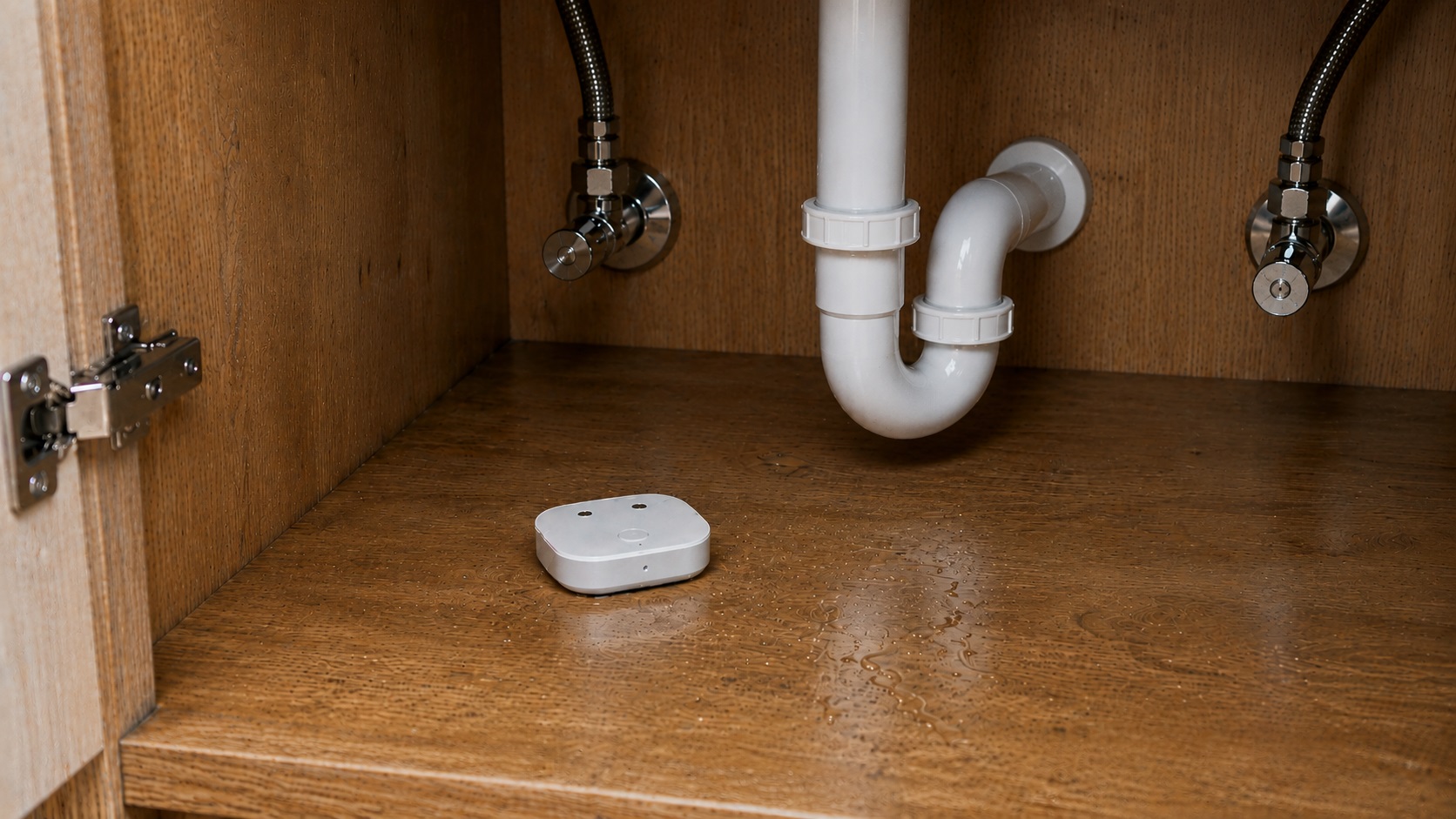
YoLink’s support information for the YS7903 Water Leak Sensor says the sensor uses three pairs of probes to detect water and sends notifications through the YoLink app. YoLink also describes the sensor as IP68 waterproof and lists long battery life, but actual battery life can vary with alert frequency, settings, and conditions. One important tradeoff: this Water Leak Sensor 1 model does not have a built-in sounder, so remote alerts and any connected YoLink routines matter more than local noise.
Before buying, check the current YoLink listing or support information to confirm the exact hub requirement, battery details, and model features for the version you are purchasing.
How the YoLink Leak Sensor Performs in Real Homes
In real use, the YoLink Water Leak Sensor performs best as an early-warning device. It works when water reaches the sensor and triggers an alert, so placement matters as much as the sensor itself.
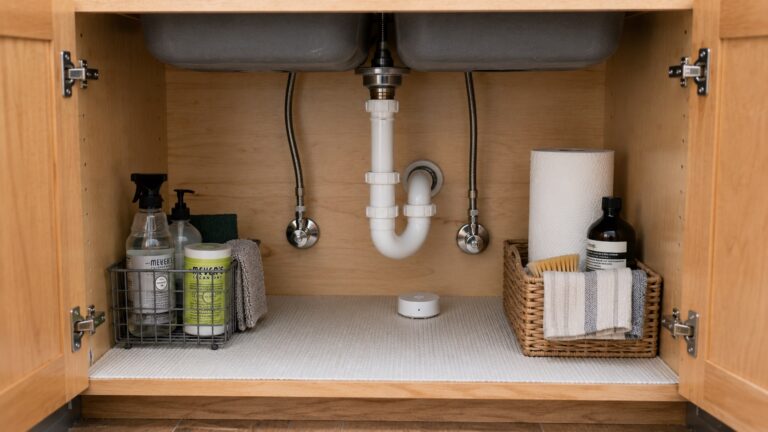
For example, placing a sensor near a water heater can help detect a tank, valve, or connection leak when water reaches the floor or drain pan area. Placing one under a sink can help catch leaks from supply lines, shutoff valves, drain traps, or disposal connections. In a laundry room, a sensor near the washing machine or hose connections may provide early warning if water begins spreading across the floor.
The sensor is less useful when the leak is still hidden behind a wall, under flooring, or inside a cabinet cavity where water has not reached the sensor. In those cases, homeowners may still need visual inspection, moisture testing, or professional leak diagnosis. A smart sensor is helpful, but it should not replace basic awareness of signs of slow hidden water leaks.
The other real-world advantage is speed of awareness. Water damage becomes more expensive when a leak continues unnoticed. A sensor that sends remote alerts can help homeowners respond sooner, shut off water manually, move stored items, call a plumber, or begin drying exposed areas before the problem spreads.
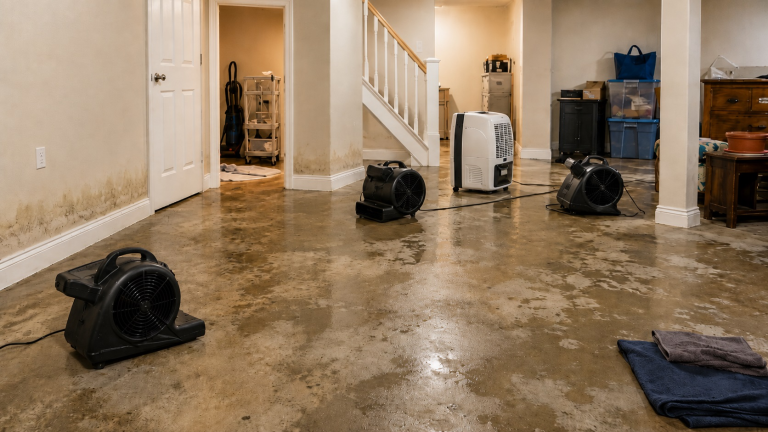
However, the sensor should not be treated as a complete protection plan. If an area has already leaked before, the real solution may include repair, monitoring, drying, and prevention. A product like this can support a plan to prevent recurring moisture damage, but it cannot correct the conditions that caused the leak.
Where the YoLink Sensor Works Best
The YoLink Water Leak Sensor works best where water is likely to reach the floor or a low surface early in a leak. Good placements include under kitchen sinks, under bathroom vanities, near water heaters, beside washing machines, near dishwashers, behind refrigerators with water lines, near sump pump areas, and around basement mechanical equipment.
Placement matters. A sensor near a sump pit, basement floor drain, or water heater pan can be useful, but it should be placed where abnormal water would appear early, not where harmless dampness or routine splashing could cause nuisance alerts.
For most leak-prone spots, place the sensor on the lowest flat surface where water would collect first: the cabinet floor under a shutoff valve, the floor beside a washer, the bottom of a water heater pan, or the floor near a sump pump—not on a shelf above the likely leak path.
Post-repair monitoring is another strong use case. If a homeowner has repaired a past leak under a sink, near an appliance, or around a water heater, placing a sensor there can provide extra reassurance. That does not mean the repair can be ignored, but ongoing monitoring can help catch a repeated problem sooner. For that broader approach, see this guide on how to monitor areas after leak repairs.
Where the YoLink Sensor Is Not Enough
The YoLink Water Leak Sensor is not a hidden-moisture diagnostic tool. It does not measure dampness inside drywall, wood, cabinets, flooring, insulation, or wall cavities.
It is also not a repair solution for an active leak. If water is already present, the leak source still needs to be fixed and wet materials may need to be dried, removed, or inspected. The sensor is most useful before a leak spreads or after a repair, when you want to know quickly if the problem returns.
If water is near outlets, electrical cords, appliances, or a breaker panel, do not step into the wet area to retrieve the sensor. Shut off power safely if you can do so from a dry location, or call a qualified professional.
The other limitation is setup. Homeowners who dislike apps, hubs, accounts, smart-home devices, or notification settings may prefer a simple battery-powered local alarm. YoLink is more capable than a basic alarm in several ways, but it is not as simple.
Who the YoLink Water Leak Sensor Fits Best
The YoLink Water Leak Sensor is a strong fit for homeowners who want remote alerts from several leak-prone areas instead of relying only on visible water damage or a local alarm. It is especially useful for people who are away from home during the day, travel often, own a second property, or have basement and utility areas that are not checked regularly.
It also makes sense for larger homes where ordinary Wi-Fi leak detectors may struggle. Basements, garages, mechanical rooms, utility spaces, and distant plumbing areas can be difficult for some smart devices to reach reliably. YoLink’s LoRa-based system is one of the main reasons this product stands out.
The 3-pack is also useful after a previous leak repair. If a sink cabinet, appliance area, water heater, or basement corner has leaked before, placing a sensor nearby can help catch a repeated problem sooner.
Homeowners who want a long-range smart leak-alert setup can check today’s price on Amazon.
When a Simpler Leak Alarm May Be Better
A simpler battery-powered leak alarm may be better if you only need a loud local alert in one easy-to-check area, without a hub, app, account, or smart-home setup.
The YoLink sensor is also not the right tool if automatic water shutoff is your main goal. It can notify you when water reaches the sensor, but the sensor itself does not close a valve. For shutoff protection, you would need compatible YoLink shutoff equipment or a different system built around automatic water control. For that broader decision, see this guide to smart water shutoff systems vs leak sensors.
It is also the wrong tool for diagnosing hidden moisture inside walls, under flooring, or behind cabinets. If you suspect hidden water damage, you may need a moisture meter, visual inspection, or professional leak diagnosis.
YoLink vs Basic Water Alarms, Wi-Fi Sensors, and Shutoff Systems
Compared with a basic water alarm, the YoLink Water Leak Sensor is more useful when you want remote alerts. A local alarm can work if someone is nearby to hear it, but YoLink is better for basements, utility rooms, closed cabinets, and times when you are away from home.
Compared with many Wi-Fi leak sensors, YoLink’s main advantage is long-range communication. Wi-Fi sensors may be simpler for some buyers, but they can be weaker in areas with poor signal. YoLink’s hub-based approach adds setup, but it may also improve communication in challenging locations.
Compared with automatic shutoff systems, YoLink is less complete by itself. Shutoff systems can stop water flow when configured correctly, while this sensor alerts you to the problem. Compared with a moisture meter, YoLink also serves a different purpose: it alerts when liquid water reaches the sensor, while a moisture meter checks whether materials are damp. For broader sensor-only comparisons, see our guide to the best water leak sensors for early detection.
YoLink Water Leak Sensor FAQs
Does the YoLink Water Leak Sensor require a hub?
Yes. The Amazon listing states that the YoLink Hub is required. Before buying, confirm whether you already have a compatible YoLink Hub or whether you need to purchase one separately.
Can the YoLink Water Leak Sensor detect leaks inside walls?
No, not directly. The sensor detects water that reaches the sensor location. It cannot see inside walls, floors, cabinets, or ceilings. If a leak remains hidden inside a cavity, the sensor will not alert until water reaches the area where the sensor is placed.
Where should YoLink leak sensors be placed?
Good locations include under sinks, near water heaters, beside washing machines, near dishwashers, behind refrigerators with water lines, near sump pump areas, and in basement or utility spaces. The best placement is where water would likely appear early if a leak started.
Does the YoLink Water Leak Sensor shut off the water automatically?
The sensor itself does not shut off water. It is an alert device. If you want automatic shutoff, you need to verify compatible YoLink equipment or consider a water leak detection system built around shutoff control.
Is the YoLink Water Leak Sensor good for basements?
Yes, it can be a good fit for basements, especially because long-range communication may help in areas where Wi-Fi devices struggle. It is most useful near sump areas, water heaters, floor-level plumbing risks, utility equipment, or any place where water would reach the sensor early. Test the sensor and hub connection in the exact basement location before relying on it.
Is the YoLink Water Leak Sensor Worth Buying?
The YoLink Water Leak Sensor is worth considering if you want long-range smart leak alerts for several vulnerable areas of the home. It is strongest near water heaters, under sinks, beside laundry machines, near dishwashers, around refrigerator water lines, near sump pump areas, and in basements or utility rooms where a leak may not be noticed quickly.
The main reason to choose it is the combination of remote alerts, long-range communication, and 3-pack coverage for more than one risk zone.
The main caution is that the YoLink Hub is required, and the sensor only detects water that physically reaches it. It does not diagnose hidden leaks, measure damp materials, shut off water by itself, or dry wet areas.
For homeowners who want smarter early warning and are comfortable with the YoLink ecosystem, this is a practical leak-detection product. For buyers who want a no-hub alarm or automatic shutoff as the core feature, another type of device may be a better fit.