
How to Dry a House After Flood Damage
Drying a house after flood damage is not the same as removing the visible water. A room can look mostly dry while moisture remains under flooring, behind baseboards, inside drywall, beneath cabinets, in insulation, and in the air. If that hidden moisture stays trapped, it can lead to mold, odors, swelling, material breakdown, and recurring dampness long after the floodwater is gone.
The goal is to dry the whole affected system, not just the visible surfaces. That usually means removing standing water, taking out wet materials that block drying, moving air across exposed damp areas, lowering humidity with dehumidification, checking hidden moisture, and delaying repairs until the house is actually dry.
This guide focuses on whole-house drying after flood damage. It assumes the immediate emergency response and cleanup phase has already started. If you are still dealing with active floodwater, unsafe utilities, or contaminated cleanup conditions, start with what to do immediately after home flooding and emergency flood cleanup steps before moving into the drying process.
Start Drying Only After Safety and Standing Water Are Controlled
Drying should not begin until the area is safe to enter and the main water source is controlled. Flooded homes can involve electrical hazards, gas appliance concerns, contaminated water, unstable materials, and unsafe appliances. Do not place fans, pumps, dehumidifiers, or extension cords in wet areas until electrical safety is confirmed, and do not enter rooms with sagging ceilings, shifting floors, strong gas odors, or energized electrical equipment.
If the floodwater came from sewage, outdoor flooding, stormwater, or an unknown source, treat the situation as potentially contaminated. In those cases, drying materials in place may not be appropriate. Some materials may need to be removed, cleaned, or professionally handled before drying can safely continue.
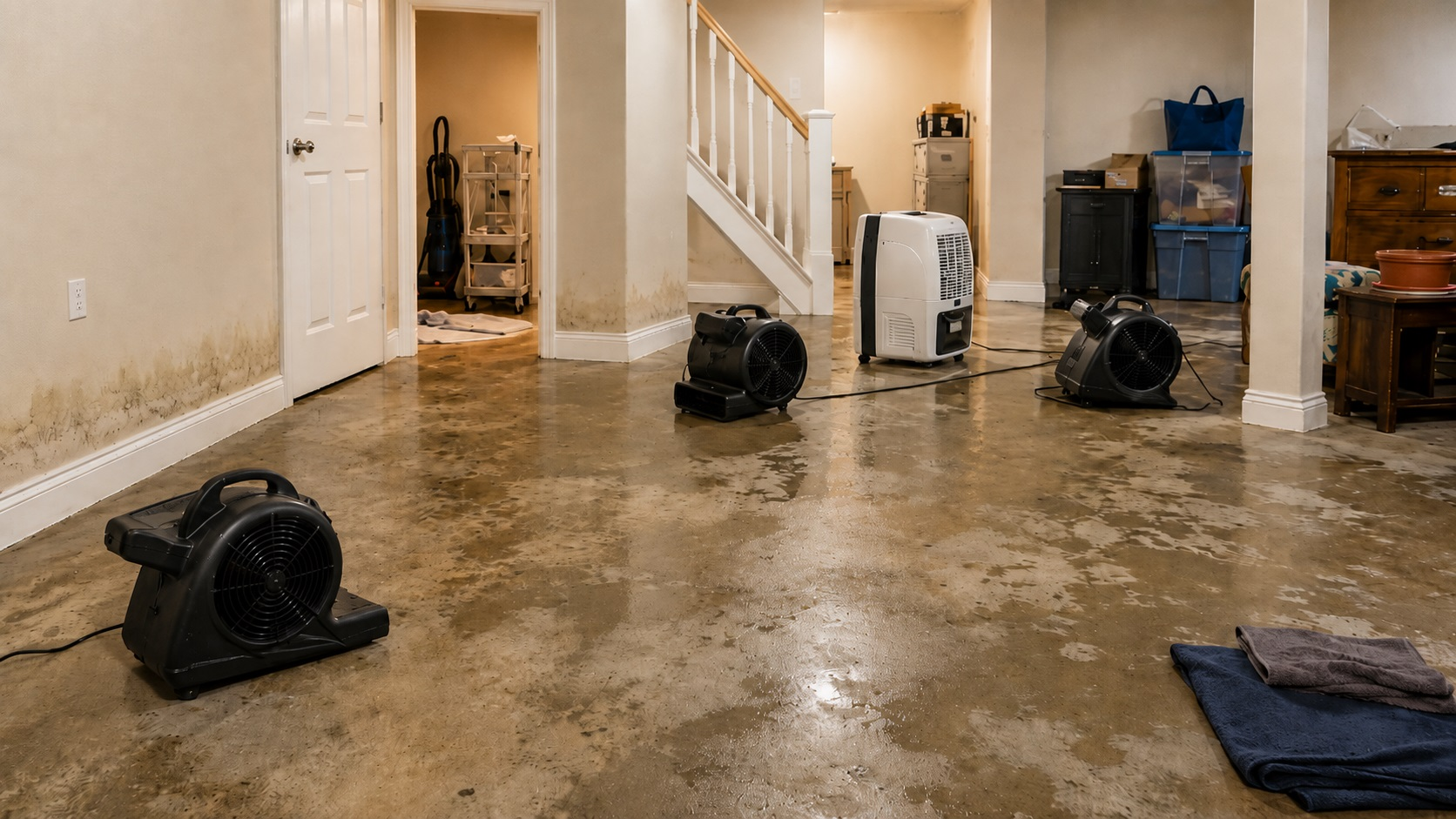
Standing water should be removed before relying on fans and dehumidifiers. Fans are not meant to dry a flooded room with puddles still in place, and dehumidifiers work better once bulk water and wet debris have been removed. Water extraction, pumping, mopping, and removal of saturated items usually come first. For that step, use how to remove standing water safely before treating the space as a drying project.
Once the standing water is removed, the real drying process begins. This is where many homeowners underestimate the problem. The room may look cleaner, but water can still be inside flooring systems, walls, baseboards, cabinets, and contents. The drying plan must target those hidden areas, not just the open floor.
Drying also needs to happen quickly. Wet materials become harder to save the longer they stay saturated, and even minor-looking floods can push moisture into porous materials. The broader prevention guide on how to prevent recurring moisture damage explains why source control and complete drying matter after any water event.
Understand That Surface Dry Is Not Fully Dry
One of the biggest mistakes after flood damage is assuming the house is dry because the visible water is gone. Surface drying happens first. Structural drying takes longer. A floor can feel dry on top while water remains below it. A painted wall can look normal while drywall paper, insulation, or the wall cavity remains damp.
Floodwater often moves toward edges and low points. That means moisture commonly remains along wall-floor joints, under baseboards, under cabinets, behind trim, below flooring seams, and inside corners. These areas may dry much more slowly than the open middle of the room.
Drywall can wick water upward from the floor. The visible flood line may not show the full height of moisture inside the material. A wall may look dry above the baseboard while the lower drywall, paper facing, or cavity remains wet. If repairs begin too soon, trapped moisture can stay behind new paint, trim, or flooring.
Flooring can hide moisture even more effectively. Carpet may feel less wet on the surface while padding underneath remains soaked. Laminate or vinyl may look intact while water sits underneath. Wood flooring may absorb moisture and later cup, buckle, or separate. Subflooring can stay damp after the visible floor is cleaned.
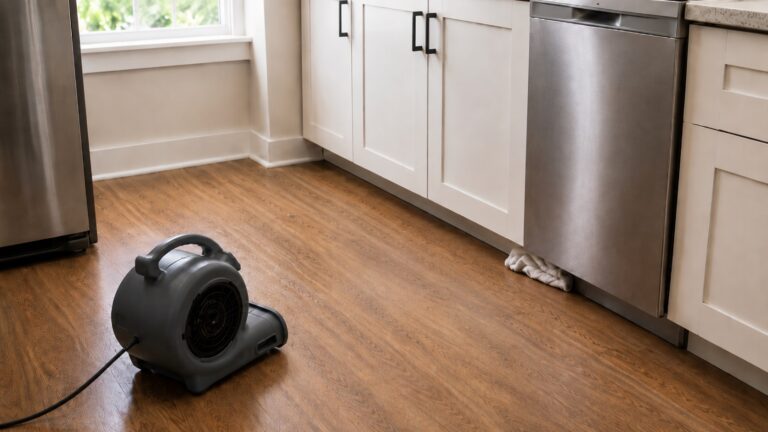
Cabinets and built-ins create another hidden drying problem. Water can collect under toe-kicks, inside cabinet bases, behind back panels, and under vanities. These enclosed areas restrict airflow, which means they can remain damp after the rest of the room appears dry.
Insulation is also difficult to judge from the surface. Wet insulation can hold moisture inside walls, ceilings, crawl spaces, or lower-level cavities. It may prevent surrounding materials from drying and can become a mold risk if it stays wet.
A properly dried house is dry in the materials that were exposed, the spaces where water traveled, and the hidden edges where moisture tends to linger. For a broader explanation of home moisture pathways, see how to find, fix, and prevent moisture problems in homes.
Remove Wet Materials That Block Drying
Drying works best when saturated materials are removed or opened up enough for air movement and dehumidification to reach the wet areas. If wet materials stay packed together, they can trap moisture, slow evaporation, and keep nearby surfaces damp.
Carpet padding is one of the first materials to evaluate. Padding can hold a large amount of water beneath the carpet surface. Even if the carpet begins to dry, soaked padding can keep the subfloor wet and create odors. In many flood situations, padding must be removed so the floor below can dry.
Wet insulation is another material that often blocks drying. Once insulation is saturated, it can hold water against framing, drywall, sheathing, or cavities. In some situations, wet insulation must be removed so the surrounding materials can dry properly.
Drywall may also need attention if floodwater reached the lower wall. The amount of removal depends on water source, contamination, saturation depth, and professional evaluation. The key point is that drying the painted surface does not always dry the back side of the drywall or the wall cavity.
Wet cardboard, paper, books, fabric storage, upholstered items, and foam materials can also hold water and slow drying. These items should be separated from the structure so they do not keep floors and walls damp. Some may be salvageable if cleaned and dried quickly, while others may need disposal.
Contaminated porous materials require extra caution. If floodwater came from sewage, outdoor flooding, or muddy stormwater, drying those materials in place may not be safe. In those cases, removal and professional cleaning may be necessary before drying can continue.
The goal is not to tear out everything automatically. The goal is to remove or separate materials that are saturated, contaminated, or preventing the home from drying. For salvage decisions beyond the drying sequence, use how to salvage materials after flood damage.
Move Air Across Wet Surfaces, Not Just Around the Room
Air movement helps moisture leave wet surfaces. Fans can speed evaporation by moving damp air away from materials, but they do not remove moisture from the house by themselves. That moisture still has to be removed through dehumidification or controlled ventilation.
Place fans so air moves across wet surfaces, not just randomly around the room. Aim airflow along floor edges, across damp walls, into open closets, around cabinet bases, and toward areas where moisture is likely to linger. The middle of the room often dries faster than the edges, so airflow should focus on corners, wall-floor joints, and hidden areas.
Open interior doors, closet doors, and cabinet doors when it is safe to do so. This allows air to reach enclosed spaces that otherwise dry slowly. Cabinet toe-kicks, under-stair areas, utility closets, and built-in shelving can trap damp air if they stay closed during the drying process.
Do not use fans in unsafe electrical conditions. Cords, outlets, plugs, and fan motors must stay out of standing water and wet electrical areas. If the flood affected outlets, appliances, electrical panels, or HVAC equipment, wait for a qualified professional before using powered drying equipment.
Be careful with contaminated or moldy areas. If floodwater involved sewage, outdoor contamination, muddy stormwater, or visible mold, fans can spread particles, odors, or contaminants into cleaner parts of the home. In those situations, containment, protective equipment, material removal, and professional cleanup may be needed before aggressive air movement is used.
Airflow should support drying, not replace material removal. A fan blowing across soaked carpet padding, wet insulation, or saturated drywall may not solve the problem if those materials are holding water inside. Remove or open wet materials when necessary so the airflow can actually reach the damp surfaces.
Use Dehumidifiers to Pull Moisture From the Air
Dehumidifiers are important after flood damage because they remove moisture from the air. Fans help water evaporate from wet surfaces, but if indoor humidity stays high, evaporation slows and damp materials can stay wet much longer.
A dehumidifier works best after standing water is removed and the wettest debris is out of the room. If the space is still full of soaked carpet padding, wet cardboard, saturated furniture, and puddles, the dehumidifier will be overloaded. Removing bulk water and wet materials first makes the drying process more effective.
In many cases, a closed drying environment works better than opening every window. If outdoor air is humid, rainy, or warm and damp, open windows can bring more moisture into the house and slow drying. If outdoor air is dry and conditions are safe, controlled ventilation can help, but avoid switching back and forth so often that humidity keeps rising again.
Place dehumidifiers where air can circulate around them. Do not push them tightly into corners or block the intake and exhaust. In larger affected areas, one household dehumidifier may not be enough. Finished basements, multiple rooms, or saturated materials often require commercial drying equipment.
Empty dehumidifier buckets frequently or set up a safe drain hose if the unit allows it. A full bucket stops the machine from collecting more moisture. If the dehumidifier drains to a floor drain or sink, make sure the drain path is clear and not part of the original flood problem.
Monitor indoor humidity during drying. A hygrometer can help show whether the air is staying too damp. If humidity remains high even with equipment running, the space may still contain wet materials, poor airflow, or too much moisture for household equipment to handle. A guide such as best dehumidifiers for mold prevention can help homeowners understand the role of dehumidification, but severe flood damage often requires restoration-grade equipment rather than normal household units.
Fans and dehumidifiers work together: fans move moisture off wet surfaces, and dehumidifiers remove that moisture from the air. If either part is missing, drying may be slower or incomplete.
Dry Floors, Subfloors, and Floor Edges Carefully
Floors take a heavy hit during flood damage because water settles downward and spreads across low areas. Even after visible water is removed, flooring systems can hold moisture underneath the surface. Drying the top of the floor is not enough if the subfloor, padding, underlayment, or floor-wall edge remains wet.
Carpet and padding should be evaluated quickly. Carpet may sometimes be cleaned and dried depending on the water source and how long it stayed wet, but padding is much more difficult to save. Soaked padding can hold water against the subfloor and keep the room damp. For flood-specific decisions, see carpet and subfloor flood recovery.
Wood flooring can absorb moisture and change shape as it dries. Cupping, crowning, buckling, gaps, and surface checking can appear after the initial flood cleanup. Drying wood flooring too aggressively or unevenly may also create problems, so professional evaluation is often needed when large wood areas are involved.
Laminate and some engineered flooring can trap water underneath. The top surface may look intact while the core, seams, or underlayment remain wet. Swelling at seams, raised edges, soft spots, and hollow sounds can suggest moisture below the surface.
Vinyl flooring can also hide water. Sheet vinyl and some plank flooring may prevent evaporation from below, trapping moisture against underlayment or subfloor materials. If the edges or seams were flooded, the floor may need to be lifted or evaluated to confirm whether water is trapped underneath.
Subfloors are especially important because they support the flooring system above. If a subfloor stays wet, it can swell, soften, delaminate, rot, or develop mold. Subfloor drying may require access from above, below, or both depending on the home’s construction. For a narrower guide, use how to dry subfloors after water damage.
Pay close attention to floor edges. Water often collects along baseboards, under transitions, at thresholds, around cabinets, and near exterior walls. These areas may not dry well unless air movement reaches them directly.
Dry Walls, Baseboards, Cabinets, and Built-Ins
Walls and built-ins often hold moisture after the floor looks dry. Floodwater can wick into drywall, move behind baseboards, collect under cabinet toe-kicks, and remain inside enclosed cavities. These areas need special attention because they dry more slowly than open floor surfaces.
Drywall can absorb water upward from the floor. The visible water line may not show the full extent of moisture inside the material. Lower drywall may look normal at first, then develop stains, bubbling paint, peeling texture, softness, or musty odor later. If the drywall was saturated, contaminated, or wet for too long, surface drying may not be enough.
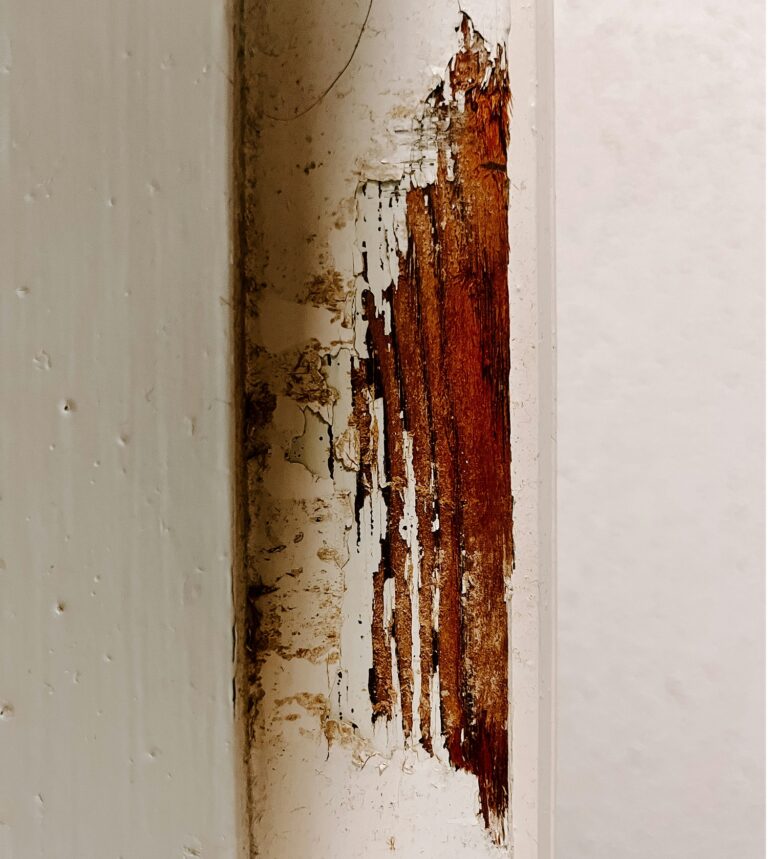
Baseboards can trap moisture between the wall and trim. Even if the room feels dry, water can remain behind the trim line. Swollen trim, gaps, peeling paint, dark staining, or a musty smell near the floor can mean moisture is still hidden. In some cases, baseboards need to be removed so the wall edge and floor joint can dry.
Cabinets and built-ins are common slow-drying zones. Water can collect under toe-kicks, inside cabinet bases, behind back panels, under vanities, and below built-in shelving. Opening cabinet doors helps, but it may not dry enclosed spaces underneath. If cabinet bases are swollen, soft, stained, or musty, moisture may be trapped inside the materials.
Insulation inside walls can hold water and slow drying. Wet insulation may keep drywall, framing, and sheathing damp after the surface looks better. If floodwater reached insulated wall cavities, professional evaluation is often needed because moisture may be hidden behind intact-looking walls.
Do not repaint, reinstall baseboards, replace cabinets, or close up wall cavities until the materials are dry. Covering damp materials can trap moisture and create recurring mold or odor problems. For detailed wall-specific drying guidance, use how to dry walls after water damage.
Check Hidden Moisture Before Repairs Begin
Before rebuilding or cosmetic repairs begin, check whether hidden moisture is still present. A house can look ready for repairs while still holding water in subfloors, wall cavities, cabinet bases, trim lines, insulation, and flooring underlayment. If repairs are installed over damp materials, the moisture can become trapped.
Visual signs are useful but limited. Watch for swelling, bubbling paint, dark stains, soft drywall, musty odor, floor movement, condensation, and recurring damp spots. These signs suggest moisture may remain, but the absence of visible damage does not prove the structure is dry.
A moisture meter can help screen drywall, wood, trim, subfloors, and other materials for elevated moisture. It is not a perfect diagnosis by itself, but it can help identify areas that need closer attention. If you are comparing tools, best moisture meters for hidden water damage explains what these tools are useful for in homeowner inspections.
When possible, compare readings in flooded areas with readings from similar unaffected materials in another room. A single number is less useful than a pattern showing which walls, trim, or floor areas are still elevated compared with dry areas of the same home.
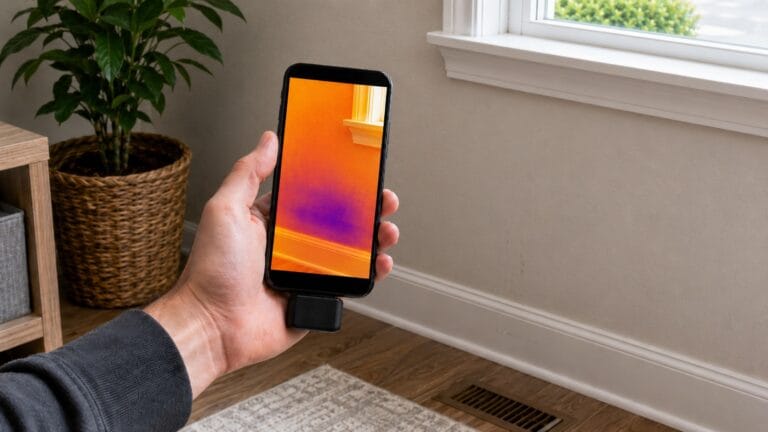
Thermal imaging can also help locate possible moisture patterns, but it does not directly measure water. It shows temperature differences that may suggest damp areas, missing insulation, air leaks, or other conditions. Any suspicious thermal pattern should be confirmed with moisture readings or professional inspection.
Humidity readings also matter. If indoor humidity remains high after cleanup, wet materials may still be releasing moisture into the air. A hygrometer can help you see whether the drying environment is improving or staying damp.
Professional restoration companies may use moisture mapping, commercial meters, drying logs, controlled dehumidification, air movers, and repeated readings to confirm progress. This is especially important after large floods, finished basement flooding, wet wall cavities, soaked insulation, or multiple-room water damage.
Repairs should wait until the affected areas are dry enough for the material and repair type. Do not install new flooring over a damp subfloor. Do not reinstall trim over wet drywall edges. Do not paint over damp walls. Do not close cavities before moisture is controlled.
Prevent Mold During the Drying Phase
Mold prevention after flood damage depends on fast, complete drying. The first day or two after water exposure are especially important, so the goal is to remove water, lower humidity, increase safe airflow, and remove materials that cannot dry fast enough.
Do not wait for visible mold before taking drying seriously. Musty odor, damp drywall, wet baseboards, soaked padding, humid air, and darkening stains are warning signs that moisture is still active.
Remove wet porous materials that cannot be cleaned and dried quickly. This may include carpet padding, wet cardboard, soaked paper, contaminated upholstery, saturated insulation, and some wet wall materials. Leaving these materials in place can keep humidity high and slow drying throughout the room.
Keep air moving across wet surfaces, but avoid spreading contamination. If sewage, outdoor floodwater, or visible mold is involved, aggressive fan use without containment can spread particles or odors. In those cases, professional cleanup may be safer.
Use dehumidification to keep indoor humidity from staying high, especially while floors, walls, and contents are still releasing moisture into the air.
Watch hidden areas closely. Mold often begins where moisture lingers: behind baseboards, under flooring, inside cabinets, in wall cavities, and on stored materials. The guide on how long water damage takes to cause mold explains why quick drying matters after water exposure.
Do not paint over stains, install flooring, or cover walls to make the room look finished before drying is complete. Cosmetic repair over damp material can hide the problem temporarily and allow mold or odor to return later.
When Whole-House Drying Requires a Professional
Some flood-damaged homes cannot be dried safely or completely with household fans and a few portable dehumidifiers. Professional drying is often needed when water has moved into multiple rooms, wall cavities, insulation, subflooring, finished basement materials, cabinets, or mechanical systems.
Call a water damage restoration professional if the flood involved sewage, outdoor floodwater, stormwater, muddy water, chemical contamination, or an unknown source. In those situations, drying contaminated materials in place may not be safe. Materials may need controlled removal, cleaning, containment, and disposal before drying can continue.
Professional drying is also important when the affected area is large. Multiple rooms, finished basements, carpeted areas, wet drywall, and soaked cabinets can hold more moisture than household equipment can remove quickly. Restoration companies use commercial air movers, dehumidifiers, moisture meters, and drying plans to reduce moisture more consistently.
Wet wall cavities and insulation are strong reasons to get help. If water reached inside walls, behind cabinets, under stairs, or into insulated cavities, surface drying may not reach the moisture. A professional can determine whether materials need to be opened, removed, dried in place, or monitored.
Subfloor moisture also deserves professional attention when flooding was widespread. A wet subfloor can affect flooring stability, indoor odor, mold risk, and future repairs. If the floor feels soft, swollen, cupped, buckled, or damp after drying attempts, the structure below may still be wet.
Mechanical systems are another escalation point. If floodwater reached HVAC equipment, furnaces, boilers, water heaters, electrical panels, outlets, wiring, or major appliances, do not restart those systems casually. They may need inspection before use, and the surrounding materials may need drying or removal.
Call for help if humidity remains high, musty odor develops, mold appears, or dampness returns after initial drying. These signs suggest moisture is still trapped somewhere in the home. The guide on when to call water damage restoration services can help you decide when drying has moved beyond a safe DIY scope.
FAQs About Drying a Flood-Damaged House
How long does it take to dry a house after flood damage?
Drying time depends on how much water entered, how long materials stayed wet, what materials were affected, humidity levels, airflow, temperature, and whether wet materials were removed. Some small areas may dry in a few days, while larger floods, wet wall cavities, soaked insulation, subfloors, or finished basements can take much longer and may require professional drying equipment.
Can fans dry a flooded house by themselves?
Fans help move air across wet surfaces, but fans alone usually are not enough after flood damage. Fans move moisture into the air. Dehumidifiers or ventilation are needed to remove that moisture from the home. If wet padding, insulation, drywall, or underlayment remains in place, fans may only dry the surface while hidden materials stay wet.
Are dehumidifiers necessary after flooding?
Dehumidifiers are often necessary because wet floors, walls, cabinets, and contents continue releasing moisture into the air after standing water is removed. Dehumidifiers help pull that moisture out so materials can keep drying. Large floods may require commercial dehumidifiers rather than small household units.
How do I know if walls are dry after a flood?
Walls may not be dry just because the paint looks normal. Watch for soft drywall, bubbling paint, peeling texture, dark staining, musty odor, swollen trim, or dampness near the baseboard. Moisture meters and professional moisture mapping can help confirm whether drywall, framing, or wall cavities are still wet.
Should wet carpet be removed after flooding?
Wet carpet should be evaluated quickly, and carpet padding often needs removal after flooding. Padding holds water against the floor and can slow drying even when the carpet surface feels less wet. If floodwater was contaminated, carpet and padding are much less likely to be safely salvageable.
Can I rebuild once the surface feels dry?
No. Surface dryness does not prove the structure is dry. Do not reinstall flooring, baseboards, cabinets, drywall, or paint until hidden moisture is checked. Building over damp materials can trap moisture and lead to odor, mold, swelling, and recurring damage.
When should I call professionals to dry a flooded house?
Call professionals if flooding affected multiple rooms, a finished basement, wall cavities, insulation, cabinets, subflooring, electrical systems, HVAC equipment, or contaminated water. You should also call if humidity stays high, musty odor develops, mold appears, or materials remain damp after initial drying.
Key Drying Steps to Remember
- Drying a house after flood damage means drying air, surfaces, cavities, and materials, not just removing visible water.
- Start drying only after safety hazards, utilities, contamination risks, and standing water are controlled.
- Surface dry does not mean structurally dry.
- Wet carpet padding, insulation, cardboard, underlayment, and saturated drywall can block drying.
- Fans move moisture off surfaces, while dehumidifiers remove moisture from the air.
- Floor edges, baseboards, cabinets, wall cavities, and subfloors often stay wet after the open floor looks dry.
- Repairs should wait until hidden moisture is checked and controlled.
- Professional drying is often needed for contaminated water, multiple rooms, finished basements, wall cavities, insulation, subfloors, and persistent humidity.
One Comment
Comments are closed.