
Best Smart Leak Detectors for Homes (Early Warning Systems That Help Prevent Water Damage)
Disclosure: As an Amazon Associate, this site earns from qualifying purchases. This does not affect the price you pay. Our recommendations are based on research, product reliability, and real-world usability in moisture-prone environments.
Water damage rarely starts as a dramatic flood. Most serious moisture problems begin with small leaks that go unnoticed for days or even weeks.
A loose plumbing fitting, slow drip behind an appliance, or hidden pipe leak inside a cabinet can quietly cause structural damage and mold growth before homeowners realize anything is wrong. Many homeowners begin searching for the best smart leak detectors for homes only after discovering damage that could have been prevented earlier.
That’s why many homeowners now rely on smart leak detectors as part of their moisture protection strategy. These devices alert you when water appears in places it shouldn’t, helping you respond quickly before damage spreads. When used alongside proper inspection methods — such as learning how to find hidden water leaks inside walls — leak detectors can significantly reduce the risk of costly repairs.
This guide reviews some of the most reliable smart water leak detectors currently available. Each option was selected based on reliability, ease of use, strong user feedback, and suitability for typical residential environments.
If you’re working to prevent moisture damage or monitor known risk areas, choosing the right detection system can make a major difference in protecting your home.
For more moisture detection strategies, you can also explore our full Moisture Control category, which covers common warning signs, inspection techniques, and prevention methods.
Quick Picks: Best Smart Leak Detectors for Homes
- ⭐ Best Overall: GoveeLife Premium Smart Water Leak Detector 2 (4 Pack)
- Best Long-Range System: YoLink Water Leak Starter Kit (Sensor 1)
- Best With Built-In Siren: YoLink Water Leak Starter Kit (Sensor 4 — 105dB)
- Best Budget WiFi Pick: Govee WiFi Water Leak Detector (3 Pack)
- Best Multi-Sensor Starter Kit: X-Sense Wi-Fi Water Leak Detector (SWS54)
- Best for Smart Home Integration: Aqara Water Leak Sensor Kit
Smart Leak Detector Comparison Table
| Product | Best For | Connection Type | Hub Required | Ideal Locations |
|---|---|---|---|---|
| GoveeLife Premium Smart Water Leak Detector 2 (4 Pack) | Best Overall | Hub-Based | Yes | Whole-home protection, basements, utility areas |
| YoLink Water Leak Starter Kit (Sensor 1) | Best Long-Range System | Hub-Based | Yes | Large homes, garages, remote spaces |
| YoLink Water Leak Starter Kit (Sensor 4 — 105dB) | Best With Built-In Siren | Hub-Based | Yes | High-risk leak zones needing loud alerts |
| Govee WiFi Water Leak Detector (3 Pack) | Best Budget WiFi Pick | WiFi | No | Apartments, kitchens, laundry rooms |
| X-Sense Wi-Fi Water Leak Detector (SWS54) | Best Multi-Sensor Starter Kit | WiFi + Hub | Yes | Multi-room monitoring setups |
| Aqara Water Leak Sensor Kit | Best Smart Home Integration | Zigbee | Yes | Smart home automation systems |
Smart Leak Detector Pros and Cons Summary
| Product | Main Advantage | Main Drawback |
|---|---|---|
| GoveeLife Premium Smart Water Leak Detector 2 | Best balance of whole-home coverage, alerts, and expandability. | Requires a hub, so setup takes slightly longer than WiFi-only sensors. |
| YoLink Water Leak Starter Kit (Sensor 1) | Excellent long-range communication for large homes and remote areas. | May be more system than a small apartment or single-room setup needs. |
| YoLink Water Leak Starter Kit (Sensor 4) | Loud 105 dB siren helps alert people nearby even if phone alerts are missed. | The loud alarm may be unnecessary in quiet living areas. |
| Govee WiFi Water Leak Detector | Simple WiFi setup without needing a separate hub. | Less scalable and range-dependent compared with hub-based systems. |
| X-Sense Wi-Fi Water Leak Detector (SWS54) | Good starter kit for monitoring several rooms at once. | Requires a base station and is not as long-range as LoRa-style systems. |
| Aqara Water Leak Sensor Kit | Strong choice for smart-home automation and compact sensor placement. | Requires a compatible hub and is less beginner-friendly. |
Why Smart Leak Detectors Are Worth Installing
Small plumbing leaks are one of the most common causes of long-term moisture damage in homes. Many homeowners only discover these problems after stains, odors, or warped materials begin to appear.
Water damage is also one of the most common homeowner insurance claims, which is why many homeowners install leak detection systems before problems occur rather than after costly repairs. Installing smart leak detectors helps identify water problems early, often before visible damage spreads into surrounding materials such as drywall, cabinetry, or flooring.
In many real-world situations, early detection makes the difference between a quick cleanup and expensive structural repairs.
Best Smart Leak Detectors for Homes
Best Smart Leak Detectors at a Glance:
- Best Overall: GoveeLife Premium Smart Water Leak Detector 2
- Best Long-Range: YoLink Starter Kit
- Best Budget: Govee WiFi Leak Detector
- Best Multi-Sensor: X-Sense SWS54
- Best Smart Home Option: Aqara Leak Sensor
GoveeLife Premium Smart Water Leak Detector 2 (4 Pack)
Category Label: Best Overall
The GoveeLife Premium Smart Water Leak Detector 2 is a strong choice for homeowners who want reliable whole-home protection. This system uses a dedicated hub that allows sensors to communicate across longer distances than typical WiFi-only devices. That makes it especially useful for basements, utility rooms, and areas where wireless signals may struggle.
Because the system supports multiple sensors, it works well for monitoring several high-risk areas at once — such as under sinks, near water heaters, or around washing machines. This type of multi-point monitoring is often recommended when learning how to detect slow plumbing leaks before damage becomes severe.
Check the GoveeLife Premium Smart Water Leak Detector 2 on Amazon to see current availability.
Key Features:
- Hub-based communication for improved reliability
- Long-range wireless signal capability
- Multiple sensor support for whole-home coverage
- Loud built-in audible alarm
- Real-time smartphone alerts
- Expandable system for additional monitoring zones
Pros:
- ✔ Reliable long-range performance
- ✔ Suitable for monitoring multiple rooms
- ✔ Expandable system design
- ✔ Strong alert reliability
- ✔ Useful for large homes and basements
Cons:
- ✖ Requires hub installation
- ✖ Slightly more complex setup than WiFi-only models
- ✖ Range may be reduced through dense materials
Best For:
- Homes with multiple water-risk areas
- Basements and utility rooms
- Long-term moisture prevention setups
- Homeowners planning to expand monitoring coverage
YoLink Water Leak Starter Kit (Sensor 1)
Category Label: Best Long-Range System
The YoLink Water Leak Starter Kit is known for its extremely long wireless range, making it one of the most dependable systems for large homes or properties with detached areas. Instead of relying solely on standard WiFi, it uses long-range communication designed to maintain signal strength even across challenging distances.
This type of reliability is especially valuable when monitoring areas such as crawl spaces, garages, or remote basement corners. In larger properties, missing early signs of moisture can lead to hidden damage that later requires extensive drying work — similar to the situations covered in our guide on how to dry walls after water damage.
Check the YoLink Water Leak Starter Kit on Amazon to see current availability.
Key Features:
- Ultra-long-range wireless communication
- Hub-based detection network
- Expandable multi-sensor system
- Reliable alert delivery
- Long battery life sensors
- Suitable for detached or distant structures
Pros:
- ✔ Exceptional signal range
- ✔ Ideal for large homes
- ✔ Reliable notification delivery
- ✔ Expandable coverage
- ✔ Useful for challenging installation environments
Cons:
- ✖ Requires hub installation
- ✖ May be more system capacity than small homes require
- ✖ Setup takes longer than simple WiFi units
Best For:
- Large homes
- Detached garages or workshops
- Crawl spaces and basements
- Areas with limited WiFi coverage
YoLink Water Leak Starter Kit (Sensor 4 — 105dB)
Category Label: Best With Built-In Siren
This version of the YoLink leak detection system adds a powerful built-in siren, making it particularly useful in high-risk areas where immediate awareness is critical. While phone notifications are helpful, a loud local alarm ensures that leaks are noticed even if your phone is not nearby.
This feature can be especially valuable in mechanical rooms or near water heaters, where leaks can escalate quickly. Many homeowners also use audible-alert models when monitoring areas after repairs — similar to strategies discussed in our guide on monitor areas after leak repairs.
Check the YoLink Water Leak Starter Kit (Sensor 4) on Amazon to see current availability.
Key Features:
- Built-in 105 dB audible alarm
- Long-range wireless connectivity
- Hub-based system architecture
- Expandable sensor network
- Smartphone alert integration
- Reliable performance in critical areas
Pros:
- ✔ Loud audible alerts improve response time
- ✔ Reliable long-distance communication
- ✔ Excellent for high-risk water zones
- ✔ Expandable for additional monitoring
- ✔ Suitable for mechanical rooms and basements
Cons:
- ✖ Requires hub installation
- ✖ Audible alarm may be too loud for living areas
- ✖ Slightly higher complexity than standalone sensors
Best For:
- Water heater closets
- Basement utility rooms
- Sump pump areas
- High-risk plumbing locations
Govee WiFi Water Leak Detector (3 Pack)
Category Label: Best Budget WiFi Pick
The Govee WiFi Water Leak Detector is a practical choice for homeowners who want reliable leak alerts without installing a hub system. Because these sensors connect directly to WiFi, setup is generally straightforward and suitable for users who prefer a simpler installation process.
This type of system works especially well in common leak locations such as kitchens, bathrooms, and laundry areas. In many homes, these locations are among the first places where slow leaks develop — making early detection valuable for preventing the conditions that often lead to mold and structural damage.
Check the Govee WiFi Water Leak Detector on Amazon to see current availability.
Key Features:
- Direct WiFi connectivity without a hub
- Loud built-in audible alarm
- Real-time smartphone notifications
- Multiple sensors included in one package
- Simple installation process
- Compact design suitable for tight spaces
Pros:
- ✔ Easy setup without additional hardware
- ✔ Suitable for smaller homes
- ✔ Affordable multi-sensor option
- ✔ Reliable notifications
- ✔ Good entry-level choice
Cons:
- ✖ Shorter communication range than hub systems
- ✖ Limited scalability compared to advanced systems
- ✖ May depend heavily on WiFi signal strength
Best For:
- Small to medium homes
- Under-sink monitoring
- Bathrooms and kitchens
- Homeowners seeking simple installation
X-Sense Wi-Fi Water Leak Detector (SWS54)
Category Label: Best Multi-Sensor Starter Kit
The X-Sense Wi-Fi Water Leak Detector system is designed to help homeowners monitor multiple areas at once. Because this kit includes several sensors, it works well as a starting point for protecting key locations throughout the home.
Multi-sensor kits are especially useful when protecting areas such as washing machines, dishwashers, and basement equipment. These are locations where leaks can develop slowly and remain unnoticed unless monitored regularly.
Check the X-Sense Wi-Fi Water Leak Detector on Amazon to see current availability.
Key Features:
- Multiple sensors included in starter kit
- Central hub communication system
- Real-time notifications via mobile app
- Audible alarms at detection points
- Expandable system design
- Reliable wireless communication
Pros:
- ✔ Good coverage for multiple rooms
- ✔ Expandable system design
- ✔ Suitable for whole-home monitoring
- ✔ Reliable alert notifications
- ✔ Strong multi-location protection
Cons:
- ✖ Requires base station installation
- ✖ Setup takes longer than standalone sensors
- ✖ Medium-range wireless capability
Best For:
- Homes with several leak-risk areas
- Laundry rooms and basements
- Multiple bathroom monitoring
- Whole-home protection planning
Aqara Water Leak Sensor 3 Pack
Category Label: Best for Smart Home Integration (Optional)
The Aqara Water Leak Sensor system is designed for homeowners who already use smart-home platforms and want leak detection to integrate into automation routines. These sensors are often used as part of larger systems that include smart hubs, automated alerts, or even water shutoff valves.
When integrated properly, smart-home leak sensors can help detect problems early and support faster responses to prevent damage — particularly in homes where leaks have occurred previously or where moisture issues are recurring.
Check the Aqara Water Leak Sensor Kit on Amazon to see current availability.
Key Features:
- Zigbee-based smart-home connectivity
- Compact sensor design
- Real-time leak alerts
- Automation compatibility with supported hubs
- Multiple sensors included
- Reliable communication system
Pros:
- ✔ Strong smart-home integration
- ✔ Compact and discreet design
- ✔ Expandable ecosystem compatibility
- ✔ Useful for automation-based detection
- ✔ Suitable for advanced setups
Cons:
- ✖ Requires compatible hub
- ✖ Not ideal for beginners
- ✖ Setup may be more technical
Best For:
- Smart-home users
- Automation-based leak detection
- Homes using integrated monitoring systems
- Advanced homeowners comfortable with configuration
Before choosing a specific product, it’s helpful to understand how leak detection systems actually work in real homes and which features matter most.
If you prefer simple battery-powered alarms without WiFi or smart-home setup, you may also want to review our guide to best standalone water leak sensors for early detection. These devices focus on loud local alerts rather than smartphone notifications.
How Smart Leak Detectors Actually Detect Water
Most smart leak detectors work using small metal contact probes located at the base of the sensor. When water touches these probes, it completes a circuit that triggers an alert.
This process happens quickly, often within seconds of water reaching the device. Some models also include additional sensors that monitor temperature or humidity, which can help detect frozen pipe risks or condensation problems.
Understanding how these devices work helps homeowners place them correctly and avoid missed leaks caused by improper positioning.
How to Choose the Best Smart Leak Detector for Your Home
Not all smart leak detectors work the same way. Some are designed for simple installations in small homes, while others are built for large properties with multiple risk areas. Choosing the right model depends on your home’s layout, the number of leak-prone locations, and how quickly you want to be alerted when water appears.
If you’ve previously dealt with water damage or suspect ongoing moisture issues, installing the right leak detection system can help confirm problems early — especially when combined with strategies used to detect repeated moisture problems before they worsen.
Understand the Different Types of Leak Detectors
Most smart water leak detectors fall into one of three categories:
WiFi-Based Leak Detectors
WiFi leak detectors connect directly to your home’s wireless network. These models are typically easy to install and work well in smaller homes or apartments where sensors remain within strong WiFi range.
They are often the best choice for homeowners who want a straightforward installation process without adding extra equipment.
Hub-Based Leak Detection Systems
Hub-based systems use a central device to communicate with multiple sensors placed throughout the home. These systems generally offer stronger signal reliability than WiFi-only sensors and are well suited for monitoring multiple rooms.
Hub-based setups are especially useful for homes with basements or multiple plumbing zones.
Long-Range Communication Systems
Some advanced systems use long-range wireless technology designed for large properties. These detectors can communicate across long distances, making them useful in detached garages, crawl spaces, or remote areas of a home.
For larger homes, long-range reliability can make the difference between catching leaks early and discovering damage too late.
Choose the Right Number of Sensors
One of the most common mistakes homeowners make is installing too few sensors. Water damage can begin in unexpected places, so it’s important to protect all high-risk areas.
Most homes benefit from placing sensors in multiple locations rather than relying on a single device.
Recommended Sensor Locations
- Under kitchen sinks
- Behind washing machines
- Near water heaters
- Under bathroom vanities
- Near sump pumps
- Behind refrigerators with water lines
- Basement floor areas
- Dishwasher connections
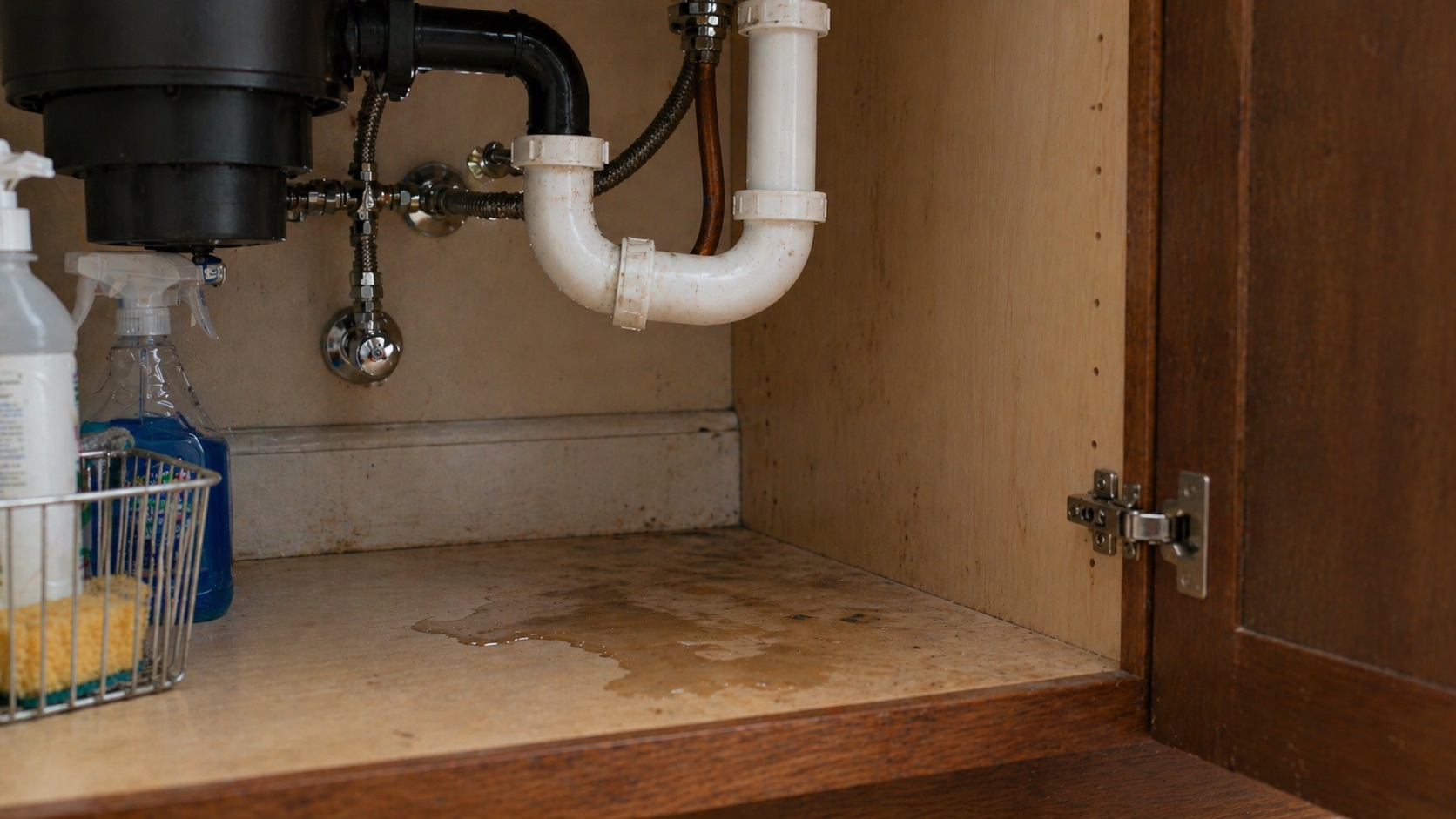
For example, many homeowners first notice a problem when they find water pooling under a kitchen sink after months of slow dripping. A properly placed leak detector inside that cabinet would typically send an alert long before visible damage appears.
These are some of the most common areas where hidden leaks begin. Monitoring these zones can help prevent long-term structural damage and mold growth. If you’re unsure whether moisture has already spread, reviewing the warning signs of slow hidden water leaks can help you identify problems before serious damage develops.
Where to Place Leak Detectors in Each Room
Placing sensors in the right locations is just as important as choosing the right device. Each room in a home has unique leak risks that should be monitored carefully.
Kitchen
- Under the kitchen sink
- Behind the refrigerator water line
- Near the dishwasher
Bathroom
- Inside vanity cabinets
- Behind toilets
- Near bathtub plumbing access panels
Laundry Room
- Behind washing machines
- Near supply hoses
- Next to floor drains
Basement
- Near sump pumps
- Next to water heaters
- Along foundation walls
Utility Areas
- Near HVAC condensate lines
- Next to filtration systems
- Around mechanical equipment
Installing sensors in these specific locations significantly improves early detection and reduces the chance of unnoticed water damage.
Consider Alert Types and Notification Methods
Different leak detectors use different alert systems. Some rely only on smartphone notifications, while others include audible alarms that sound immediately when water is detected.
Audible alarms are especially useful in mechanical rooms or basements, where leaks may escalate quickly. In high-risk areas, loud alerts can make the difference between minor cleanup and major repairs.
If you’re monitoring previously damaged areas, using detectors with audible alerts can support ongoing inspections — particularly when learning how to monitor areas after leak repairs for recurring moisture problems.
Some advanced systems can connect to automatic shutoff valves that stop water flow when a leak is detected. While these systems require more installation effort, they provide an additional layer of protection in high-risk homes.
Evaluate Wireless Range Requirements
Wireless range is one of the most overlooked factors when selecting a leak detector system. In larger homes, WiFi signals may not reliably reach distant locations such as crawl spaces or detached garages.
Common signs you may need extended wireless range include:
- Detached garages
- Finished basements
- Crawl spaces
- Multi-story homes
- Large square footage layouts
If your home has multiple levels or large distances between rooms, consider systems designed for extended communication range.
Reliable signal coverage ensures alerts are delivered quickly — even in remote areas where leaks might otherwise go unnoticed.
How to Set Up Smart Leak Detectors Properly
Installing leak detectors correctly is just as important as choosing the right product. Even high-quality sensors may fail to detect problems if placed incorrectly or installed in the wrong location.
Place Sensors at Ground Level
Most leak detectors work by sensing water at the base of the unit. For that reason, sensors should always be placed directly on the floor or inside cabinets where leaks are likely to collect first. Installing sensors early helps prevent conditions that lead to hidden moisture problems, such as mold growth behind walls and flooring materials.
Avoid placing sensors on shelves or elevated surfaces unless the device includes an extension cable designed for elevated installations.
Test Each Sensor After Installation
After installing sensors, always test them using a small amount of water. This ensures that alerts are working properly and that your phone receives notifications as expected.
Testing devices immediately after setup reduces the risk of discovering problems later during an actual leak event. Always dry the sensor completely after testing to prevent false alerts caused by leftover moisture.
Check Battery Levels Regularly
Most leak detectors rely on battery power. Over time, batteries can weaken and reduce system reliability.
Check battery levels periodically and replace batteries according to manufacturer recommendations. Reliable power ensures sensors remain active when you need them most.
How Often to Maintain Leak Detectors
Most smart leak detectors require only minimal maintenance, but regular checks help ensure reliable performance.
- Test sensors every 3–6 months
- Replace batteries according to manufacturer recommendations
- Clean dust or debris from detection probes
- Confirm app notifications remain active
Routine maintenance helps prevent missed alerts and ensures sensors remain ready to detect leaks when needed.
Maintain Reliable Internet Connectivity
Smart leak detectors depend on consistent communication with your home network. Weak WiFi signals or unstable connections can delay notifications.
If your home includes distant installation areas, consider improving wireless coverage using network extenders or hub-based systems designed for longer range communication.
Common Mistakes to Avoid When Using Smart Leak Detectors
Smart leak detectors are effective tools, but improper use can limit their effectiveness. Avoiding these common mistakes can significantly improve performance.
Installing Too Few Sensors
Many homeowners underestimate how many leak-risk locations exist in a typical home. Installing only one sensor may leave critical areas unprotected.
Expanding coverage across multiple locations improves detection reliability and reduces risk.
Ignoring Early Warning Signs
Leak detectors are designed to provide early alerts, but ignoring notifications defeats their purpose. If alerts occur, investigate immediately to identify the source of moisture.
Delays in response can allow moisture to spread behind walls or beneath flooring.
Placing Sensors in the Wrong Locations
Improper placement reduces detection effectiveness. Sensors should be positioned in locations where water is most likely to accumulate first.
For example, placing sensors too far from plumbing fixtures may delay detection and allow leaks to spread undetected.
Failing to Combine Detection with Inspection
Leak detectors are valuable tools, but they should not replace visual inspections. Regular inspections help identify problems that sensors alone may not detect.
Many homeowners combine detection tools with manual inspections and monitoring techniques to ensure hidden moisture problems are addressed early.
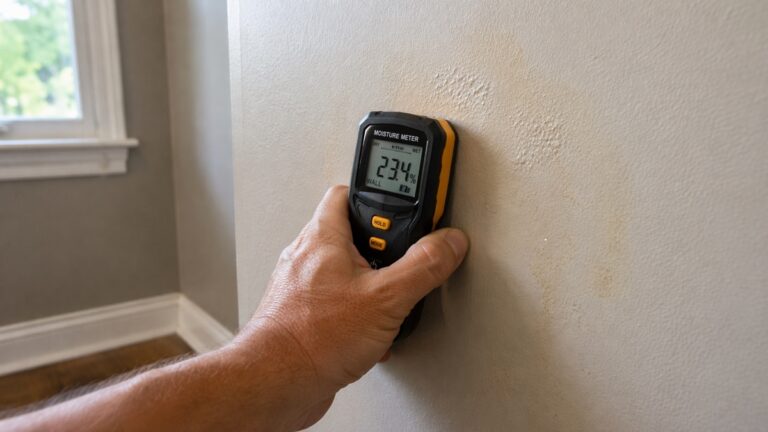
In situations where moisture is suspected but not confirmed, tools such as those reviewed in our guide to moisture meters for hidden water damage can help verify moisture levels inside walls or flooring materials.
What to Do Immediately After a Leak Is Detected
Receiving a leak alert is only the first step. Responding quickly helps prevent moisture from spreading into surrounding materials.
- Shut off the water supply if possible
- Inspect the area for visible leaks
- Dry standing water immediately
- Check nearby materials for dampness
- Monitor the area for recurring moisture
Quick action reduces the likelihood of long-term damage and helps prevent mold growth in affected materials. If drying is delayed, moisture can spread into surrounding materials and increase the risk of structural damage — similar to the situations described in signs of water damage behind walls.
If moisture has already spread into walls or flooring, follow proper drying procedures such as those outlined in how to dry walls after water damage.
Frequently Asked Questions About Smart Leak Detectors
How many smart leak detectors does a typical home need?
Most homes benefit from installing multiple leak detectors rather than relying on a single device. At minimum, consider placing sensors under kitchen sinks, near washing machines, beside water heaters, and in basement areas. Larger homes or properties with multiple bathrooms typically require additional sensors to ensure full coverage.
Installing sensors in several locations helps detect leaks early, especially when combined with regular inspection practices used to find hidden water leaks inside walls before visible damage occurs.
Where is the best place to install a smart water leak detector?
The best locations are areas where leaks are most likely to begin. Common installation locations include under sinks, behind appliances, near sump pumps, and around water heaters. Basement floors and crawl spaces are also high-risk areas where leaks can go unnoticed.
Placing sensors in locations where water naturally collects first improves detection speed and reduces damage risk.
Do smart leak detectors require WiFi to work?
Some leak detectors connect directly to WiFi, while others rely on a hub that communicates with sensors. Hub-based systems often provide more reliable communication across larger homes, while WiFi-only devices are typically easier to install in smaller spaces.
Choosing between these options depends on your home’s size, layout, and wireless coverage.
Can smart leak detectors help prevent mold growth?
Yes. Early leak detection helps reduce the time moisture remains in building materials. When leaks are discovered quickly, homeowners can dry affected areas before mold has time to develop.
This is particularly important in hidden locations where moisture may not be visible right away.
How often should leak detectors be tested?
Leak detectors should be tested periodically to confirm that alerts are working correctly. A simple way to test most sensors is to place a small amount of water near the detection probes and verify that notifications are triggered.
Regular testing ensures reliable performance during real leak events.
Are smart leak detectors useful after previous water damage?
Yes. Many homeowners install leak detectors after completing repairs to monitor areas that previously experienced water damage. Ongoing monitoring helps identify recurring problems early.
This is especially helpful when following long-term monitoring strategies such as those used to monitor areas after leak repairs and prevent repeat moisture issues.
Do leak detectors work during power outages?
Most leak detectors operate using battery power, which allows them to continue functioning during power outages. However, internet connectivity may still be required to send remote notifications.
Some systems include local alarms that continue working even if internet service is temporarily unavailable.
Final Thoughts: Choosing the Right Smart Leak Detector
Smart leak detectors provide an important layer of protection against water damage and hidden moisture problems. While no device can prevent every issue, early alerts give homeowners valuable time to respond before minor leaks turn into major repairs. Investing in one of the best smart leak detectors for homes can help reduce the chances of hidden water damage going unnoticed.
Choosing the right system depends on your home’s size, layout, and the number of high-risk areas that require monitoring. Smaller homes may benefit from simple WiFi-based systems, while larger properties often require hub-based or long-range systems for reliable coverage.
When combined with regular inspections and proactive moisture control practices, smart leak detectors can significantly reduce the risk of long-term damage. For homeowners focused on preventing moisture issues, these tools serve as a practical addition to a broader home protection strategy.
If you’re working to build a complete moisture prevention system, consider exploring additional tools and strategies available throughout our Moisture Control category, where you’ll find guides on inspection, prevention, and repair techniques.
3 Comments
Comments are closed.