How to Dry Flooring After Door Leaks
To dry flooring after a door leak, remove standing water immediately, stop water from entering at the door, pull back wet rugs or carpet when possible, run fans across the floor, and use a dehumidifier until the flooring and subfloor are dry. The most important step is not just drying the visible surface, but checking whether moisture has moved under the flooring or into the baseboards near the door.
Door leaks often wet a small visible area while allowing moisture to spread sideways under flooring, behind trim, or into the subfloor. Hardwood may cup, laminate may swell, carpet padding may stay wet, and vinyl or tile may trap moisture underneath even after the surface looks dry.
This guide explains how to dry flooring after door leaks, how to handle different flooring materials, when to expose the subfloor, and when drying is no longer enough. For broader long-term moisture control, see how to prevent recurring moisture damage.
What to Do Immediately After Water Enters Through a Door
The first few hours after water intrusion are critical. Acting quickly can significantly reduce damage and improve the chances of saving your flooring.
Safety note: Do not use fans, vacuums, or electrical equipment on wet flooring if water may have reached outlets, extension cords, or wiring. If the water came from flooding, sewage, or visibly contaminated runoff, treat the area as contaminated and call a water damage professional instead of attempting normal DIY drying.
Stop the Source of Water
Before drying the floor, stop new water from entering. If rainwater is still coming under the door or around the threshold, drying equipment will only remove part of the moisture while the leak keeps feeding the floor system.
Common sources to address include:
- Rainwater entering under the door
- Gaps in weatherstripping
- Water pooling outside the entry
- Leaks around the threshold
If water continues to enter during rain, use temporary measures such as towels at the threshold, exterior water diversion, or short-term gap protection until the door can be repaired properly. Do not permanently caulk or seal over the problem until the area is dry and the leak path is understood. Understanding why door threshold failures cause leaks can help identify common entry points.
Remove Standing Water Immediately
Any visible water on the floor should be removed as quickly as possible. Standing water accelerates absorption into flooring materials and increases the risk of deeper damage.
Effective methods include:
- Using towels or mops to absorb water
- Using a wet/dry vacuum for larger amounts
- Blotting carpeted areas to remove surface moisture
The goal is to prevent water from spreading further into surrounding materials.
Move Furniture and Obstructions
Furniture, rugs, and other objects can trap moisture and slow the drying process. Removing these items allows better airflow and prevents additional damage.
- Lift furniture off wet areas
- Remove rugs and mats near the door
- Elevate items that cannot be moved completely
Keeping the affected area open improves drying efficiency and reduces the risk of mold growth.
Start Airflow Immediately
Air movement is essential for drying flooring. Increasing airflow helps evaporate moisture from surfaces and reduces drying time.
To improve airflow:
- Open nearby windows if weather allows
- Use fans to circulate air across the floor
- Position fans to move air along the surface, not just into the room
Aim fans across the wet floor and toward an open drying path, not directly at one spot. Moving air across edges, seams, and the wall-floor joint helps moisture escape instead of staying trapped under trim or flooring.
Begin Dehumidification
Removing moisture from the air is just as important as drying surfaces. High humidity slows evaporation and allows materials to remain damp.
Use a dehumidifier to:
- Lower indoor humidity levels
- Accelerate moisture evaporation
- Reduce the risk of mold formation
During drying, try to keep indoor relative humidity below about 50% if possible. If the room stays humid, the flooring may feel dry on top while the underside, padding, or subfloor remains damp.
Why Fast Drying Is Critical
Fast drying matters because door leaks often wet the edge of the floor first, then push moisture under finished flooring, behind baseboards, and into the subfloor before the damage is obvious.
Mold Can Begin Growing Within 24–48 Hours
If flooring, padding, trim, or subfloor materials stay damp for more than a day or two, mold growth becomes more likely, especially near the threshold where moisture can stay trapped out of sight.
Early signs of mold may include:
- Musty odors
- Discoloration on flooring or trim
- Damp surfaces that do not dry evenly
If mold begins forming, symptoms similar to those described in signs of mold growth around exterior doors may appear.
Moisture Spreads Beyond the Surface
Water rarely stays confined to visible areas. It often spreads into:
- Subfloor materials beneath the flooring
- Wall cavities adjacent to the door
- Baseboards and trim
- Insulation near the entry point
This hidden moisture can persist even after the surface appears dry, allowing damage to continue unnoticed.
Flooring Materials Can Warp or Deteriorate
Flooring near exterior doors is especially vulnerable because water often reaches seams, cut edges, padding, and subfloor layers instead of staying on the surface.
- Hardwood can swell and cup
- Laminate can separate or bubble
- Carpet padding can retain moisture and develop odors
- Subfloor materials can weaken over time
Once these changes occur, repairs or replacement may be required.
Step-by-Step Flooring Drying Process
After the first cleanup, keep drying focused on the areas where door leaks usually hide moisture: flooring seams, the threshold edge, baseboards, carpet padding, and the subfloor near the wall-floor joint.
Step 1: Expose All Affected Areas
Drying is most effective when all damp materials are exposed to air. Hidden moisture will remain trapped if surfaces are covered.
- Remove rugs, mats, and coverings
- Lift or pull back carpet if possible
- Remove baseboards if moisture is suspected behind them
- Open doors and adjacent spaces for airflow
Exposing these edges gives trapped moisture a path out instead of leaving it sealed under trim, padding, or flooring.
Step 2: Increase Air Circulation
Air movement is one of the most important factors in drying flooring. Moving air carries moisture away from surfaces and speeds up evaporation.
- Use multiple fans to create cross-ventilation
- Direct airflow across wet surfaces, not just into the room
- Keep air moving continuously until drying is complete
Keep the air moving across the wet edge of the floor until seams, baseboards, and exposed materials no longer feel cool or damp.
Step 3: Control Humidity Levels
Lowering indoor humidity is essential for effective drying. High humidity slows evaporation and allows materials to remain damp.
- Run a dehumidifier continuously in the affected area
- Keep windows closed in humid conditions
- Monitor humidity levels if possible
Combining airflow with dehumidification creates the most effective drying environment.
Step 4: Remove Moisture from Subsurface Layers
Moisture often spreads beneath the visible surface, especially in flooring systems with multiple layers. Addressing subsurface moisture is critical to preventing long-term damage.
- Lift sections of flooring if necessary to allow drying underneath
- Use fans and dehumidifiers to target subfloor areas
- Allow time for deeper materials to dry fully
If moisture remains beneath the surface, it can lead to mold growth or structural weakening.
Step 5: Monitor Progress Daily
Drying is not immediate and requires ongoing monitoring. Check affected areas regularly for signs of improvement or worsening conditions.
- Look for areas that remain cool, damp, or darker than surrounding flooring
- Check for odors, staining, or discoloration near the threshold and baseboards
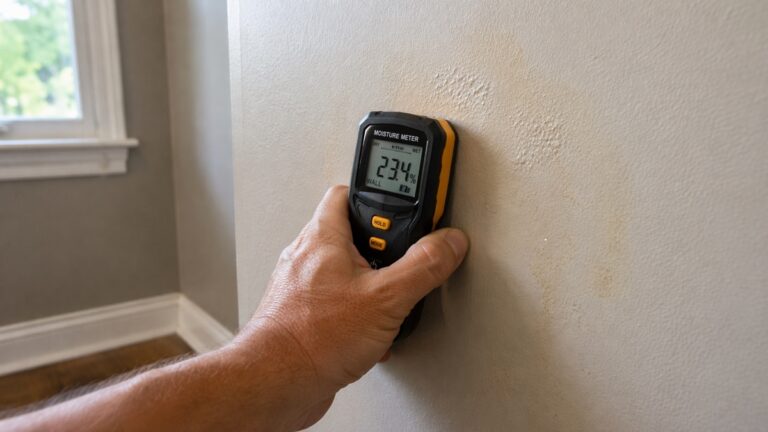
- Use a moisture meter if available, comparing the wet area with a dry area of the same material
- Watch for cupping, swelling, soft spots, or texture changes as the floor dries
If drying stalls or conditions worsen, additional intervention may be required.
How to Dry Different Flooring Types
Different flooring materials respond to moisture in different ways. Using the correct drying method for each type improves the chances of preventing permanent damage.
Drying Hardwood Flooring
Hardwood flooring is highly absorbent and can swell when exposed to moisture. Quick drying is essential to prevent warping or cupping.
- Dry the surface immediately using towels or a wet vacuum
- Use fans to move air across the floorboards
- Run a dehumidifier continuously
- Avoid excessive heat, which can cause uneven drying
Do not force-dry hardwood with high heat. Dry it gradually with airflow and dehumidification, then reassess after moisture levels stabilize. Some cupping may relax as the wood dries, but severe buckling, loose boards, or persistent moisture usually require repair.
Drying Laminate Flooring
Laminate flooring is especially vulnerable near exterior doors because water can enter seams, swell the core, and remain trapped underneath the planks.
- Remove standing water immediately
- Lift affected planks if moisture has penetrated underneath
- Allow subfloor materials to dry completely
- Replace damaged sections if swelling occurs
Once laminate swells or separates, it usually cannot be restored.
Drying Carpet and Padding
Carpet can hold large amounts of water, especially in the padding beneath it. Proper drying requires addressing both layers.
- Extract as much water as possible using a wet vacuum
- Lift carpet edges to expose padding
- Use fans and dehumidifiers to dry both layers
- Replace padding if it remains damp or develops odors
If the carpet padding stays wet, smells musty, or cannot be dried quickly, replace the padding rather than trying to save it. Padding holds moisture longer than carpet and is often the reason odors return after the surface feels dry.
Drying Tile Flooring
Tile itself is water-resistant, but moisture can enter through grout lines and affect the subfloor.
- Dry the surface thoroughly
- Focus airflow on grout lines and seams
- Use dehumidification to remove moisture beneath tiles
Even when tile appears dry, moisture may remain underneath if not properly addressed.
Drying Vinyl Flooring
Vinyl flooring resists water on the surface but can trap moisture underneath. This hidden moisture can lead to mold growth if not removed.
- Remove water from the surface immediately
- Check edges and seams for trapped moisture
- Lift sections if necessary to allow drying underneath
- Ensure subfloor materials are fully dried
Trapped moisture beneath vinyl can go unnoticed until mold or odors develop.
How to Dry the Subfloor After Door Leaks
One of the most overlooked steps after a door leak is drying the subfloor near the threshold and wall-floor joint. Even when the surface flooring looks dry, moisture can remain beneath the finished floor. For a deeper material-by-material guide, see how to dry subfloors after water damage.
Why Subfloor Drying Is Critical
Water entering through a door typically travels downward and spreads beneath the visible flooring layer. If the subfloor remains damp, it can:
- Support hidden mold growth
- Weaken structural components
- Cause flooring to warp again after initial drying
- Create persistent odors
Ignoring subfloor moisture is one of the main reasons flooring problems return after initial cleanup.
How to Access the Subfloor
In some cases, accessing the subfloor is necessary to allow proper drying.
- Lift sections of laminate or vinyl flooring if moisture is trapped underneath
- Pull back carpet and padding to expose the subfloor
- Remove baseboards to allow airflow into wall-floor junctions
Accessing these areas improves airflow and allows moisture to evaporate more effectively.
Drying Techniques for Subfloor Materials
Once exposed, subfloor materials should be dried using a combination of airflow and dehumidification.
- Position fans to move air directly across exposed subfloor surfaces
- Use dehumidifiers to reduce moisture in the surrounding air
- Allow sufficient time for moisture to evaporate fully
Subfloors made of plywood or oriented strand board (OSB) can hold moisture for extended periods, so patience and consistent drying are essential.
How Long Does It Take to Dry Flooring After a Door Leak?
The drying time for flooring depends on several factors, including the amount of water, the type of flooring, and environmental conditions.
Typical Drying Timeframes
- Surface moisture: often 12–24 hours with airflow
- Carpet, hardwood, or wet seams: often 2–5 days
- Subfloor, padding, or trapped moisture under vinyl/laminate: often 5–10 days or longer
Door leaks that reach carpet padding, hardwood seams, laminate edges, or the subfloor usually take longer than small surface spills because moisture is no longer exposed to open air.
Factors That Affect Drying Speed
Several factors influence how quickly flooring dries:
- Amount of water exposure
- Type of flooring material
- Indoor humidity levels
- Airflow and ventilation
- Temperature conditions
If the room stays humid or air only moves across the surface, moisture near the threshold and under flooring can remain trapped long after the top feels dry.
Why Flooring May Seem Dry Too Soon
It is common for flooring to feel dry on the surface while moisture remains underneath. This can lead to false confidence that the problem has been resolved.
Hidden moisture may still exist in:
- Subfloor materials
- Wall cavities near the door
- Baseboards and trim
- Insulation near the entry point
If these areas are not fully dried, problems can reappear later.
Signs Drying Is Not Working
Monitoring the drying process is essential. If certain warning signs appear, it may indicate that moisture is still present or that drying efforts are insufficient.
Persistent Dampness
If flooring remains damp after several days of drying, it may indicate that moisture is trapped beneath the surface.
- Areas that feel cool or damp to the touch
- Uneven drying patterns
- Moisture returning after initial drying
Musty Odors Developing
Musty smells are often an early sign of mold growth. If odors appear during drying, it may indicate that moisture has not been fully removed.
A musty odor near the threshold, baseboard, or flooring seam usually means moisture is still trapped somewhere nearby.
Visible Mold or Discoloration
Mold can begin forming quickly if moisture remains present. Watch for:
- Dark spots on flooring or trim
- Discoloration along seams or edges
- Spreading staining patterns
If mold appears, additional steps may be needed to address both moisture and contamination.
Warping or Material Changes
Changes in the shape or structure of flooring materials indicate that moisture has affected the material beyond the surface.
- Hardwood cupping or buckling
- Laminate swelling or separating
- Carpet remaining damp or uneven
These signs may indicate that drying alone is no longer sufficient and repairs may be required.
If mold-like staining, musty odor, or recurring dampness appears around the entry trim, the issue may no longer be simple drying. Review why mold forms around door frames to understand how repeated door-area moisture leads to recurring mold problems.
When to Replace Flooring Instead of Drying
In some cases, drying alone is not enough to restore flooring after a door leak. If moisture exposure is severe or prolonged, materials may suffer permanent damage that cannot be reversed.
Hardwood That Has Warped or Buckled
Hardwood flooring can sometimes recover from minor moisture exposure, but significant swelling or distortion often requires replacement.
- Boards that remain cupped after drying
- Buckling that lifts sections of flooring
- Gaps forming between boards
These signs indicate that the wood structure has been altered beyond recovery.
Laminate That Has Swollen
Laminate flooring is highly susceptible to water damage. Once it absorbs moisture, it typically swells and loses its structural integrity.
- Raised edges or seams
- Surface bubbling
- Permanent deformation
Swollen laminate usually needs to be replaced, as it cannot return to its original shape.
Carpet and Padding With Persistent Odors
Carpet may be salvageable if dried quickly, but prolonged moisture exposure often leads to odor and contamination.
- Persistent musty smells
- Padding that remains damp
- Signs of mold growth beneath the surface
In these cases, replacing the padding—and sometimes the carpet—is often necessary.
Subfloor Damage
If the subfloor has been significantly affected, replacing surface flooring alone may not solve the problem.
- Soft or weakened subfloor materials
- Structural instability beneath the floor
- Visible deterioration after drying attempts
Subfloor damage often requires more extensive repairs before new flooring can be installed.
When to Call a Professional
Minor, clean-water door leaks can often be dried with quick action, airflow, and dehumidification. Call a professional when the water spread under flooring, reached electrical areas, affected a large entry area, involved contaminated water, or failed to dry after several days.
Professional drying or inspection is usually the safer choice when:
- Water spread under a large area of flooring
- Carpet padding, laminate edges, or subfloor materials remain damp after several days
- Musty odor, mold-like staining, or recurring dampness appears near the door
- The floor feels soft, spongy, buckled, or unstable
- Water may have reached wiring, outlets, or contaminated exterior runoff
Persistent issues may require solutions similar to those outlined in fix persistent door leak problems, especially when water intrusion continues over time.
Frequently Asked Questions About How to Dry Flooring After Door Leaks
Can flooring dry on its own after a door leak?
Usually not completely. The visible surface may dry, but water from a door leak often moves under rugs, through flooring seams, behind baseboards, or into the subfloor. Use airflow and dehumidification, and check the edges near the threshold before assuming the floor is dry.
How long should I run fans and dehumidifiers?
Run them continuously until the surface, seams, padding, and subfloor areas are dry. A small surface leak may dry in a day, but wet carpet padding, hardwood seams, laminate edges, or subfloor materials can take several days or longer.
Will mold grow if the floor is only slightly damp?
Yes, if the dampness remains long enough. Slight moisture near an exterior door can become a mold problem when it stays trapped under flooring, behind trim, or in carpet padding instead of drying quickly.
How do I know if moisture is still trapped under the floor?
Warning signs include a cool or damp area near the door, musty odor, darkened seams, swelling, cupping, soft spots, or moisture readings that remain higher than a dry area of the same flooring material.
Is it safe to walk on wet flooring?
Be cautious. Wet flooring can be slippery, softened, or unstable. Avoid walking on the area if the floor feels spongy, buckled, or close to electrical outlets, extension cords, or wiring.
Key Takeaways
- Drying flooring after door leaks requires fast surface cleanup, source control, airflow, and dehumidification.
- Surface drying is not enough—subfloor and hidden moisture must also be addressed.
- Different flooring materials require different drying methods.
- Persistent moisture near thresholds, baseboards, padding, or subfloor materials can lead to recurring odors, mold, and floor damage.
- Some flooring types, such as laminate, often require replacement after water exposure.
- Professional help may be necessary for extensive damage or unresolved moisture.