How to Prevent Mold Around Bathroom Fixtures
To prevent mold around bathroom fixtures, keep fixture edges dry, run ventilation during and after showers or baths, maintain intact caulk and plumbing seals, and inspect tight spaces behind toilets, sinks, and vanities before dampness becomes persistent. Mold often starts in these narrow areas because moisture collects where airflow is limited and drying happens slowly.
Many fixture-area mold problems begin with repeated small moisture events rather than one obvious leak. Splashing, condensation, loose caulk, damp cabinet interiors, and slow drying behind fixtures can all create mold-friendly conditions if they are allowed to repeat.
This guide explains practical methods to prevent mold around bathroom fixtures, including ventilation habits, surface-drying routines, seal maintenance, and fixture-area inspections. For broader long-term prevention beyond fixture areas, how to prevent recurring moisture damage explains how to keep moisture problems from returning throughout the home. If you suspect hidden moisture already exists, reviewing how to detect hidden moisture in bathrooms can help identify early moisture risks before mold develops.
Why Mold Forms Around Bathroom Fixtures
Mold growth around bathroom fixtures typically begins when moisture remains trapped in enclosed spaces. Bathroom fixtures create tight contact points between walls, floors, and plumbing connections. These locations often experience repeated exposure to humidity, splashing water, and condensation.
Moisture Becomes Trapped in Tight Spaces
Most bathroom fixtures sit close to walls or floors, creating narrow areas where moisture collects. Because these spaces receive limited airflow, damp conditions can persist long after showers or sink use.
Common moisture traps include:
- Behind toilet tanks
- Under sink basins
- Along vanity cabinet backs
- Around plumbing penetrations
Because these areas are hard to see, mold may not become visible until moisture has been repeating for weeks or longer.
Humidity Levels Remain Elevated After Bathroom Use
Bathrooms generate high levels of humidity during normal daily activities. Hot showers and running water release moisture into the air, which then settles onto cooler surfaces surrounding fixtures.
Humidity-related mold risks increase when:
- Ventilation systems are not used consistently
- Airflow remains restricted
- Moisture accumulates faster than it dries
- Surfaces remain damp for extended periods
Persistent damp conditions allow mold to grow even without visible leaks. In many homes, recurring moisture patterns are connected to the underlying causes explained in why bathroom walls stay damp, especially when ventilation remains insufficient.
Repeated Water Exposure Around Fixtures
Water splashing around fixtures contributes significantly to mold risk. Sinks, toilets, and bathtubs all create small water droplets that settle onto nearby surfaces. Over time, repeated exposure increases moisture accumulation in concealed areas.
Common sources of repeated moisture exposure include:
- Splash-back from handwashing
- Water dripping from faucets
- Condensation forming on cold plumbing lines
- Water pooling near fixture bases
These moisture sources may seem minor, but repeated exposure can keep seams, cabinet backs, and fixture bases damp long enough for mold to develop.
Core Moisture-Control Habits Around Bathroom Fixtures
The same basic habits protect most fixture areas: remove visible water quickly, keep air moving, and prevent moisture from entering seams, cabinet backs, and plumbing penetrations.
Keep Surfaces Dry Whenever Possible
Drying visible moisture prevents water from entering seams, joints, and hidden gaps. Even small amounts of standing water can migrate into concealed areas where mold growth begins.
Effective drying habits include:
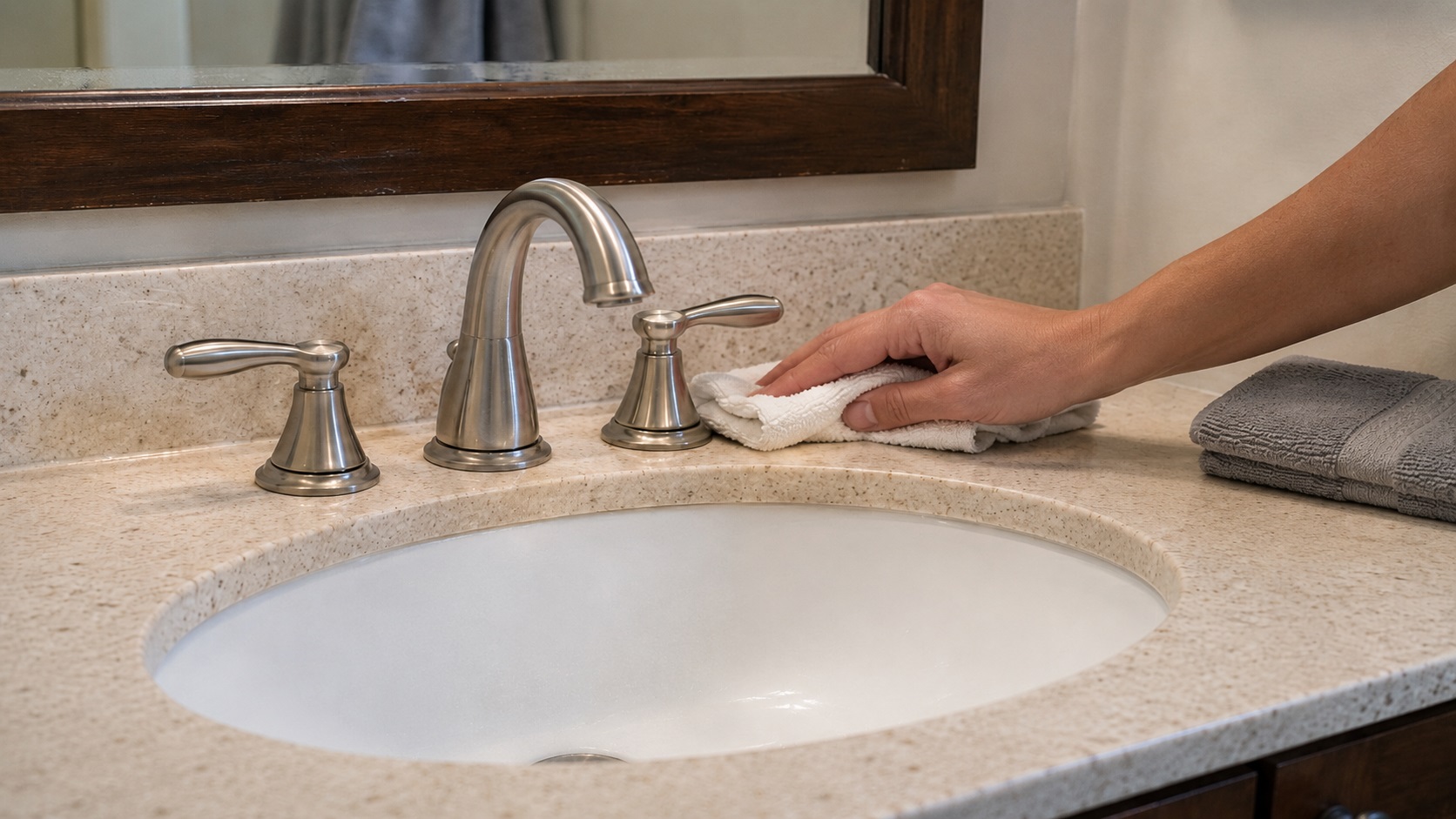
- Wiping water from sink edges
- Drying floors near toilet bases
- Removing standing water from vanity surfaces
- Keeping cabinet interiors dry
This is especially important around faucet bases, toilet bases, vanity seams, and cabinet floors where water can slip into gaps.
Maintain Airflow Around Fixtures
Airflow helps enclosed fixture areas dry before moisture settles into seams, cabinet backs, and wall gaps.
Airflow improvement methods include:
- Using exhaust fans during showers and baths
- Leaving the bathroom door open after use when privacy and layout allow
- Keeping towels, rugs, and stored items from blocking airflow near fixture bases
- Allowing cabinet doors to stay open briefly after heavy moisture exposure
Control Indoor Humidity Levels
Humidity control plays a major role in preventing mold around bathroom fixtures. When humidity remains high, condensation forms more easily on cooler surfaces such as plumbing pipes and fixture backs.
A small bathroom hygrometer can help confirm whether humidity is staying too high after showers. As a practical target, try to keep bathroom humidity below about 50% when possible and bring it back down quickly after bathing. If the reading stays elevated long after the fan runs, or if walls remain damp despite ventilation efforts, strategies outlined in how to reduce bathroom wall moisture may help lower moisture buildup in surrounding materials.
How to Prevent Mold Behind Toilets
The space behind toilets is one of the most common locations where mold develops due to limited airflow and recurring moisture exposure. Because this area is difficult to see and clean regularly, moisture often remains trapped long enough to support mold growth.
Reduce Condensation on Toilet Tanks
Cold toilet tanks frequently develop condensation when warm, humid air contacts the tank surface. Water droplets forming on tank surfaces can drip onto nearby walls or floors, creating hidden damp zones.
Ways to reduce condensation include:
- Running ventilation fans during bathroom use
- Keeping bathroom humidity near or below 50% when possible
- Drying condensation from tank surfaces when visible
- Monitoring nearby wall areas for moisture buildup
Understanding the conditions that cause condensation helps prevent recurring mold risks. Many moisture patterns behind toilets follow the behaviors described in why mold forms behind toilets, especially in humid environments.
Maintain Dry Conditions Around the Toilet Base
Water near the toilet base can enter flooring seams, grout lines, and small gaps where the toilet meets the floor. Over time, repeated moisture exposure increases the risk of mold developing along hidden edges.
Prevention steps include:
- Drying floors after cleaning or spills
- Checking for moisture pooling near the base
- Keeping grout or flooring seams sealed
- Monitoring nearby baseboards for discoloration
Keeping this area dry is especially important because toilet bases often hide small gaps where moisture can linger.
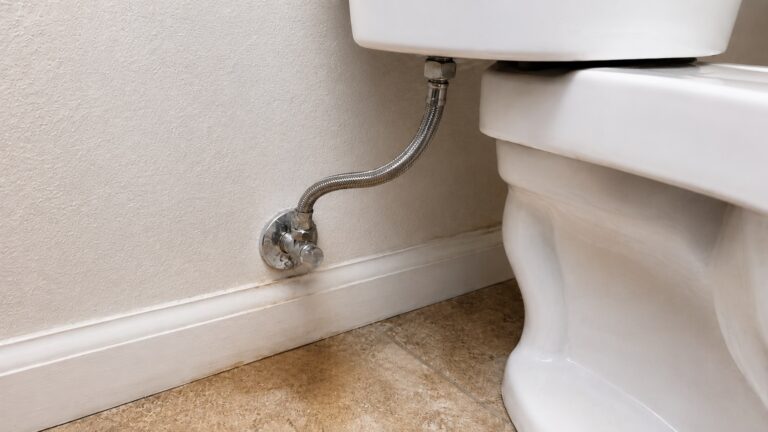
Inspect Supply Lines and Connections Regularly
Toilet supply lines can develop condensation or minor leaks that contribute to mold formation. Even small amounts of water can create long-term moisture problems if left unaddressed.
Routine inspection should include:
- Checking supply line connections for dampness
- Looking for corrosion or residue buildup
- Monitoring shutoff valves for moisture
- Watching for recurring damp areas near connections
Identifying moisture early reduces the likelihood of hidden mold developing behind the toilet.
How to Prevent Mold Around Bathroom Sinks
Bathroom sinks create several opportunities for moisture to collect in concealed areas. Splashing water, condensation, and plumbing connections all contribute to moisture accumulation that may lead to mold growth.
Control Splash-Back From Daily Use
Water splashing around sinks often settles along nearby walls, counters, and cabinetry. Over time, repeated splash-back increases moisture levels in concealed areas.
Ways to control splash-related moisture include:
- Wiping surfaces after sink use
- Adjusting water pressure to reduce splashing
- Using splash guards when necessary
- Monitoring surrounding surfaces for dampness
Reducing repeated water exposure limits long-term moisture buildup.
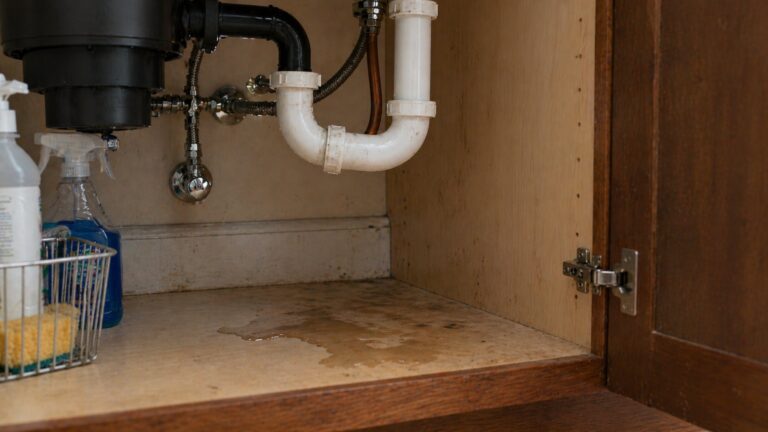
Keep Cabinet Interiors Dry
Sink cabinets create enclosed environments where humidity can build quickly. Without proper airflow, moisture may accumulate beneath plumbing fixtures and along cabinet walls.
Prevention methods include:
- Checking cabinet interiors for dampness
- Removing stored items that trap moisture
- Keeping cabinet surfaces clean and dry
- Monitoring hidden areas beneath pipes
If cabinet interiors show recurring moisture or odor symptoms, reviewing signs of hidden mold behind bathroom cabinets can help identify early warning indicators.
Maintain Plumbing Seal Integrity
Seals around plumbing penetrations prevent moisture from entering surrounding materials. Damaged or missing seals allow water to seep behind surfaces where mold may develop unnoticed.
Routine maintenance should include:
- Inspecting seal lines around pipe openings
- Repairing cracked or missing seal material
- Ensuring tight connections around fittings
- Watching for signs of water penetration
Keeping seals intact reduces the likelihood of moisture entering concealed wall or cabinet areas.
How to Prevent Mold Around Bathroom Vanities
Bathroom vanities create large enclosed spaces where moisture can accumulate without being noticed. Because vanities often sit directly against walls and floors, moisture entering these areas may remain trapped for extended periods. Preventing mold around vanities requires careful attention to airflow, moisture control, and surface maintenance.
Allow Airflow Behind and Beneath Vanities
Limited airflow behind vanities slows drying and increases the chance of mold growth. Even small gaps between cabinetry and walls can trap moisture when airflow remains restricted.
Ways to improve airflow include:
- Avoid blocking cabinet ventilation openings
- Keeping cabinet interiors organized to allow air movement
- Opening cabinet doors occasionally to release trapped humidity
- Ensuring ventilation fans remove moisture from the room
This is most useful after showers, cleaning, or any sink leak that briefly raises moisture inside the vanity.
Keep Vanity Floors Dry
Moisture beneath vanities often develops from spills, condensation, or plumbing leaks. Water trapped beneath cabinets may remain undetected and support mold growth along concealed surfaces.
Preventive actions include:
- Cleaning up spills immediately
- Monitoring areas beneath cabinets for dampness
- Inspecting flooring edges near vanity bases
- Checking for discoloration along lower cabinet panels
Dry flooring reduces the risk of moisture entering subfloor materials where mold growth may spread.
Inspect Plumbing Components Regularly
Vanity plumbing components create potential moisture sources that require routine monitoring. Pipes, connectors, and shutoff valves may produce condensation or minor leaks that encourage mold growth.
Inspection routines should include:
- Checking pipe joints for signs of moisture
- Looking for residue buildup or corrosion
- Monitoring cabinet floors for recurring dampness
- Watching for odor development inside cabinet spaces
Early identification of plumbing-related moisture reduces long-term mold risk.
Daily Habits That Prevent Mold Around Fixtures
Daily habits matter because fixture-area mold usually develops from repeated small moisture events. The goal is to stop water from sitting long enough to enter seams, cabinet interiors, flooring edges, or wall gaps.
Use Ventilation During and After Bathroom Use
Ventilation removes excess humidity from the air and prevents moisture from settling onto surrounding surfaces. Using ventilation consistently is one of the most effective mold prevention strategies.
Recommended ventilation habits include:
- Running exhaust fans during showers
- Continuing ventilation for 20 to 30 minutes after showers when needed
- Allowing airflow to circulate through the room
- Keeping ventilation systems maintained
Without proper ventilation, humidity remains trapped and increases the likelihood of mold development.
Dry Surfaces After Water Exposure
Drying surfaces immediately after exposure prevents moisture from migrating into seams and joints. Even small amounts of standing water create conditions that support mold growth.
Important drying tasks include:
- Wiping sink counters after use
- Drying areas around faucet bases
- Removing water from floor surfaces
- Keeping cabinet interiors dry
Routine drying habits significantly reduce mold formation risks.
Monitor Humidity Levels Regularly
Tracking humidity helps you see whether the bathroom dries after normal use or stays damp long enough to support mold. Check readings after showers, again 30 to 60 minutes later, and after running the fan to see whether ventilation is actually lowering moisture.
Monitoring methods include:
- Watching for condensation on toilet tanks, supply lines, mirrors, and fixture backs
- Running the exhaust fan until humidity drops instead of shutting it off immediately after bathing
- Reducing moisture sources when possible
- Watching for recurring damp conditions
When humidity remains difficult to control, reviewing techniques in how to reduce bathroom wall moisture may help stabilize moisture levels in surrounding surfaces.
Maintenance Practices That Reduce Mold Risk
Regular maintenance helps prevent mold growth by identifying problems before they become severe. Routine inspection and repair of moisture-prone areas provide long-term protection against mold development.
Maintain Caulking Around Fixtures
Caulking creates protective seals that prevent moisture from entering hidden gaps. Over time, caulking may crack, shrink, or separate from surfaces, allowing water to penetrate behind fixtures.
Maintenance tasks include:
- Inspecting caulking lines regularly
- Replacing damaged seal material promptly
- Ensuring complete coverage along seams
- Watching for visible gaps around fixture edges
Maintaining intact seals prevents moisture intrusion and limits mold risk.
Repair Minor Damage Immediately
Small structural damage can create pathways for moisture entry. Cracks, loose materials, and damaged surfaces should be repaired as soon as possible to prevent mold-friendly conditions.
Common minor repairs include:
- Fixing loose trim components
- Repairing chipped surfaces
- Replacing damaged materials
- Restoring protective coatings
Prompt repair reduces long-term moisture exposure and limits mold development.
Inspect Hidden Areas Periodically
Routine inspection of concealed spaces helps identify early moisture conditions before mold becomes visible. Hidden inspection areas often reveal problems that remain undetected during normal cleaning routines.
Recommended inspection points include:
- Behind toilet tanks
- Inside sink cabinets
- Around plumbing connections
- Along baseboards near fixtures
Periodic inspection improves early detection and reduces the risk of widespread mold growth.
When Fixture-Area Mold Prevention Is Not Enough
Even with consistent preventive habits, some moisture conditions may persist due to hidden structural problems or ongoing moisture intrusion. When preventive measures fail to reduce dampness or mold risk, additional evaluation may be necessary.
Recurring Moisture Despite Routine Prevention
If moisture continues to appear around fixtures after implementing ventilation and drying practices, hidden sources may be contributing to the problem. Persistent dampness often indicates moisture entering from concealed areas rather than surface exposure.
Situations requiring closer attention include:
- Moisture returning shortly after drying
- Persistent damp odors near fixtures
- Visible condensation forming repeatedly
- Surfaces remaining damp longer than expected
When moisture persists, signs of mold behind bathroom fixtures can help you recognize fixture-specific mold symptoms without turning this prevention article into a full mold diagnosis guide.
Evidence of Hidden Structural Moisture
Some moisture conditions originate from concealed plumbing or structural issues rather than daily humidity. When materials show signs of water damage, preventive routines alone may not resolve the problem.
Structural warning signs include:
- Swollen baseboards near fixtures
- Soft drywall behind cabinets
- Peeling paint along fixture edges
- Recurring stains that continue spreading
These symptoms often indicate moisture penetrating beyond visible surfaces. When structural changes occur, further evaluation helps determine the extent of the issue.
Do not caulk over soft drywall, swollen trim, spreading stains, or recurring mold until the moisture source has been identified. Covering damaged materials can trap moisture deeper inside the wall, floor, or cabinet cavity.
When Fixture Moisture Needs Professional Evaluation
Professional inspection may be necessary when moisture or mold symptoms continue despite consistent prevention efforts. Identifying hidden moisture sources often requires specialized tools and inspection techniques.
Professional help may be appropriate when:
- Mold repeatedly returns after cleaning
- Moisture spreads beyond fixture areas
- Structural materials begin deteriorating
- Odors persist despite ventilation improvements
When moisture conditions remain unresolved, escalation guidance in how to fix persistent bathroom moisture problems can help determine appropriate next steps.
Frequently Asked Questions About Preventing Mold Around Bathroom Fixtures
How do you prevent mold around bathroom fixtures?
Prevent mold by controlling humidity, maintaining airflow, drying surfaces after use, and keeping seals intact around fixtures. Routine inspection of concealed areas also helps detect moisture before mold develops.
What causes mold to form around bathroom fixtures?
Mold forms when moisture remains trapped in enclosed spaces around fixtures. Humidity, condensation, water splashing, and poor ventilation all contribute to mold development.
How often should bathroom fixtures be inspected for mold prevention?
Fixtures should be visually inspected during routine cleaning and more thoroughly checked at least once every few months. Frequent inspections help detect early moisture conditions before mold becomes established.
Can ventilation alone prevent mold around fixtures?
Ventilation significantly reduces humidity but should be combined with drying practices, seal maintenance, and routine inspection to provide complete mold prevention.
Do I need special products to prevent mold around bathroom fixtures?
Most prevention strategies rely on moisture control rather than specialized products. A hygrometer, exhaust fan timer, leak alarm, or fresh caulk can help, but keeping fixture areas dry and well ventilated matters more than relying only on cleaning solutions.
When should professional help be considered for mold prevention issues?
Professional evaluation is recommended when moisture persists despite prevention efforts or when structural materials show signs of deterioration.
Key Takeaways
- Mold prevention around bathroom fixtures depends on controlling moisture and improving airflow.
- Drying fixture edges, cabinet floors, and toilet-base areas after water exposure reduces mold risk.
- Routine inspection of hidden areas helps detect moisture before mold develops.
- Maintaining seals and repairing minor damage prevents moisture intrusion.
- Consistent ventilation reduces humidity and speeds drying.
- Professional evaluation may be necessary when moisture persists despite preventive efforts.